How creating space for connections can drive neighborhood development
Fort Wayne's neighborhood leaders use a shared space to crowdsource solutions and share ideas. These connections lighten the workload and stretch resources.
Home to more than 265,700 residents, Fort Wayne is the regional hub of Northeast Indiana, and the homebase of Input Fort Wayne. Known as “the City that Saved Itself,” Fort Wayne has a long history of do-it-yourself innovation. Farnsworth mass-produced the first televisions here. General Electric did the same with stoves, refrigerators, and washing machines. Today, Fort Wayne residents are innovating in new ways, creating everything from tech startups to solutions that improve the equity, health, and vitality of local neighborhoods. Projects like Riverfront Fort Wayne and Electric Works light the way into the city's future and draw residents back into the urban core. Fort Wayne is home to people of many cultures, including a large Burmese community. The diversity of small businesses, one-of-a-kind restaurants, and neighborhood grocery stores here attests to the area's vibrancy. Rather than specific neighborhood names, most Fort Wayne residents identify with the city's broader zip codes or quadrants as their "neighborhood." Explore the quadrants listed on the "Places" tab of Input Fort Wayne's website to get a feel for each area's unique people, places, and cultures.
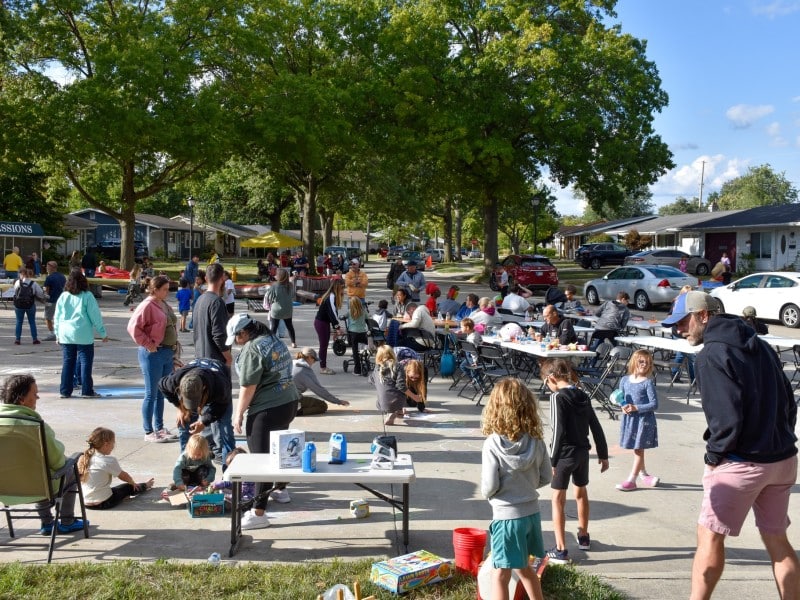
Fort Wayne's neighborhood leaders use a shared space to crowdsource solutions and share ideas. These connections lighten the workload and stretch resources.
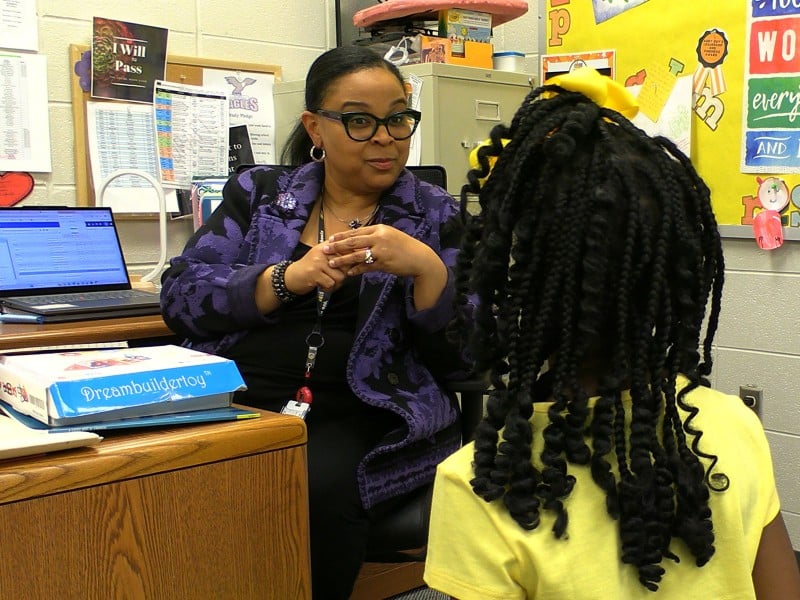
Graduate students studying counseling and social work at local universities are gaining experience and helping Fort Wayne Community Schools students via the EACH project.
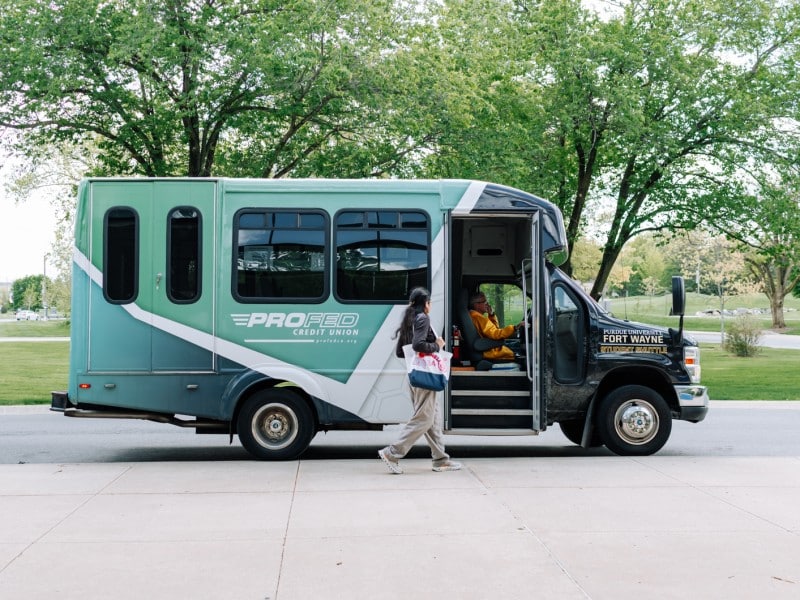
Fort Wayne is a city with a car-centric mindset. Early exposure to biking and transit could help, but a lack of density could limit long-term habit change.
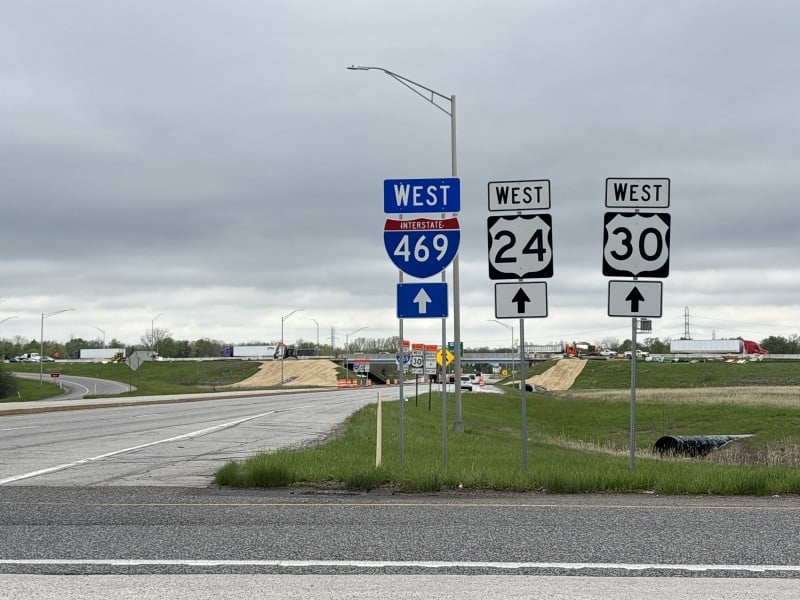
Joshua Schipper reflects on his transportation reporting, asking: Can you build a more walkable Fort Wayne if people don’t want to use it?
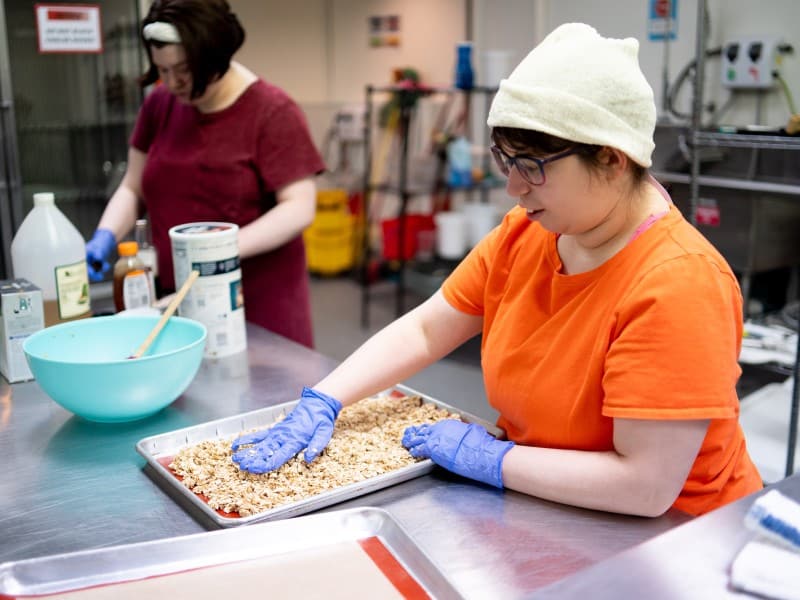
Windrose Exchange team members get real-world experience in a supportive work environment.
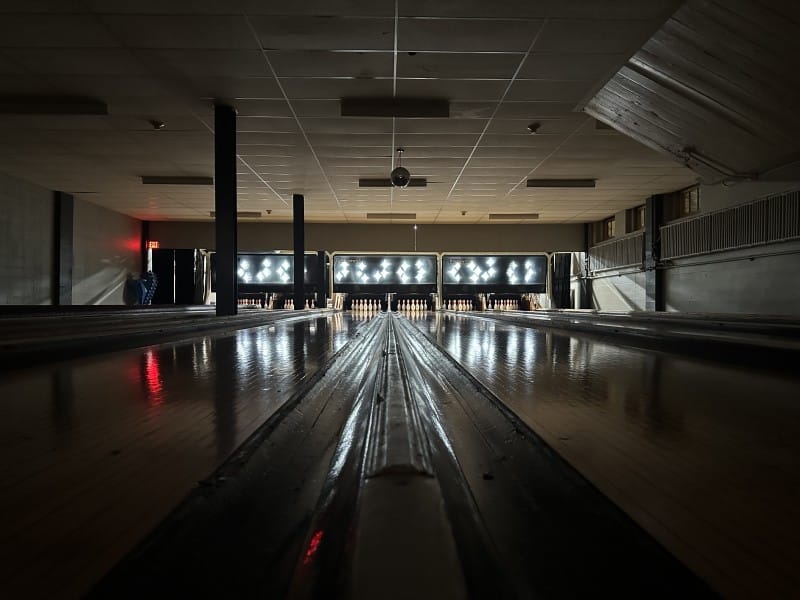
The Rich Sarrazin Bowling Center (RSBC), inside Most Precious Blood School, invites bowlers of all generations to gather in a retro atmosphere.
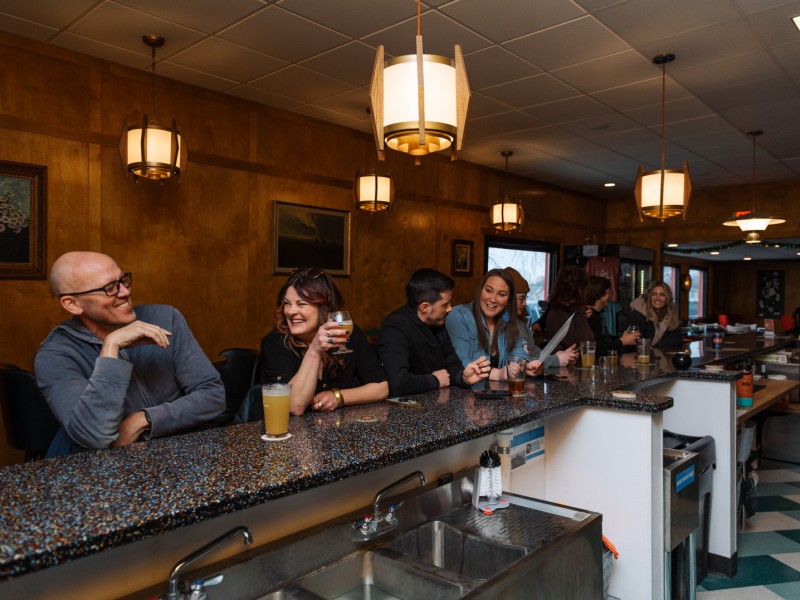
The Packard Taphouse, a community-driven gathering spot in the 07, doesn’t take itself too seriously — and that’s part of the fun.
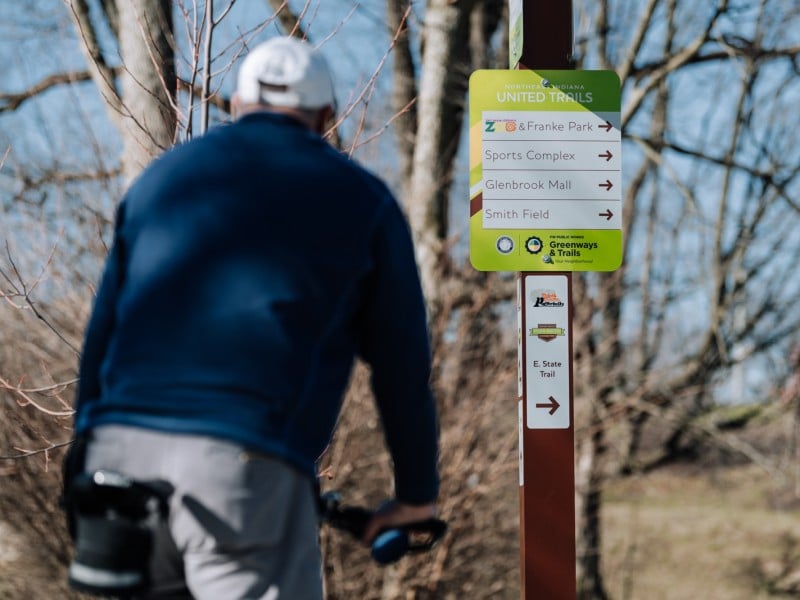
Regional planners are expanding trail signage and wayfinding to help riders move beyond familiar routes and explore the network with confidence.
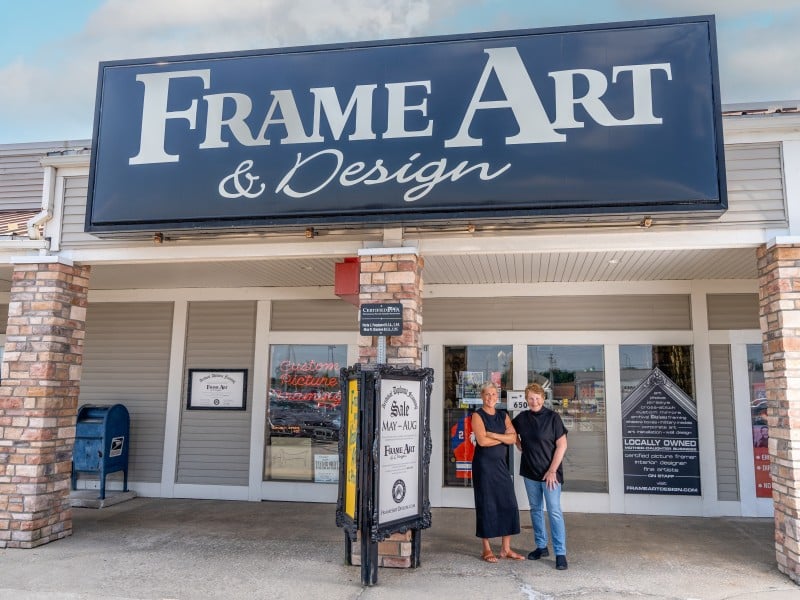
Frame Art & Design is celebrating more than 30 years of expert framing and fine art services.
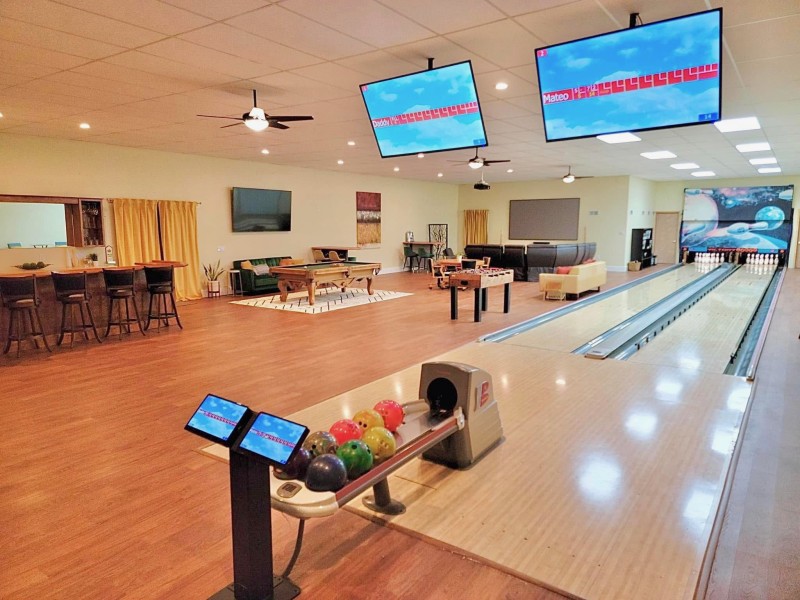
Following a devastating loss, Sarah and Jason McMillan committed themselves to creating House of Pins, a space where everyone is welcomed, accepted, and valued.
Our Partners