Inside Fort Wayne’s resilient LGBTQ+ community spaces
Dedicated spaces like After Dark Nightclub and Fort Wayne Pride continue to affirm Fort Wayne’s LGBTQ+ community, providing vital support.
For 44 years, After Dark Nightclub has existed as a haven for Fort Wayne’s LGBTQ+ community.
But it wasn’t always the sole place of its kind. Local advocate and entertainer Della Lish McGee recalls a time when Fort Wayne supported five or six distinct gay bars. Today, After Dark stands alone. This shift, however, isn’t necessarily a sign of a shrinking community. Instead, it reflects a broader societal acceptance.
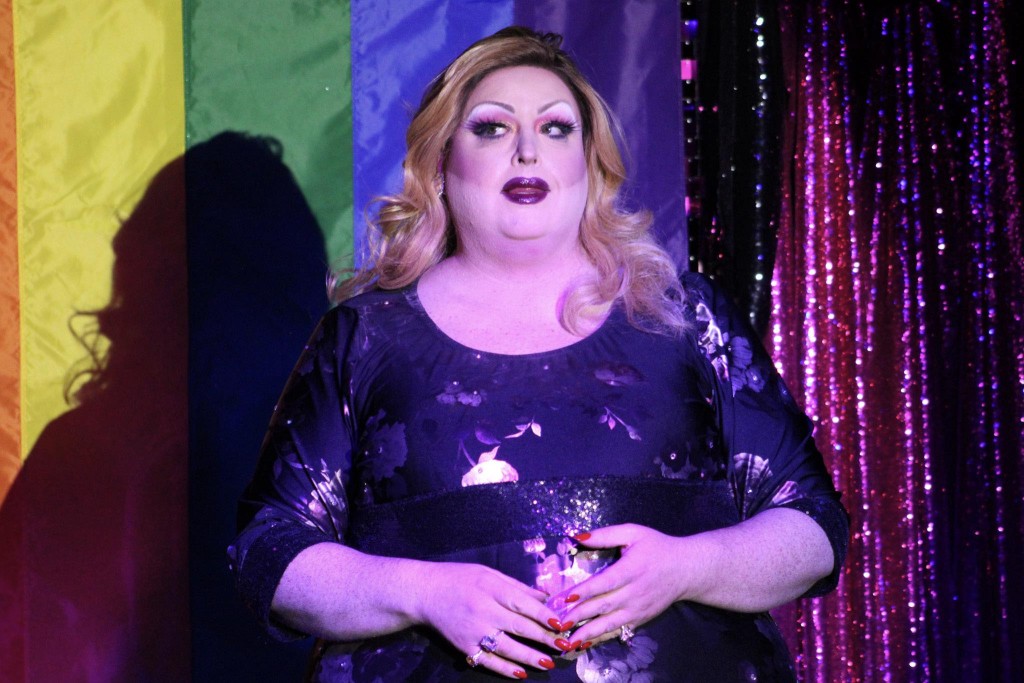
“The younger gay people especially don’t go to the gay bars because they don’t have to,” McGee says. “In the 70s, 80s, and 90s, they were the only place you could go to be yourself. Now you can just be in any bar as a gay person, and you can exist.”
Even with this mainstream acceptance, the need for dedicated LGBTQ+ spaces remains strong. Staff at these venues do more than just pour drinks. They show up for community causes, too. Recently, McGee chaired an annual benefit for the Positive Resource Connection, a local organization that serves people living with HIV, AIDS, and Hepatitis C. Through cover charges, an auction, and entertainers donating their tips, the event raised an impressive $23,000 in a single day.
This might seem like an anomaly in a city often known for its traditional, conservative roots. Although the city of Fort Wayne is led by a Democrat mayor, Allen County as a whole is Republican-leaning, with the 2024 presidential election seeing more than 55% of voters supporting the Republican ticket.
Despite the large Republican base, a vibrant and resilient LGBTQ+ culture has taken root in Fort Wayne. No stranger to adversity, the queer community locally has faced decades of changing political climates, shifting social norms, and, more recently, an abysmal rating from the Human Rights Campaign in 2025.
Meanwhile, local activists, allies, and community spaces have built a supportive following that continues to grow.
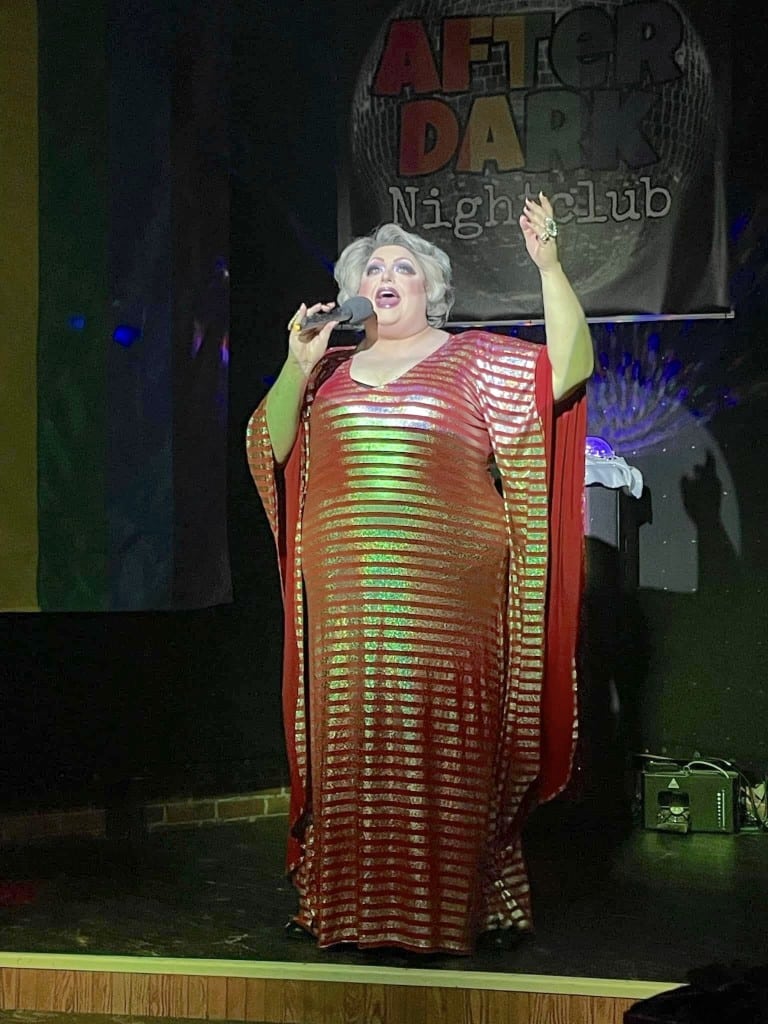
“Even though it feels like we’re backpedaling a lot, the things that people used to be so afraid to be, or to at least be proudly and authentically, people can now just be,” says McGee, who’s been in the scene in Fort Wayne for more than two decades. “There’s still a lot of naysaying, but it’s a testament to society that people can be who they are — out in the open — in ways that would have been impossible not so long ago.”
McGee emphasizes that the element of community matters, especially in a place where being outwardly LGBTQ+ hasn’t always been easy.
“When I started [performing], Fort Wayne was known as a conservative town,” she recalls. “But my parents were mostly lovely. When I came out to my mom [in the ‘90s], she was at the [gay] bar with me that same week.”
But there was still plenty of ignorance and intimidation — cops circling the bar, slurs from passersby, threats received both in person and online. And yet, the drag and queer community persisted and stuck together to weather the hard times.
This sense of belonging and continuity is echoed in the long history of local venues, like After Dark. Now located on South Harrison Street in the Hoagland Masterson neighborhood, it’s survived several address changes, not to mention challenges like the COVID-19 pandemic.
As McGee puts it, “After Dark has survived every iteration. We keep trying to make changes to keep up with the times, but it still feels like home. We have a bar staff that’s been there for quite some time, so there’s that familiarity. I think that is what’s making it so long-standing.”
While After Dark has maintained its footing as a third place for more than four decades, other gay bars around the country have shuttered in recent years.
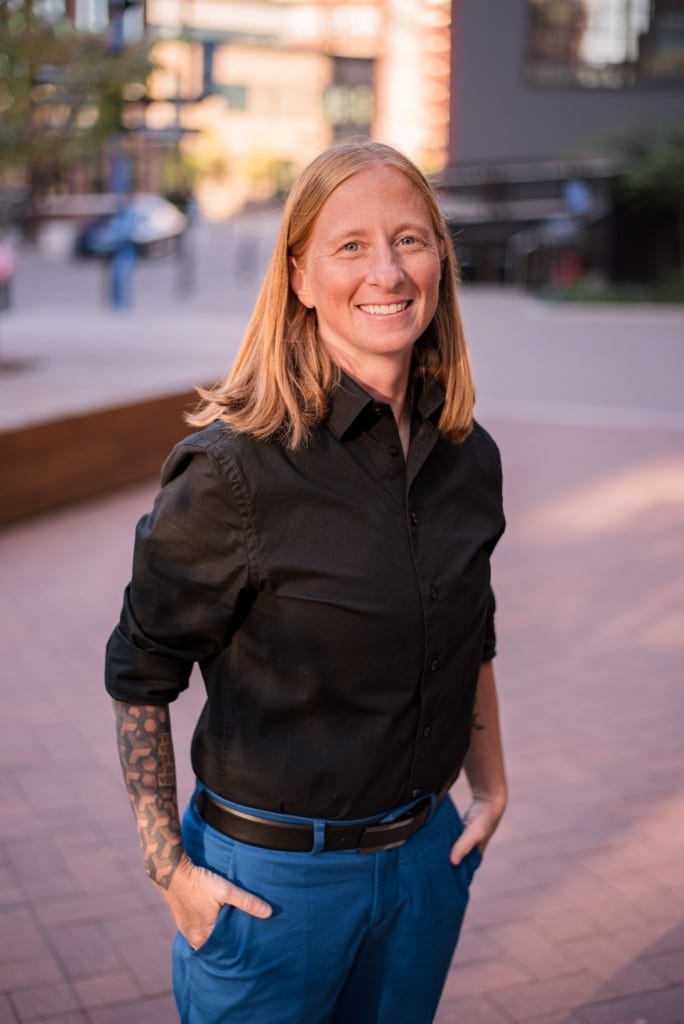
Facing the grim reality, activists like Nikki Fultz say it’s more important than ever to unite people around love and acceptance. Fultz is president of Fort Wayne Pride and an educator.
Reflecting on her 26 years as a volunteer with the organization, notes that Fort Wayne Pride is more than just an annual festival.
“We have events every month that bring hundreds of people. We support people through our website, connect them to resources, provide education, and make sure that we’re the face of the LGBTQ+ community for our area.”
“Having something like [the] Pride [festival] allows people the space to be themselves and connect with others. Most people, if they’re not in a marginalized group, are able to just be themselves every day. But for our community, it’s not always like that. Whether that happens at the bar, at [the festival], or another LGBTQ+-friendly space, it makes a difference — sometimes a life-saving one.”
Speaking of spaces, the Fort Wayne Pride Center, 527 W Berry St., opened in 2022 and hosts monthly meetings for LGBTQ+ community members of all ages. While the Center has year-round programming, Fort Wayne Pride spans two days. The festival provides a large-scale, visible celebration of the community every summer. Fultz has watched the festival transform from a small gathering of about 100 people in the late 1990s to a full production drawing more than 20,000 today.
“I believe heavily in education and making sure that our nonprofit is always looking at how we can educate the community and bring visibility,” Fultz says. “People see that we are just another important contributor to our community.”
The festival’s demographics help tell that story. According to a 2023 survey, 78% of the attendees identified as members of the LGBTQ+ community. This diversity in support helps break down stereotypes and make inroads with allies that can lead to positive social change.
Even with the growth of the Pride festival and increased social acceptance of LGBTQ+ lifestyles, the community still faces significant anxieties. Fultz notes that the rights of the transgender population, in particular, have been under attack during the second Trump administration.
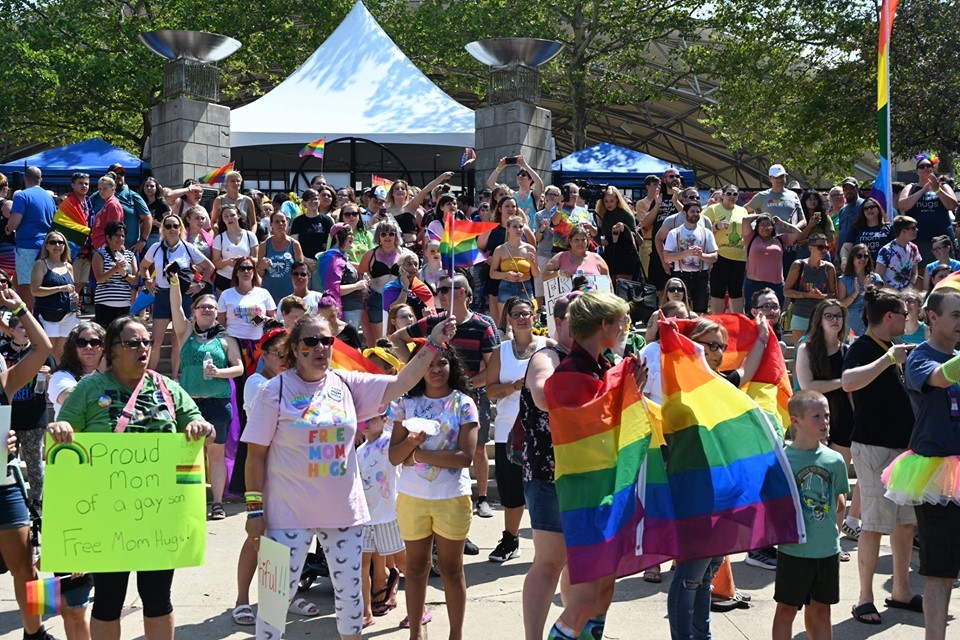
“Anytime there’s an administration or lawmakers who don’t have our interests in mind — and who are openly proposing things that could really harm us — our community is worried,” she says.
This sentiment underscores the deep need for “chosen family.” Unlike other marginalized groups who often share their identity with their biological relatives, LGBTQ+ individuals frequently have to seek out their own support networks to feel safe.
“Our community has to have spaces that are safe because they don’t always go home to a family who are also part of that marginalized group,” Fultz says. “The bar scene and Pride festival allow people to meet others who are LGBTQ+ and build community that way.”
Author

Related Articles
‘A big deal’: Art This Way celebrates 10 years, trades annual art crawl for a larger free festival
As Art This Way reflects on a decade of public art, the program replaces its annual art crawl with a free two-day festival and looks toward the future.
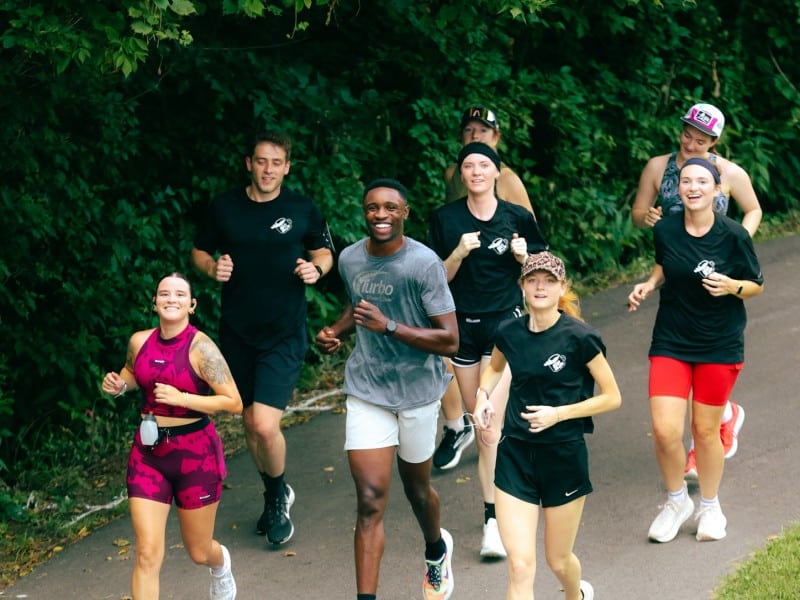
More than miles: How Fort Wayne run clubs are building community
Across Fort Wayne, run clubs are gaining momentum. By prioritizing social connection over competition, these groups are building community one mile at a time.
Help shape future coverage – join our upcoming listening session
Join Input Fort Wayne at Tall Rabbit for coffee, conversation, and a chance to share the issues, people, and neighborhood stories you think deserve more attention.