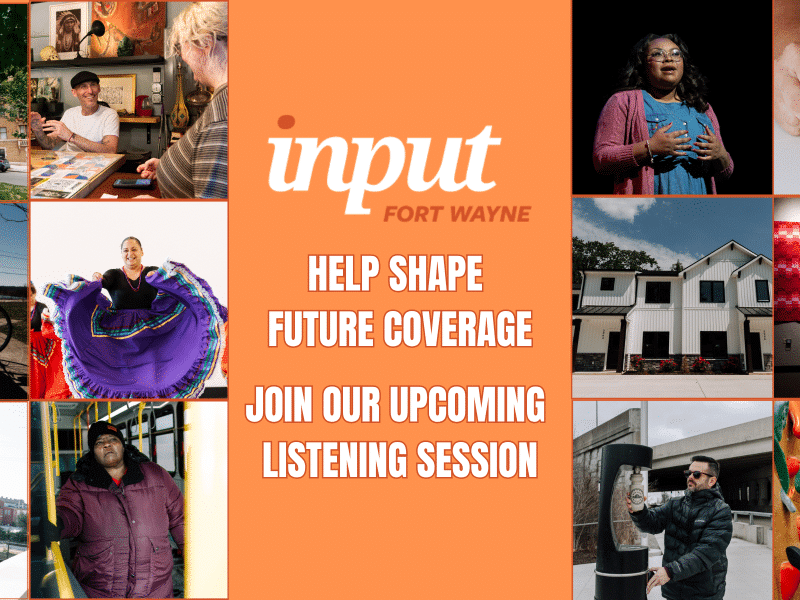
Help shape future coverage – join our upcoming listening session
Join Input Fort Wayne at Tall Rabbit for coffee, conversation, and a chance to share the issues, people, and neighborhood stories you think deserve more attention.
Coverage of transit solutions, including public transportation, bikes, buses, light rail, commuter trains, and ferries, especially those intended to reduce congestion, improve air quality, and provide efficient movement across a metropolitan area.
Join Input Fort Wayne at Tall Rabbit for coffee, conversation, and a chance to share the issues, people, and neighborhood stories you think deserve more attention.
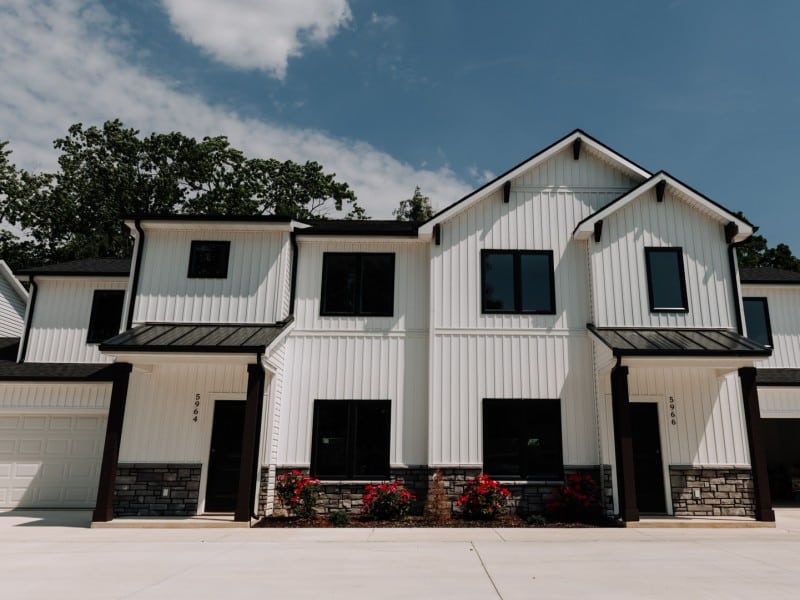
Some developers, planners, and neighborhood advocates believe bringing destinations closer together could expand transportation choices.
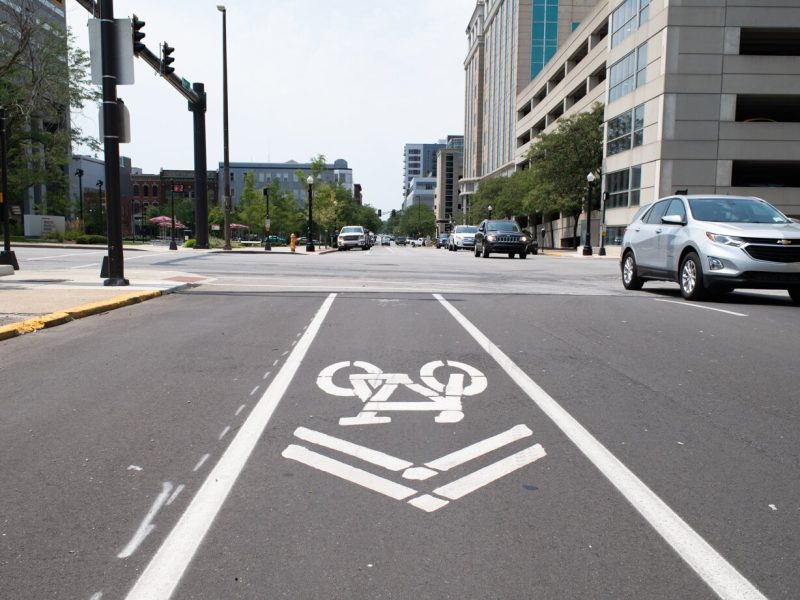
From portages and streetcars to highways and subdivisions, transportation shaped the way Fort Wayne grew.
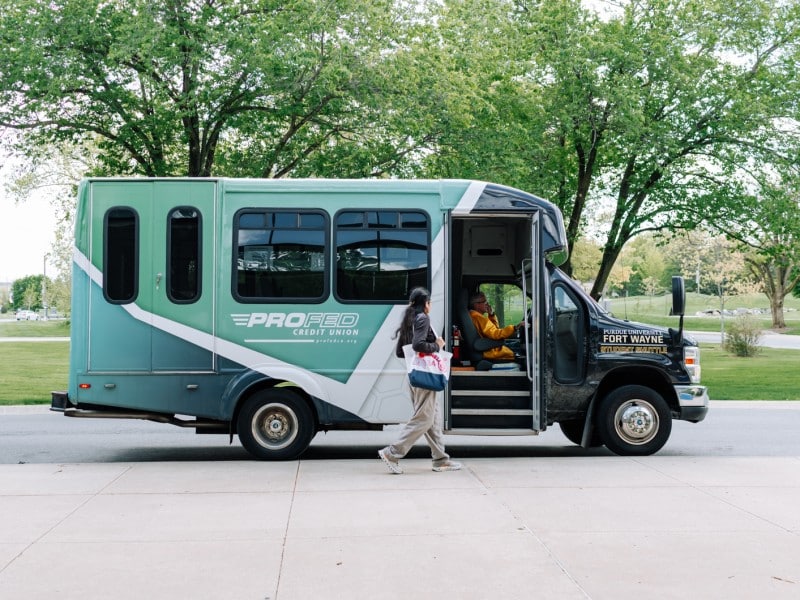
Fort Wayne is a city with a car-centric mindset. Early exposure to biking and transit could help, but a lack of density could limit long-term habit change.
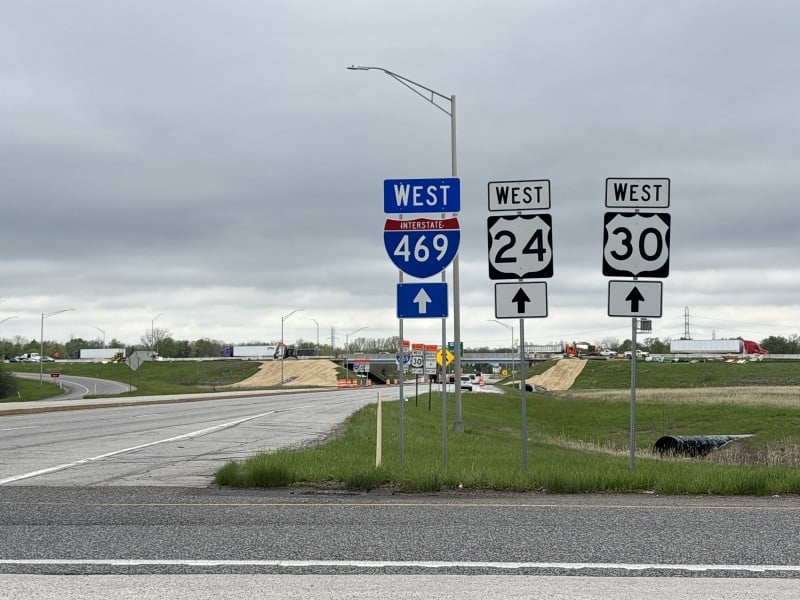
Joshua Schipper reflects on his transportation reporting, asking: Can you build a more walkable Fort Wayne if people don’t want to use it?
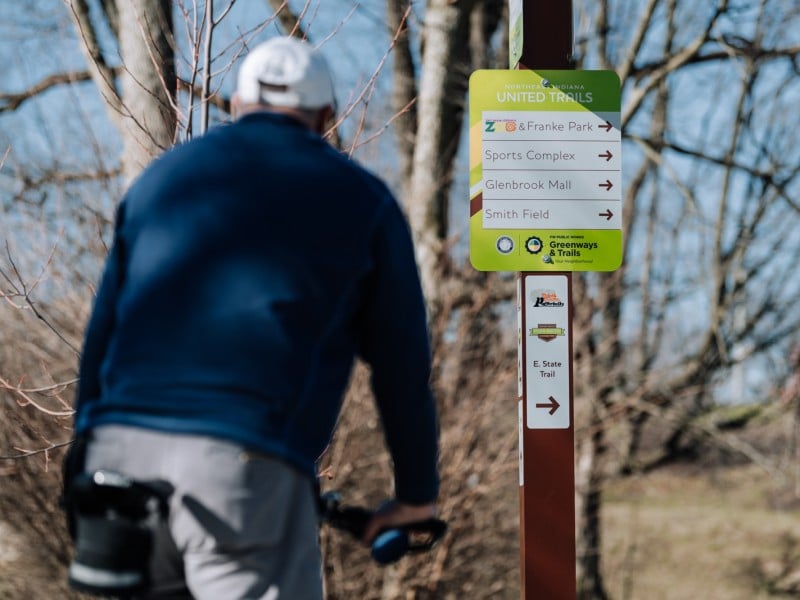
Regional planners are expanding trail signage and wayfinding to help riders move beyond familiar routes and explore the network with confidence.
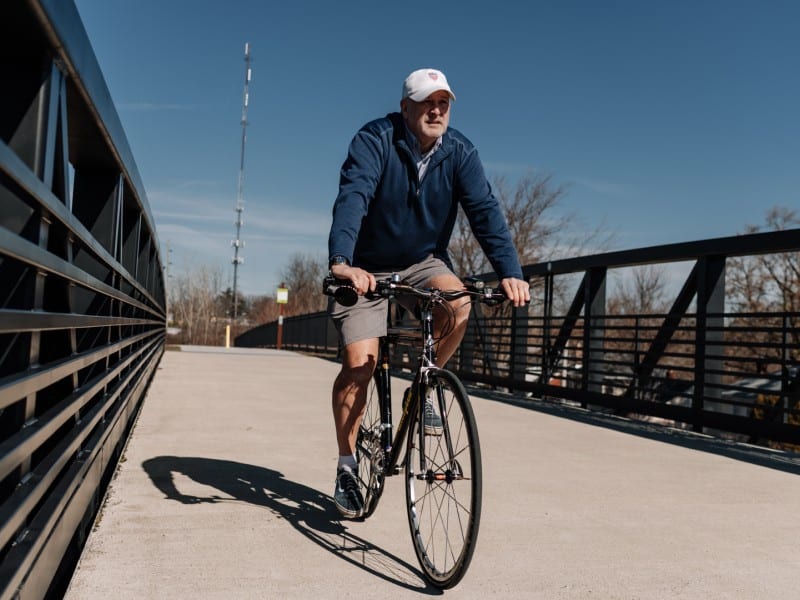
Fort Wayne riders say familiarity, etiquette, and experience shape how comfortable people feel navigating the region’s expanding trail network.
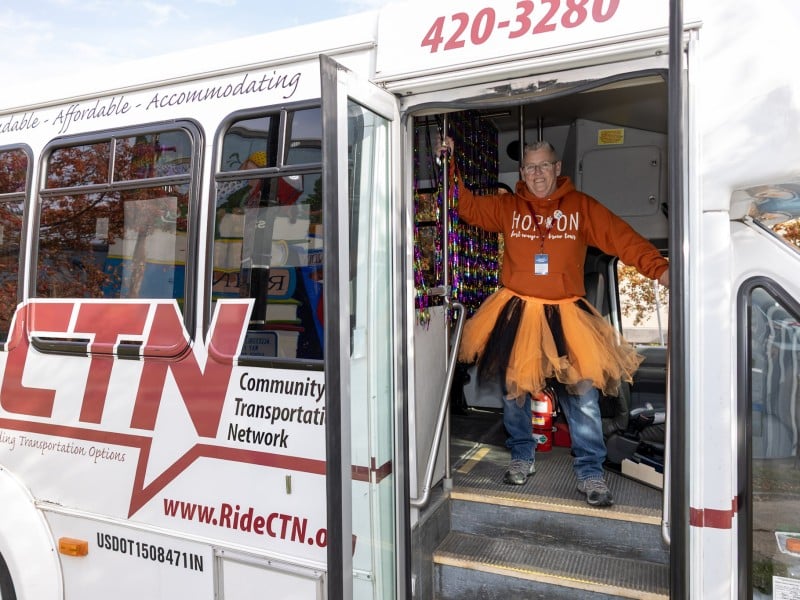
A new grant offers the opportunity to increase the number of rides Community Transportation Network (CTN) offers, but they need to fill seven vacant driver positions to make it happen.
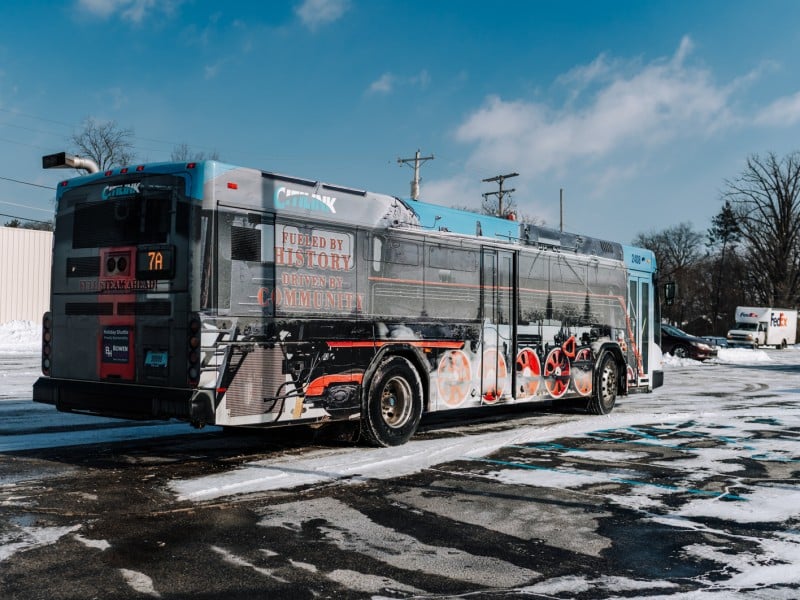
Officials say the changes, which took effect in early March, will provide more predictable and direct service in the quadrant.
Fort Wayne Trails counters thin budgets by launching volunteer "soft maintenance" and partnering with local businesses for trail amenities.
Our Partners