How embedded mental health professionals are helping students at FWCS
Graduate students studying counseling and social work at local universities are gaining experience and helping Fort Wayne Community Schools students via the EACH project.
With teacher shortages and larger classroom sizes, not every child gets the attention they need to succeed in school. A unique partnership between Fort Wayne Community Schools (FWCS) and local colleges helps to address this gap.
Enter the federally funded EACH (Enhancing Access to Comprehensive Health) grant. Through these dollars, FWCS is increasing access to mental health services while creating a pipeline for future professionals in the field.
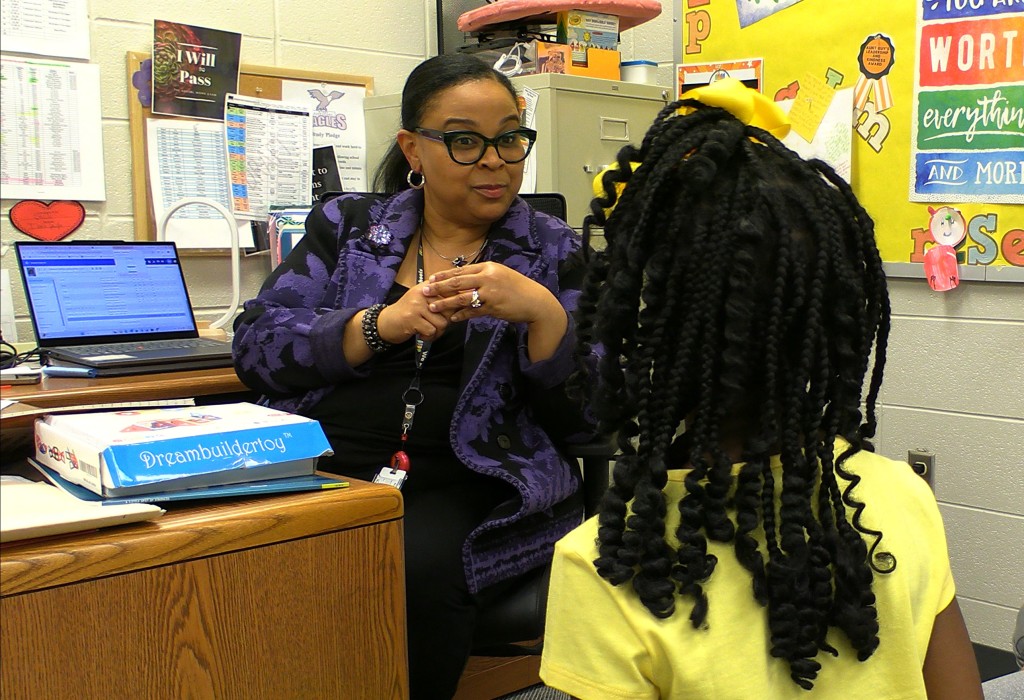
The EACH grant, awarded by the U.S. Department of Education in 2023, underwrites paid internships for graduate students enrolled in counseling and social work programs. These interns provide direct mental health support to students. The program is designed to address the significant shortage of mental health professionals in schools, particularly at the middle school level, where the need is most acute.
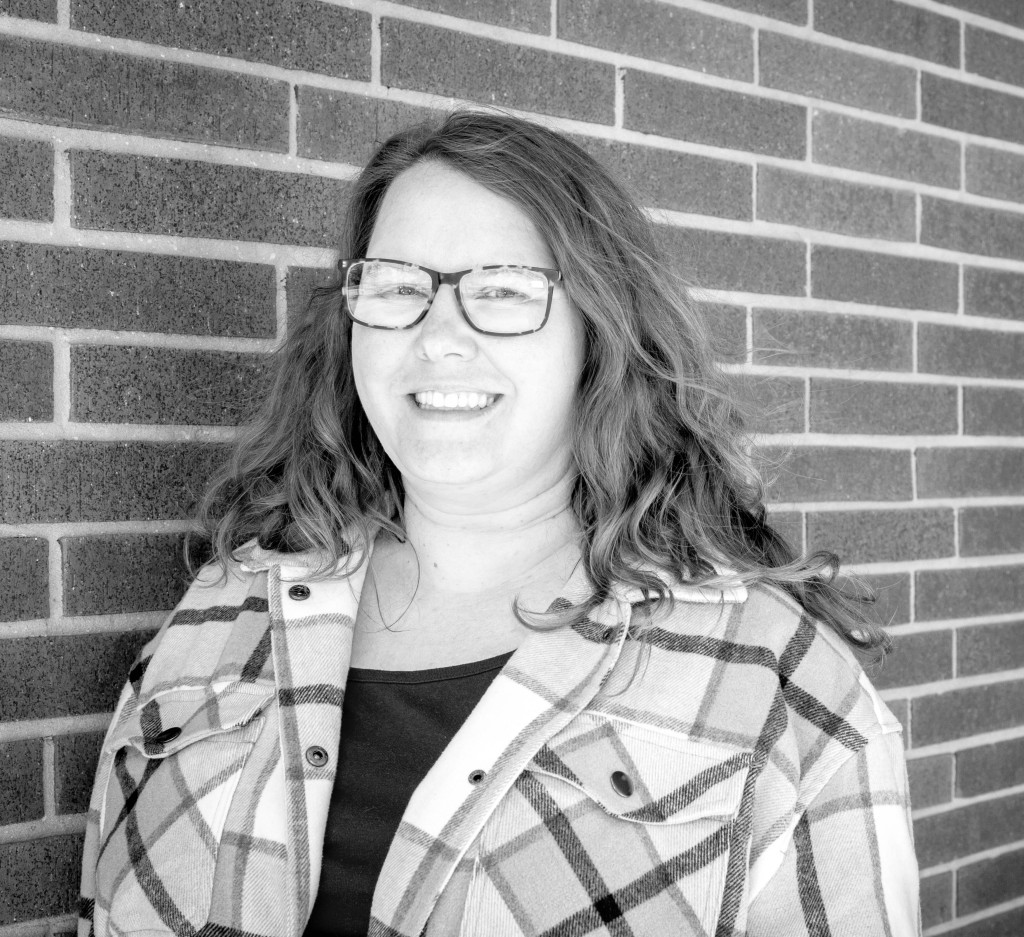
Toni Harmon, EACH Project Supervisor at FWCS, explains the program’s origins and goals.
“The grant was written with the intention of aligning with the recommended ratio of one counselor for every 250 students,” she says. “Before this program, our middle schools were significantly out of ratio, with some schools having only one counselor for up to 800 students.”
For context, the National Education Association (NEA) recommends that for every 250 students, there is at least one school counselor. However, according to recent research by the American School Counselor Association (ASCA), the national average ratio is 385-to-1.
This misalignment can negatively impact school culture and student outcomes. According to the NEA, school counselors “help students identify and manage emotions, develop strategies for academic achievement, and provide short-term counseling to support mental health or make referrals for longer-term counseling.”
Though the interns are still in school, they can help to relieve some of the burden that comes from a dearth of school counselors. The success of the EACH program is rooted in its partnerships with local colleges, including Purdue Fort Wayne, Indiana University Fort Wayne, and Huntington University. These institutions provide a steady stream of qualified interns who are carefully vetted and placed in schools where they can make the most impact.
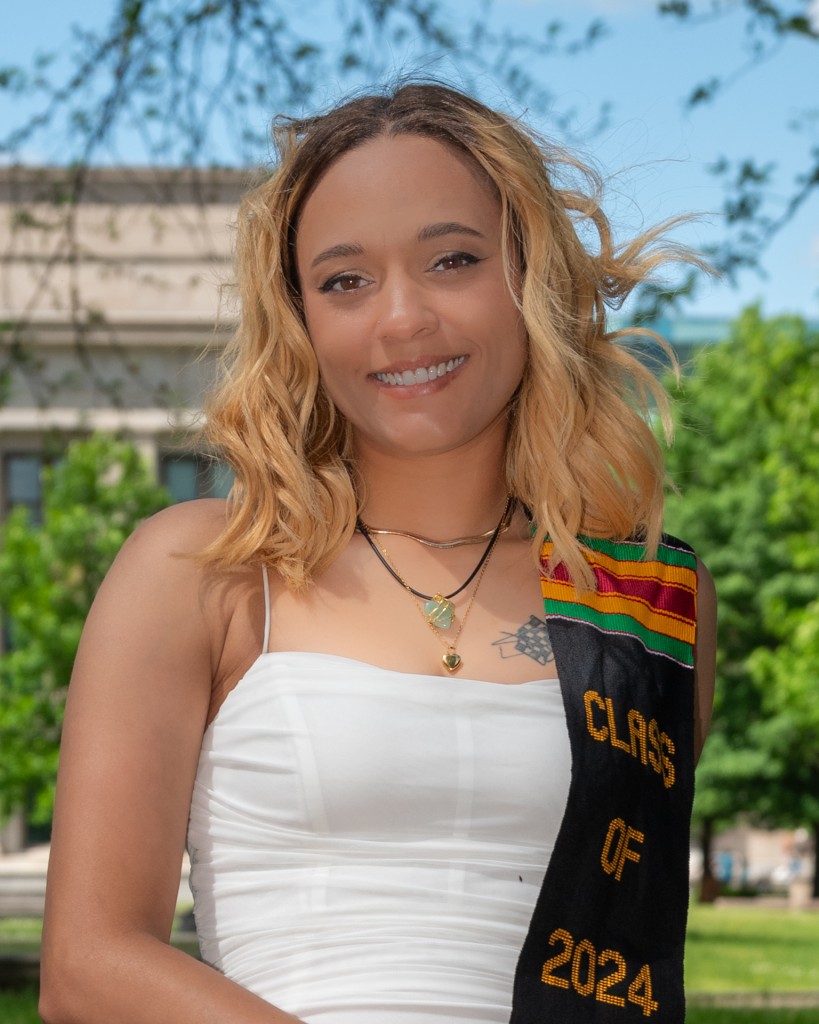
Mikeala Freeman, now a licensed therapist, completed her internship at Lane Middle School before being hired full-time. She highlights the importance of this collaboration.
“The internship prepared me by exposing me to the different lifestyles and challenges of each student,” she says. “It was a culture shock at first, but it helped me build relationships with the kids and the staff, which made the transition to a full-time role much smoother.”
Speaking of relationships, the EACH program has already made a significant impact. According to Harmon, FWCS tracks “touchpoints,” or meaningful interactions between mental health professionals and students, to measure success. These interactions include individual therapy sessions, group sessions, and even casual check-ins during lunch or passing periods. Last year alone, the program provided more than 70,000 services to students, Harmon notes.
The program focuses on middle schools because of the unique developmental challenges students face during this time.
“Middle school is such a drastic time for kids,” says Freeman. “They need someone who sees their potential and knows they’re not just their behaviors or grades.”
While every day is a little different, it’s Freeman’s mission to make students feel seen and heard.
“Throughout the day, I’m in the hallways, interacting with students, and sometimes I’ll stop by classrooms or lunches just to check in,” Freeman says about her role. “It’s all about being present and building those connections.”
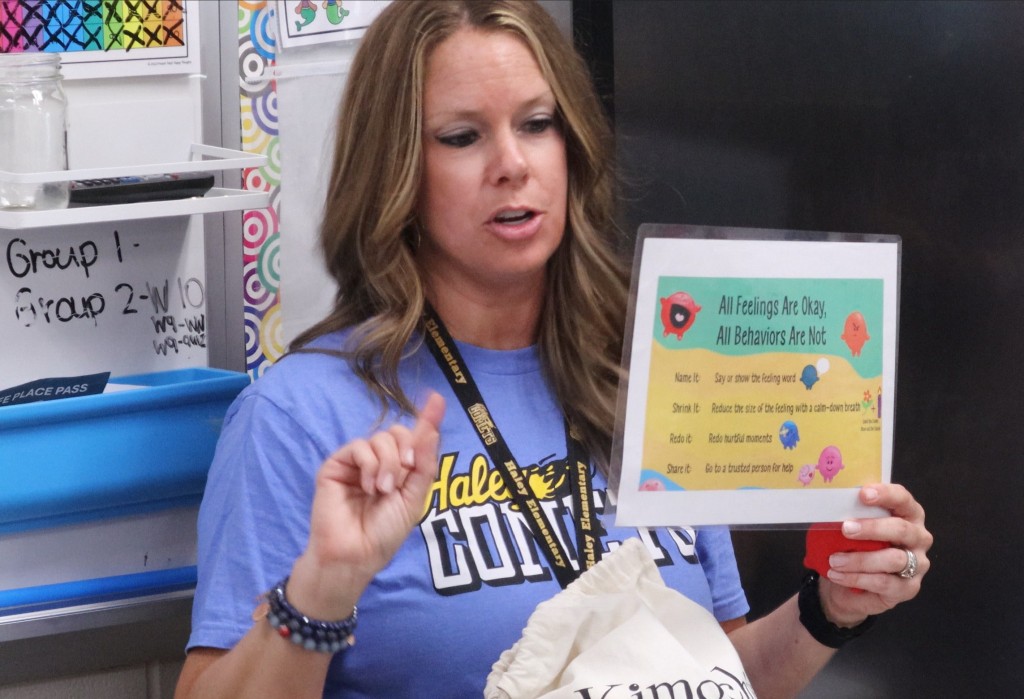
Though the work is fulfilling, the program is not without its challenges. The EACH grant is set to expire in 2028, and its future remains uncertain.
“Without a new revenue source, we may not be able to continue offering paid internships,” Harmon says.
Despite this, she remains optimistic, citing the district’s commitment to maintaining a counselor in every school through 2031, thanks to a recently passed school safety referendum.
In the meantime, Freeman is working toward her Licensed Clinical Social Worker (LCSW) credential. She reflects on the program’s impact.
“This internship shaped me into the therapist I am today,” she says. “It’s a win-win. Students get the support they need, and interns gain the experience they need to succeed.”
Author

Related Articles
FORT-ify Accelerator strengthens community in the digital age
The FORT-ify Neighborhood Accelerator empowers local associations with connections to funding, resources, and face-to-face engagement opportunities to build stronger communities.
Help shape future coverage – join our upcoming listening session
Join Input Fort Wayne at Tall Rabbit for coffee, conversation, and a chance to share the issues, people, and neighborhood stories you think deserve more attention.
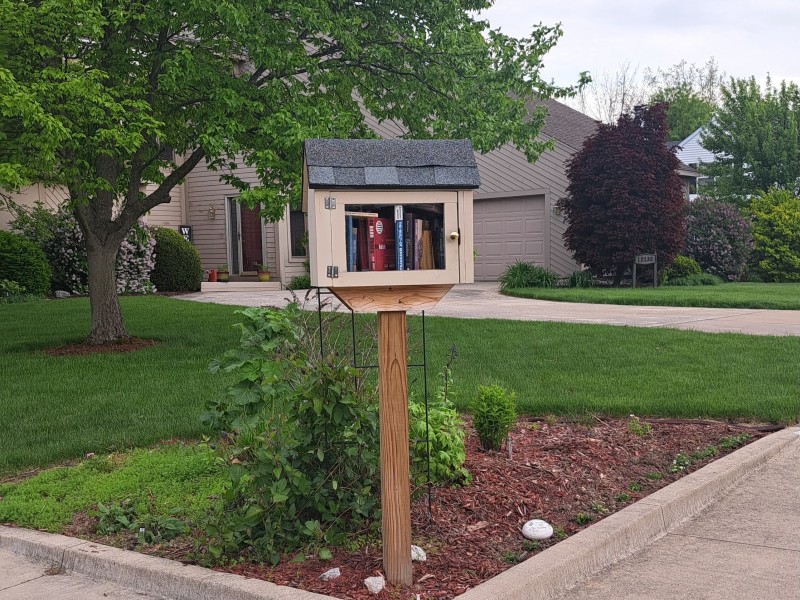
A community-wide initiative is underway to restore Fort Wayne’s Little Free Libraries
It’s been ten years since Little Free Libraries were built in Fort Wayne. Now one local club is reassessing their conditions and is asking for your help.