Partner Partner Content Bridging the gap: Local doctors want to address vaccine concerns through conversation
As concerns about childhood immunizations continue to rise, health experts are urging caregivers to have conversations with their providers.
This article was made in partnership with Parkview Health.
Over the last five years, only three counties in northeast Indiana have seen an increase in immunization rates. Wells and Huntington saw increases of more than 7%, while Allen saw a .1% raise.
Indiana tracks seven different immunizations that children are supposed to receive before their third birthday – Haemophilus influenzae type b (Hib); polio; measles, mumps and rubella (MMR), varicella (chickenpox), hepatitis B; pneumococcal; and diphtheria, tetanus and pertussis (DTaP). The U.S. has seen a recent resurgence in cases of some of these diseases amid lagging vaccine rates.
That sense of urgency came into sharper focus earlier this year, when healthcare providers across northeast Indiana issued a rare, joint public service announcement. Featuring local physicians and public health leaders speaking with one voice, the January PSA underscored how seriously providers view the trend—and how unified they are in addressing it through facts, trust, and conversation rather than fear or blame.
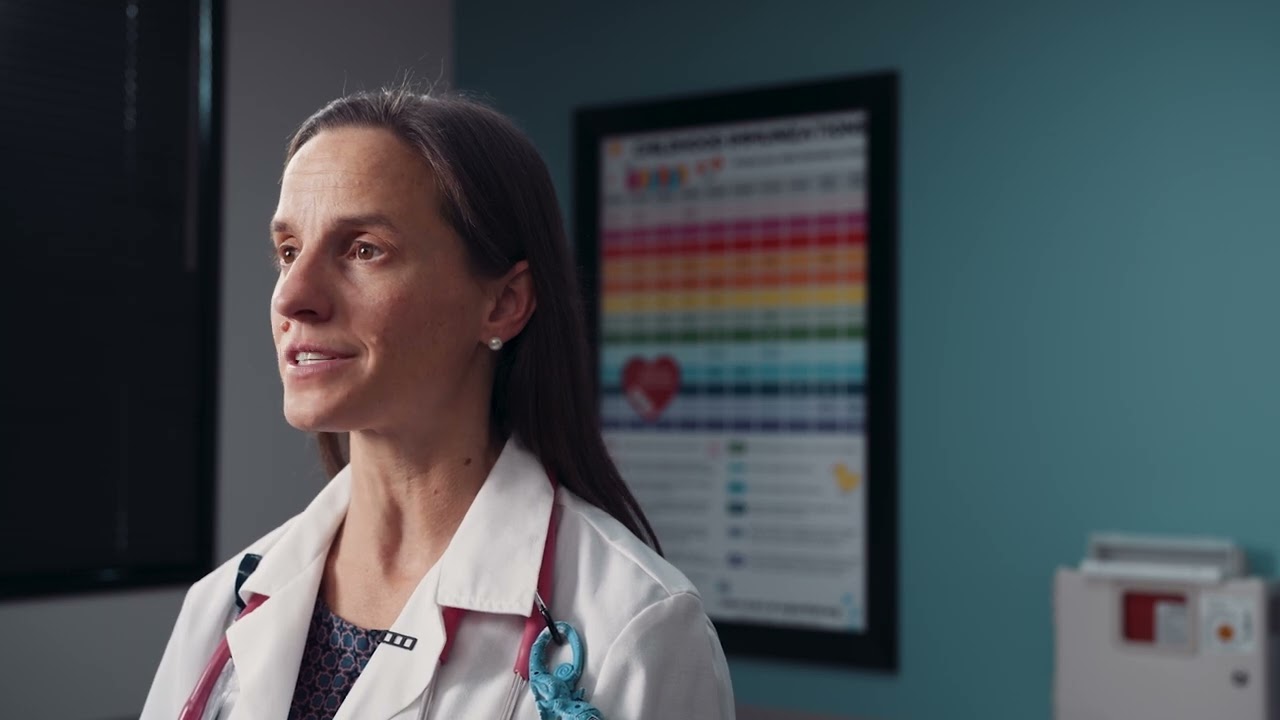
Dr. Tony GiaQuinta, a pediatrician with Parkview Physicians Group, has seen the rise in hesitancy and concern about vaccines firsthand. He says flourishing misinformation and disinformation online have contributed to rising vaccine hesitancy and eroding trust in healthcare providers, but he maintains that immunizations are both very safe and very effective and that doctors are still the go-to experts for all medical questions and concerns, especially vaccines.
“We talk a lot of times that an ounce of prevention is worth a pound of cure, and that’s true in the case of vaccinations,” GiaQuinta says. “As a pediatrician, my ultimate goal is to keep your child as safe and healthy as they can be. And vaccinations allow children to live out their healthiest lives.”
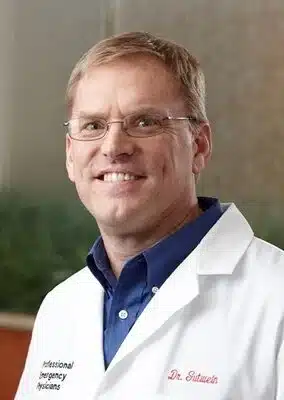
“We haven’t seen negative side effects from these diseases very often because of vaccines,” Dr. Thomas Gutwein, the Allen County Health Commissioner, explains. “We forget about how bad these diseases were in the past because we don’t see the side effects today. Similar to the invention of the seatbelt, we didn’t have them in the past, but over the years we’ve seen the safety benefits of how they protect us.”
He says that the Measles, Mumps, and Rubella (MMR) Vaccine is a staple vaccination and a good measure of how many kids are getting vaccinated. In 2015, 95% of kids were vaccinated for MMR. In 2020, that number decreased to 84%. In 2025, it increased to 89.5%.
“The goal,” says Gutwein, “is to be in the 95-97% range.”
The higher the percentage of the population that receives a vaccine, the lower the chance diseases have to spread. The impact of receiving vaccinations is fewer children experiencing serious illness, fewer emergency department visits, and fewer hospitalizations.
Acknowledging the concern some parents might feel at a doctor’s office visit, Dr. Gutwein recommends starting with basic questions, “What are the risks? And what are the benefits? Is this the right thing for my child?”
Parkview says doctors, like GiaQuinta, work diligently to answer any questions and provide science-backed data to provide as much information as possible on the vaccines your child will receive.
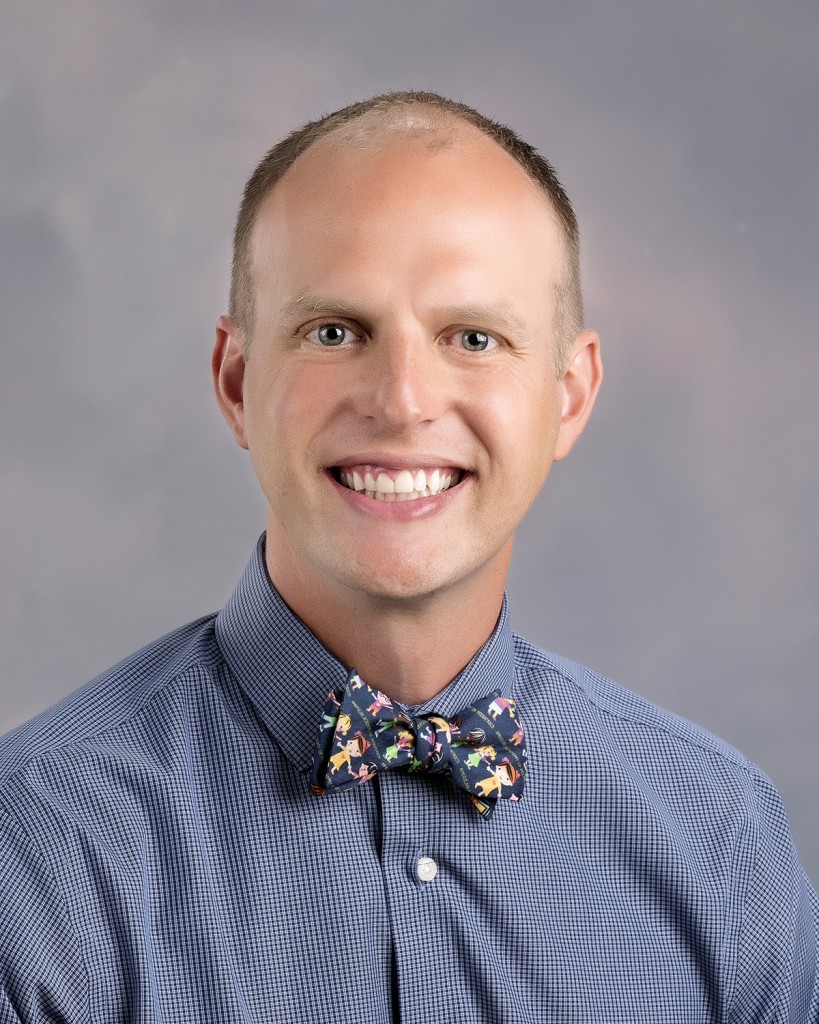
“For me, as a physician, the biggest key is to first listen to these parents’ concerns and understand where they’re coming from,” GiaQuinta says. “Address their concerns, then remind them why they’re coming to me to take care of their child in the first place. They want a doctor who is smart and looks closely at the science, and they want a doctor who has their best interest at heart — one who makes medical decisions not only based on science but also genuinely cares for their child and wants them to be healthy.”
To ensure the health and safety of the community, Parkview Health has committees that reevaluate medications and protocols to ensure the vaccines and vaccine schedules are the most effective form of preventative treatment for serious illnesses.
For those whose concerns stem from not having insurance or from not being able to get to the doctor’s office during business hours, Parkview Health supports community resources that make vaccines more accessible to residents.
Through a partnership between Parkview Health and Ronald McDonald House Charities, the Ronald McDonald Care Mobile travels throughout the region, offering services, including immunizations, to children.
Super Shot is an organization formed by community leaders that has spent more than three decades providing vaccines to children and adults. With a walk-in clinic on Hobson Road, anyone can receive vaccinations. Super Shot has a mobile unit that travels to the Fort Wayne Community Schools to ensure children can have the opportunity to receive the immunizations they need to start school.
In partnership with the Indiana Department of Health, Parkview now offers the Vaccines for Children (VFC) program at every newborn nursery across the system. Gutwein says this program provides over 50% of vaccines for infants across the county for free.
“Through this program, we’re able to provide newborns who have been in the hospital for more than a week with the RSV vaccine,” says Gutwein. VFC makes these vaccines available at no cost to the patient or their family.
“We understand the pause, but remember why you trust us and why our thoughts on this topic matter,” GiaQuinta says. “You can always turn to your pediatricians and family medicine doctors who have been there for it all with confidence and trust, and that includes our trust in vaccines, the best tool we have to prevent serious illnesses.”
This article was made in partnership with Parkview Health.
Related Articles
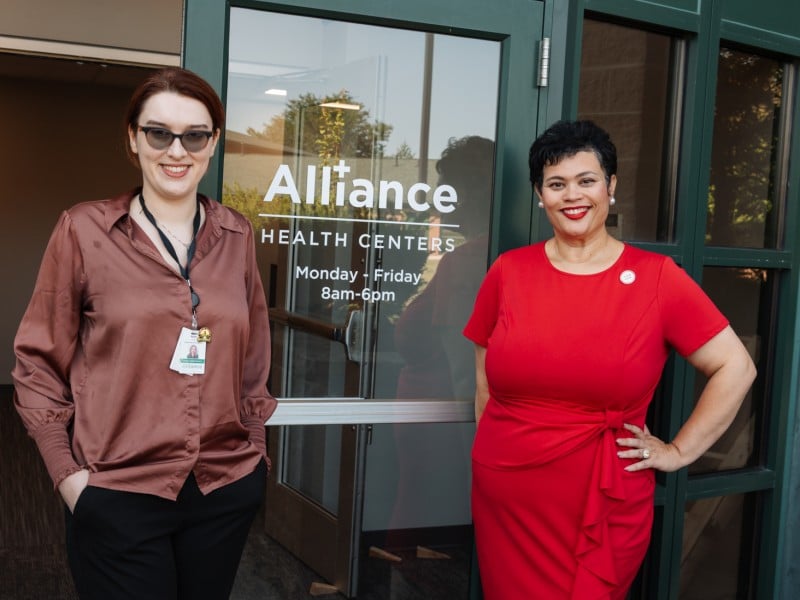
Partner Partner Content How the Fort Wayne Urban League and Alliance Health Centers are closing gaps in access to healthcare
The new clinic offers prenatal and postnatal care, behavioral health services, developmental support, and pediatric therapies in one accessible location at the Fort Wayne Urban League.
Column: Medicaid Changes and the Potential Impact
Recent actions in Indiana, Nebraska, and other states to come, put at risk those personal choices of the disabled who are dependent on Medicaid, about where and how to live their lives.
Help shape future coverage – join our upcoming listening session
Join Input Fort Wayne at Tall Rabbit for coffee, conversation, and a chance to share the issues, people, and neighborhood stories you think deserve more attention.