How a statewide grant program supports the arts in rural communities
The Indiana Arts Commission (IAC) funds arts and cultural initiatives in rural counties that, in turn, support community, economic, and tourism goals.
The Ligonier Marshmallow Festival in Noble County is a beloved community event that has grown in scope and accessibility thanks to support from the Indiana Arts Commission (IAC). The four-day event happens annually over Labor Day weekend and has been a staple of the Ligonier community for 35 years.
For many years, Ligonier claimed the moniker of “The Marshmallow Capital of the World.” Though that’s debatable today, the festival has become a cornerstone of the community, drawing families from across the region.
However, like many rural events, it faces challenges securing funding for high-quality programming. In 2025, the festival received a grant through the IAC’s Every County Funded program, which helped enhance its offerings and break down potential financial barriers to entry.
Programs like Every County Funded not only provide financial support but also foster connections and build capacity for local organizations like the festival. Margarita White, who’s served as president of the festival committee since 2013, says that’s exactly what the grant helped her accomplish.
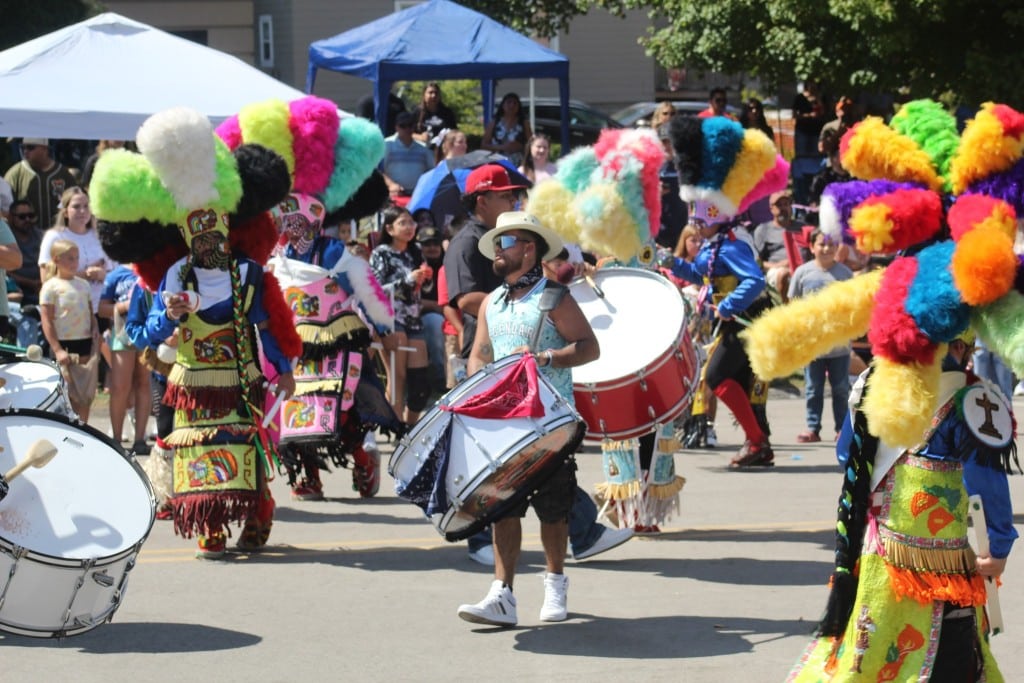
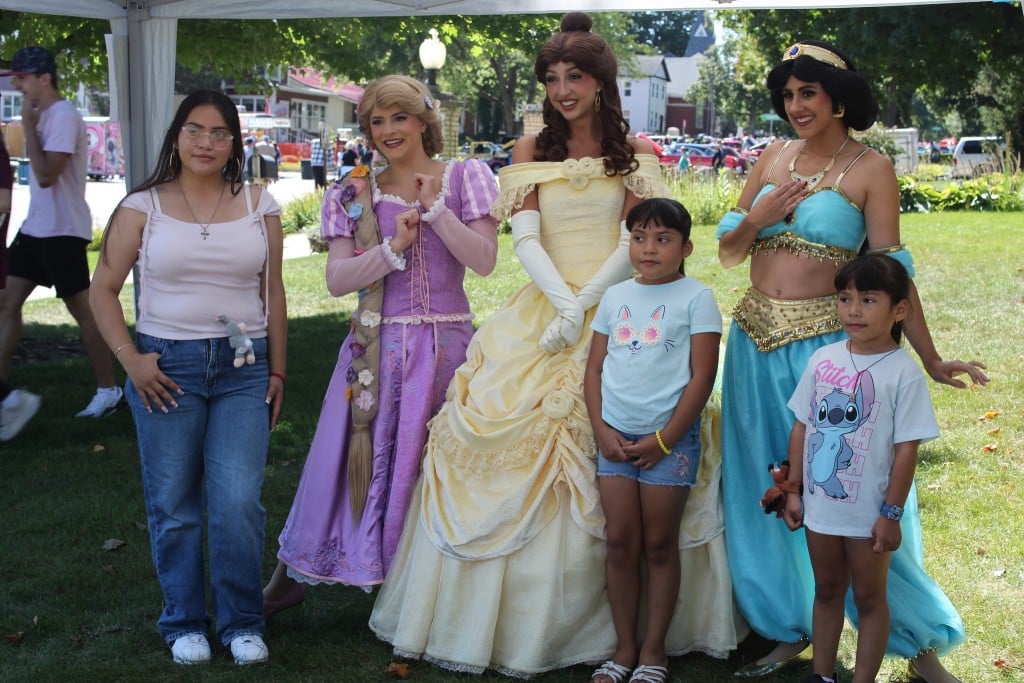
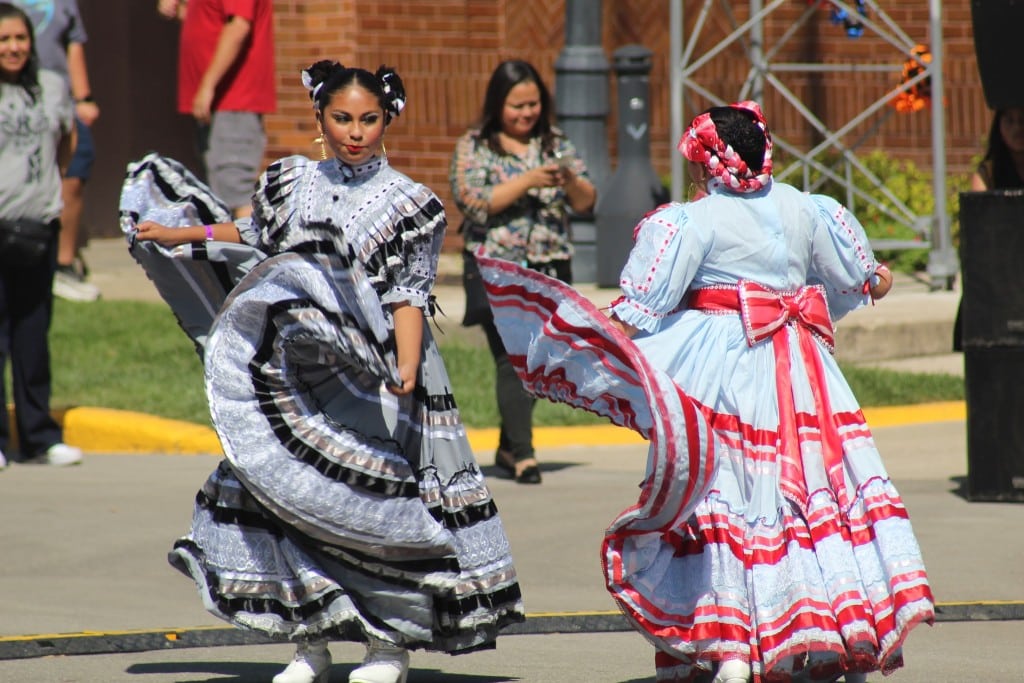
“The grant helped us pay for performers,” White says. “We hired face painters, princesses for meet-and-greets, superheroes, and even a Mexican folkloric dance group. It allowed us to bring in different types of performances and make them free for families.”
This is a significant win for organizations like White’s, as access to arts funding and resources can be limited, especially in areas outside of urban population centers. With this reality in mind, the IAC is working to ensure that artists in every county have the opportunity to thrive.
The impact of the IAC’s support extends beyond the festival itself. By funding performances and activities, the grant helps create a space where people can connect, find community, and be inspired. Practically speaking, the grant ensures that performers and artists are compensated for their time and talents, reinforcing the value of the arts in rural communities.
Anne Johansson, community services manager at the IAC, explains that Every County Funded is designed to address gaps in funding and build capacity in under-resourced areas.
“Our goal as an agency is to fund every single county, all 92 counties in Indiana,” she says.
For counties that haven’t received funding through the IAC’s core programs, such as organizational or project support grants, the initiative steps in to provide targeted support via Every County Funded’s $5,000 micro-grants.
Data helps to tell the story of the IAC’s impact in rural areas. Johansson says that in 2024, 15 counties had not received funding. By 2025, that number had dropped to seven. She attributes this progress to building relationships with local organizations and walking them through the grant process.
“Most of the counties on our list just weren’t aware of the grant,” she says. “Now they know how to get into the system, they’ve written a grant, and they feel more comfortable moving into our core programs.”
The IAC’s efforts to reach rural communities like Ligonier are part of a broader strategy to ensure that every county in Indiana has access to arts funding and resources. In 2025, multiple projects in Northeast Indiana were supported by Every County Funded. The Creative Art Space at the Community Learning Center in Kendallville and the purchase of sound system equipment in DeKalb County were among them.
Applications for the 2026 Every County Funded grant cycle recently closed. The IAC will fund qualifying projects in Blackford, Lawrence, Parke, Newton, Rush, Washington, and White counties.
Alongside Every County Funded, the IAC offers other programs that benefit rural communities. The Creative Convergence program is one example. Its aim is to bring together cross-sector teams from communities of all sizes to work on arts-based projects.
Johansson describes the dynamic of the program’s most recent cohort, which included both small towns and larger cities like Gary and Terre Haute.
“Smaller communities are learning that they can lean on larger communities,” she says. “Most of the problems are the same, but the larger communities may have already solved them and can help the smaller ones avoid the same mistakes.”
Author

Related Articles
FORT-ify Accelerator strengthens community in the digital age
The FORT-ify Neighborhood Accelerator empowers local associations with connections to funding, resources, and face-to-face engagement opportunities to build stronger communities.
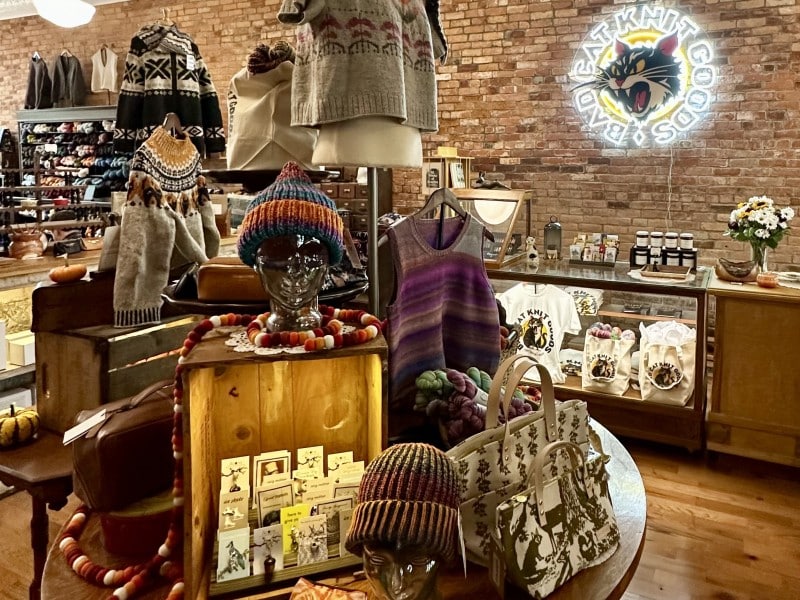
#PlacesofNEI: Bad Cat Knit Goods on Broadway
Check out Bad Cat Knit Goods, a fiber arts store, located at 1309 Broadway, Fort Wayne, Indiana 46802.
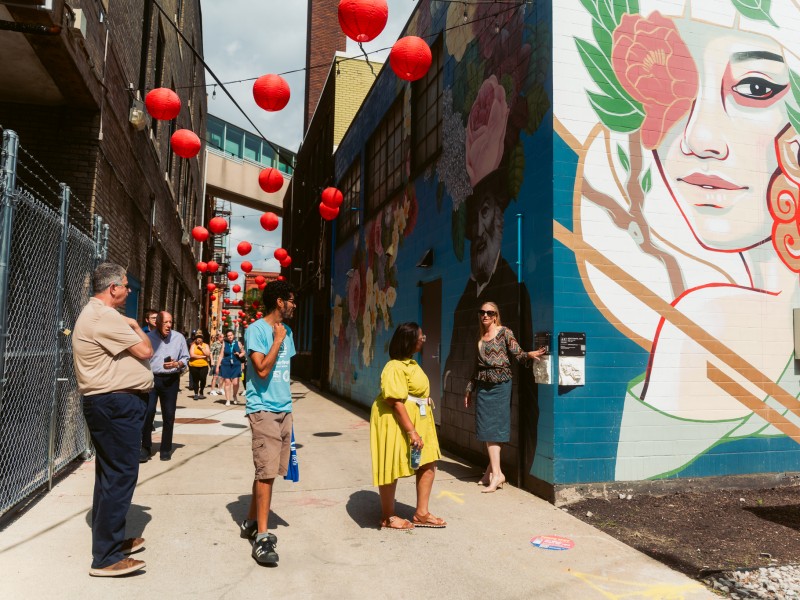
‘A big deal’: Art This Way celebrates 10 years, trades annual art crawl for a larger free festival
As Art This Way reflects on a decade of public art, the program replaces its annual art crawl with a free two-day festival and looks toward the future.