The Roller Dome: A family tradition across four generations
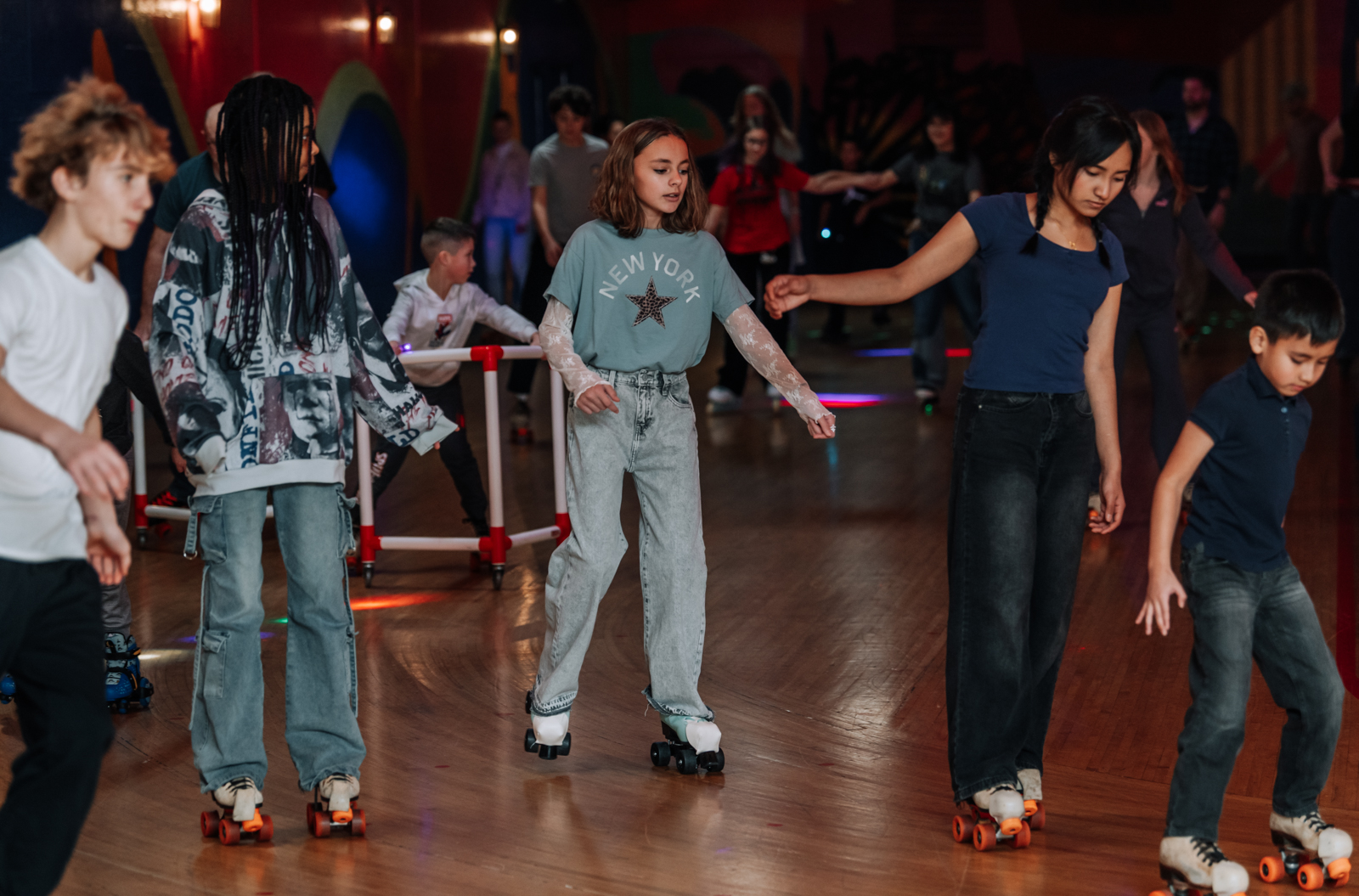
For more than 75 years, The Roller Dome has provided a family-friendly space for entertainment and fun.
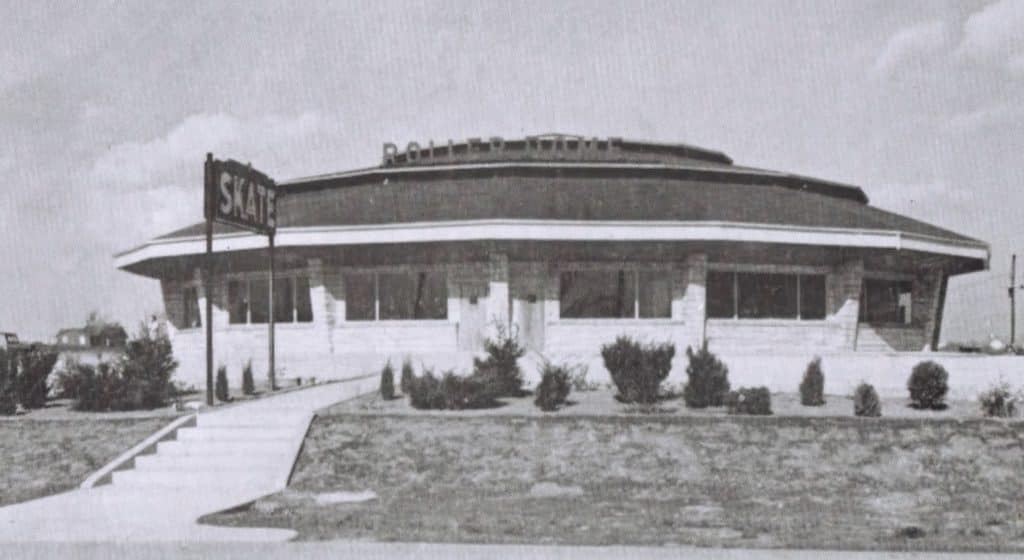
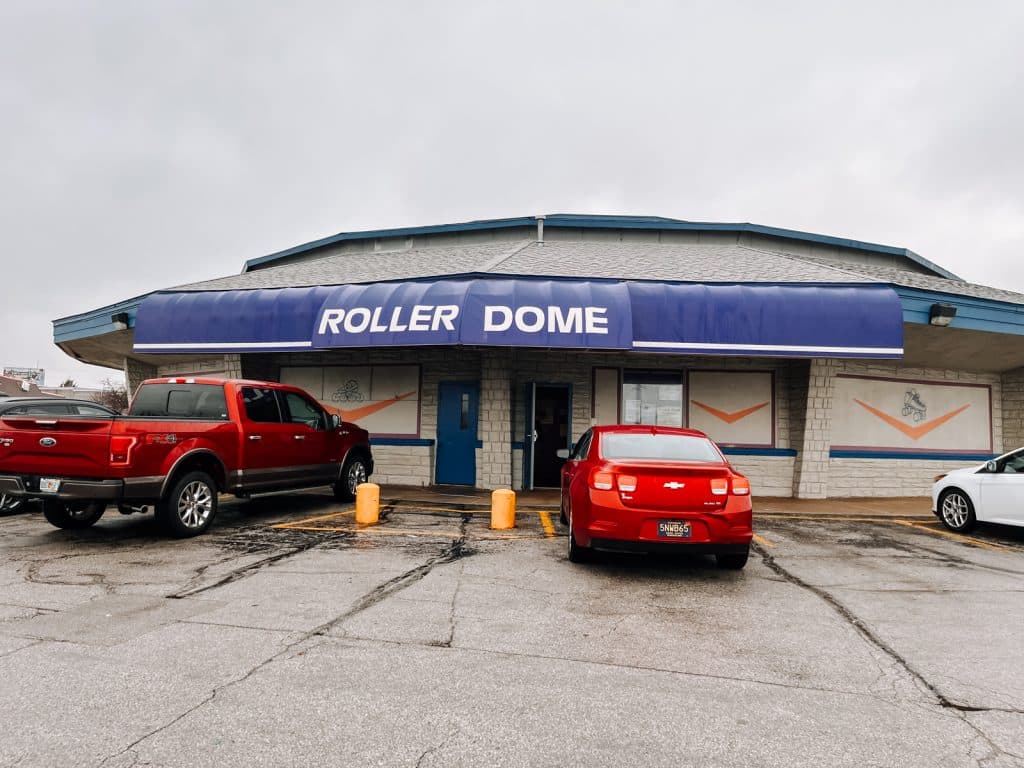
The Roller Dome has been a cornerstone of Fort Wayne’s community for more than 75 years. But to its loyal patrons, it’s more than just a place to skate. It reflects the values of family, resilience, and the power of shared experiences in an age of constant distractions.
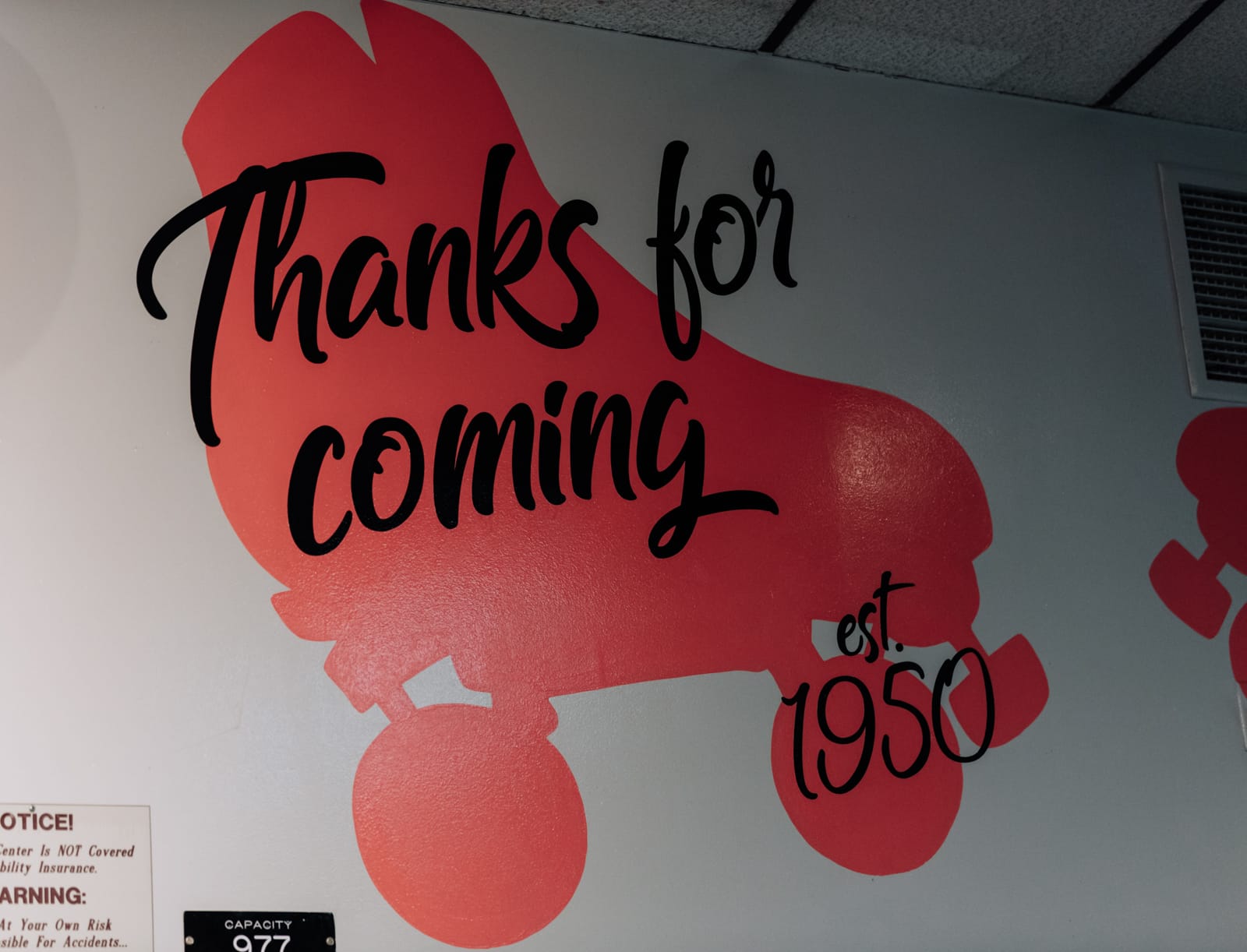
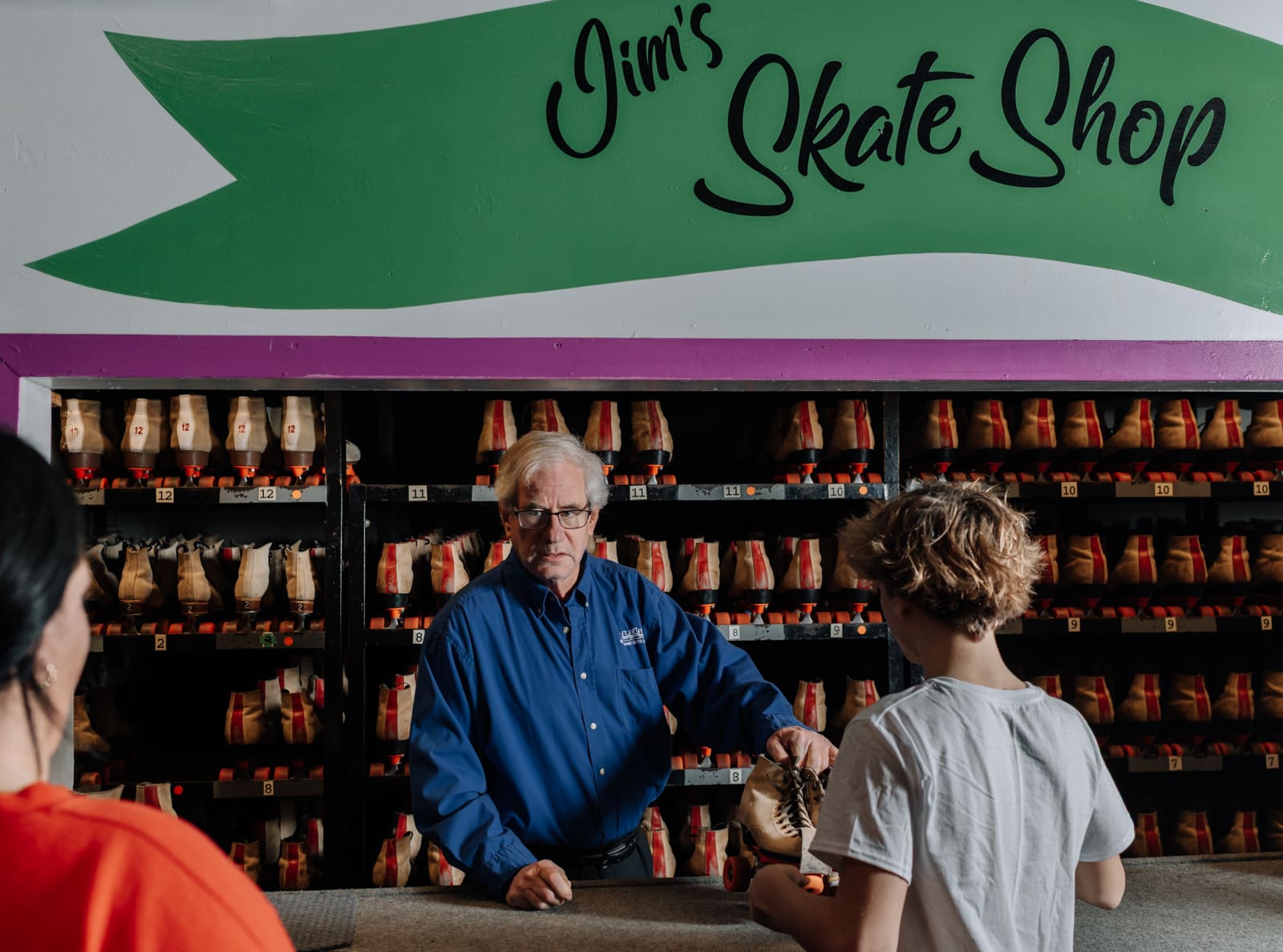
Built in 1950 by Jim Wall and his father, Joe Wall, the rink at 444 W Coliseum Blvd. was born out of a singular vision. Jim wanted to create a family-friendly space and a sustainable livelihood for Jim and his wife, Marjorie (Marg), and their growing family.
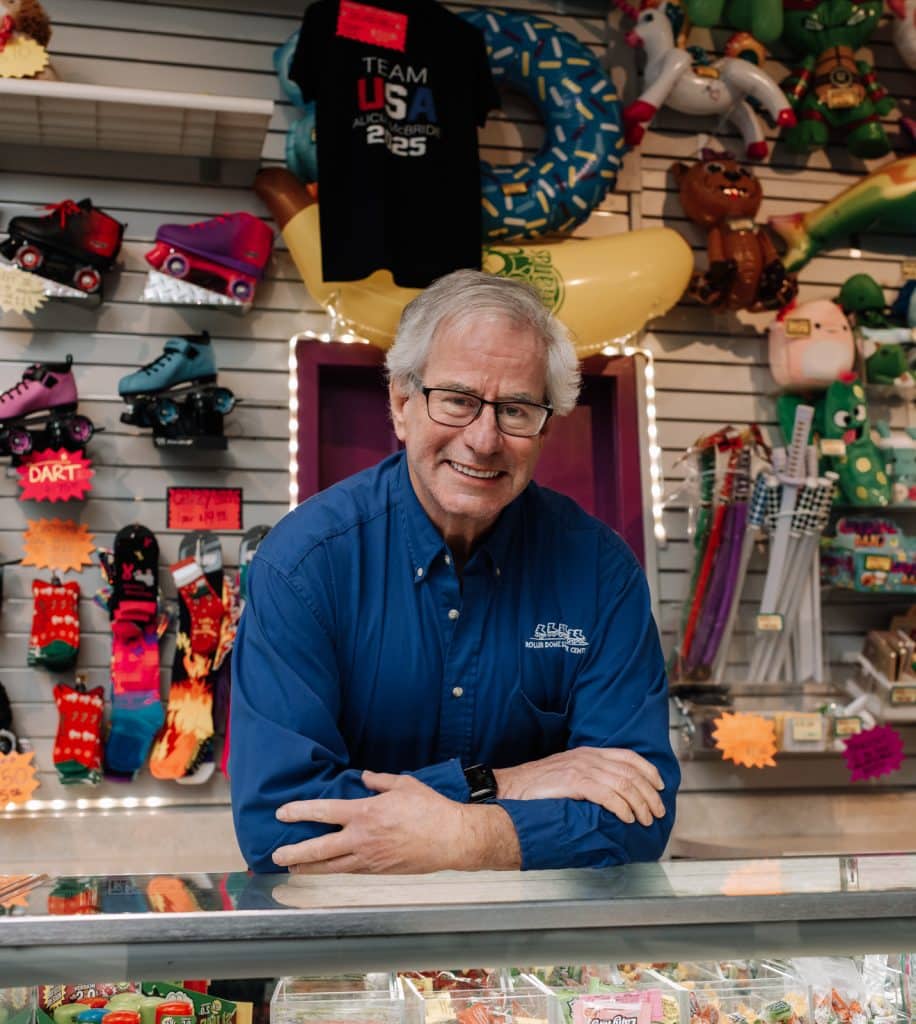
“They left the legacy of having a family-owned, family-friendly business, and we have tried to keep that,” says Kim Wall, the current president of operations, reflecting on the reputation and experience his parents worked so hard to build.
The rink’s origins are deeply rooted in the Walls’ personal story. Jim, a World War II veteran and skilled carpenter, built the rink from the ground up on what was once an apple orchard. At the time, Fort Wayne was a much smaller city, with Coliseum Boulevard still a two-lane road and the city’s edge stopping around State Street.
The rink was one of the first businesses in the area, alongside what’s now the retro-themed Don Hall’s Hollywood Drive-in Restaurant.
“There were very few things for kids to do in the city of Fort Wayne, and even for families,” Kim recalls.
The Roller Dome quickly became a hub for entertainment, offering a safe and affordable activity for working-class families. Before his hard-earned success, Jim’s motivation for building the rink was as practical as it was visionary. Having returned from the war, he wanted to ensure his family would have a stable livelihood if anything happened to him.
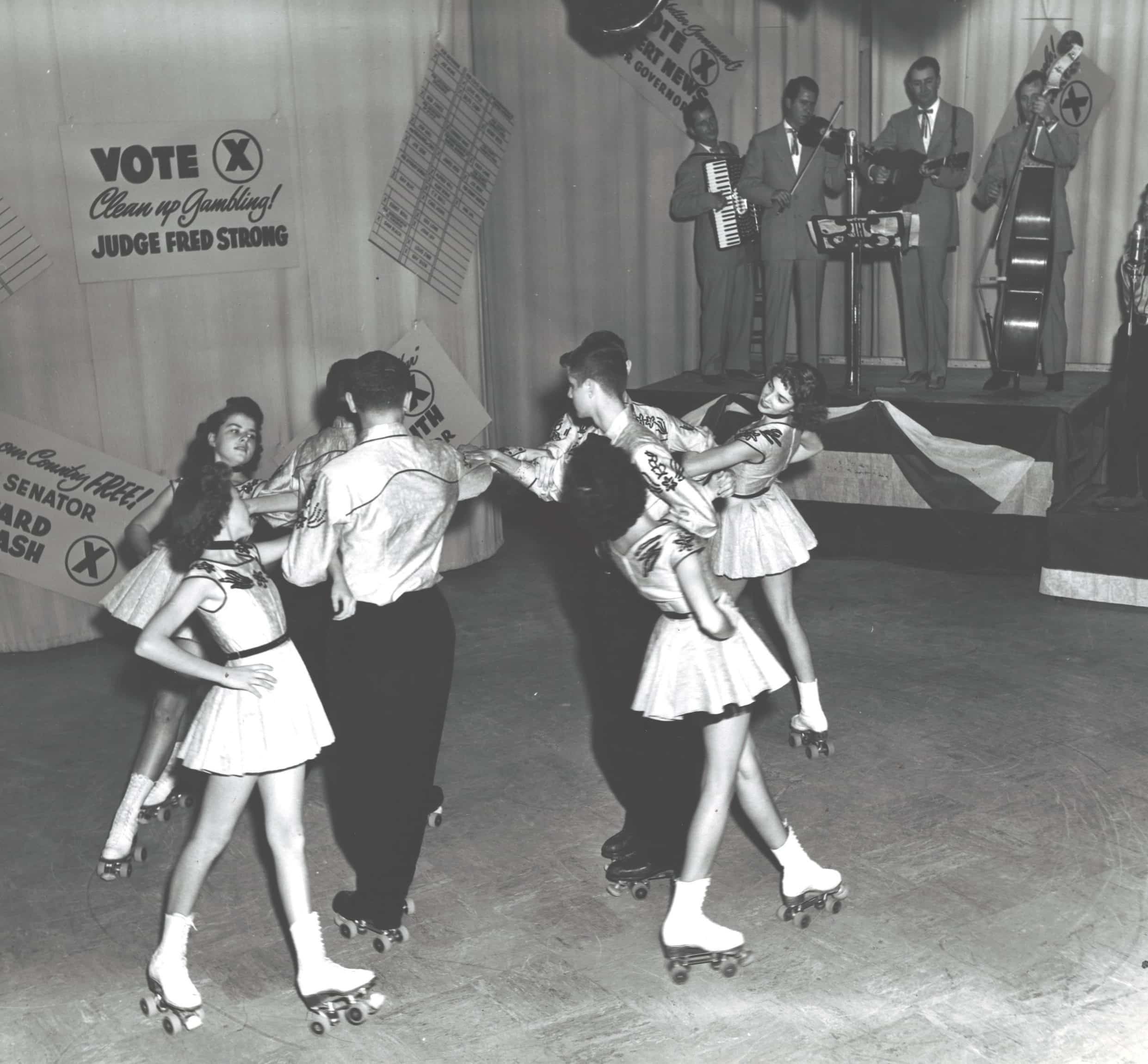
“At the time we opened, my mother had eight kids,” Kim explains. “He wanted something so that if something happened to him, she would be able to sustain her lifestyle. She could go in and run it herself.”
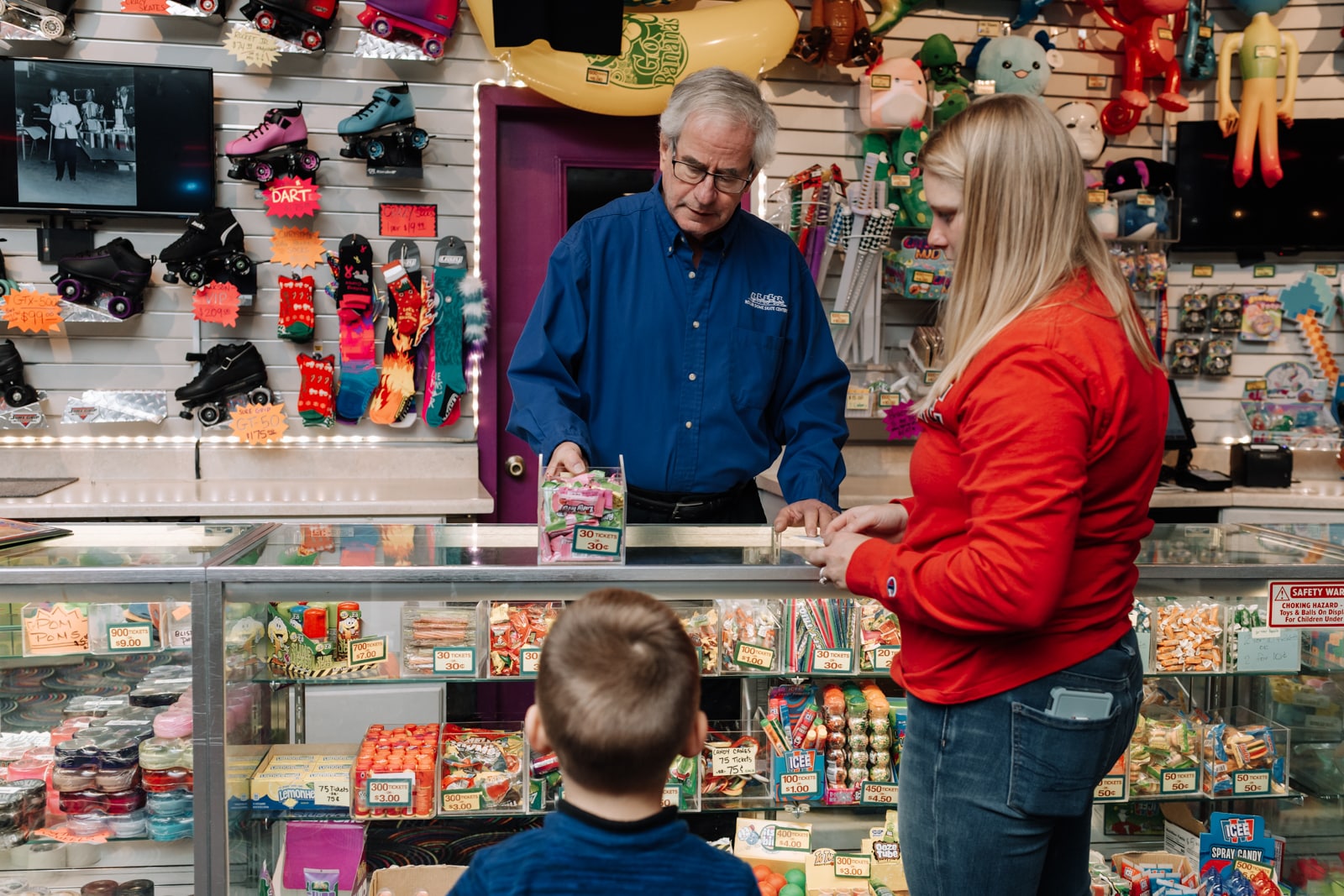
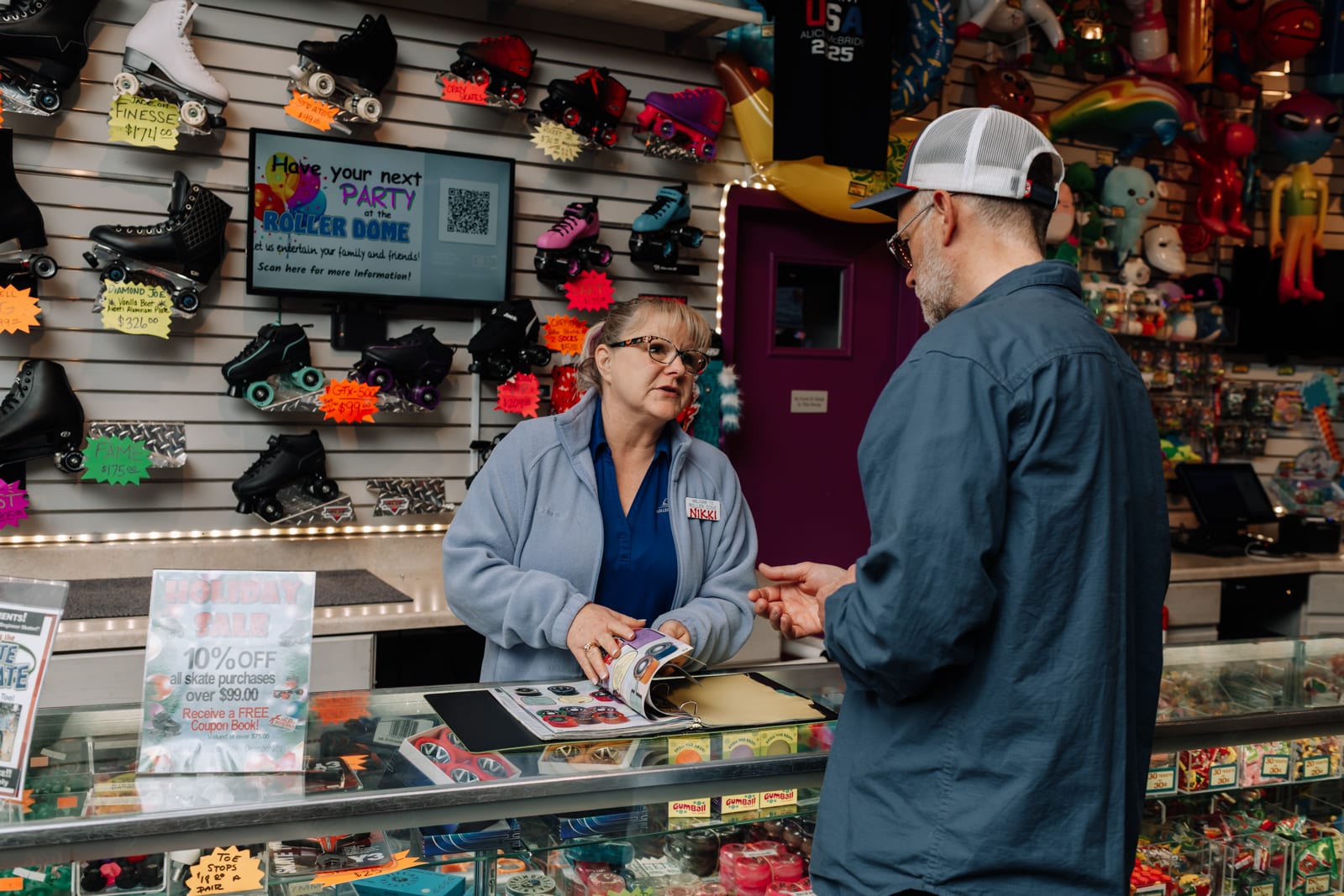
This foresight proved invaluable. Acting as a matriarch, Marge continued to run the rink after Jim’s passing, solidifying its place as a family-operated business. Today, the Roller Dome remains a family affair, with multiple generations of the Wall family involved. Kim’s niece, Nikki Burns, is part of the team.
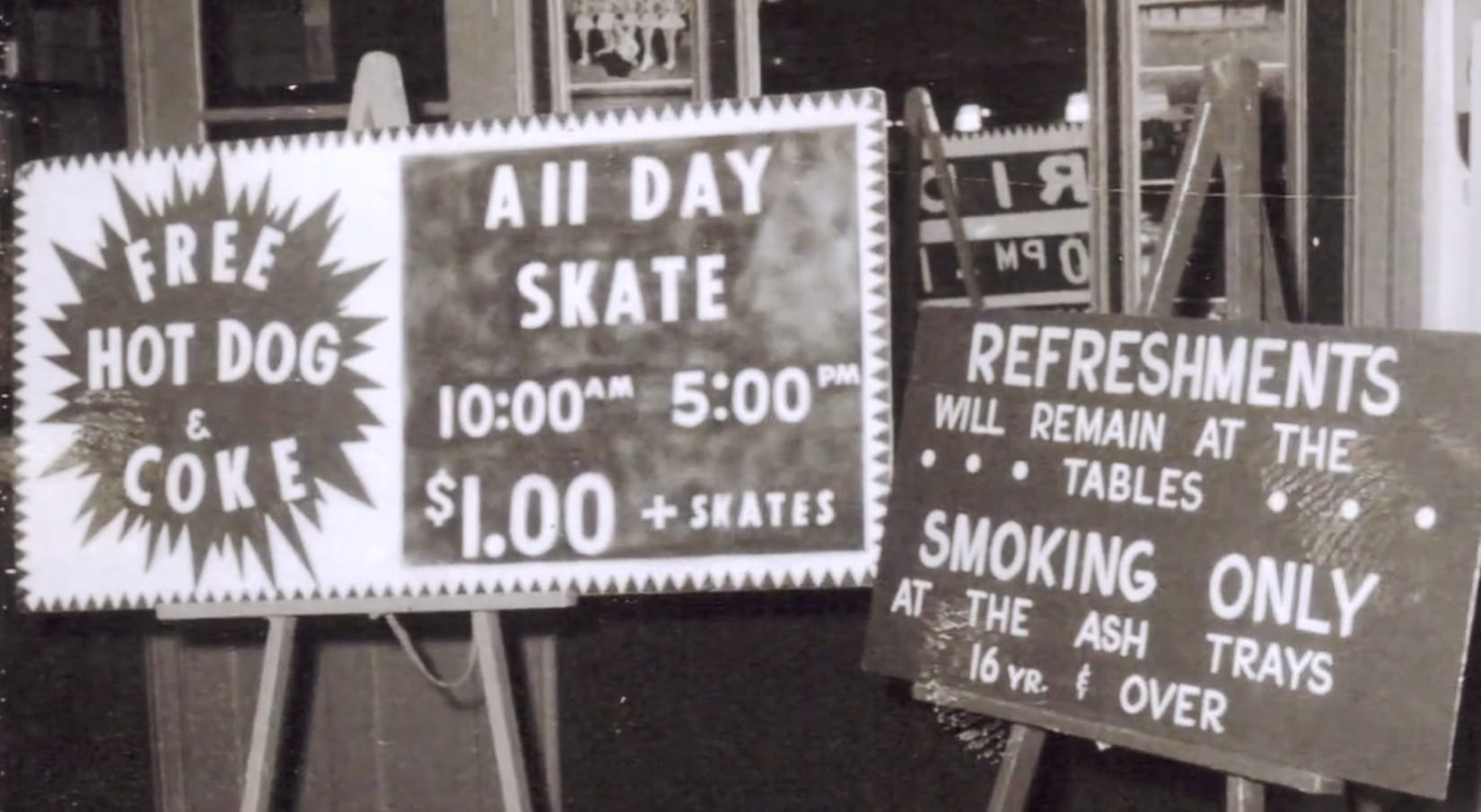
No matter who’s at the helm, Kim says the Roller Dome has adapted to changing times while staying true to its core values over the years. The same rules Jim and Marge established decades ago still guide the rink today, with only minor updates to reflect societal changes. For instance, while long hair for men was once prohibited, that rule was relaxed in the 1970s. The rink also banned smoking as early as the late 1960s, prioritizing its family-friendly atmosphere long before such policies became widespread.
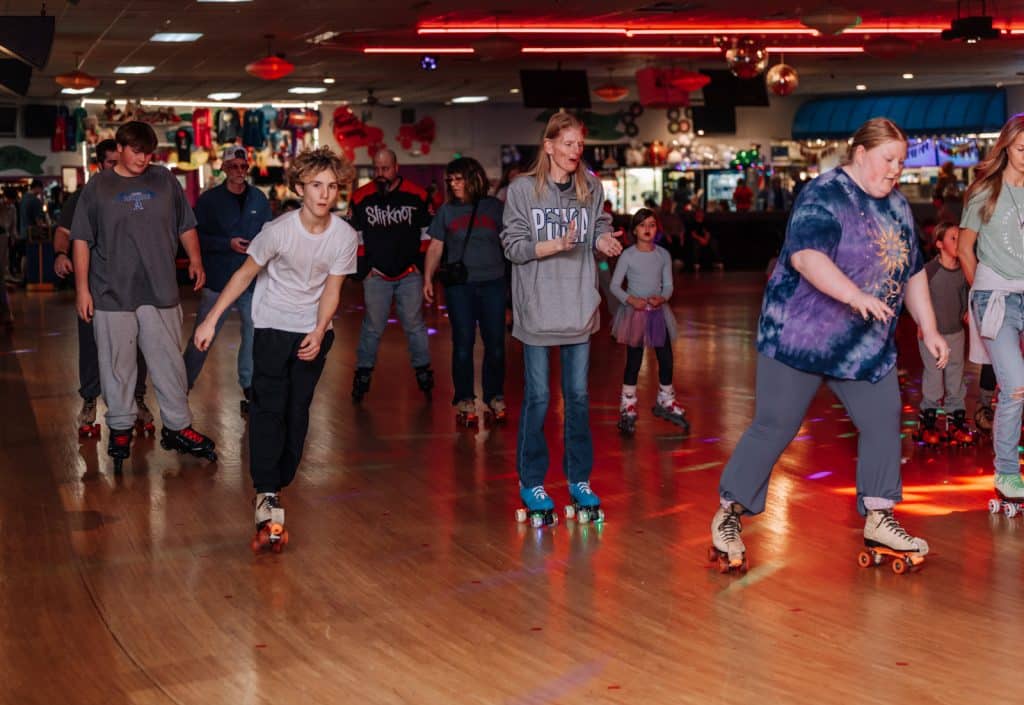
The rink’s history is also closely tied to the broader skating community. Fort Wayne is home to a world-class skater, Alicia McBride, whose mother works at the rink. McBride has represented the United States in international competitions, including the World Championships and Pan American Games. Per Kim, her success is a testament to the rink’s role in fostering a love for skating across generations.
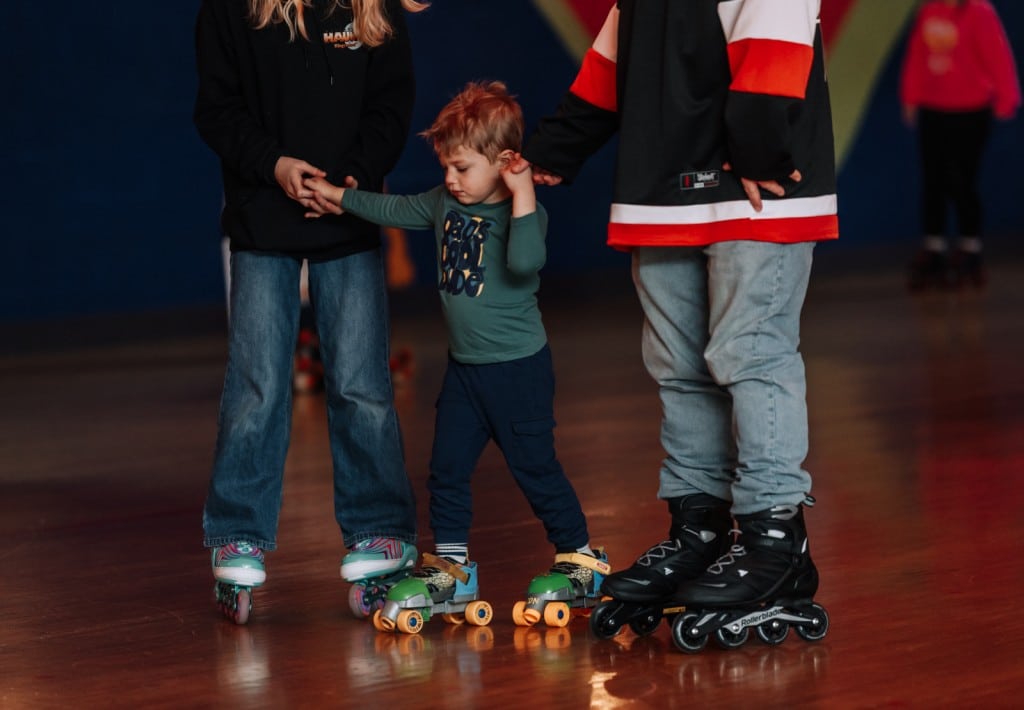
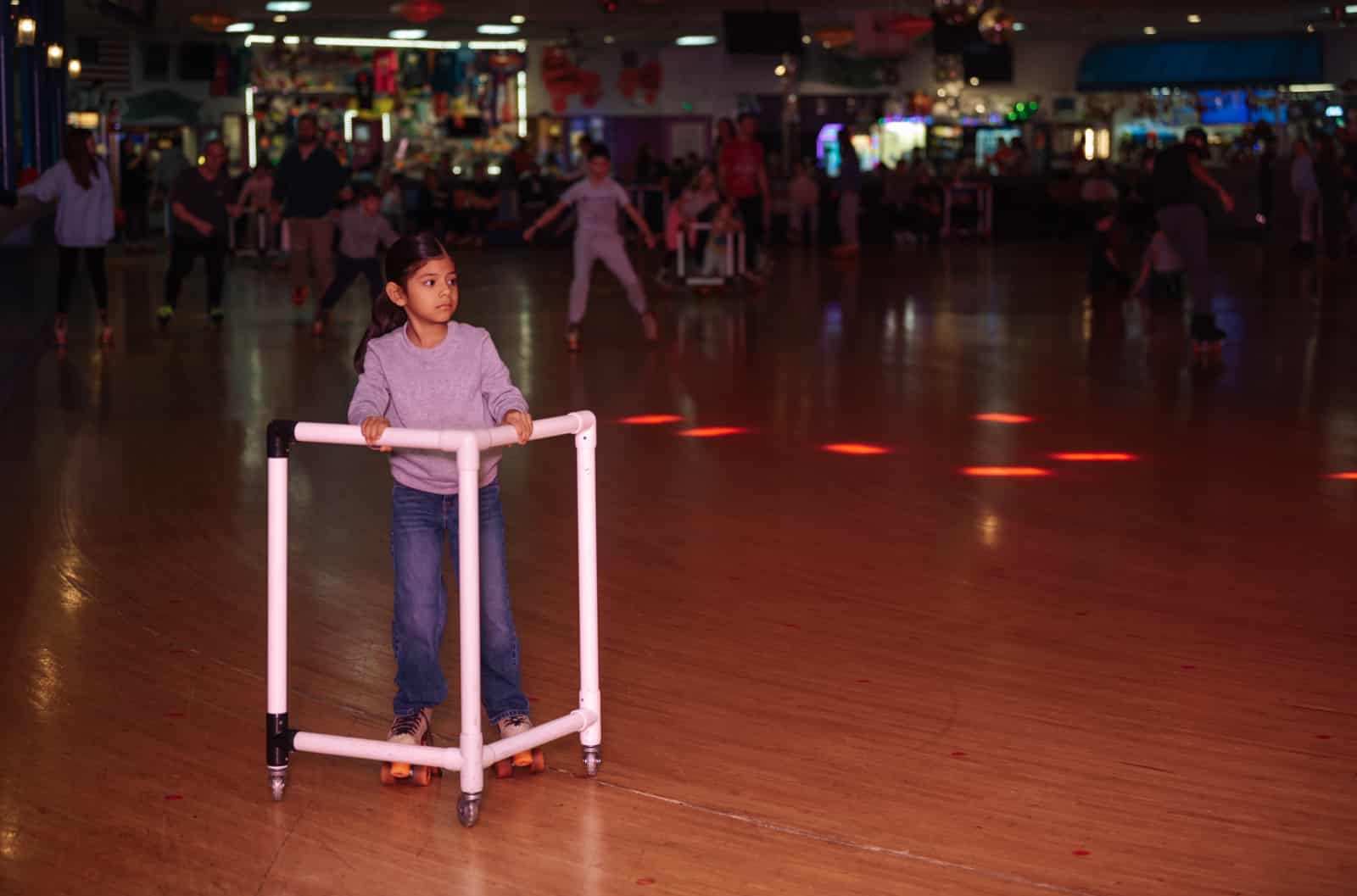
“What other activity can you go in and hold your child’s hand while you’re doing it?” Kim asks. “It’s one-on-one time with your child, and it gets people off their devices, at least for a little bit.”
Good vibes alone don’t pay the bills, however. According to Kim, the rink has weathered its share of challenges, from economic cycles to the COVID-19 pandemic. During the pandemic, the team worked closely with the City of Fort Wayne’s Board of Health to ensure safety, even investing in advanced sanitization equipment like an electrostatic spraying gun.
Despite these hurdles, the community’s support has been unwavering.
“We had our best years ever coming out of COVID because people had been locked up and wanted to get out,” Kim says.
Speaking of support, Kim contends the Roller Dome’s intergenerational appeal makes it a bit of a novelty and a destination. Groups often span three to five generations, with grandparents introducing their grandchildren to the joy of skating. Kim shares a touching story of an 83-year-old man who returned to the rink to skate his final laps.
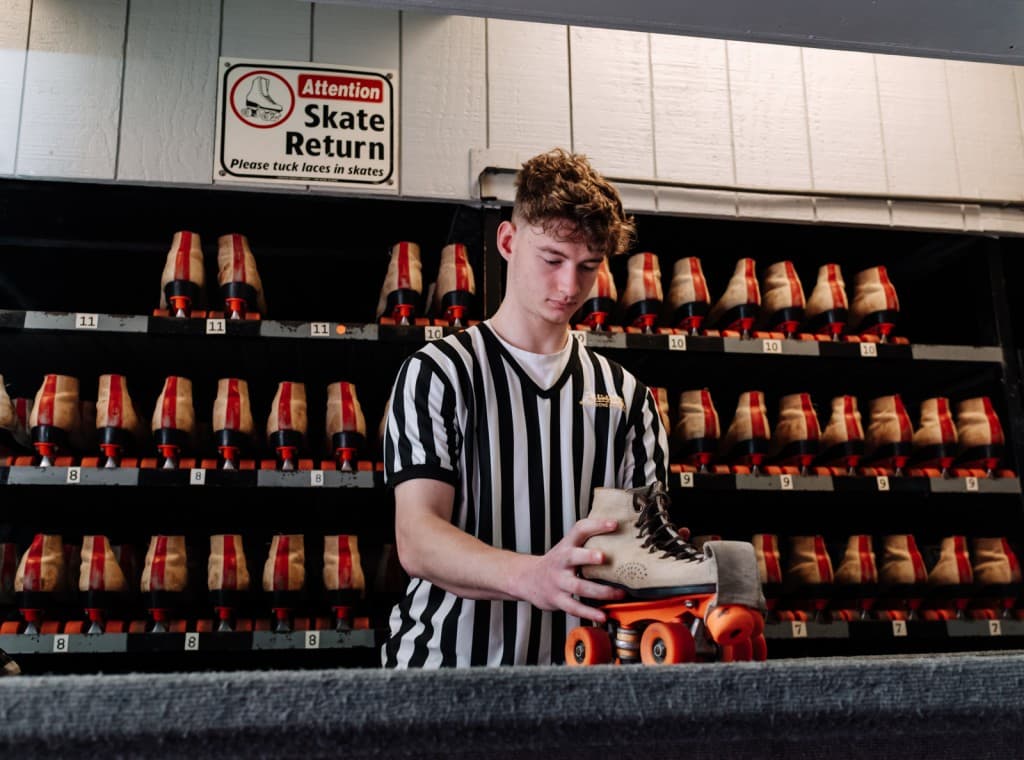
“He told his wife he was coming down here, brought his skates, and skated four laps,” he says. “When he was done, he handed me his skates and said, ‘I’m done. Put these to good use.’”
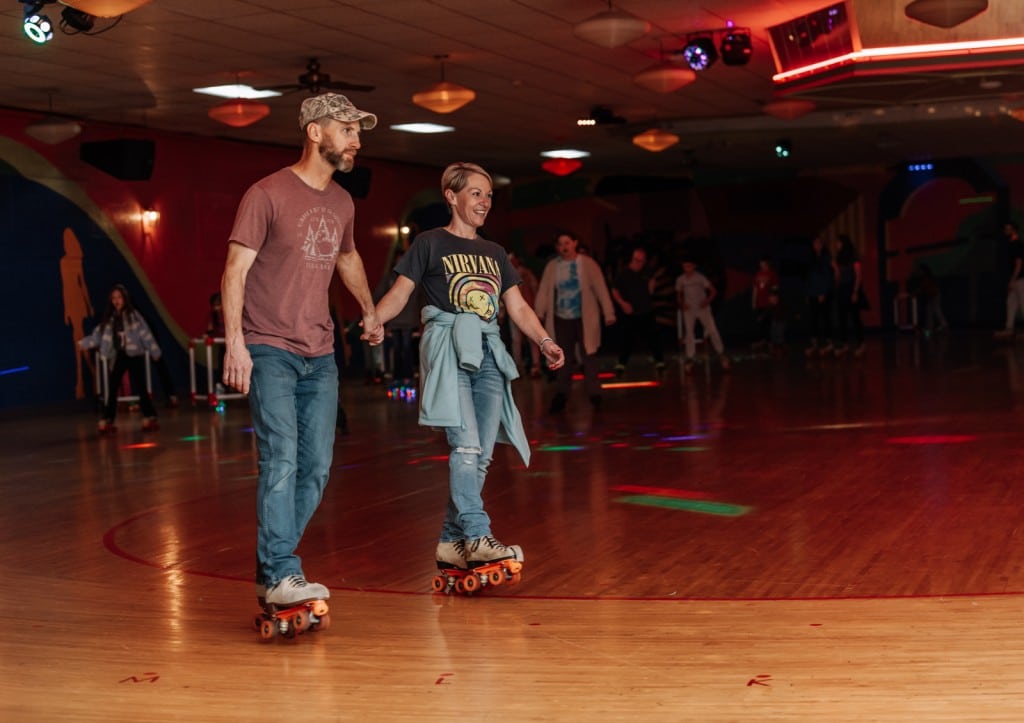
Beyond the emotional resonance, Kim adds that the rink’s ability to evolve while maintaining its core mission has been key to its longevity. In recent years, management has introduced adult skate nights, catering to different generations with music tailored to their tastes.
“We don’t let young kids come in on those nights, so adults can skate without worrying about falling or other distractions,” Kim explains.
Wall says he felt the collective impact of those positive experiences at the 75th anniversary celebration in November at The Rink, the former site of the Roller Dome South. The Wall family hosted a party complete with a room dedicated to memorabilia, curated by Kim’s wife and sister. The event brought together former patrons, including the daughter-in-law of the banker who loaned Jim the money to build the rink many years ago.
Looking ahead, Kim and his team are committed to keeping the rink relevant while honoring its roots.
“We always have to change how we operate, but the core of what we do stays the same,” he says.
Author

Related Articles
North Manchester ice cream and donut shop expands in Fort Wayne
Opening his first location in 2018, ChillzDelights Founder Janzin Cripe shares the journey that led him to content creation and a second shop.
How Brightpoint helps local businesses adapt during challenging times
While businesses face challenges such as rising costs and changing demand, Katey’s Café, Ambrosia Orchard, and Icing for Izaac are determined to survive.
#PlacesofNEI: A second chance for Holly Shopping in downtown Fort Wayne
After heavy snow on Small Business Saturday that lowered attendance, Holly Shopping is coming back to downtown Fort Wayne again on Dec. 20.