The hurdles facing food producers in Northeast Indiana
Area organizations and state-level efforts aim to support these entrepreneurs, ensuring a bounty of healthy, accessible, and local food for Northeast Indiana residents for years to come.
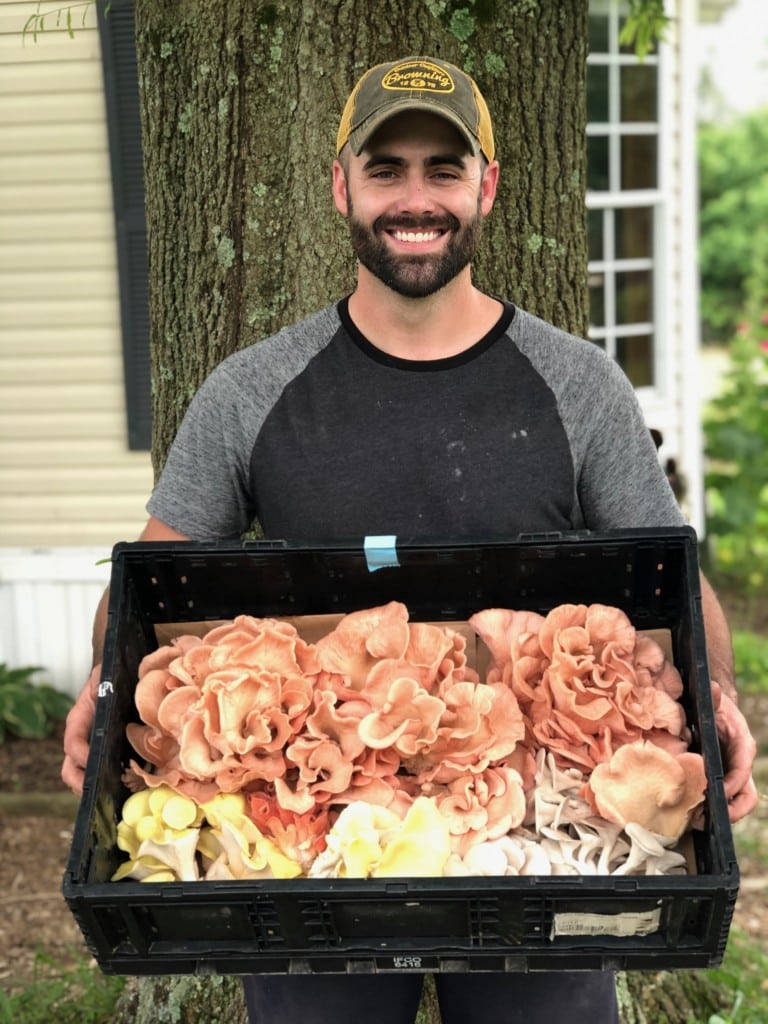
For Caleb Fiechter, farming is like “solving hundreds of little riddles every day.” Fiechter, who grew up on a family farm in Wells County, now runs The River Farm in Bluffton, a 35-acre homestead. After years of working several farm properties, he’s grateful to be back in his hometown, where he gets to observe “nature come back to life with perennial, organic and polycultural management.”
While it’s easy to idealize small farms as an escape from the demands of urban stress, the reality isn’t quite as rosy: “It’s a grind,” Fiechter says.
Though Indiana is a “farming powerhouse,” according to Indiana Grown Program Director Caroline Patrick, that doesn’t mean everything grown here feeds our fellow citizens. In fact, 90% of all food and 98% of all produce consumed by residents is sourced from outside the area, according to the 2025 Northeast Indiana Local Food Needs Assessment.
This, among other factors, led Governor Braun to issue Executive Order 25-58 in April 2025, as part of a larger push to “Make Indiana Healthy Again.” The order commissioned “a comprehensive study related to Hoosiers’ access to local foods and direct-to-consumer food sales from Hoosier farmers.”
The study is part of a “broader, statewide effort to support Indiana agriculture,” says Chad Nixon, Director of Public Affairs for the Indiana State Department of Agriculture.“But the work is a collaborative effort across multiple divisions within ISDA.”
Indiana Grown, a division of ISDA, is involved with the outreach and coordination of the initiative.
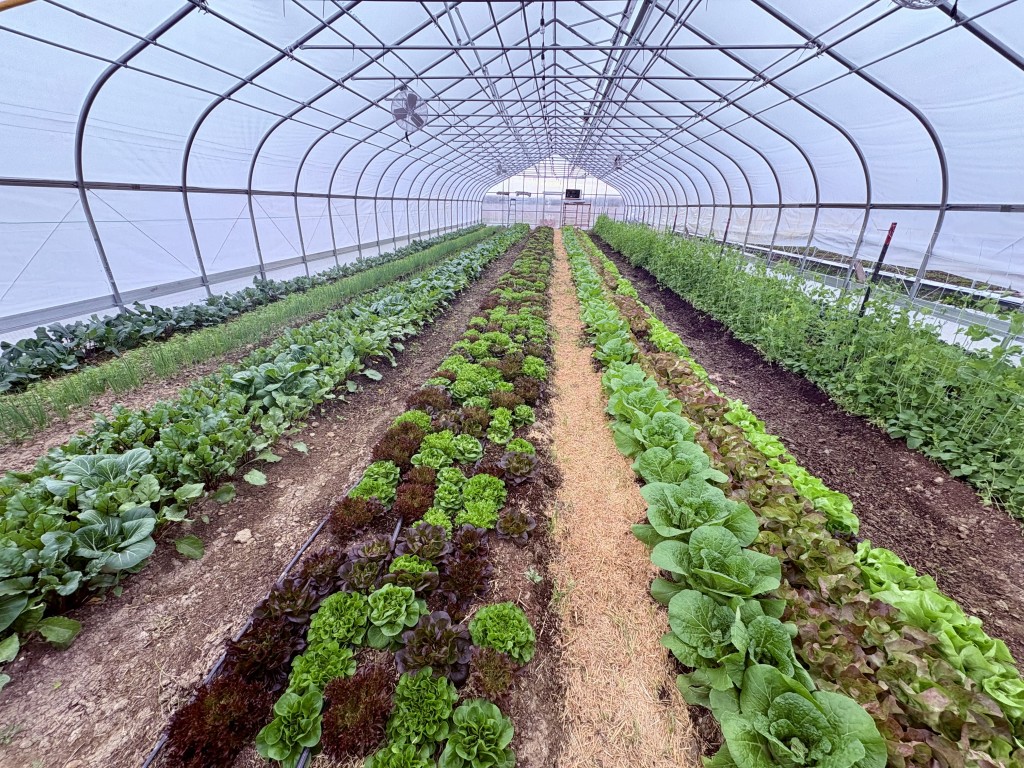
“Our goal is to get a full picture of Indiana’s local food landscape — from regulatory hurdles and capital access gaps to opportunities for businesses that want to scale or diversify their sales channels,” Patrick says.
While a more vibrant local food economy might appeal to Northeast Indiana residents, local producers face immense challenges running their operations and maintaining, let alone expanding, their customer base.
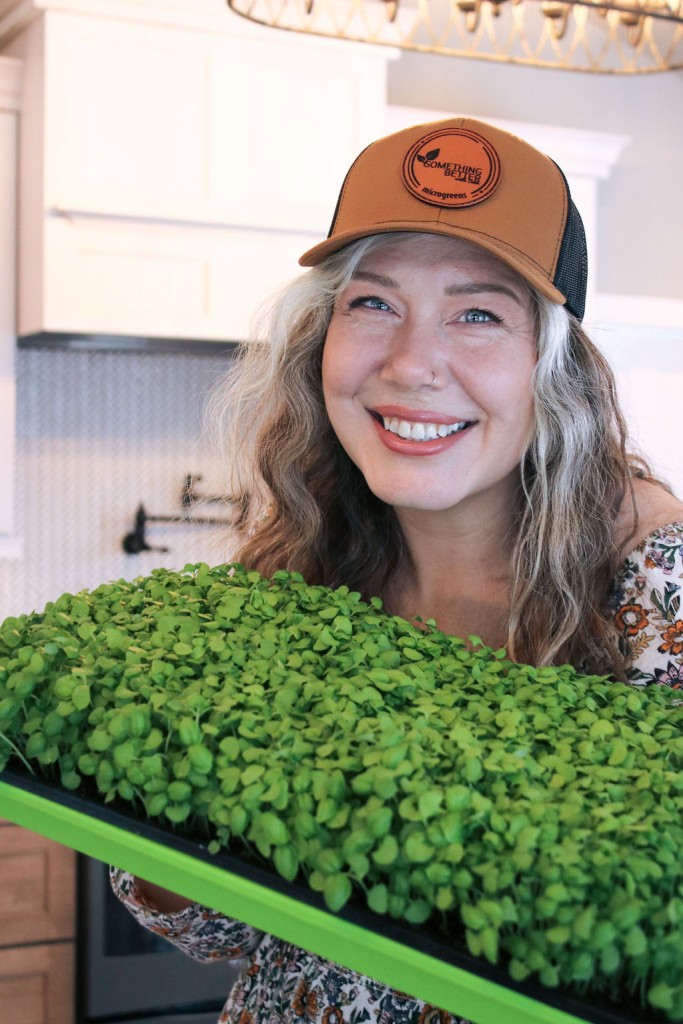
Beth Ritzman, who runs the microgreens production Something Better with Beth, serves a number of higher-end restaurants in the area. She runs what she describes as “a very lean, efficient farm” and minimizes expenses to avoid raising prices. Still, she feels the struggle that comes with balancing limited local demand with “growing pains that would be involved in expanding [her] reach towards Indianapolis.”
For Ethel Baker, co-owner of IrishMudd Farm, inflation adds extra pressure at every step of the process: “rising input costs are high: feed, processing, packaging, insurance, and compliance.”
These costs are especially challenging for small producers like IrishMudd. “Niche products like ours often struggle in a market that is heavily driven by price over quality. That’s something we run into regularly,” Baker adds. As a result, IrishMudd has developed relationships with a wider array of customers whose values align with theirs.
“We’ve learned that sometimes you have to widen your circle to find the right partners, ones who see quality, stewardship, and consistency as long-term investments rather than short-term expenses,” says Baker.
Sacrificing quality isn’t an option when your customers are some of the top dining establishments in the area. Years ago, Dennis Wood saw an opportunity with the growing crop of restaurants in Northeast Indiana that prioritize high-quality food. Wood, who started Wood Farms in the mid-1990s with a single cow named Georgina, bought for $10,000, now supplies meat to roughly 60 restaurants in the region.
Wood Farms currently boasts nearly 1500 acres of certified organic pastures, which house about 350 mother cows. While bigger than some of the other farms in the area, Wood Farms still doesn’t have the same advantages as large-scale agricultural operations. “It takes a lot to supply meat to all our customers and compete with other suppliers,” Wood says.
Competing on that level means leveraging technology, like genetic analysis, to ensure the ideal composition and marbling of the meat that Wood Farms supplies to area eateries. Restaurants have a bottom line, and demand quality.
“You have to be better,” he says.
Hawkins Family Farm is no stranger to the obstacles many small farms are facing. Jeff Hawkins started one of the area’s first CSAs (Community Supported Agriculture), raising a variety of animals and produce with a goal of honoring “nature’s strategy of diversity toward health and sustainability.”
“In the prevailing economy, small farms are like mom-and-pop corner grocery stores – there really isn’t a place for us,” Hawkins says. “So we keep re-working the model and re-inventing ourselves, as well as keep trying to increase efficiencies and scales, so we can stay in business.”
One innovation in the face of rising input costs is developing resilient systems that function well without loads of external fertilizer.
“The primary sources of fertility for our gardens, for instance, are farm-made compost and cover crops, not imported nutrients. Our cattle only eat grass grown on our farm, so the price of corn doesn’t affect the price of our beef,” Hawkins adds.
Another hurdle facing local producers is what Karen Petersen, Executive Director of the Northeast Indiana Local Food Network (NEILFN), calls the “middle pieces of the puzzle”: the “local distribution, aggregation, and processing facilities that would allow a small farm to scale up. Without those resources, farmers are often stuck in a few and highly competitive market channels,” Petersen explains.
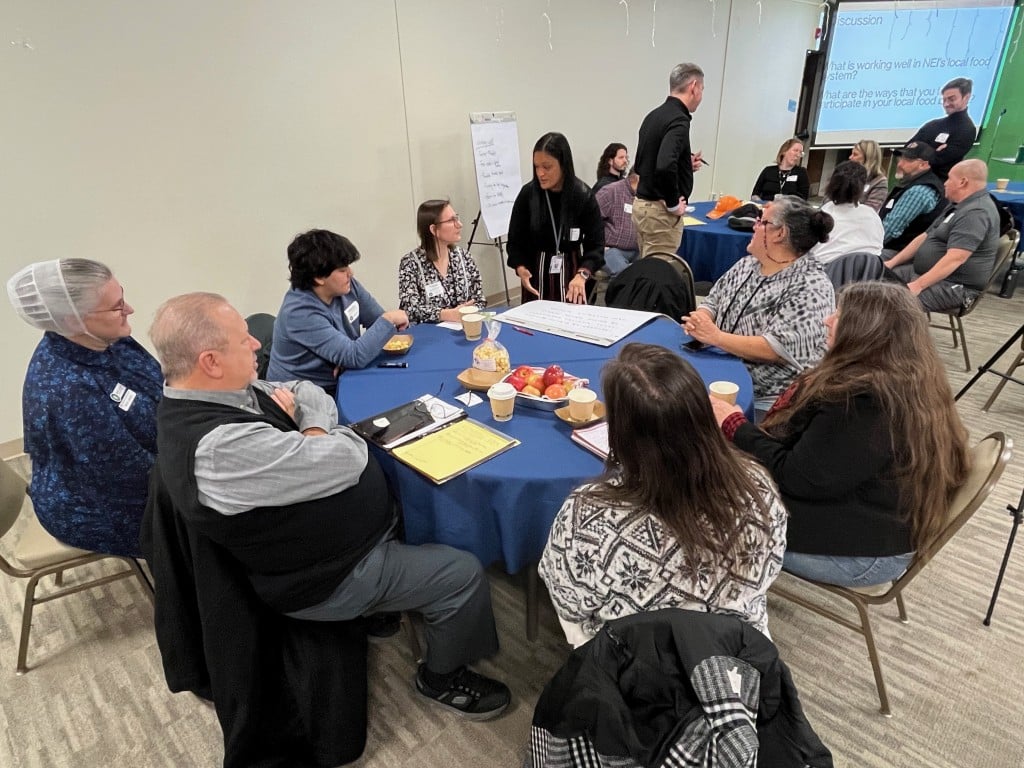
These topics were addressed at a January meeting convened by NEIFLN, which boasts a membership of nearly 20,000 farmers and producers across Northeast Indiana as of 2025.
Petersen knows these issues intimately: on top of her advocacy role, she’s also a farmer herself. She’s “encouraged” by Governor Braun’s Executive Order, acknowledging that there’s a need for stronger policy advocacy.
“The unique needs and opportunities of local food growers are often drowned out by the much louder interests of large-scale commodity agriculture,” Petersen says.
In the absence of broader policy action, barriers like high costs and limited access to production facilities have forced producers to get creative.
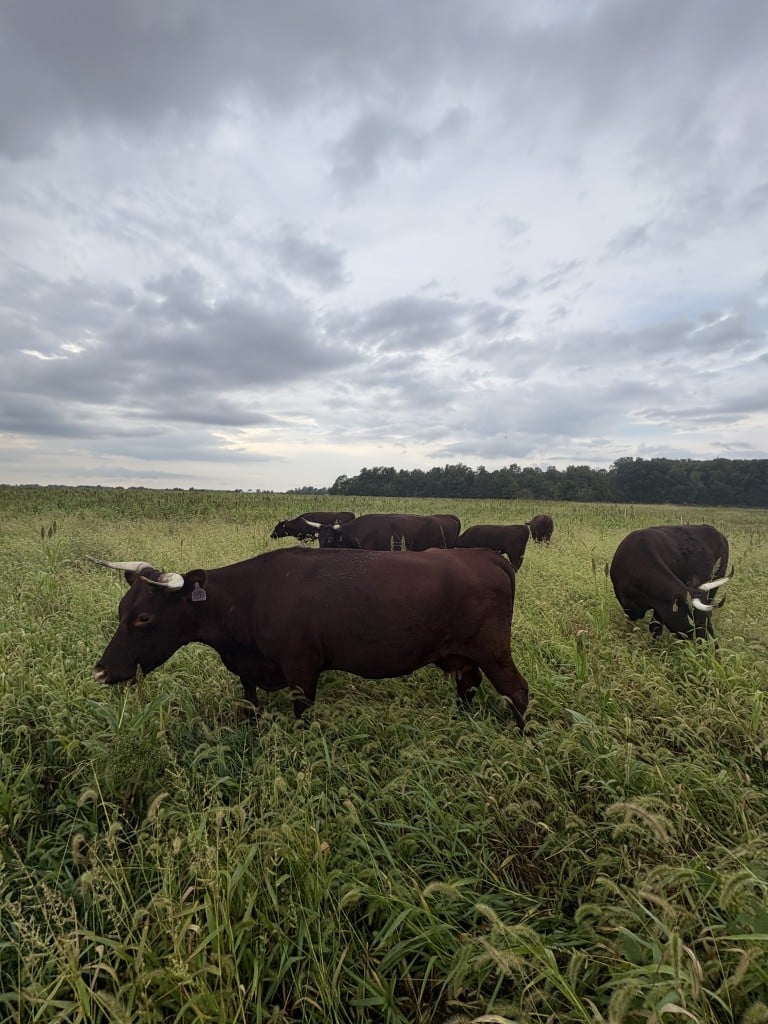
As Hawkins explains, “recognizing that we needed to grow, but not wanting to make the common trade-offs that come with expanding our operation (which often result in lower quality products), we thought we could ‘scale by collaborating rather than expanding’ and maintain high quality.”
This resulted in the development of their Farm Club, which involves partnering with over 20 other farmers and food artisans.
IrishMudd has taken a similarly collaborative approach to their agriculture business, including “cross-promoting products, sharing equipment knowledge, or helping troubleshoot supply chain issues, community matters.”
“The Northeast Indiana farming community is resilient…It’s not easy, but there’s a strong spirit of collaboration rather than competition,” Baker adds.
Glenhaven Farm’s Bradley Spaulding knows the role of resilience in agricultural work. After years of battling autoimmune disorders alongside his wife, he began to understand nutrient density better. He says he has “benefitted greatly” from the work of organizations like the Savanna Institute, which provides guidance on agroforestry education and research.
Organizations like NEILFN also guide area producers. Despite the challenges of farming, local groups play a vital role in supporting the community and fostering ongoing conversations, especially around issues of accessibility.
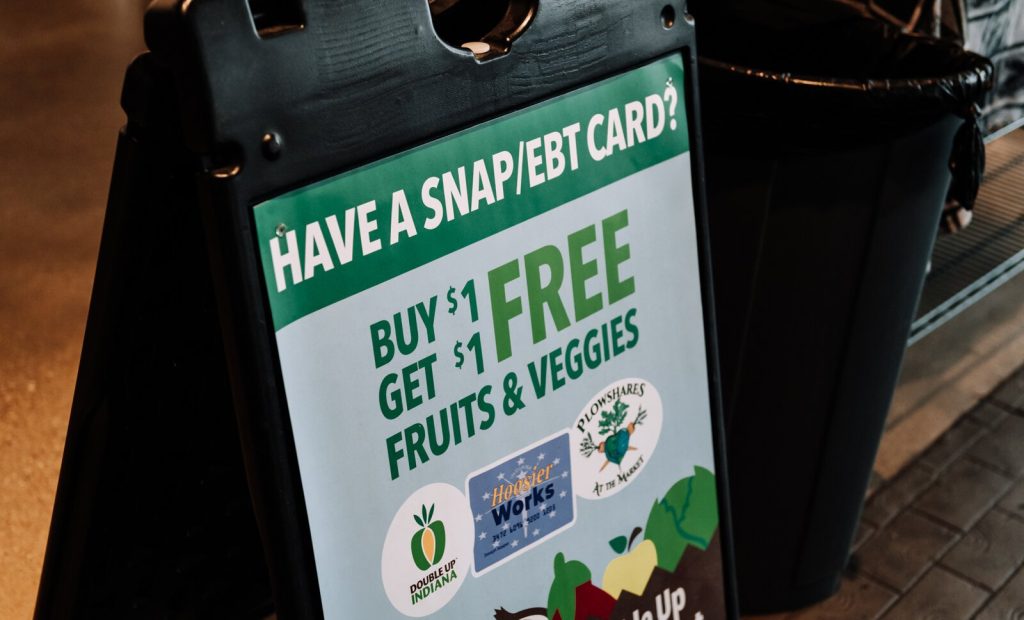
Petersen hopes that through programs like Double Up Indiana and HEAL Farm Markets, local food can be more accessible – an outcome that would benefit producers, but also the population broadly.
Spaulding, too, envisions a future focused on accessibility, and hopes to see growth in community spaces “where anyone can engage in growing and harvesting healthy, clean food, regardless of income, land-access, or a certain skill-level.”
According to Spaulding, “the future of food in Northeast Indiana is local.”
Author

Related Articles
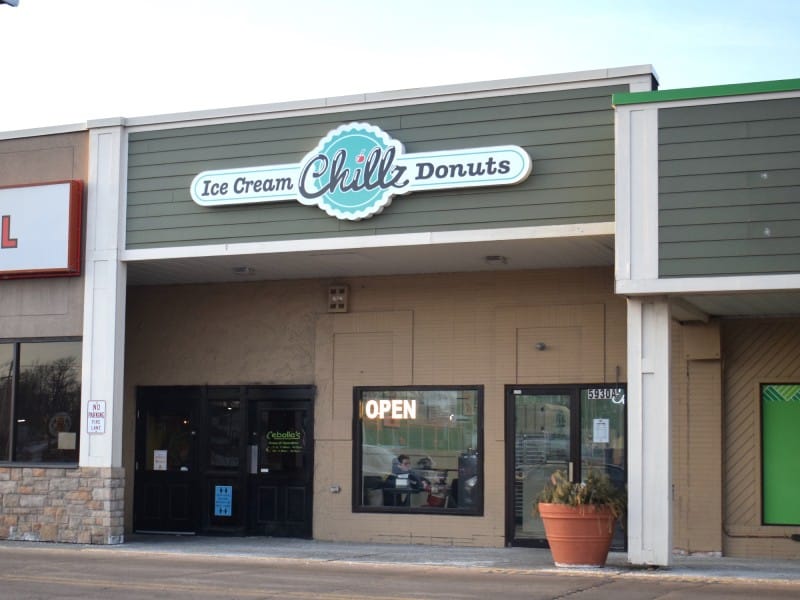
North Manchester ice cream and donut shop expands in Fort Wayne
Opening his first location in 2018, ChillzDelights Founder Janzin Cripe shares the journey that led him to content creation and a second shop.
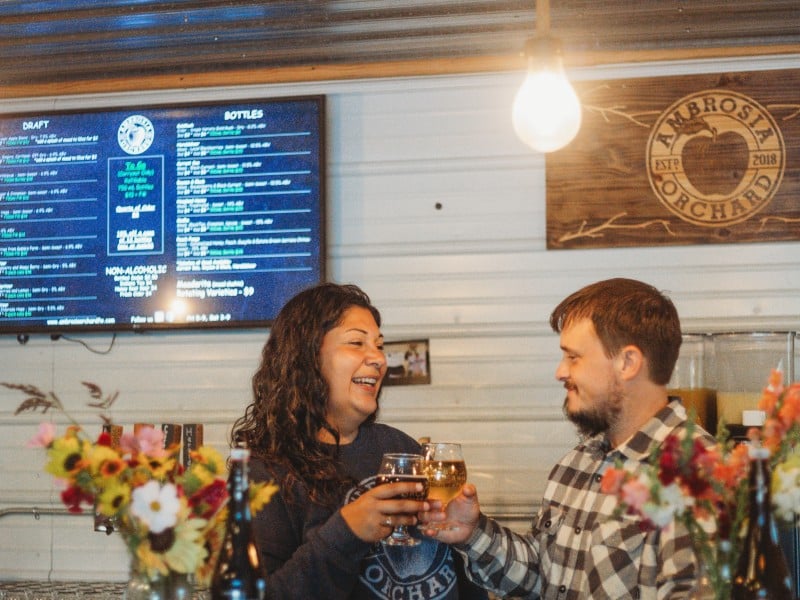
How Brightpoint helps local businesses adapt during challenging times
While businesses face challenges such as rising costs and changing demand, Katey’s Café, Ambrosia Orchard, and Icing for Izaac are determined to survive.

The Roller Dome: A family tradition across four generations
For more than 75 years, The Roller Dome has provided a family-friendly space for entertainment and fun.