Competition fuels regional coffee culture
A taste of the innovations and events developing around craft coffee in northeast Indiana.
When Fort Wayne entrepreneurs Corey Waldron and Aric Forbing founded Modbar modular brewing systems in 2012, they stunned the international coffee community with an à la carte design that looked like a beer tap.
“It was sleek and sexy, but highly functional,” Waldron said. “That was a big game changer.”
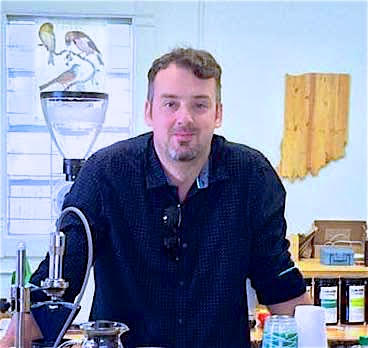
After working at Fort Wayne’s original craft coffee roaster, Old Crown, for years, Waldron was frustrated in his attempts to teach customers about the art of coffee-making by clunky machines on top of the counter that got in the way of his demonstrations.
So as a CAD designer, he began working with his bandmate and machining-expert Aric Forbing to draw up what a coffee brewing system should look like.
Together, in the manufacturing mecca of Fort Wayne, the two created the first under-counter espresso machine and prototyped it at the Speciality Coffee Association’s 2007 Long Beach showcase.
Then, with the support of La Marzocco, an established espresso machine producer in Italy, they designed the modular brewing system that took the international coffee community by storm.
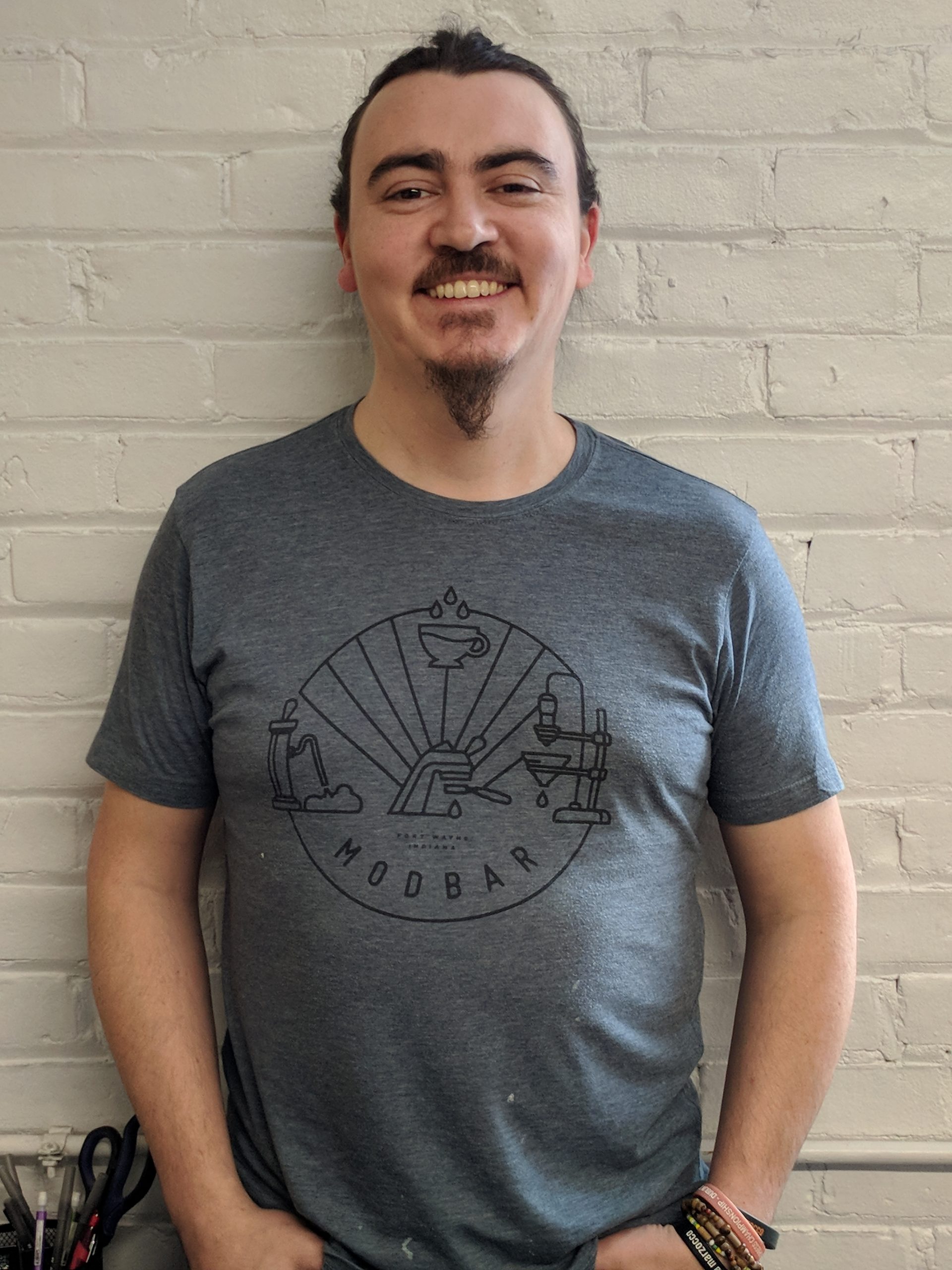
Today, Modbar serves more than 1,000 customers in more than 20 countries around the world, and it’s bringing a taste of that global coffee culture back to Fort Wayne, too.
A taste of coffee culture
If you aren’t familiar with the lingo and rituals of coffee culture, then the presence of this informal community developing in northeast Indiana might be mystifying.
It doesn’t have a name, like the League of Lattes in Indianapolis, and it doesn’t have a face, though craft coffee shops, like Conjure Coffee, Fortezza Coffee, and Old Crown, come to mind.
But much like the craft beer community with its finely tuned processes for brewing beer, the craft coffee community has made ways for baristas to turn an everyday beverage into an art—from high end coffee beans, to intensive roasting processes, to specialty brews, and even designs in the foam on top of lattes.
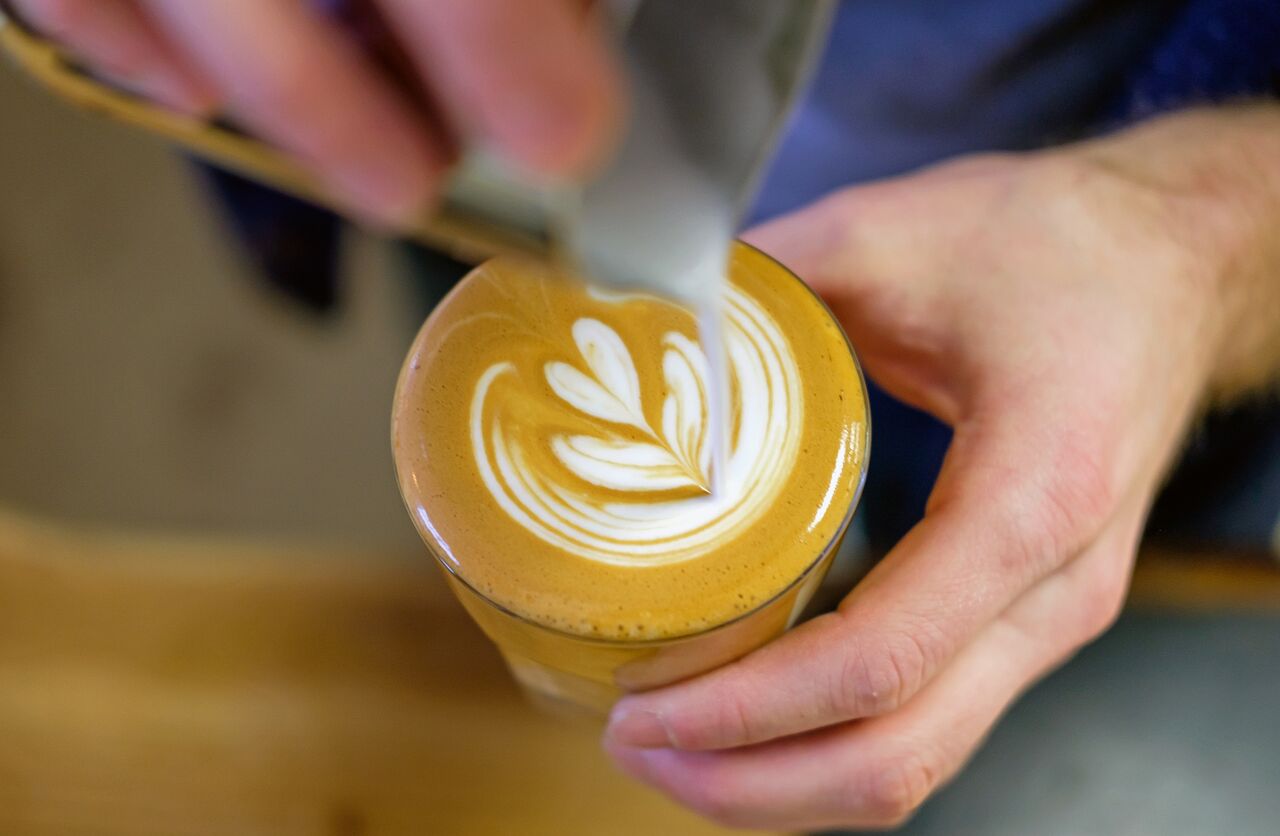
Coffee culture’s influence is evident in the cream-colored swirls and shapes you see floating in coffee cups on Instagram. There are even competitions in which baristas compete to make the most beautiful designs the fastest, and these competitions are affectionately called latte art throwdowns.
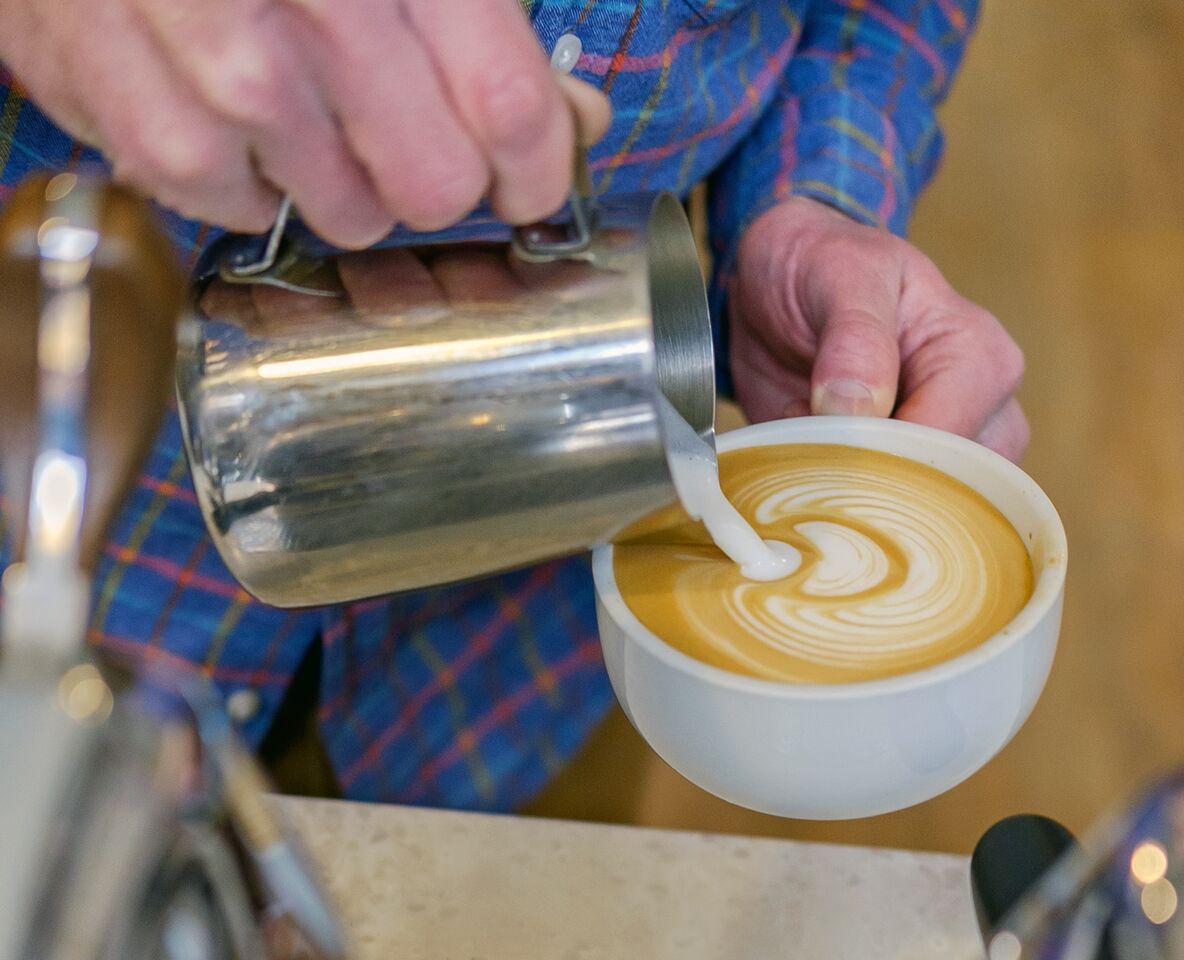
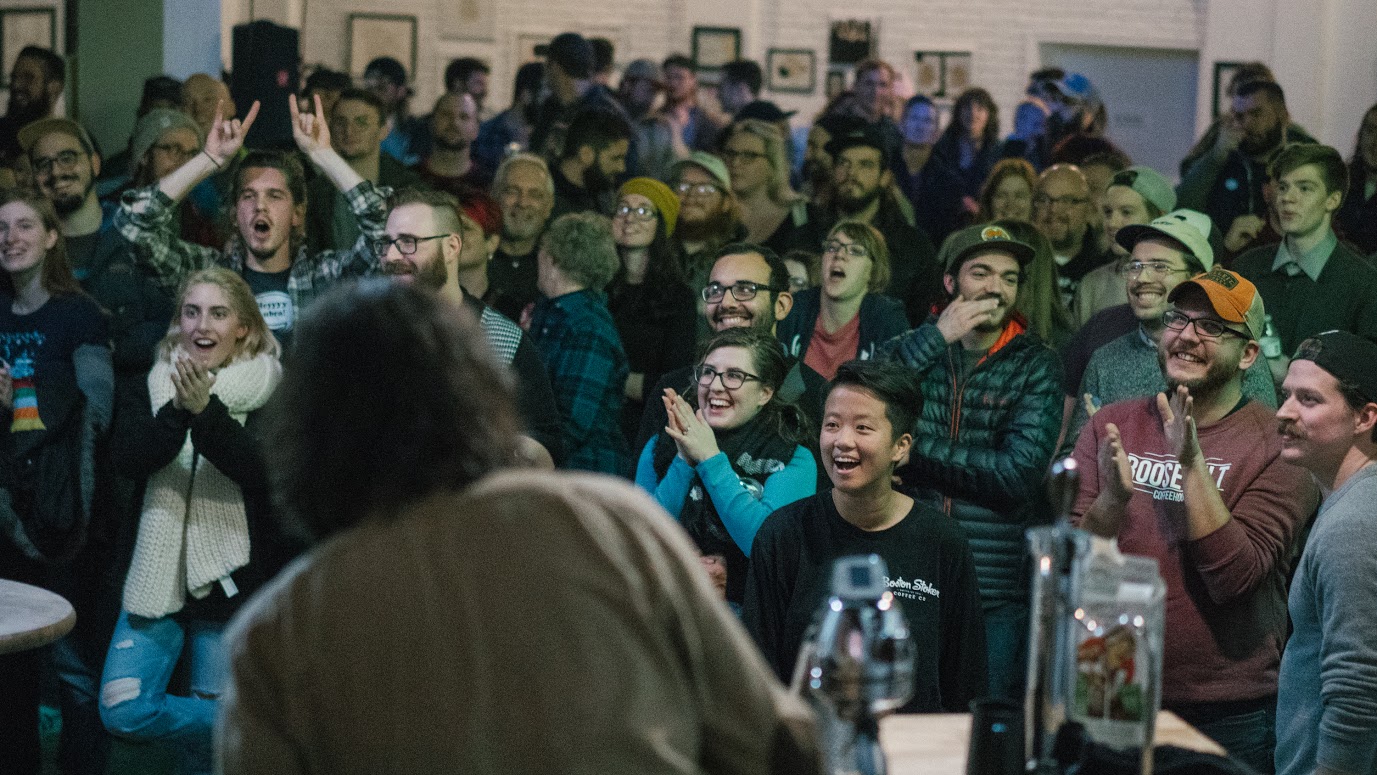
Despite the street-lingo, throwdowns are surprisingly friendly competitions where baristas pour coffee in front of a live audience, and their designs are projected onto a large screen for judges to vote.
Forbing says Modbar’s sleek, under-the-counter design makes it the ideal setup for these competitions.
“With Modbar, you don’t have the large, imposing machine on the counter, so you can see what they’re doing much better,” he explains.
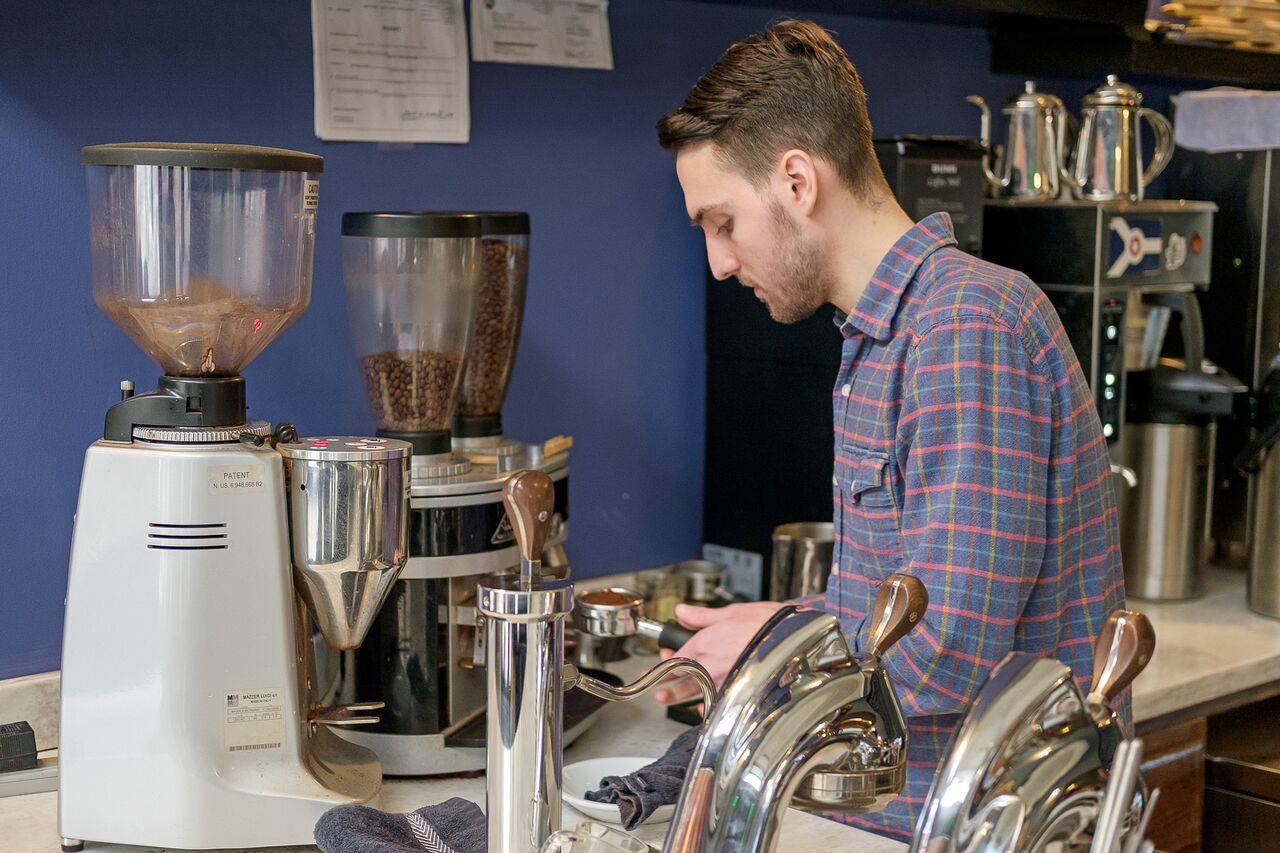
Taking advantage of this opportunity, Modbar hosts throwdowns in cities around the world, and it started hosting them at Wunderkammer Company art center in Fort Wayne about three years ago.
At the most recent Winter Throwdown on Dec. 7, baristas as far away as Indianapolis and Columbus, Ohio, came to compete, and an energetic, young crowd packed the space.
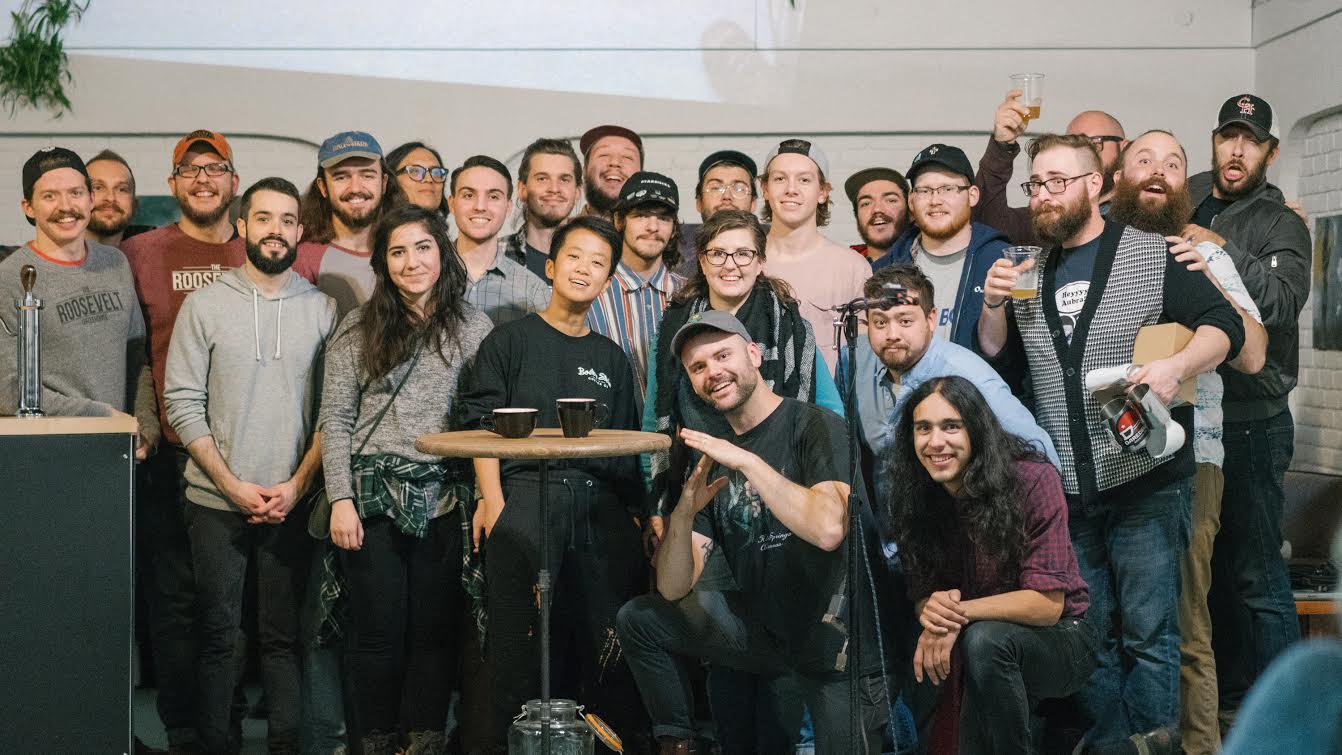
For local craft coffee enthusiasts, like Sean Wang of Fortezza, the success of these events has been many years in the making.
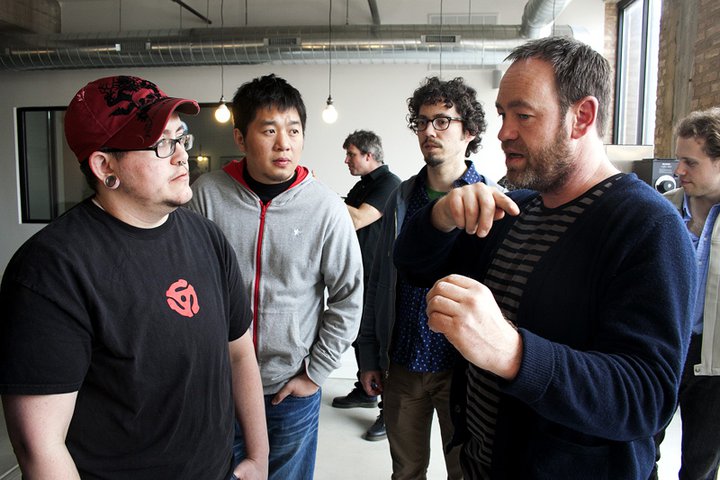
When Wang first opened his shop in 2014, he was afraid there weren’t enough trained baristas or interested spectators around town to make throwdowns viable.
Now, after hosting smaller events at Fortezza and seeing companies like Modbar bring international experts to town on a regular basis, he’s experiencing the type of progress in Fort Wayne’s coffee culture that he once hoped for.
“There’s a lot more growth,” Wang says.
Another reason for that growth is because Waldron stepped away from his work at the Modbar factory in 2015 to open Conjure Coffee at 701 Columbia Ave. on the Northeast side of downtown, just over the St. Joseph Boulevard bridge.
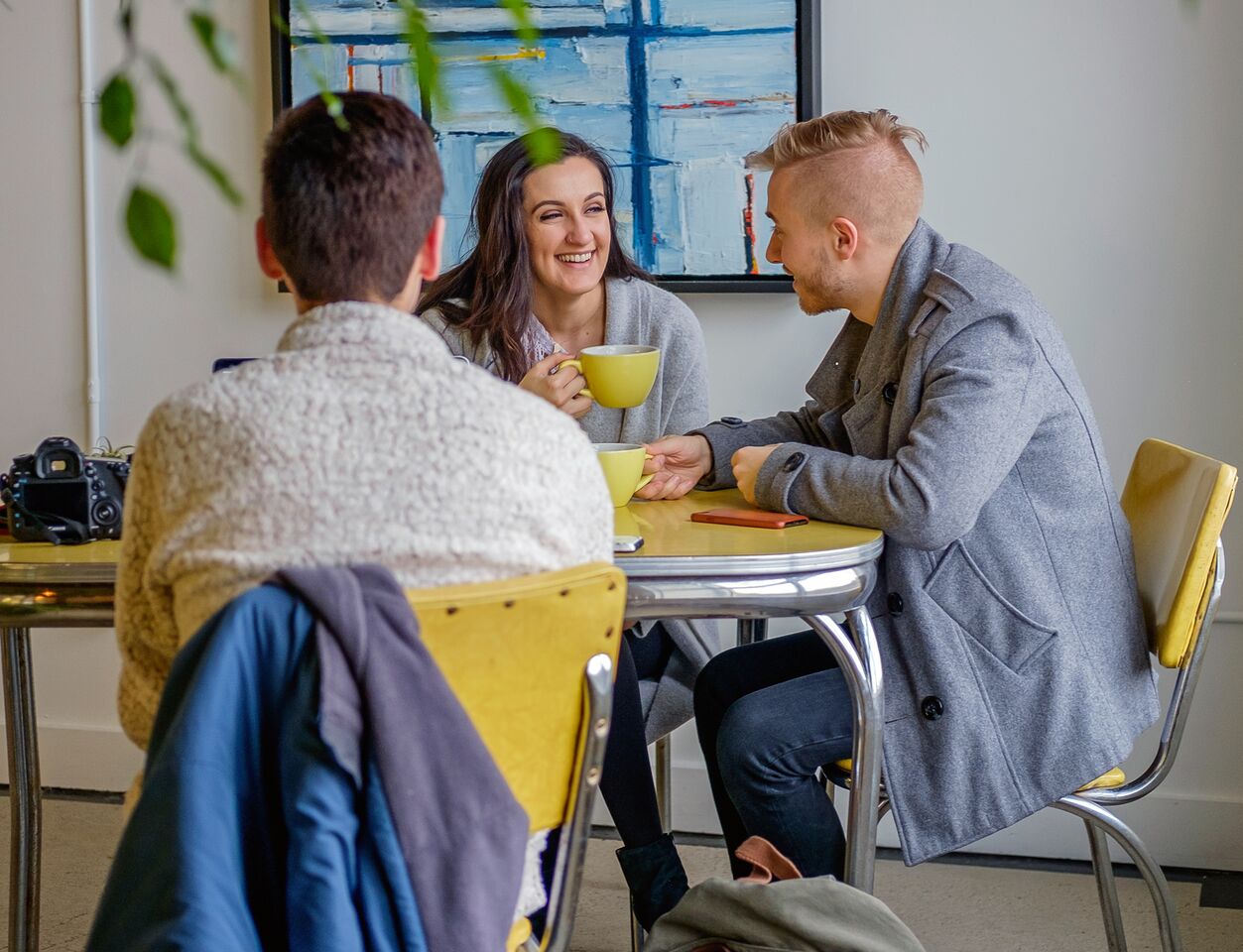
While Waldron is still a part-owner of Modbar, he wanted to return full-time to coffee-making. And while some might think having businesses like Conjure and Fortezza in close proximity means fierce competition, Wang and Waldron insist that is not the case.
“We all hang out at each other’s shops and try each other’s coffee,” Wang says.
“It gives us more opportunities to talk about coffee and have meaningful conversations,” Waldron adds. “We’ve even talked about sharing our staff, and having baristas that could work at multiple shops based on need.”
Lest you think this spirit of collaboration is Midwest kindliness, Will Frith, Enabler of Coffee, People, & Machines at Modbar’s operations in Portland, says similar supportive communities are developing nationwide.
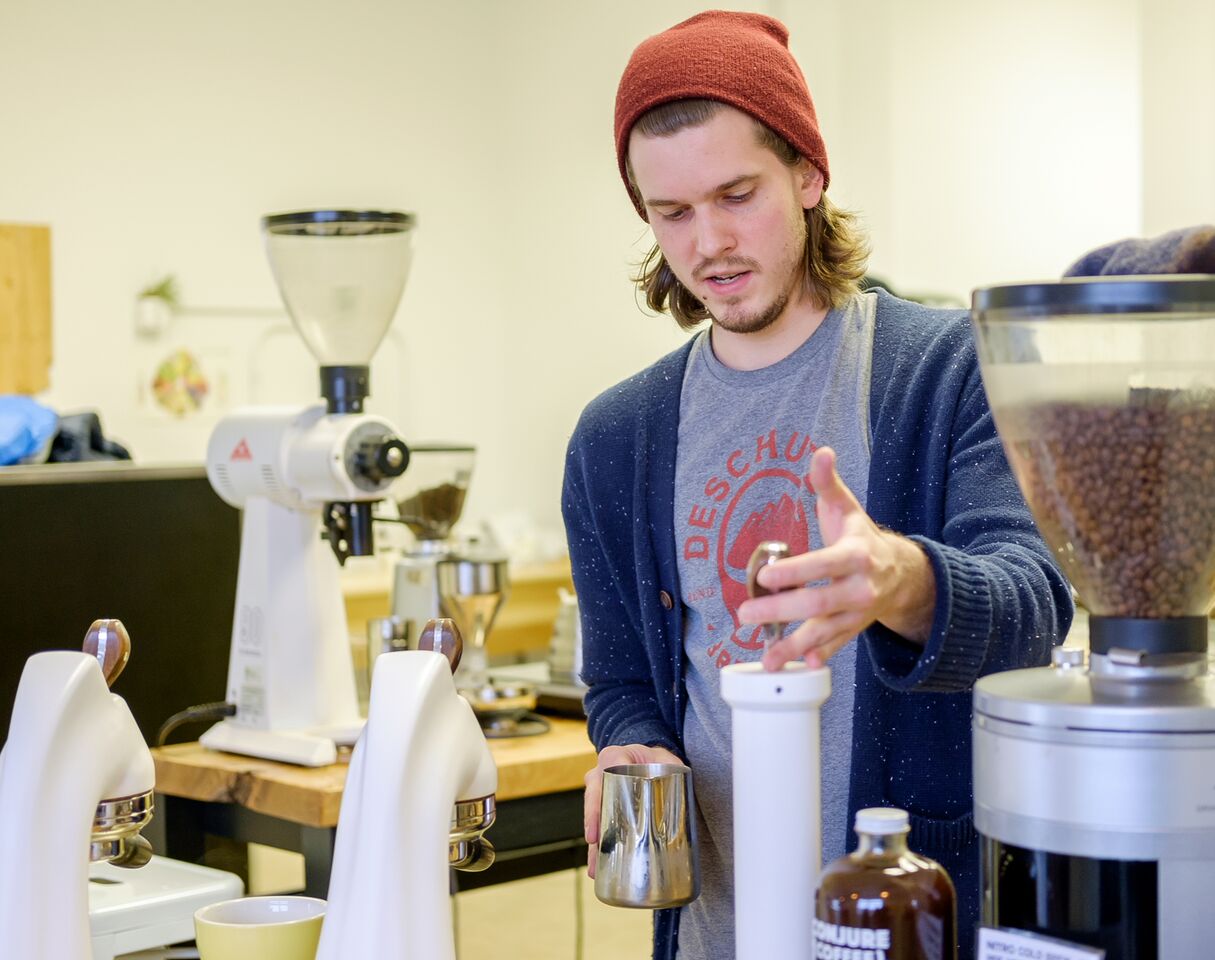
Since craft coffee typically requires highly specialized brewing techniques and expensive equipment, having a network of local coffees shops nearby allows owners to share tips and resources and feel more comfortable taking risks to distinguish themselves.
Oddly enough, saturation of the market can be a key to success.
“People start to get afraid of saturation,” Frith says. “But we haven’t reached that point in Portland yet, and we have about one café on every block.”
So the need for more craft coffee shops and companies in northeast Indiana is still great, and in some ways, it’s even growing.
Breaking down barriers
Along with helping coffee enthusiasts collaborate, saturation of the market also helps consumers feel more comfortable experimenting with coffee culture.
Much like the craft beer community, the craft coffee community can have an intimidating, insiders vibe with its own set of jargon and knowledge base. That barrier is one that another coffee entrepreneur in northeast Indiana is hoping to help break.
Hanging out with Wang in the crowd at the Winter Throwdown is Nick Sabin, the owner of Safe Camp Coffee, who roasts beans out of Grace Gathering church at 3157 Minnich Rd. in New Haven.
Sabin got started about four years ago, and his company’s mission is to make coffee culture more approachable to the average Midwest coffee drinker—the type of people who might think “fancy” coffee is not for them.
“We offer more of a medium roast, and let people know that they’re free to ask questions,” Sabin says. “We want to be a bridge.”
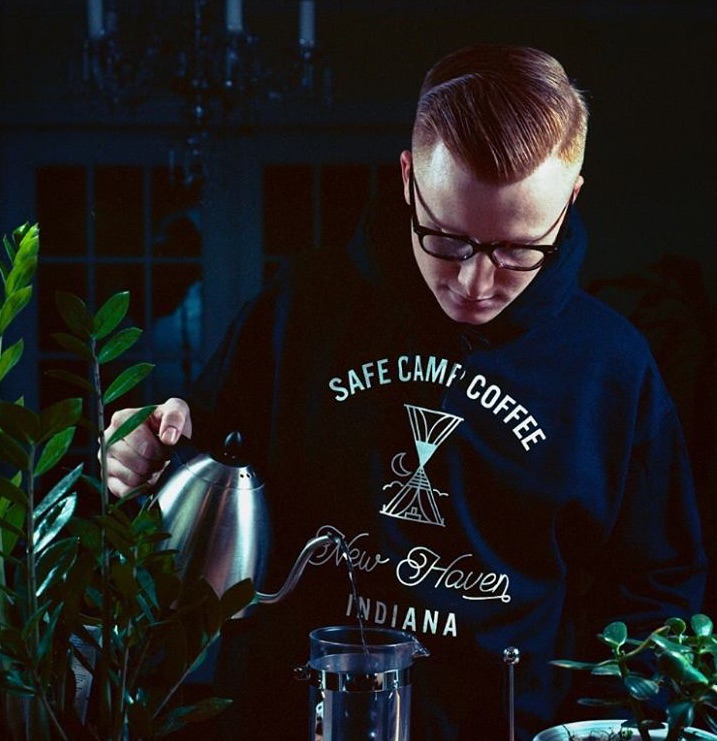
Safe Camp Coffee is still in the process of breaking into the Fort Wayne market. Businesses like Black Anvil Tattoo and West Central Barber Shop currently serve their cold brew.
“We usually come to Fort Wayne because there aren’t many coffee shops in New Haven,” Sabin says.
While Fort Wayne is the smallest city where Modbar hosts throwdowns, it’s not necessarily the smallest crowd. Frith explains that since people from other regional cities like New Haven come to Fort Wayne to compete, the throwdowns are equally, if not more exciting, than ones Modbar hosts elsewhere, and the culture is ripe for growth.
“Fort Wayne can really act as a hub for coffee scenes in the Midwest,” Frith says.
And for entrepreneurs like Sabin, that’s a good thing.
“I see these events as places to make connections, to get people to buy your product, but also to get people to critique you,” Sabin says. “We’re all learning from each other. I bring samples here, and pass them out, and ask people for their opinions. It’s good to be here. As a roaster, you can grow and help others grow, too.”
Author

Related Articles
How Brightpoint helps local businesses adapt during challenging times
While businesses face challenges such as rising costs and changing demand, Katey’s Café, Ambrosia Orchard, and Icing for Izaac are determined to survive.
The Roller Dome: A family tradition across four generations
For more than 75 years, The Roller Dome has provided a family-friendly space for entertainment and fun.
#PlacesofNEI: A second chance for Holly Shopping in downtown Fort Wayne
After heavy snow on Small Business Saturday that lowered attendance, Holly Shopping is coming back to downtown Fort Wayne again on Dec. 20.