Indiana Land Protection Alliance awarded $500,000 in support of conservation work
The multi-year grant is set to transform ILPA’s work in preserving Indiana’s landscapes and supporting land trusts.
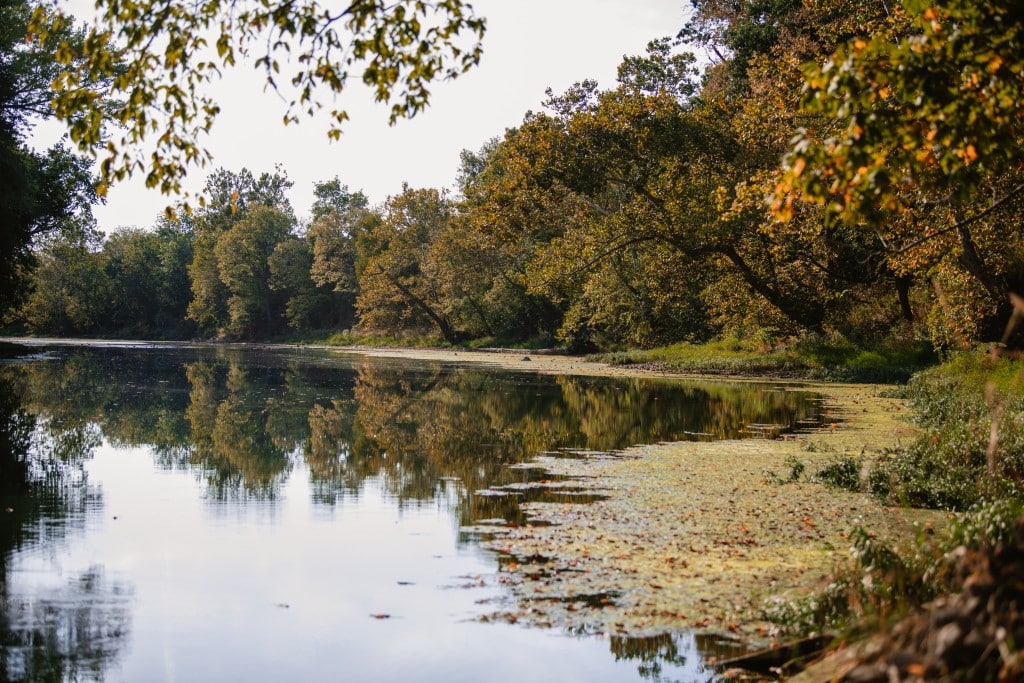
More than 176,000 acres in Indiana are protected by land trusts. Each of the state’s 92 counties has at least one land trust working to conserve the natural landscape, according to the Indiana Land Protection Alliance (ILPA), a statewide nonprofit coalition that provides support to Indiana’s land trusts and conservation partners.
“Indiana has really, really incredible and diverse landscapes,” says Andrea Huntington, who has been executive director of ILPA. “You think about the different habitats from the dunes region to the really amazing terrain and forested areas of southern Indiana, and a great deal of Indiana used to be wetlands, so we still have some amazing wetland complexes and river corridors that provide a really unique wildlife habitat.”
In northeast Indiana, they support the work of organizations like Acres Land Trust, Blue Heron Ministries, Clear Lake Township Land Conservancy, and LC Nature Park. As Huntington puts it, the alliance’s goal is to support and strengthen local nonprofit land trusts.
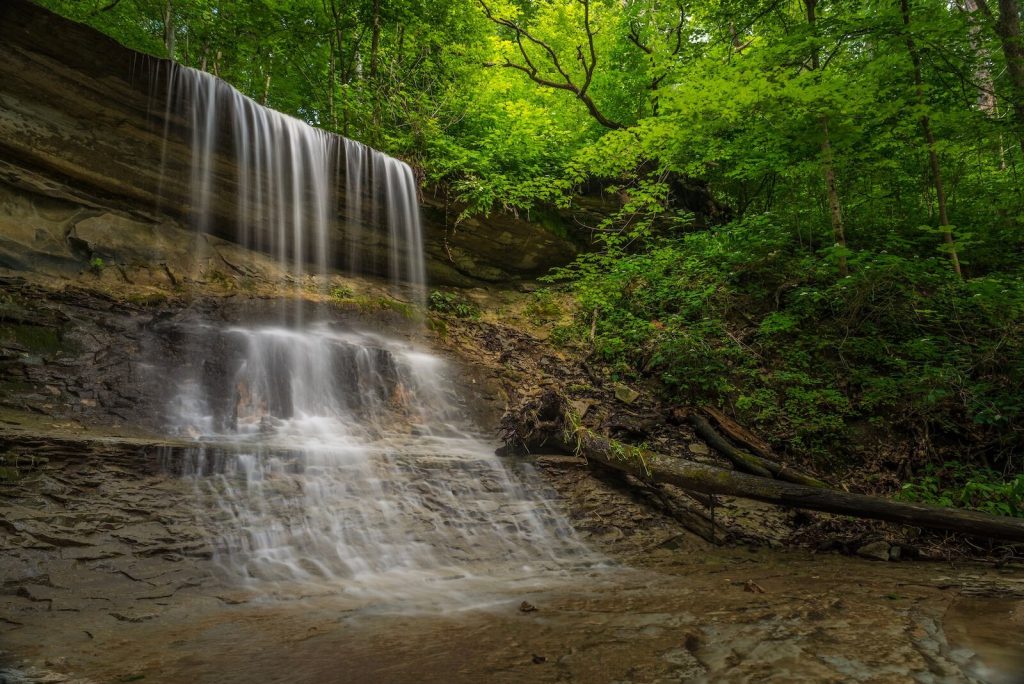
This month, they awarded a grant from the Lilly Endowment. The $500,000 grant is the largest in ILPA’s history and is effectively changing the trajectory of the organization, which was founded in 2004.
“It’s definitely going to be transformative for us, being able to build that capacity and take on bigger initiatives,” Huntington explains. “The land trusts in Indiana are incredible organizations, and so it’s really important to our alliance that we’re able to work at the level that they deserve.”

ILPA’s work includes training, collaboration, and sharing resources, as well as speaking out about the collective impact of land and water conservation to the general public and at the statehouse. Huntington has been the only full-time employee since joining the statewide organization in 2021.
With the help of the Lilly Endowment, that will soon change. The multi-grant will support a five-year strategic plan, which has four goals. The first is to build ILPA’s capacity, which Huntington says will be the primary focus in year one of the grant. After recently transitioning a long-time, part-time contractor to a part-time employee, ILPA will also be hiring another full-time employee.
“It’s going to allow us to build our staff capacity to better serve them…and then set the framework for some of the land trust programming that we plan to do,” Huntington explains.
ILPA also plans to initiate a statewide economic impact study on the value of conserved lands within the first year of the grant. Huntington says the coalition talks frequently about the value that Indiana’s conserved lands bring, but having hard data to back it up is critical. This work supports the organization’s second goal, as laid out in the strategic plan, which says ILPA will advocate for a stronger commitment to preserving natural resources from state leadership, including increasing funding.
In the following year, they’ll conduct an audience analysis, helping to identify the type of programming and messaging that aligns with the communities they serve across Indiana. The analysis will be used in conjunction with the economic impact study to create a communications toolkit for land trusts.
With additional support from other funders, Huntington says they plan to pilot a Conservation Excellence Program as a way for land trusts to self-evaluate their strengths, weaknesses, and opportunities for growth. This will help ILPA strategically determine what training and educational opportunities are needed.
Also in the plans for year two, the alliance will put together a Land Trust GIS Data Layer, also known as a geospatial information system.
“The fancy word for getting all of our properties mapped out across the state,” Huntington says of the GIS. “Once we have them mapped out, we will be creating a process or a way for land trusts to prioritize their acquisition projects.”
This is an important step statewide, she notes, as nonprofit land trusts often have limited resources, so being thoughtful and strategic about using those resources is crucial. Year three is slated to include collaborative conservation planning, which supports ILPA’s third goal.
“Thinking a little broader about landscapes and how we can get the organizations to work collaboratively and think about entire wildlife corridors or migration corridors or water corridors and creating a bigger vision that aligns with some of the planning and visioning that happens at the state level, like with the DNR,” Huntington explains.
Another related component of year three will be the initiation of a feasibility study for a bridge finance program, which would create a revolving loan program for land trusts and make acquiring land somewhat easier.
Huntington says land acquisition is complicated. Land trusts will sometimes spend years speaking with landowners in an attempt to secure a piece of property seen as special or important. On occasion, land owners will decide to donate the land or leave it to the nonprofit in their will. Othertimes, the land trust strikes up a deal with the land owner to purchase the land.
“But on the flip side, sometimes land will go up for sale right away and suddenly a land trust might need several thousand dollars or a million dollars in a month’s time or less,” she adds. “So again, for small organizations, that is sometimes really hard to meet.”
Each of these items is a step toward expanding ILPA’s capacity and impact, which in turn supports the health and longevity of the state’s land trusts and provides a better quality of life for Hoosiers.
“We have a lot of experts in our community, as you can imagine,” Huntington explains. “All of the land trusts, even the larger ones, are very lean. In the nonprofit community, it can be really easy to get siloed, so being able to convene different experts and providing that mentorship to some of the smaller land trusts is really critical.”
To learn more about ILPA and its five-year plan, visit protectindianaland.org.
Author

Related Articles
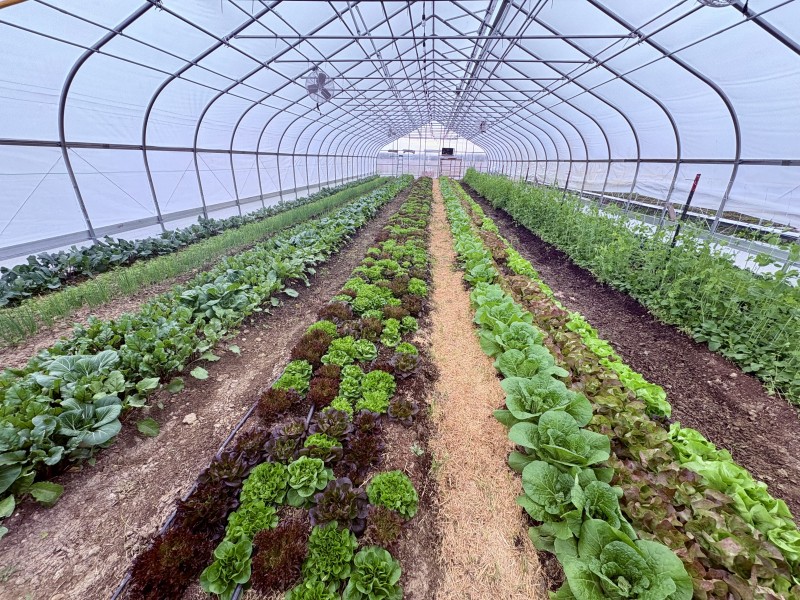
The hurdles facing food producers in Northeast Indiana
Area organizations and state-level efforts aim to support these entrepreneurs, ensuring a bounty of healthy, accessible, and local food for Northeast Indiana residents for years to come.

Creativity and collaboration are making climate education more accessible
Climate-change themed board games developed by a Fort Wayne resident and a global team invite people to take the first step toward sustainable living.
Opinion: Participate in the public process, invest in our community’s well-being
For the greater good, Fort Wayne resident Kimberly Koczan wants fellow community members to ask questions and demand answers when it comes to the Google Data Center.