Filling the gap: Small-scale developments are reshaping Fort Wayne’s neighborhoods
Brightpoint’s Developer Loan Program helps small-scale developers build affordable infill housing, combating Fort Wayne’s growing housing shortage.
Bishop Jesse Beasley wants all his parishioners to be homeowners.
“I had come up with the idea to turn all of our parishioners into homeowners – that was how we got started buying the lots and redoing houses, to the point where we went on to manufacturing,” he says during a conversation interrupted by a call from a plumber.
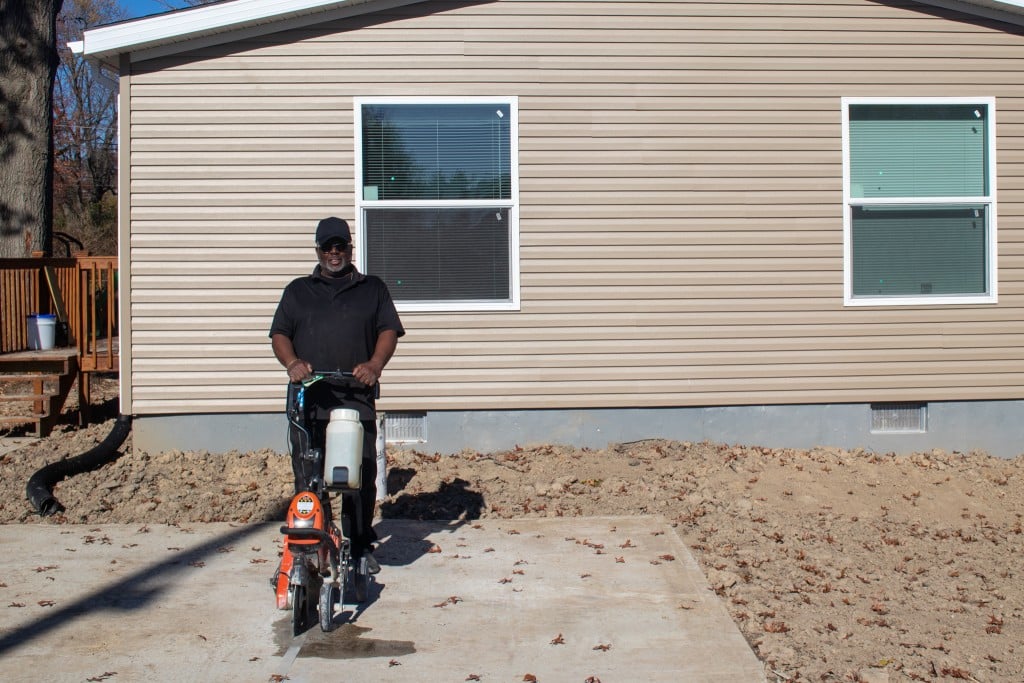
In his estimation, giving someone the opportunity to become a homeowner can change a person’s entire attitude and outlook on life.
“Homeownership increases the value, it changes the mentality, and it gives people an opportunity to have self-worth,” Beasley says. “Those aren’t things that you can give people. You can put them in a position where they can receive it or accept it, but you can’t give it to them.”
According to the Urban Institute, homeownership can be one of the most effective ways to build wealth. Data gathered by Habitat for Humanity says homeownership can lead to outcomes such as “greater economic stability, access to quality education, increased civic and social engagement, better health, and a reduced environmental footprint.”
The phone call from Beasley’s plumber is regarding two houses he’s building on Grayston Avenue in 46806 as part of his mission. He recently became a small-scale housing developer with support and funding from Brightpoint’s Developer Loan Program pilot.
The Brightpoint Development Fund (BDF) has been financing small-scale developers via its small business lending program for years, but in March of this year, the organization launched a pilot Developer Loan Program. Brightpoint’s Vice President of Community Economic Development Matt Crouch says the pilot will help them determine whether providing capital will help smaller affordable housing developers cross the finish line and establish a track record that helps them continue their work with more traditional financing.
The financing from Brightpoint can support predevelopment, acquisition and construction. Predevelopment financing ranges from $20,000 to $50,000, acquisition financing from $5,000 to $100,000, and construction financing from $100,000 to $250,000.
That financing helps people like Beasley, who already owned several vacant lots in Fort Wayne and have experience in construction, but need help securing the necessary financing to complete such a project.
When he was approached about the opportunity to build houses on the lots he owned, it was an easy yes. He describes vacant lots across the city as a risk to nearby residents; clearing and filling them benefits the community as a whole.
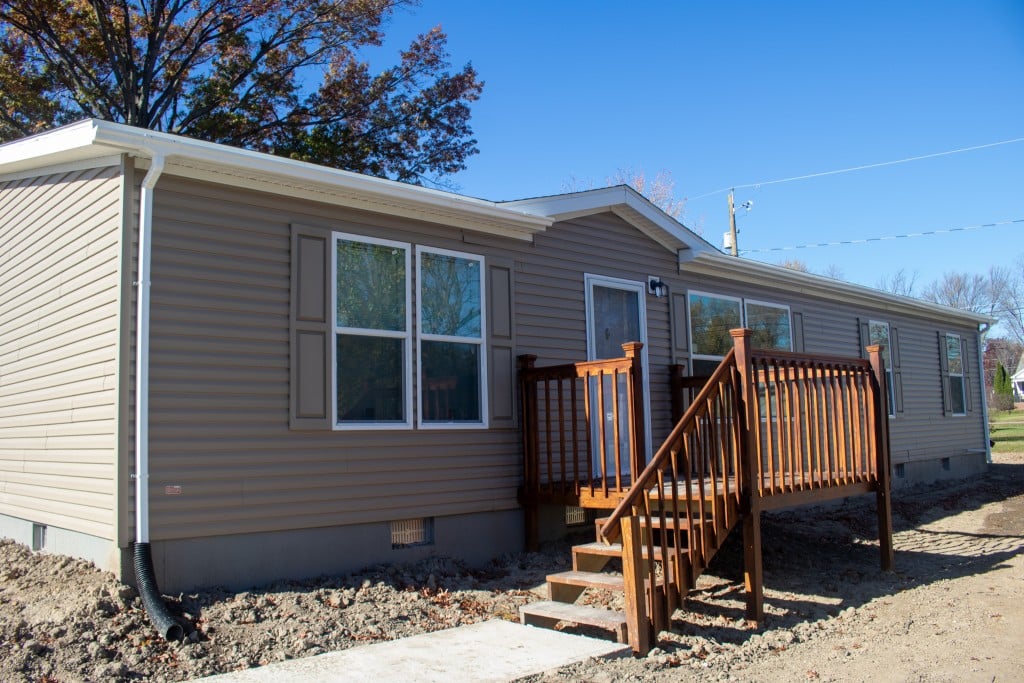
The ability to infill vacant lots is one of the benefits of small-scale development. Crouch says the lots and housing types built by small-scale developers typically don’t make sense for larger developers to take on, but he emphasizes that both types are crucial to addressing the housing shortage.
“Fort Wayne and Northeast Indiana need housing development at different scales. We don’t see small-scale developers as competing with larger housing developments,” he says. “We need both. Larger developments can add a significant number of homes at once, while small developers can take on opportunities that may not make sense at that scale, including individual properties and smaller infill projects.”
The houses Beasley is building sit at 3809 and 3813 Grayston Ave. and are prefabricated, modular homes. Barring any major setbacks, this option creates a quick turnaround time, creating move-in-ready homes in a fraction of the time it takes to complete a traditional build.
But even with experience and passion, these first two homes have been a learning experience. As he nears the end of the process for those two homes, Beasley says he’s determined to build out support staff and rely on more contractors for the remaining five houses he plans to build to make the process smoother.
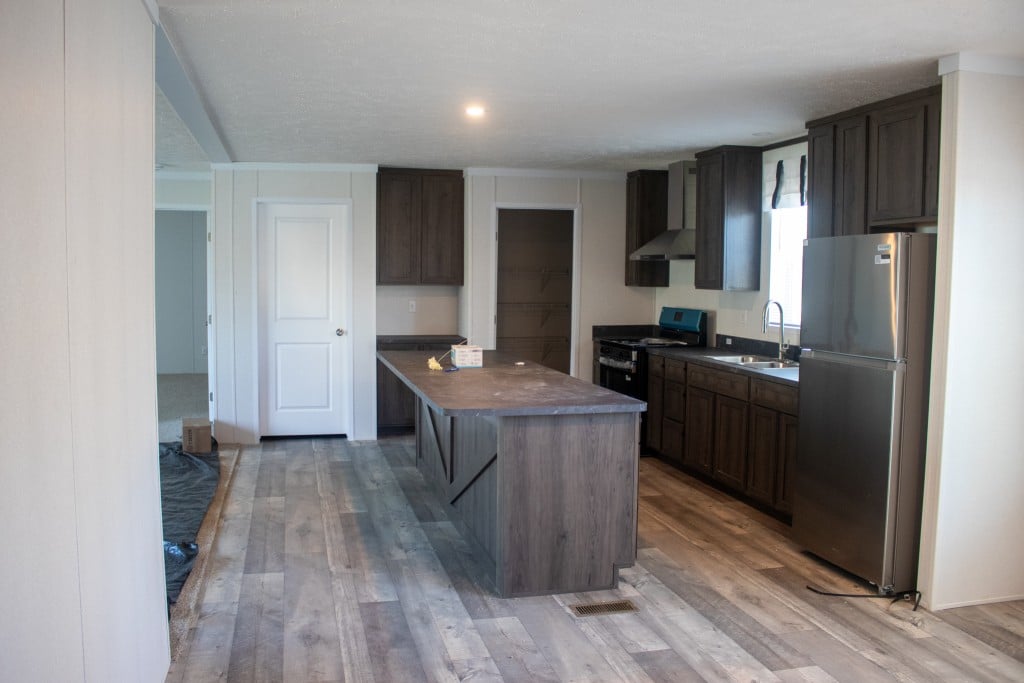
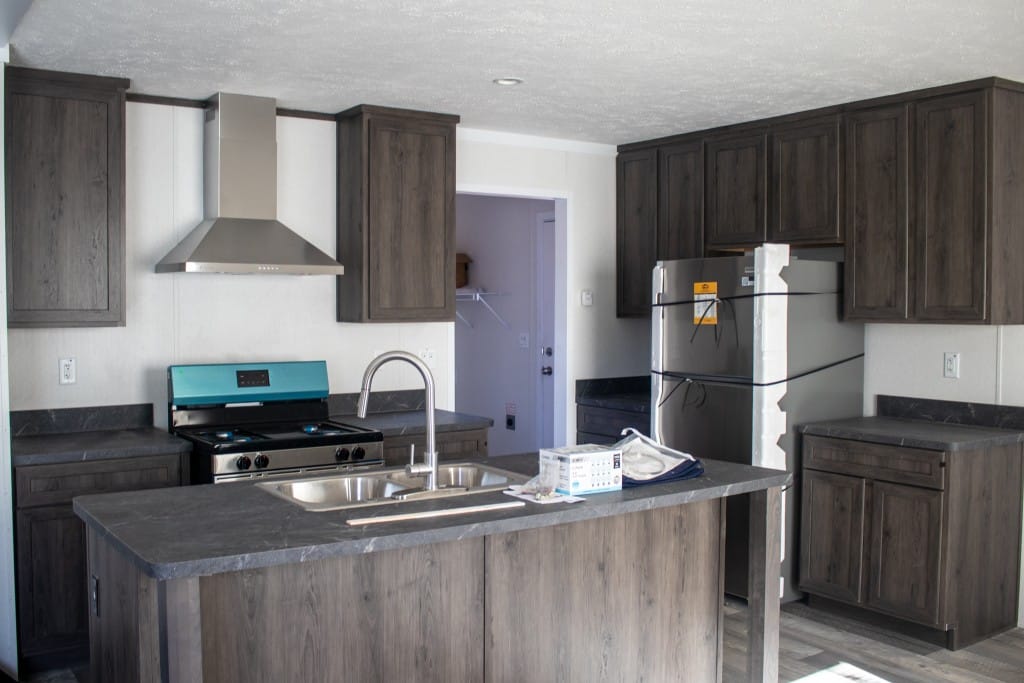
In addition to streamlining the process, the cost of building has also been a learning curve, as it is for many small-scale developers. Projects rarely go to plan. Material prices change. Gaps in financing are one of the biggest hurdles these developers face. They don’t make money until their homes sell, so high up-front costs, like acquiring land and construction, result in gaps, especially for new developers. Without a proven track record, many developers lack the credentials to use traditional funding institutions.
“Emerging developers may not have the cash reserves, collateral or development history of a more established developer,” Crouch says. “Construction costs, project delays and changes in the housing market can also affect the financial viability of a project. Our job isn’t to eliminate those risks. It’s to understand them and determine whether there is a responsible way to structure financing while helping the developer strengthen the project.”
Ben Gresham of Waymaker Building Co. is another small-scale developer participating in the Developer Loan Program pilot. He is currently working on his second house in the 07. Having worked through the process before with more traditional lenders, he notes several differences in working with Brightpoint. First, he says the flexibility of funds eliminates a barrier that keeps people from doing this type of work.
“Some banks can be very stringent on how they give you the money and what the requirements are for you to get it. A construction loan, they refund you the money that you spend after you do the work, and Brightpoint gives you money upfront to get the work done,” Gresham explains.
The second major difference he points to is the communication with the organization.
“I was dealing directly with the decision-makers,” Gresham says. “Matt Crouch and Eric Ogle were amazing to deal with, and they were always available. I could text them right now and get a response in 20 minutes, and that’s something you don’t get through a normal bank or normal institution.”
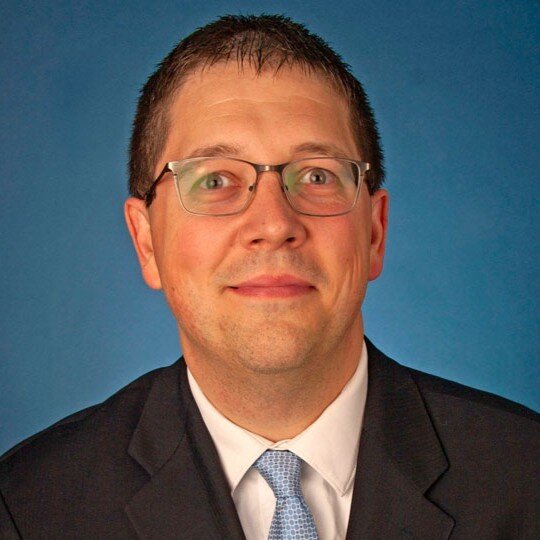
Crouch echoes that sentiment.
“What I’ve appreciated is that the relationship hasn’t simply been lender and borrower. We’ve been able to have honest conversations about what’s working, what’s challenging and where additional support could make a difference,” he says. “Their experiences are helping us build a better program for the developers who come after them.”
This approach is part of Brightpoint’s mission to help communities, families and individuals reach their full potential. Crouch adds that while it’s still relatively new, the pilot is showing signs of early success as developers finish projects on or ahead of schedule.
“Every successful project adds another housing opportunity for a family while strengthening our communities,” he says. “We’re not just interested in helping someone complete one house. We’re interested in helping emerging developers build the experience, financial capacity and track record they need to take on additional projects.”
In a growing city like Fort Wayne, those additional housing units are needed. Named the fastest-growing large city in the Midwest in May, Fort Wayne needs more units to keep pace with its growing population and to make up for a preexisting shortage in stock.
Data from Community Scale indicates that over 2,500 units need to be added over the next five years to address shortages in the existing housing stock. In the same time frame, they estimate more than 4,000 units will be needed to keep up with the city’s expected growth.
Zooming in on specific areas, a 2025 Housing Market Potential Study from Zimmerman Volk Associates estimates that downtown Fort Wayne could lease or sell between 256 and 341 new units per year, over the next five years, totaling between 1,280 and 1,705 units. In East Central, the same study estimates that between 60 and 78 new units could be leased or sold in the area, adding up to a five-year total of 300 to 390 market-rate units.
While the city’s downtown district continues to grow, its housing development has expanded in recent years too, with numerous mixed-use developments creating a new opportunity that appears to be in high demand.
In more established neighborhoods, like East Central, the need for housing development and infill has brought about innovative programs, like the Innovative Housing Showcase in 2024 and, more recently, the a LOT to LOVE program.
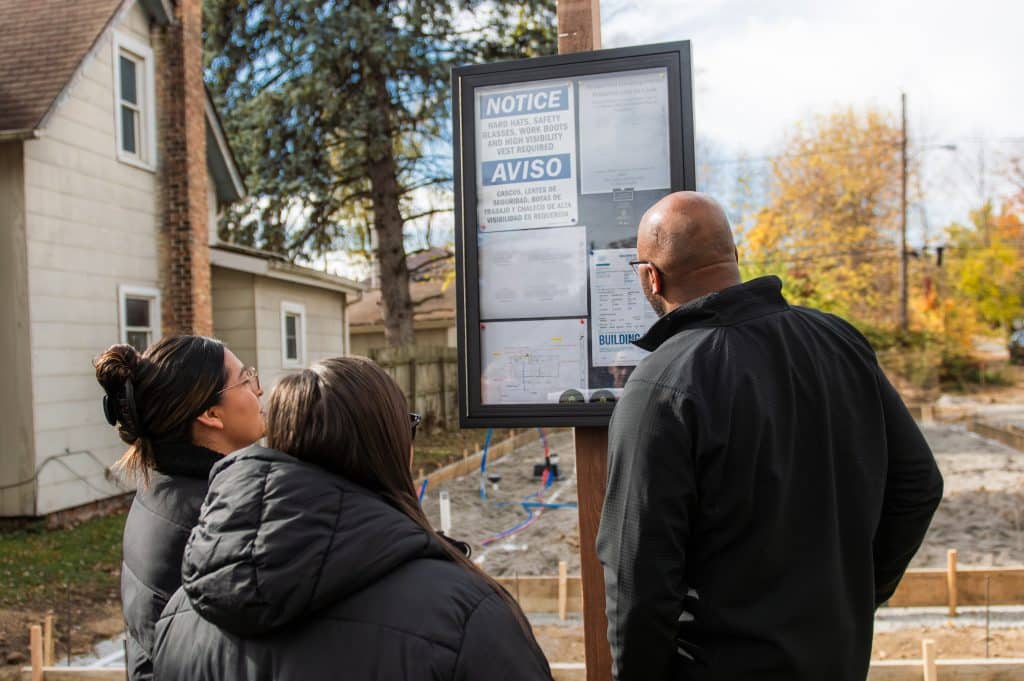
A LOT to LOVE offers developers city-owned lots at a discounted price to support infill housing development. Simultaneously, the city also offers an incentive program to reduce financial barriers for these and other developments on infill lots, and offers a catalog of pre-approved architectural blueprints tailored specifically for Fort Wayne’s infill lots.
Entering a third round, Community Development Public Information Officer Mary Tyndall says the continuation of the program is based on its past success.
“Since a LOT to LOVE was launched in March 2025, Community Development has committed 25 vacant lots to development partners. To date, 20 homes have been built or are underway,” she writes via email to Input Fort Wayne, adding that they’re excited about those results and the potential to further impact the local housing shortage and affordability crisis.
Gresham was one of the early participants in a LOT to LOVE, building a house on a vacant lot on Fox Avenue in the 07. He found his way to building houses after renting and remodeling for 10 years as a secondary source of income. He works full time at Steel Dynamics with a four-on-four-off schedule, giving him time to build in the off period.
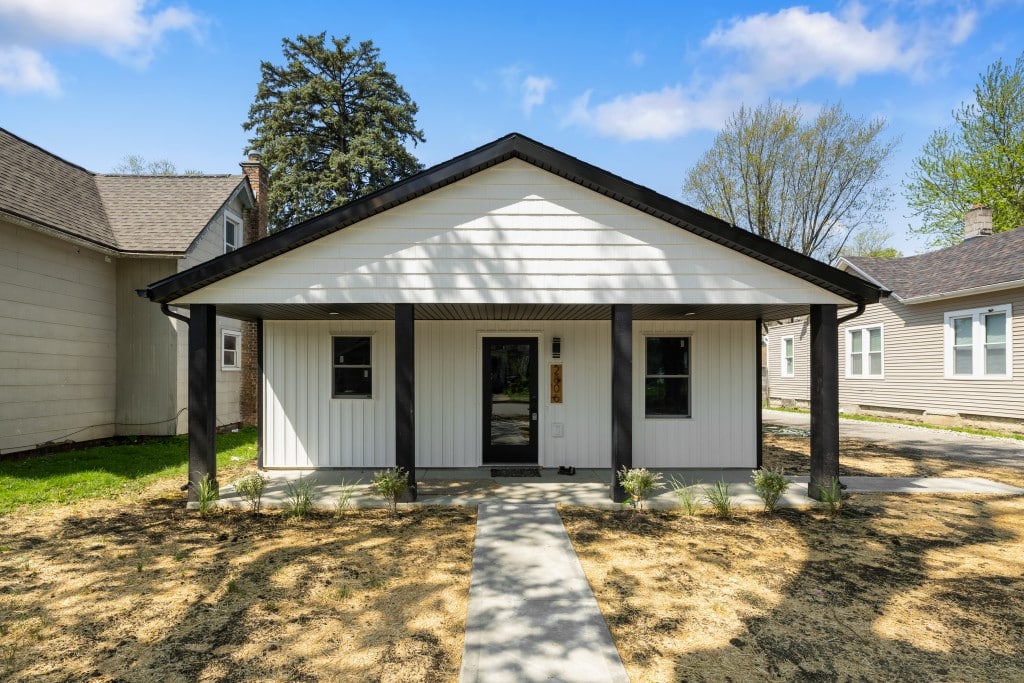
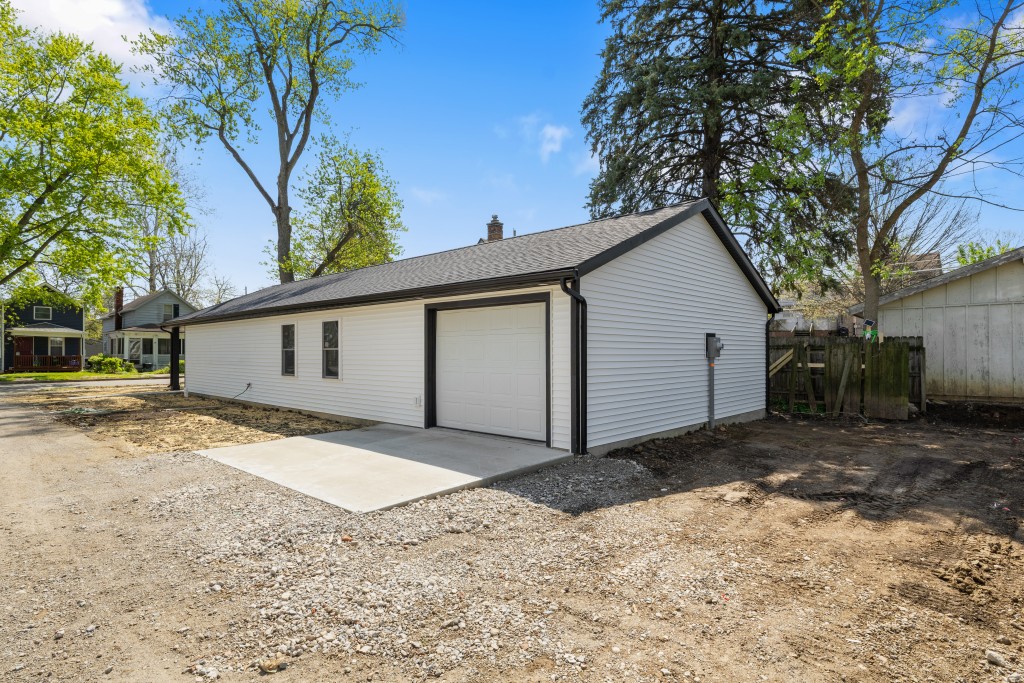
“The opportunity to learn about infill construction came about and an opportunity to get a lot through Fort Wayne’s a LOT to LOVE program, so I signed up for both at the same time,” he says. “I went through a SEED’s small-scale development class, and I was eventually awarded a lot, and then it propelled me to build a house on Fox Avenue.”
His current project on Indiana Avenue, funded through Brightpoint’s Developer Loan Program, is just behind the first completed home. He says the area is special to him – he grew up there and attended South Wayne Elementary – so building something that fits within the landscape of the historic neighborhood and being neighborly is important.
“I’ve gotten friendly with the neighbors around the houses I’m building here, so I’m constantly talking to them and getting feedback to make sure everything kind of meshes together. The last thing you want is an eyesore in your neighborhood when you’re taking pride in your house, Gresham says.
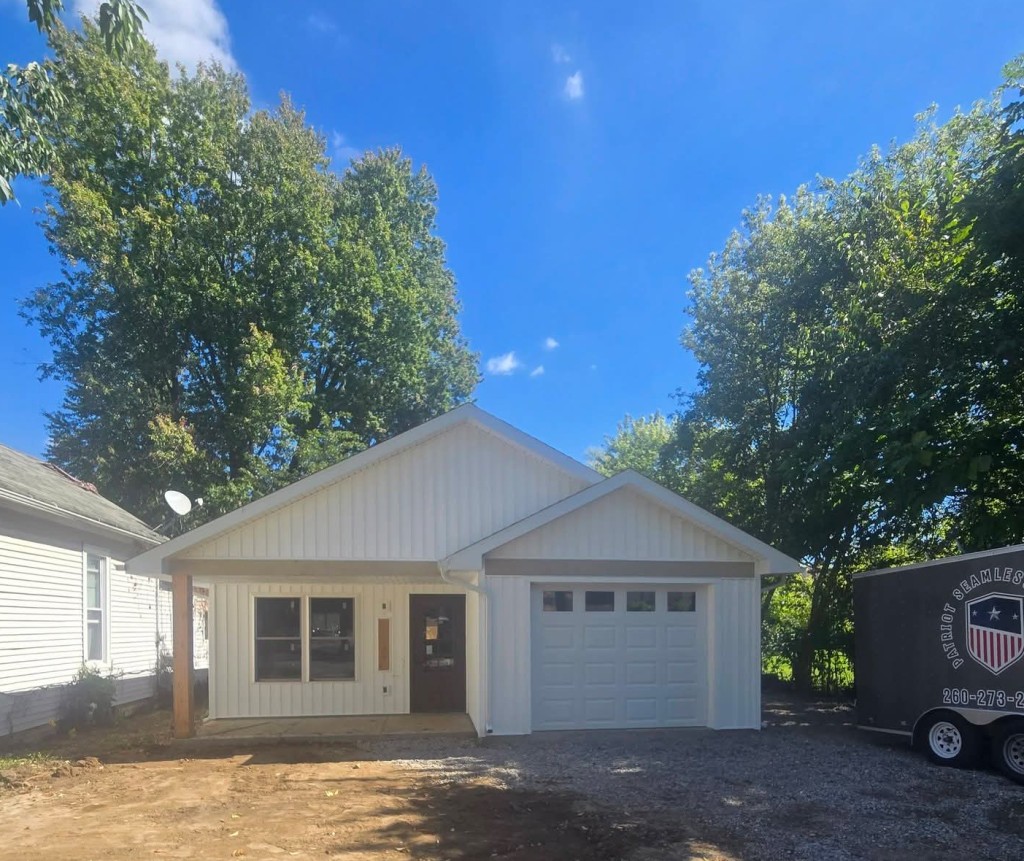
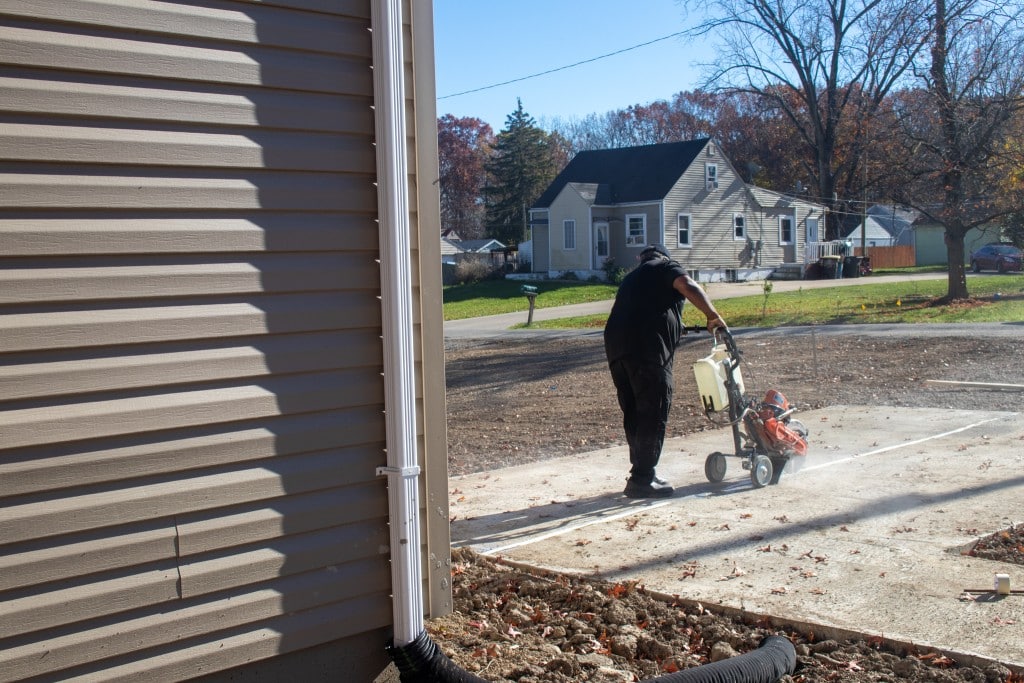
Small-scale developers like Gresham and Beasley act as project managers, overseeing all the aspects of construction from start to finish, working with contractors and getting hands-on when needed. It involves a lot of decision-making, but Gresham, who works with his wife, says the community-oriented mindset serves as a guiding light.
“We’re thinking: Who’s gonna want to live here? What are they gonna want to do? What kind of benefits is it gonna provide to this family, and how’s it gonna work with the neighborhood? And so we make all our decisions kind of based around that,” he explains. “And then end up with, hopefully, a great home for somebody, and won’t have a problem selling it because it’s gonna appeal to a lot of people, and it’s gonna be at an entry-level price point where most people can afford it.”
It’s an experience not often afforded by large-scale developers – developing relationships with neighbors, building on lots that wouldn’t make sense at a larger scale, and making decisions for each build.
For Beasley, who’s led Living Word of God Ministry since 1994, creating change in his community is living out his faith. In his eyes, his congregation is the entire community – not just the folks who walk through the doors of the one-story building with a brick facade at the corner of Pontiac and Hannah Streets every week. He values what a good sermon or prayer can do for a congregation, but he says a large part of ministry is being able to help people in the community.
“It’s not for me to just pray for them and tell them the Lord’s gonna help you, and the Lord will help you and he does help us, but when I get done praying for them I want to be able to transition,” he explains. “If a family comes to me and they’re in need or they’re hurt…and I can change their life…it’s more ministry to me than a thousand sermons that I could preach to you – and I’ll preach to you – but I want to be able to make sure that I can help change a life.”
This story is made possible by Brightpoint.
Author

Related Articles
Help shape future coverage – join our upcoming listening session
Join Input Fort Wayne at Tall Rabbit for coffee, conversation, and a chance to share the issues, people, and neighborhood stories you think deserve more attention.
How early introduction to alternative transportation could help change Fort Wayne’s car-centric mindset
Fort Wayne is a city with a car-centric mindset. Early exposure to biking and transit could help, but a lack of density could limit long-term habit change.
Reporter’s Notebook: Why transportation solutions in Fort Wayne can feel paradoxical
Joshua Schipper reflects on his transportation reporting, asking: Can you build a more walkable Fort Wayne if people don’t want to use it?