Community Loan Centers combat predatory payday lenders
Organizations are working to protect consumers from predatory lending practices by pushing for changes at the statehouse and offering alternatives.
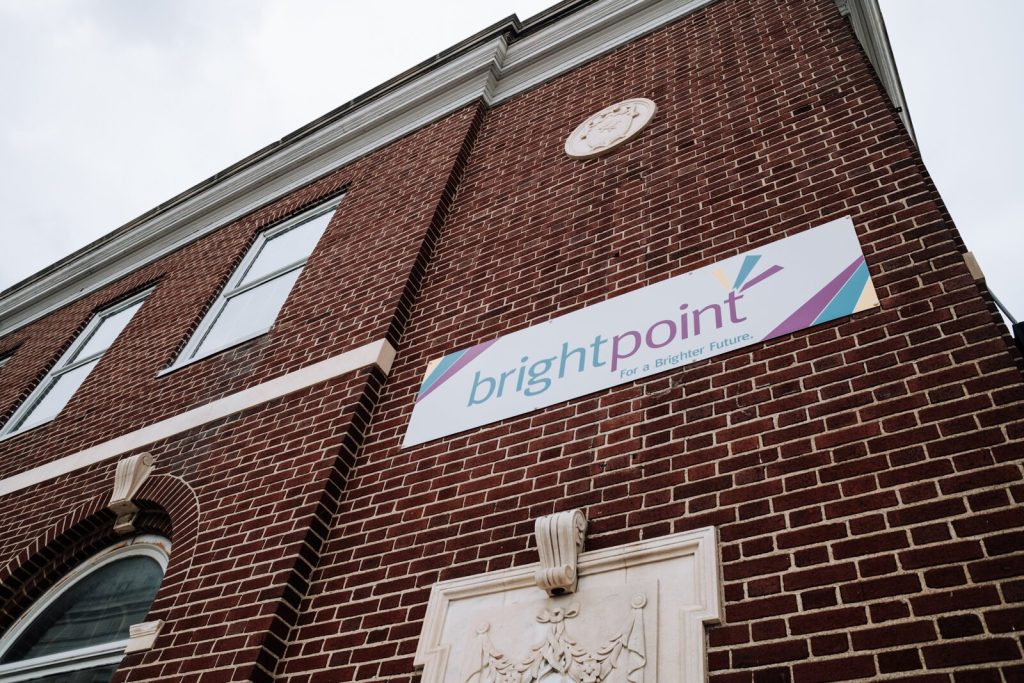
Payday loans can be a dangerous cycle. Steve Hoffman, president and CEO of Brightpoint, has seen too many community members fall into that cycle over and over again. He says he is tired of seeing them taken advantage of.
In his experience, the most common reason for taking out payday loans is to pay bills. For example, if rent is due on the first and the next paycheck doesn’t arrive until the third, a payday loan could get their bills paid – but two weeks later, that loan comes due with interest, and the person is back in the same position.

Unexpected emergencies, such as hospital bills or car repairs, often send people to find payday loans, too. A report by the Federal Reserve found 44% of Americans don’t have access to $400 in cash in the case of an emergency. A payday loan allows them to get through the emergency, but by the time the payment is due just two weeks later, if they haven’t been able to make the full amount needed, they get stuck in the cycle.
“The biggest issue I have with payday lending is the term,” Hoffman says. “You have to pay all that back within two weeks, and people can’t pay it back. They’re not magically in a better situation in two weeks. What happens then is people don’t have the money to pay it back and they take out another payday loan to pay off the old one, and then they pay all of those fees over again.”
In 2002, the Indiana General Assembly granted payday loan lenders an exemption to the Indiana loansharking law, which criminalized loans at or above 72% APR. Indiana Code 24-4.5-7 refers to payday loans as “small loans”, ranging from $50 to $825, and must be paid back within 14 days. This exemption allows payday lenders to charge up to 391% APR, a rate that the National Association of Consumer Advocates describes as “predatory lending.”
Technically, Indiana law does not allow payday loan borrowers to pay a fee to extend existing loans or to take out new loans to pay for existing ones. However, a 2019 report from the Indiana Community Action Poverty Institute (INCAP) found 60% of payday loan borrowers borrow the same day they repay the previous loan, which they say “shows a clear loophole for lenders to exploit”. Research by the Consumer Financial Protection Bureau found the typical borrower takes out 11 to 19 of these loans annually.
Tired of seeing Hoosiers fall into this pattern, Brightpoint joined Prosperity Indiana in its work toward policy changes. Prosperity unites individuals, organizations, businesses, and even public entities like the City of Fort Wayne and the City of South Bend in the mission of “community economic development,” according to Senior Director of Policy and Strategy Andrew Bradley.
“From a policy standpoint, the common thread is that all our members are interested in increasing housing and economic opportunity for all Hoosiers, especially our low to moderate-income communities and populations,” explains Bradley.
Prosperity Indiana formed the Hoosiers for Responsible Lending Coalition “to take on predatory lending and consumer protections in general,” and from the coalition’s beginning, their “North Star policy goal” has been to put legislation in place to cap payday loans at 36% APR, Bradley says.
“36% is the amount at which, at a federal level, you cannot lend above to active duty military members,” he adds. “We think that if it’s good enough for the military, it’s good enough for veterans, it’s good enough for everyday Hoosiers.”
The Indiana Community Action Association (INCAP) calculated in a 2023 report that if payday loans were capped at 36%, borrowers could have saved over $26 million in 2021, “putting more money into local economies and communities that typically lack resources but allow payday lenders to thrive”.
This legislation has been close to passing before, but it has always failed. Bradley has some thoughts on why.
“I think it’s fair to say that the payday lenders and those financial institutions have some well-resourced lobbying at the statehouse, and often when those bills would come up, there would be arguments to say the customers for payday lending don’t have anywhere else to go, and this is the only opportunity they have to receive the loan,” Bradley says. “That’s one reason it’s been really important to have community loan centers, because it allows us to show an example of what an alternative can look like.”
The Community Loan Center (CLC) was an idea launched in Texas in 2011 as a way to combat predatory lending. Community organizations partner with local employers to issue small-dollar, same-day loans as an alternative to payday loans. In 2016, Prosperity Indiana brought this concept to Indiana, partnering with nonprofits throughout the state to implement the idea at a local level. Brightpoint took responsibility for the northeast sector from the beginning, and since then, they’ve extended over $7.5 million in loans.
Loans from the CLC offer the same convenience and lack of barriers as payday loans, but at a much lower interest rate and for a longer term. Employees from participating businesses, like Parkview and Sweetwater Sound, can apply online for a loan of up to $1,000 and receive funds either the same day or the next, without any credit checks. The loan can be repaid over the course of the year, with the payment taken directly from the employee’s paycheck.
Hoffman says this long-term repayment period is one of the largest benefits of the CLC loans for many of their borrowers.
“The payment is over a 12-month term, so the payment on $1,000 is around $95 versus needing to pay $500 back in just two weeks,” he explains. “That, to me, is the key to the whole system and why it’s affordable to these folks to get the loan paid off.”
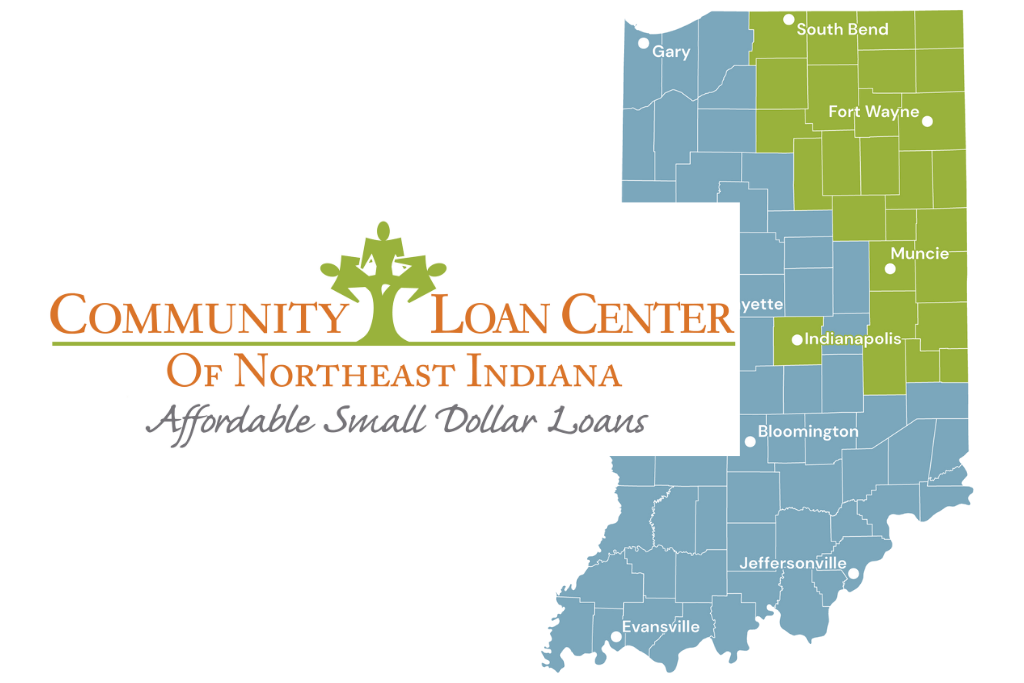
The CLC also reports each on-time payment to credit bureaus, gaining their borrowers’ points on their credit scores, a practice that Hoffman says isn’t done by payday lenders. There’s also no fee for early repayment. Once a loan is completely paid off, the borrower is eligible to borrow again, though Hoffman says the hope is they won’t have to.
“The good thing for our process here is we report every payment to the credit bureau,” says Hoffman. “We give you 12 on-time payments on your credit score. The real hope would be if you do a loan with us, your credit scores improve to the point where maybe you can get a credit card for a lower rate, maybe even get some kind of personal loan from a bank at a lower rate than we can give you.”
The CLC offers loans at an 18% interest rate and only a $20 application fee, significantly lower than most payday lenders. Teresa Reimschisel, operations & finance director for Prosperity Indiana, says the rate has stayed stable for the program’s entirety.
“18% is the rate that was established when the program began back in 2011, and it’s never been changed,” says Reimschisel. “Every year, we meet in Texas to discuss and debate it and we have always decided that, regardless of the ups and downs of the economy, 18% is our number.”
Another benefit of the CLC, according to Reimschisel, is keeping money in the community. INCAP’s 2023 report noted 84% of payday lending branches in Indiana were owned and operated by out-of-state lenders, sending the profits made off Hoosiers out of Indiana.
“Payday lenders are, for the most part, out-of-state organizations, and so they’re not only wealth-stripping entities – they’re wealth-stripping our state,” Reimschisel says. “All of those fees and exorbitant interest rates are leaving our community, so there is no economic cycle and cash flow that is supporting communities.”
“Wealth-stripping” is the term used by Prosperity Indiana to describe practices that keep low-income individuals from gaining increased financial stability. Predatory lending, such as payday loans, is an example of a wealth-stripping practice.
The Community Loan Center is limited in who they can lend to because they need employer buy-in. The local backing-organization bears the risk of the loan but employer partnership allows them to deduct payments directly from the borrower’s paycheck. If the employee leaves before the loan is repaid, the organization steps in to work directly with the borrower to get the loan paid off. Partnering with employers lets the CLC ensure borrowers have the means to repay the loan rather than accumulating debt they have no way of paying back.
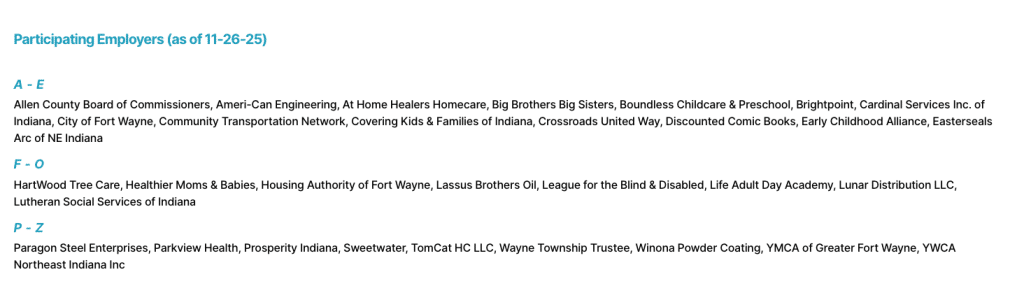
Partnering with the CLC is a low-risk, high-reward venture for employers as Reimschisel sees it. The only requirement on the business’s side is to set up the payroll deduction.
Brightpoint and Prosperity Indiana have high hopes to expand the CLC to work with more employers, giving more Hoosiers access to affordable, fast cash to cope with everyday emergencies or bills that come too quickly. While the CLC offers real solutions to people in need, they are continuing their work at the statehouse to combat predatory loan practices.
This story is made possible by Brightpoint.
Related Articles

Indiana health center trains local residents as dental assistants to fill workforce gaps
HealthLinc, a federally qualified health center in Valparaiso, covers training costs while preparing local residents for dental assistant jobs, strengthening workforce pipelines and expanding access to care.

How Brightpoint helps local businesses adapt during challenging times
While businesses face challenges such as rising costs and changing demand, Katey’s Café, Ambrosia Orchard, and Icing for Izaac are determined to survive.

#PlacesofNEI: A second chance for Holly Shopping in downtown Fort Wayne
After heavy snow on Small Business Saturday that lowered attendance, Holly Shopping is coming back to downtown Fort Wayne again on Dec. 20.