Q&A with Rob Evans: Preparing Fort Wayne to host Paralympic athletes
General Manager of the Holiday Inn Hotel in Fort Wayne shares about preparations for the 2019 Goalball and Judo Paralympic Qualifying Competition.
Since Rob Evans moved to Fort Wayne from Canada in 2008, he’s been General Manager of the Holiday Inn Hotel at 4111 Paul Shaffer Dr. near IPFW and Coliseum.
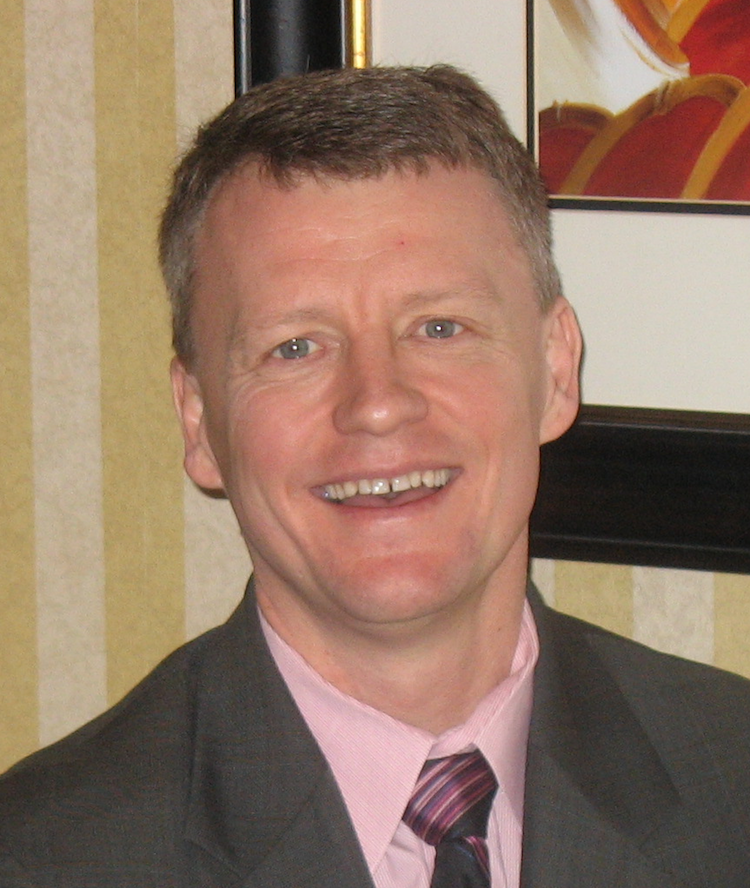
With more than 30 years of collective experience in the hospitality industry, Evans has worked for highly acclaimed establishments around the world in 10 states, three countries, and three provinces, including the world-famous Fairmont Banff Springs Hotel in Alberta, Canada.
But he chooses to live and work in Fort Wayne today for one simple reason: “Fort Wayne is the friendliest,” he says.
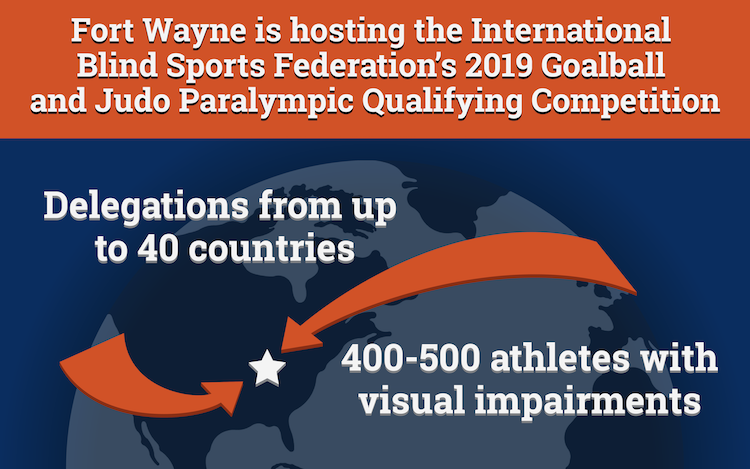
As the Summit City prepares to host its largest international event ever with the 2019 Goalball and Judo Paralympic Qualifying Competition June 28th to July 9th, Evans is excited for the city to be put on display.
As a volunteer with Turnstone, the region’s sport and recreational center for people with disabilities, and a board member for Visit Fort Wayne, Evans has been a key member of the planning team bringing these events to the Summit City.
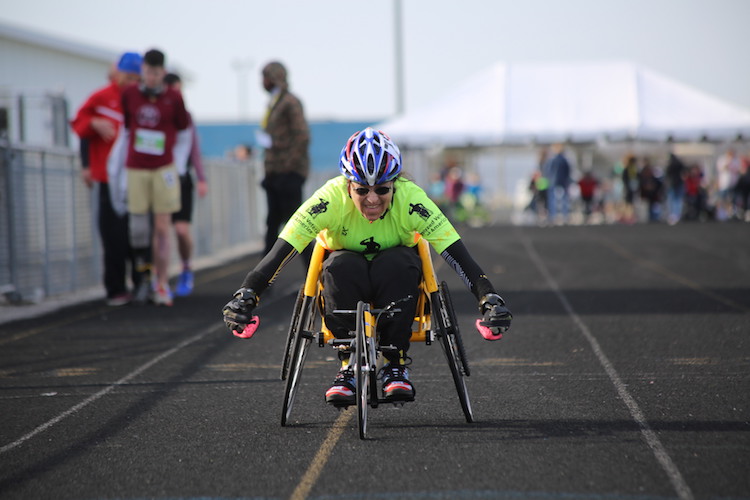
Input Fort Wayne sat down with Evans to learn more about the culture of adaptive sports in Fort Wayne, and how the city plans to host an unprecedented number of international visitors and visually impaired athletes.
IFW: You volunteer at Turnstone’s adaptive sporting events in Fort Wayne. How did you first get interested and involved in adaptive sports?
RE: The first time I ever saw adaptive sports was about 15 years ago. I went to a sled hockey game, and I was kind of mad at myself, to be honest. I went into my first event thinking, “Oh, this will be a nice, sort of pass-the-puck kind of thing,” and I was so wrong.
The passion that these athletes play with is higher than most other sports I’ve ever seen—how aggressive they are with the checking.
I asked myself: Why was I thinking their passion would be any different than my own?
So 15 years ago, I got involved volunteering for adaptive sports. Then I moved to Fort Wayne about 10 years ago from Canada, and Turnstone did their big expansion (with the Plassman Athletic Center) a few years back. That’s about the time I got more involved here.
IFW: What do you do when you volunteer with Turnstone?
RE: Anything they ask. When you show up, they assign you to different jobs.
My kids usually work in the concession stands. My last job was a tough one. They asked me to do crowd control at a track and field event at Homestead High School. So when all the families wanted to come down and stand in front of the fence to take pictures in front of their children in the race, I had to be the one to tell them, “You can’t do that.” (laughs) People were nice about it though, and we had fun with it.
So anytime you volunteer, you might be on crowd control, or you might be making sure that when the ball goes out of bounds, it’s brought back in bounds.
It’s no different than volunteering for any other sport, like when you’re a linesman for a high school volleyball game.
IFW: When did you first hear about Turnstone’s desire to host the international 2019 Goalball and Judo Paralympic Qualifying Competition in Fort Wayne?
RE: About two years ago or so. I’m in the hotel business, so on the business side of it all, you have to secure space, bedrooms, and then you go after the bid.
The city of Fort Wayne, Turnstone, Visit Fort Wayne, and the whole hospitality community have worked together to make this happen.
If it wasn’t for Turnstone having the vision to expand and do what they did, we wouldn’t have this opportunity. Visit Fort Wayne and Turnstone really came together and said, “How can we make this work?” Then they reached out to us as hospitality partners and the Grand Wayne Center for space.
There’s all kinds of pieces to the puzzle. But we’re all very proud of Fort Wayne, Turnstone, the Grand Wayne Convention Center, and the quality of hotels and restaurants we have here. That all combined is a win-win for sure.
Having an international, worldwide conference like this is Fort Wayne, Indiana, is huge, and we deserve it. We deserve more of it, too. We’ve done a lot of work for years and years, and we want more.
IFW: With people coming from 40 countries to compete, there are likely to be language barriers. How do you plan to accommodate people of different languages in Fort Wayne’s hospitality industry?
RE: We deal with language barriers all the time. That’s why there’s direct flights from Indiana to Europe now because there are so many Europeans coming here.
Most major hotel brands like the Holiday Inn have interpreter lines if we need to use them. When we’re hiring, people with second languages are something we look for, too.
Right now, we have employees who speak seven different languages at our hotel: Spanish, Burmese, and French, just to name a few. But I like to say that a handshake and a smile is the same no matter where you are.
If we’re treating everyone like ladies and gentlemen, if we’re opening doors and saying hello, and making eye contact and being pleasant, it doesn’t matter if we’re speaking or not speaking. That’s what we train people to do, and that’s what Fort Wayne as a whole is so good at, too.
We really are an All-American city. We’re proud people, and we know we’re fortunate to live in this city, so we want to share that.
This tournament is the perfect opportunity to share how happy and proud we are to be where we are, and how happy and proud we are for other people to see our home and how we live.
IFW: In addition to language services and politeness, what steps has the Holiday Inn taken to be more welcoming to people of all abilities?
RE: Turnstone has been in a number of times to do training on how to respectfully assist people with disabilities. We work with Visit Fort Wayne, too, and the Holiday Inn has a number of service training programs, so we just take advantage of it all.
We have a percentage of our rooms that are disability friendly. But what’s interesting about goalball guys, in particular, is that they don’t want to be treated any different. They might not be able to see, but that doesn’t mean they can’t see, you know.
When they walk around the hotel, they know where the pool is, where the restaurant is. They’re just regular guys and gals that are athletes and want to win, so we don’t have to do a whole lot of changing for them.
IFW: What are some of the ways the city of Fort Wayne, in general, could be more accommodating to people of all abilities?
RE: Anytime you’ve got a city that has a number of buildings in the downtown area that are 150 years old next to brand new buildings, there are going to be struggles. The first thing someone thinks about for people with disabilities is wheelchairs, and that’s not always accurate. Within adaptive sports, only maybe 20 percent are in wheelchairs.
That said, doors and thresholds are the biggest struggles I’ve seen. Public restroom doors tend to be wide and heavy. If businesses could work toward making doors electronic and taking a look at thresholds (or seams where the flooring changes), that would be great.
All in all, Fort Wayne does very well, but the construction of some of the older buildings does make it a little more difficult.
One thing we’re really great at is being welcoming. Visit Fort Wayne gives us banners to put out, and we just use the “Cheers” philosophy. We want everybody to know your name.
When we know that athletes for something like Judo are coming to town, there will be a banner. It shows them that we’re expecting them, and we’re proud of them. You’ll see banners like this at a lot of the Hall’s businesses, too.
It’s just about local people doing the right thing because we want to and not because we’re told to.
This interview was originally published as part of a Special Report on Adaptive Sports in September 2018.
Author

Related Articles
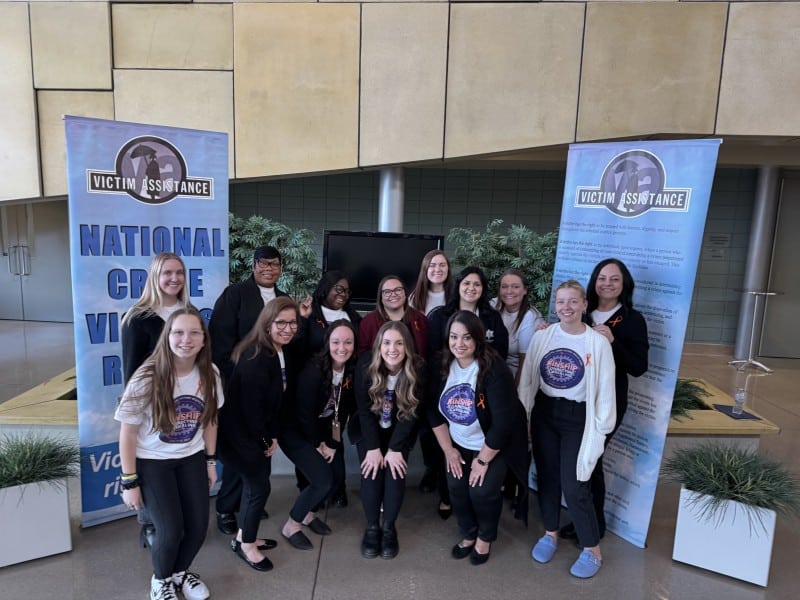
Victim Assistance: Extending safety, support, and solidarity for survivors
The Fort Wayne Police Department’s Victim Assistance program provides meaningful support for survivors and their families following a traumatic incident.
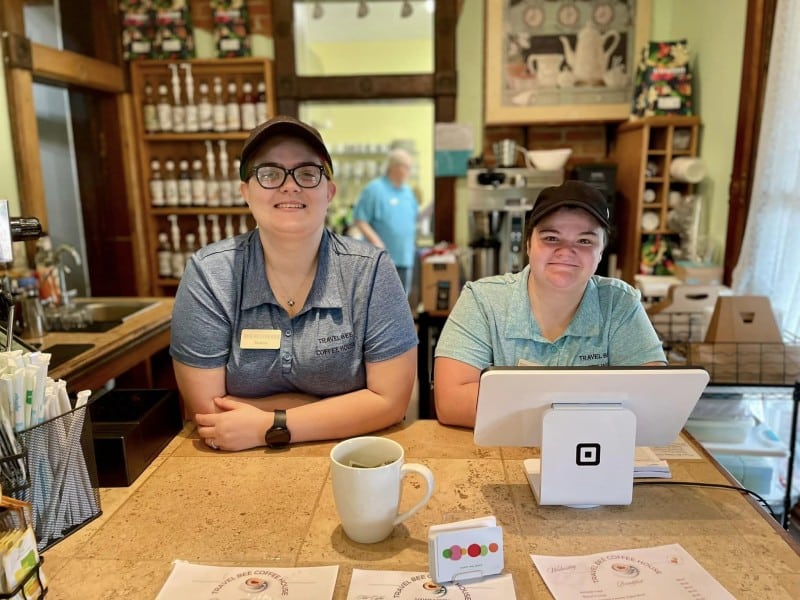
Partner Partner Content Where every cup counts: The Arc of Wabash County’s inclusive coffeehouse
Travel Bee Coffee House is creating employment opportunities and a sense of community through its connection with The Arc of Wabash County.

New platform to share ‘Common Ground’ from community ideas and solutions
Issue Media Group, a multilocal network of solutions-based, issues-focused digital publications, has launched a new national platform for increasing the reach and impact of its journalism.