So Brunch Babe: Lessons We Can Learn From Girl Code
In this self-titled column, Thomas Beckman — known online as @SoBrunchBabe – explores the intimacy of modern adulthood through social commentary, cultural reflection, and personal narrative.
There are certain things women seem to know without anyone ever sitting them down and explaining them: Watch your friend’s drink. Text me when you get home. If you feel uncomfortable, pretend you know me. If he won’t leave you alone, come stand with us.
It almost feels like an inherited language. One passed down between mothers and daughters, sisters and friends, coworkers and complete strangers in bathroom lines. It’s a collection of habits built from experience, caution, and the hope that maybe someone else won’t have to experience the same thing.
As a gay man, I’ve had the privilege of existing in spaces where women often speak freely around me. I’ve listened to conversations that many straight men may never hear. Not because those conversations are secret, but because they usually happen when women feel they can finally exhale. How often do women feel like they can do that around other men as they do around other women? Let’s explore that.
I’ve heard stories about first dates gone wrong, uncomfortable coworkers, and bars they won’t return to. Characters and venues change, but none of these stories have ever surprised another woman. That’s the part that sticks with me. There is almost always an understanding. A nod. A shared experience. Someone else has lived it too. Some other woman.
Then I started wondering about the conversations men have. Who teaches us what allyship actually looks like? Can men read the signs? Are we capable of being proactive and learning the safety guidelines of Girl Code? Why are women the only ones responsible for creating safe spaces for other women?
Girl Code refers to the unspoken set of rules, ethics, and mutual expectations that govern female friendships and interactions. Not the social media version where everyone posts the right graphic or writes the right caption. I mean in real life. In restaurants. At concerts. At weddings. At work. During the moments that never make the news.
Who teaches men to recognize when a woman feels uncomfortable? Can we, as men, read Girl Code?
Now, some men absolutely do these things. They notice when someone has had too much to drink. They walk friends to their cars. They interrupt conversations that have crossed a line. They call out inappropriate behavior when no women are around to hear it. They make room for people to leave uncomfortable situations with dignity.
Those men DO exist. But I don’t know that we celebrate those behaviors nearly enough to feel it in allyship. When and how do we incorporate that kind of safety into Guy Code?
I’ll take it a step further. I estimate that roughly 56% of businesses in Fort Wayne are male-owned based on data from the 2025 Business Census. Do business owners understand the importance of incorporating these safety codes into their business model? Don’t overserve; implement an open-door policy, etc., etc. But does it have the nuanced understanding of women’s safety in an establishment that serves alcohol?
Growing up, masculinity is often measured in confidence, independence, strength, and leadership. Those aren’t bad qualities. In fact, they’re admirable ones no matter the gender. But imagine if we talked about awareness with the same enthusiasm. Imagine if emotional intelligence was considered just as masculine as confidence.
Somewhere along the way, it feels like we’ve unintentionally assigned women the responsibility of keeping other women safe. And while those systems are beautiful examples of community, they also make me wonder why they’ve become so necessary.
Being an ally doesn’t require perfection. It doesn’t require having all the answers. Most of the time, it probably looks incredibly ordinary. Isn’t that the goal?
The safety forged in Girl Code should be everyone’s goal. Everyone’s code.
Maybe allyship isn’t one grand gesture. Maybe it’s a hundred quiet decisions that no one applauds. Maybe it’s choosing to make a room feel safer for someone you’ll never really know. Being proactive vs reactive. Maybe taking the news articles you hear about one establishment and seeing if this is possible to happen in yours before you’re the next headline.
Fort Wayne is growing. New restaurants, new businesses, new events, new people. Growth brings opportunity, but it also asks more of us. Not just from business owners or event organizers, but from everyone sharing the same spaces.
We spend a lot of time asking whether a place has a good atmosphere, and it’s time we started asking another question. Who feels safe here?
And perhaps an even better one. What am I doing to make sure they do?
The commentary provided in this post reflects the author’s personal perspectives and not those of Input Fort Wayne or its parent company, Issue Media Group.
Author

Related Articles
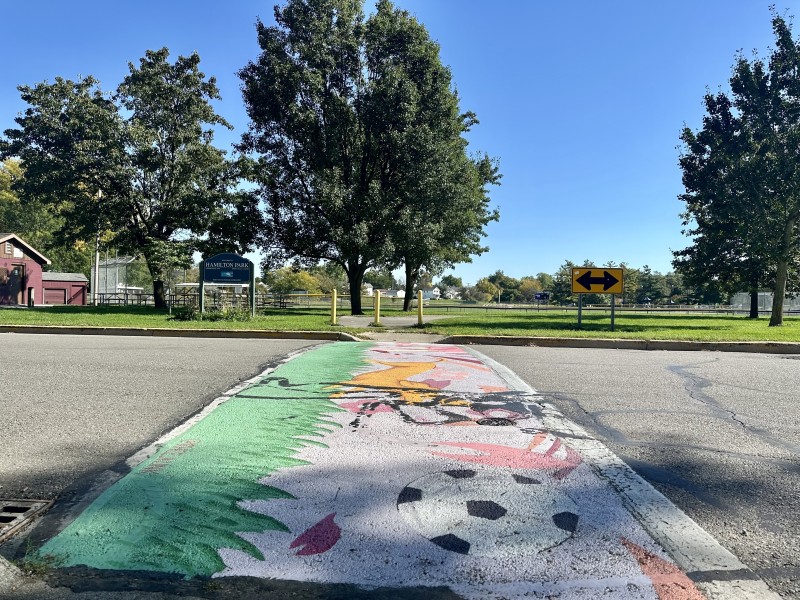
FORT-ify Accelerator strengthens community in the digital age
The FORT-ify Neighborhood Accelerator empowers local associations with connections to funding, resources, and face-to-face engagement opportunities to build stronger communities.
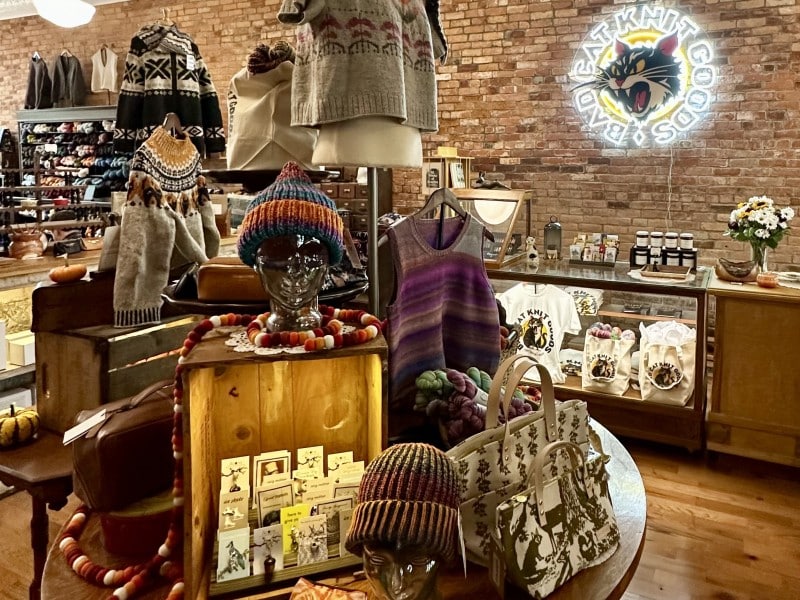
#PlacesofNEI: Bad Cat Knit Goods on Broadway
Check out Bad Cat Knit Goods, a fiber arts store, located at 1309 Broadway, Fort Wayne, Indiana 46802.
‘A big deal’: Art This Way celebrates 10 years, trades annual art crawl for a larger free festival
As Art This Way reflects on a decade of public art, the program replaces its annual art crawl with a free two-day festival and looks toward the future.