Q&A with House of Pins’ Co-founder Sarah McMillan
Following a devastating loss, Sarah and Jason McMillan committed themselves to creating House of Pins, a space where everyone is welcomed, accepted, and valued.
Fort Wayne couple Sarah and Jason McMillan stumbled upon a property originally built by a former professional bowler who dreamed of having a home with bowling lanes.
After his passing, the building sat vacant and fell into disrepair. When the McMillans first saw it, they were struck by its potential — not just as a home, but as a space that could serve the special needs community with special programming.
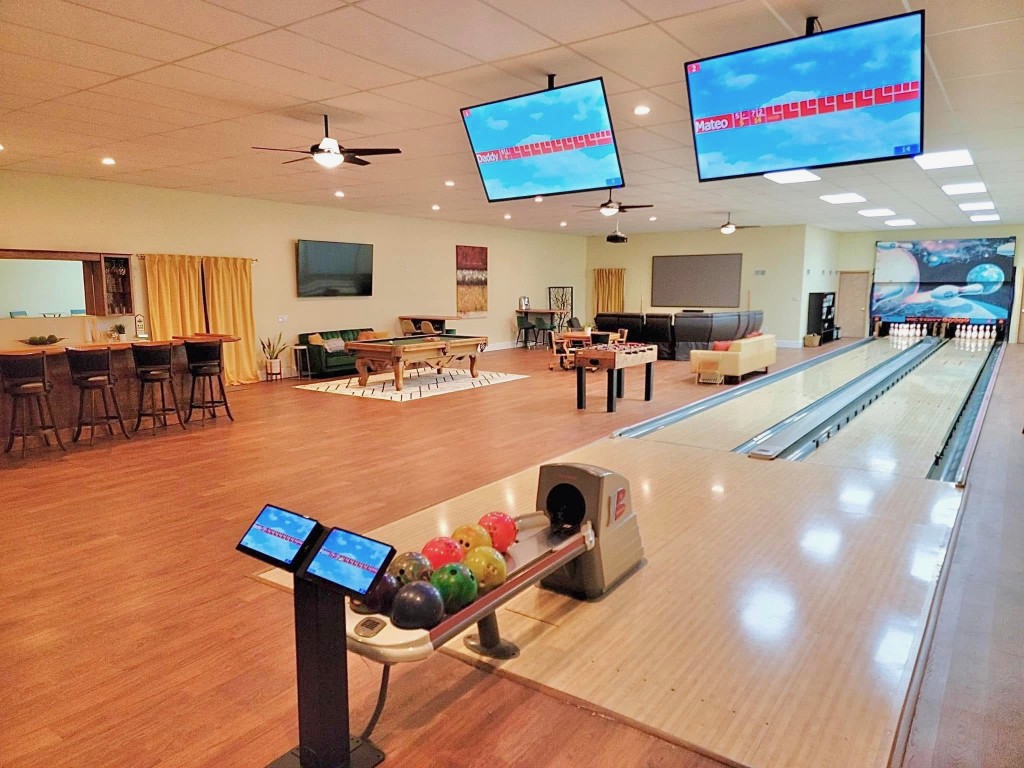
With a lot of prayer, faith, and determination, the McMillans decided to take the leap and turn it into something extraordinary. That something was House of Pins, an adaptive, ADA-compliant, sensory-friendly recreational rental venue for all abilities located in the ’08 zip code.
“We really wanted to give them opportunities that would help them break barriers and see themselves as capable,” Sarah says about the guest experience.
Input Fort Wayne sat down with House of Pins’ Co-Founder Sarah McMillian to learn more about their vision for the venue and how it’s addressing a gap in the community.
Input Fort Wayne: What is House of Pins?
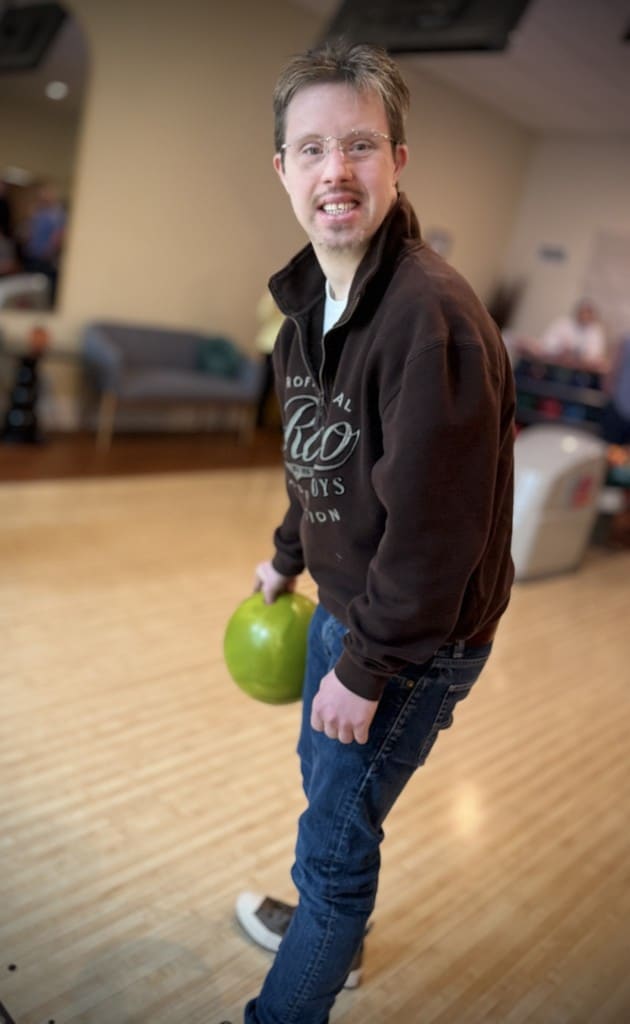
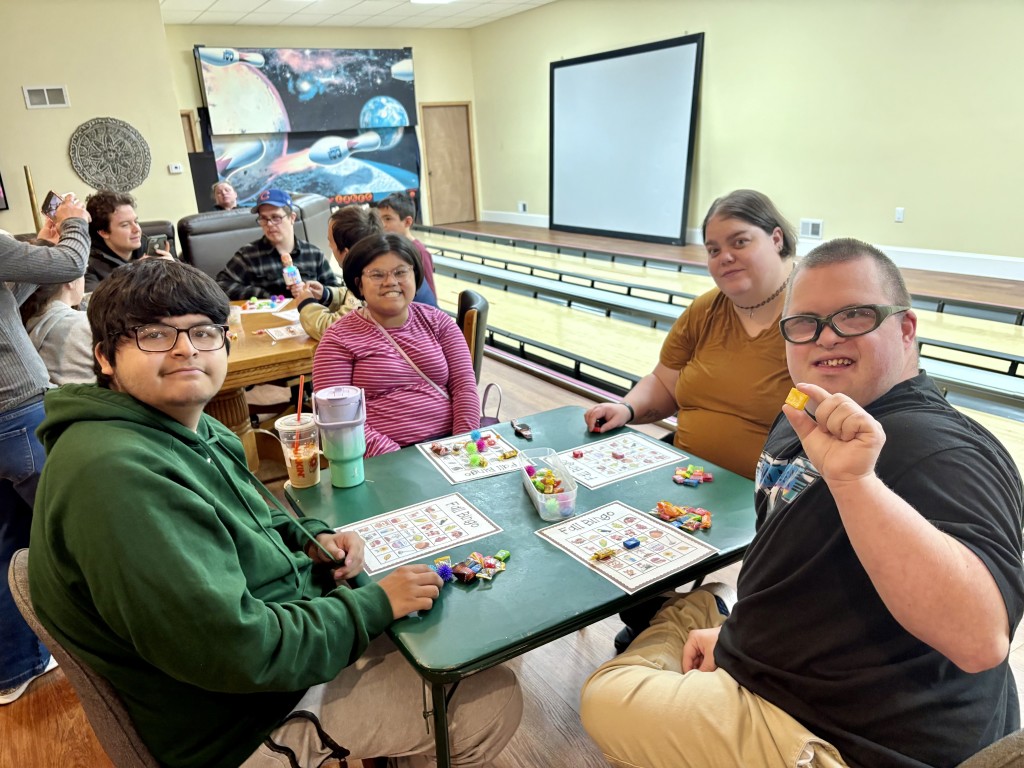
Sarah McMillan: It’s a community space for all abilities where participants can enjoy socials, camps, and classes. Think bowling, karaoke, pickleball, art, sensory supports, and more — designed to build skills, confidence, and independence. It includes a sensory room and aims to be inclusive for any age or ability, giving guests opportunities to participate, grow, and find companionship while serving as a trusted, therapeutic-friendly venue.
However, we’re not just a recreational play place where guests just get dropped off and have fun. We very much want the community to learn that our guests are challenged, not only socially, but also in communication, problem solving, manners, sportsmanship — every developmental skill that you can think of. Every time they participate, they grow a little, they gain more confidence, and the ultimate goal is greater independence.
IFW: What motivated you to serve people with special needs?
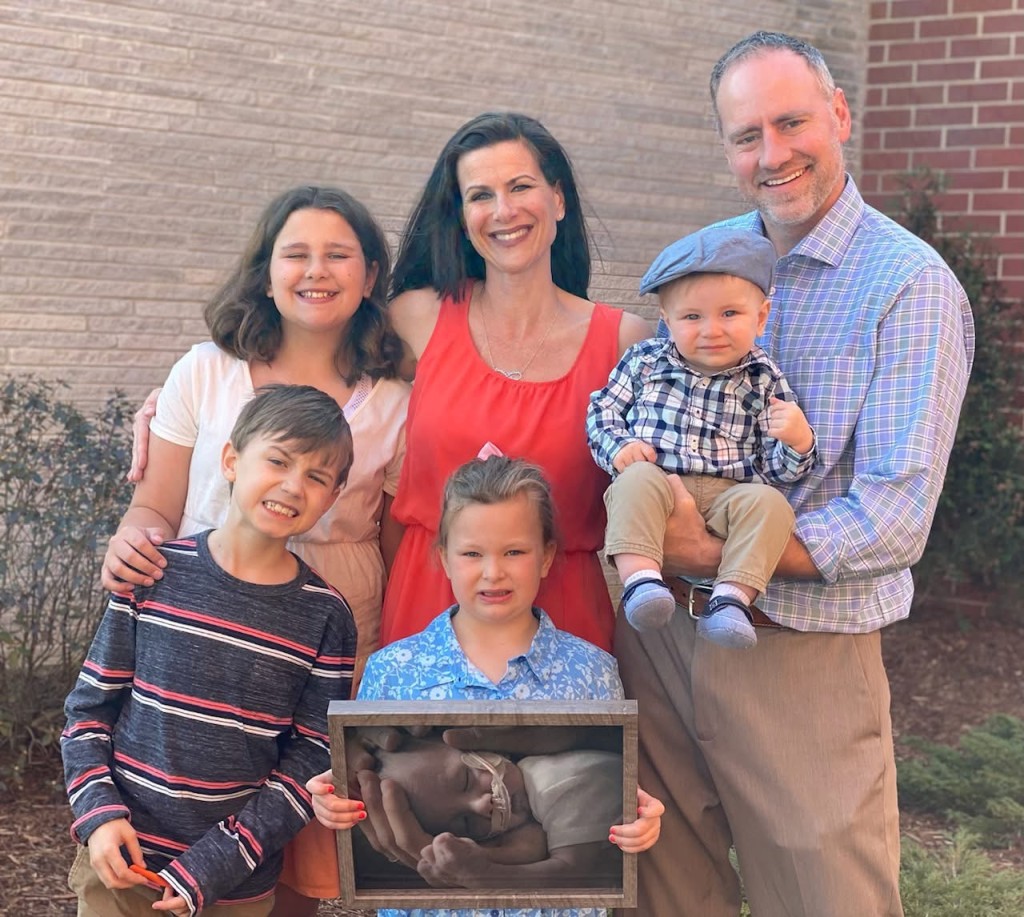
SM: We’re a blended family. I had two daughters before I met my husband, and he had a son with autism. When we got married, we knew we wanted children. We got pregnant, and at 20 weeks in utero, we found out that our son had Trisomy 18, which is a chromosome disorder.
We were advised by our genetic doctor to either abort or accept the fact that I was likely to have a miscarriage. I was also told that if I were lucky enough to even carry the baby through full term, he would most likely be stillborn. But we knew without a doubt we were going to carry this baby and give it as much of a life as possible.
Brody was born, a miracle birth in itself. He was in the NICU for two weeks, and he got to come home and be with us for three weeks before he passed away. And little did we know that this (loss) would evolve (into House of Pins).
When we came into this building for the first time, God put it on our hearts. We thought so much about Camden, who’s our son with autism. He’s 14 now. Today, House of Pins is a tremendous gift, a way to channel my grief. We’re advocating not just for (Camden), but for all kids and all adults who have any disability that would create a situation where they don’t have full access. It brings me so much joy every time we have our events.
IFW: House of Pins goes beyond just bowling. You have created an entire ecosystem of support. Can you talk about the sensory room and how it benefits your guests?
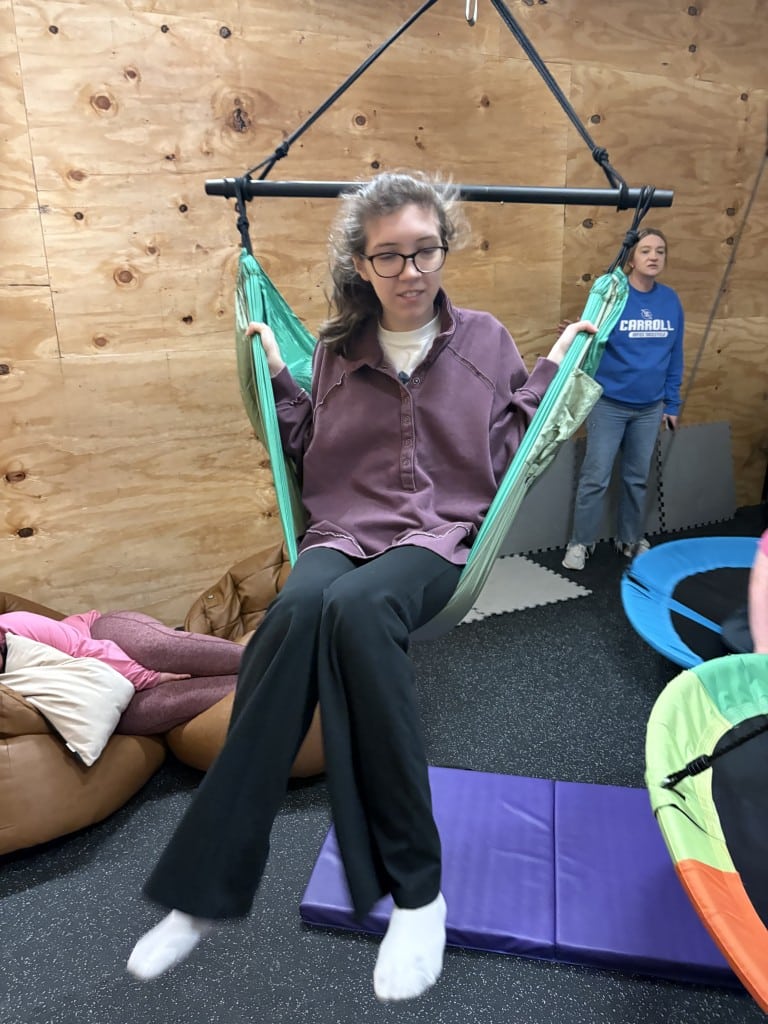
SM: We’ve had a sensory room for the past year. We had friends donate money that allowed us to get swings and reinforcement beams (that can accommodate) up to 500 pounds. We’ve got bean bags and sensory boards and a little trampoline that helps (guests) maximize their time here.
When guests need to regroup, or they need to get their wiggles out, or feel overwhelmed and overstimulated, it has helped them be able to maximize their experience and stay through the duration of the event.
IFW: Transforming a residential home into a recreational venue for the public must have come with a lot of red tape. How did you manage to get that done?
SM: We got a lawyer, and we knew that we were up against a lot to try to get zoning changed in a neighborhood. So we had worked really hard building relationships and trust with our neighbors.
I professionally worked with the special needs population, which allowed me to have relationships with other organizations that advocated on our behalf.
Amazingly, with the support of 95% of our neighbors, we got approved. They definitely went the extra mile and came to the zoning board meeting.
IFW: You’re also venturing into outdoor activities, including a new mountain biking program. How did that come about?
SM: My husband and I are huge mountain bikers, and we’re near the trailhead at Franke Park. We want to teach adults who don’t know how to ride a bike that they’re capable.
This is a case when maybe society would write them off by saying, “There’s no way they can do that.”
And that’s not true. We very much say that’s between our guests and God — not for us to say.
IFW: You also touched on something that’s often overlooked in the special needs community — companionship and dating. What are you doing to support those social skills?
SM: I want to focus a lot on putting more value and attention on acknowledging that people with special needs also want companionship, relationships, and marriage. We want to do speed dating, where we have couples play different activities together and rotate. They get to have a date here, and we take that off the hands of their support staff.
Author