
How a mutual aid, eco-friendly ‘food forest’ in Fort Wayne is advancing a neighborhood
As COVID-19 reveals gaps in food systems, Diana Hart of Poplar Village Gardens is feeding her community with an urban farm.
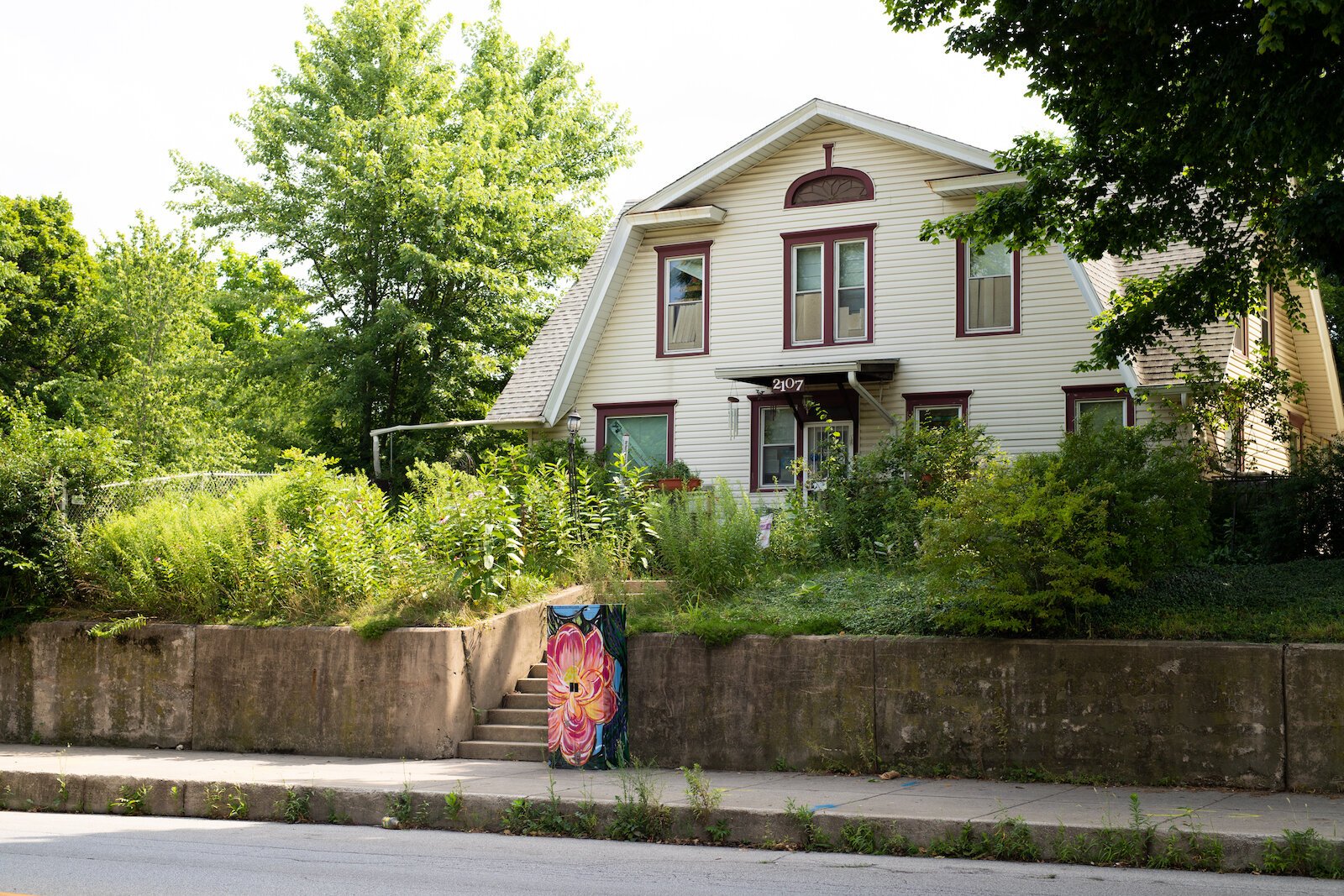
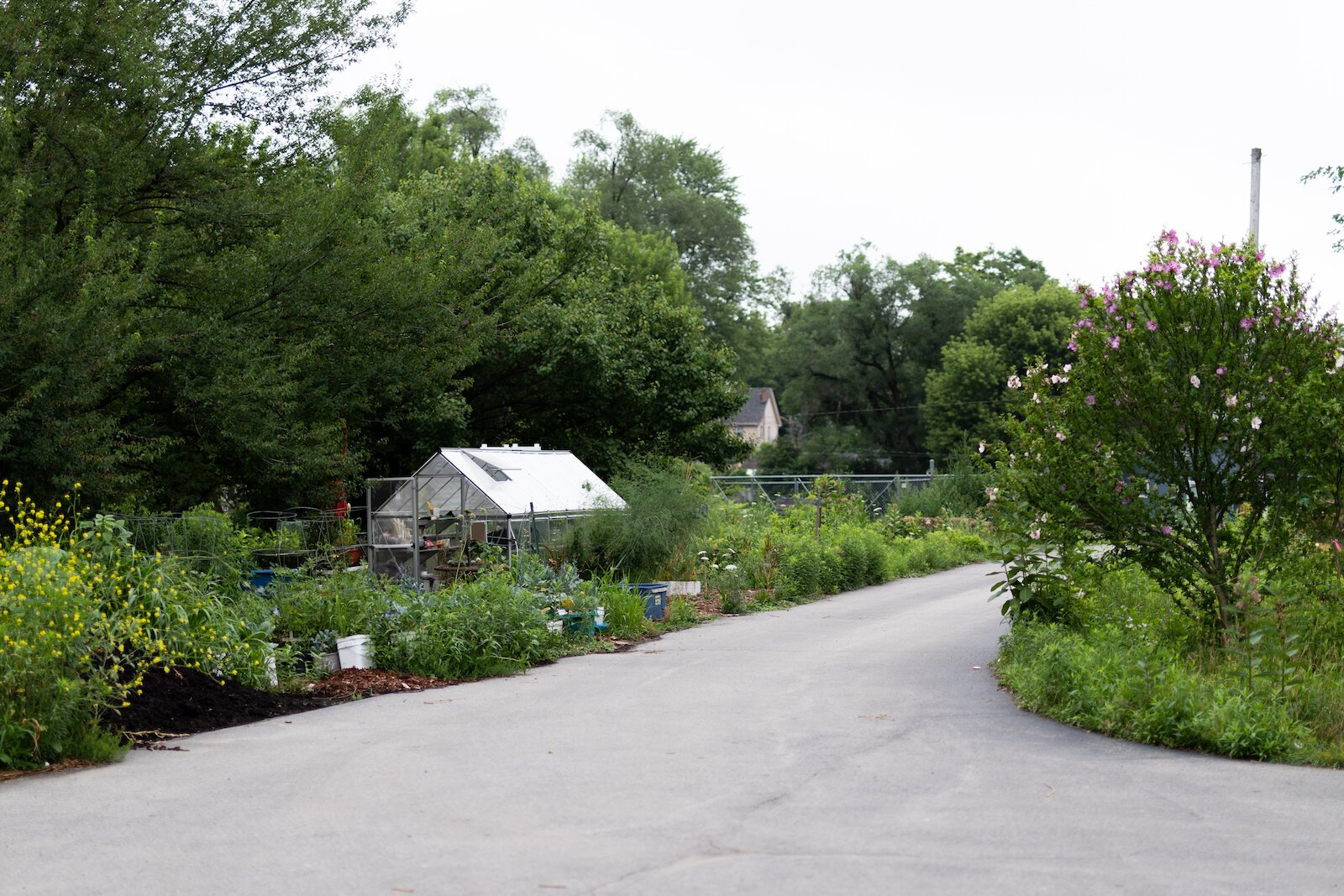
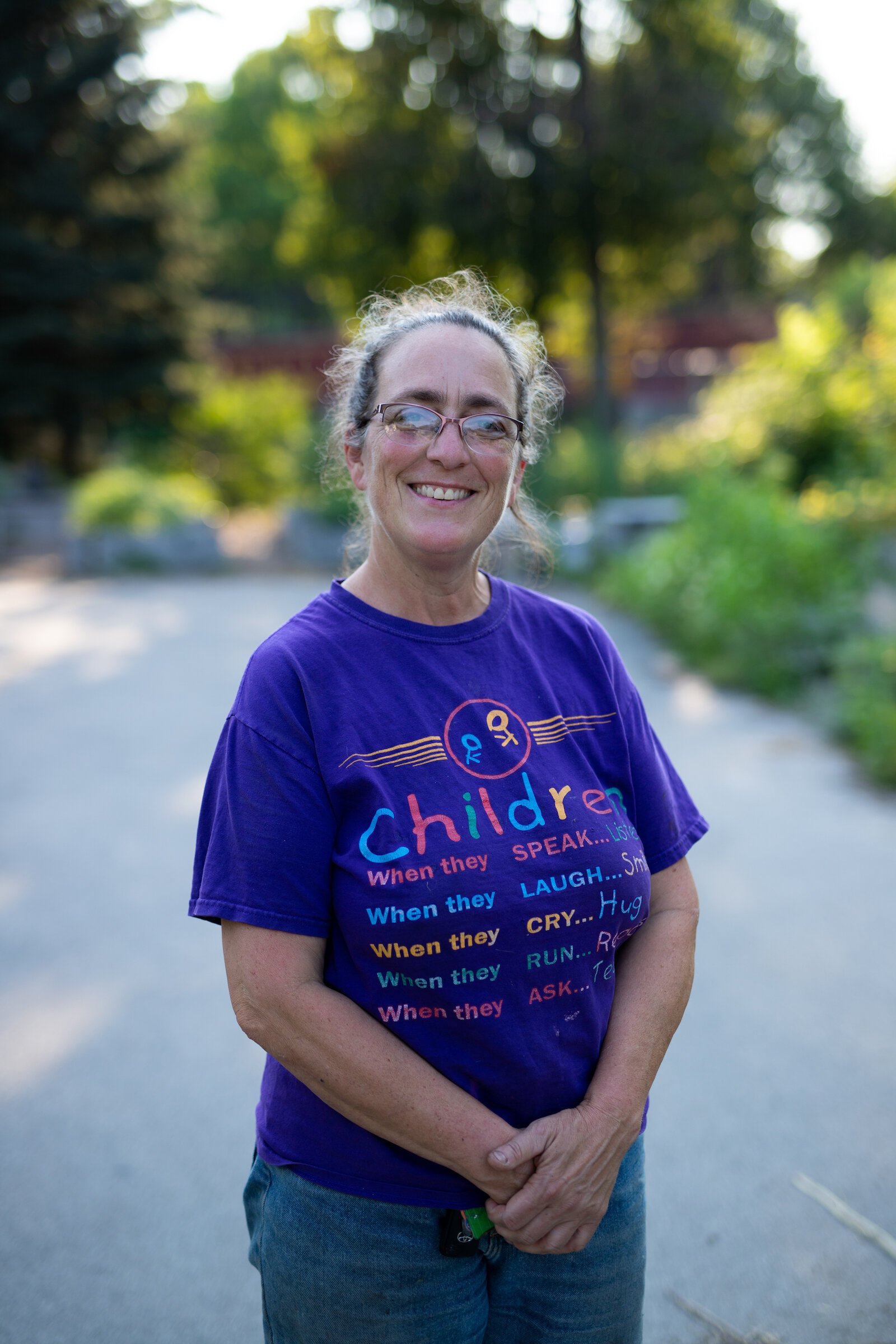
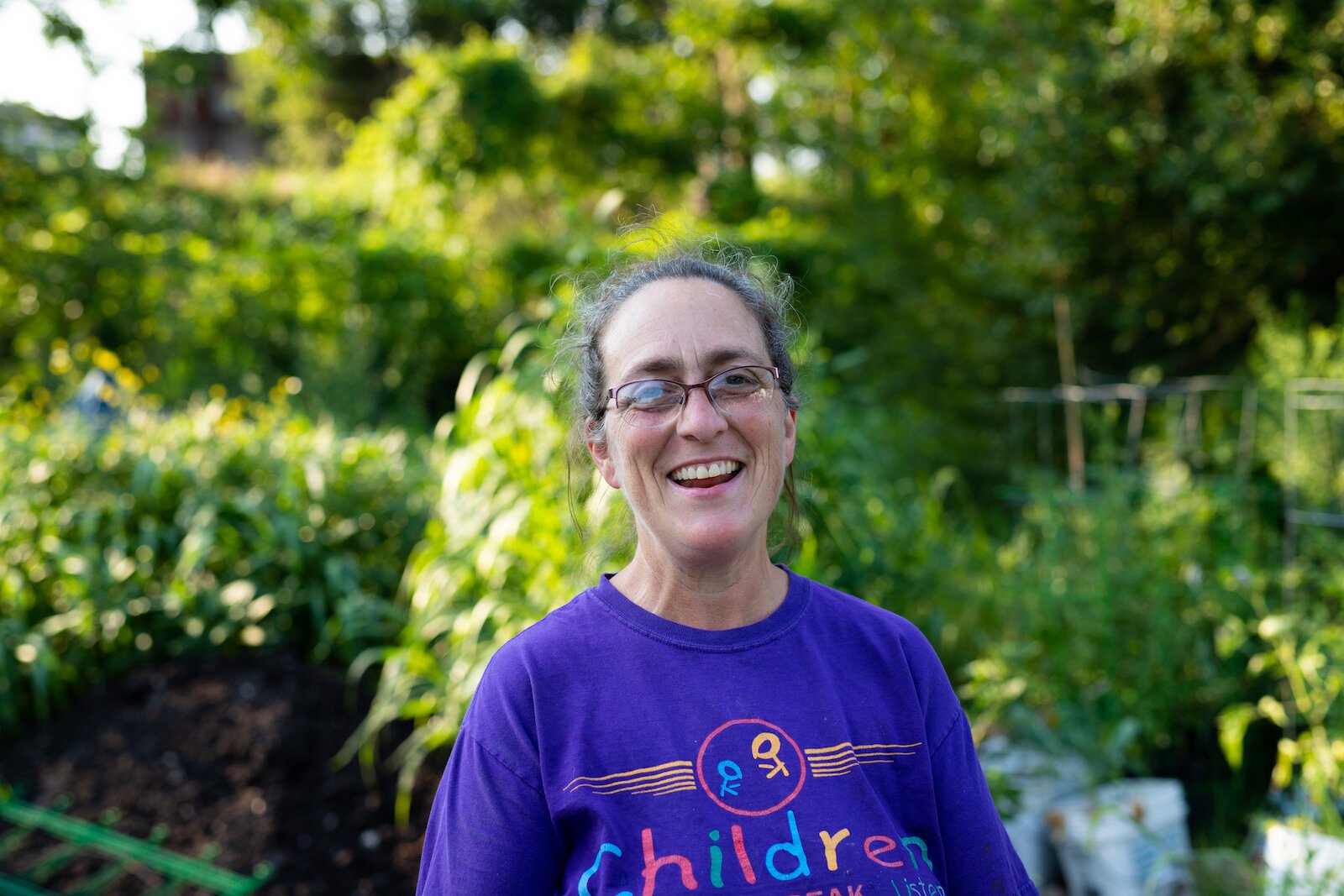
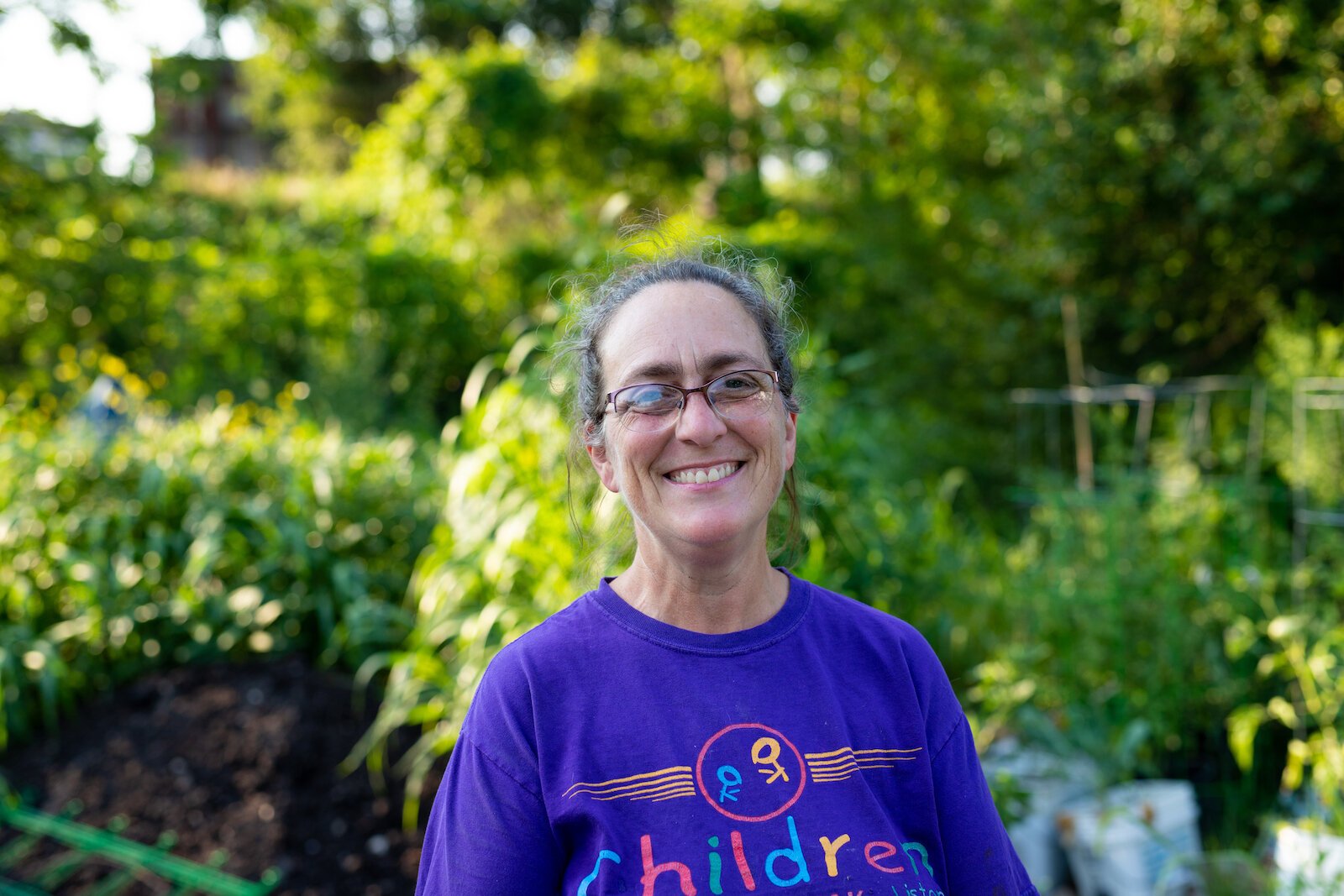
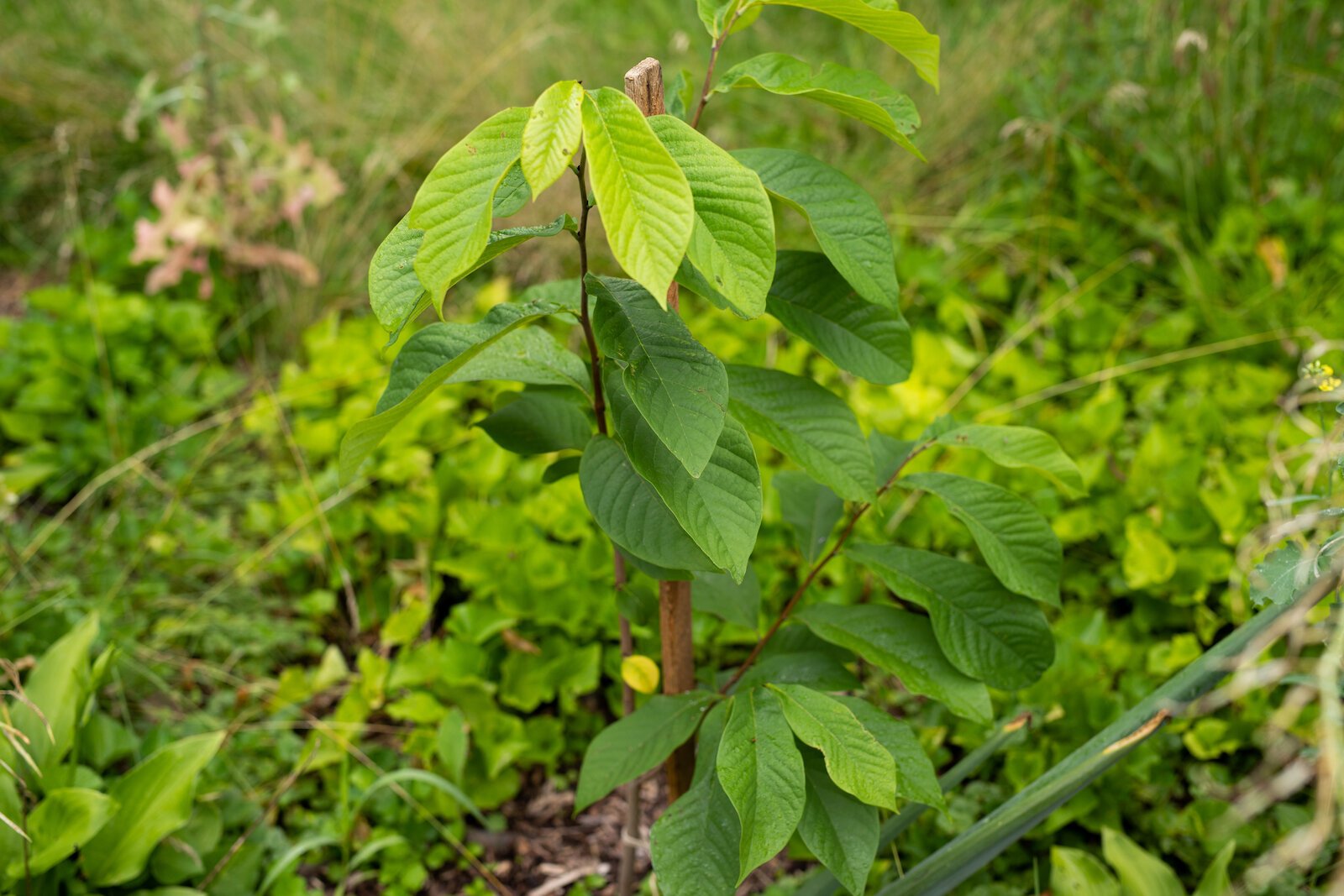
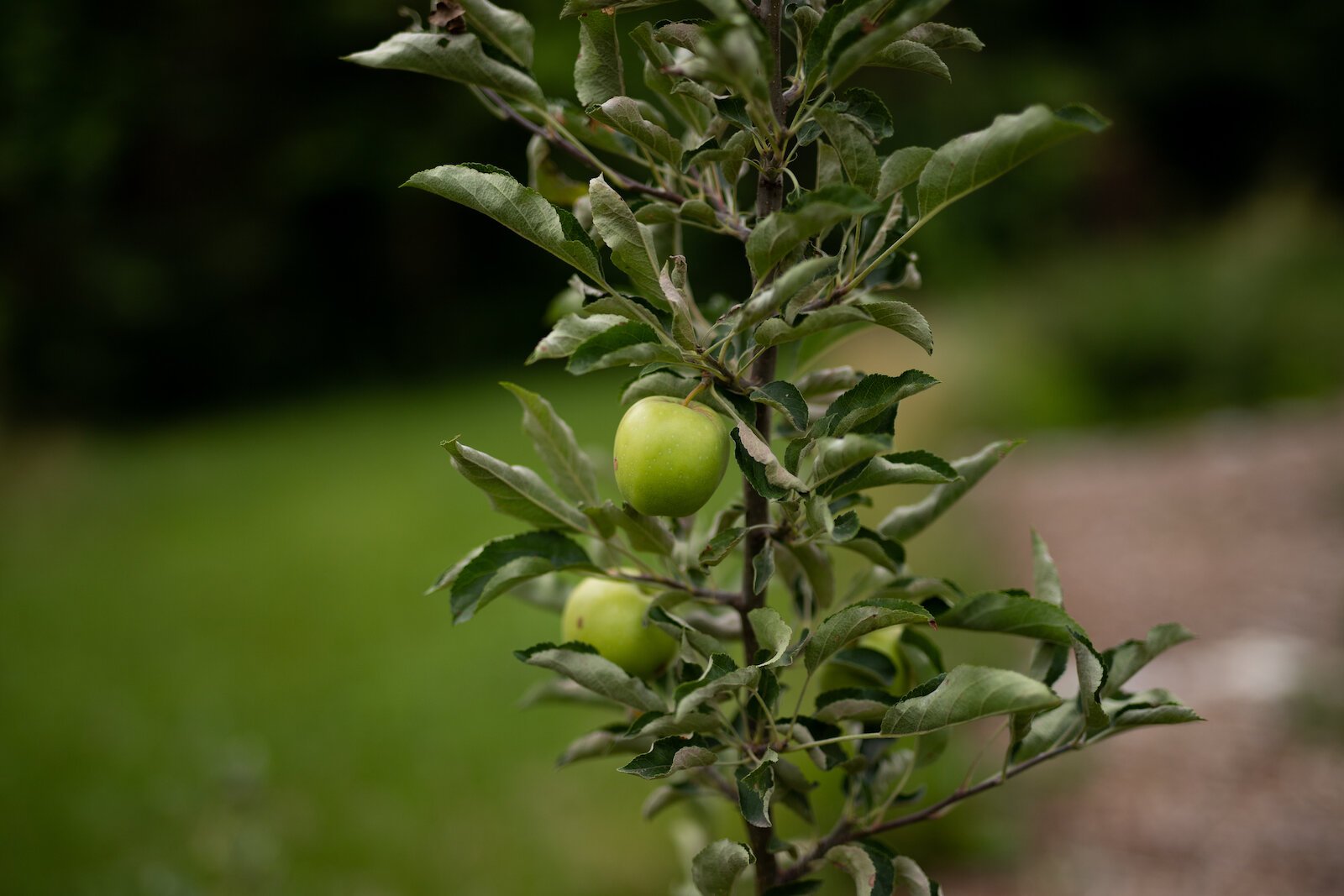
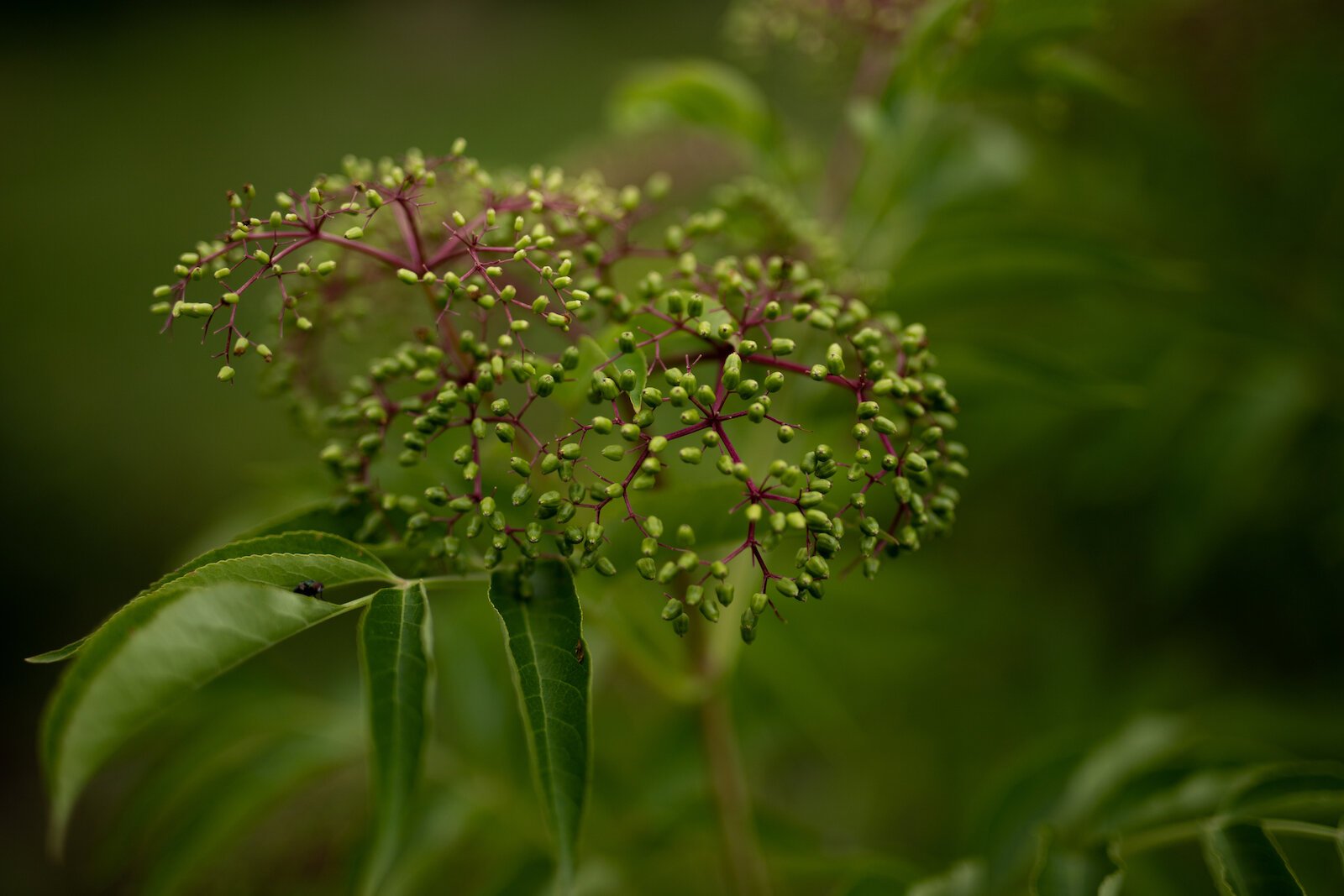
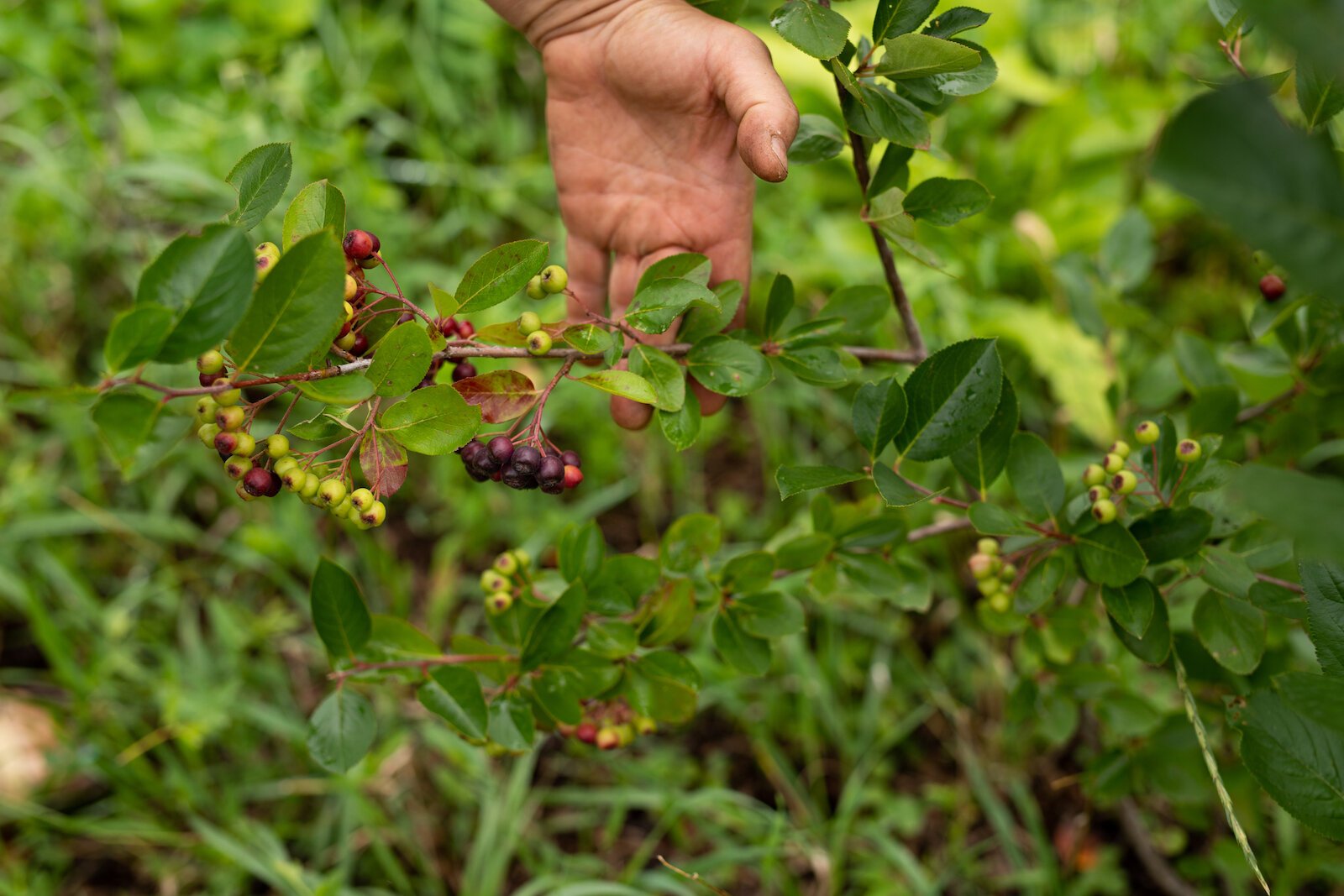


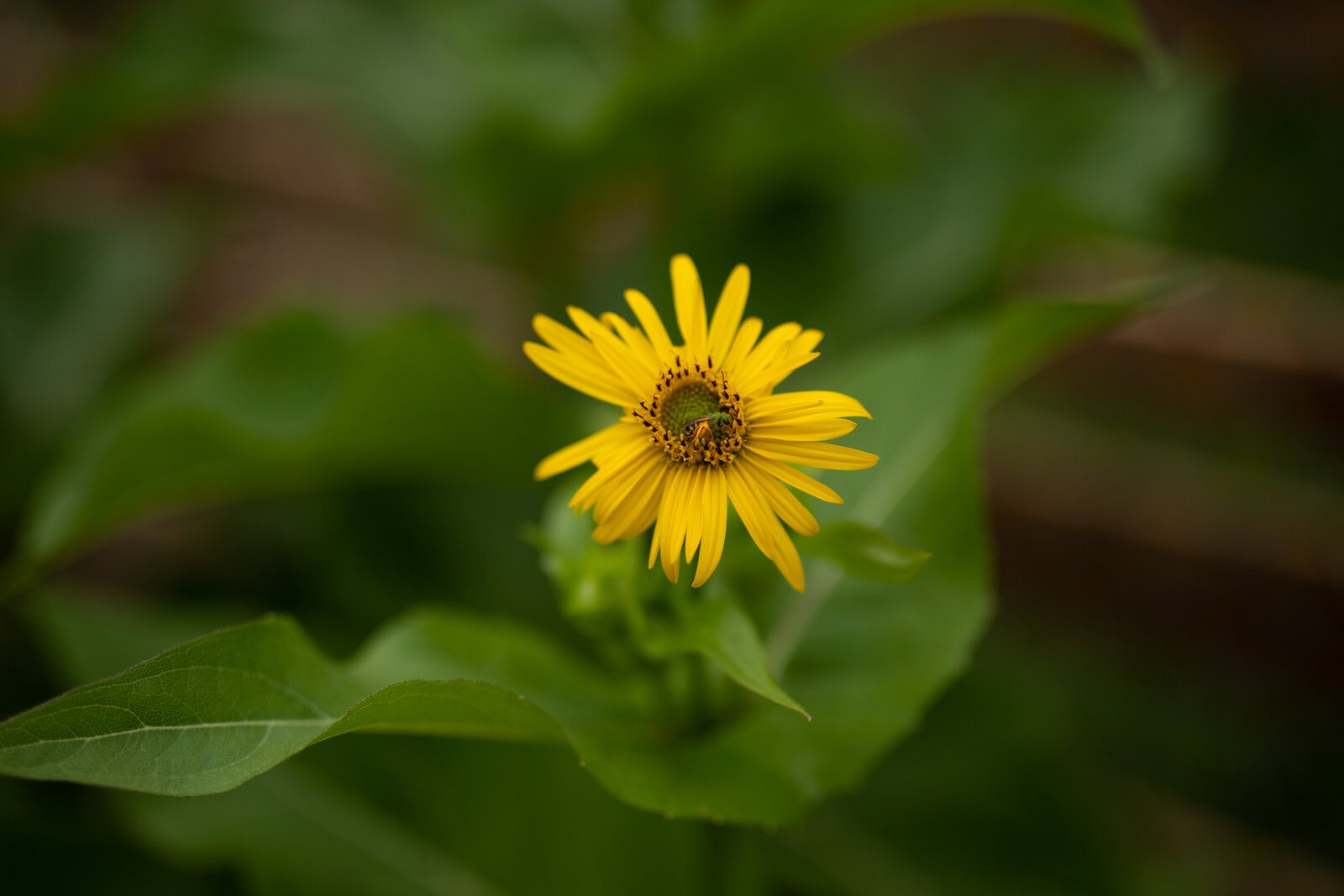
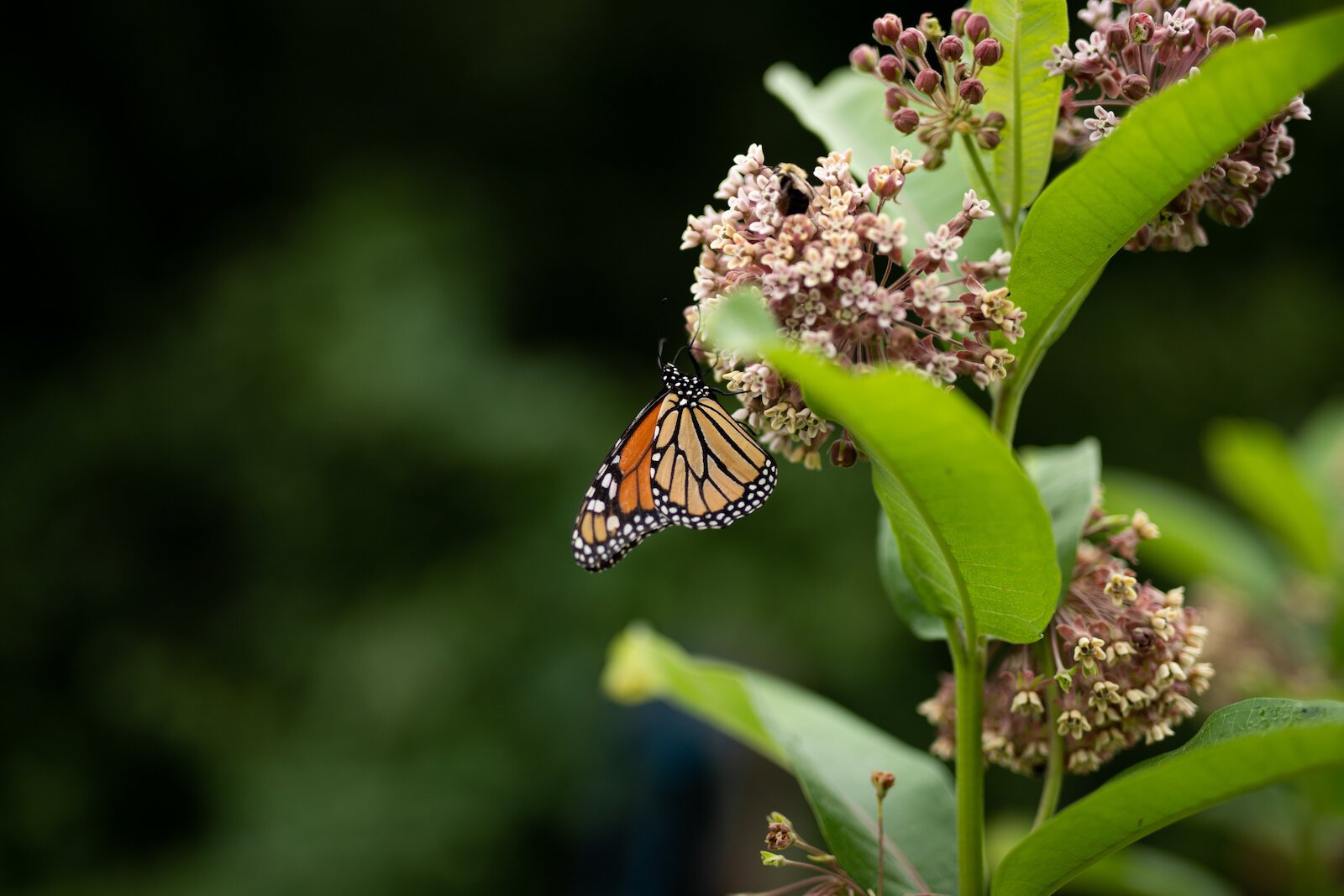
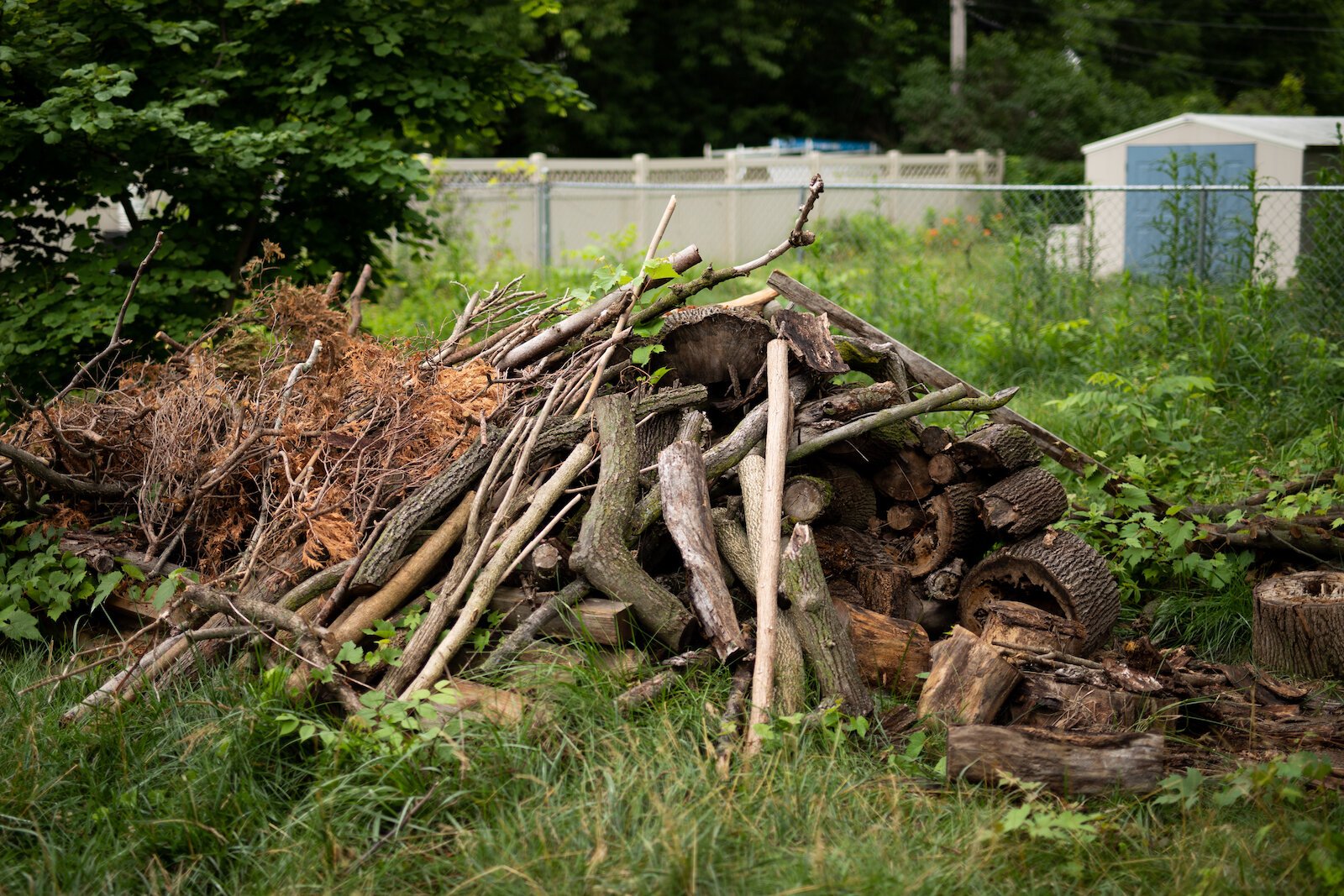
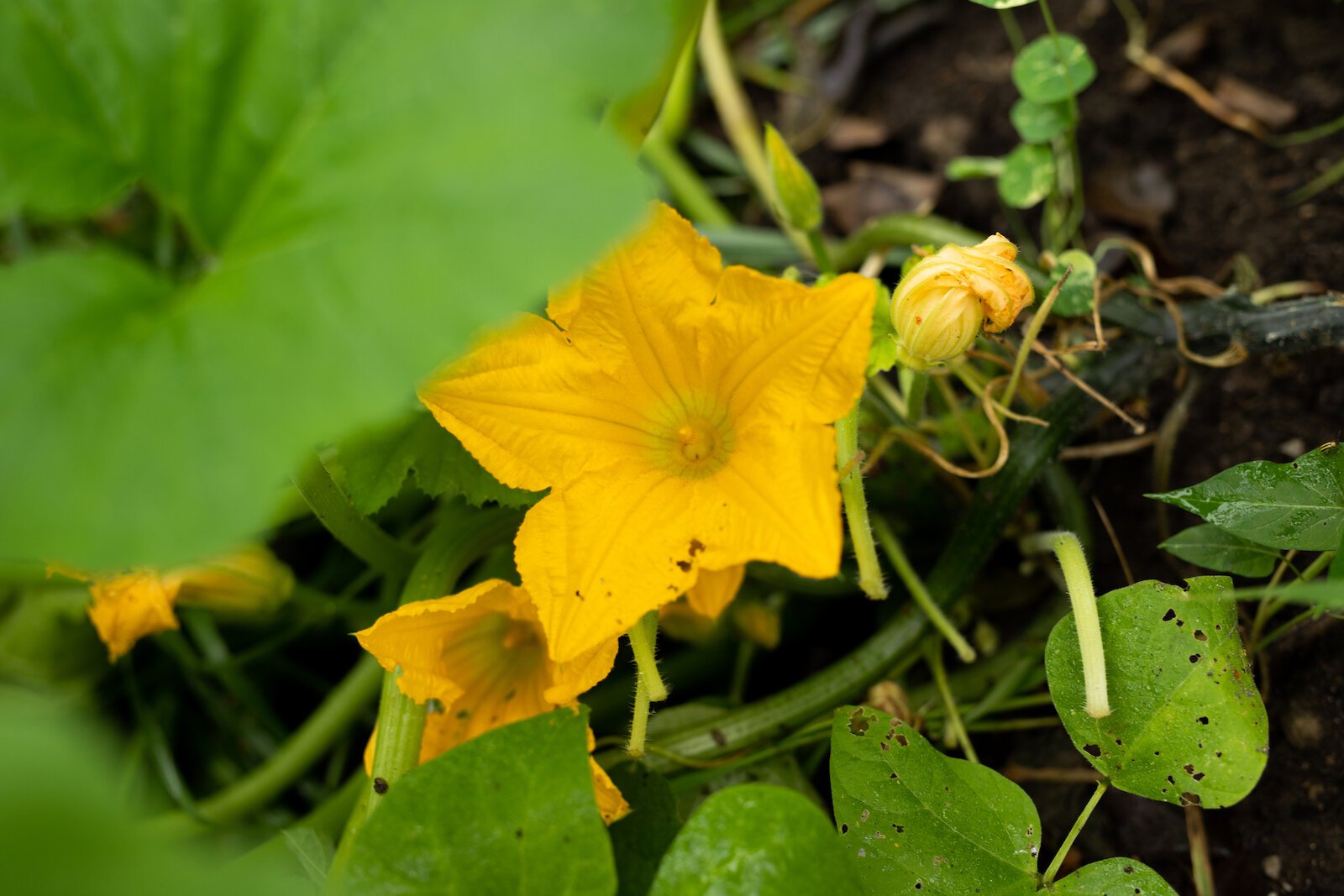


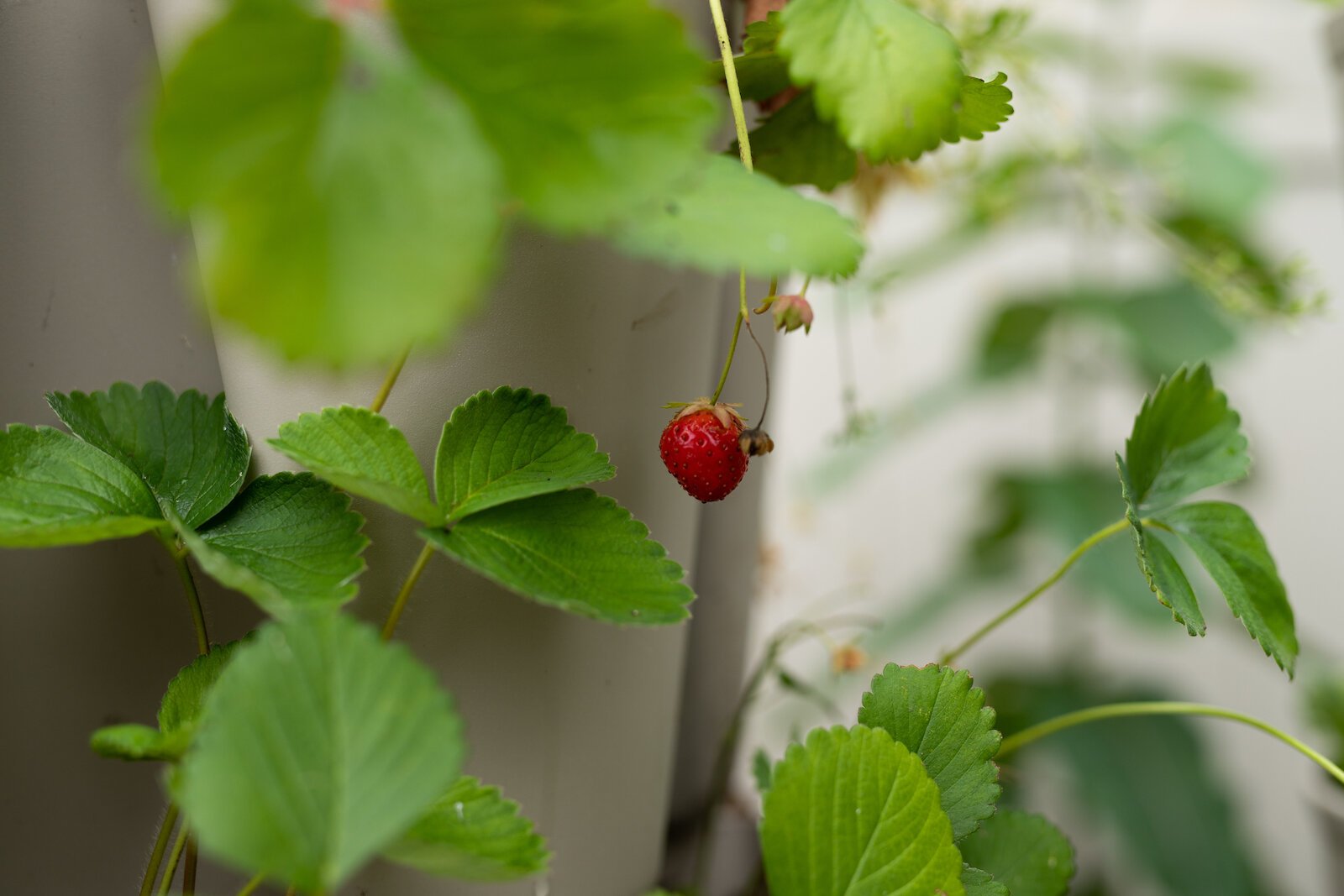
Diana Hart loves her community in South Central Fort Wayne, and she serves it by growing food.
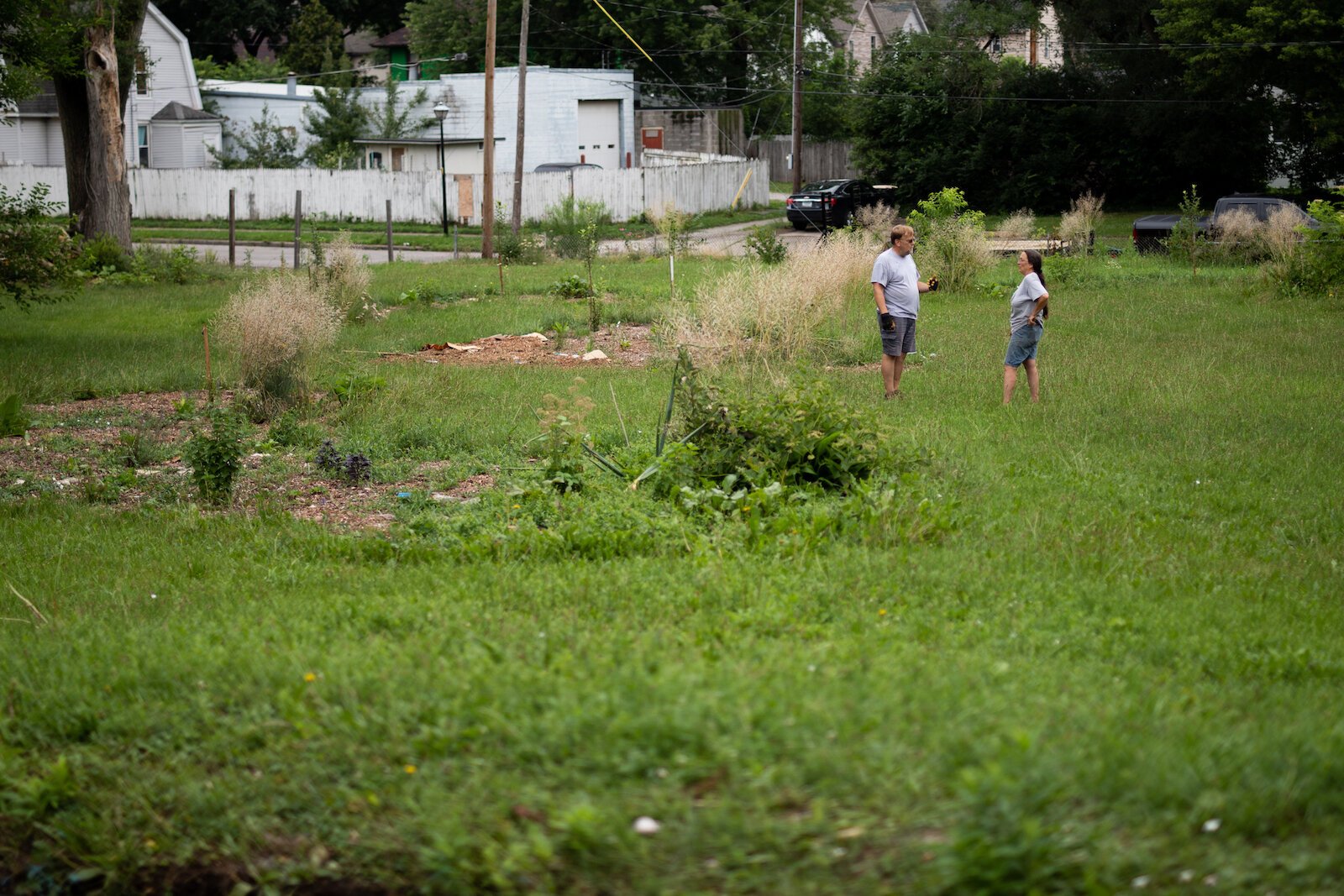
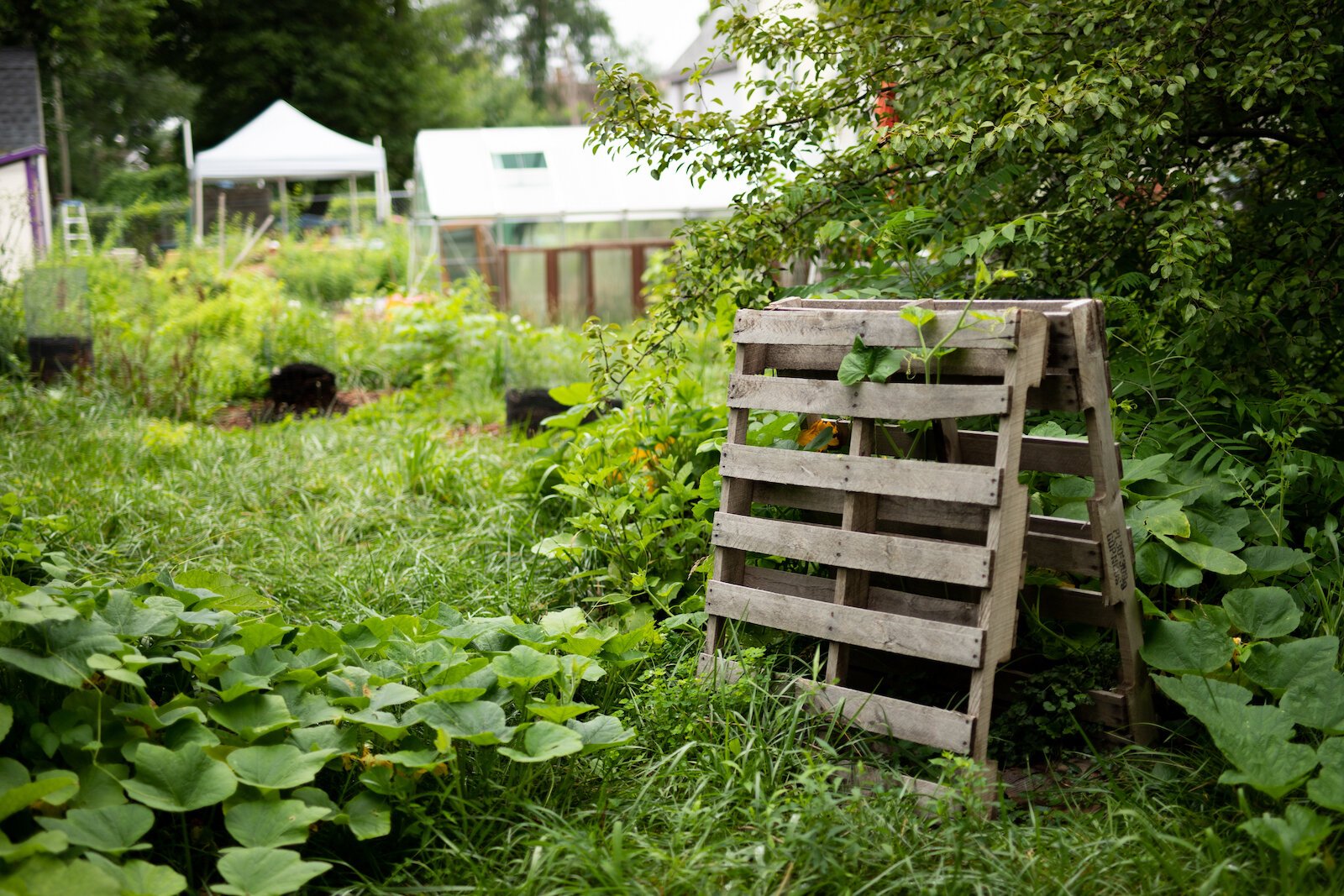
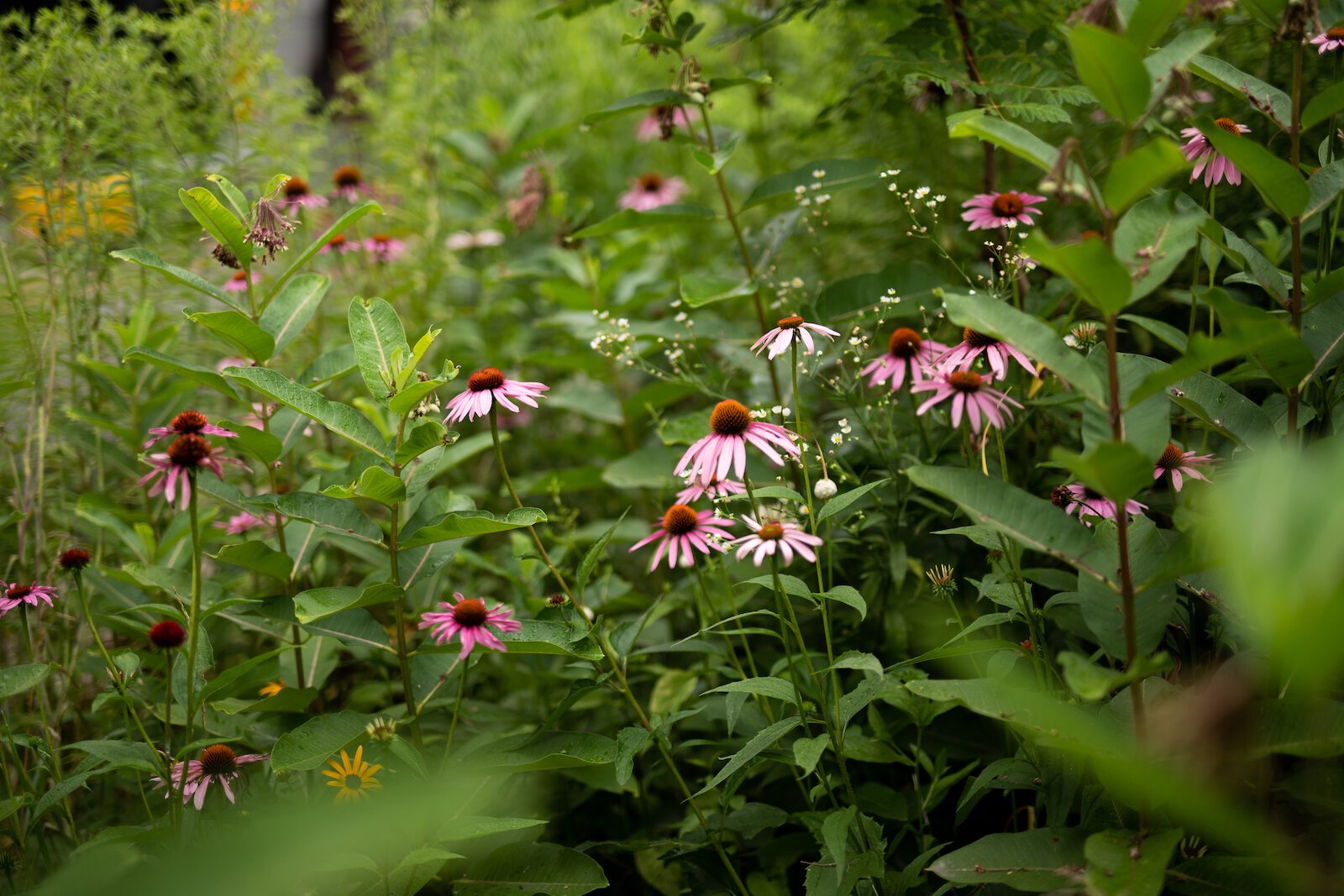
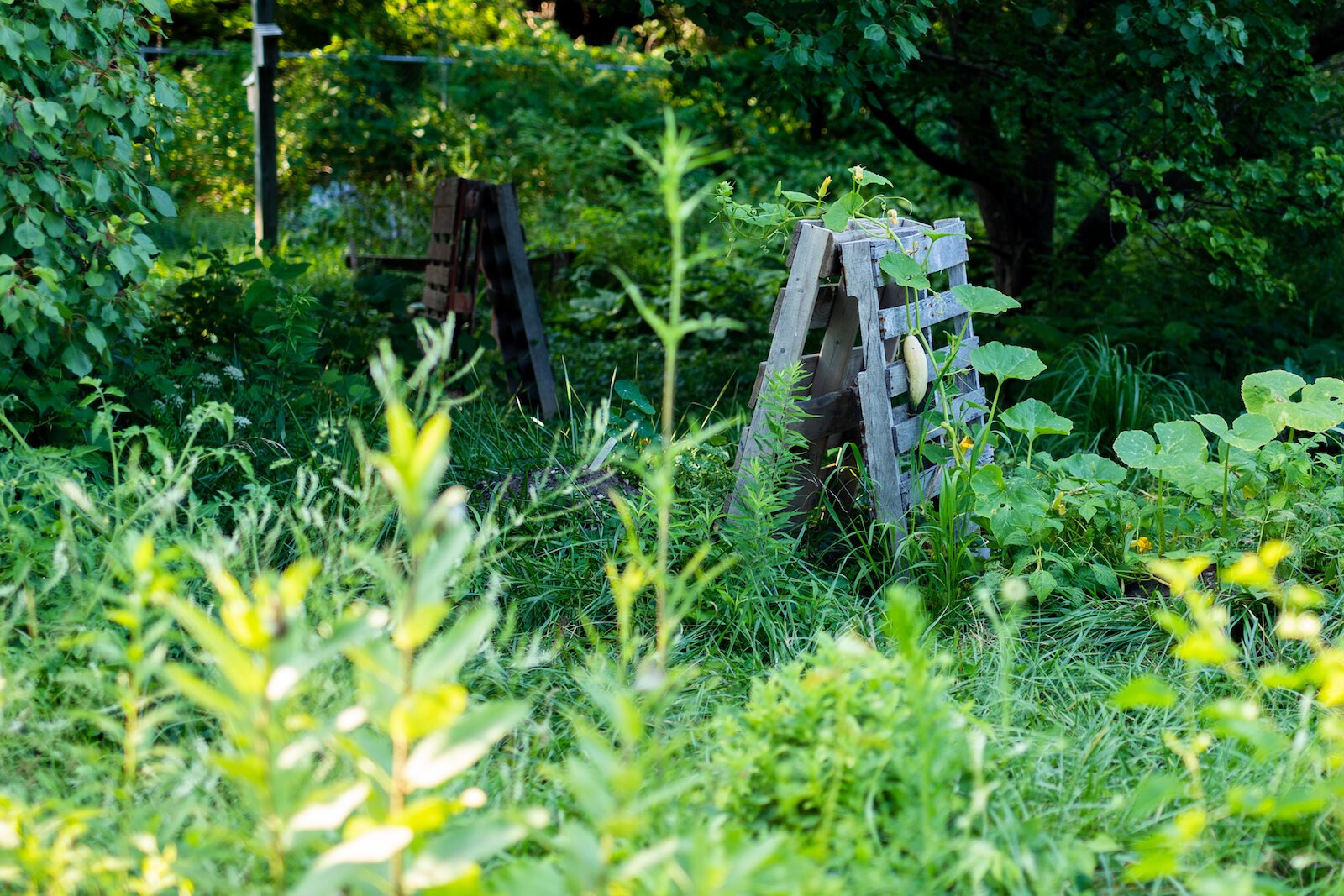
When you walk into the three-acre urban farm at her residence at 2107 Broadway in the Poplar Neighborhood, known as Poplar Village Gardens, you won’t be greeted by neat and tidy rows, as you might see in a conventional garden. Instead, you’ll find what Hart, the Garden Director, describes as a “permaculture food forest.”
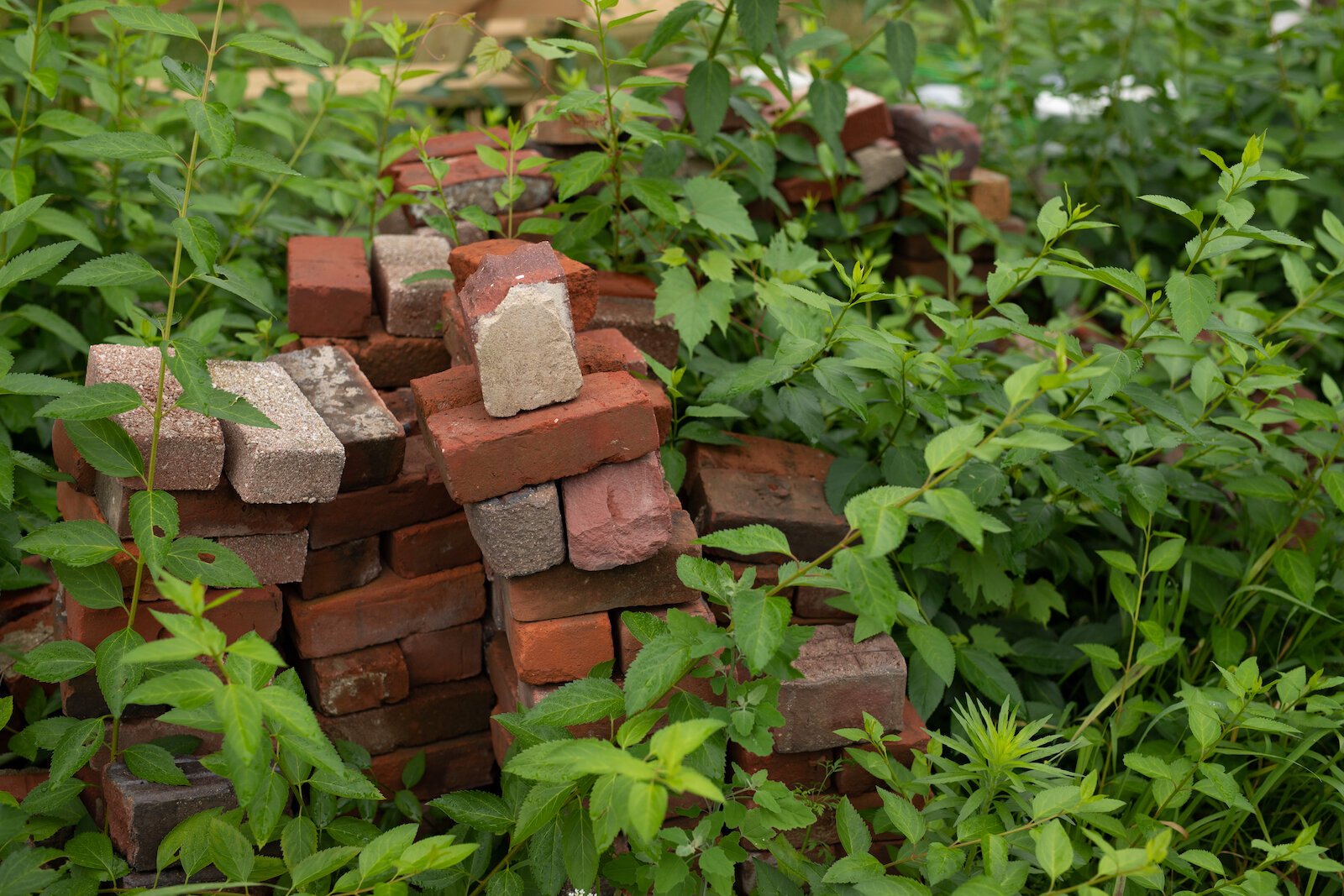
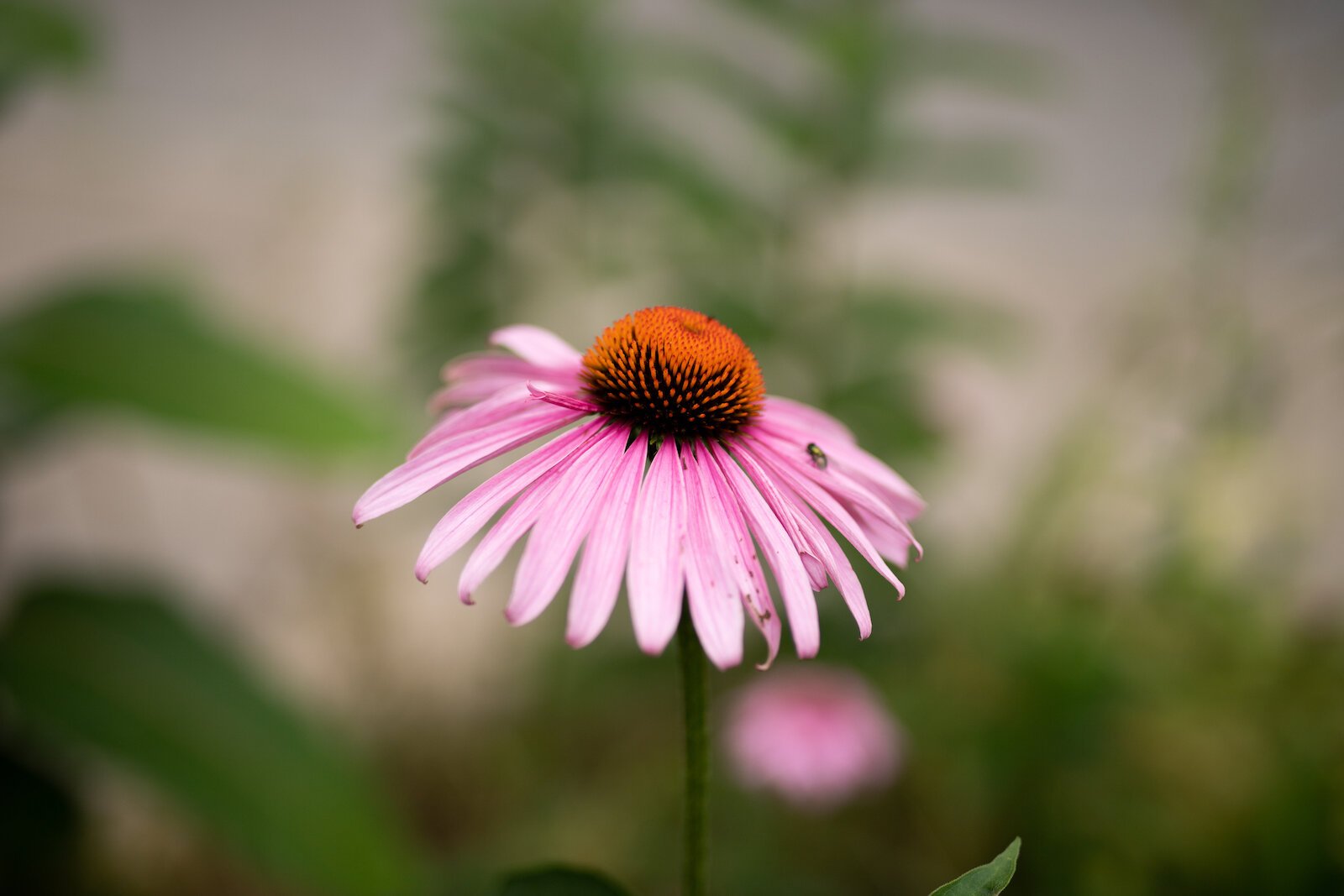
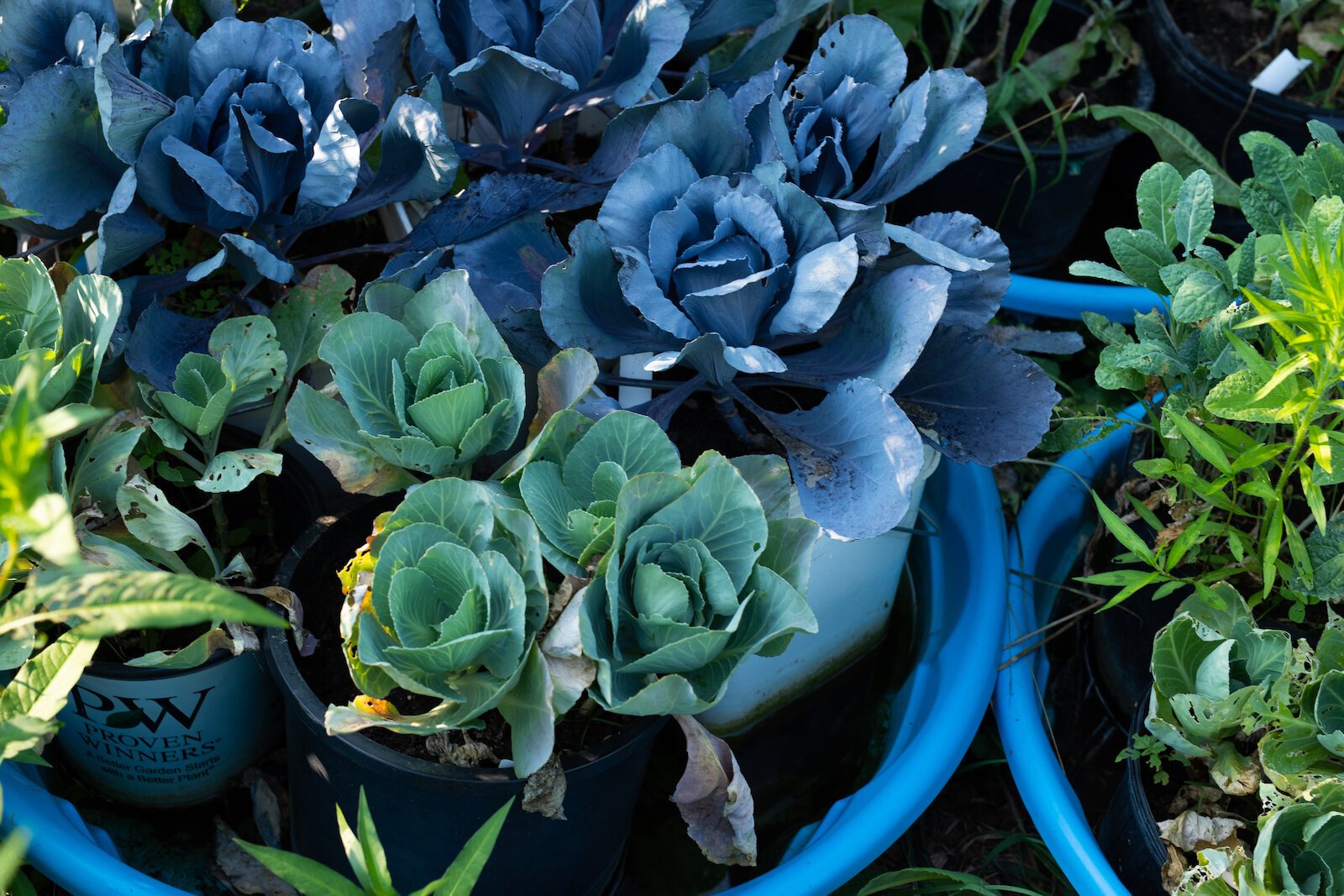
Dotting her property are bright blue baby pools where she grows cabbage and kale in buckets from the local community-scale composting service Dirt Wain. The floating buckets help with water retention, Hart says. Nearby, she succession-plants beets and tomatoes in square cinder block raised beds, and her squash mounds are strewn about flowers and tall grasses with wood palette trellises.
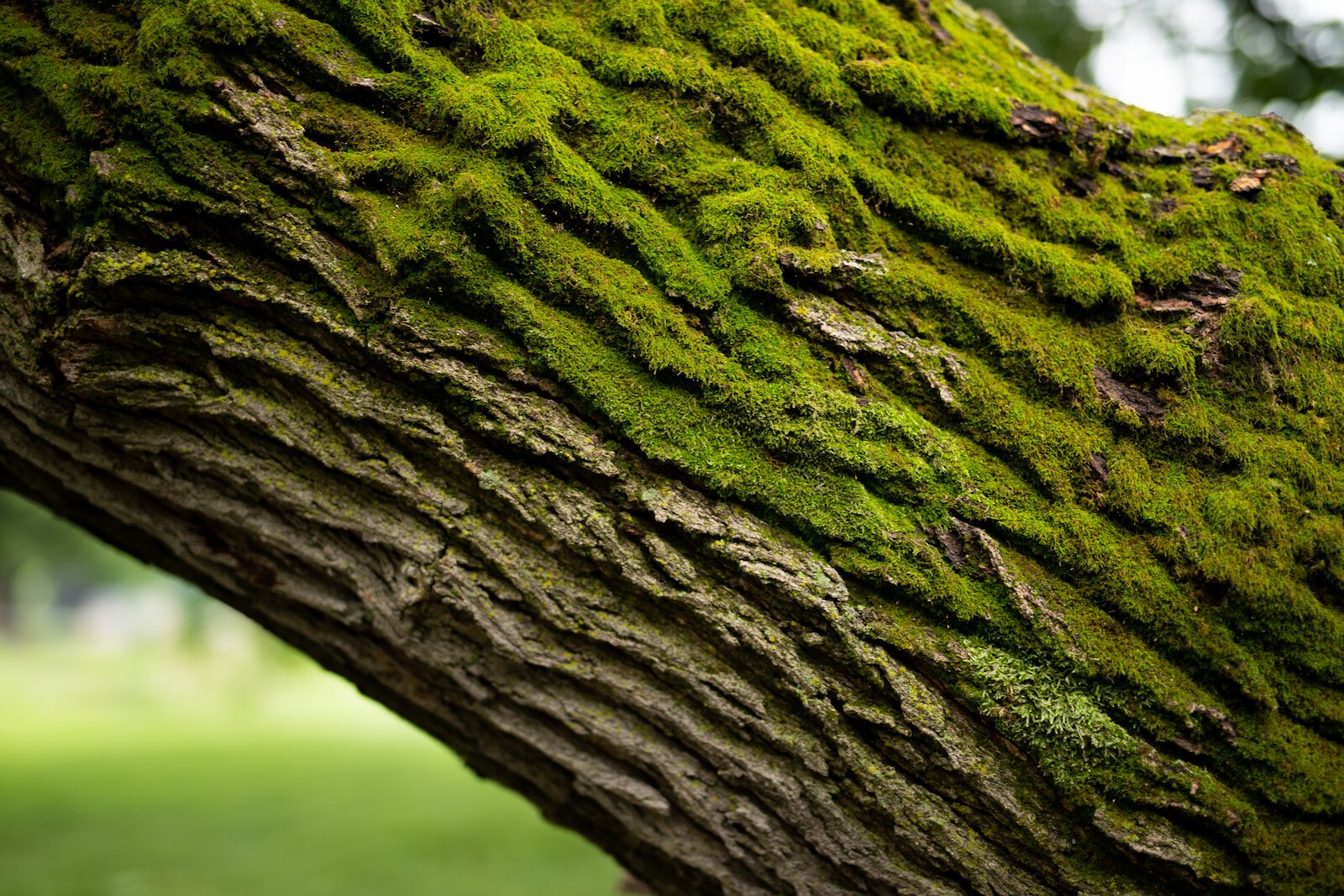
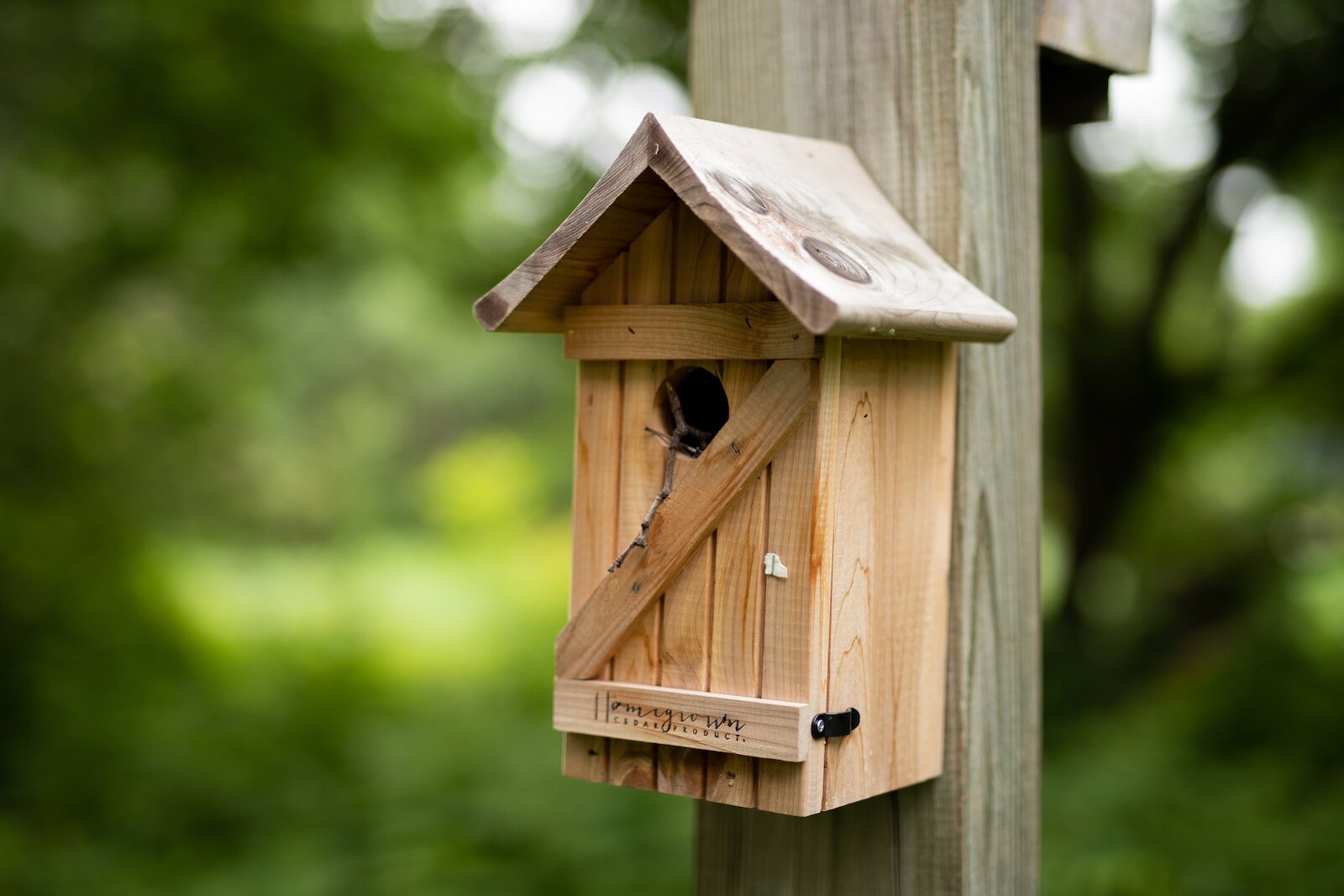
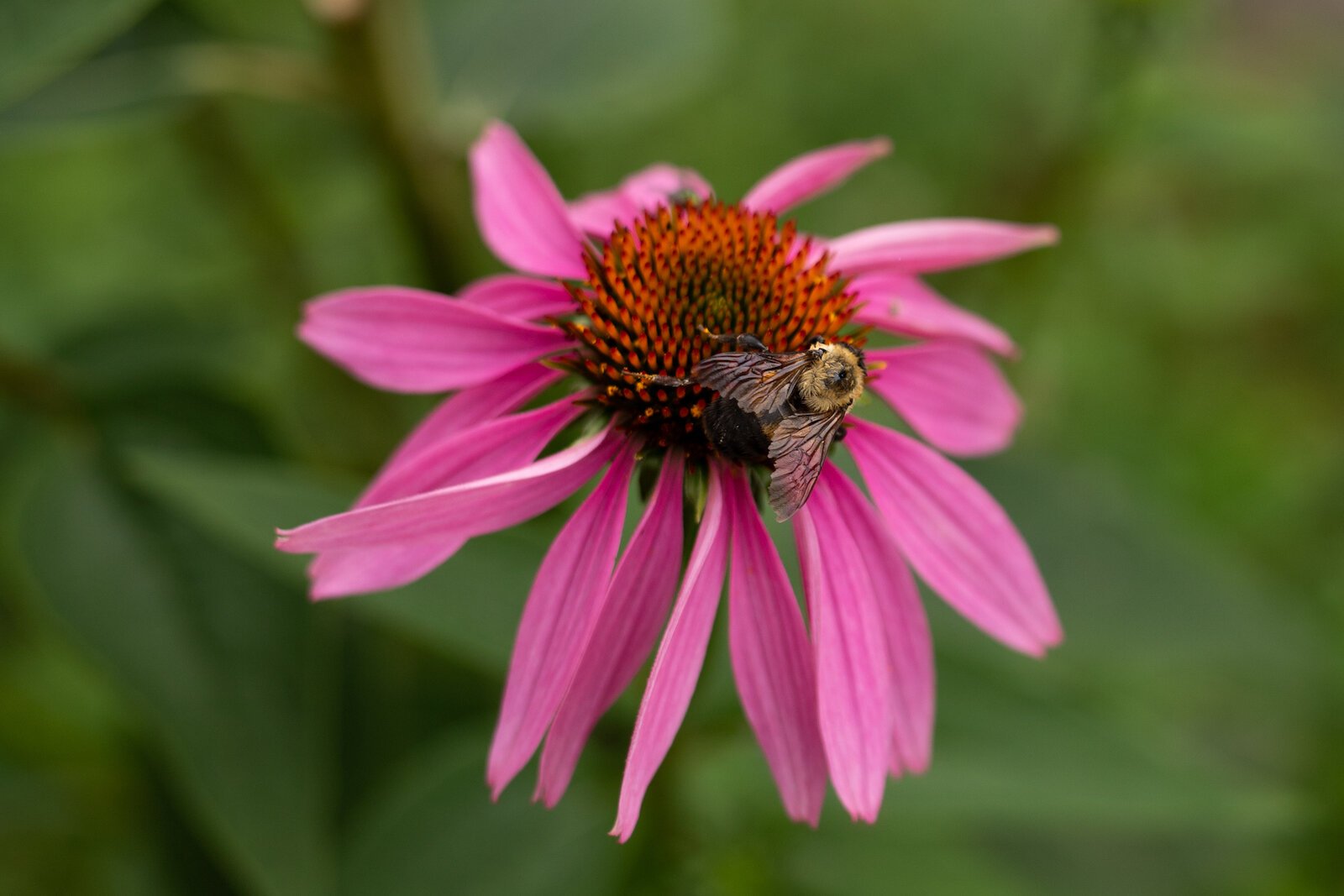
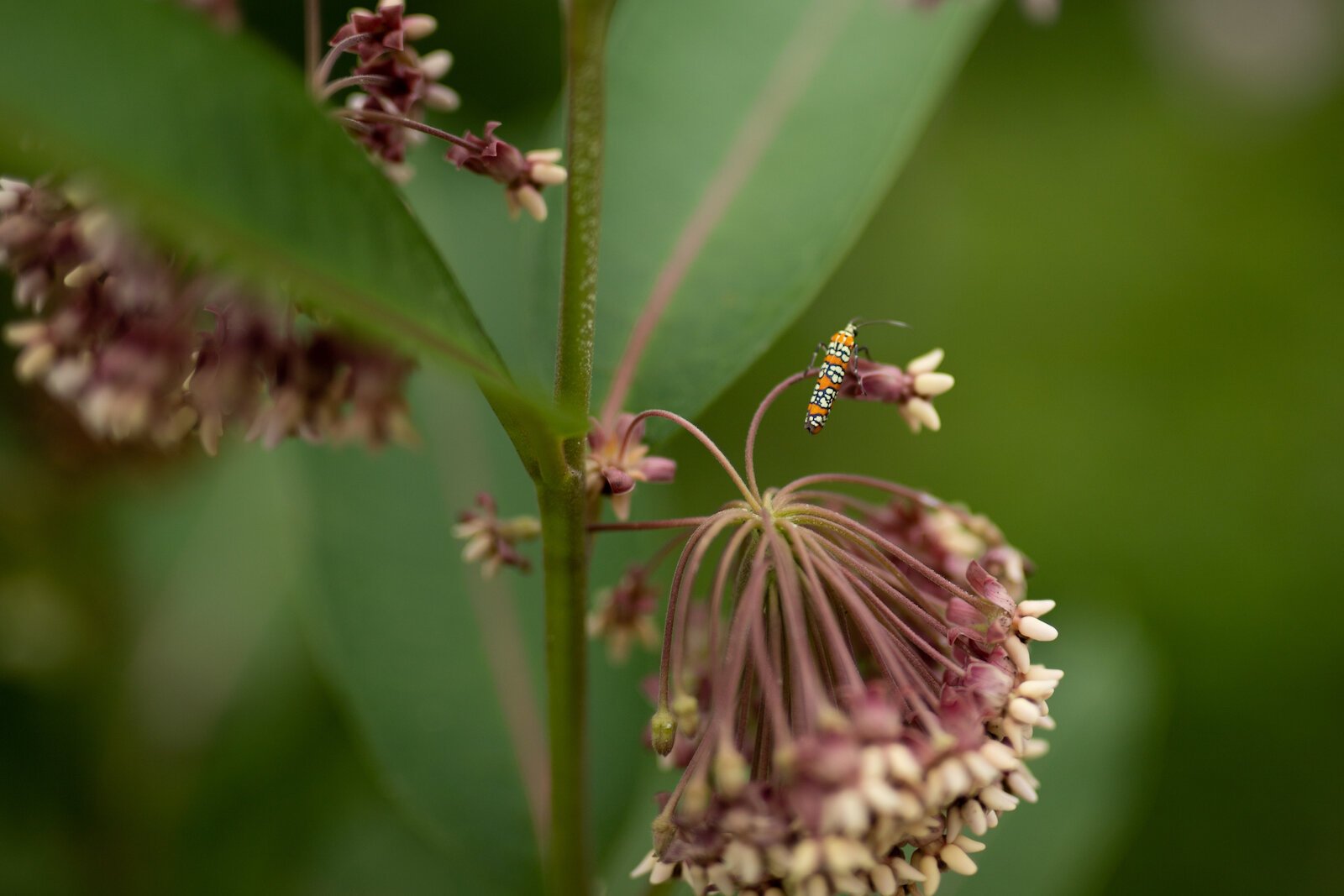
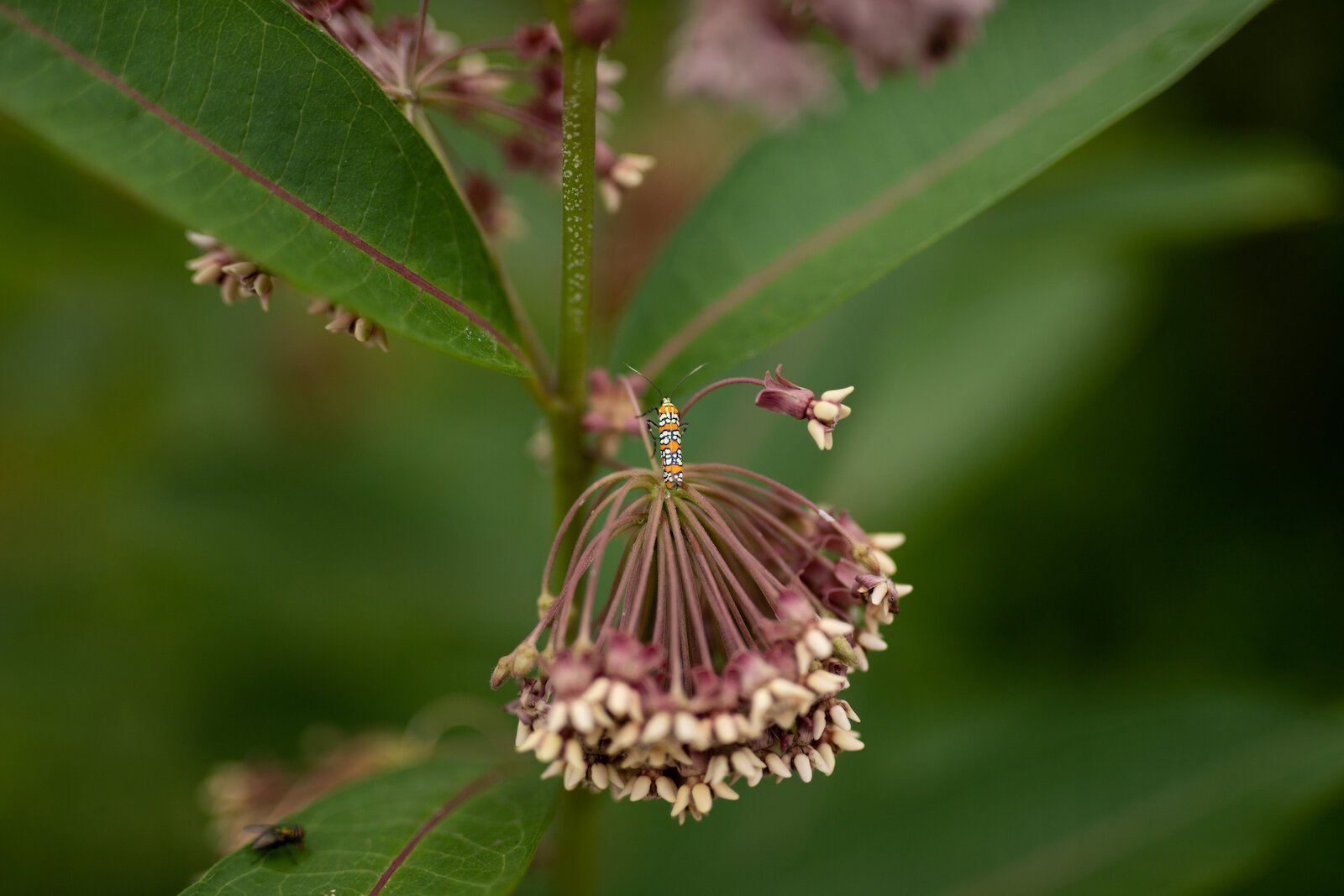
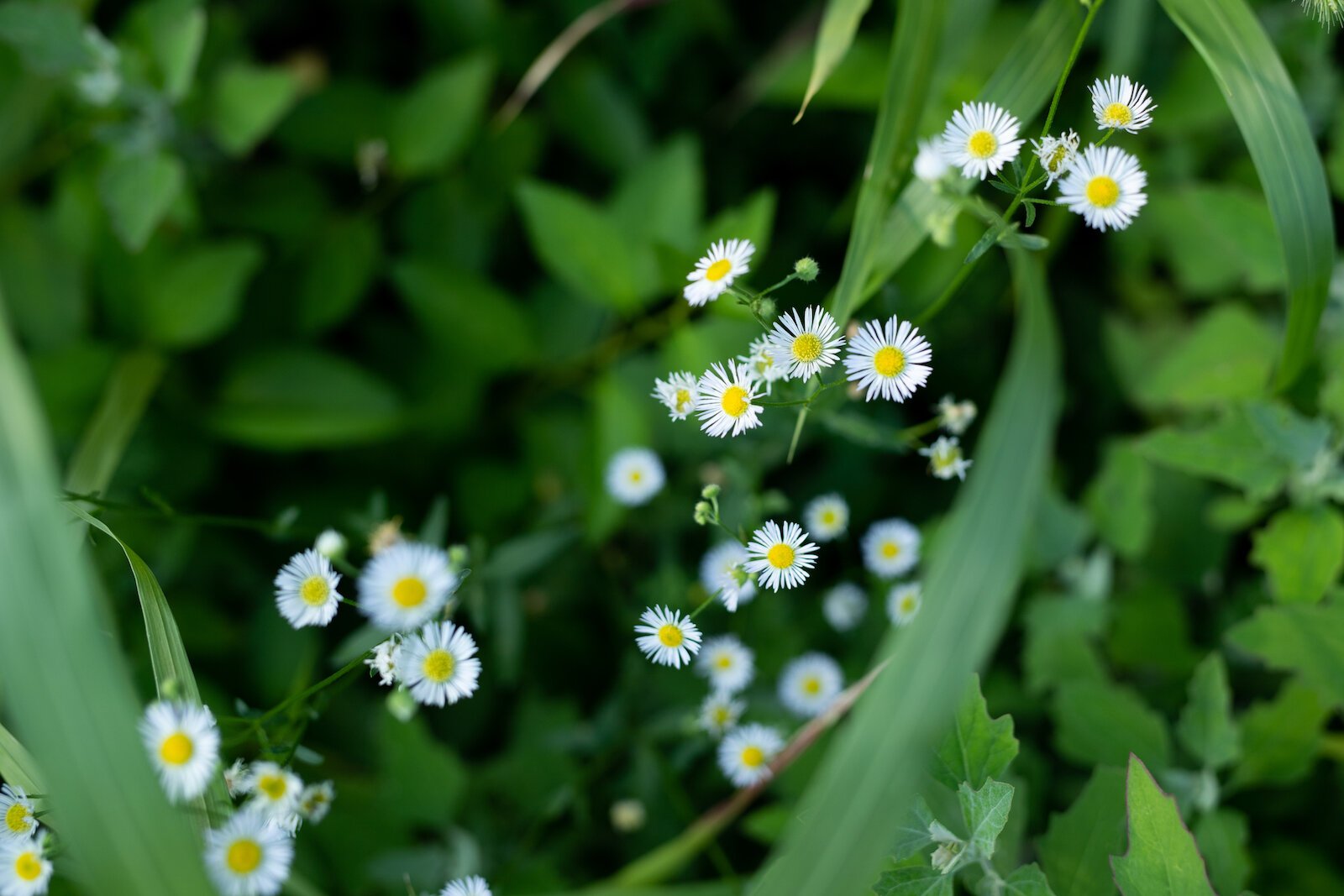
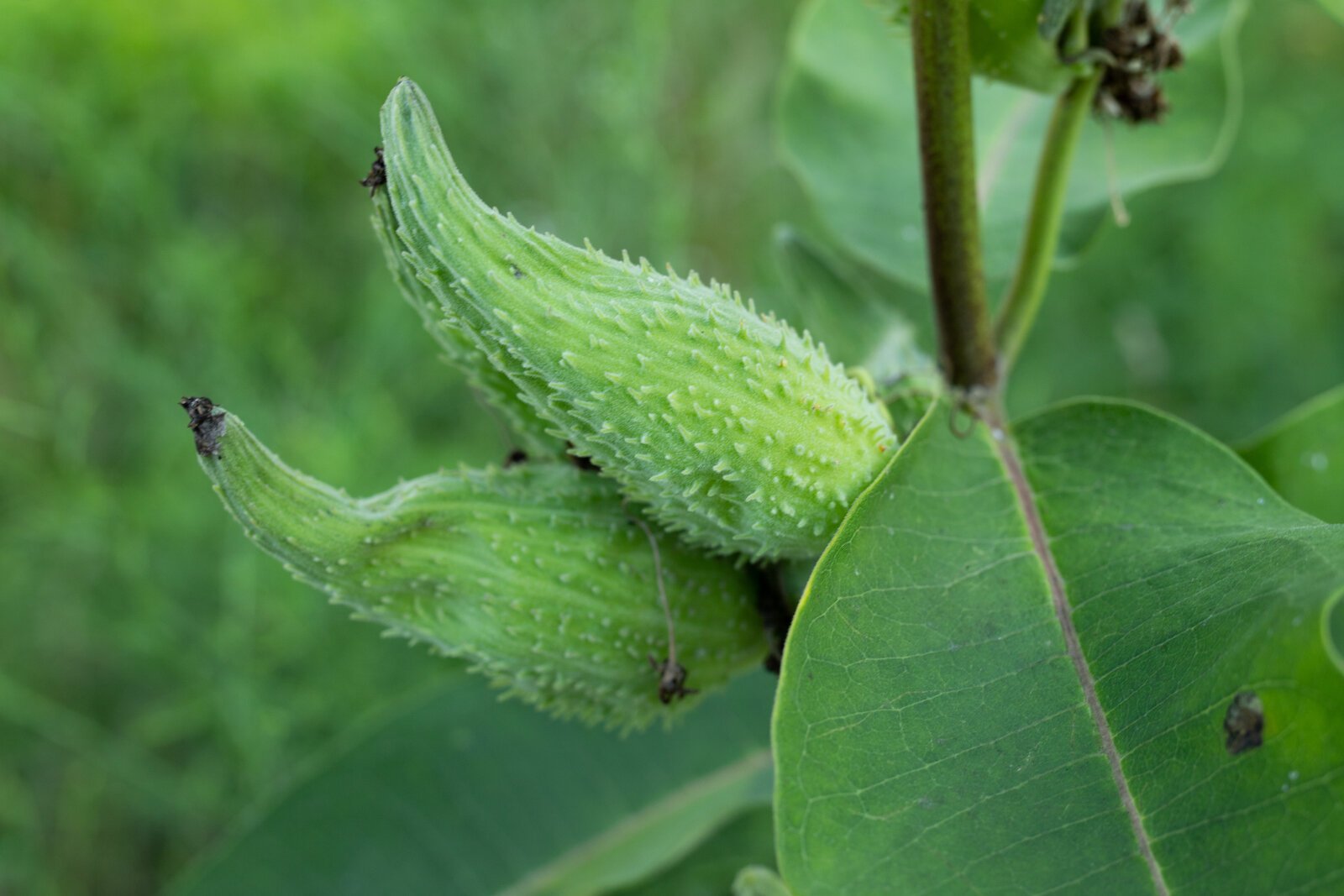
Even so, while this garden arrangement might appear to be unintentional, it is anything but. Hart has strategized to arrange her garden in the most eco-friendly manner possible. That includes making her property habitable for wildlife, both big and small. Because of this, she has been able to certify her property as a wildlife habitat and sustainable garden.
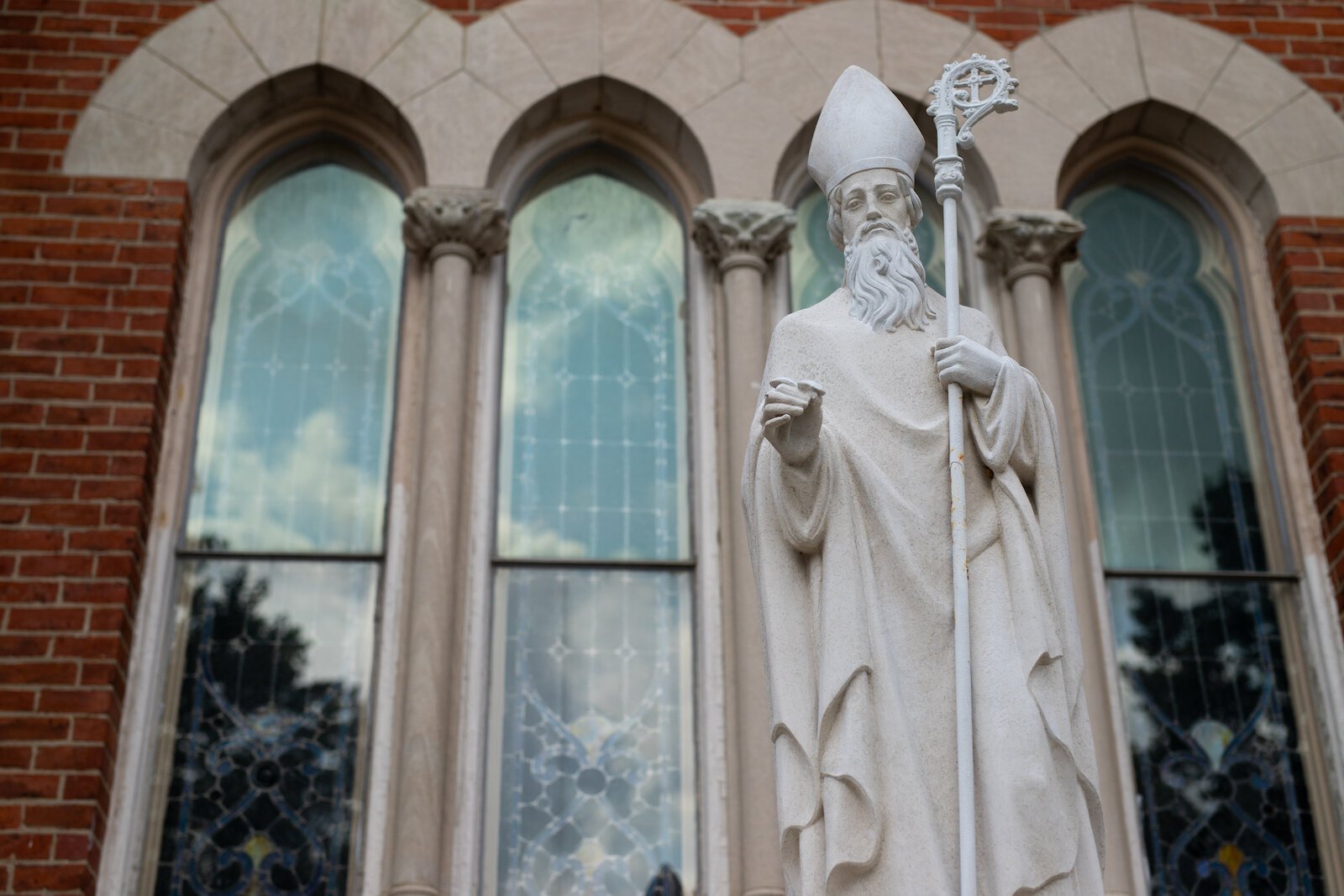
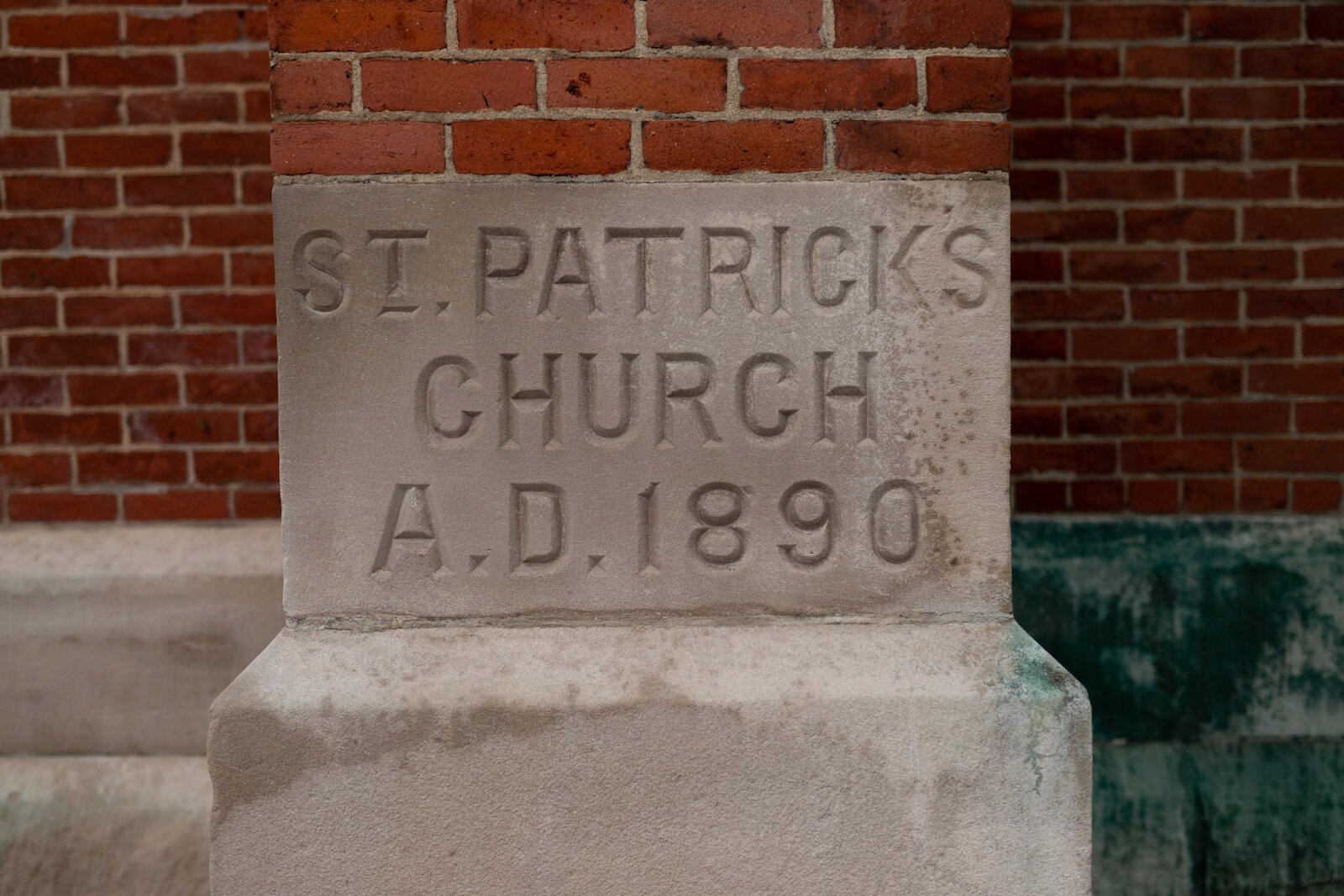
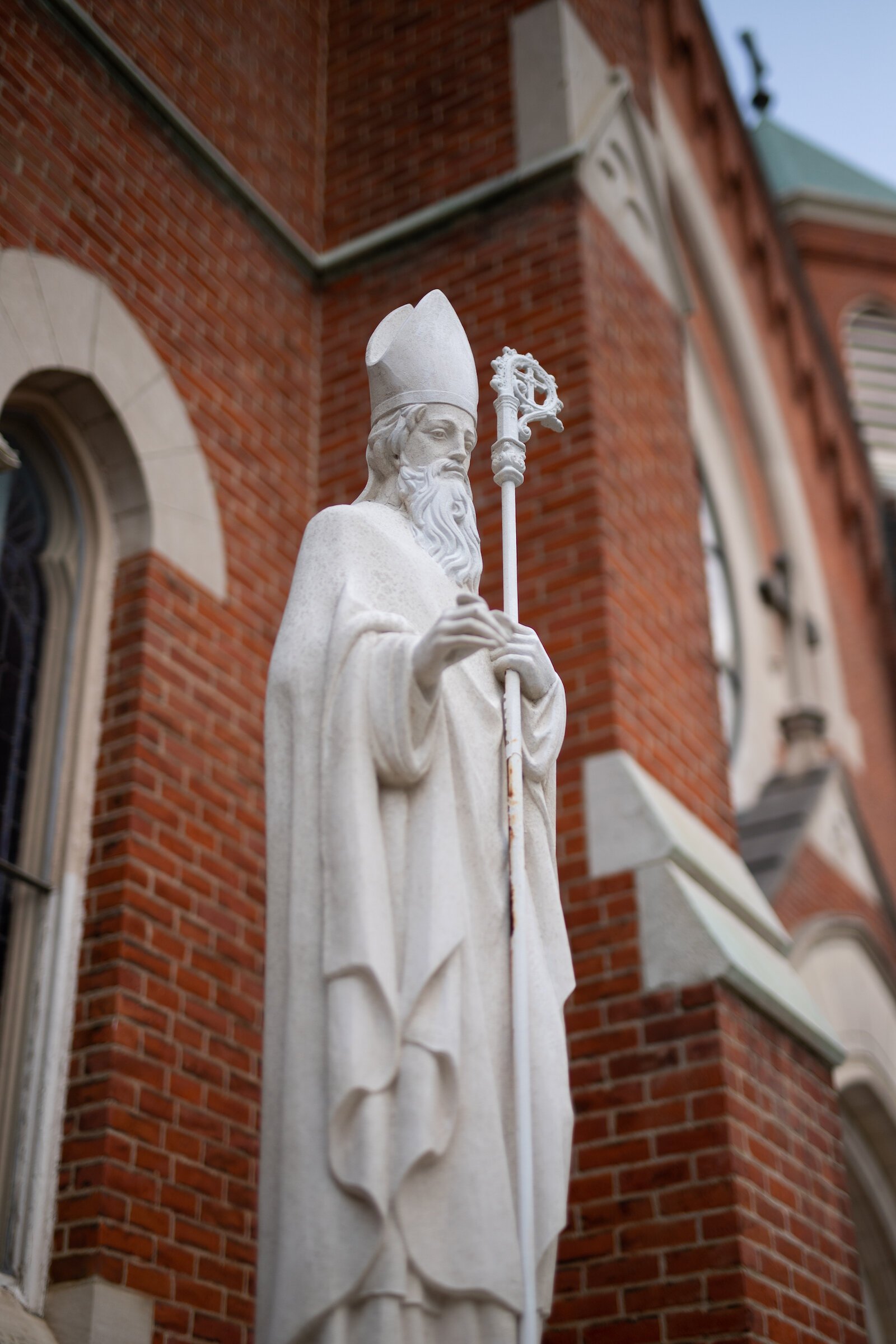
Along with her growing tactics, her mission with Poplar Village Gardens is also rooted in sustainability and mutual aid. Rather than selling food, her urban garden is designed to build community in her neighborhood, giving away healthy produce to her neighbors free of charge as well as her local food bank at the nearby Saint Patrick’s Catholic Church.
In fact, during the COVID-19 pandemic and subsequent food shortages in 2020, Hart used Poplar Village Gardens to grow and donate 1,300 pounds of food to Saint Patrick’s Food Bank. She also partnered with Forward Indiana to bring a mutual aid food pantry to her property, where residents can donate and take food any time of the day or night.
Hart says her mission at Poplar Village Gardens is primarily improving the quality of life in her neighborhood, which has historically had a lack of resources. Just South of downtown near the future Electric Works Campus, approximately 36.6 percent of Hart’s neighbors live under the federal poverty level, based on U.S. Census Data. That figure is 20 percent higher than Fort Wayne’s citywide poverty rate.
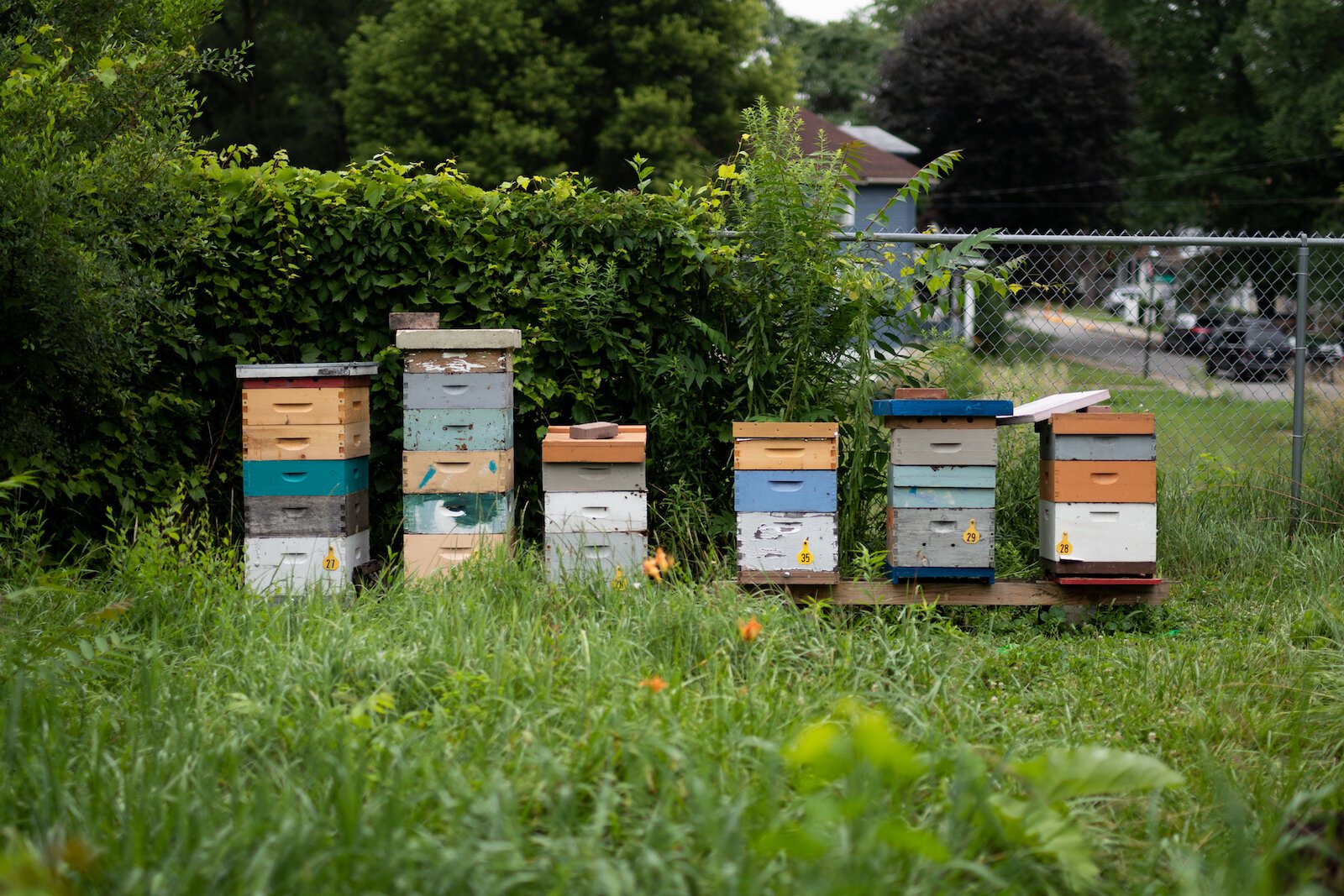
Along with Hart’s residential farm, she also grows food on two satellite lots on Fort Wayne’s South side, where she has the capacity to grow and donate even more food in the future. What’s lacking, she says, are enough volunteers to help her expand her harvesting operations.
Unfortunately, Hart says there are times when perfectly good produce at Poplar Village Gardens goes to seed because there are not enough hands to help her pick it. Unthwarted, she collects and saves the seeds to try again.
“My goal with this was to provide food to the neighborhood,” she says. “But the overarching goal was to build community, so I’m trying to create a space where people can come enjoy nature, get food to eat, and work together if they want to.”
Poplar Village Gardens is primarily funded by Hart and heavily reliant on volunteers. As such, the amount of work she’s able to accomplish directly correlates to how many volunteers she can rouse. If you are interested in volunteering or providing a service to Poplar Village Gardens, email Hart at PoplarVillageGardens@gmail.com to learn more.
We sat down with Hart to learn more about her work at Poplar Village Gardens and what inspires her to serve her neighborhood with an eco-friendly food forest.
DH: While I have always been interested in gardening and in finding ways to contribute to the community, this idea solidified during the process of taking the Urban Agriculture Certificate course through the Allen County Extension Office. Through the class exercises, the parts and pieces of formally structuring an urban farm quickly took shape.
DH: My grandparents were farmers. My parents gardened throughout my childhood, and I dabbled with it in college, and I have gardened on and off since I moved into the neighborhood in 1990. My connection with plants really started to intensify in 1997 when I was going through a particularly difficult time of growth in my personal life. I have always enjoyed nature and growing things, but now, they hold so much joy. Through the pandemic, Poplar Village Gardens became my comfort and an outlet where I could safely interact with others.
IFW: Owning more than three acres of land in an urban setting is incredible. What’s your land management strategy?
DH: Initially, I have been watching the area of land we now call the lower orchard since we moved in. At that time, it housed the Boys and Girls Club of Fort Wayne, but when they vacated it and moved to a new facility, it became a rarely used building that was demolished. I felt that I needed to own that land and keep it from being developed. I had no concrete plans other than that.
When I took the Urban Ag course, I had already started studying permaculture. I was also aware that people’s quality of life improved in numerous ways with the addition of more trees to a neighborhood, so a permaculture food forest made sense to me.
During the process of the course, I began to believe that a community food forest that provides for the neighborhood would be a good way to improve the lives of the people that live here. I was made aware of all of the county lots available throughout the city, so I researched what was available in my neighborhood and started acquiring lots for further garden development.
IFW: How can people in Fort Wayne support your project?
DH: We need people at all skill levels for a variety of tasks at Poplar Village Gardens. There are garden duties, like watering, weeding, planting, harvesting, and distributing. There are record-keeping duties, grant search and writing duties, and project-building duties. We hope to further develop our educational programs to include children from the neighborhood in the food growing process and to teach sustainability. We also enjoy being involved in the Forward Indiana food pantry project, and we need help with stocking and cleaning our pantry.
IFW: What would you say to someone who wants to help, but feels they dont have adequate gardening skills?
DH: There is something for everyone here at Poplar Village Gardens. We are happy to educate people in the things they want to know about sustainable living and growing food. Small time contributions make a big difference here and are always welcome.
IFW: What is Poplar Village Gardens’ greatest need?
DH: We struggle with the person-power to operate such a big project on a very limited operating budget. Volunteer help is a big need, and we are always looking for ways to fund work projects and a full-time position to care for the garden.
Author

Related Articles
#PlacesofNEI: Katey’s Cafe on Berry Street
Katey’s Cafe features a breakfast and lunch menu, as well as a variety of coffees, smoothies and snacks.
Victim Assistance: Extending safety, support, and solidarity for survivors
The Fort Wayne Police Department’s Victim Assistance program provides meaningful support for survivors and their families following a traumatic incident.