Planting seeds for a greener future: Huntington celebrates ‘Oaktober’ with new city forester
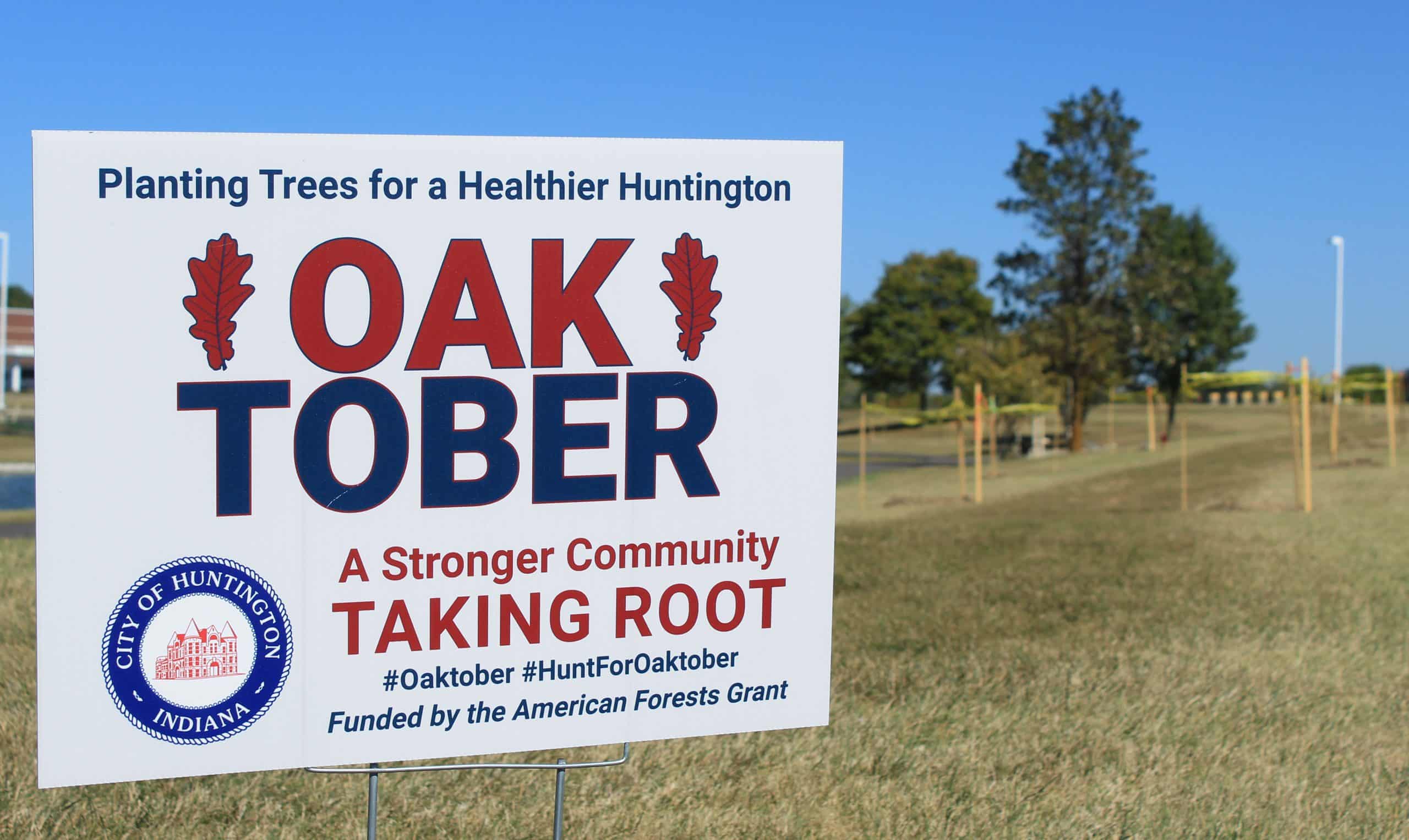
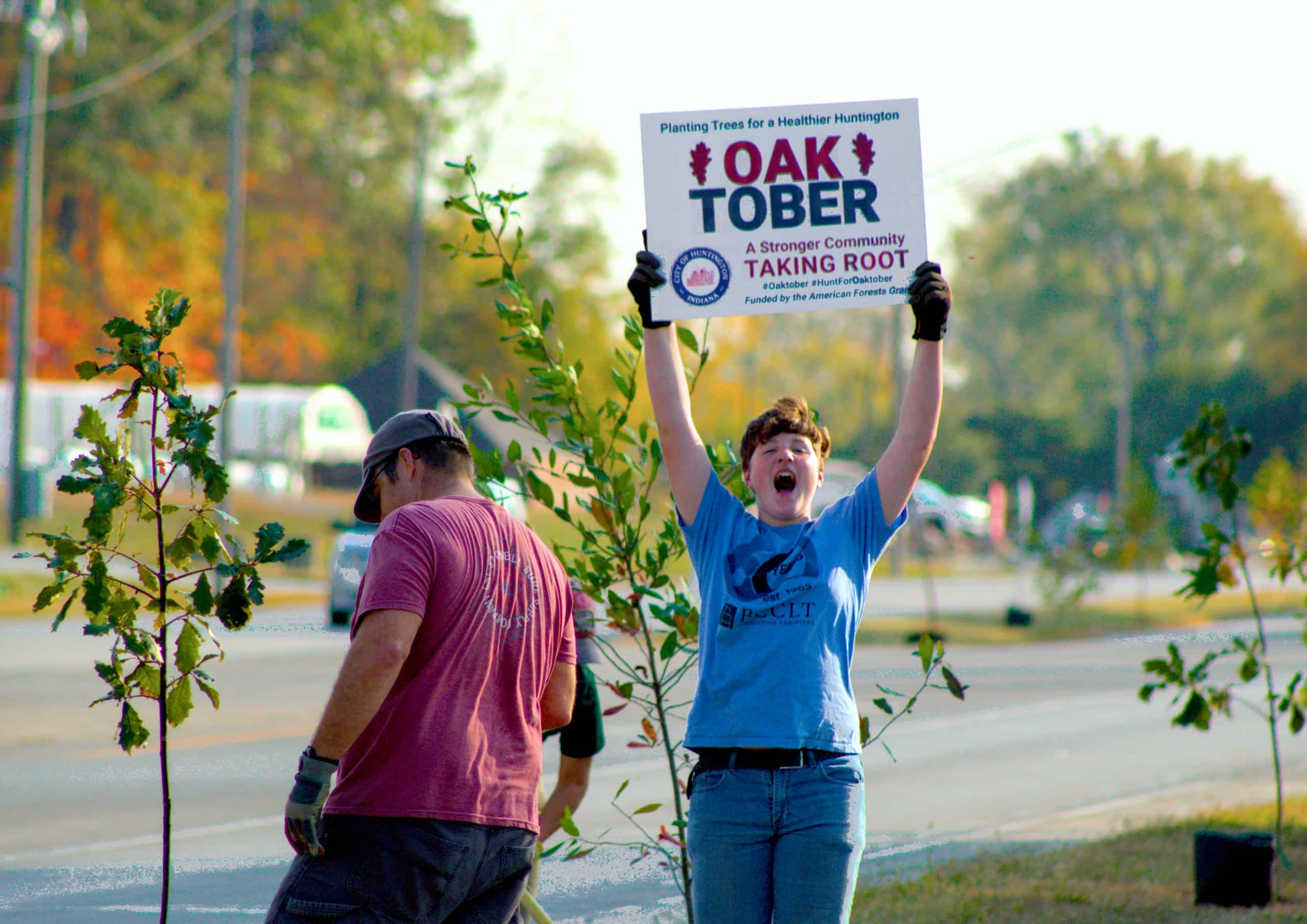
For the first annual Oaktober, Huntington planted 500 trees across the town to boost its urban forest.
Trees play an important role in communities. Beyond their appearance, they are beneficial for maintaining water quality and temperature. In some cities, city foresters are hired to manage and care for trees, but not all cities have the funds or ability to fund such positions.
This was the case for Huntington, Ind., until recently.
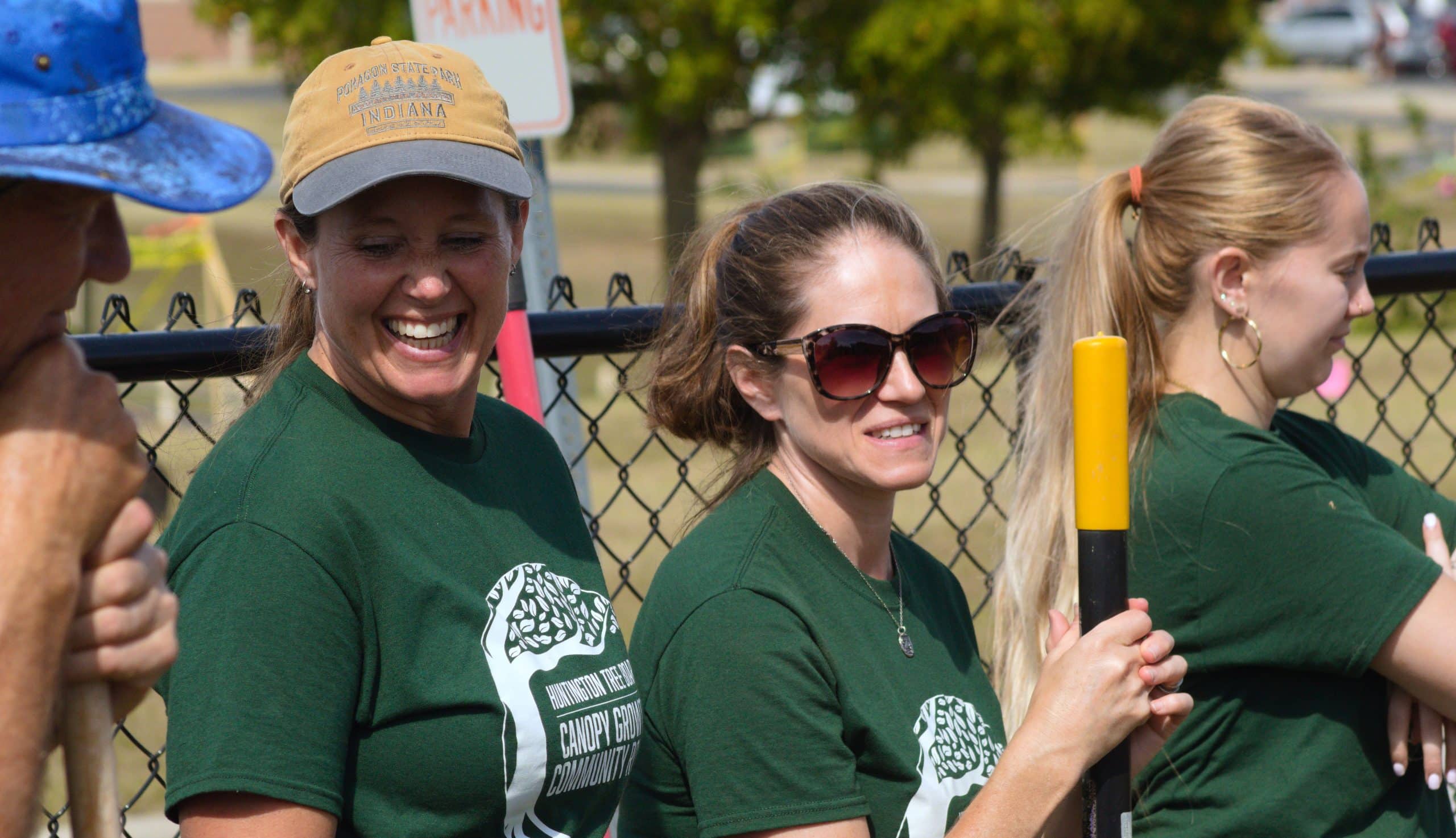
Kathryn Lisinicchia, who sits on the Mayor’s Advisory Council and is president of the Huntington Tree Board, says they were inspired by a 2022 event during which residents of Huntington came out to plant 40 trees in Evergreen Park.
“The uproar of community support from our arboretum shows there’s a desire from the community for environmental stewardship,” Lisinicchia says, adding that her team believes the people of Huntington are open to more environmental progress.
Motivated by that support, the Huntington Council on Environmental Stewardship applied for the American Forests Grant in 2023. At the beginning of this year, the city received word that they were awarded the grant and were able to hire Emily Hayes as the City of Huntington’s first-ever city forester.
Hayes, who used to work for Fort Wayne’s Park and Recreation Department, is now responsible for Huntington’s Urban Forestry Program and the resources connected to it. This includes coming up with programs and events for public outreach. She’s also responsible for maintaining and watering trees planted on public grounds.
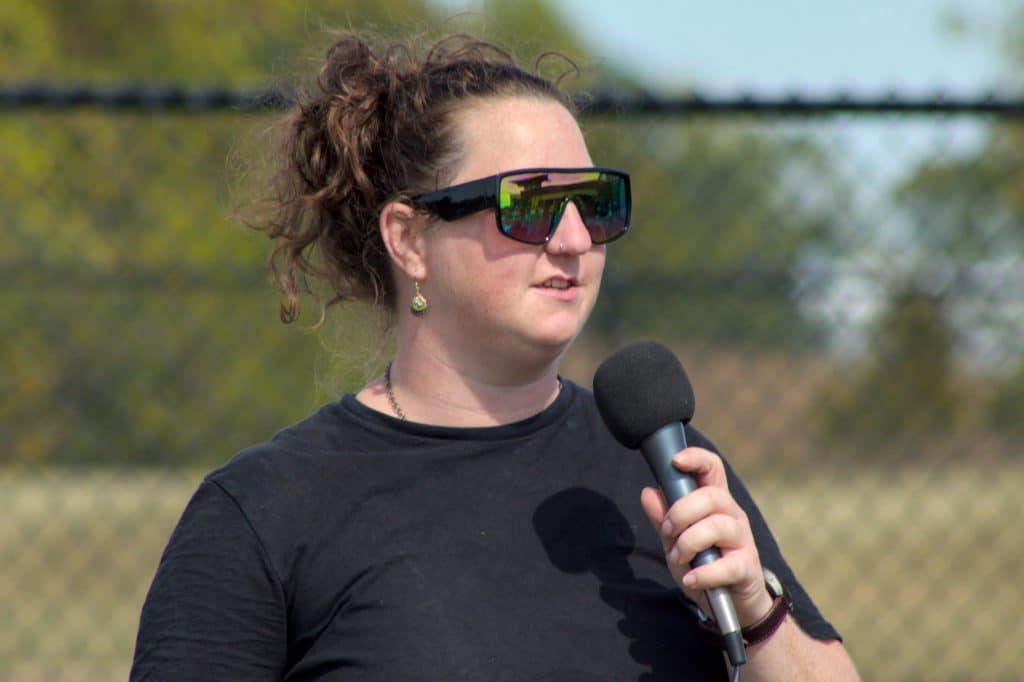
To understand the tree canopy she was responsible for, she took inventory of Huntington’s tree population, giving the city a detailed look at the size, diversity, condition and canopy coverage. Hayes discovered there was an issue with Maple trees – they made up half of the city’s tree population. According to the city’s website, this can be dangerous for ecosystems and make them more susceptible to pests, disease, and climate challenges.
“Almost 50% of [Huntington’s] canopy are maple [trees], so if that were to translate into a pest that were to take away those maples, that’s 50% of our canopy just decimated,” Hayes told WANE 15 during a September interview.
She also found an issue with tree removal.
“There are 96 stumps across the Huntington municipal area, and only seven were removed by the city, stumps that could have been fine and stayed,” she says, noting that it’s required to check in with the city and get a permit before removing a tree. “There’s no one watching the permit process, and I can make sure that doesn’t happen.”
She says she believes these issues show the need for city foresters.
With Hayes leading, Huntington launched their first Oaktober, a tree initiative with the goal of planting 500 trees across the town. The local effort coincides with the work of American Forests, one of the country’s oldest national conservation organizations, as they celebrate their 150th anniversary with the “goal to help at least 100 cities make meaningful progress on Tree Equity by 2030,” as stated on their website.
“Trees provide air purification, water purification, water and soil retention, which, if we utilize (trees) in an urban environment,” Hayes explains. “We can save money, and we can make better impacts with a proper canopy.”
To support this initiative, Hayes started looking for locations for trees. Originally, she wanted to have 500 trees in residential areas, but she says there were not enough community members reaching out to adopt a tree, so they decided that 500, no matter where they were located, would be enough to start making a difference in Huntington’s tree population. She’s hopeful the amount will capture more of the town’s attention.
Switching her focus from residential areas, Hayes found that a lot of walking areas in Huntington lack any tree coverage. Places like the Huntington’s YMCA and Parkview Huntington Hospital, and Yeoman Park were selected because they had available space and had areas where people were frequently affected by heat islands. Urban heat islands are places where infrastructure absorbs the heat, rather than bouncing the heat off, making already warm areas even hotter. Areas with a vast amount of concrete and asphalt and no natural landscape are prone to this effect.
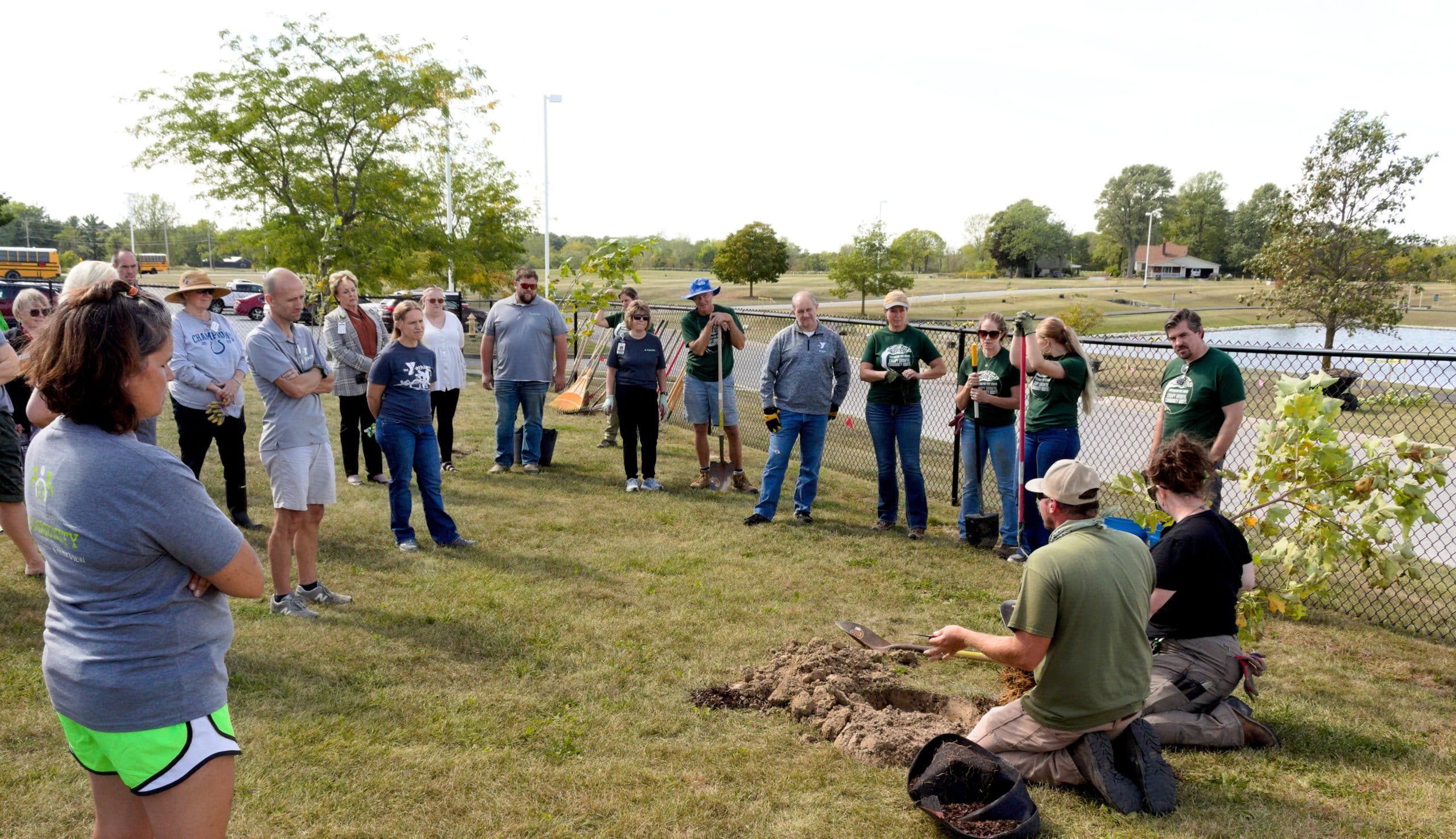
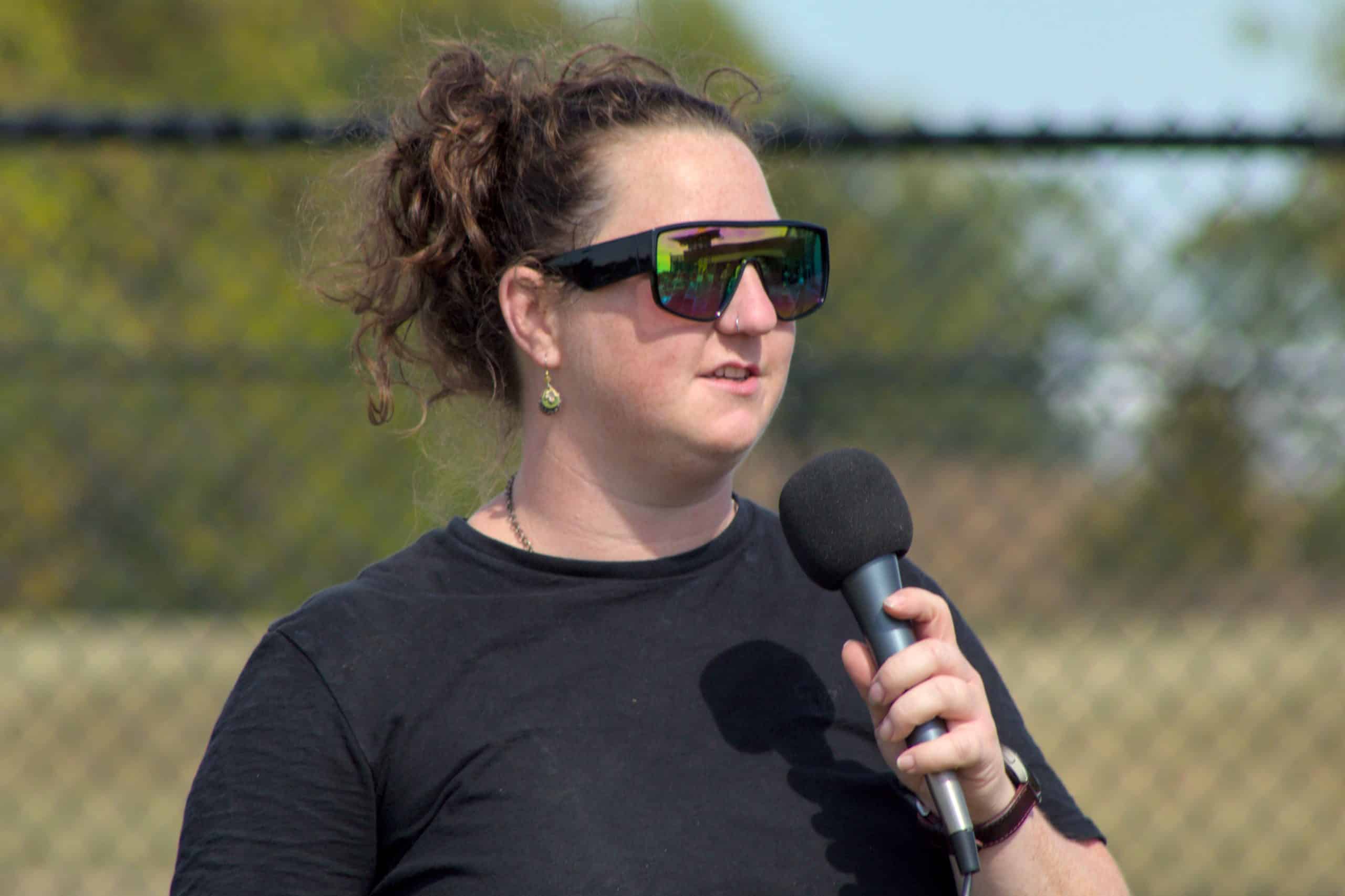
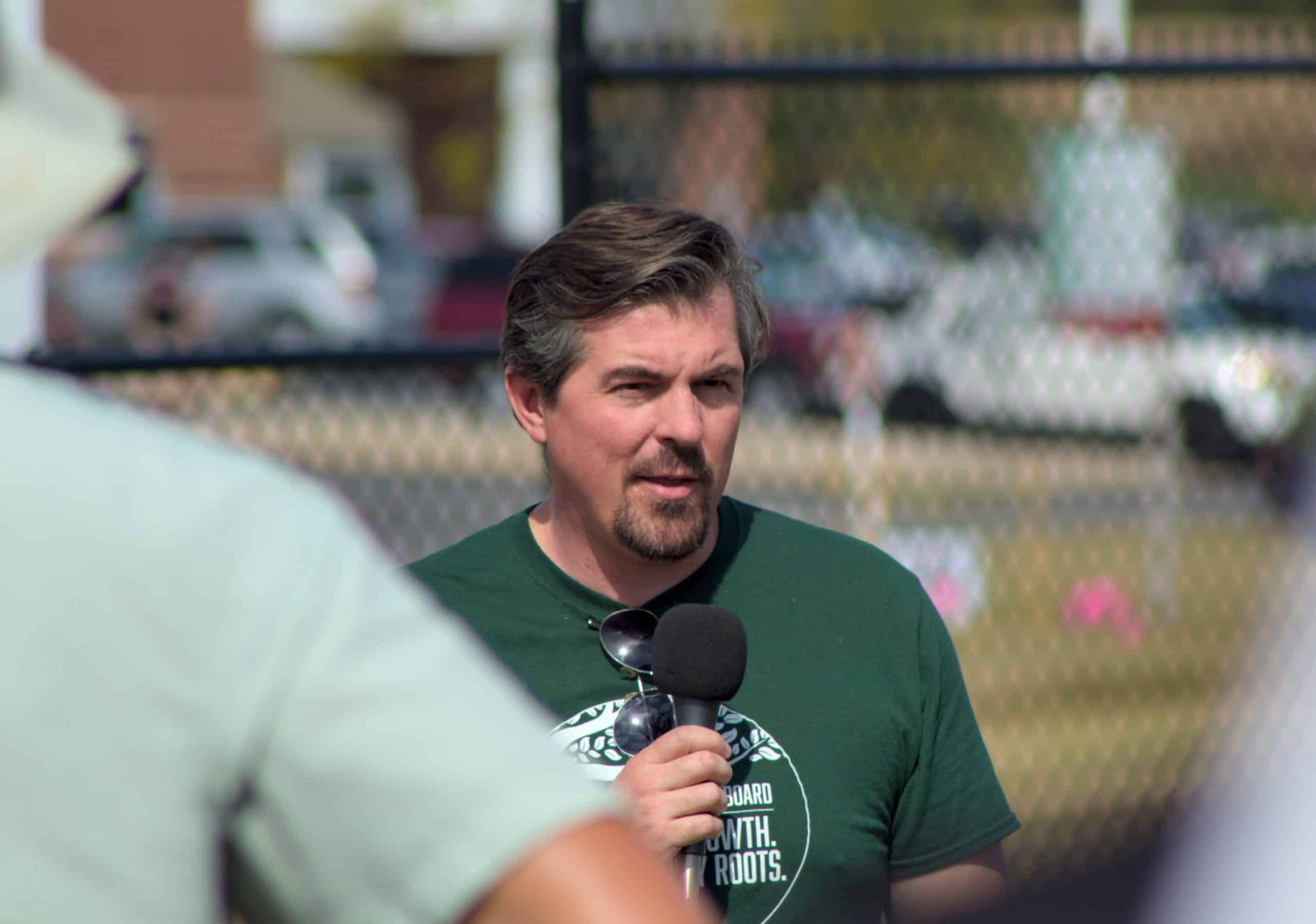
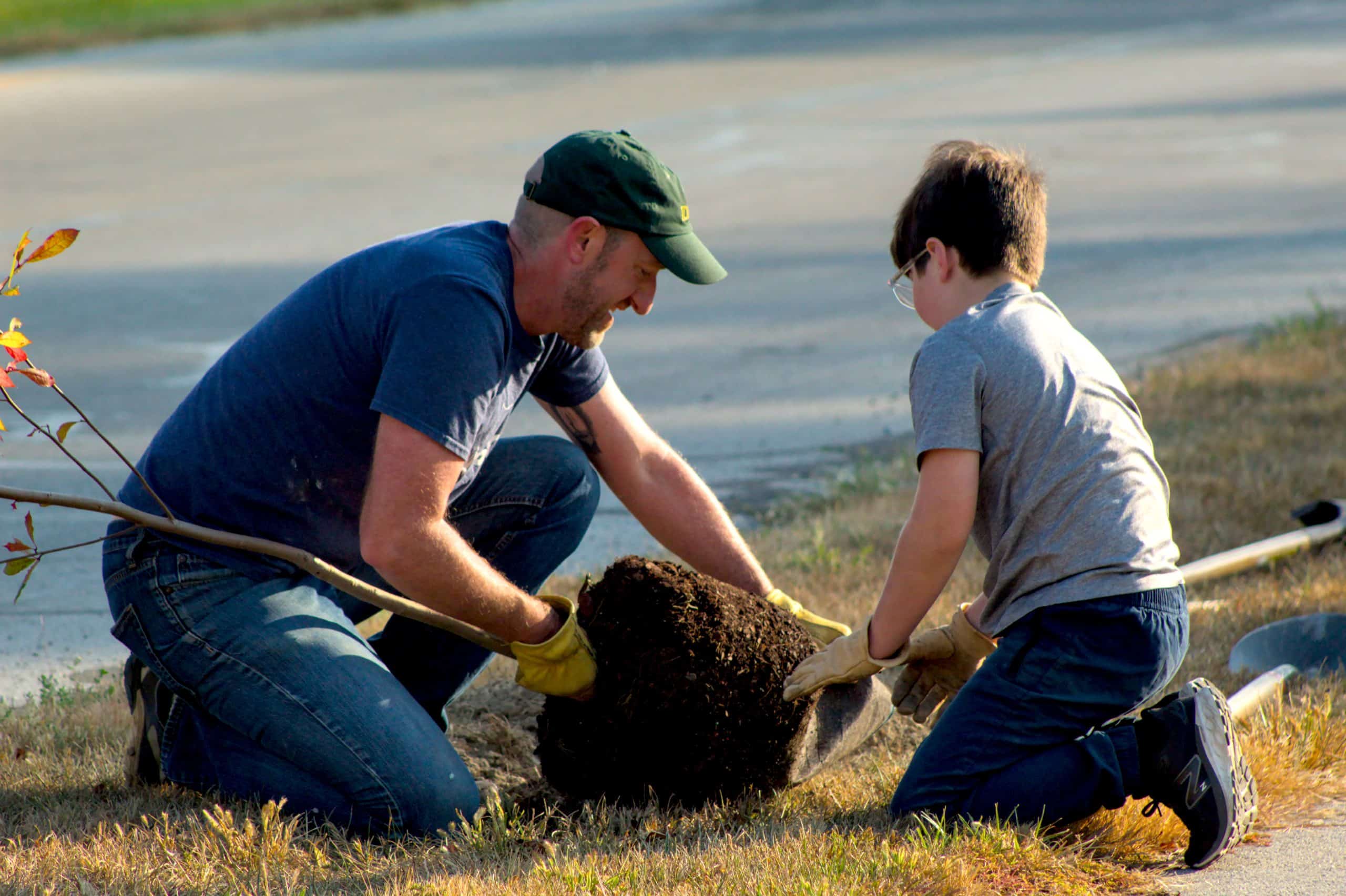
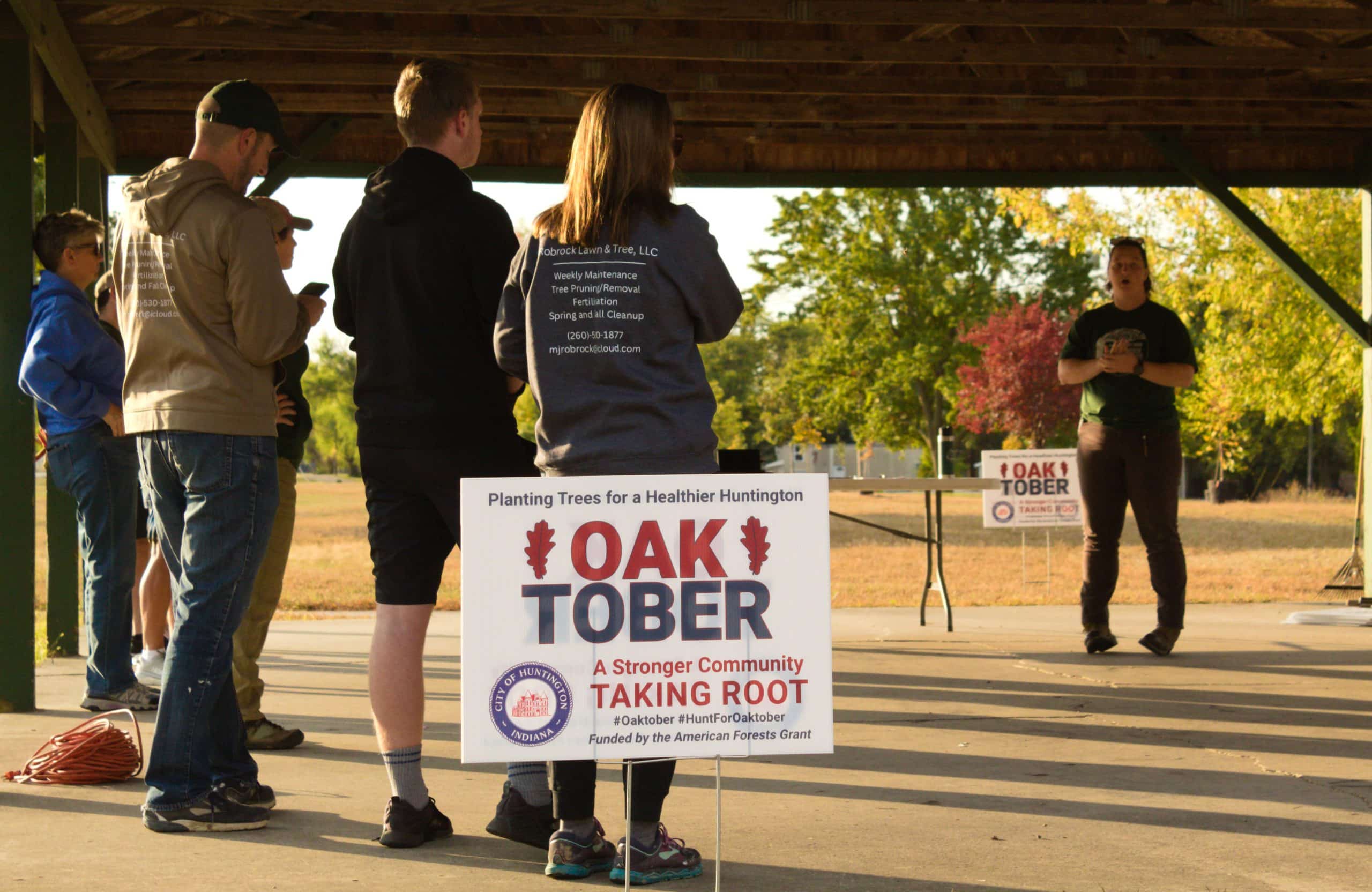
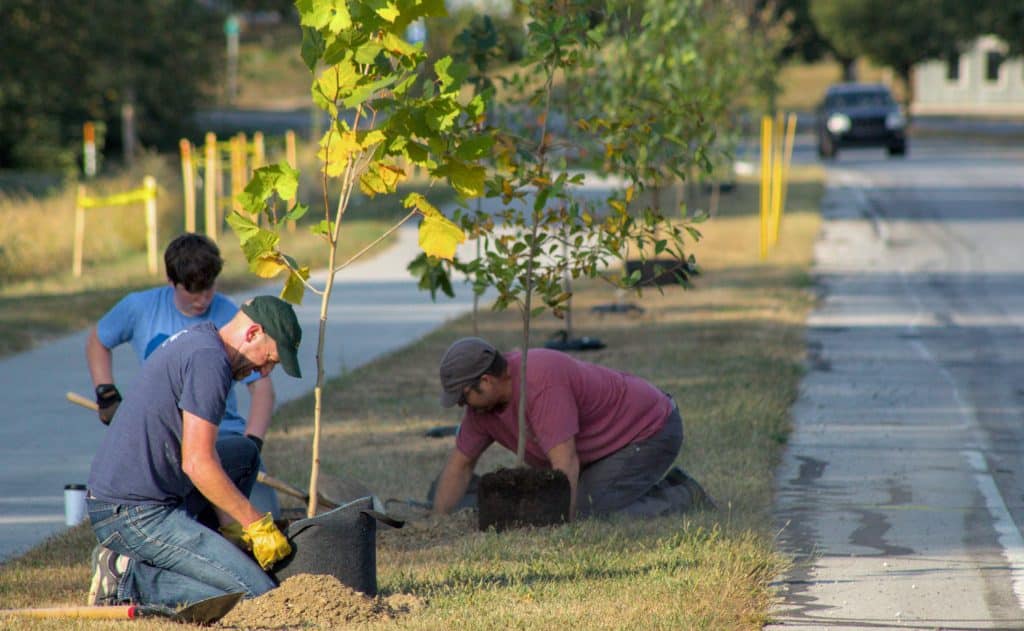
Oaktober officially kicked off on October 1 at Parkview Huntington Hospital and the YMCA Campus. Members of the Tree Board, athletes from Huntington University, and other volunteers planted 72 trees.
At the event, Mayor Richard Strick complimented the initiative, saying it had a great turnout and was well-planned.
“Short-term [goals] are the trees themselves, but the long-term is that we have more folks become aware of the opportunity to work with the city,” he adds.
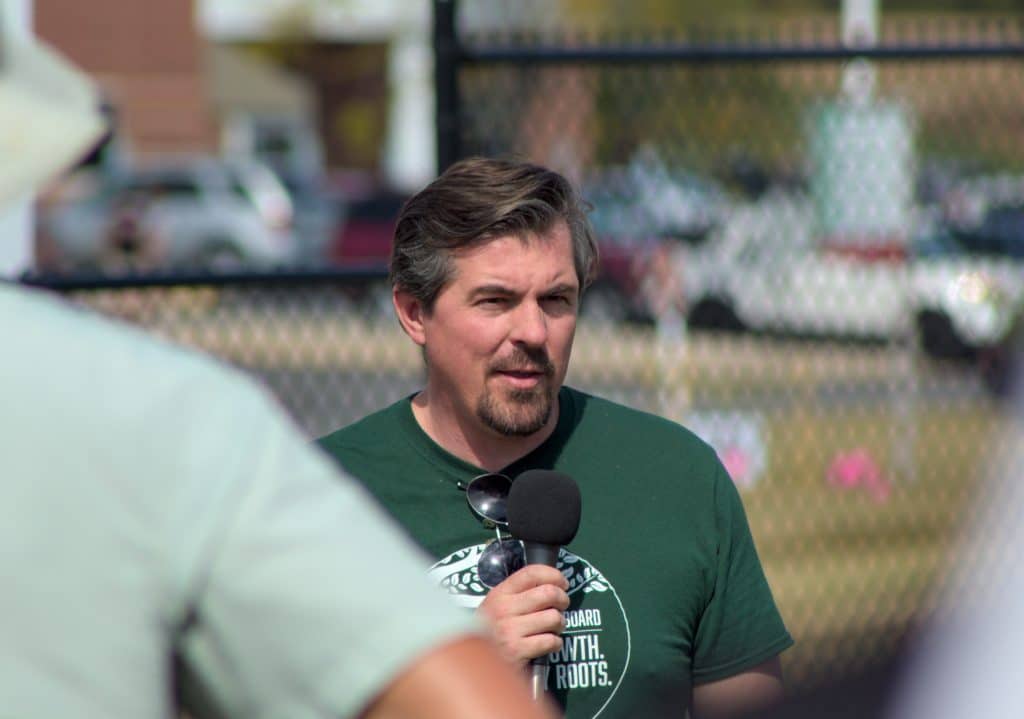
On October 18, the city hosted its second tree planting at Yeoman Park and along the side of Old U.S. 24. They were able to plant 100 trees in Yeoman Park. Afterwards, they hosted two more plantings on October 22 and 25. On October 30, Hayes and others planted the last of the 500 trees.
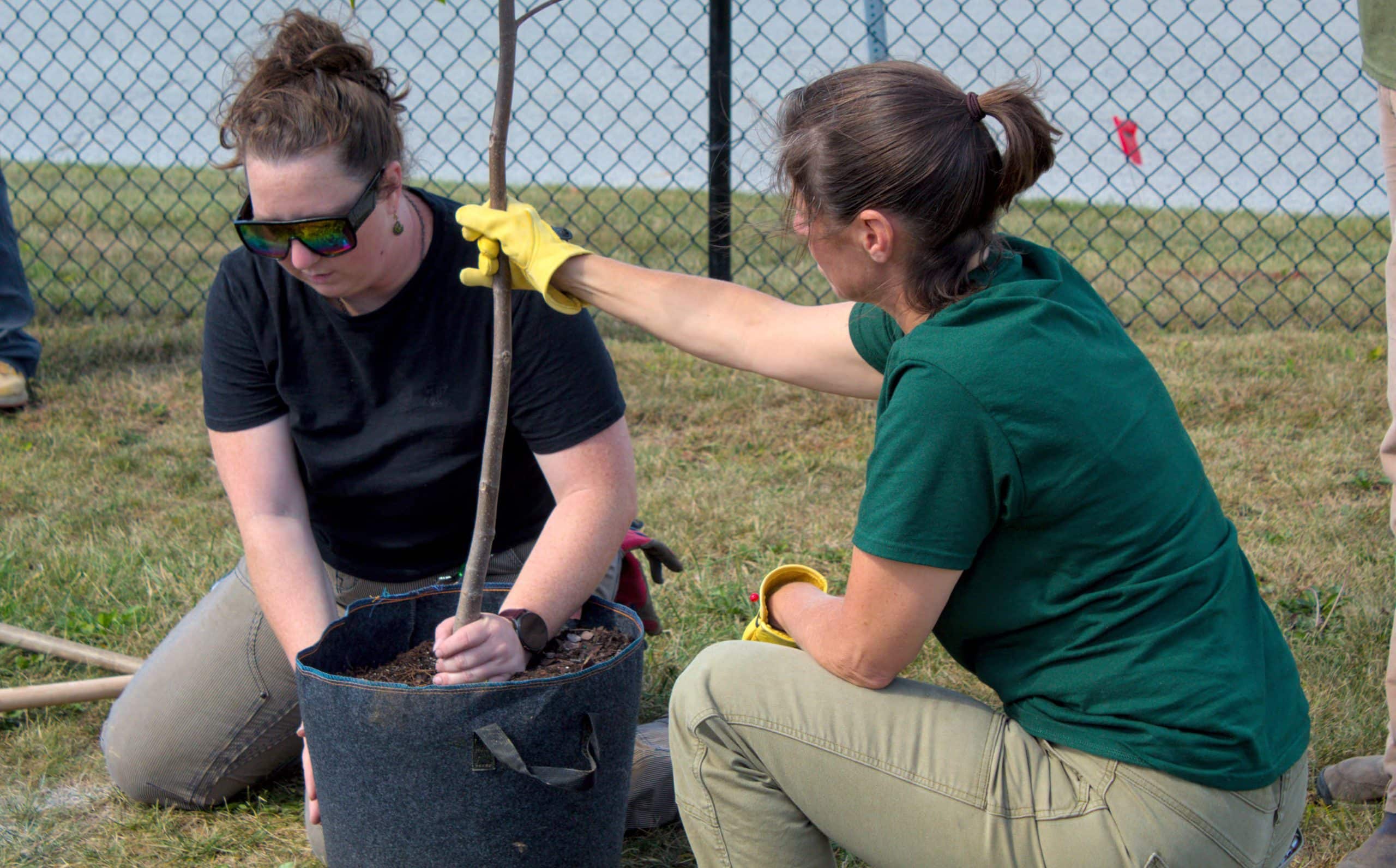
In addition to teaching attendees how to plant new trees, Hays also held a 30-minute class on pruning trees and preparing people on how to properly care for their new trees.
As October and Oaktober draw to a close, Hayes says her focus is on building up Huntington’s own plant nursery, where she’ll be able to grow trees from seedlings to plant across town in the future.
Leaders say the Oaktober Festival will return next year and will become an annual tradition in hopes of diversifying their tree population even more and engaging residents in local environmental stewardship efforts.
Author
Related Articles
Indiana Land Protection Alliance awarded $500,000 in support of conservation work
The multi-year grant is set to transform ILPA’s work in preserving Indiana’s landscapes and supporting land trusts.

Creativity and collaboration are making climate education more accessible
Climate-change themed board games developed by a Fort Wayne resident and a global team invite people to take the first step toward sustainable living.
Opinion: Participate in the public process, invest in our community’s well-being
For the greater good, Fort Wayne resident Kimberly Koczan wants fellow community members to ask questions and demand answers when it comes to the Google Data Center.