
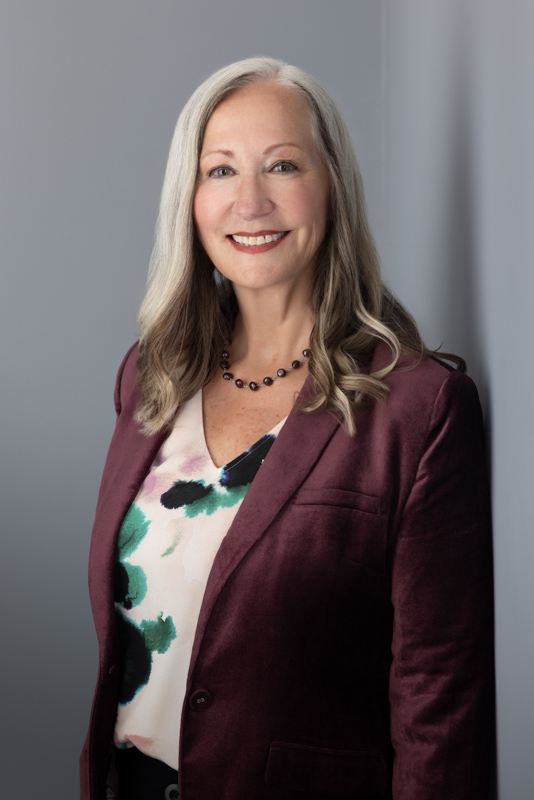
Meet Dottie Davis, a domestic violence survivor who’s challenging men to break the silence
Dottie Davis’ newly released book, “STRANGLED: A Survivor’s Plea To Men Who Look The Other Way,” is a culmination of her advocacy work.
Dottie Davis is a trailblazer, advocate, survivor — and most recently— an author whose life’s work has been dedicated to breaking cycles of violence and empowering others to find hope and healing.
But before she stepped into these identities, Davis was a young lady living under the strict rules of a father who believed in rigid gender roles.
“Boys could do anything, and girls could be a mom, a teacher, or a nurse,” she says about her upbringing.
Despite these limitations, Davis charted her own path, pursuing a career in law enforcement in Fort Wayne at a time when women were still a rarity in the field.
“We were like test tube babies,” she says, alluding to the experimental nature of women entering the profession at the time.
According to Davis, when she joined in 1981, only five women were on the force. At the time, female officers had only been riding in squad cars for six years nationwide. Even so, Davis rose through the ranks, becoming the first female director of the police academy and the first woman from her department to attend the FBI Academy in Quantico, Virginia.
“I had some really great things happen in my career,” she reflects. “But I also had some pretty negative things that could have derailed it.”
Among those challenges was her experience with marital domestic violence, a deeply personal struggle that would later prompt and shape her advocacy work. Davis endured abuse at the hands of her husband, who was also a police officer at a different agency.
“He was the father of my child, and I really did love him,” she says. “I was raised in a Catholic household where vows of marriage are forever, and I truly believed that if I could just change and do everything right, there wouldn’t be any violence.”
Reporting her abuser brought additional scrutiny and stigma, especially within the law enforcement community.
“When you report another officer, there’s a huge division,” she says. “People view it as if you can’t take care of yourself in your own home, how can you be trusted as backup on the street?”
Through counseling and support from her family and local organizations like the Center for Nonviolence, Davis says she found her way to healing.
“I had a female sergeant who named it,” she says, referring to her experience with domestic violence. “I hadn’t defined it. I truly believed I was the cause.”
Today, Davis is a global speaker and advocate, sharing her story to inspire change. Her work focuses on violence prevention, suicide prevention, and engaging men to be part of the solution. According to her research, 85% of reported domestic violence cases involve men as perpetrators.
“I can keep talking about it, but until I can get men to stand up and say, ‘This is not acceptable,’ we won’t see real change,” she says.
Released on March 8, International Women’s Day, “STRANGLED: A Survivor’s Plea To Men Who Look The Other Way,” aims to challenge societal norms and encourage accountability among men. She offers simple ways they can make a difference, but first invites them to look behind the curtain at what women face — at home, on the street, in offices — and even within law enforcement. The final chapter is a call to action, giving readers three distinct ways to intervene without putting themselves at risk.
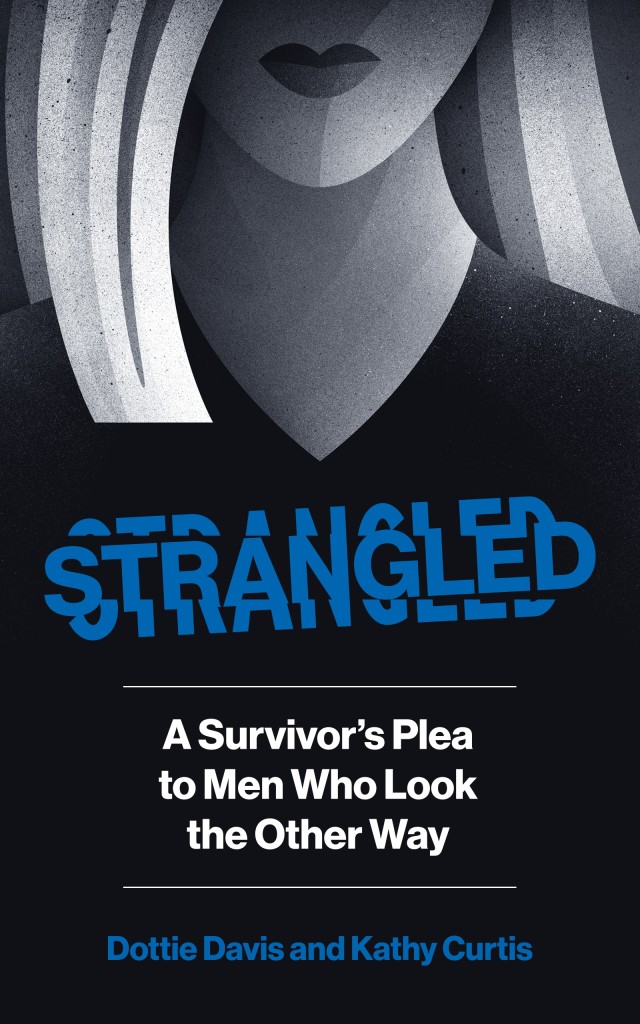
“When I told my co-author [Kathy Curtis] that I was writing this for men, she was shocked,” Davis says. “She assumed it would be for women, for survivors. But I told her, ‘I want men to pick this up and realize they have a role to play in ending this.’”
To that end, Davis frequently meets with men’s groups, including fraternities and community organizations, to encourage them to become allies. She also works with law enforcement and other professions to address systemic issues, including police-perpetrated domestic violence.
“We call it ‘officer-involved domestic violence,’ which minimizes the severity of the crime,” she says. “Why aren’t we calling it what it is — police-perpetrated domestic violence?”
Challenging the status quo, Davis has been instrumental in pushing for policies, training, and accountability within law enforcement. Her work extends beyond domestic violence to include suicide prevention and addressing violence in institutions like the military and clergy.
“These professions attract people who abuse power,” she says. “We need to have these conversations and hold people accountable.”
Despite the heavy nature of her work, Davis remains hopeful.
“If I can share my story and it resonates with one person in the room, then it’s all worth it,” she says.
Author

Related Articles
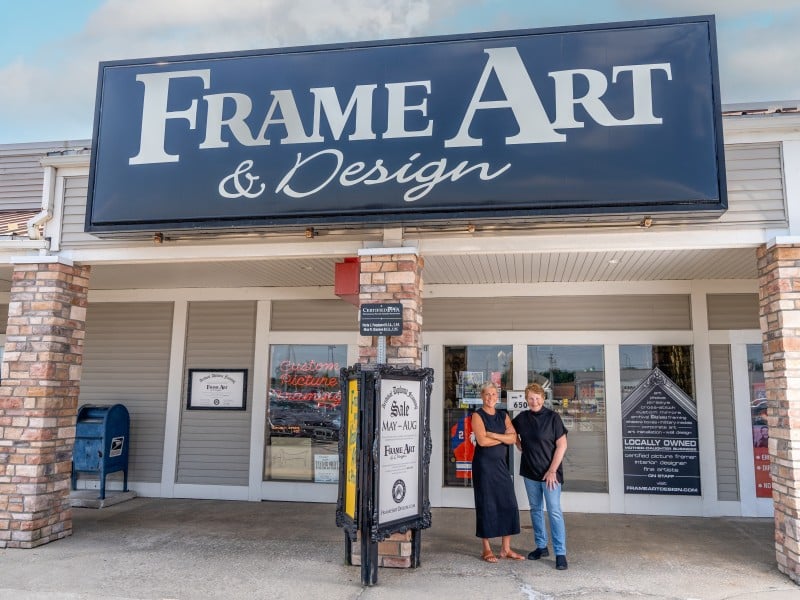
Frame Art & Design celebrates 30 years of business
Frame Art & Design is celebrating more than 30 years of expert framing and fine art services.

Q&A with House of Pins’ Co-founder Sarah McMillan
Following a devastating loss, Sarah and Jason McMillan committed themselves to creating House of Pins, a space where everyone is welcomed, accepted, and valued.
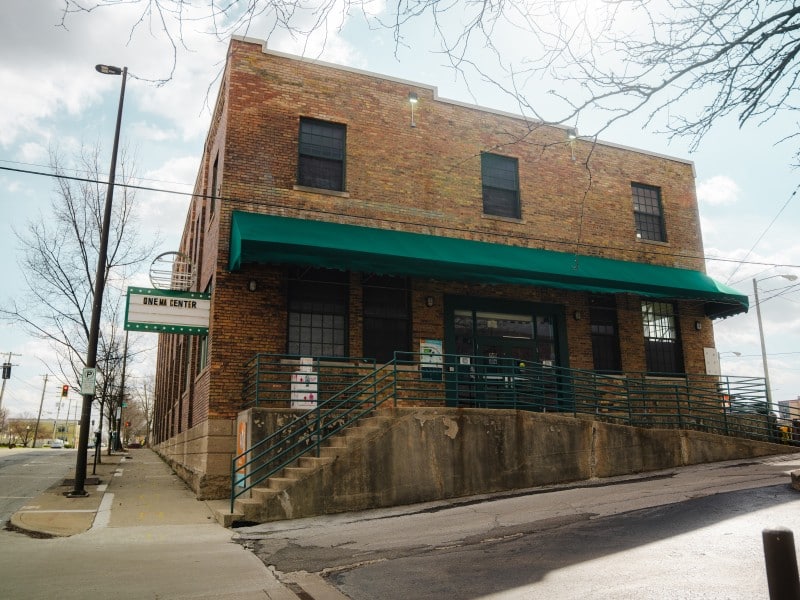
The Cinema Center: Fostering community and conversation through film for 50 years
To celebrate its anniversary, the Cinema Center is aiming to raise $100,000 to repair and upgrade the theater in downtown Fort Wayne.