Creating a safe space to learn about immigration
A local legal clinic plans to help immigrants and non-immigrants alike learn about policy and share stories.

As immigration policies in the U.S. change week by week, immigrants and non-immigrants alike are often at a loss for accurate, up-to-date information.
Now, a group in Fort Wayne is addressing this lack of information in a safe space for listening.
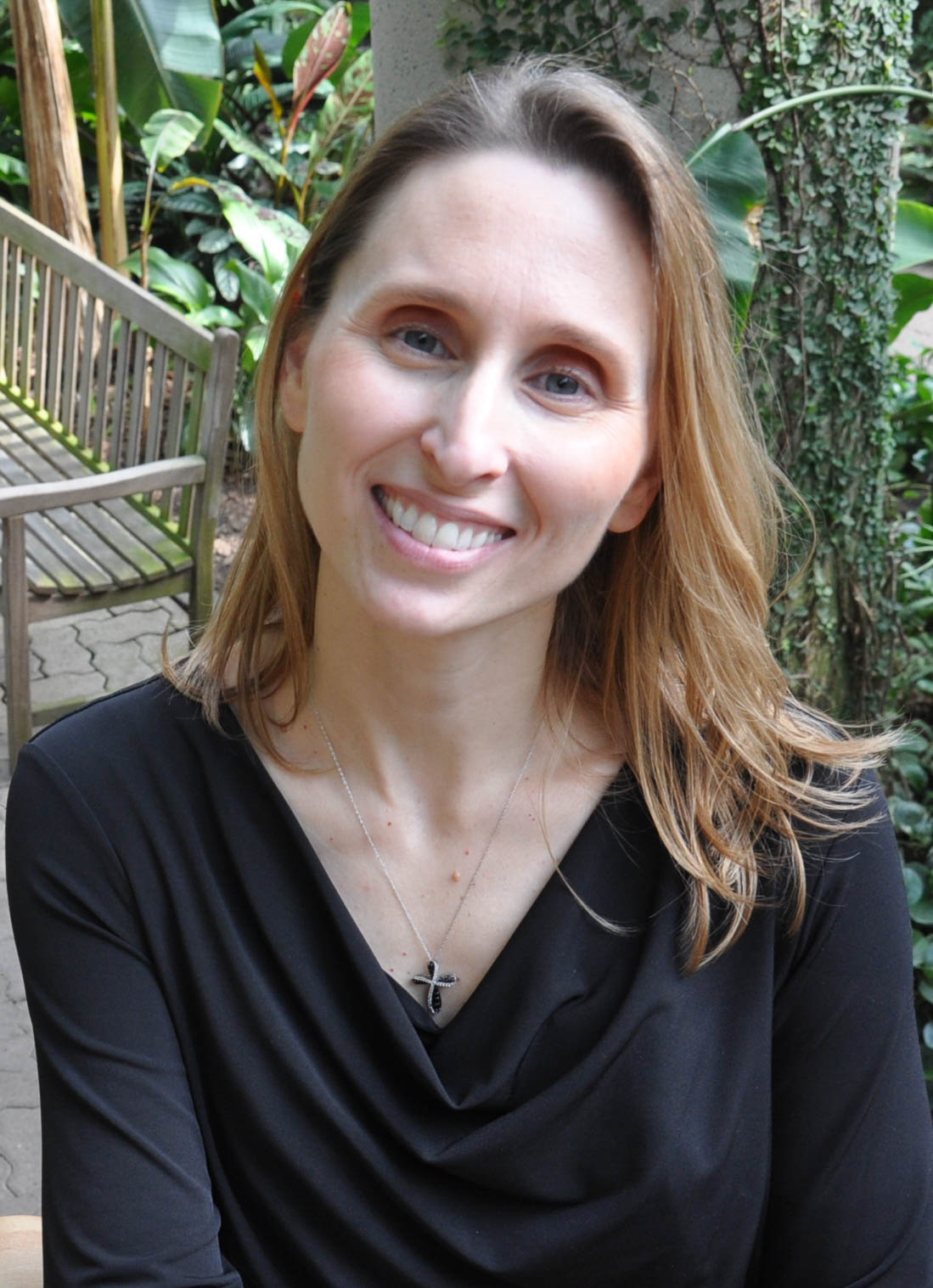
Laura Pontius, a local immigration attorney, is spearheading an effort with the Neighborhood Christian Legal Clinic, a faith-based organization that offers free legal services to low-income families regardless of religious association.
The Clinic has offices in Fort Wayne and Indianapolis and provides services statewide.
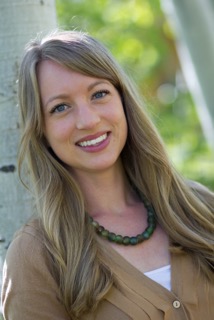
Desiree Koger-Gustafson, Director of the Fort Wayne office, says that while immigrants are one of many populations the Clinic serves, they do make up a large portion of its clients.
“We have always been neighborhood-focused,” Koger-Gustafson says. “That’s why it’s part of our name. We’re taking resources to the people—many of whom have difficulty finding transportation.”
The Clinic primarily works with income-qualified clients earning up to 125 percent of federal poverty level, or roughly the equivalent of $30,000 a year for a family of four.
With Pontius’s help, they’re hoping to expand their current services with outreach in the form of public workshops about immigration law and policy at local churches.
Pontius says they are in the process of working with churches to plan two types of workshops.
One type will focus on providing immigrants with up-to-date information about their legal status, including topics ranging from knowing your rights, to DACA (Deferred Action for Childhood Arrival), to how to apply for U.S. citizenship.
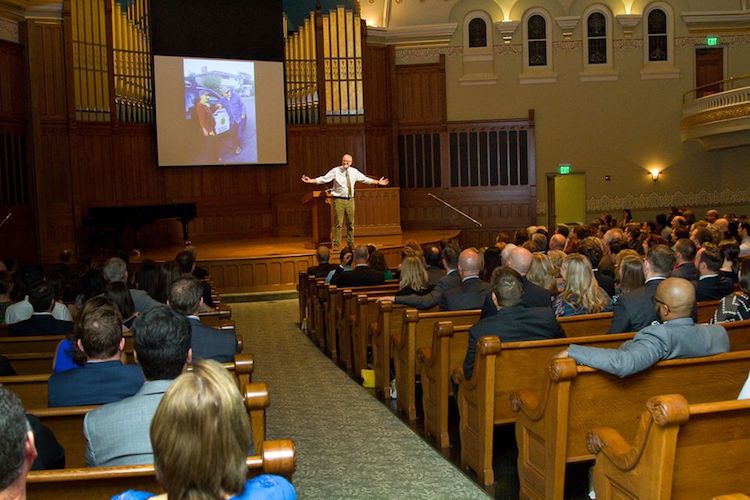
Another type of programs will help non-immigrants learn who immigrants are and what their needs look like in northeast Indiana.
“The more information we have on both sides, the better off we are in the dialogue,” Pontius says.
While the Clinic has already established strong relations with local Catholic and Protestant Christian churches, Pontius says they’re open to working with churches of all types that want to provide a “sanctuary” or safe space for discussing immigration.
Last fall, the Clinic hosted a workshop for immigrants at IPFW and had low turnout. She’s hoping that hosting meetings in churches will help immigrants feel safe and welcome to join the conversation.
“By and large, churches are a refuge to people coming from hard places and hard life situations,” Pontius says. “Our hope is that the immigrant community feels they can walk into churches, be accepted, and not feel threatened.”
Raul Perez, a local Dreamer, has seen the need for a safe space for immigrants to ask questions about applying for legal status.
When he was applying for DACA, he noticed several scams seeking to overcharge immigrants thousands of dollars for basic legal services.
Just in March, an Indianapolis attorney pled guilty to charging more than 250 clients $3,000 each for fraudulent visa applications.
Having accessible counsel from places like the Neighborhood Christian Legal Clinic could help.
“A lot of people are looking for immigration services, and there are a lot of scams out there,” Perez says. “It’s always better if you have an attorney or a legal presence you can trust.”
***
For Pontius, an interest in immigration services began several years ago when she heard immigrants’ stories for herself.
She was teaching English as a Second Language in grades K-12 at a school district in Wyoming, and an aspect of the job she loved was running a free literacy program for families at a local community college.
“That really helped me learn about the family experience of immigration and the impact of immigration law and policy on the family unit,” Pontius says.
Almost every night after class, she had a line of people waiting to ask her questions about confusing immigration documents—a notice from immigration court, or a letter from U.S. Citizenship and Immigration Services.
“They would hand them to me, and say, ‘What does this mean?’” Pontius says. “I didn’t know, but I wanted to.”
The experience inspired her to figure out the legal side of immigration in law school.
A few years later, she graduated from the University of Wyoming College of Law with honors, and eventually moved to northern Indiana, where she met Koger-Gustafson.
In her practice, Pontius has represented individual clients and corporations from more than 20 countries in immigration matters before the U.S. Citizenship and Immigration Service, U.S. Customs and Border Patrol, U.S. Department of State and the U.S. Department of Labor.
But on a local level, she says her interest in the topic is much simpler.
“They’re our neighbors,” she says. “We work with them. We live next door to them. We shop with them. Our children are in school together. They are our community.”
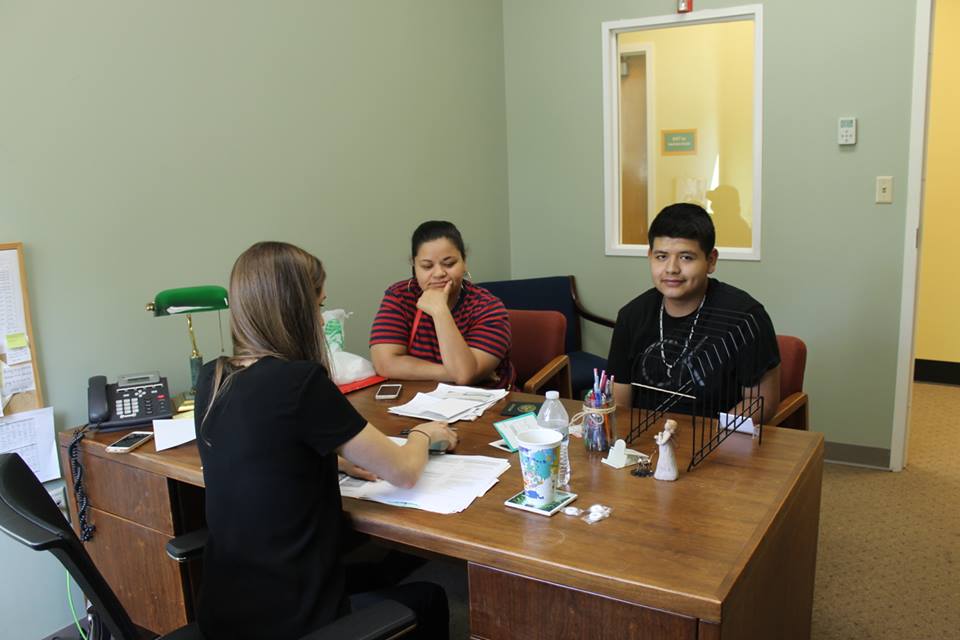
Immigrants contribute to the state’s economy, as well.
According to the American Immigration Council, Indiana has a small, but growing immigrant population, primarily from Mexico.
While only 5 percent of Hoosiers are foreign-born, those residents account for nearly 8 percent of the state’s business owners and more than 9 percent of all engineering and architecture employees.
Ultimately, Pontius would like to better serve the local immigrant population by setting up permanent immigration clinics in northeast Indiana churches that are staffed by trained immigration practitioners.
It’s a model already taking place in cities like South Bend, Ind., and across the nation.
But whether it happens in Fort Wayne all depends on community support, Koger-Gustafson says.
For now, the Neighborhood Christian Legal Clinic is simply creating a space for conversation in local churches and encouraging residents to learn more about immigrants’ lives.
“The most important thing to do is to listen and hear what immigrants are saying about their journey to U.S., about their experience here, and their children’s experiences,” Pontius says.
Another part of the puzzle is helping both immigrants and non-immigrants better understand the rapidly-changing U.S. legal immigration system.
***
“There are a few main areas we deal with in the immigration system,” Pontius says.
First, there’s family-based immigration, where, for example, a spouse can petition for U.S. citizenship for another spouse or for other family members.
Then, there’s employment-based immigration, where employers can petition to hire immigrant workers.

A third area in debate is humanitarian-based visas. This includes people who are seeking asylum and have fled their country to come to the U.S. for protection or refugees who have applied from within their country to be resettled here and waited in their country until their request was processed.
DACA, which is a large point of contention in U.S. policy right now, is not actually a visa, Pontius points out. It is simply considered a “deferred action” on an immigration case, which protects immigrants from deportation.
The DACA program was introduced in 2012 by President Barack Obama to protect people who were brought to the U.S. as children. Today, there are roughly 700,000 DACA recipients nationwide.
Even so, DACA is not a permanent immigration status, Pontius says. It has to be renewed every two years, and it does not currently provide a pathway to citizenship.
What makes it special is that it allows immigrants to apply for work authorization, which allows employers to legally hire them, so they can provide for their families and contribute to the communities they live in.
“This is huge because it’s good for the individual and good for the employer to have a mutual, legal relationship,” Pontius says. “The advantage here is, once you’ve received deferred action, there is relief in knowing that deportation is not being considered in your case, barring any criminal activity.”
DACA recipients are often referred to as Dreamers, after a similar piece of failed legislation called the Dream Act in 2001, which would have given its beneficiaries a path to citizenship.
Pontius points out that some Dreamers may not speak the same language as their origin country, and some have never even visited it.
“They are essentially Americans,” she says. “The whole idea of the Dreamer movement is that they’ve grown up in American neighborhoods and schools and experienced what it is to pursue the American dream.”
However, when many Dreamers get to the point of wanting to go to college or pursue degrees, they find that their immigrant status doesn’t allow them to do that.
In March, Indiana changed its policy to allow DACA recipients to receive professional state licenses. There are approximately 9,000 DACA recipients statewide.
“There are probably a lot more who would qualify,” Pontius says.
But within the last year, the number of DACA applicants has declined due to fear of what might happen if an immigrant’s status is submitted to the government.
“Under the previous administration, there was more of an understanding that information would not have been shared with ICE (deportation authorities),” Pontius says. “Under the (current) policy, it hasn’t been as clear what will happen. Immigration enforcement priorities have changed quite a bit.”
***
During President Donald Trump’s first week in office in January 2017, he signed three executive orders on immigration. The orders focused on border security, interior enforcement, “extreme vetting,” and temporary entry bans for refugees and nationals from certain Muslim-majority countries.
According to the Bipartisan Policy Center, these changes have had a “significant impact” on immigration enforcement.
In particular, Trump’s interior enforcement order in February 2017 contains provisions that overturn and loosen more restrictive enforcement priorities created during President Obama’s time in office.
Essentially, while the Obama administration set a detailed hierarchy for deportation, prioritizing immigrants with violent felonies—people convicted of murder, drug trafficking, human trafficking, rape, and torture—the Trump administration has broadened that scope to any immigrant without status, putting some 12 million people at jeopardy across the U.S.
“The majority of these people don’t have any criminal offenses,” Pontius says. “But if they don’t have legal immigration status, deportation proceedings can be initiated much easier under current policy.”
Even so, Koger-Gustafson says it’s not only about how the laws have changed; it’s also about how national rhetoric has shifted.
“Removals were happening in grave numbers under the Obama administration, as well, but there wasn’t this rubber stamp that told people it’s okay to speak (flippantly) about it,” Koger-Gustafson says.
Along with deportation, a fear for many immigrants is exclusion where they live.
“People fear what others think of them in the community,” Pontius says. “Nationwide, I think immigrants are starting to feel a heightened level of not being welcome in what they consider to be their home.”
Even so, she sees a different story playing out in northeast Indiana’s community.
In speaking with church leaders who represent congregations of 3,000 to 4,000 people, she has seen “overwhelming support” and a desire to reach out to immigrant communities.
She and Koger-Gustafson hope that fostering more understanding public discourse will help people across the region process the changes taking place and simply listen to their immigrant neighbors.
“What we’ve been finding is that this community is welcoming, and there is a desire to support and collaborate here,” Pontius says.
***
For more information about the Neighborhood Christian Legal Clinic’s workshops on immigration, contact them at 260-456-8972 or email fwcontact@nclegalclinic.org.
Jazz for Justice
Neighborhood Christian Legal Clinic’s fundraiser Jazz for Justice is coming up on May 11 from 6-9 p.m. at The Phoenix in downtown Fort Wayne at 1122 Broadway.
The evening will include music by Headwaters Collective, a silent auction, food, and drinks.
Tickets are $25 at the door, including one complimentary drink ticket per guest.
Author

Related Articles

‘Come as you are’: Fort Wayne Civic Theatre’s ‘Footloose’ production is setting a new standard for accessibility
Leveraging Arts United Center renovations and a ‘come as you are’ approach, Fort Wayne Civic Theatre’s Footloose is pioneering a new benchmark for inclusivity.
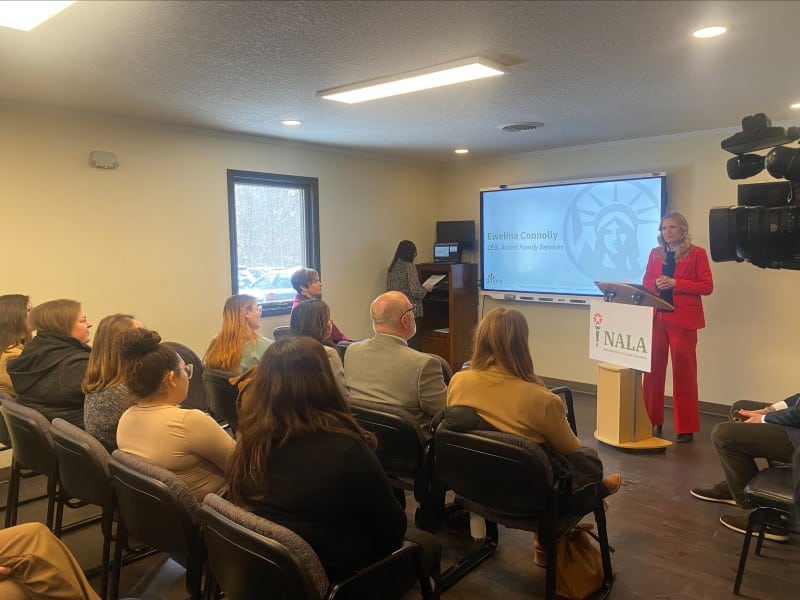
Partner Partner Content Amani Family Services’ Naturalization and Legal Assistance program turns immigration support into economic strength
By directing immigrants toward pathways for long-term success, a naturalization and legal assistance program can increase stability for local families and help maintain a strong economy.
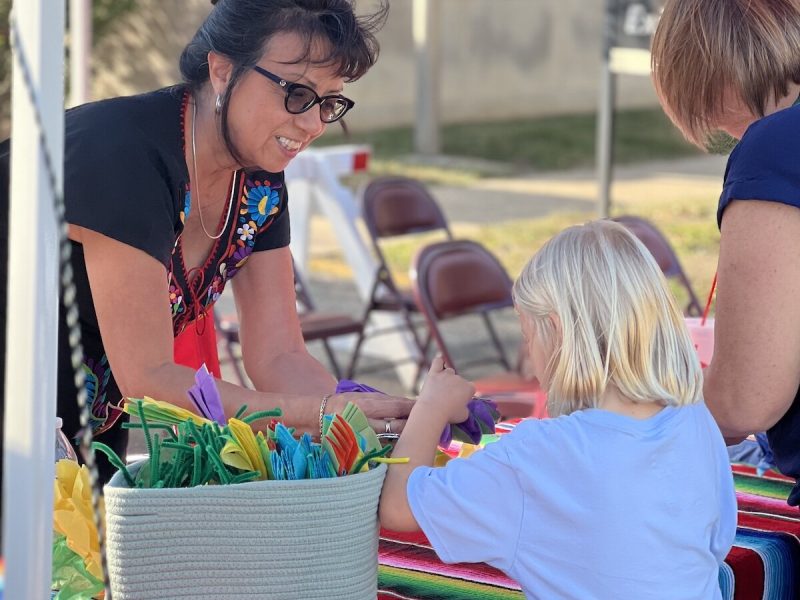
Partner Partner Content Wabash County’s Secret to Growth? Building a welcoming culture
“Our ultimate measure of success is whether our population grows. We want Wabash County to be a place where everyone feels they belong.”