Indiana health center trains local residents as dental assistants to fill workforce gaps
HealthLinc, a federally qualified health center in Valparaiso, covers training costs while preparing local residents for dental assistant jobs, strengthening workforce pipelines and expanding access to care.
This story is part of a series on the challenges and solutions related to oral health in Michigan, Indiana, and Ohio. It is made possible with funding support from the Delta Dental Foundation.
HealthLinc did not have enough dental assistants, which made it difficult to care for patients. So the health center decided to train its own workers.

HealthLinc is a federally qualified health center in Valparaiso, Indiana, that runs several dental clinics in Northwest Indiana. The center started a program to teach local people how to become dental assistants.
The training helps the clinics have enough staff so dentists can see more patients.
“The challenge from the dental field is that a dental office really runs with the staff,” says Dr. Isaac Zeckel, HealthLinc dental director. “Basically, the dentist is just kind of the license that oversees stuff, but the things that make it function are done by the dental assistants and the front desk.”
Dental assistants prepare patients, assist during procedures, manage sterilization, and help coordinate clinic flow.
At HealthLinc, demand for care has consistently exceeded the clinics’ capacity. In some cases, patients wait months for appointments.
“We were feeling this before the pandemic, but it was magnified by the pandemic, just not being able to find any dental assistants,” Zeckel says.
Another challenge is that private dental offices often pay assistants more money.
“There were times we couldn’t even figure out how to have one assistant for each dentist,” Zeckel says.
Four-month training program
Leaders at HealthLinc decided to address the problem by building their own pipeline of workers.
In 2021, the organization hired dental educator Lita Gamez to develop a structured training program.
“She has been the backbone of this program,” said Zeckel, adding that Gamez developed the curriculum.
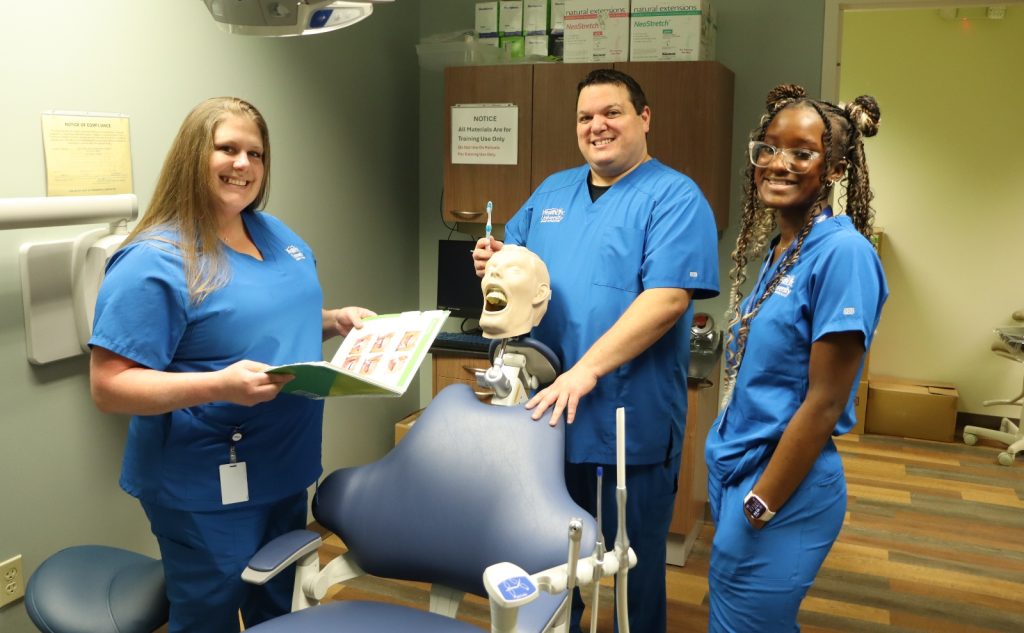
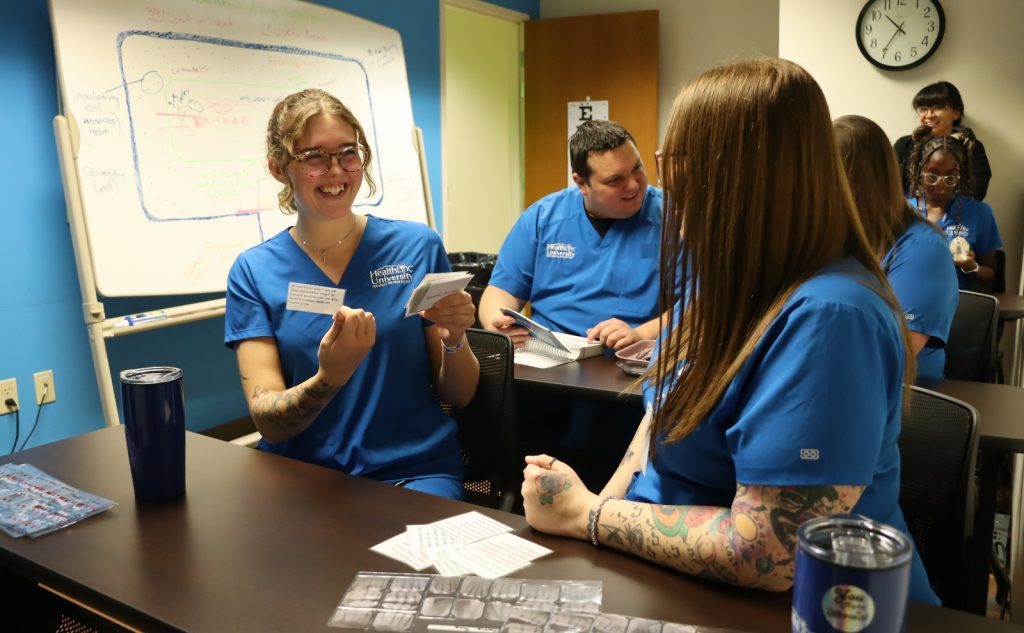
The four-month program combines classroom instruction and hands-on clinical training.
Students spend two days a week in class and three days working in HealthLinc’s dental clinics alongside dentists and experienced assistants.
“Most of the people we bring in have no dental experience,” Zeckel says.
HealthLinc covers tuition, exams, licensure, scrubs, and supplies for students. Participants are also paid while they train.
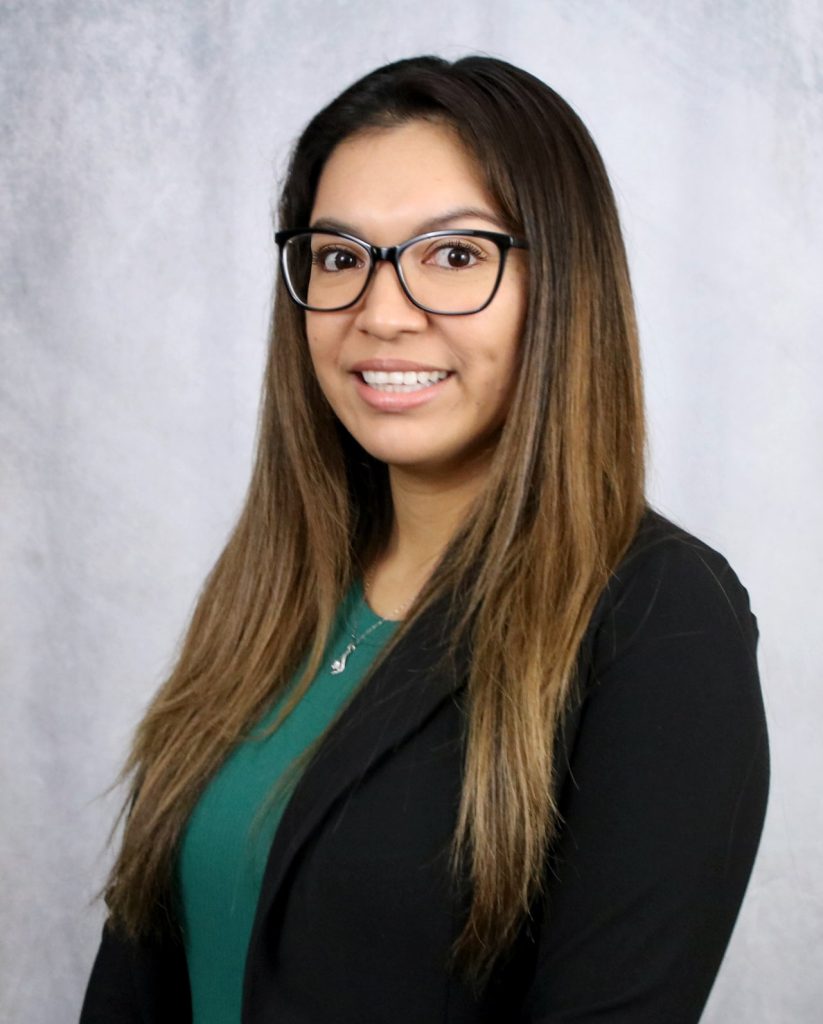
“The thing that sets us apart is that we pay our students to learn,” Zeckel says.
Grant funding from the Delta Dental Foundation and Indiana’s Next Level Jobs program helps HealthLinc pay for the training.
Students also receive guidance in preparing for Indiana’s dental X-ray licensing exam, which is required for many dental assistant roles.
The program has helped HealthLinc rebuild its workforce.
“HealthLinc now has 17 dental assistants,” Zeckel says. “Twelve of those were trained through our in-house program.”
The training also creates opportunities for assistants to advance within the field.
“We’ve taken three assistants we trained and helped them become expanded function assistants,” Zeckel says.
In that role, assistants can place fillings after a dentist prepares the tooth.
“It frees the dentist to move on to other procedures,” he says.
Capacity for more patients
Improving staffing levels helps dentists see more patients each year.
“If my capacity as a dentist is 2,800 patient encounters a year, with only one assistant, I might only reach 1,400,” Zeckel says.
The training program has played a key role in maintaining services at HealthLinc’s dental clinics.
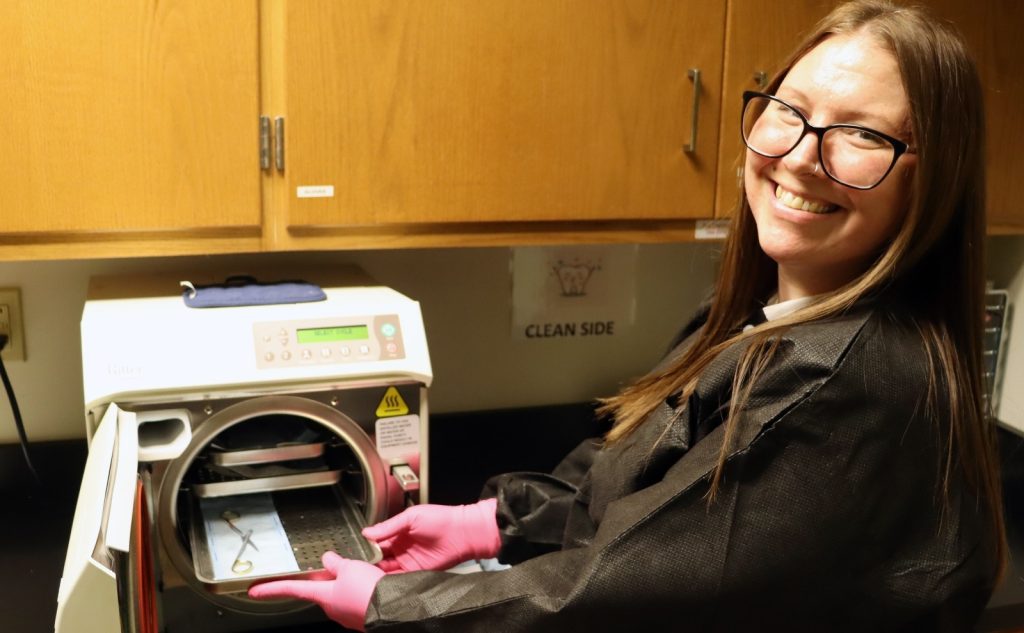
“If we didn’t have this program, I don’t think we could see the number of patients we’re seeing,” Zeckel says. “It would be really difficult to keep the offices open.”
At national meetings of health center leaders, dental staffing shortages are frequently discussed. HealthLinc’s experience shows how health systems can respond to such shortages by developing their own training programs while creating new career opportunities in health care.
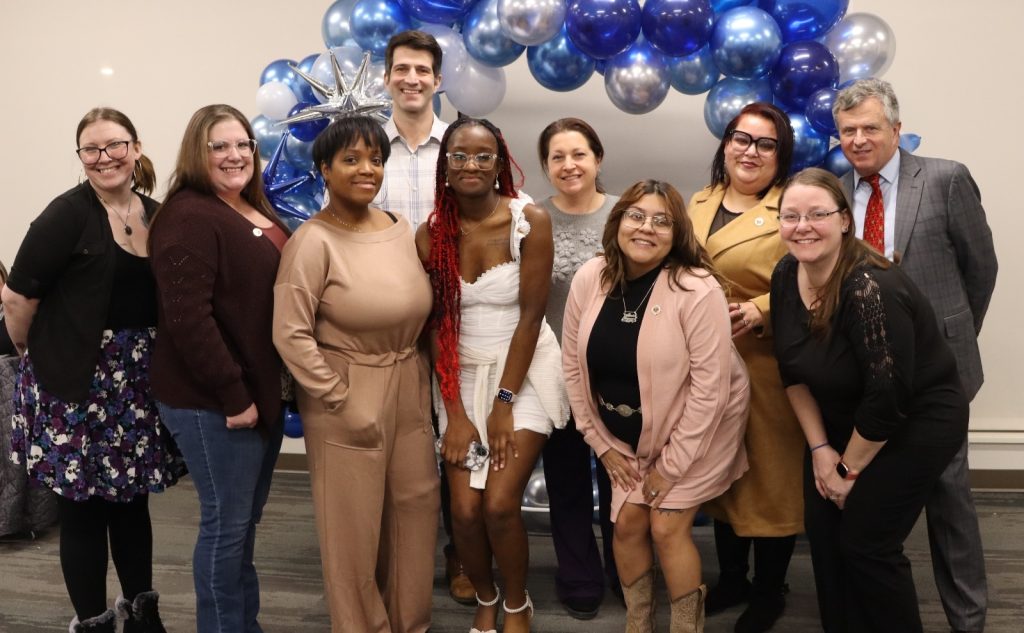
Zeckel has begun sharing the model with other community health centers dealing with similar workforce shortages.
“There’s nothing unique about what we started,” he says. “I’ve been advocating for other health centers to do this.
“I don’t see how we would be functional without this program.”
Photos provided by HealthLinc
Related Articles
What will Dekalb County do with the historic Sunny Meadows property?
Sunny Meadows, a county residential home, is now closed, but the building’s future is up for debate.

#PlacesofNEI: Katey’s Cafe on Berry Street
Katey’s Cafe features a breakfast and lunch menu, as well as a variety of coffees, smoothies and snacks.