Partner Partner Content How Parkview’s DNA Insights program is democratizing access to genetic screening
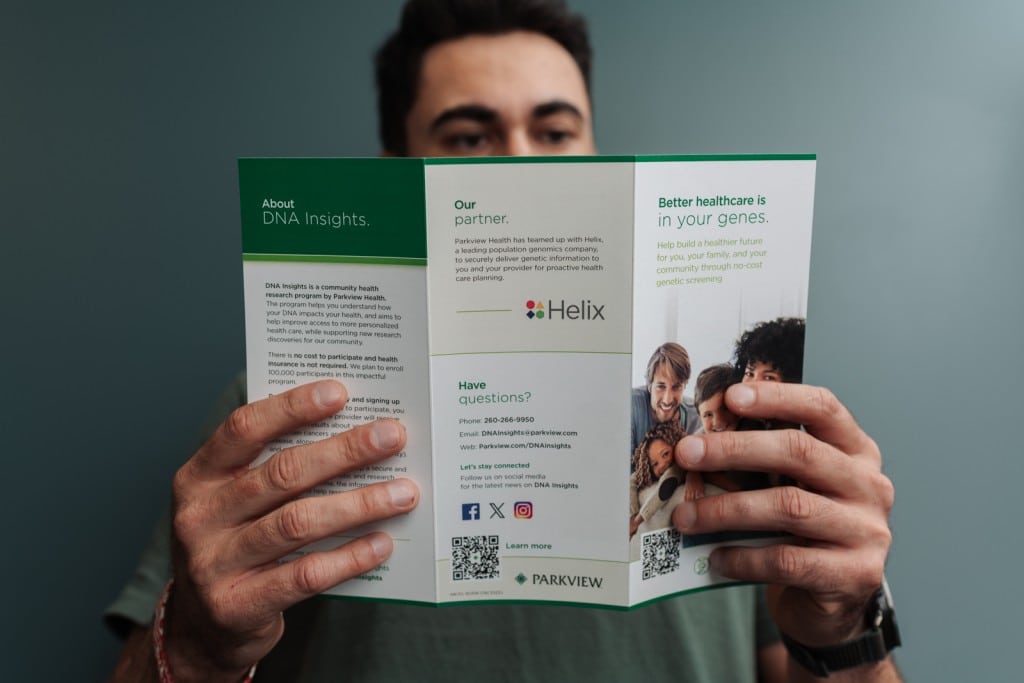
The DNA Insights program is a community health research program aimed at revolutionizing preventative healthcare through no-cost genetic screenings.
This article was made in partnership with Parkview Health.

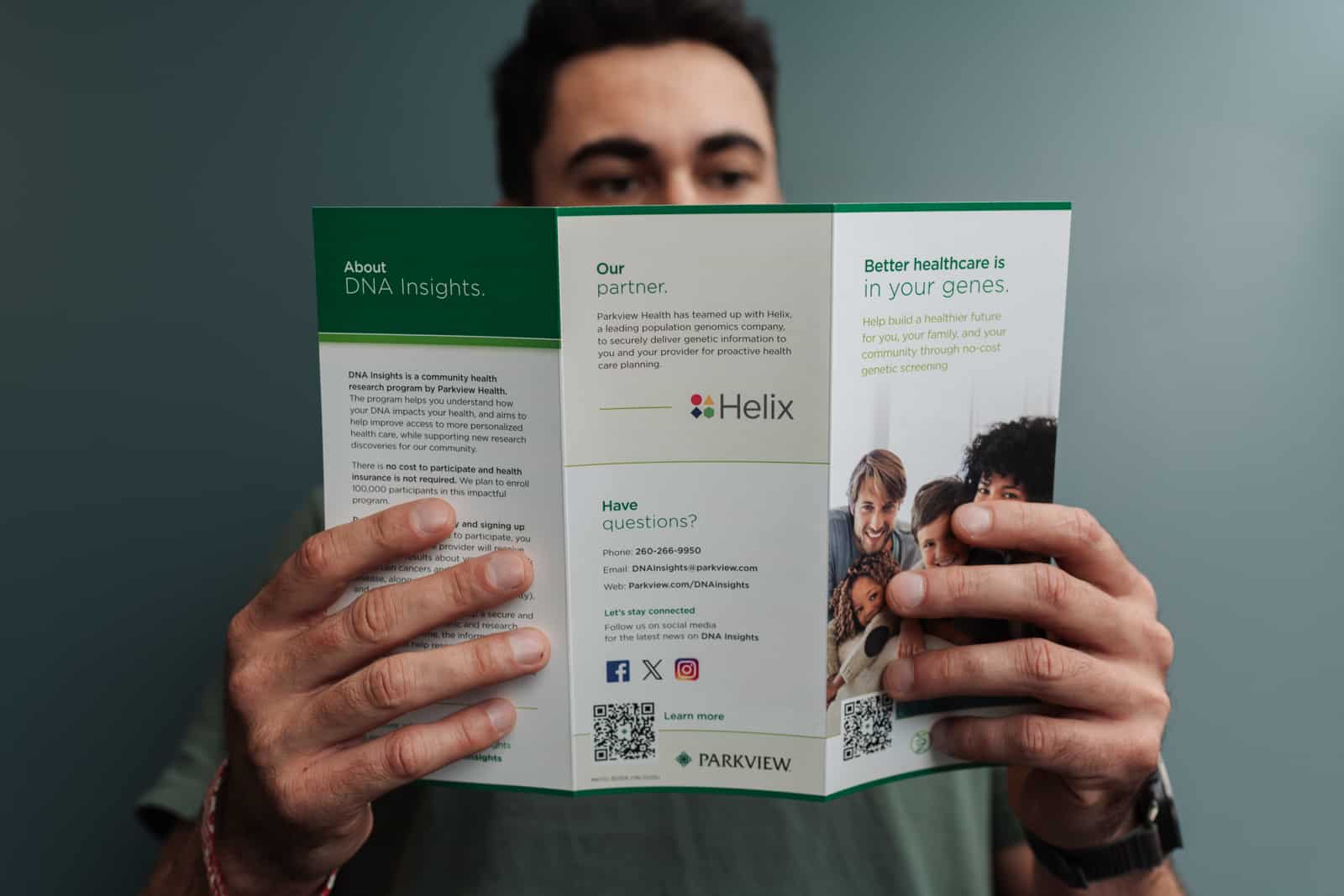
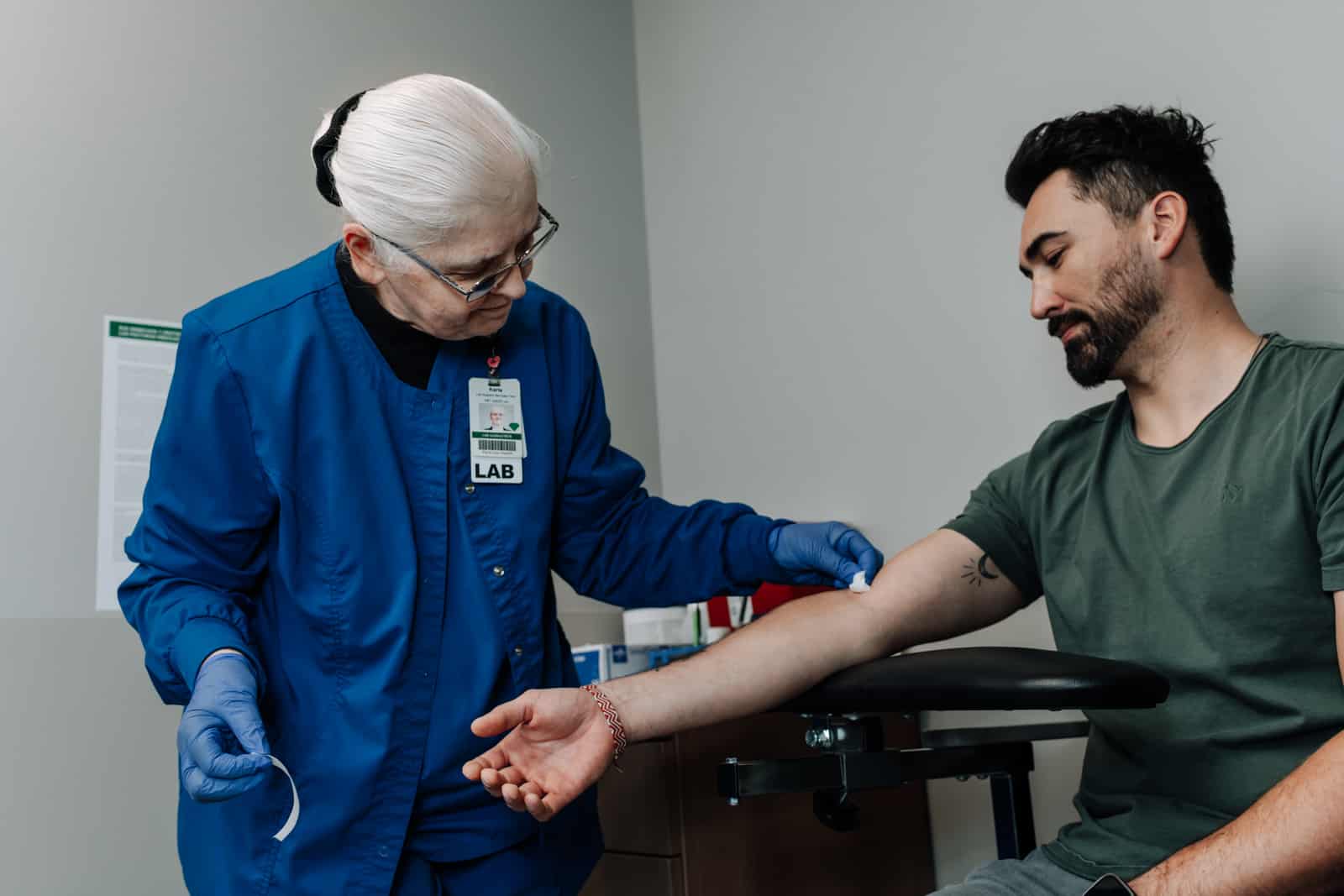
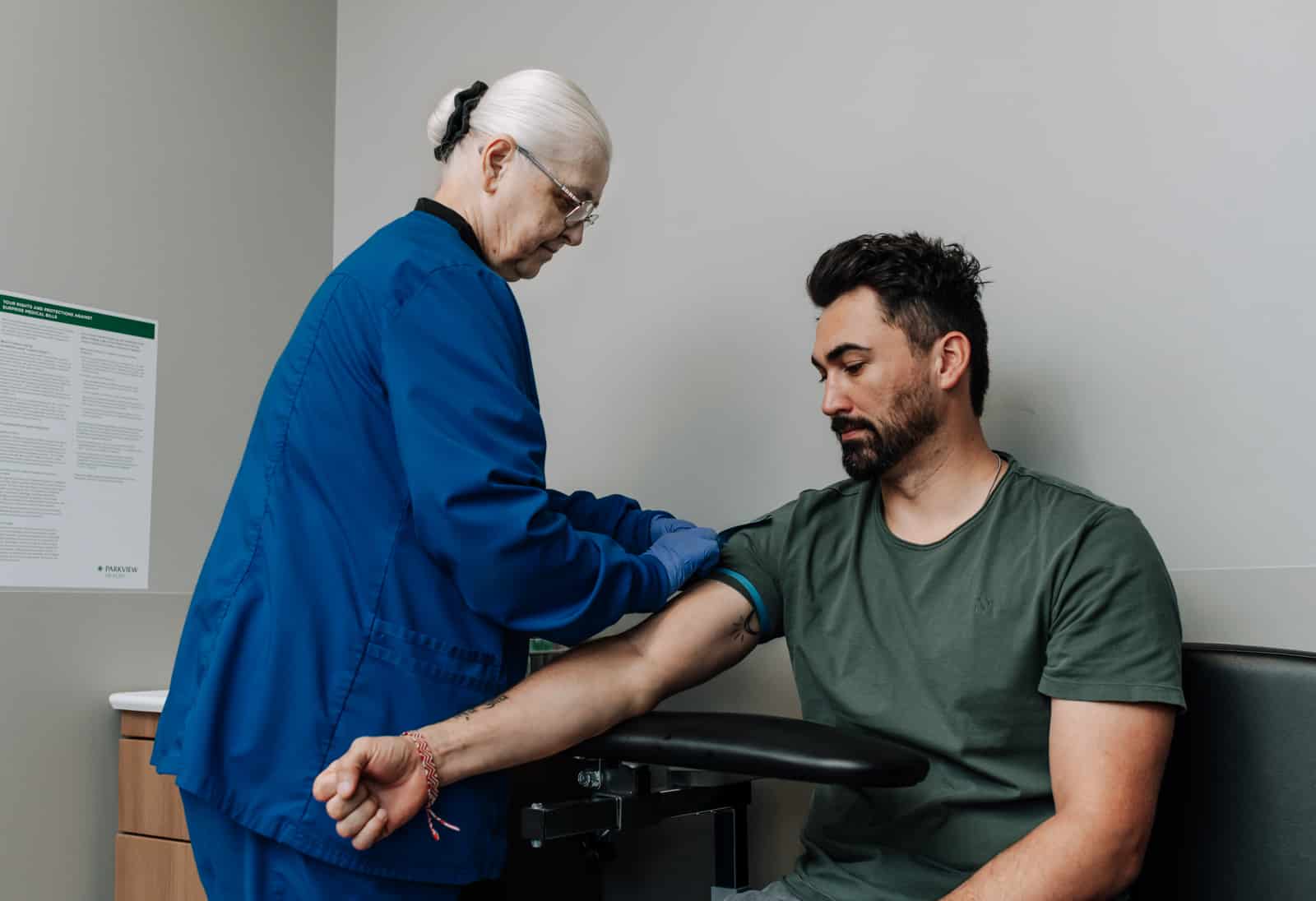


A new initiative from Parkview Health is rooted in the philosophy that information is power. The DNA Insights program, launched by the Fort Wayne-based regional health system over the summer and expanded to the public in September, is a community health research program aimed at revolutionizing preventative healthcare.
As a member of the Helix Research Network, Parkview has set an ambitious goal of enrolling 100,000 participants over the next five years. DNA Insights seeks to identify genetic predispositions to certain health conditions and prompt action if necessary. Previously available only to Parkview patients and co-workers, DNA Insights is now open to all individuals, age 18 or older, with a Parkview MyChart account, which can be created at any time.
As part of enrollment, participants will receive no-cost genetic screening to learn about their inherited risk for certain hereditary cancers and a hereditary form of high cholesterol that increases risk for heart attack and stroke. They can also gain insights into regional ancestry and select genetic traits, such as caffeine sensitivity and sleep patterns.
“Most people don’t know they’re at risk [of certain conditions],” says Dr. Jamie Renbarger, Parkview’s associate chief of research and precision health. “But with the right information, we can empower them to take action and potentially save lives.”
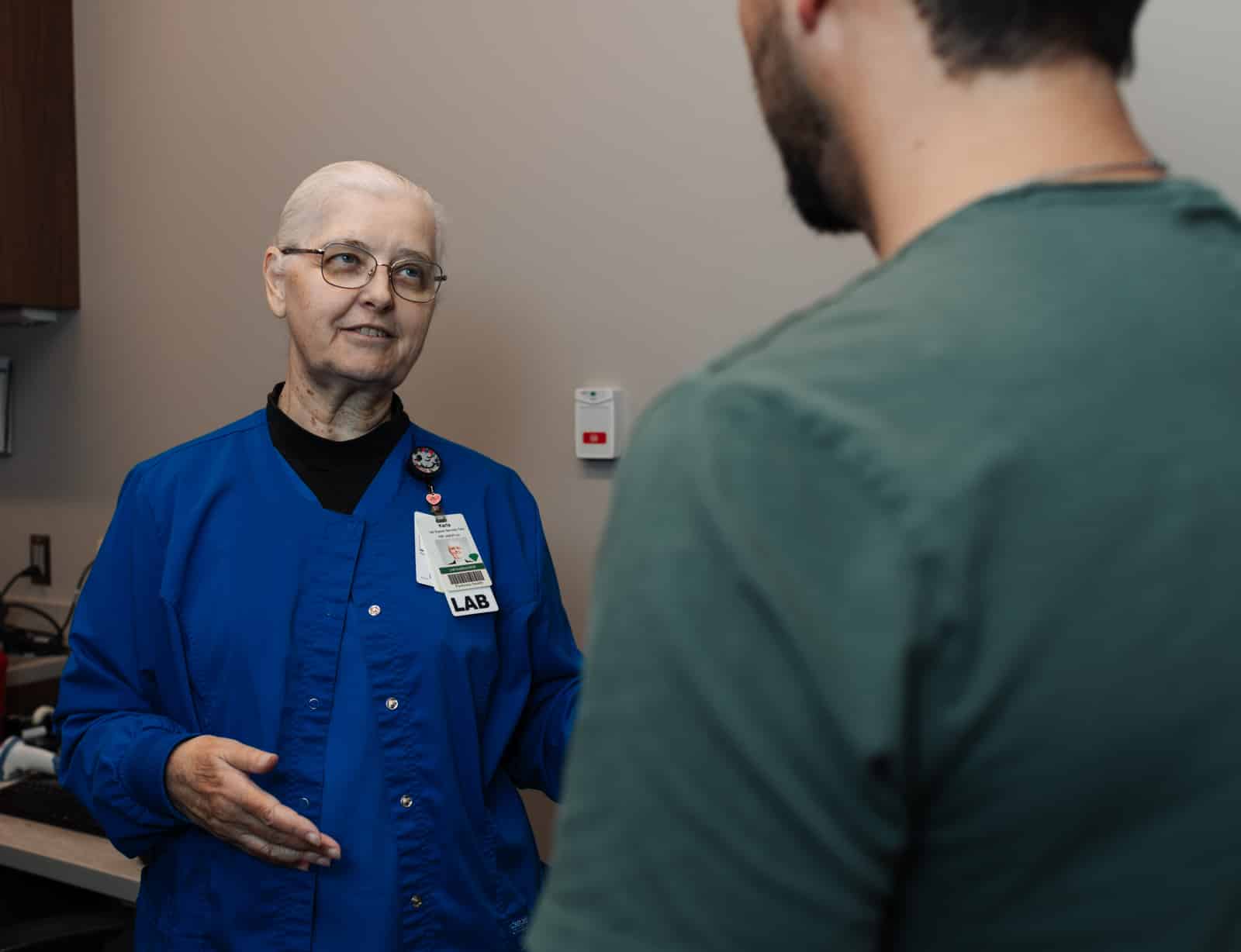
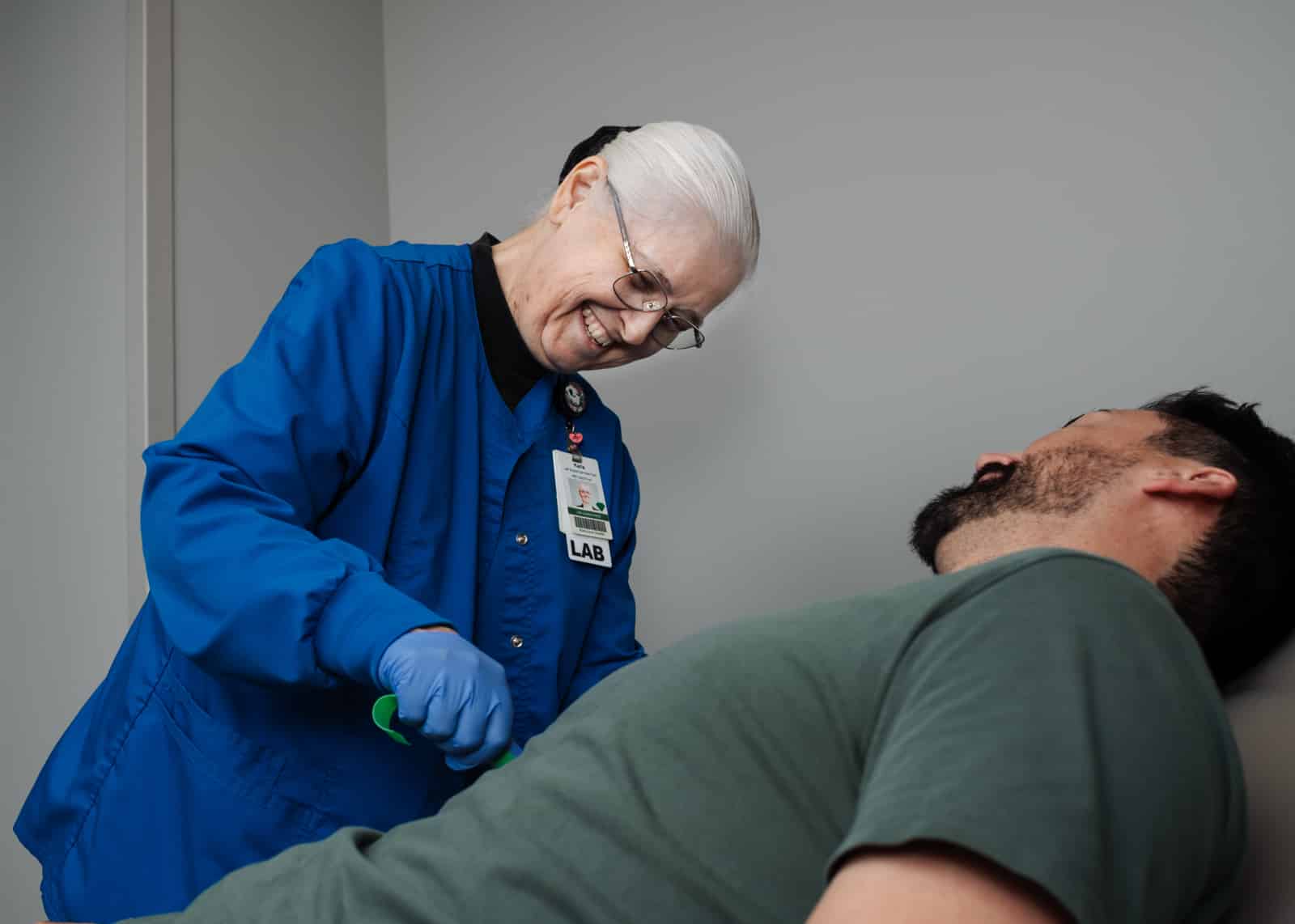
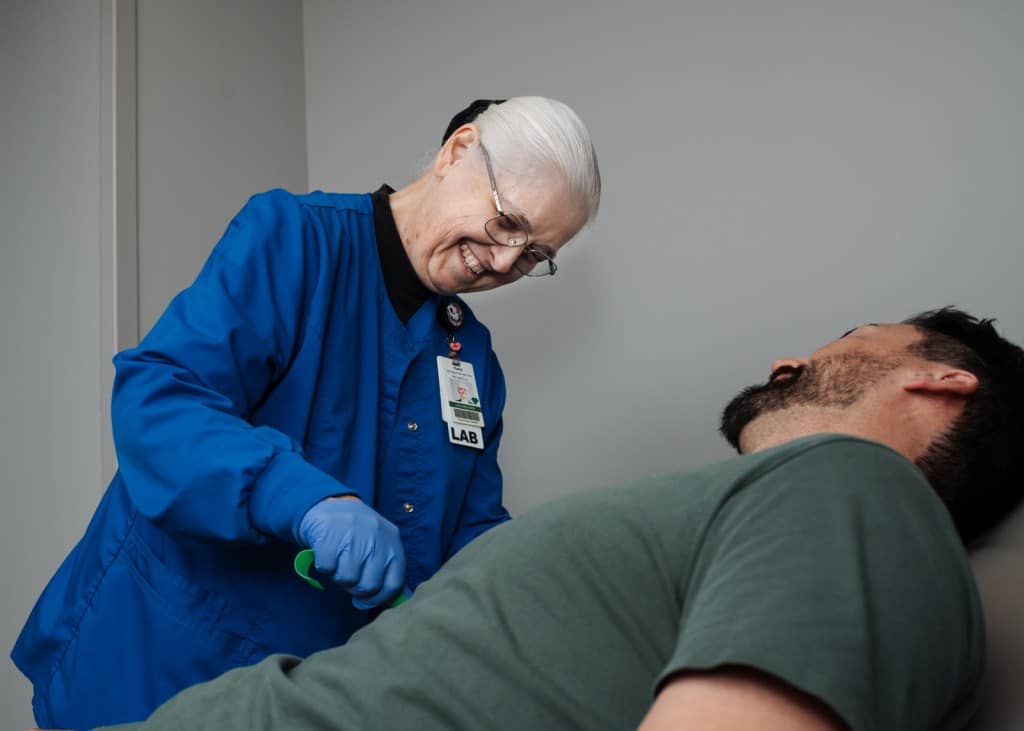
To that end, participants provide a DNA sample via Parkview lab, which is analyzed to screen for three CDC Tier 1 genetic conditions: Lynch syndrome, hereditary breast and ovarian cancer syndrome (HBOC), and familial hypercholesterolemia (FH).
“These three conditions are significant because they affect nearly 2% of the population,” says Renbarger. “What’s even more striking is that over 80% of people with these genetic risks don’t know they have them. That’s where this program can make a real difference.”
By identifying these risks early, the program enables participants to take preventative measures, such as earlier screenings, lifestyle changes, or targeted medical interventions. For example, individuals with a genetic predisposition to HBOC may begin mammograms or other screenings earlier than typically recommended, potentially catching cancer at a more treatable stage.
One of the program’s most notable features is its patient-centered approach. Participants who screen positive for one of the three conditions are personally contacted by the program team and offered a no-cost genetic counseling session.
“We don’t just send an email or leave people to figure it out on their own,” says Dr. Renbarger. “We call them, explain the results, and connect them with a genetic counselor to guide them through the next steps.”
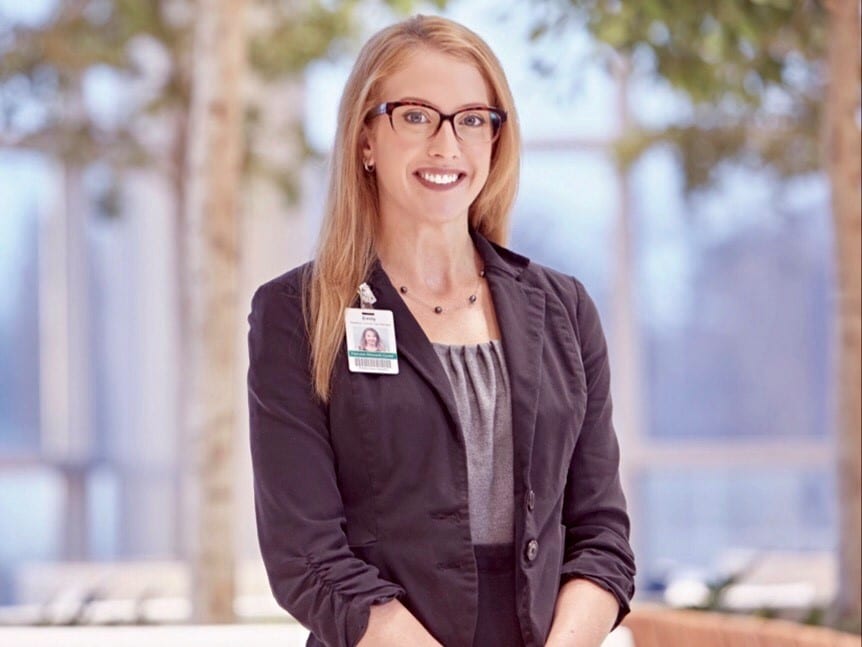
Emily Powell, a leader in Parkview’s Precision Health department at the Mirro Center for Research and Innovation, is steeped in this approach. A cancer biologist by education, she’s seen firsthand how research and patient education intersect for the greater good. So far, the program has seen around 19,000 enrollments, with roughly 12,000 results returned to participants.
“We’ve already delivered nearly 200 positive results,” she says. “That’s 200 people who now know they’re at risk for conditions they might not have been aware of. They’re empowered to take charge of their health, whether that’s getting mammograms earlier, scheduling colonoscopies, or managing high cholesterol.”
The program’s impact extends beyond individual participants.
“This isn’t just about the individual,” says Dr. Powell. “If someone tests positive, their family members can also be tested, which means we’re potentially helping entire families take preventative steps.”
Parkview staff leading the charge also intend for the program to reflect the diversity of the communities it serves. As it expands, the institution will have focused recruitment efforts to ensure access and community representation from various ethnic and demographic groups, including Fort Wayne’s Burmese and Hispanic populations.
“It’s important that the population we enroll mirrors the community we serve,” says Dr. Renbarger. “This inclusivity is critical for advancing research and ensuring that the benefits of precision health are accessible to everyone.”
For those hesitant about genetic testing due to privacy concerns, Dr. Renbarger offers the assurance that the program has implemented robust data security measures. Helix, the program’s precision healthcare research partner, prioritizes data protection to ensure that participants’ genetic information remains secure.

“One of the most important principles for anyone joining this program is that you own your data,” she says. “Parkview and Helix serve as guardians of your data. That sense of stewardship is our highest priority, guiding every security and privacy decision we make.”
Additionally, federal laws like the Genetic Information Nondiscrimination Act (GINA) protect individuals from discrimination based on genetic information in health insurance and employment.
Beyond the peace of mind factor, Powell says one strong point of the DNA Insights program is the fact that it goes beyond offering immediate results. It builds a foundation for the future of precision health. By sequencing the entire genome, the program creates a lasting resource that can be reanalyzed as new genetic discoveries are made.
“Your DNA is your one biological dataset that never changes,” says Powell. “By sequencing it now, we’re creating opportunities for future care that may be faster, more efficient, and less costly.”
As Powell explains, this “Sequence Once, Query Often” model allows for ongoing advancements in personalized medicine. For example, if a participant later needs pharmacogenomic testing to determine how they’ll respond to a specific medication, their existing genetic data can be reanalyzed without the need for additional blood samples.
Speaking of genetic data, by identifying genetic risks early, DNA Insights aims to reduce the burden of disease, lower healthcare costs, and ultimately save lives.
“The more lives we can impact, the better,” says Powell. “We’re closely monitoring participants to see how this study improves their health outcomes, whether that’s through early cancer detection or better management of cardiovascular risks.”
On a related note, Parkview’s Precision Health team was one of seven grant recipients from the Association of Cancer Care Centers (ACCC) and Eli Lilly. The funding will support quality improvement in precision oncology care pathways, underscoring the health system’s leadership in using genetic and molecular insights to guide cancer prevention, diagnosis, and treatment.
Powell notes that having the opportunity to complete tests like this in northeast Indiana is unique. Typically, programs similar to DNA Insights are run by large academic research organizations, which means regions without those institutions do not have access to them.
“We believe that everyone deserves to access the leading edge of healthcare, not just those in major metropolitan areas,” Powell says. “By establishing this program in Northeast Indiana, we’re not just offering a screening test; we’re building a healthier future for our region by making proactive, genomic-based care a local reality.

This article was made in partnership with Parkview Health.
Author

Related Articles

Partner Partner Content Why early detection for cancer matters
Parkview Health’s “Show Up For Them” campaign aims to boost early detection rates through outreach and education.
Partner Partner Content Parkview is connecting entrepreneurs to opportunity – and lowering healthcare costs along the way
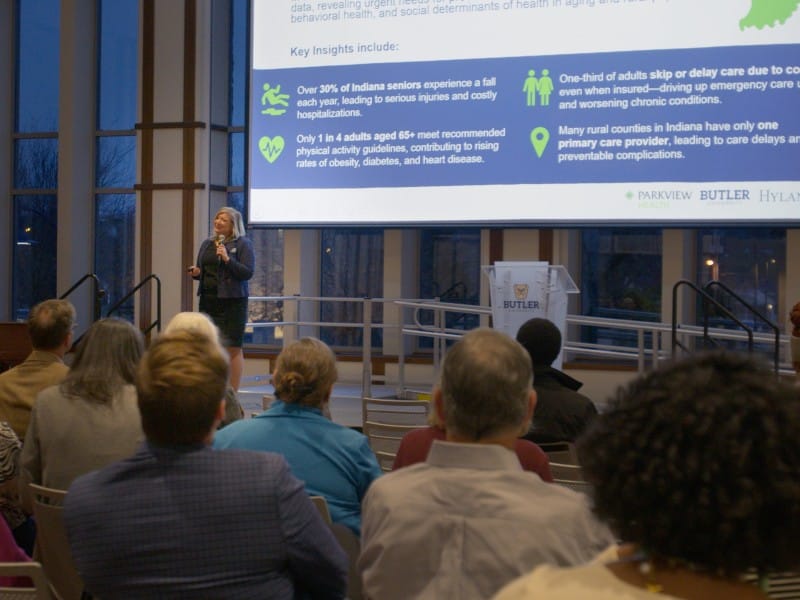
Using Medicaid patient data, ten student teams from Bulter University were tasked to identify the biggest healthcare cost drivers in Indiana in partnership with Parkview Health and Hylant.