Growing interest in a local food network
The regional fight to reverse the effects of Indiana's "get big, or get out" farming rhetoric.
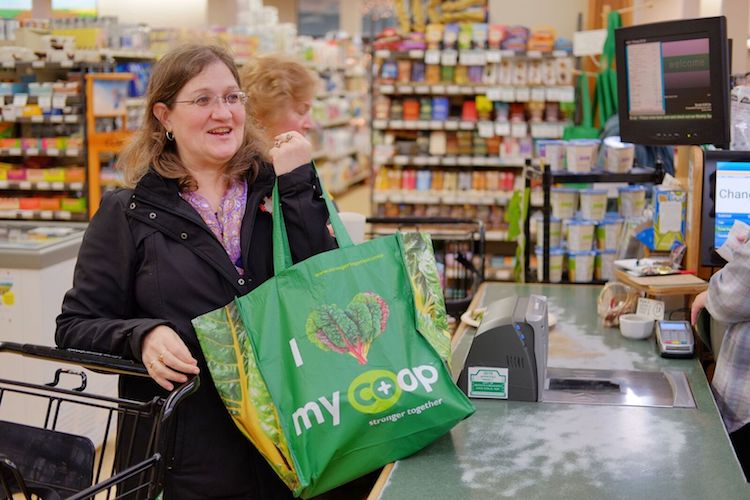
For Janet Katz, it started with a turkey.
About 10 years ago, her vegetarian son was home from college for Thanksgiving, and he said he would only eat meat if she bought a local, pasture-raised bird.
So as a suburban Fort Wayne mom with little experience of pasture-raised anything, Katz set out to find the right kind of turkey, and it turned out to be more difficult than she thought.
After several false leads, she ended up driving out to Hawkins Family Farm in North Manchester where she confronted a culture she had never experienced.
As she stood in line to purchase her turkey, she watched the farmer Jeff Hawkins mingle with customers, and for the first time, she realized the importance of her food’s journey before it ended up on her plate or at a supermarket.
But while this experience made her want to buy local more often, it also taught her that it wouldn’t be easy.
“I realized how hard it is to really be a locavore in northeast Indiana,” Katz says.
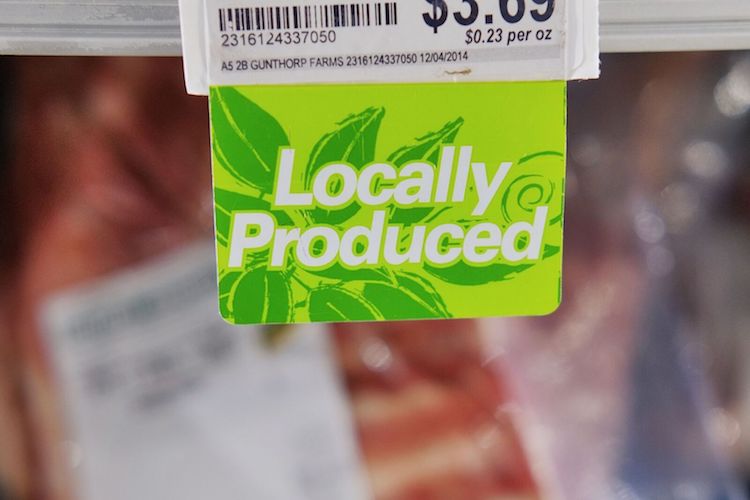
Indiana has long been a farm state, known for its vast cornfields and rural communities. Yet surprisingly few Hoosiers eat food grown in the state.
In fact, studies by the Crossroads Resource Center show that about 90 percent of the food Indiana residents consume is sourced outside of the state, and when it comes to fruits and vegetables, that figure rises to 98 percent.
Learning this, Katz was inspired to earn her master’s degree in Sustainable Foods so she could become an effective advocate for getting more local food to tables in Indiana.
This spring, she is spearheading a nonprofit called the Northeast Indiana Local Food Network with the Regional Partnership to bring area farmers, producers, chefs, and consumers together around a common mission.
“Our goal is to increase the demand and the supply of local foods in northeast Indiana,” Katz says.
As a first step to accomplish this goal, the Local Food Network is hosting northeast Indiana’s largest Local Food Forum on March 12 to make the locavore lifestyle an easier choice.
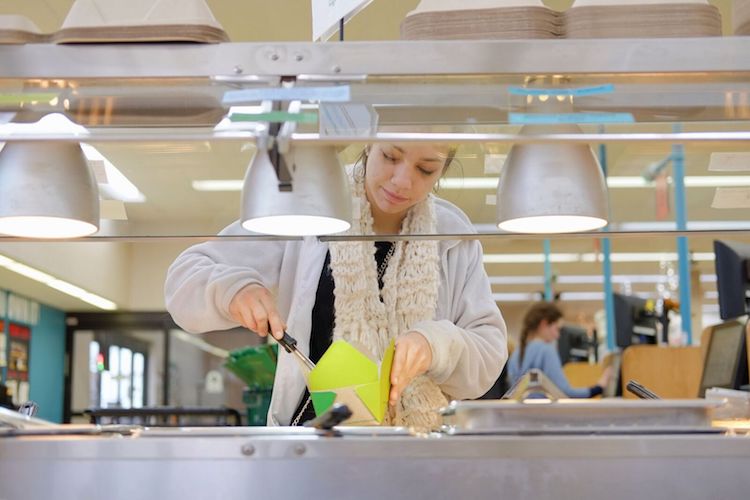
A local food forum
While local food summits have been happening around the country for years, Katz says the driving force behind having them in northeast Indiana is Jodee Ellett, a Local Foods Coordinator at the Purdue Extension in Fort Wayne.
Serving the state of Indiana, Ellett started a program called Rebuilding Your Local Food System that helps Indiana communities use food summits as springboards to boost the supply and demand for local products, and the concept is paying off.
In 2015, Katz helped produce and direct a documentary called “From Fencerows to Foodsheds,” which chronicles the program’s successes in Elkhart County and Batesville, Indiana.
For the past three years, Allen County has also hosted a Local Food Summit organized by the Purdue Extension and about 100 people have attended.
This year, with the creation of the Local Food Network, Katz says they’re hoping to double that figure to 200 attendees and extend the organization’s impact.
“We’ve gotten more active, and so we really felt that it was time to expand,” she says.
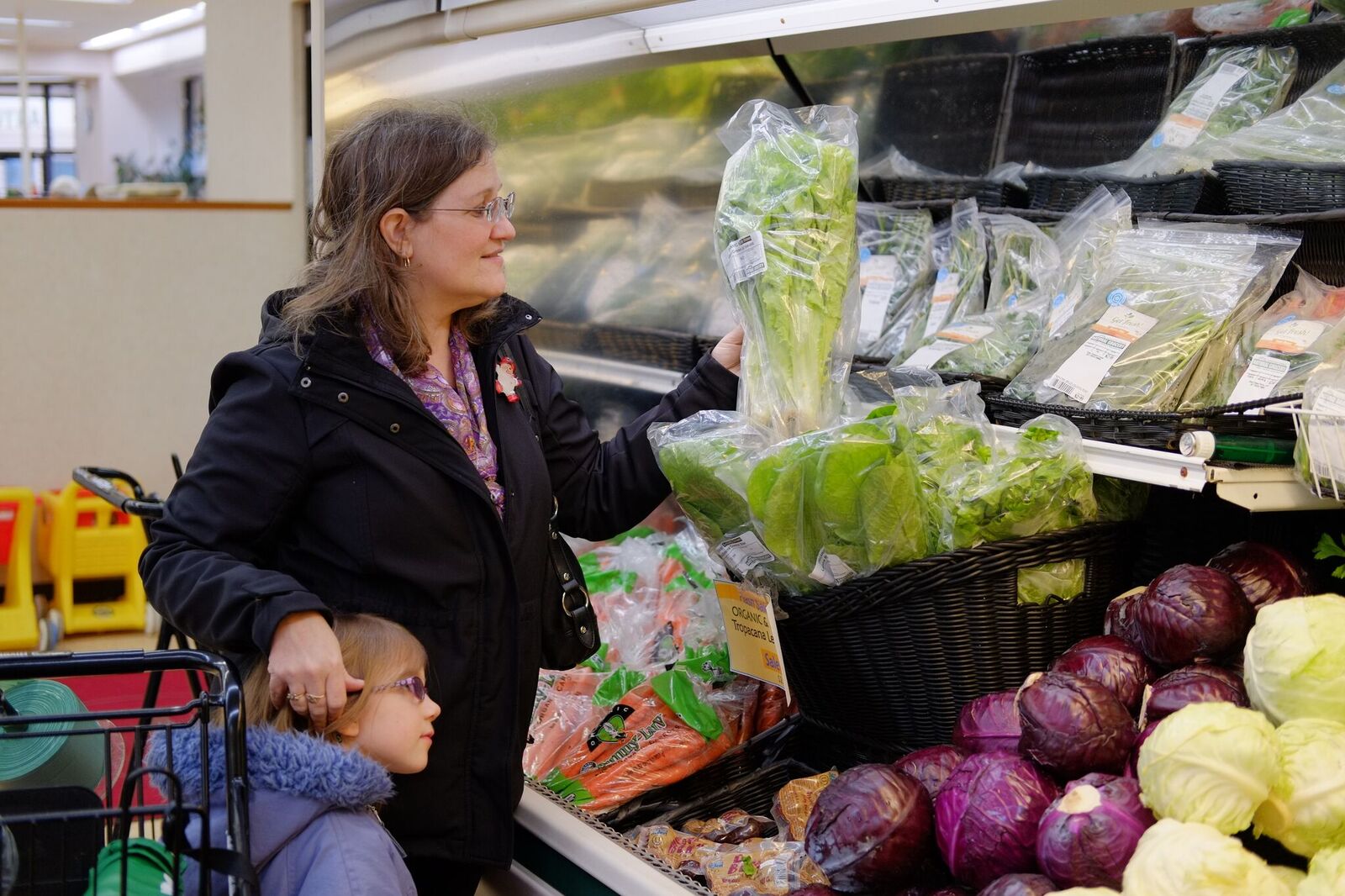
For many Indiana residents, the benefits of buying local food outweigh the costs.
Ellett found that if Hoosiers substituted even 10 percent of their current household food budgets with locally grown and produced food, they could generate more than $1 billion of economic activity in Indiana.
“That’s just $458 per year per household,” Ellett reports.
And cities like Fort Wayne are already making progress.
More farm-to-fork restaurants opening downtown, and more groceries like Fresh Thyme and the 3 Rivers Natural Grocery Food Co-op & Deli carry local selections.
Just last week, the Fort Wayne Public Market secured year-round location at the future Electric Works campus, which will give residents regular access to local food.
But Katz says Indiana’s food scene is still lagging behind other nearby communities like Michigan, and addressing its challenges is complicated.
Get big, or get out
While Indiana has long been known as a corn state, Katz traces the explosion in the state’s corn production back to Earl Butz, who was appointed as Secretary of the USDA in 1971 under President Richard Nixon.
An Indiana native, Butz also worked for Purdue University, and he coined the “get big, or get out” rhetoric of farming in the 1970s that played a critical role in the Hoosier state’s transition from small family farms to large corn-growing conglomerations.
Whereas communities in hilly regions like Michigan retained their small farms, which were less suitable for Big Ag, Indiana’s open fields made it ideal for Butz’s “fence row to fence row” growing philosophy.
“This was at a time when the US was really ramping up corn production, and a lot of people in Indiana took that to heart,” Katz says.
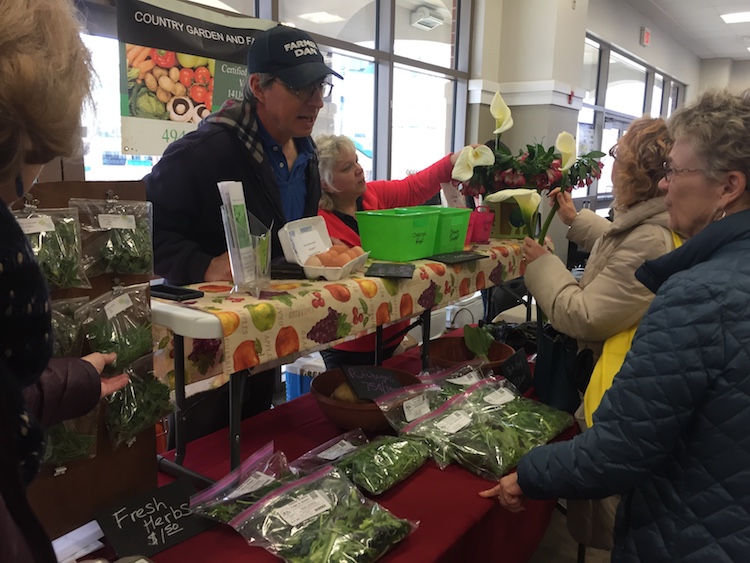
But while the corn industry economically benefited the state and the farmers who were able to compete, it also led to a less diverse range of local crops being sold to local people.
The goal of the food forum is to help reverse that trend and encourage more diversity in local crops, so people can buy a wider range of local foods.
Holly Parker from the Fair Food Network in Ann Arbor, Michigan, will give the keynote address, talking about how to help Indiana’s food scene grow in a way that makes sense for the land, soil, and farmers.
Katz says making the change will be a long process. But she encourages farmers to start small, and even use 10 percent of their fields to start growing crops like green beans or strawberries.
She’s also hopes to get investors interested in helping farmers build hoop houses, which allow them to extend their seasons and grow foods like spinach in colder months.
Even so, she says it’s not entirely up to farmers to advance Indiana’s local food scene; it also depends on consumers.
“It starts with creating a market to make sure farmers know consumers are here,” Katz says.
Having the Fort Wayne Public Market at Electric Works is a step in the right direction. Katz says other encouraging signs are the buy-in local farmers are seeing for Community Supported Agriculture (CSA) programs and other produce delivery services.
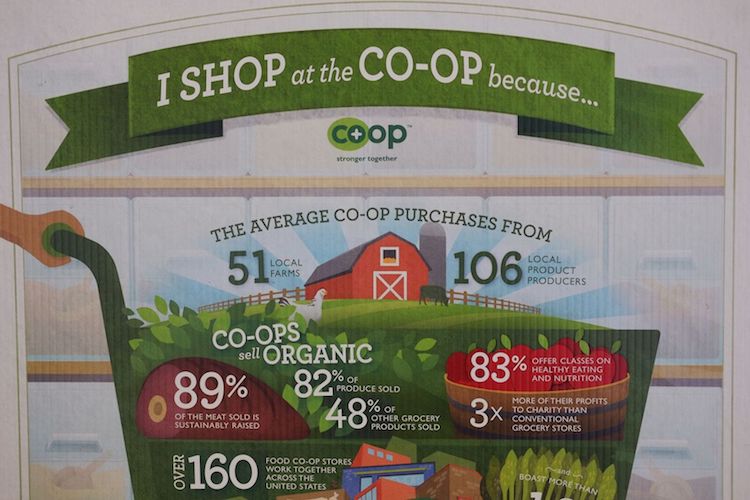
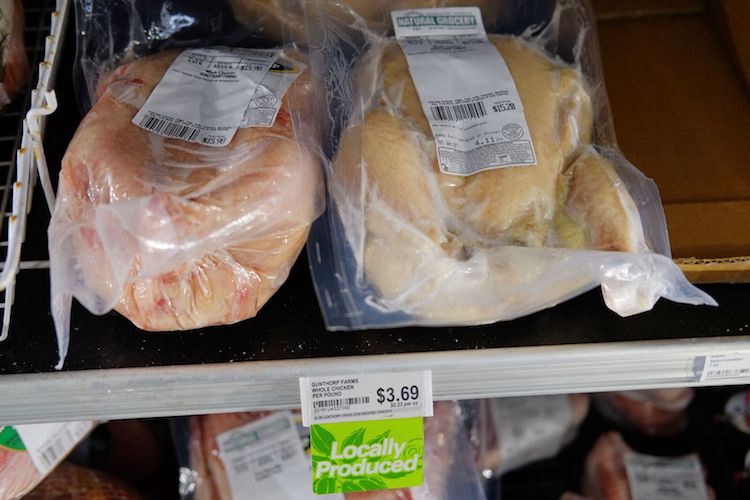
While farms like Seven Sons and Gunthorp Farms are still primary selling to Chicago, they both tell Katz that Fort Wayne is their largest growing market.
“We’re still a small portion of what they do, but it’s growing,” Katz says.
She hopes the Local Food Forum will boost interest in food grown in northeast Indiana, and it all starts by fostering stronger regional connections.
Building common ground
For Molly Conner, the decision to eat better was made for her.
After experiencing allergies and dietary restrictions, she developed a new appreciation for local groceries and farm-to-fork restaurants, and she wanted to know how her food got to her plate.
So as a local writer for the publication Pique: Fort Wayne Art & Culture, she interviewed regional foodies of all types, and she began giving consumers a glimpse behind the curtain at the local food scene.
Today, as marketing manager for the upcoming Local Food Forum, that same goal drives her forward: She wants people to get in touch with the journey food takes to their plates, and she wants to give them more opportunities to meet the people who make it happen.
“Producers and farmers work so hard,” Conner says. “They basically have to dedicate everything they have to this, and it is really risky, so that’s why it’s so important for there to be this community of people encouraging them.”
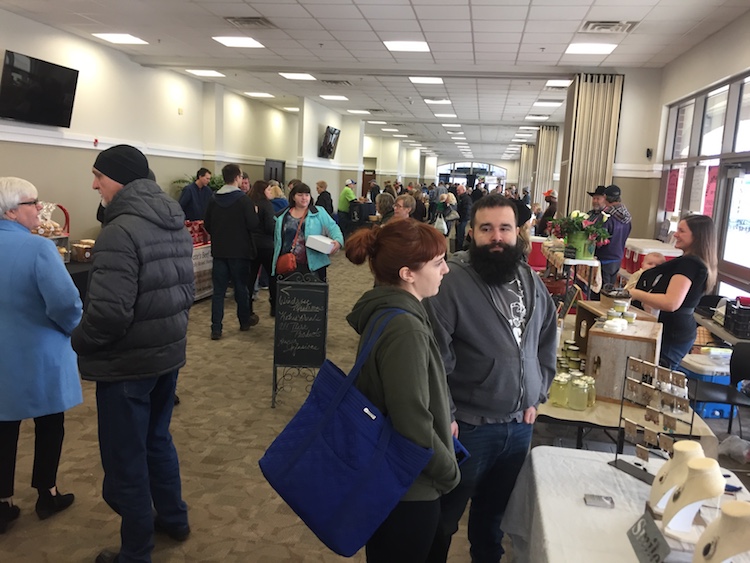
The Local Food Forum is open to the public, and Conner says it’s largely broken up into two sections, starting with a conference and ending with a local food expo and social hour.
She and Katz hope the event will lead to new businesses ideas and collaborations in the regional food community.
Another thing they’re wanting to see is greater understanding and respect among urban and rural communities, in general.
When it comes to making a local food network successful, it takes people reaching across divides and appreciating different cultures—whether it’s rural farmers selling to city markets, or suburban moms driving to country farms.
Reflecting on her first forays into the local food scene, Katz believes encouraging these cross-cultural experiences will help unify the region.
“Now when I drive through the farmland going from town to town, I feel a sense of connection to it that I wouldn’t have felt before,” Katz says. “Local food builds that connection. It builds common ground.”
Attend the Event
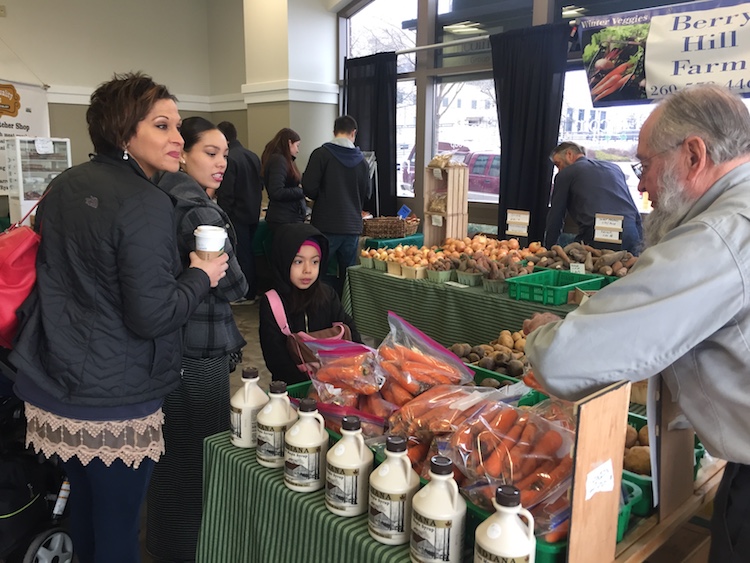
The Northeast Indiana Local Food Forum will be 8 a.m.-7:30 p.m. on March 12 at the Walb Classic Ballroom at IPFW.
A keynote address will be given by Holly Parker from the Fair Food Network in Ann Arbor, Michigan, followed by a series of breakout sessions, a locally sourced lunch, and Lightning Talks, where guests will have the opportunity to share ideas, news, and stories about local food.
The Local Food Forum will conclude with an expo and social hour where guests can sample local foods, learn more about initiatives and businesses, and mingle with local food producers, professionals and consumers.
Admission to the expo and social hour can be purchased separately.
For tickets and event information, visit www.neifood.org/northeast-indiana-local-food-forum.
Author

Related Articles

Creativity and collaboration are making climate education more accessible
Climate-change themed board games developed by a Fort Wayne resident and a global team invite people to take the first step toward sustainable living.
Opinion: Participate in the public process, invest in our community’s well-being
For the greater good, Fort Wayne resident Kimberly Koczan wants fellow community members to ask questions and demand answers when it comes to the Google Data Center.
Planting seeds for a greener future: Huntington celebrates ‘Oaktober’ with new city forester
For the first annual Oaktober, Huntington planted 500 trees across the town to boost its urban forest.