From Roots to Remembrance: The Art of Family Storytelling
At the ACPL Genealogy Center, experts share how to spark meaningful conversations that keep family memories alive.
Family history lives in our DNA, our memories, and the stories passed down at kitchen tables. From Roots to Remembrance is a two-part series that explores how people can use modern DNA testing to uncover new pieces of their past and how to preserve the stories that make those discoveries meaningful. Through expert insight from ACPL’s Genealogy Center, the series invites readers to explore both how we learn about our roots and how we ensure they aren’t lost to time.
When families gather for the holidays, it’s easy to focus on the logistics of who’s cooking what, where everyone will sit, and how to keep the kids entertained. But for staff at the Allen County Public Library’s Genealogy Center, these moments are about something deeper: connection through story.
“Everyone has a story,” says Curt Witcher, Director of Special Collections. “Story is the great equalizer. It connects us through experience and empathy.”
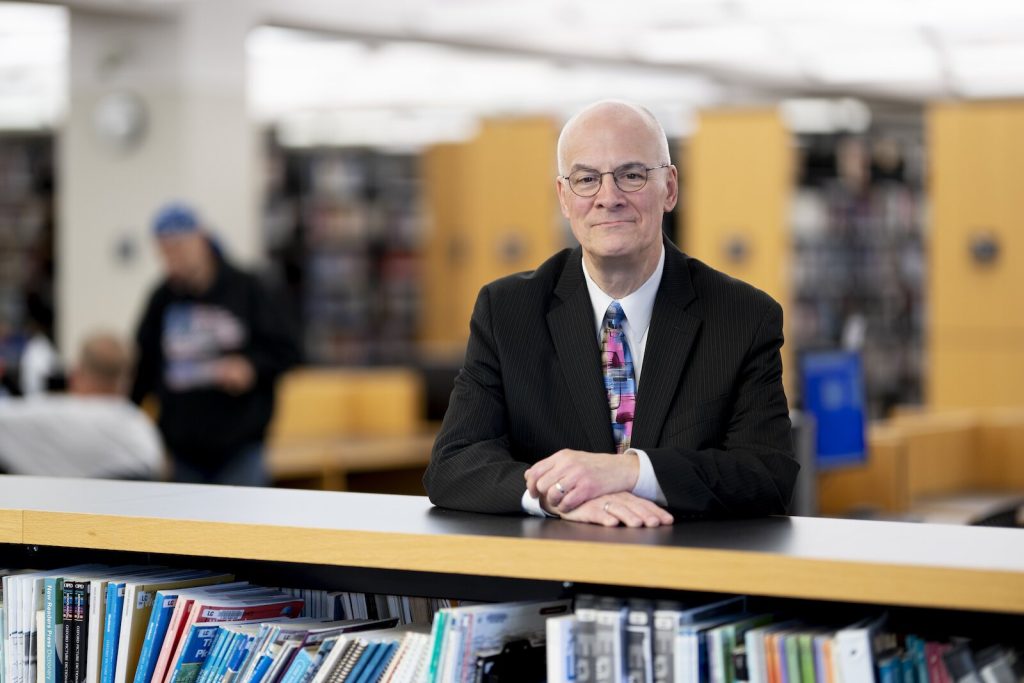
Witcher and his team help thousands of people each year trace and preserve their family stories. But they say the most powerful moments often happen far from archives or microfilm readers, but instead, around kitchen tables, living rooms, or in simple conversations that capture the details of a life.
A personal reminder
For Allison DePrey Singleton, Genealogy Services Manager at ACPL, that truth is personal. She discovered the value of recording memories while caring for her mother, who passed away three years ago.
“I used an app called Audio Biography that gives guided questions,” Singleton says. “I’d sit with my mom and ask one question at a time, and she’d have about ten minutes to answer. She told stories from her childhood. Things I’d never heard before.”

Those short recordings became priceless keepsakes. “After she passed, we played one of the clips at her funeral,” Singleton says. “In it, she explained the meaning behind her first name. It was just a little piece of her we could give back to everyone.”
Now she encourages others not to wait. “You think you have time,” she says. “But life happens. Even a few minutes of someone’s voice becomes something you’ll treasure forever.”
Why memory keeping matters
Witcher says preserving these stories isn’t simply sentimental. It’s essential, and research backs him up.
Researchers at Emory University discovered that children from families who talk openly and coherently about their past have higher self-esteem, stronger social skills, and fewer behavioral problems than children from families with less expressive narratives.
Family narratives, psychologists argue, act as a “reservoir of resilience,” giving people a sense of identity, connection, and continuity during difficult times.
Witcher sees that play out in real time. “When my own mother stopped speaking, her eyes would light up when she saw photos of her kids,” he says. “That’s the power of story. It reminds us that we matter.”
Both he and Singleton say that while records and DNA tests can tell where we come from, stories show who we come from.
How to start the conversation
Witcher believes the biggest barrier to collecting family stories is waiting for the “perfect” time or setup. “Too often, perfection gets in the way of progress,” he says. “You don’t need fancy equipment or twenty questions. Just start talking.”
He recommends beginning with open-ended prompts that invite reflection rather than one-word answers:
- What was your neighborhood like when you were growing up?
- Who were your favorite relatives?
- What traditions did your family keep?
- What advice would you give your younger self?
Singleton adds that sharing a bit of your own story first can help others open up. “It makes it feel like a conversation, not an interview,” she says. “When I shared one of my memories, my mom would think of something connected to it. It just flowed naturally.”
Listening with intention
Both genealogists stress that good storytelling depends as much on listening as on asking. “If you don’t want to truly listen, don’t do the interview,” Witcher says. “Give that person your full attention. Listen to understand, not to respond.”
He suggests gentle follow-ups like “How did that make you feel?” or “What helped you get through that time?” instead of “I know how you feel.”
Some stories are joyful; others are painful. Witcher advises compassion and patience.
“If someone says, ‘I don’t want to talk about that,’ that usually means ‘not now,’ not ‘never,’” he says. “Try again later, in a different setting.”
Singleton agrees: “Sometimes you have to earn a story. It takes trust. But when someone finally shares it, it’s an incredible gift.”
Use artifacts and engage the senses
Photos, heirlooms, recipes, and even smells can be powerful tools. “An old picture can open a thousand words,” Witcher says. “Ask, ‘Who’s this with you?’ or ‘What’s happening here?’ Artifacts make memories tangible.”
He also encourages families to use sensory details, especially smell. “Our sense of smell is the strongest memory trigger,” he explains. “If your grandmother always made sugar cookies, bake a batch. That aroma can unlock memories faster than any question.”
Preserving what you record
Technology has made memory keeping easier than ever. Witcher recommends using a smartphone or digital recorder, saving the files in multiple places, and revisiting them every few years to make sure they still play.
“You don’t have to be an expert,” Singleton says. “You can record on your phone, upload it to a cloud drive, or even email it to family. The important thing is to back it up and label it clearly.”
Witcher adds that transcription tools can make preserving stories even simpler. “AI now lets you upload a recording and have it transcribed automatically,” he says. “Then you have the audio and the text.”
A living legacy
For families who want help getting started, the Genealogy Center offers a free program called Life Stories, which includes sample questions, recording tips, and loanable equipment. “You don’t have to go it alone,” Singleton says. “We have everything you need to start collecting memories.”
Both she and Witcher hope families will take advantage of holiday gatherings to begin. “Bring a photo. Ask a question. Hit record,” Witcher says. “The stories you capture today could connect your family for generations.”
Singleton reflects on her own recordings. “It’s amazing how hearing someone’s voice can bring them right back,” she says. “Storytelling isn’t just about preserving the past. It’s about keeping love alive.”
Author

Related Articles
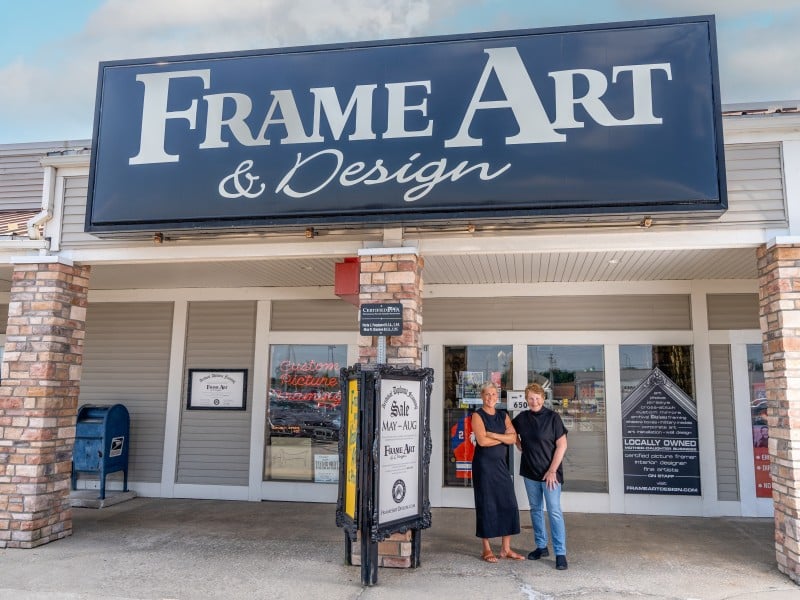
Frame Art & Design celebrates 30 years of business
Frame Art & Design is celebrating more than 30 years of expert framing and fine art services.

Q&A with House of Pins’ Co-founder Sarah McMillan
Following a devastating loss, Sarah and Jason McMillan committed themselves to creating House of Pins, a space where everyone is welcomed, accepted, and valued.
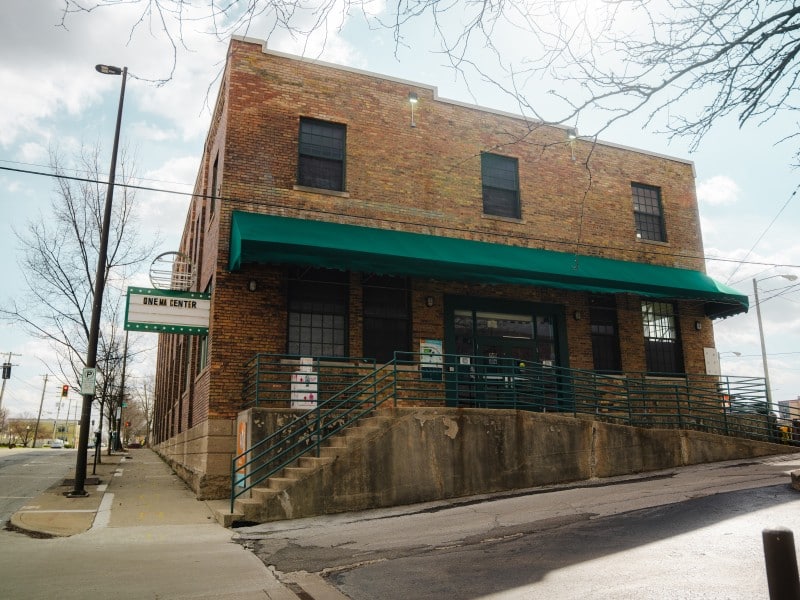
The Cinema Center: Fostering community and conversation through film for 50 years
To celebrate its anniversary, the Cinema Center is aiming to raise $100,000 to repair and upgrade the theater in downtown Fort Wayne.