From Roots to Remembrance: I Have My DNA Results. Now What?
The ACPL Genealogy Center helps people navigate the discovery, surprises, and next steps of DNA test results.
Family history lives in our DNA, our memories, and the stories passed down at kitchen tables. From Roots to Remembrance is a two-part series that explores how people can use modern DNA testing to uncover new pieces of their past and how to preserve the stories that make those discoveries meaningful. Through expert insight from ACPL’s Genealogy Center, the series invites readers to explore both how we learn about our roots and how we ensure they aren’t lost to time.
Every year, thousands of people unwrap at-home DNA kits hoping to learn something new about where they come from. Some dive in out of curiosity. Others are chasing a family story, a missing branch on their tree, or a deeper sense of identity.
But when the results finally arrive, many people find themselves staring at colorful ethnicity charts and unfamiliar names, unsure what any of it actually means, or what to do next. At the Allen County Public Library’s Genealogy Center, one of the nation’s largest public genealogy collections, librarians say these questions now come up all the time as more residents turn to DNA testing as a starting point for exploring their family history.
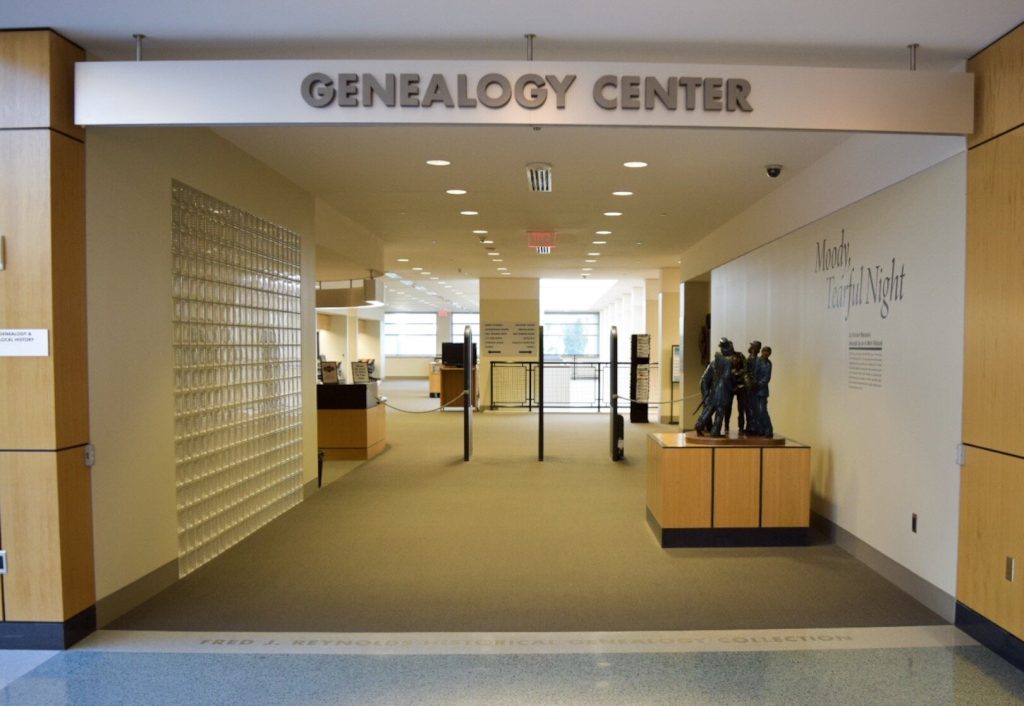
Some bring binders of research. Others walk in knowing almost nothing beyond a surname. Increasingly, they arrive with colorful ethnicity maps, cousin-match lists, and a sense of overwhelm.
“We get people who come in at different parts in their journey,” says Allison DePrey Singleton, genealogy services manager “Some have already taken a DNA test, but they’ve never considered how helpful it could be for genealogy.”

The good news, Singleton says, is that it is often easier than expected. “People say, ‘Where do I get started?’ We tell them, let’s talk, and we walk with them side by side.”
Start with the big picture (not the tiny percentages)
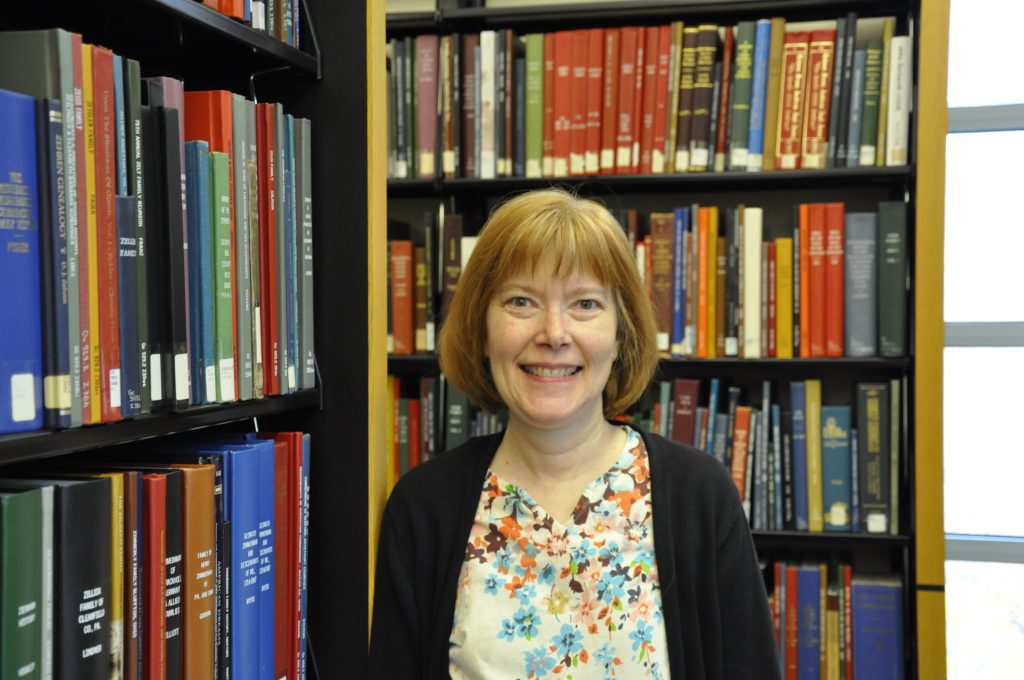
Sara Allen is a senior librarian and the department’s DNA specialist, a role shaped by years of hands-on experience. Long before she carried the title, she began helping adoptees interpret their DNA results.
“I started meeting a lot of adoptees and hearing their stories,” she says. “I felt very compassionate toward them because I know who my family is, and they don’t know who theirs is.”
As at-home DNA testing grew into a powerful tool for people seeking biological relatives, Allen found herself volunteering to help more and more individuals understand confusing or emotional results. That work eventually became a core part of her position at the Genealogy Center, where she now guides patrons through everything from unknown parentage to long-lost family connections.
One of her first pieces of advice for anyone opening their results: don’t get too hung up on the tiny percentages.
“They’ll come in and say, ‘I’m two percent Welsh. Where did that come from?’” she says. “But the testing companies will tell you that two percent is a small amount and within the margin of error. Your two percent might be nothing.”
Ethnicity estimates also shift as companies update their databases. Many users have logged in after an update to find their percentages suddenly different. Those estimates reflect historic populations and genetic clusters, not modern borders. A portion labeled “Welsh,” for example, may reflect shared Celtic ancestry that could be traced to Wales, England, or Scotland.
Your match list is where the real story begins
Every major DNA company provides a list of genetic matches, or people who share segments of your DNA and fall into categories such as first cousin, third cousin, or more distant relatives.
“Some people don’t even look at that part,” Allen says. “But if you want to get the full benefit of your results, you have to explore your match list.”
For most people who grew up knowing their biological family, the match list provides immediate confirmation. “You should see relatives you recognize,” Allen says. “An aunt or uncle, or a second cousin you’ve heard of.”
But sometimes the list raises questions. Many patrons arrive at the center trying to make sense of a surprising revelation, such as an unfamiliar relative or unexpected parentage.
“There are people who open their results, look at their matches, and don’t recognize any of the names,” she says. “That could indicate a secret adoption or unexpected parentage.”
These moments can be emotional, and the center helps people navigate them thoughtfully. Allen urges people not to jump to conclusions when their results deliver something surprising.
“Try to temper your reactions and sit on it for a while,” she says. “Don’t call your mother and curse her out, which people have done. Don’t contact a new match and say something unhelpful that scares them off.”
If the match is close, such as a sibling or first cousin, they may also be learning this information for the first time. Giving time to process is essential.
The Genealogy Center provides support. “People can make appointments with me or one of the other librarians,” Allen says. “We can guide them through what the results are telling them.”
Understand the ethical and privacy considerations
Before reaching out to a newfound relative, consider the implications.
“If someone appears as a first cousin, it does not mean your parents were involved,” Allen explains. “It could be that an aunt or uncle had a child nobody knew about.”
Contacting a person in this scenario may reveal a family secret that is not yours to share.
“You have to think about what you feel comfortable doing,” Allen says. “You might be revealing somebody else’s secret. And you may not want to talk to that family member about it, which puts you in a difficult position.”
Privacy also extends to the companies themselves. As DNA databases grow, consumers have valid questions about data sharing.
Allen recommends researching privacy policies before testing. “All four major companies say they do not sell your data to insurance or health care companies,” she notes. Only one, FamilyTreeDNA, allows law enforcement access by default, and users can opt out. And importantly, you can delete your DNA from any site in the future.
Making Sense of Your Family’s Past
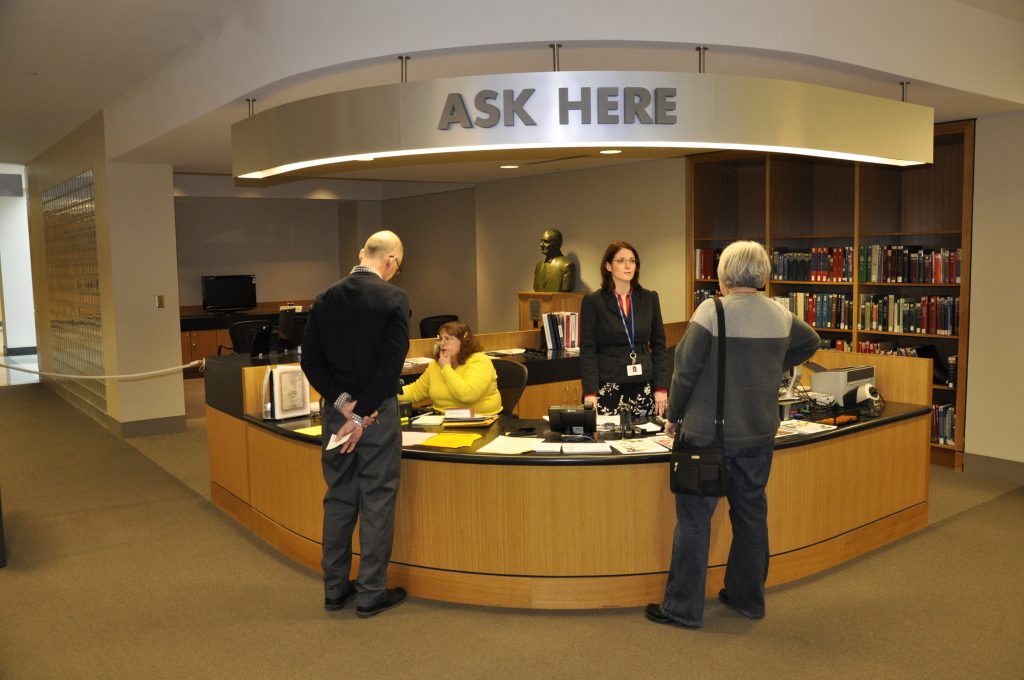
The Genealogy Center offers free consultations, access to books on DNA interpretation, adoption, and advanced methods, and a collaborative research model where librarians walk with visitors through each step. Staff also help people navigate sensitive or unexpected discoveries. “We want people to be able to do the research themselves,” Singleton says. “We guide them, help them find resources, and let them take ownership of their story.”
Getting started requires very little. “People can walk in with just their last name,” she adds, though knowing names and birth years of relatives born before 1950 can be helpful.
DNA can confirm long-held family stories, rewrite them entirely, or spark new questions. It can connect people across continents or shed light on the choices and circumstances of earlier generations. “People don’t realize how impactful it can be to learn about your family’s story,” Singleton says. “There will be good, there will be bad, and everything in between. But it connects you to the people who came before you. It can have a meaningful impact on your life.”
Coming Next in This Series
This article is the first in a two-part exploration of how Northeast Indiana residents can better understand, preserve, and pass on their family histories.
In the next installment, ACPL Genealogy Center experts will walk us through the art of family storytelling — from how to start meaningful conversations with older relatives, to the tools and techniques that help capture memories before they fade. They’ll share guidance, sample questions, and real stories about why preserving these family narratives matters now more than ever.
Author

Related Articles
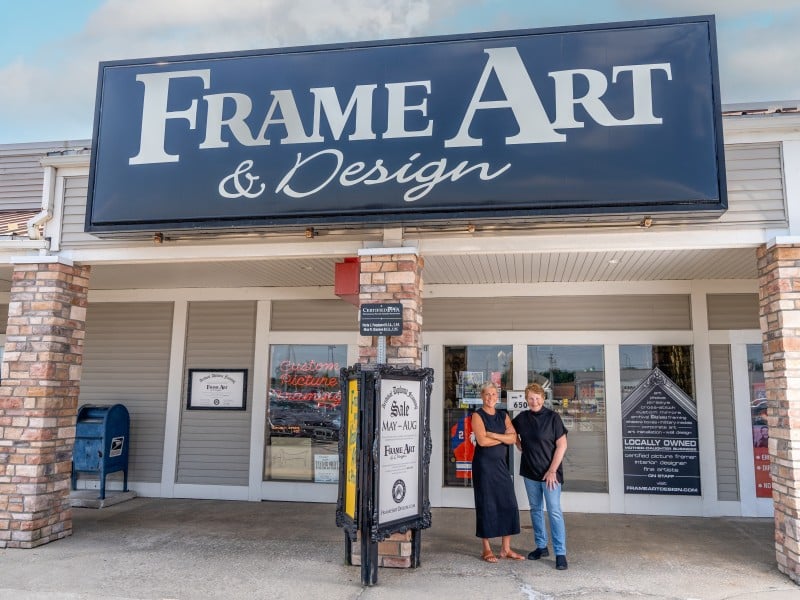
Frame Art & Design celebrates 30 years of business
Frame Art & Design is celebrating more than 30 years of expert framing and fine art services.
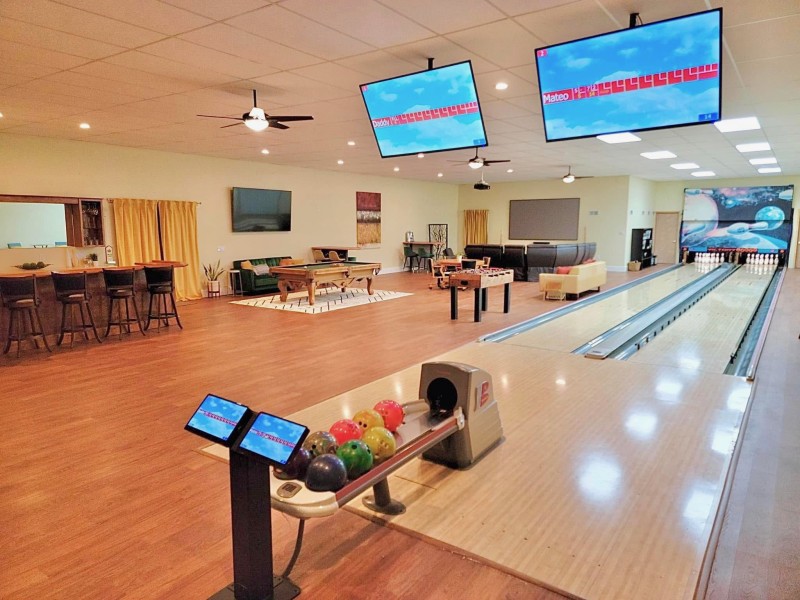
Q&A with House of Pins’ Co-founder Sarah McMillan
Following a devastating loss, Sarah and Jason McMillan committed themselves to creating House of Pins, a space where everyone is welcomed, accepted, and valued.
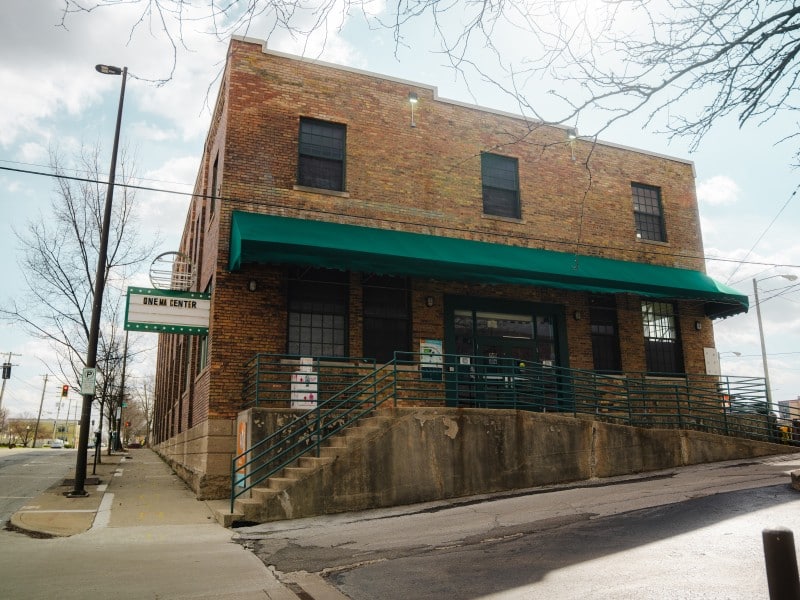
The Cinema Center: Fostering community and conversation through film for 50 years
To celebrate its anniversary, the Cinema Center is aiming to raise $100,000 to repair and upgrade the theater in downtown Fort Wayne.