Fort Wayne Animal Care and Control’s Pet Retention Program is keeping animals out of the shelter
In 2025, Fort Wayne Animal Care and Control (FWACC) took in over 1,600 animals through owner surrender. Some of those animals were brought to the shelter for reasons like moving, not having enough time for the animal, training issues, having too many animals in the home, or financial reasons. As a municipal shelter, FWACC cannot turn away animals, so when the combined number of animals in their care rises, regardless of where they come from, resources are spread thin, more fosters are needed, and in some situations, animals are euthanized.
Through programs such as the Pet Retention Program, the team at FWACC is continually working to reduce the number of owner surrenders, keeping pets in their homes, and in turn decreasing the number of animals put into their care.
The program provides assistance to pet owners in Allen County intending to keep pets in their homes and out of the shelter. The type of assistance varies, depending on each pet’s needs, but FWACC often provides food, vaccines, microchips, pet ID tags, spay/neuter and other limited medical or behavioral services. If the assistance needed is outside of their scope, Mistyna Reiter, public information officer for FFACC, says they will connect pet owners to other resources that can meet their needs.
“It is one of those things where we are just doing everything that we can to try for our staff and for our community to try to reduce the number of animals coming into the shelter, number of animals that happen to be euthanized, and those types of things,” Reiter says. “It’s just very difficult to pinpoint something specific and say that this is the solution; however, we know that it does at least assist.”
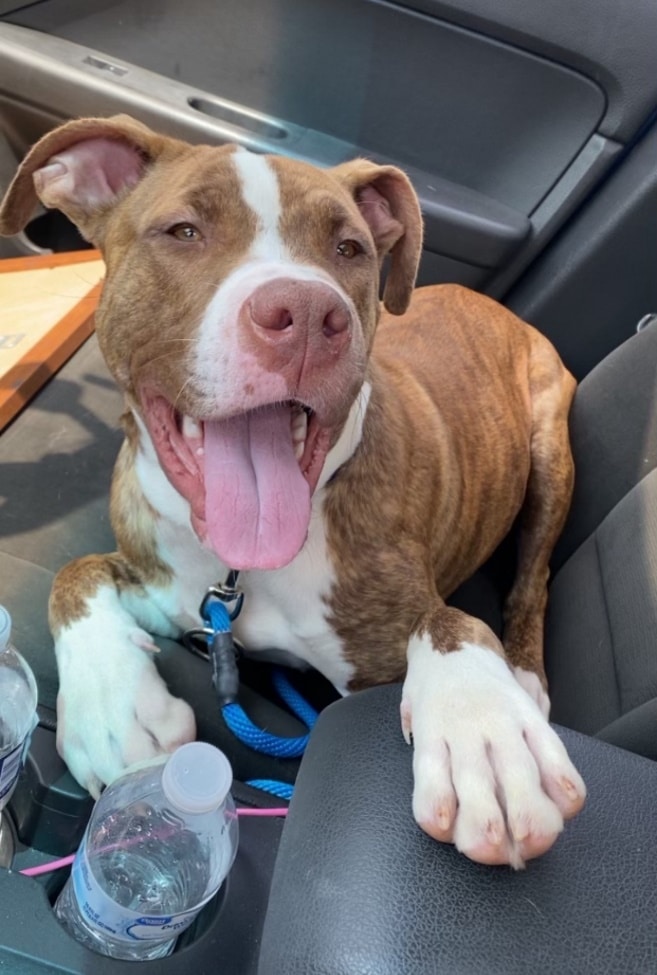
According to a 2024 report from FWACC, they had 1,173 owner surrender appointments scheduled that year. More than 500 surrenders were prevented through resources provided by the Pet Retention Program. That’s only a small piece of the overall impact. A more accurate number of pets kept at home is harder to track, Reiter explains, as officers often use retention resources in the field and many resources are listed online, where pet owners don’t need to work with FWACC directly to find help.
“Anything we do to try and reduce an animal coming into the shelter – that’s what this program helps with,” she adds.
The Pet Retention Program is funded through a combination of donor support and grant funding. As needs fluctuate each year, it’s hard to predict what resources will be needed and what amount of funding will fulfill those needs. In 2025, FWACC provided over 150 free or reduced-fee spay/neuter vouchers, which accounts for a significant part of the budget.
“A large portion of the funds help cover and offset costs for spay/neuter…it depletes it quickly,” Reiter explains.
Last fall, the fund was depleted of resources toward the end of the year.
“Honestly, it was just a large amount of people needing assistance last year,” Reiter explains. “I’m assuming that’s due to rising costs in the community, but we had a healthy amount at the beginning of the year, and by late fall, we had it completely depleted, minus just the little sprinkle of donations we were getting here and there.”
With little budget to work with, FWACC prioritized assistance for the most urgent cases and leveraged general shelter donations to ensure that help continued to reach pet owners in need.
This month, FWACC was awarded a $10,000 Agile Grant from the Community Foundation of Greater Fort Wayne through the Clarke Endowment Fund in support of the program.
“We see pet owners in the community or visiting the shelter daily who are struggling to keep their animals protected, fed, or who are dealing with other medical or behavioral issues. We want to do more than just educate; we want to help fix the problem,” says Director Amy-Jo Sites. “Thanks to the grant award from the Community Foundation, we can once again offer assistance with some of these concerns and help reduce those households needing to relinquish pets due to a temporary hardship.”
The grant provides a much-needed boost for the program, one that the FWACC team hopes will translate into more eyes on the program.
“Our hope is that with the grant funding, is that through other donations, we’ll be able to not run into this issue again,” Reiter says of the low funds they experienced in 2025.
Just as more eyes on the program could translate into more financial support, the FWACC team also anticipates it will translate into more requests for help. Whether through grants, donor engagement, or community partnerships, she adds that FWACC is committed to “sustaining the program long-term” to ensure that “no family must surrender a pet simply because of a temporary hardship.”
To learn more about the Pet Retention Program, including to find resources or to support it, visit FWACC’s website.
Author

Related Articles
Indiana health center trains local residents as dental assistants to fill workforce gaps
HealthLinc, a federally qualified health center in Valparaiso, covers training costs while preparing local residents for dental assistant jobs, strengthening workforce pipelines and expanding access to care.

What will Dekalb County do with the historic Sunny Meadows property?
Sunny Meadows, a county residential home, is now closed, but the building’s future is up for debate.
#PlacesofNEI: Katey’s Cafe on Berry Street
Katey’s Cafe features a breakfast and lunch menu, as well as a variety of coffees, smoothies and snacks.