
Input Home Tours: A historic Colonial Revival filled with books, creativity, and moody lighting
Catherine and Scott Hill give us a tour of their family’s history-filled Philo Farnsworth House, complete with moody lighting and a kitchen table made from reclaimed bowling alley wood.
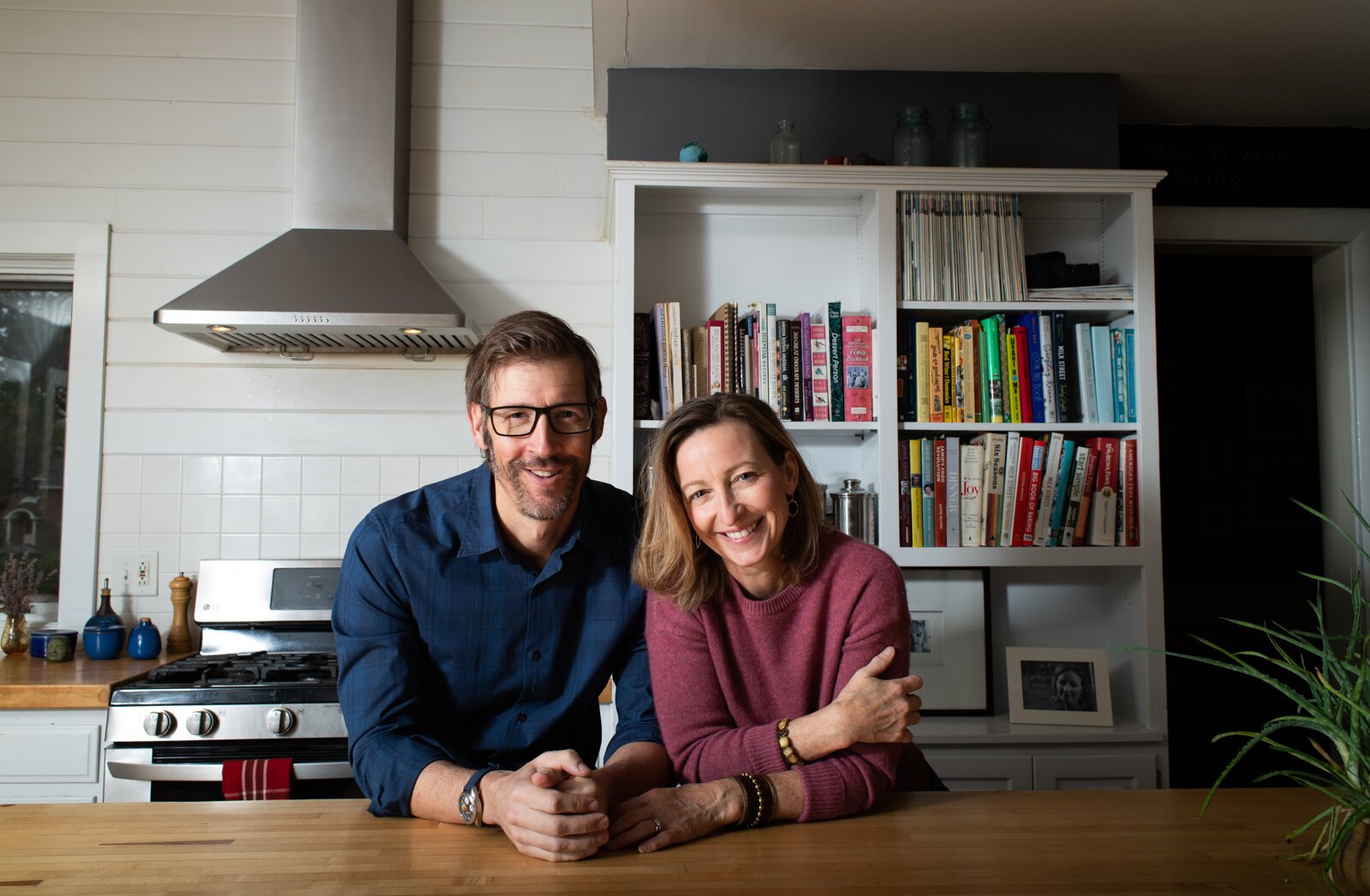
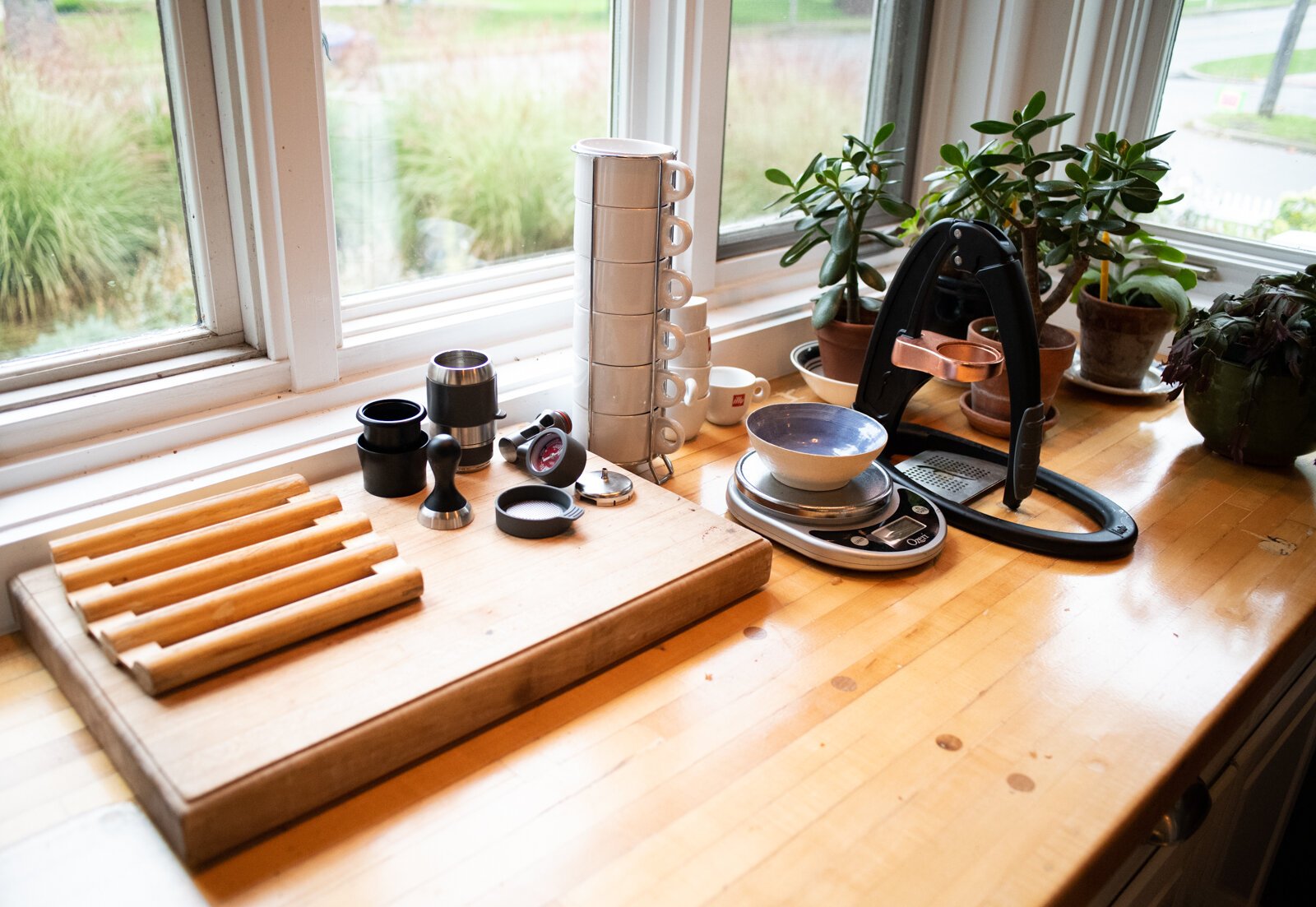
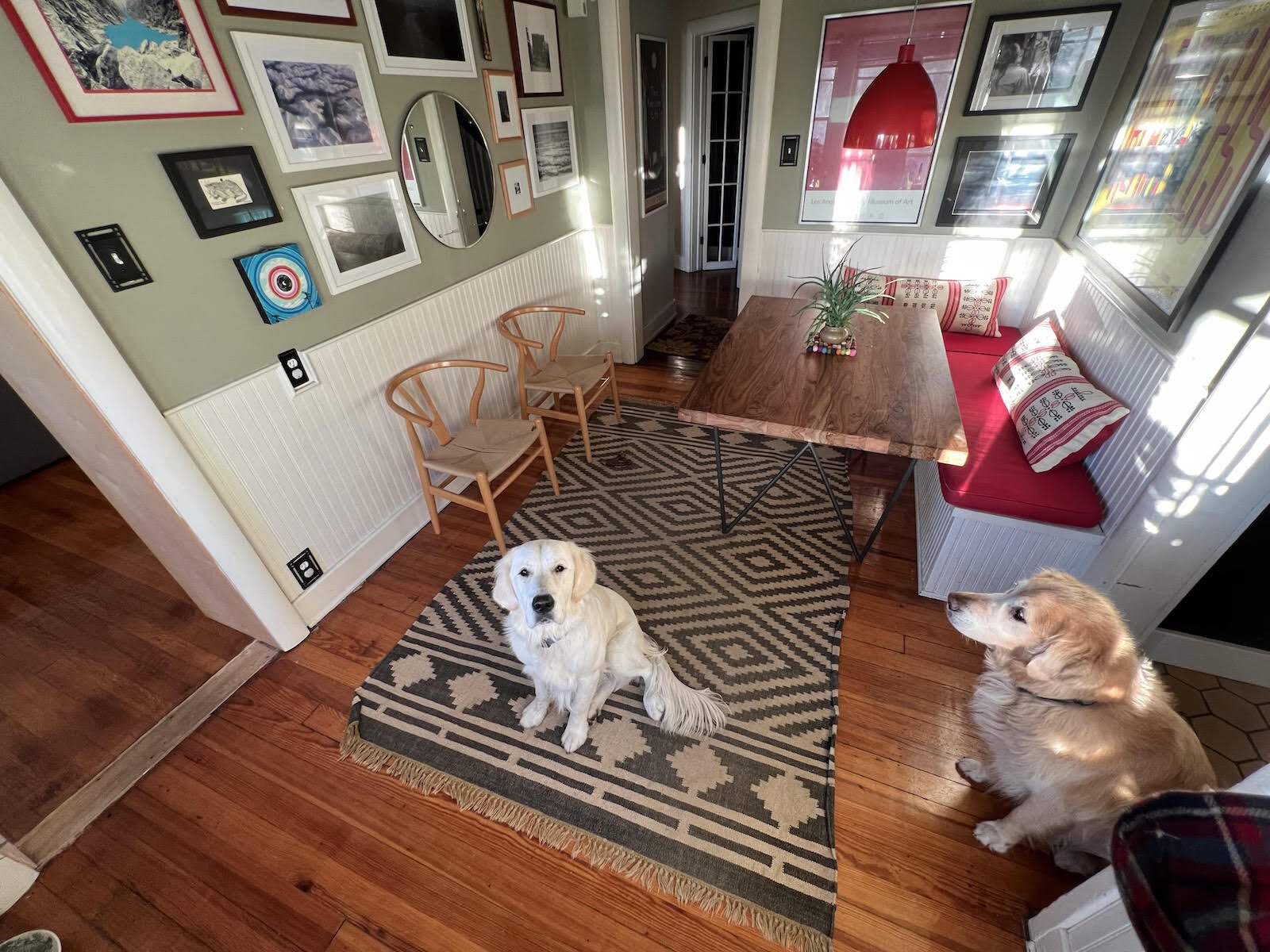
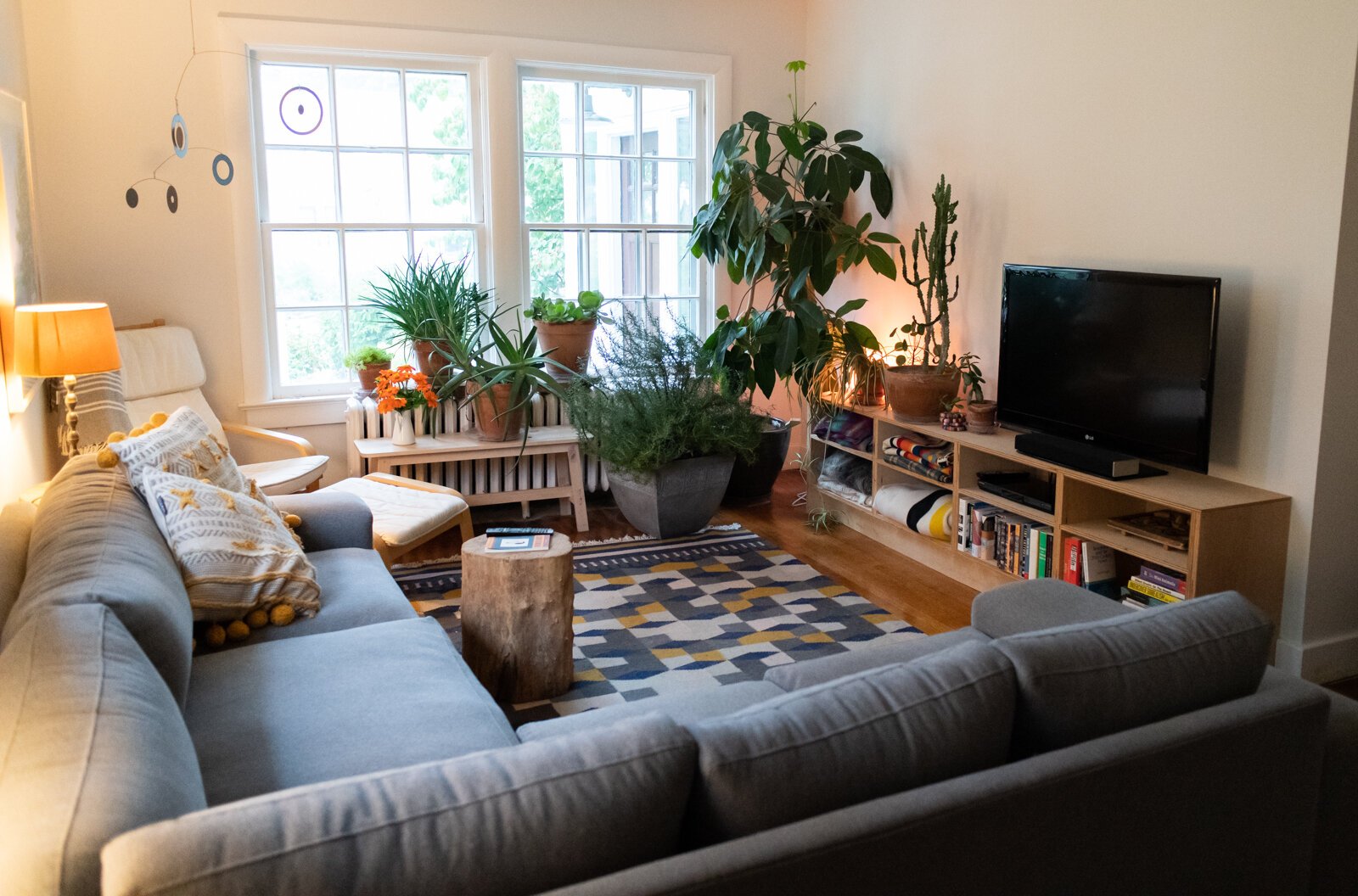
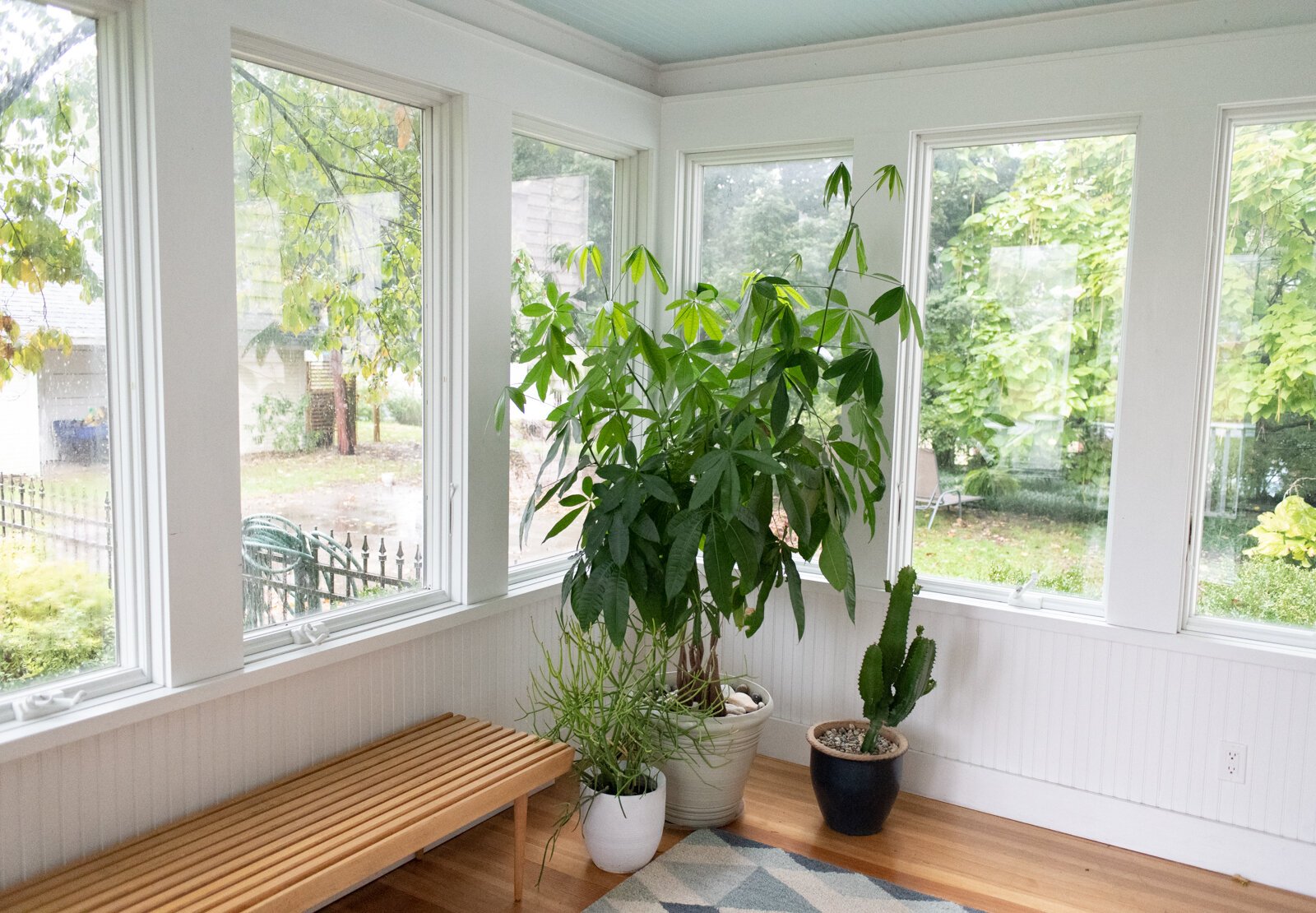
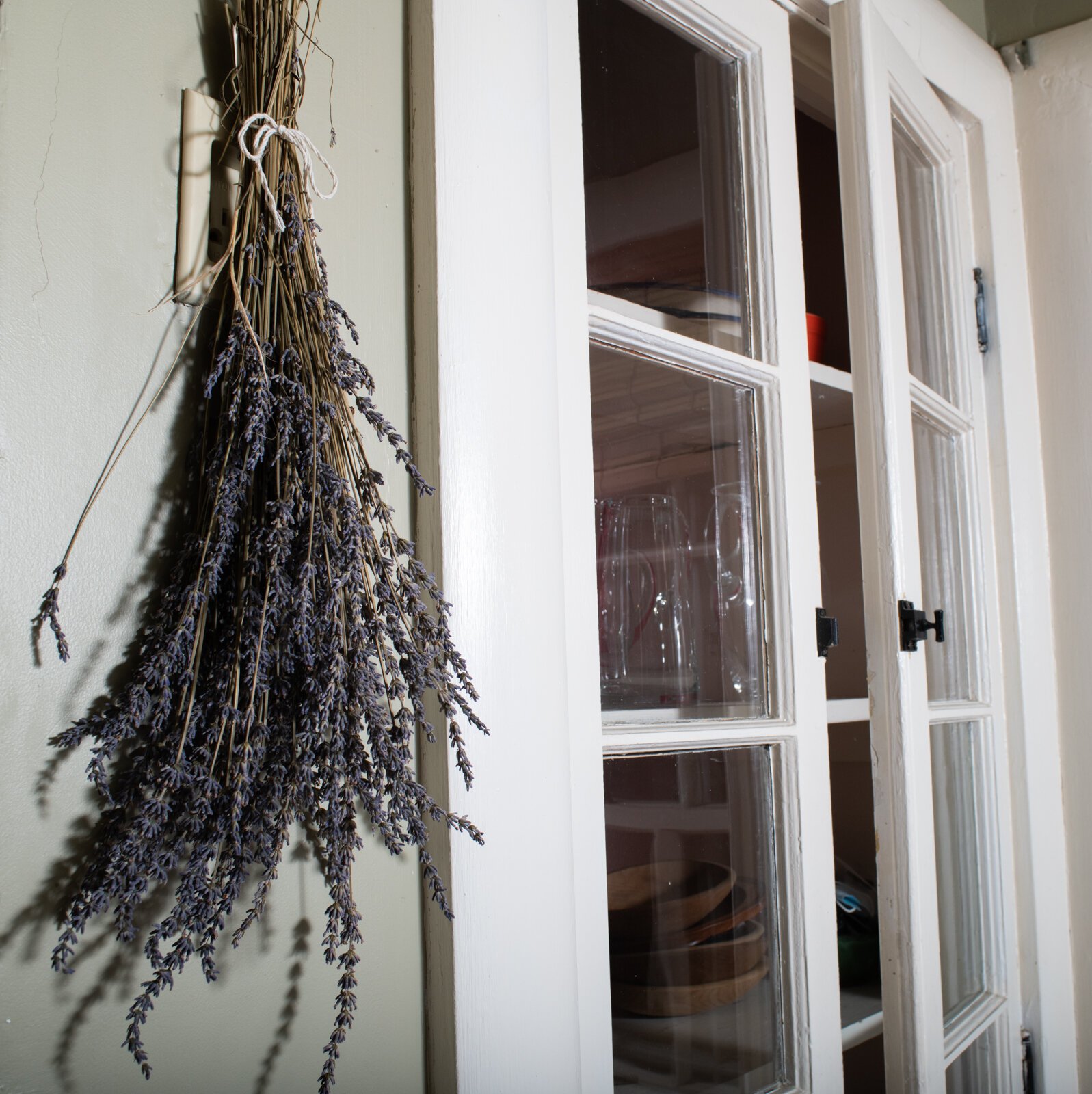
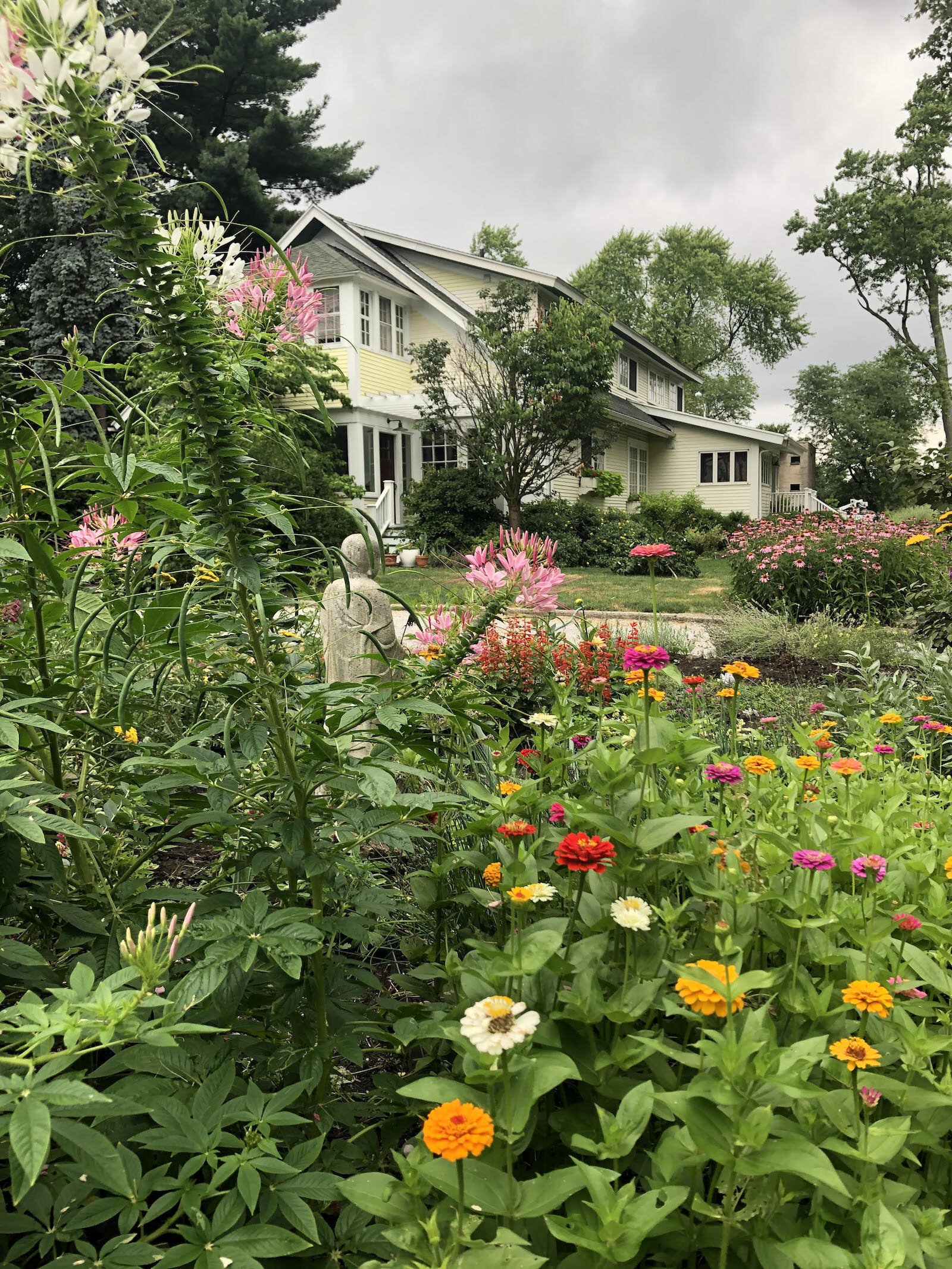
While many lovers of history might dream of living in a home listed on the National Register of Historic Places, Catherine and Scott Hill and their family are making that dream a reality in Fort Wayne’s 05 neighborhood.
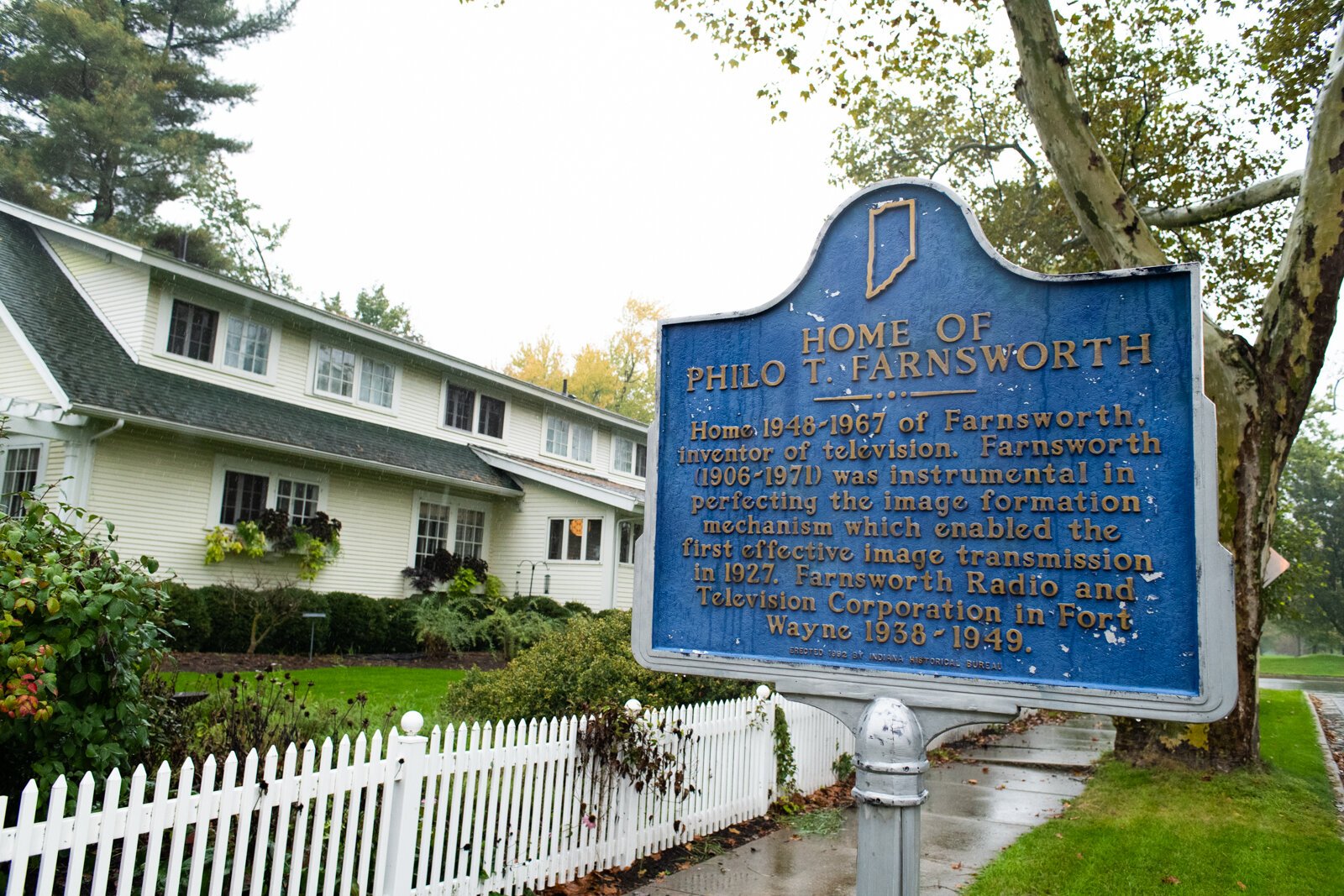
Their Colonial Revival home, dating to 1910, was designed by Fort Wayne’s first female architect, Joel Ninde, and built for Lincoln National’s first actuary, Franklin B. Meade. Along with its local significance, the home was later owned by television pioneer, Philo Farnsworth, from 1948-1967, landing it on the National Register in 2013.
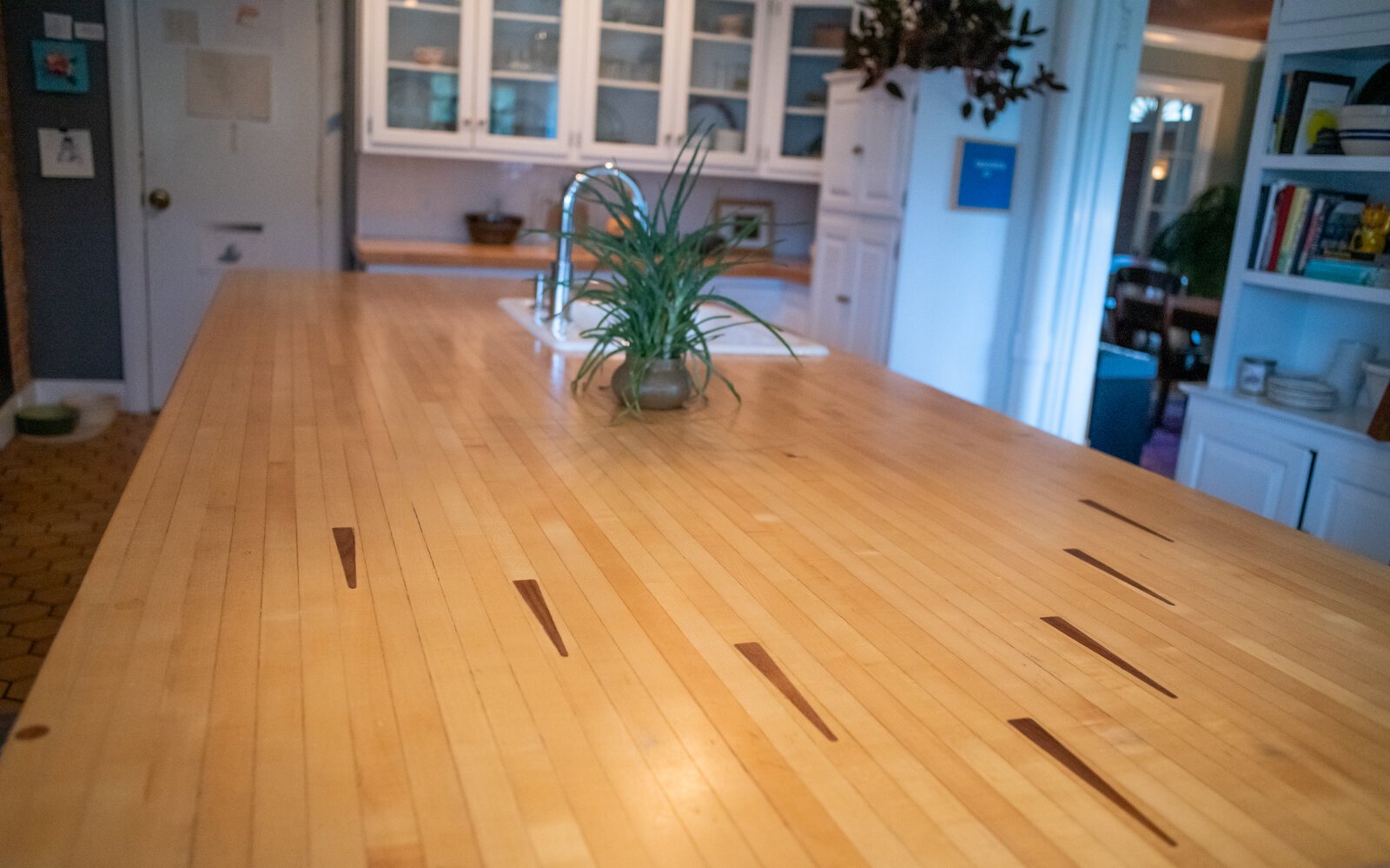
This week, the Hills give us a tour of their historic residence, the Philo Farnsworth House, in the 730 block of E. State Blvd. complete with moody lighting and creative touches, like a kitchen table made from reclaimed bowling alley wood.
Tell us a little bit about yourselves. How long have you lived in your home, and who do you live with?
We’re Scott and Catherine. Scott is an English Teacher at Homestead High School, and Catherine is the Client & Community Relations Director for PNC Bank. We moved into our home in August 2000 with our son Birk (17) and our daughter June (19), who is off to college in Portland, OR, now, so she’s a part-time resident.
Tell us about your house.
Our house was built by Joel Ninde, who was a big fan of Frank Lloyd Wright. It has three bedrooms, three baths, and tons of closet space, as well as built-ins and a master bathroom. These touches give us clues that Ninde was thinking about convenience and comfort when she designed this home.
Our house was originally built for Lincoln National’s first actuary, Franklin B. Meade. He loved gardens and collected irises from around the world, so the home was called “Iriscrest” when he lived here.
What inspired you to move into this home, of all places?
It wasn’t on the market when we were looking, but our realtor got us in because he had insider info that it was about to come up for sale. We made an offer that was accepted before it ever hit the market. “Impulse buy” might be an overstatement, but it did happen very quickly.
Tell us about your neighborhood and what you love about living there.
The Rivergreenway is three blocks South, which takes us easily to Downtown or West to the Franke Park mountain bike trail. Northside Neighborhood is an excellent walking neighborhood with nice neighbors, huge shade trees, unique homes, big front porches, Lakeside Park, the Rose Garden, and we have Northside Park literally across the street.
During COVID-19, at a time when so many Americans are spending more time in their homes than usual, have you found yourself making design updates to your space? If so, what are they?
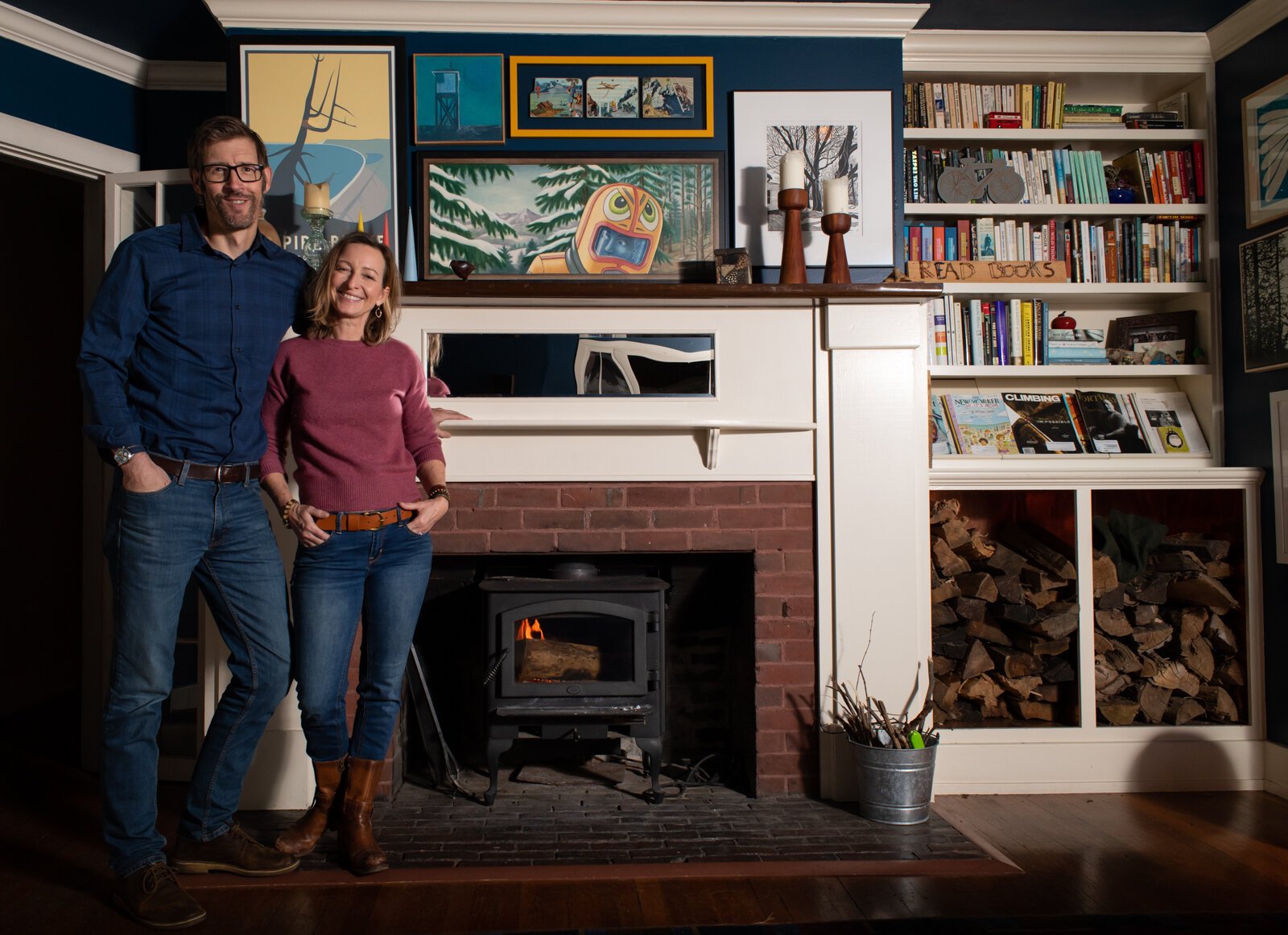
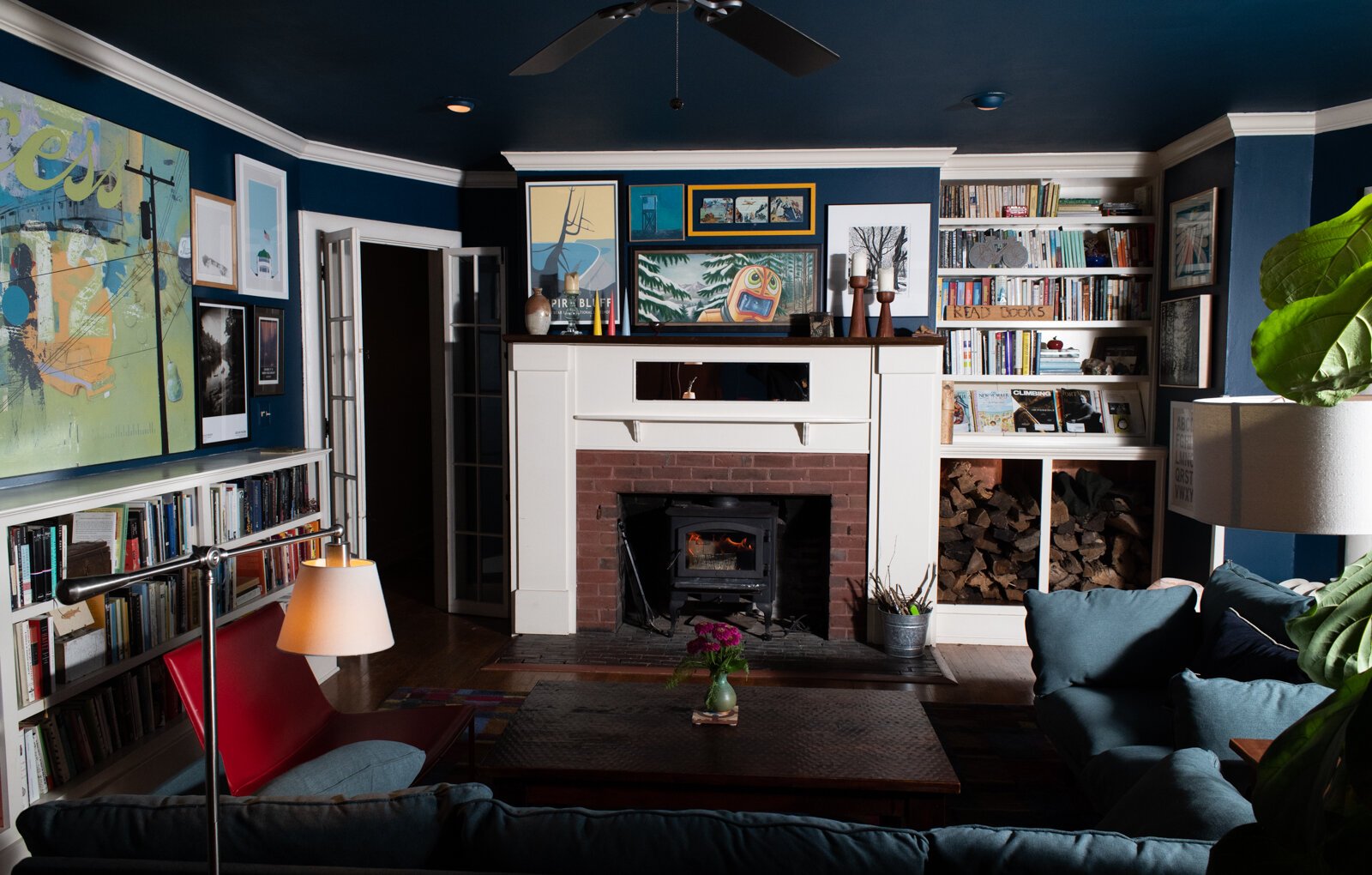
The house is ALWAYS a work in progress. Our most dramatic change was painting the living room (and even the ceiling) a deep blue where it had been off-white before. We are always moving grasses and plant material around the yard, too. We also paid a lot of attention to improving the bird habitat around our house.
How would you describe your design style?
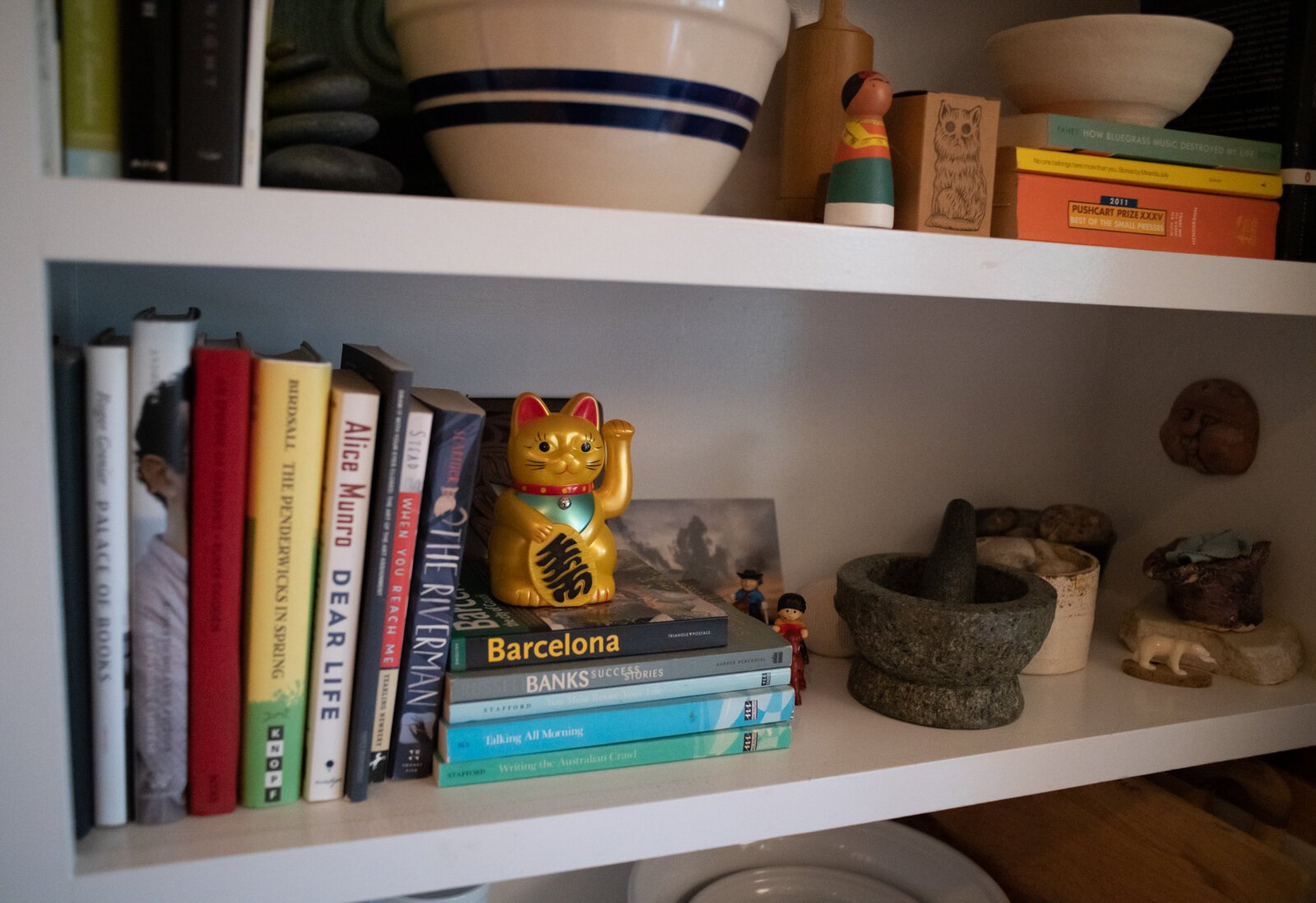
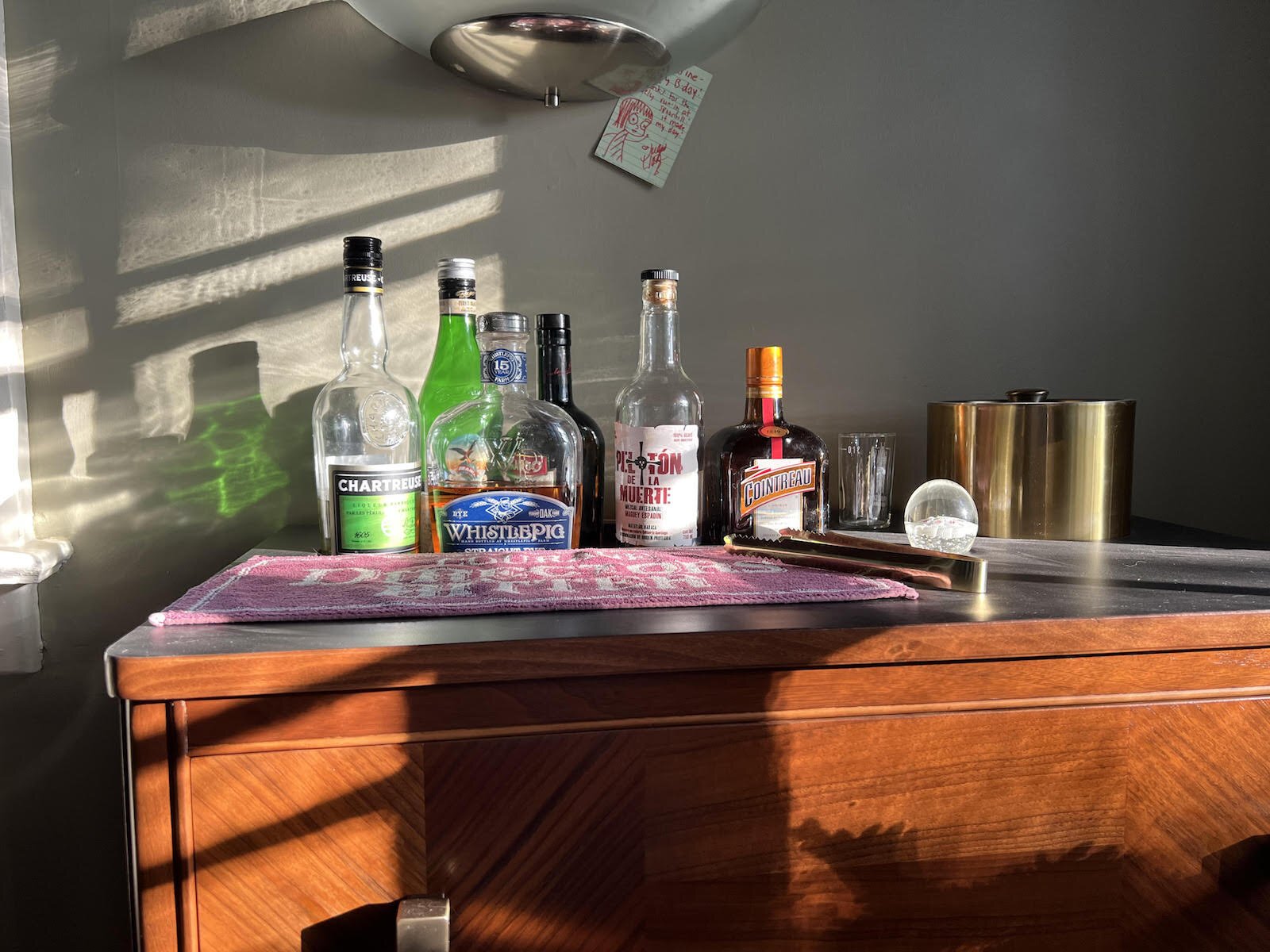
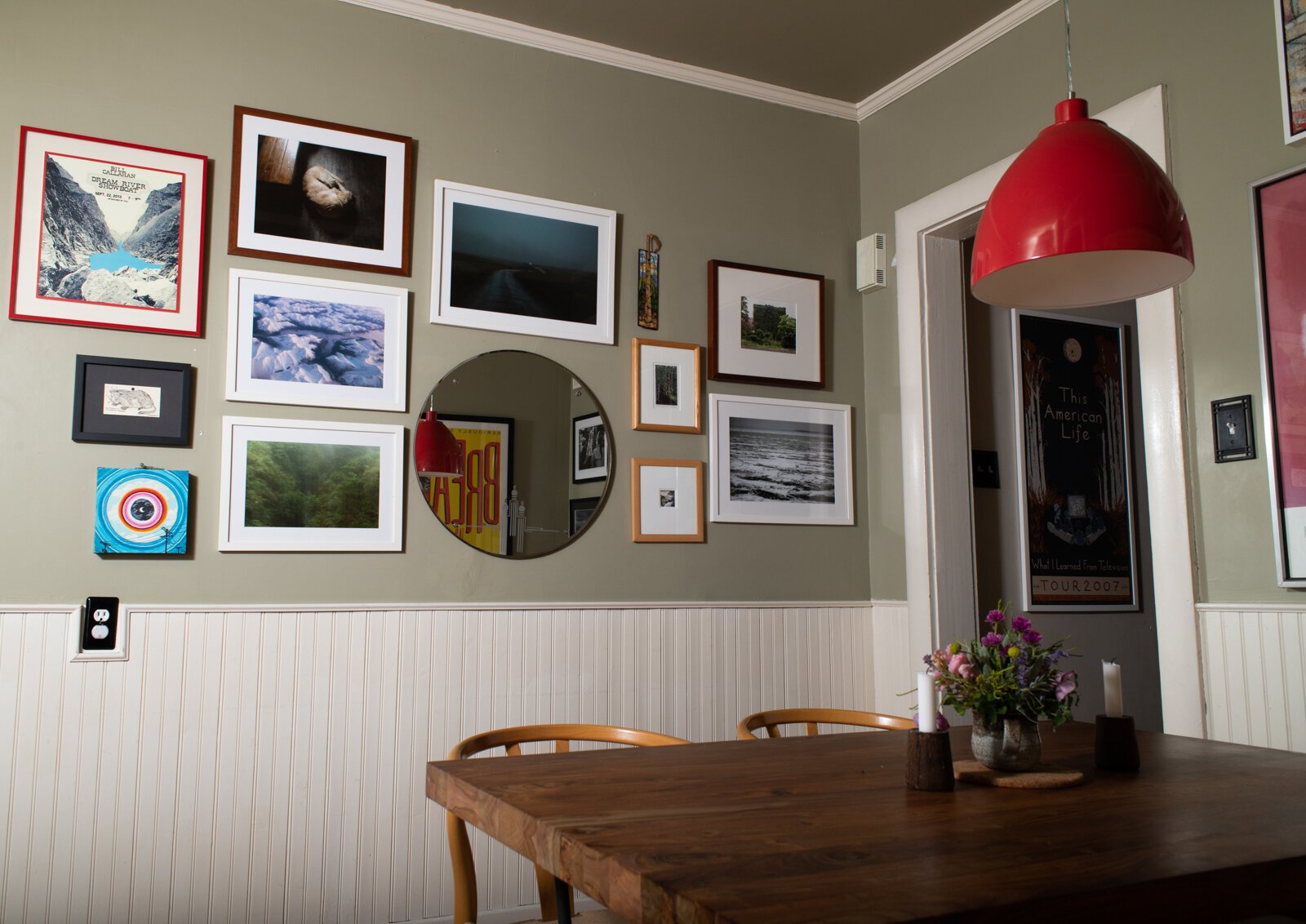
In general, the rooms tend toward a kind of bookishly-disheveled maximalism that’s generally warm, and the walls are covered in art and plants hogging the daylight.
Where do you find your design inspiration?
We love the Instagram feed for the New York Times T Magazine, blogs like Subtilitas and Convoy, magazines like Apartamento and Dwell, books featured on the shelves in the Arts and Media department at the Allen County Public Library, “Van Life” tours, The Hobbit, and The Cinder Cone—even Scott’s childhood bedroom. Oh, and we try to give a design nod to Catherine’s first boss in Fort Wayne, Barb Baekgaard (of Vera Bradley).
Have you faced any design challenges in your current space, and if so, how did you overcome them?
Almost every room—even two of the bathrooms—has more than one doorway, and the living room has four. As a result, tucking furniture into corners is not an option simply because there are so few corners. We have found that floating furniture in the center of the room can still feel cozy and grounded.
What is your favorite space in your home?
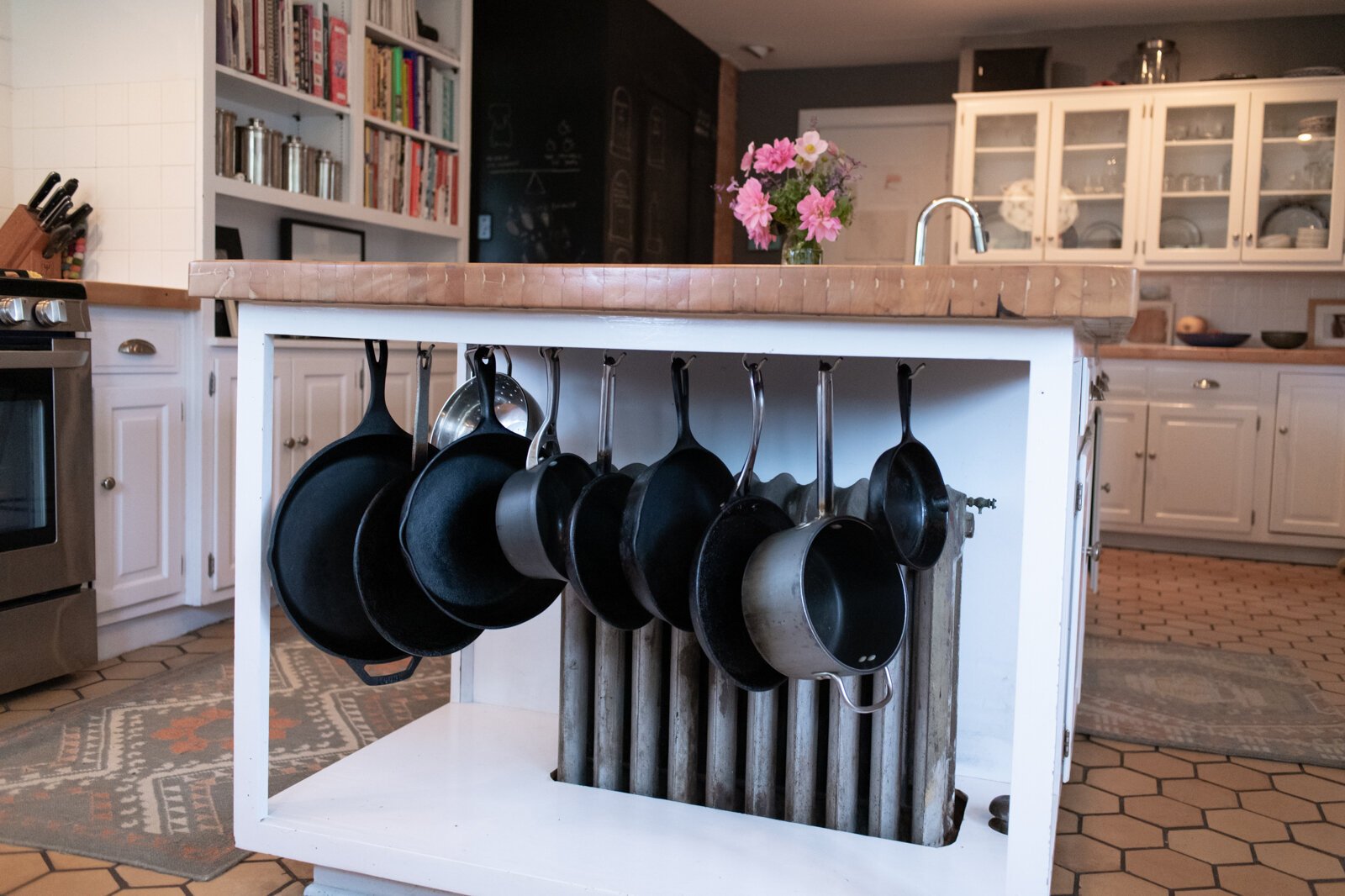
It depends on the time of day because the house’s best feature is its many old windows. The best room is the one with the sunlight making rippling shadows through the windows’ wavy antique glass. And because we have big windows and open space on all sides, we enjoy mornings in the kitchen and the nook. Then we slowly make our way toward the West side of the house as the day moves along.
What is your favorite piece of furniture or décor in your home?
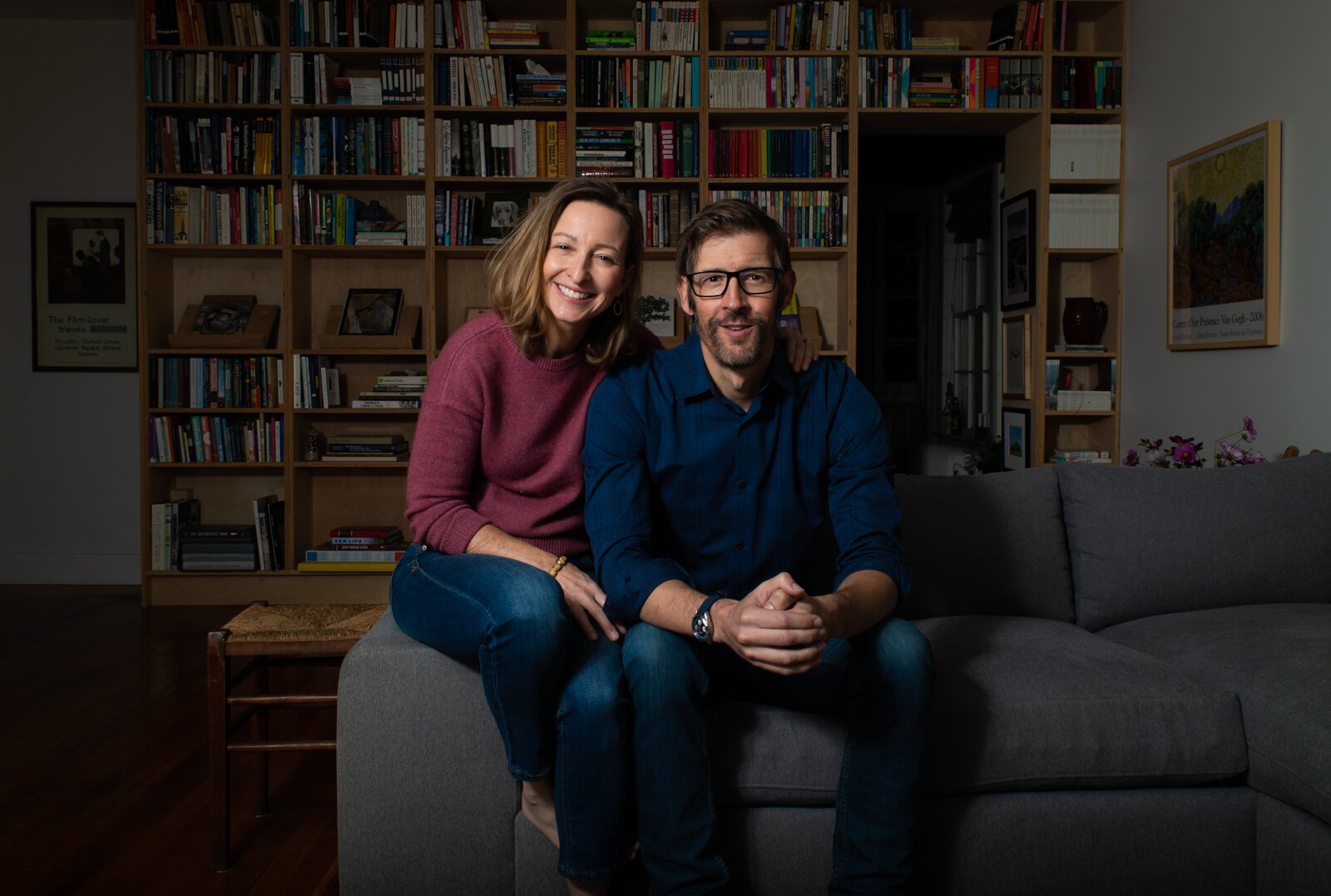
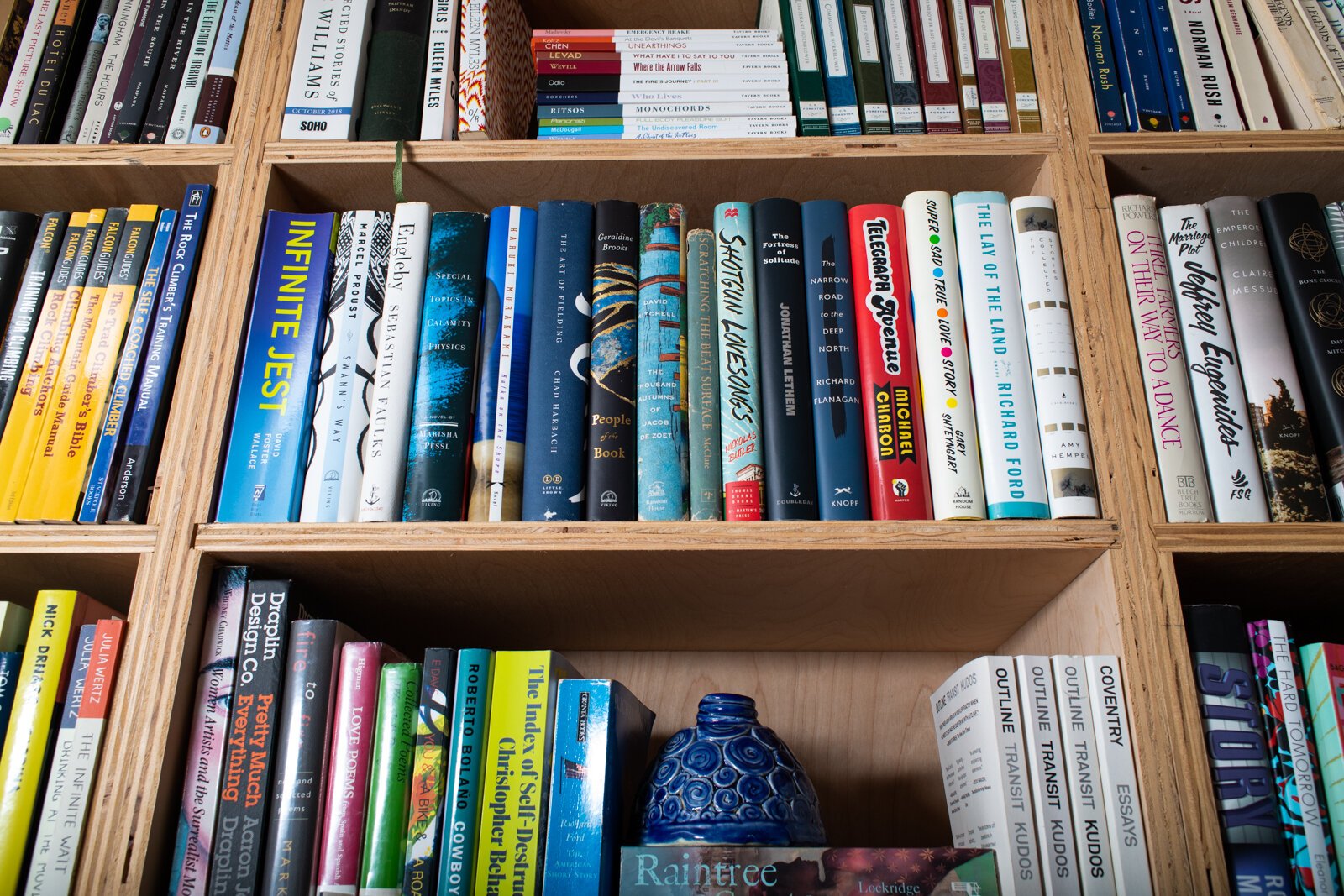
That would probably be our newest bookshelves. We designed them ourselves (one for fiction, and one as a blanket library), and our builder friend fixed our bad math to make them a reality. It’s nice to have so many of our favorite books right in front of us, so we can glance at the shelves and think, “Oh hey, that book….”
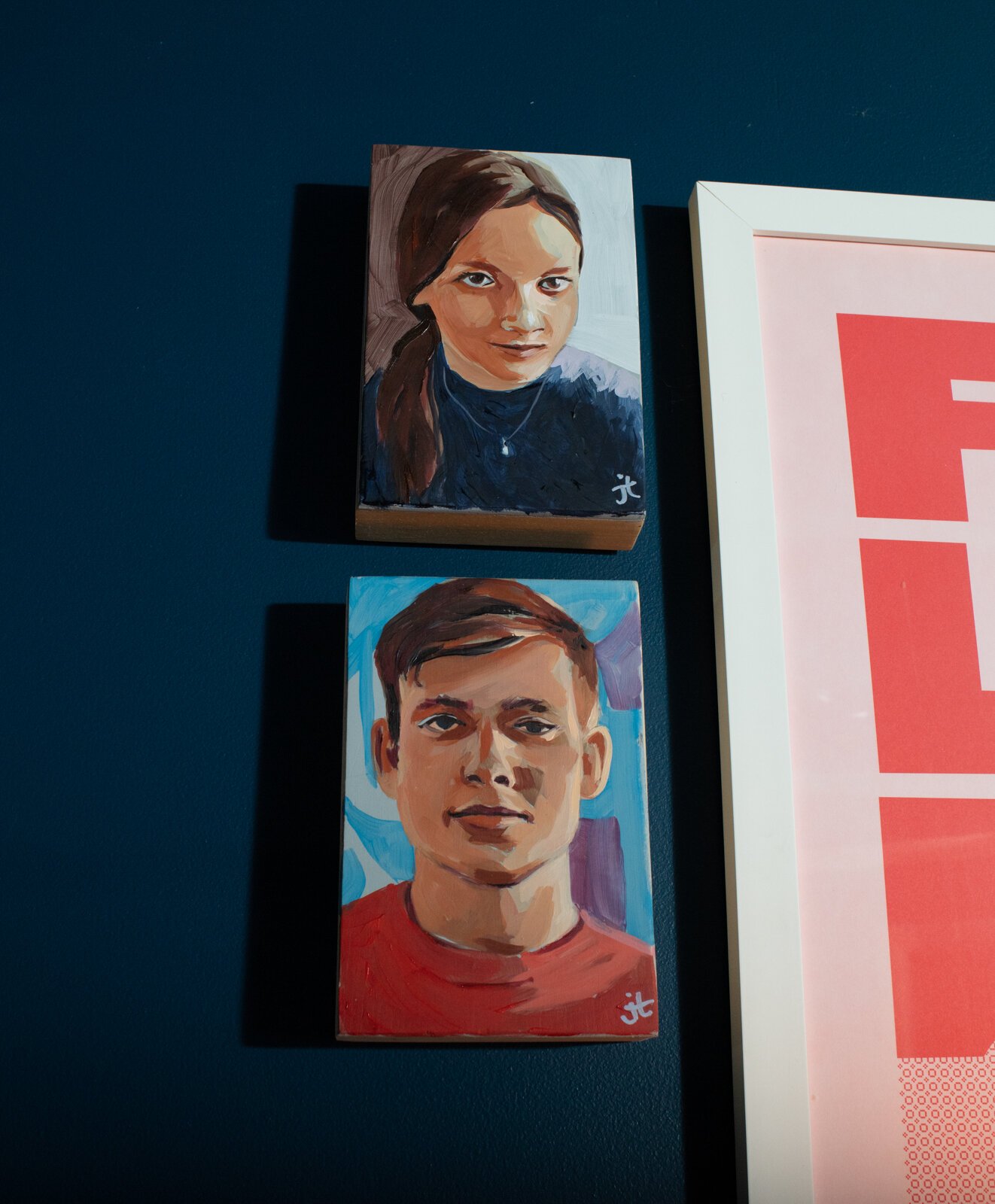
We also love all of the artwork on our walls that we’ve purchased from Fort Wayne area artists. A few of our favorites are Nathan Ables, Jerrod Tobias, Eric Tarr, E4, David Birkey, Marie Gardeski, and Seth Harris.
What advice do you have for others looking to update their space in Fort Wayne? Any local shops or resources you would recommend?
We love Reclaimed Fort Wayne and House to Home for furnishings and the wonderful Young’s Greenhouse on Lake for large and unusual plants. The Honey Plant is delightful, too.
Any fun tips or tricks for home updates on a budget?
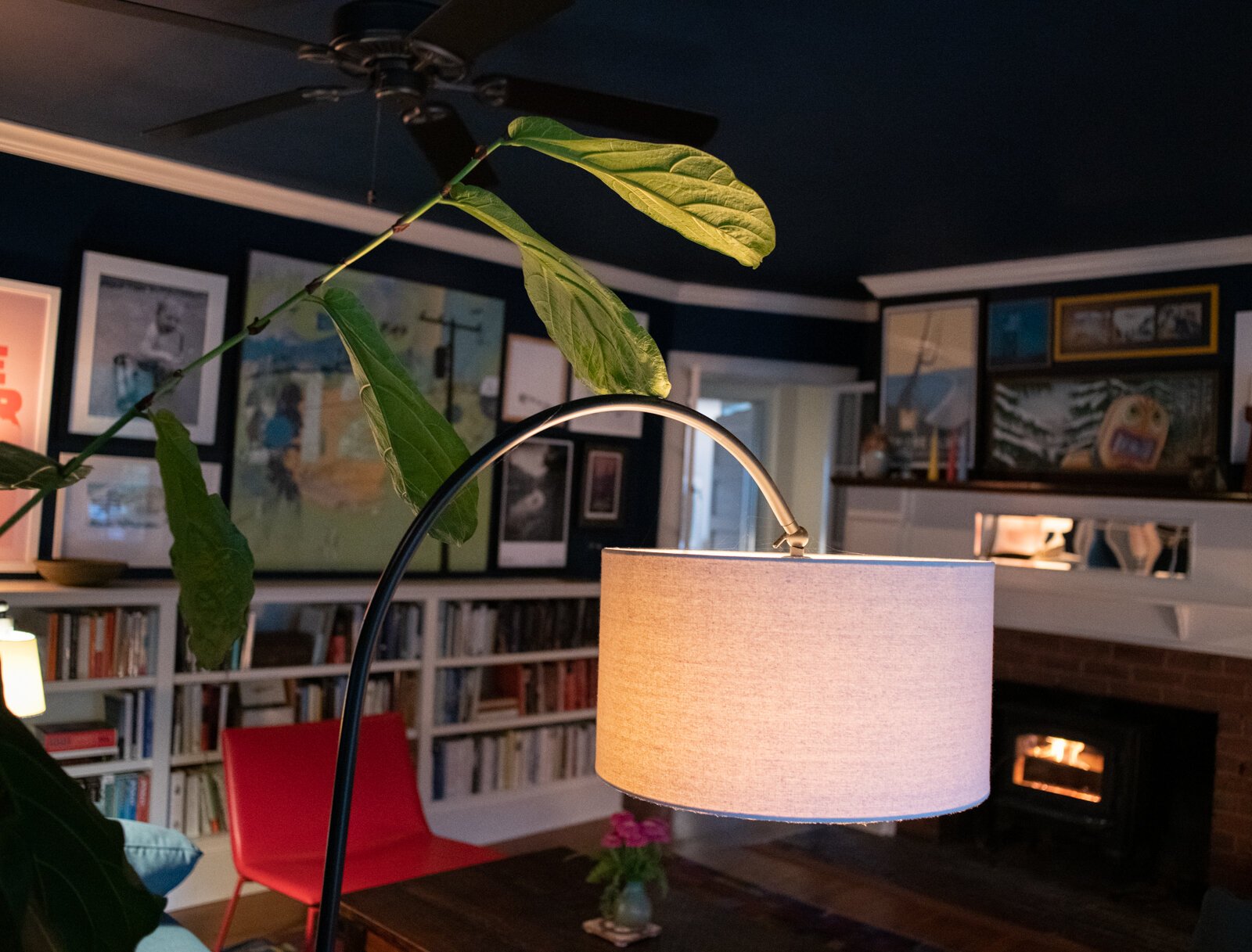
One of the easiest ways to change the feel of a space is to concentrate on lighting. Overhead lights can make a home feel a little like a RediMed waiting room. Don’t be afraid to donate, recycle, or throw out stuff. Keeping only things in your home that make you happy is a good start.
Last, but not least, tell us what you love about Fort Wayne and why you are choosing to make your home here?
We have strong ties to family and friends here, which of course is what makes it home, but also it’s almost the perfect size for a city. It’s large enough to provide a wealth of dining, entertainment, and recreation options, but small enough that you can drive to most destinations in less than 20 minutes (a little more by bicycle). Plus, living in a big historic home like this on a large piece of property would be out of our price range in most cities, but in Fort Wayne, it’s doable.
Author

Related Articles
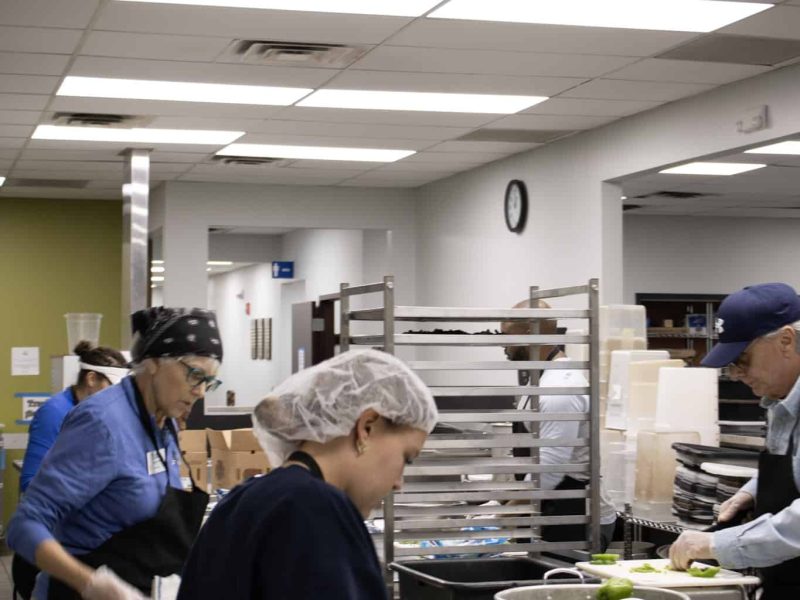
IFF’s energy-efficient work allows nonprofits to reduce energy costs, increase their mission-driven impacts across Indiana communities
IFF is helping Indiana nonprofits reduce utility costs and improve facilities through energy-efficient building upgrades. Programs in Bloomington, South Bend, and Indianapolis are helping organizations reinvest savings back into their community-focused missions.
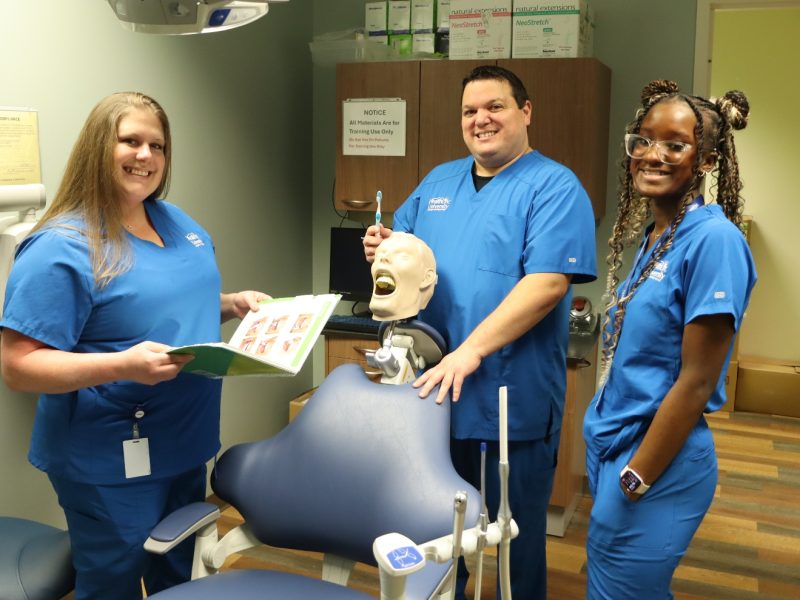
Indiana health center trains local residents as dental assistants to fill workforce gaps
HealthLinc, a federally qualified health center in Valparaiso, covers training costs while preparing local residents for dental assistant jobs, strengthening workforce pipelines and expanding access to care.
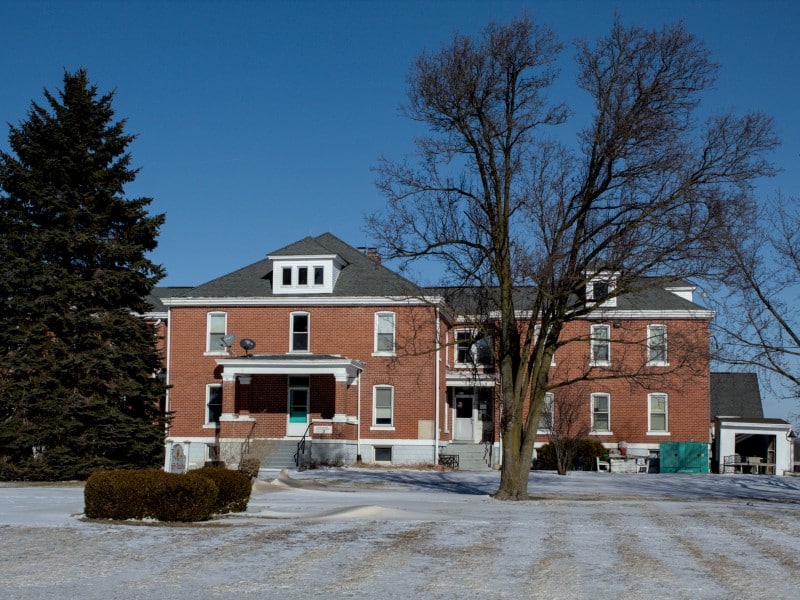
What will Dekalb County do with the historic Sunny Meadows property?
Sunny Meadows, a county residential home, is now closed, but the building’s future is up for debate.