Exploring a New Path: Can Micromobility Still Work in Fort Wayne?
This story is part of Moving Fort Wayne Forward, a year-long reporting effort to engage residents, employers, and community leaders of Greater Fort Wayne around the possibility of a more modern, multimodal transportation system. Read the full series here.
In the U.S., many people drive even the shortest trips, places they could easily walk or bike to. According to the Federal Highway Administration, over half of all trips taken by vehicle are under six miles, and more than 16% of vehicle trips are just one mile or less. In Fort Wayne, as more people embrace a growing downtown, these statistics raise an obvious question: Why aren’t more people biking or scooting, especially compared to just two years ago?
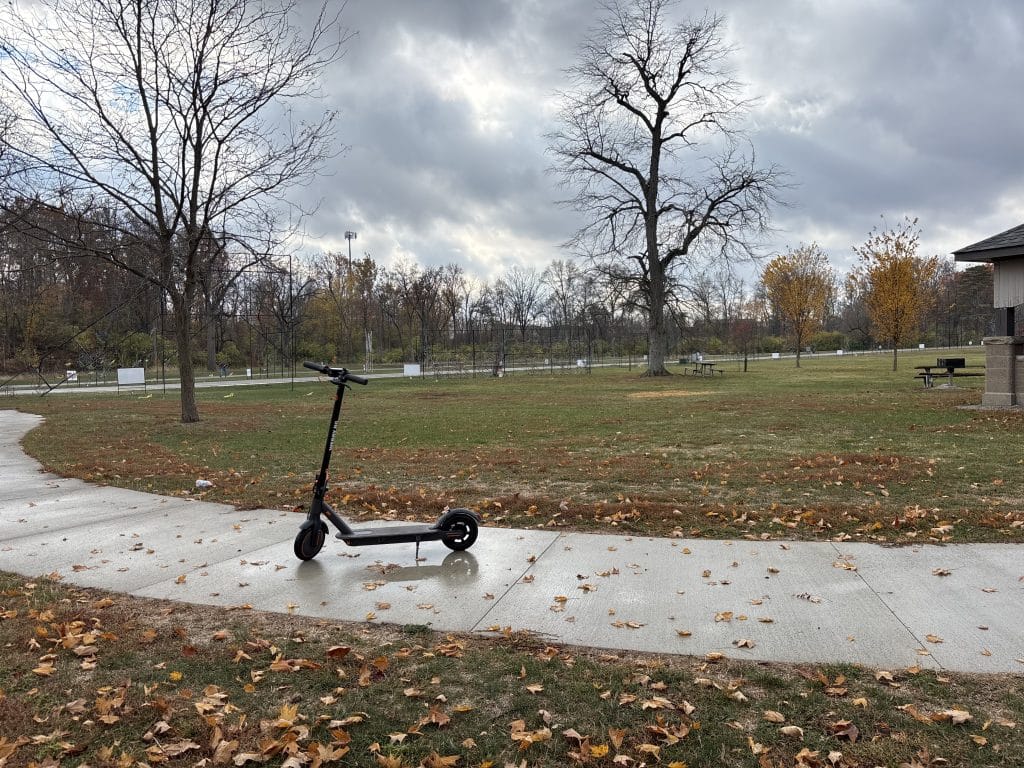
In 2019, to address Fort Wayne’s short-trip dependence and limited transit coverage downtown, the city tested shared micromobility through a partnership with Veo, a provider of rentable bikes and scooters.
From its inception, the program drew tens of thousands of riders. However, in 2023, the city suddenly ended the contract, citing ongoing concerns about safety and operations.
Now, with short trips moved to either privately owned microtransit or into cars, local leaders, like Preston Wallace, director of marketing for Downtown Fort Wayne, say it may be time to revisit micromobility, describing the loss of Veo’s services as a “huge loss” for hospitality workers commuting to and from their jobs downtown.
Wallace told Input Fort Wayne that a lot of the feedback he received in the wake of the city’s termination of the contract included “genuine disappointment” among residents, despite some concerns about the program, and that maybe some of those issues could have been ironed out with continued problem-solving.
“Is it something that I think that we could have, in theory, eventually worked through and found a better system and made it work? I think so,” Wallace says. “I don’t know that we gave it necessarily enough time to really let it play out and course correct on some of the challenges that we were experiencing, as with anything that you have that’s new.”
Alex Keating, head of policy and partnerships at Veo, tells Input Fort Wayne that data collected by the program showed that shared mobility proved popular among residents.
In 2020, nearly 42% of residents rode a Veo. While that statistic might be influenced by the pandemic, in its final six months of service before the city ended its contract, Keating says that Veo recorded around 200,000 rides across roughly 41,000 unique riders in Fort Wayne. This means that around 15% of residents used a Veo product during that final period.
In fact, a 2021 statement from the city admitted that Veo’s “Scooters and bikes continue to prevail as popular commuting and recreational devices,” and that people were using the scooters so often that the city “became one of the hottest markets for Veo in 2020.”
Despite the popularity of the now-defunct program, does shared micromobility actually decrease the number of cars on the road, or are they just a novelty?
A 2020 study that surveyed trips taken by scooter in Provo, Utah, showed that, if e-scooters were not available, 43.5% would have walked to their destination, and 28.5% would have used a personal vehicle.
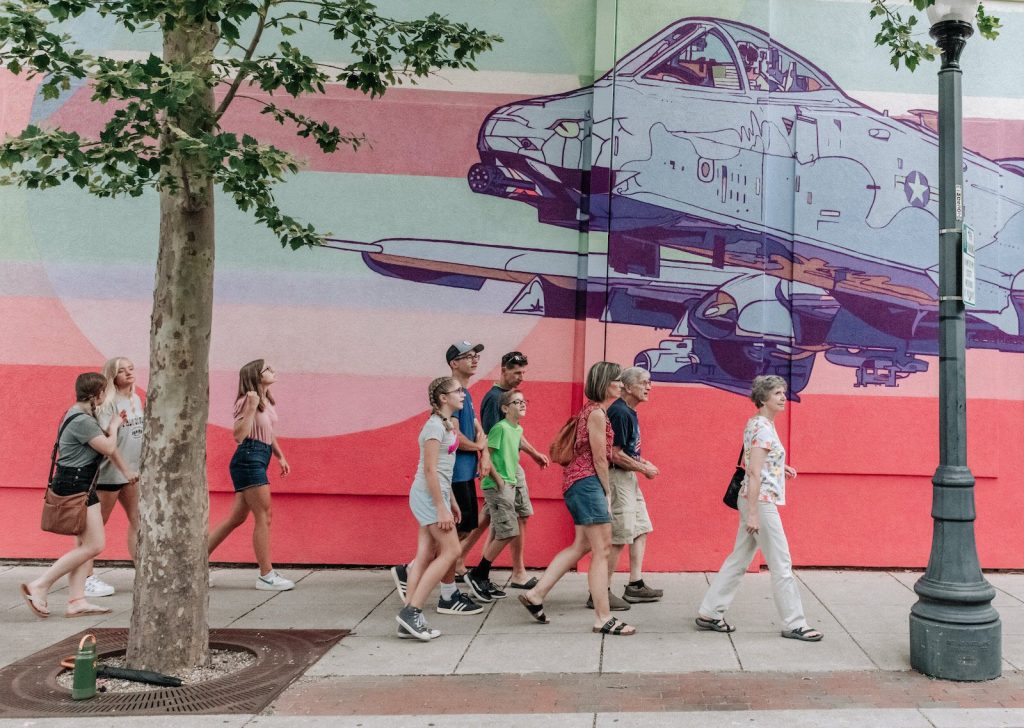
Reducing personal vehicle use is Veo’s mission, and is why Keating rejects Veo’s categorization as a “micromobility” company. Rather, Veo defines success as removing people from single-occupancy vehicles and into the bike lane regardless of the specific transportation form factor.
“That’s a huge number of trips that can move over to more sustainable modes that do not have as much of an impact on quality of life, congestion, emissions — safety,” Keating said. “Frankly, cars are a huge part of the risks of life in this country. They kill quite a lot of people and they injure even more.”
When asked about the future of micromobility in Fort Wayne, the city sent press releases from the period it partnered with Veo. To Wallace’s knowledge, there has not been further discussion about what future micromobility might look like, at least downtown.
Moving Fort Wayne Forward Reader Survey
Hey! We could really use your help making sure we can continue producing journalism that informs and inspires. Taking a few seconds to answer these questions will ensure we’re on the right track and that our funders understand our impact.
If Fort Wayne reintroduces shared micromobility in the future, the city will have to overcome or mitigate several inherent limitations, including infrastructure, economic incentives, and midwestern winters.
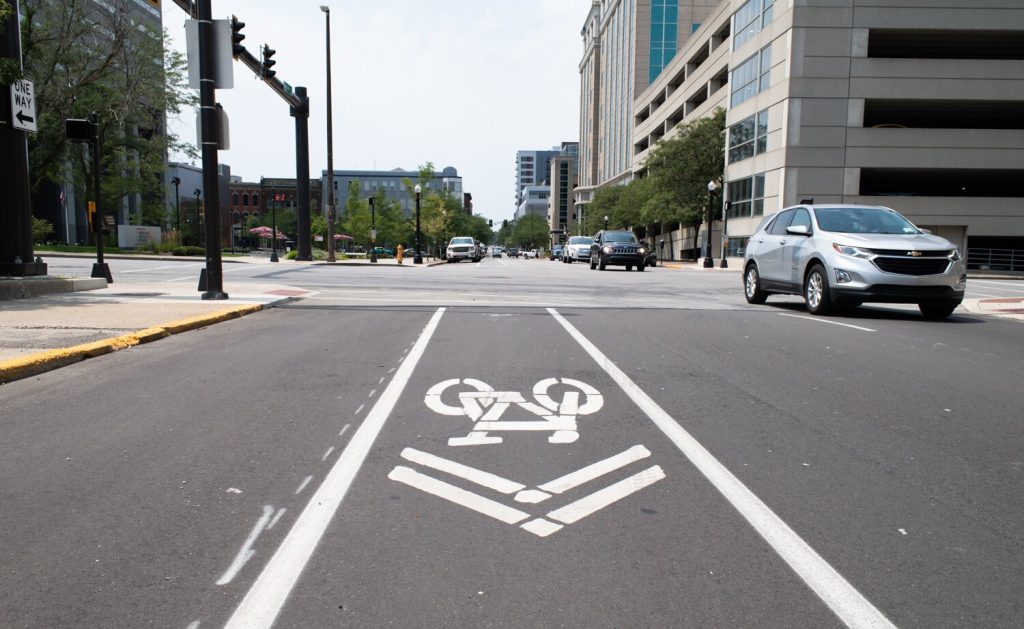
First, Fort Wayne uniquely allowed Veo to use not just streets, but also sidewalks, something generally cited by critics of the program as endangering pedestrians. Ideally, for shared mobility, a city has an extensive network of bike lanes to decrease interaction with vehicles and pedestrians. Downtown Fort Wayne does not have many bike lanes, and support for projects like the Urban Trail has seen stalled progress. To mitigate previous issues, Fort Wayne would need to invest in infrastructure to support micromobility.
Second, riders will have to overcome apprehension to trade the shorter trip times and lower costs of car travel for the convenience of shared scooter and bicycle travel. Shared scooters and bikes are generally more expensive for users than driving a car, and can take more time.
Third, these alternative modes of transportation are difficult to operate in inclement, seasonal weather, and Veo removed all of their equipment for a period during winter. This impacts the frequency by which, even if a similar program was reintroduced, residents could utilize micromobility options. This means that, even if riders adopted a mode shift in the summer, they would still have to drive their car in the winter.
Even with these limitations, Wallace believes scooters and bikes may be the best way to experience downtown.
“Being able to find kind of a central location that you can park and then kind of deploy from there — I think is a really great way to experience downtown Fort Wayne.”
In fact, he said, a lot of the residents who live downtown see the accessibility of not needing to use their car for every trip as a selling point.
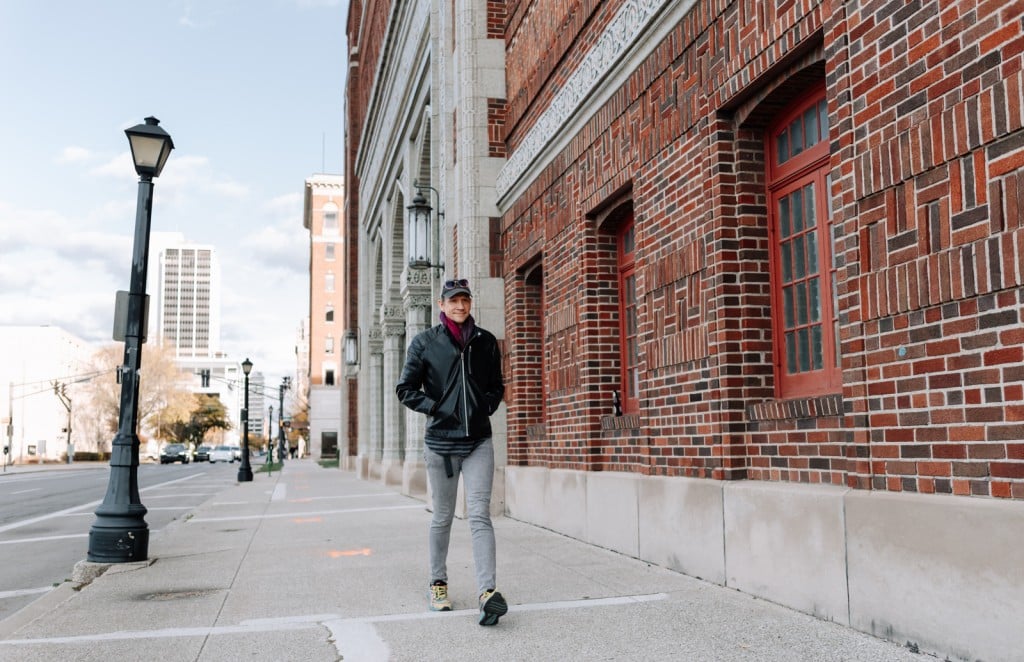
“A big part of that [selling point] is the walkability,” says Wallace, “the transportation component of not having to get into your car anytime that you want to walk to and from a restaurant or to and from a TinCaps game … having that flexibility to be able to get to and from in a much easier fashion, I think, is part of that lifestyle of being downtown.”
For now, Fort Wayne’s streets are quieter. But as cities look to reduce congestion, support downtown economies, and move people more efficiently, the question stands: If not scooters, then what will fill the gap?
Thanks to our Presenting Partner, Parkview Health, our Lead Sponsor, AWS Foundation, and to our sponsor, Citilink, for making this story possible.

Author

Related Articles
CTN puts out urgent call for new drivers as new funding boosts capacity
A new grant offers the opportunity to increase the number of rides Community Transportation Network (CTN) offers, but they need to fill seven vacant driver positions to make it happen.
What do Citilink’s route changes mean for Southeast Fort Wayne?
Officials say the changes, which took effect in early March, will provide more predictable and direct service in the quadrant.

How volunteers and local businesses are supporting 160 miles of trails
Fort Wayne Trails counters thin budgets by launching volunteer “soft maintenance” and partnering with local businesses for trail amenities.