Citilink is testing a new tool at its bus stops to make them more accessible
In collaboration with local partners, the local transit agency is piloting a low-maintenance, low-energy display that can communicate route information to riders at two bus stops.
This story is part of Moving Fort Wayne Forward, a year-long reporting effort to engage residents, employers, and community leaders of Greater Fort Wayne around the possibility of a more modern, multimodal transportation system. Read the full series here.
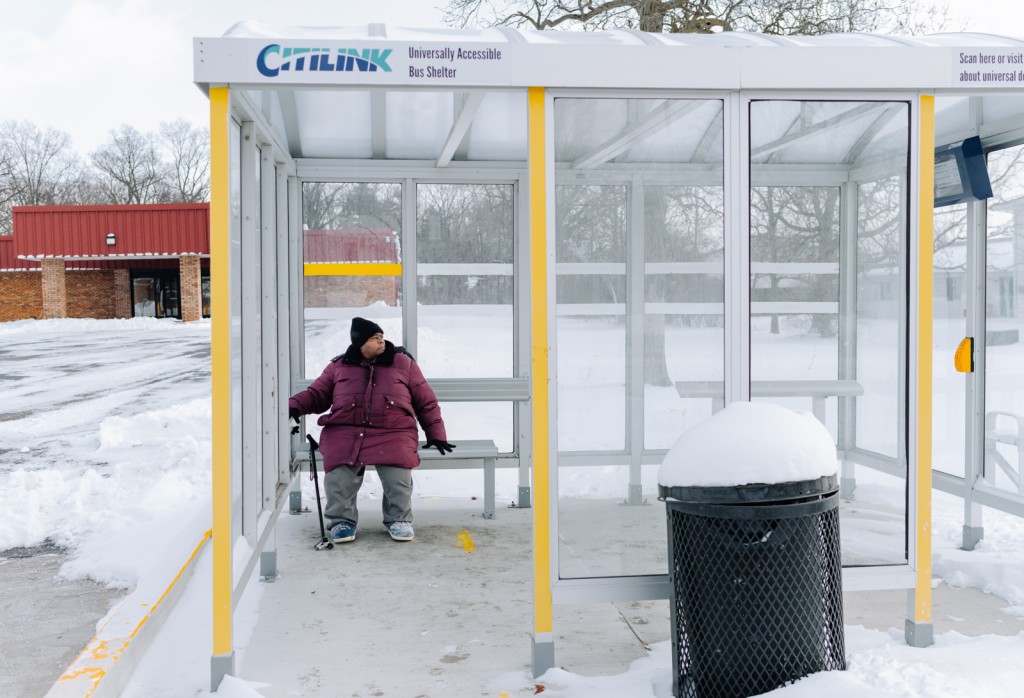
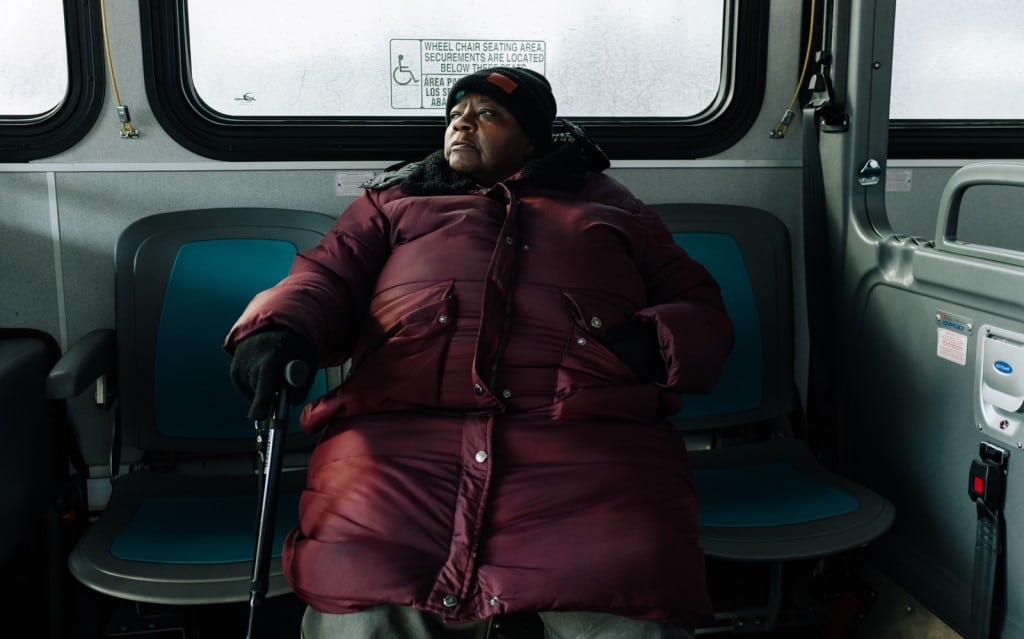
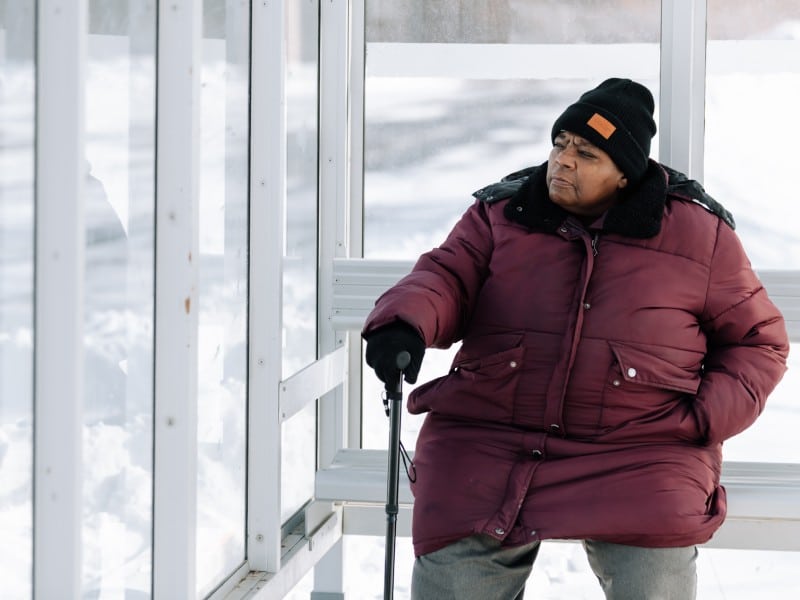
When Marguerite Madison walks to the bus stop with her cane, every step is a calculation: weather, distance, and timing. She starts her journey at 6:30 a.m. and, if there is no bench or shelter at her destination, she faces additional challenges from arthritis in her legs and feet as she waits for the bus.
Madison is not alone. In 2024, a community survey revealed that people with disabilities rode Citilink at twice their share of the population, according to Casey Claypool, the agency’s marketing and development director. While that ratio decreased in 2025, barriers continue to exist for people living with disabilities to access public transit.
Walking down unplowed sidewalks, infrequent bus stops, and the availability of information about the bus schedule are among the hurdles facing people with disabilities in using local public transit. When public meetings revealed a need for additional accessibility tools, Citilink started brainstorming viable solutions.
Among the ideas that these riders requested was a sensory tool that would vibrate when a bus approaches a stop. Citilink could not implement the specifics of that suggestion. Claypool says that, while some of these ideas might not have a near-term solution, the agency found that other devices could enhance ease of use for riders with disabilities sooner.
“To our knowledge, something like that doesn’t exist, and we don’t have the ability to work with a manufacturer to create something like that,” she explains. “But we did the things that we could implement, and so one of those things was this digital display.”
What bus riders saw as a roadblock helped form a partnership with the solar-device company Urban Solar and created a solution – a low-maintenance, low-energy display that can communicate route information to riders with disabilities.
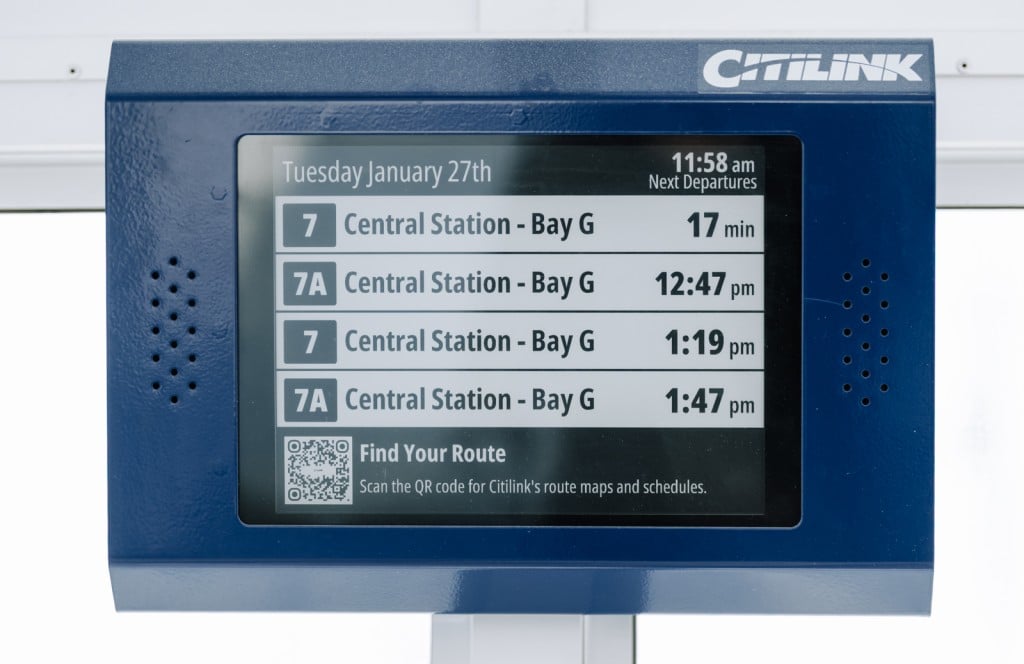
These displays, powered by high-contrast e-ink technology, provide the timetable for the bus stop where they are installed. A button, equipped with braille and located below the display, enables an audio readout of the timetable, letting people know when the next bus is arriving and where it is going, as well as the next several arrival times and destinations for that stop.
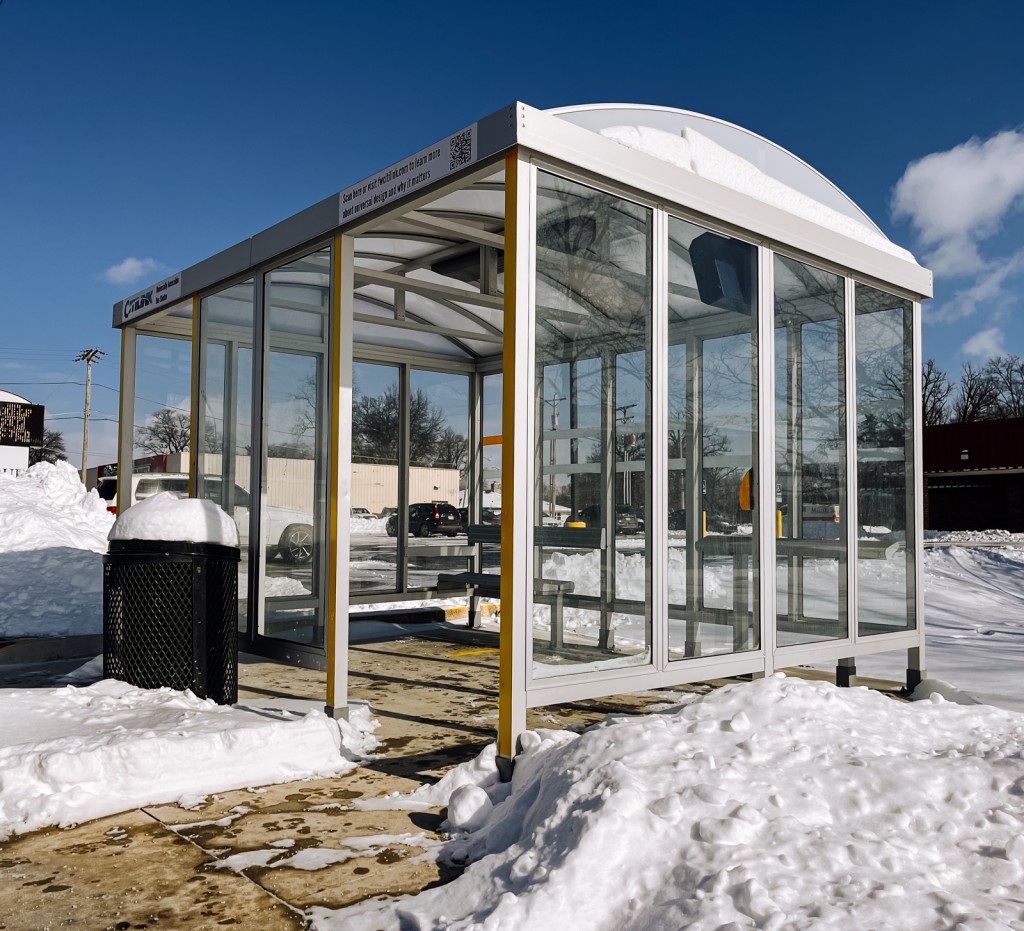
Eric Bracke, manager of business development at Urban Solar, says that the devices have seen success in other cities, and he remains confident that Fort Wayne can see similar success. To test that, Citilink installed the displays at Turnstone and The League, two locations that serve people with disabilities, as part of a pilot program. In conjunction with the displays, each location received a new bus shelter in the past year.
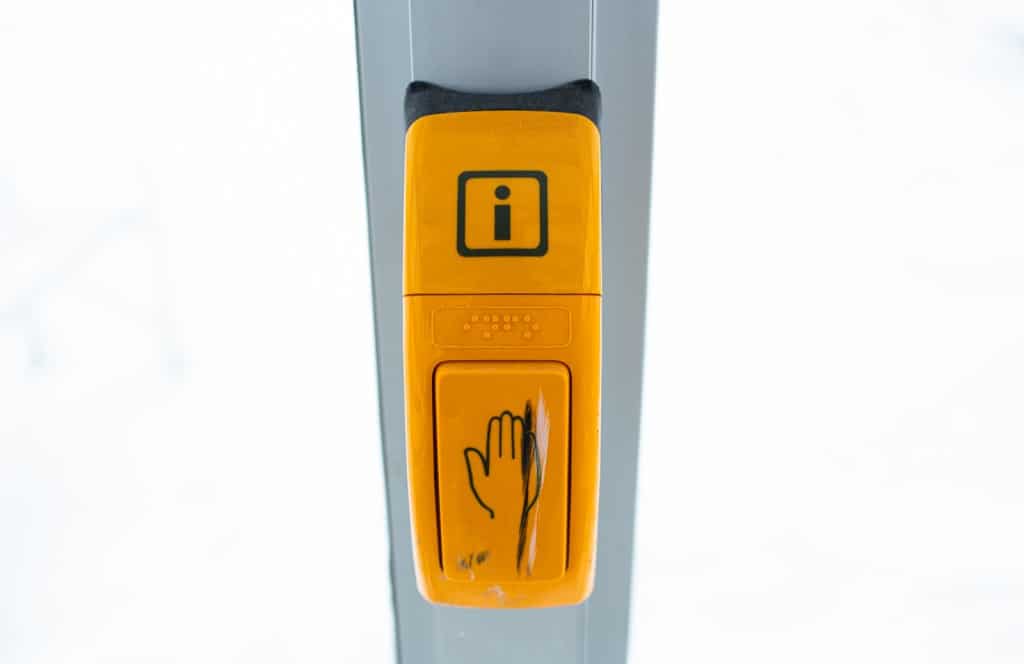
“We’ve deployed two of the units. Urban Solar supported [Citilink] with providing all information about the solution and how it could integrate with the shelters,” Bracke tells Input Fort Wayne. The displays are resistant to vandalism and have a battery that lasts around five years.
Jacqueline Langen, content marketing manager for Urban Solar, emphasizes the ease of installation for transit agencies, an important factor in expanding the program for organizations with a limited workforce and budget.
“These displays are very flexible and can be deployed at any stop in, essentially, under 30 minutes.”
Urban Solar collects some usage data to analyse interactions with the displays, like how many times the audio button is activated by riders. This metric, as well as metrics about battery life, will drive part of the decision about the success and potential expansion of this pilot program.
In conjunction with data provided by the display itself, Citilink will also use ridership metrics as a measure of the pilot’s success. If the stops with accessibility displays show increased ridership compared to the time before installation, this could indicate that the accessibility enhancements helped riders.
“Let’s say it doesn’t increase ridership,” Claypool says. “Let’s say, in a year, we haven’t found that … It’s still a wonderful feature that every person should have and have access to.”
Madison volunteers at The League, and she says that the new displays and the bus shelters have already helped many with disabilities and mobility challenges access public transit. Not only does the shelter give her a place to rest her legs and find refuge from the weather, but the display also helps her know how much longer she will have to wait for the bus, minimizing the uncertainty of her commute.
Moving Fort Wayne Forward Reader Survey
Hey! We could really use your help making sure we can continue producing journalism that informs and inspires. Taking a few seconds to answer these questions will ensure we’re on the right track and that our funders understand our impact.
While the displays and the new bus shelters solve some of the roadblocks for Madison and other bus riders with disabilities, they do not solve other outstanding issues like frequency of bus arrivals, number of bus stops, and consistent snow removal on sidewalks, all things that Madison feels could help people with similar mobility challenges.
With most buses coming just once every hour, if Madison moves more slowly than usual one day and misses the bus, she has to wait up to an hour to try again. This can become a more frequent problem when residents and businesses do not clear sidewalks after snowfall.
Of course, Citilink hopes to continue making transit more accessible despite a thinning budget. As for funding accessibility displays and additional shelters, Citilink plans to pursue local funds and partners to expand the offering.
WindSwell Foundation, formerly the AWS Foundation, and a sponsor of Moving Fort Wayne Forward, funded part of this initial pilot. Claypool noted insurmountable hurdles to obtaining federal funding for displays and shelters, and says that the success of this solution depends on the community providing resources for Citilink to make transit more accessible.
“Obviously, we have a funding gap that makes it difficult to meet some of these needs,” Claypool says, “but we’re also finding partners in the community that are coming forward and willing to fill the gaps.”
While the bus shelter and accessibility displays might not solve every issue facing Citilink riders with disabilities, Madison remains confident that the public transit agency will continue to take a proactive approach to problem-solving and helping residents like her find the best way to reach their destinations.
In fact, research shows that bus arrival information has been linked to increases in total ridership for well-established transit systems, even among people who do not use the displays for accessibility reasons. While the displays currently provide static timetables over real-time arrival information, a Georgia Tech-led study reports that real-time transit information can reduce both perceived and actual wait times. The report suggests that the uncertainty riders have when waiting for the bus can be a deterrent to using public transit.
In that report, New York City saw measurable increases in overall ridership after implementing a real-time information system, and found that riders who are more informed about arrival times decrease their total door-to-door transit time. Riders can already access real-time bus information on Citilink’s website, but the accessibility of the screen can still help riders with and without disabilities ride the bus.
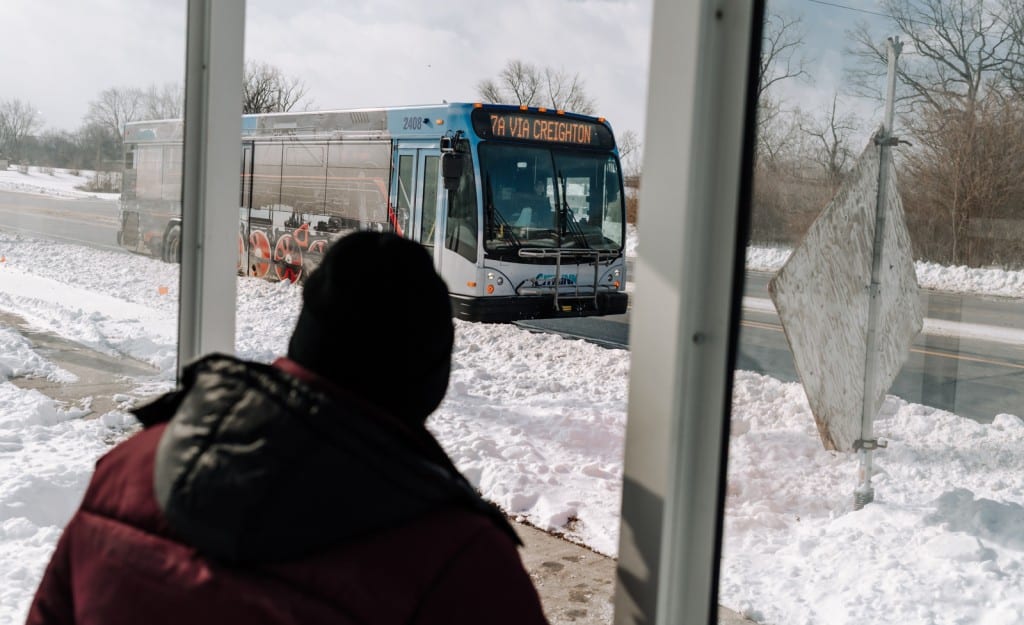
While the displays do not change the bus schedule, they change the experience of waiting for users with and without disabilities. Improving transit infrastructure is not always about the ride. Rather, it is about incremental improvements to access and predictability that give everyone — including Madison — confidence to ride the bus.
“If you get more people involved with it, things will change,” she says, “and it happens.”
Thanks to our Presenting Partner, Parkview Health, our Lead Sponsors, WindSwell Foundation and Community Foundation of Greater Fort Wayne, and to our sponsor, Citilink, for making this story possible.
Author

Related Articles
How volunteers and local businesses are supporting 160 miles of trails
Fort Wayne Trails counters thin budgets by launching volunteer “soft maintenance” and partnering with local businesses for trail amenities.

Fort Wayne Trails: A merger that changed how the city moves
Fort Wayne Trails, established in 2011, unified trail advocacy groups, building over 160 miles of trails for recreation, commuting, and safer transportation.
How riders and advocates navigate Fort Wayne’s transit gaps
While some wait for large-scale changes, advocates say taking small steps to chip away at barriers can provide tangible solutions and hope.