Are businesses moving to Fort Wayne considering access to public transit?
As new businesses move to the city’s edges, transit is left to catch up, and Citilink says it’s time for a change.
This story is part of Moving Fort Wayne Forward, a year-long reporting effort to engage residents, employers, and community leaders of Greater Fort Wayne around the possibility of a more modern, multimodal transportation system. Read the full series here.
When a new employer wants to move to Fort Wayne, they weigh infrastructure, workforce, and long-term expansion potential. Many of these new and existing businesses work with Greater Fort Wayne Inc. to figure out the best place to put their business, taking numerous factors into consideration.
But as space within the city’s core becomes more limited, some employers have moved to the peripheries with future growth in mind. In fact, of the 10 largest employers in Allen County, half operate campuses within a half mile of the city’s borders. That trend pushes public transportation to its limits: routes must go farther, with fewer riders along the way.
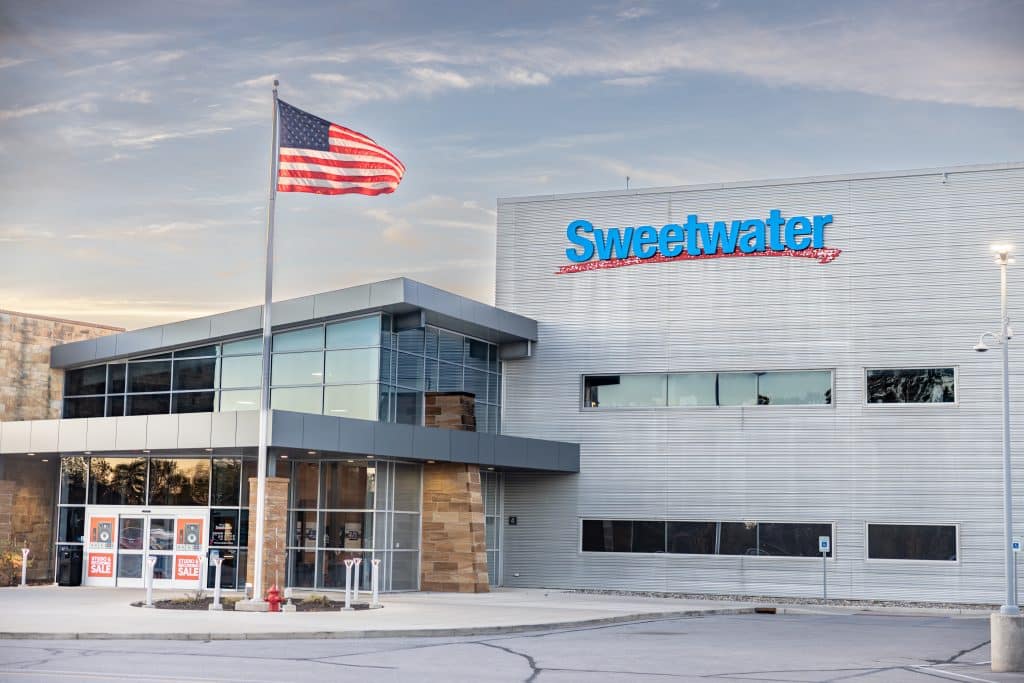
With a growing city perimeter, public transit’s strained budget is stretched further, and often, it is brought into planning conversations too late, according to a representative from Citilink.
To remedy that, Citilink wants a more formal place at the table in the planning process. Casey Claypool, marketing & development director for Citilink, says that, often, new businesses reach out as their locations open, rather than earlier in the planning process, which makes extending or adjusting routes logistically and financially difficult.
“That’s something that I think we have the capacity to do now that we’ve not had in the past,” Claypool tells Input Fort Wayne.
Unfortunately for the future of transit in the U.S., even if transportation is brought into the conversation, it is often outweighed by other factors, or not considered at all if it is assumed people will travel by car to reach the facility regardless.
Especially with larger businesses like Google coming to the city, Claypool wonders if part of that conversation could have provided tax incentives to make Google’s location transit-accessible.
When asked for comment, representatives from the City of Fort Wayne were unable to directly answer who was responsible for including Citilink in conversations about new developments or businesses, instead bumping our request to several departments before suggesting reaching out to Greater Fort Wayne Inc.
While Fort Wayne is still figuring out how to integrate public transit at the planning table, other mid-sized cities in the U.S. are already planning around it by proposing plans for “transit-oriented development” (TOD). Lexington, KY, for example, has adopted plans to support TOD, an approach that designs cities around transit, not just cars.
Among Lexington’s goals, according to Imagine Lexington, is reducing urban sprawl, something that Claypool says stretches public transit resources thin, especially as Fort Wayne’s perimeter expands ever outward, adding that she believes Citilink’s seat at the planning table can bring increased urban density and redevelopment of existing sites, rather than continuing to expand ever outward.
Moving Fort Wayne Forward Reader Survey
Hey! We could really use your help making sure we can continue producing journalism that informs and inspires. Taking a few seconds to answer these questions will ensure we’re on the right track and that our funders understand our impact.
Fort Wayne has no specific TOD policy, outside of the general proposals in the All In Allen Comprehensive Plan, to guide development around transit infrastructure.
The barriers to similar efforts in Fort Wayne stem from how businesses prioritize infrastructure. John Urbans, CEO of Greater Fort Wayne, Inc., explains that every business that wants to locate or relocate in Fort Wayne has different needs, and one of the major contributors to where a business locates is access to sufficient utilities and the interstate, especially if that company requires large utility loads and handles frequent semi-truck traffic.
As far as public transit making it into the discussion, however, only a few businesses ask about it, in part because necessities like utilities and highway access take priority over access to public transit, especially because Fort Wayne’s workforce already overwhelmingly commutes via car.
“There’s been instances where we pulled Citilink into conversations earlier on, if the company brings it up,” Urbans says, “but I would agree that, a lot of times, it’s not the primary driver of the company decision.”
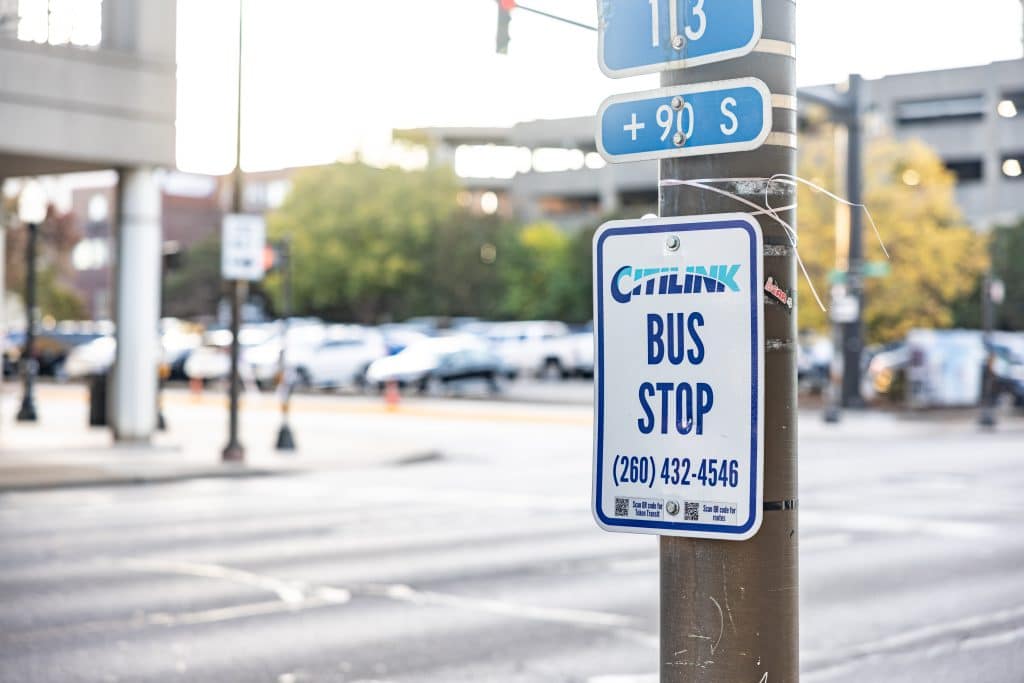
While Citilink believes it has the potential to shape smarter growth, many city leaders and business planning organizations appear to take a more passive approach to bringing public transit into the conversation. This passive planning approach also contrasts with some employers who are currently exploring a pilot program to fund Citilink routes in hopes of reducing staff turnover as a result of limited transportation options near their facilities.
This presents a complication for the future of development in Fort Wayne: if the overwhelming majority of people already commute by car and show little interest in public transit routes, why would companies invest in new routes, or consider prioritizing access to transit in their decisions?
To this end, Urbans suggests that businesses could look at their workforce and environment, and then target solutions that are not entirely driven by public transit. For example, maybe experimenting with a business-run carpool, but he also sees some potential for a shift in the public transit discourse.
“We are a very car-dependent society here in our community, and that’s a tough change,” he says, “but with pressures on employment and areas like that — maybe that is something that does change.”
Fort Wayne isn’t hostile to public transit: it is simply built for something else. Until that changes, the bus will keep chasing the edge of town, and that edge will keep moving.
This story is part of Moving Fort Wayne Forward, a year-long reporting effort to engage residents, employers, and community leaders of Greater Fort Wayne around the possibility of a more modern, multimodal transportation system. Read the full series here.
Thanks to our Presenting Partner, Parkview Health, our Lead Sponsor, AWS Foundation, and to our sponsor, Citilink, for making this story possible.

Author

Related Articles
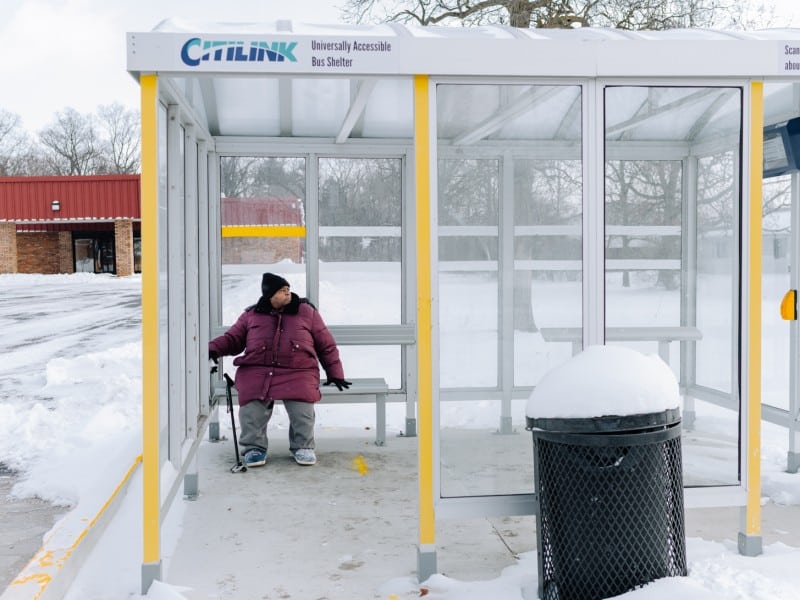
Citilink is testing a new tool at its bus stops to make them more accessible
In collaboration with local partners, the local transit agency is piloting a low-maintenance, low-energy display that can communicate route information to riders at two bus stops.
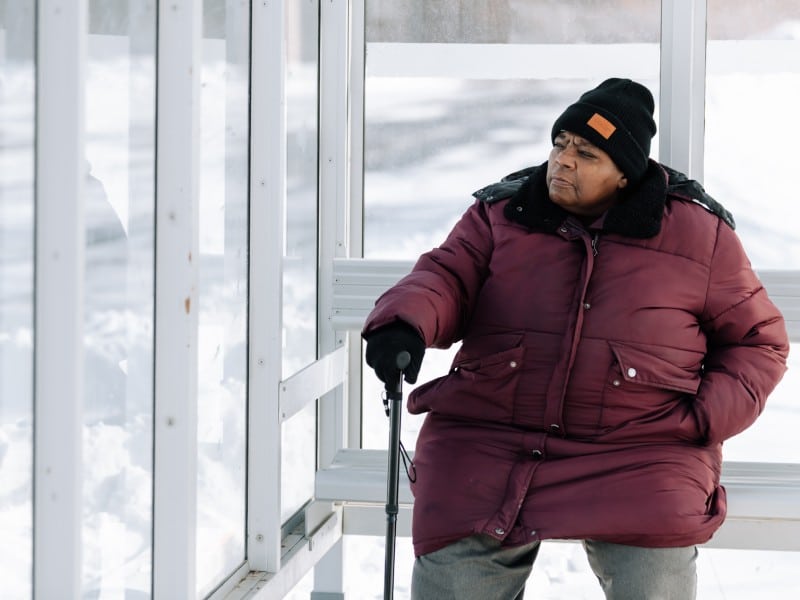
How riders and advocates navigate Fort Wayne’s transit gaps
While some wait for large-scale changes, advocates say taking small steps to chip away at barriers can provide tangible solutions and hope.
Can volunteer walk audits help fix Fort Wayne’s accessibility data gap?
With thousands of intersections to manage and limited staff, cities face a data challenge. Volunteer walk audits may offer a way to fill in the gaps.