5 reasons Fort Wayne needs a boutique hotel
These highly specialized accommodations could boost tourism in the Summit City.
Each year, Fort Wayne and Allen County welcome about 6 million visitors, according to data from Visit Fort Wayne.
These guests spend about $619 million in food, lodging, retail, and entertainment while they are in town. And for the most part, their money is reinvested back into the community.
Tourism generates $94.3 million in local tax revenue, which can be used for local schools, roads, housing, and hospitals. Additionally, Visit Fort Wayne estimates that 86 cents of every dollar spent by visitors stays in Allen County—one of the highest totals in Indiana.
This positive impact is what excites economic development organizations, who are eying one specific project in the works to generate additional revenue from visitors.
Last fall, a development group revealed the details of its plans to bring a boutique hotel to downtown Fort Wayne.
The five-story, 125-room hotel is being developed through a partnership with Portland-based Provenance Hotels and Vera Bradley co-founder Barbara Baekgaard.
It is slated for the northwest corner of Harrison and Main, and construction could begin as early as 2019.
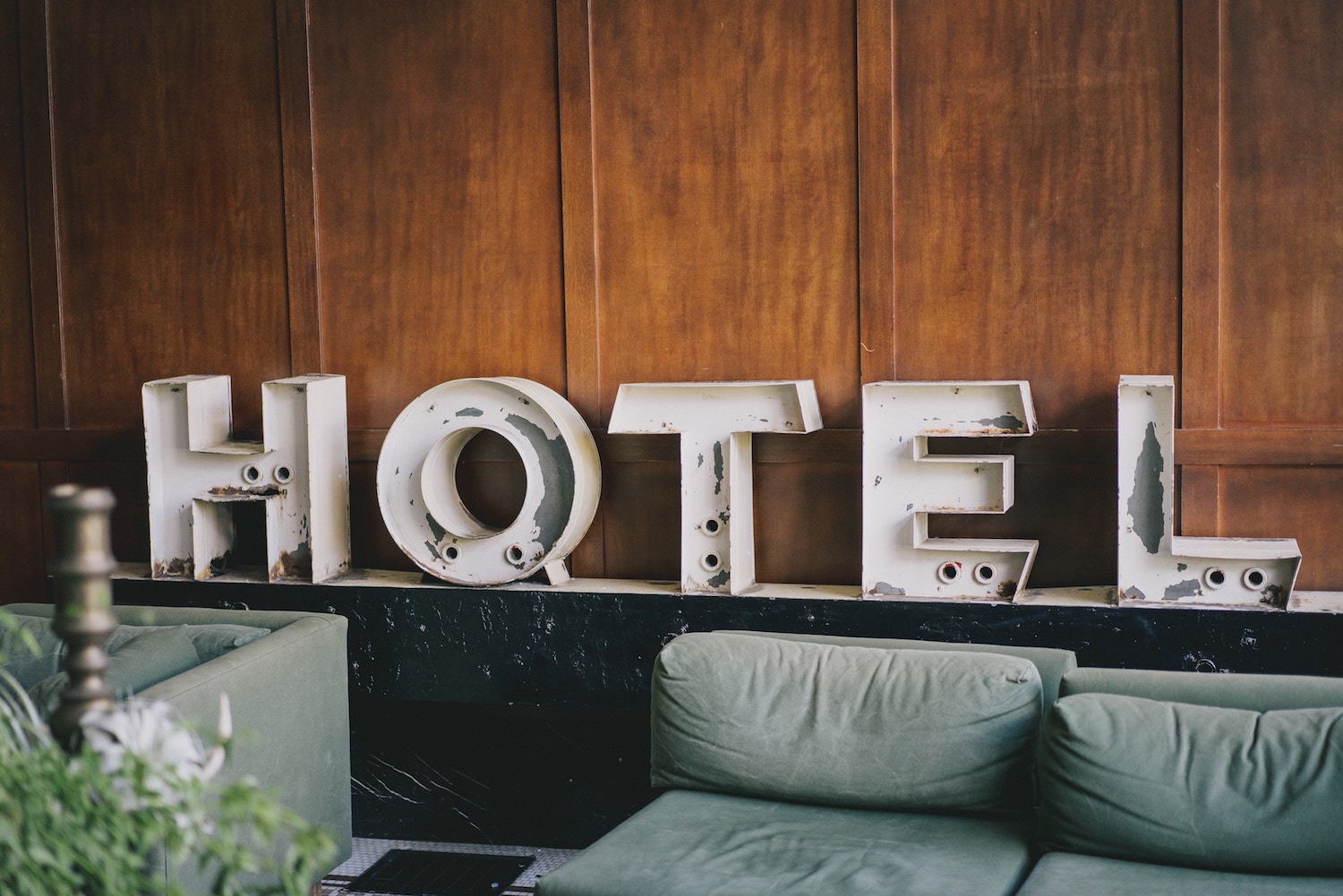
But why does Fort Wayne need a boutique hotel in the first place? Here’s a look at 5 reasons boutique hotels advance cities:
1. They’re multifunctional spaces.
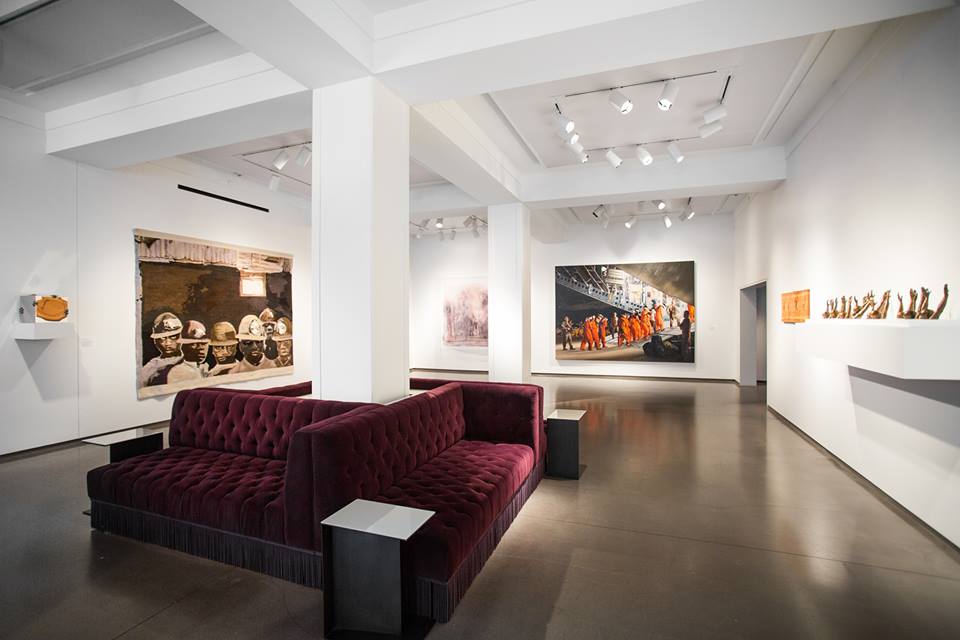
For example, the 21c Museum Hotel in Cincinnati is a contemporary art museum, coupled with a boutique hotel, and a chef-driven restaurant.
This multi-sensory experience keeps guests coming back for more, and gives locals a reason to frequent the establishment, too.
2. They evoke a sense of place.
Whether it’s featuring the work of local artists, historically relevant artifacts, or locally sourced fare, boutique hotels have cracked the code when it comes to capturing local flavor.
Not stifled by strict standards of corporate uniformity, each one has its own unique aesthetic and vibe that gives guests a taste of the city its in.
Enter Kimpton Hotel and Restaurant Group’s Allegro Chicago hotel in the Loop. It calls to mind a time when speakeasies and gangsters were synonymous with the Windy City.
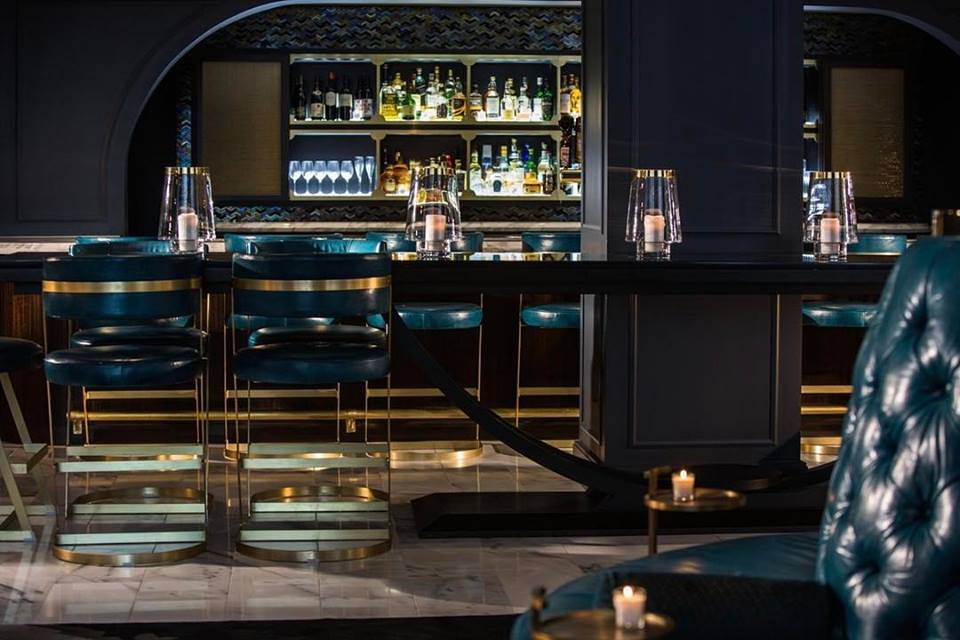
3. They embrace an attitude of “less is more.”
Boutique hotels tend to have fewer rooms than traditional hotels, allowing for more intimate, personalized experiences. This means staff can add that special touch to make visitors feel like they are part of the family.
Whether its a nightly cocktail hour, a complimentary breakfast, or a spa robe, boutique hotels are all about making their guest’s experience as “extra” as possible.
Provenance’s Lora hotel even welcomes its guests’ four-legged friends.
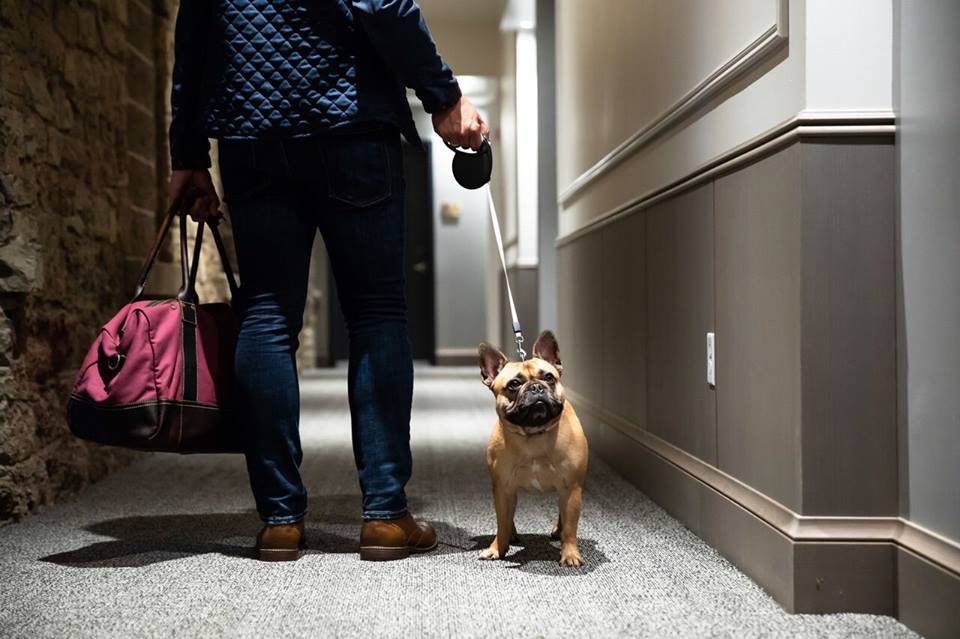
4. They’re in walking distance of other cultural attractions.
Instead of being next to airports or highways, boutique hotels are often rooted in the heart of cultural districts, inviting visitors to leave the TVs in their rooms and explore the city by foot.
For example, the 1920s Charley Creek Inn in Wabash is firmly rooted in the city’s historic downtown, where guests can access beautiful local architecture, restaurants, shops, and murals only steps away from its lobby doors.
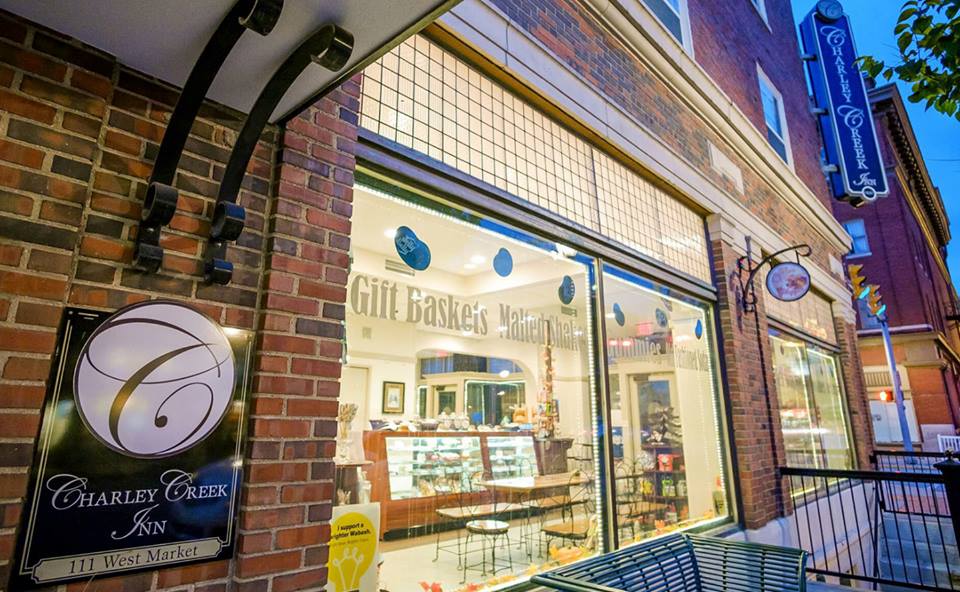
5. They entice other potential visitors on social media.
Whether you’re traveling to a new city to visit friends and family or attend a conference for work, it’s easy to think of your hotel as a simple place to crash at the end of the day. But when you’re staying at a boutique hotel, the experience is so much more.
Everywhere you turn is an Instagrammable moment, and these highly shareable experiences encourage guests to be social ambassadors for cities during their stay.
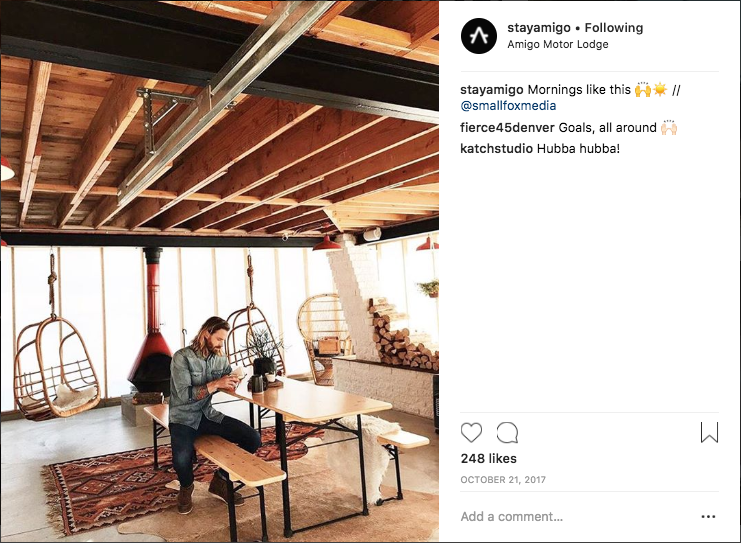
Take the Amigo Motor Lodge in Salida, Colorado, for instance. Its user-generated Instagram content captivates hundreds of followers and puts Salida on their radar.
For places like Fort Wayne that are off the beaten path for travelers, the positive press a boutique hotel could generate might make the difference in a tourist’s decision to stop and see what the city is about.
Author

Related Articles
#PlacesofNEI: A second chance for Holly Shopping in downtown Fort Wayne
After heavy snow on Small Business Saturday that lowered attendance, Holly Shopping is coming back to downtown Fort Wayne again on Dec. 20.
Partner Partner Content How Visit Wabash County Strengthens Community, Economy, and Quality of Life
Visit Wabash County drives community pride, economic vitality, and storytelling across the county.
‘Out of reach’: Inside Indiana’s Affordability Crisis
Strategic advocacy and targeted action are creating tangible solutions to help working families.