How well do you know Utopian Coffee in downtown Fort Wayne? You probably don’t know it like this
Nick Brehany, Manager of Sourcing and Roasting for Utopian, shares how the Fort Wayne coffee company is disrupting a global industry riddled with inequality and abuse.
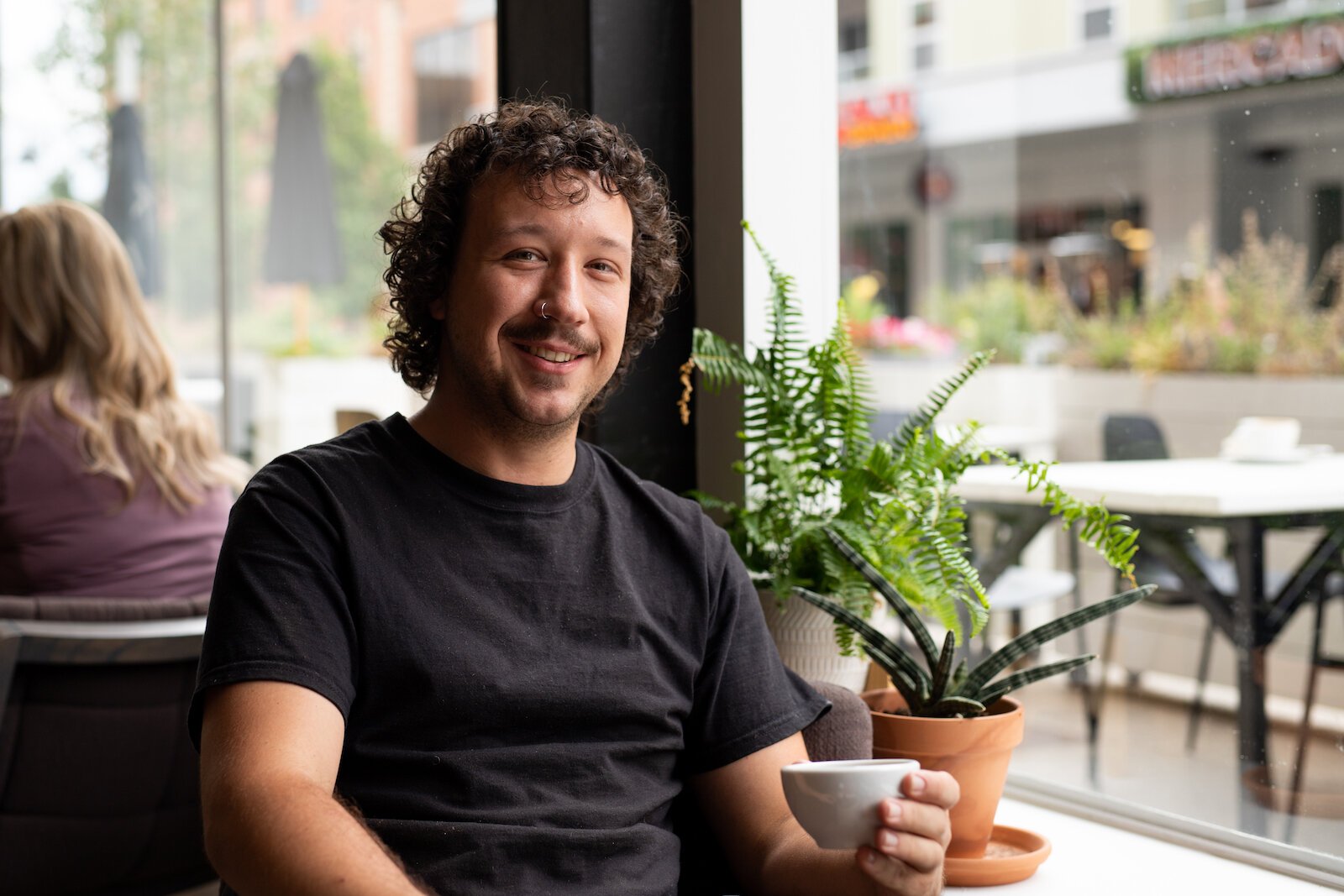
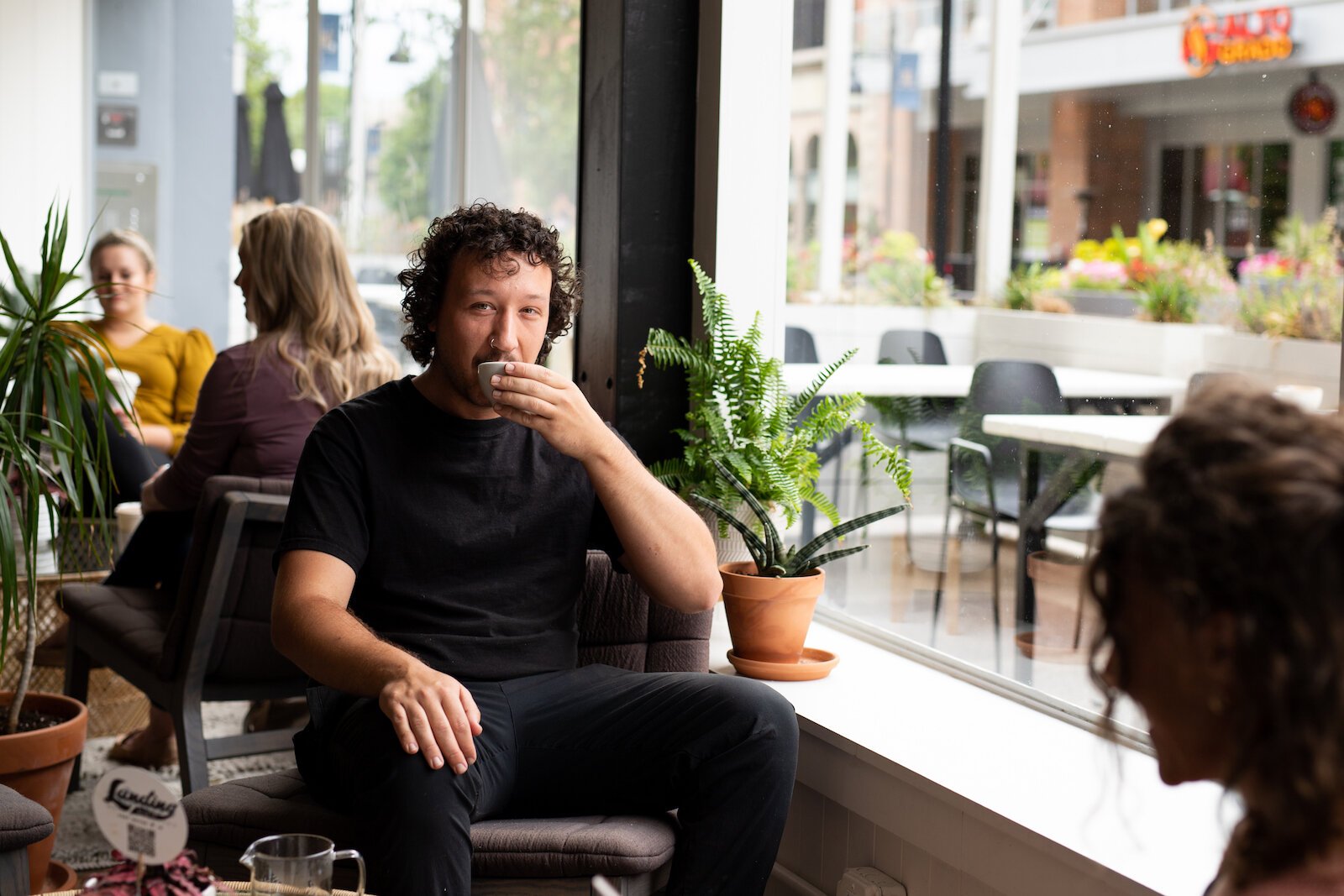
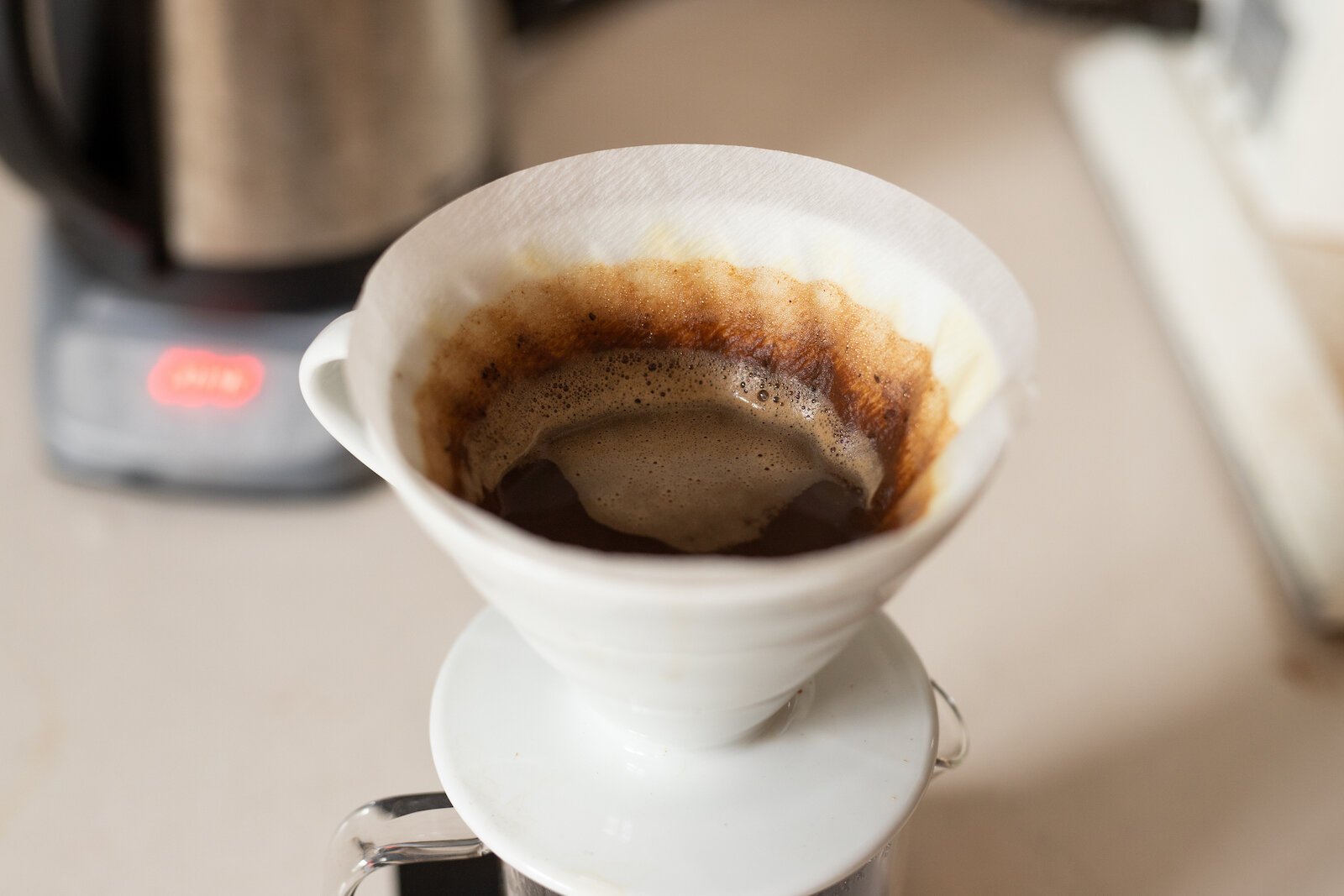
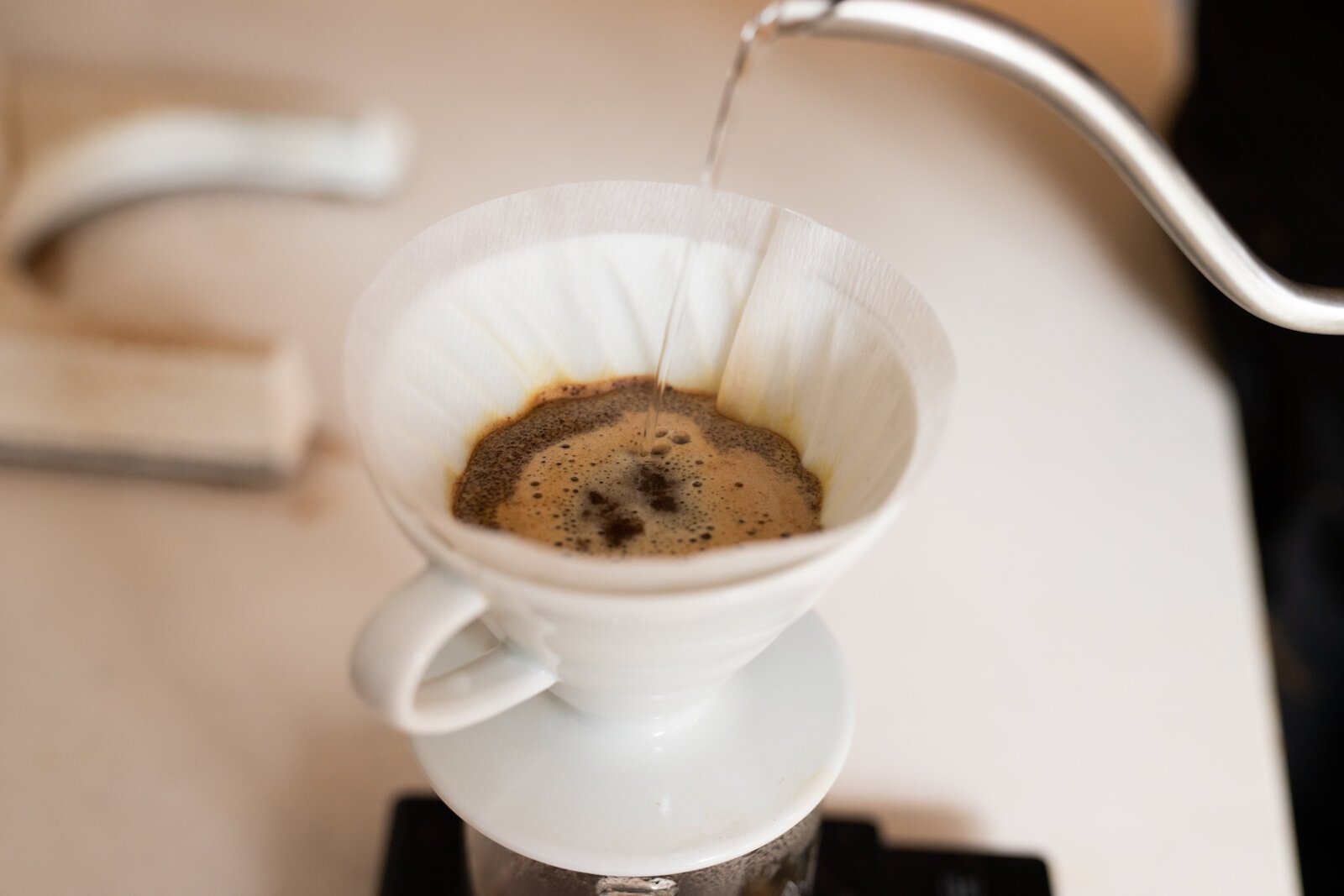
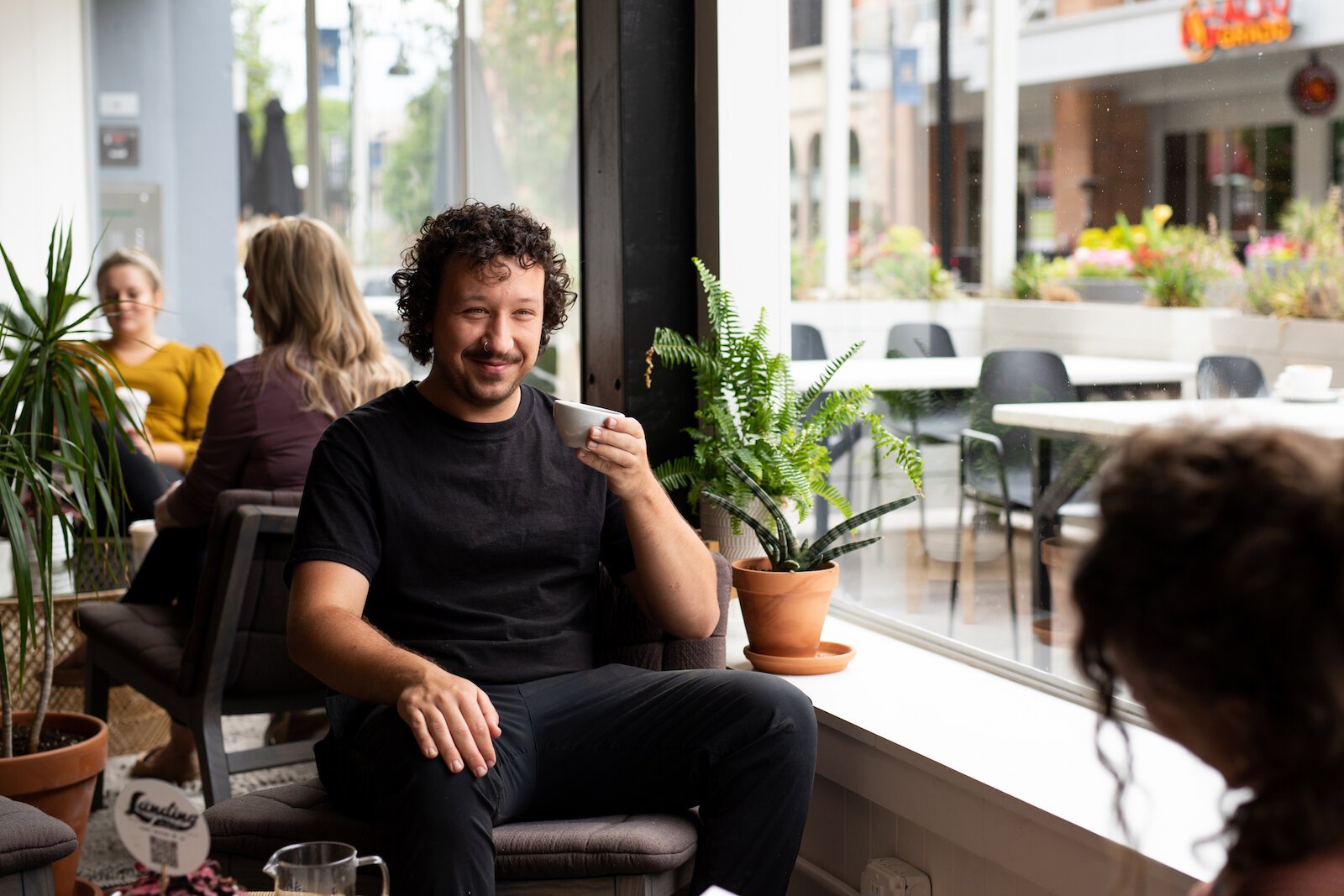
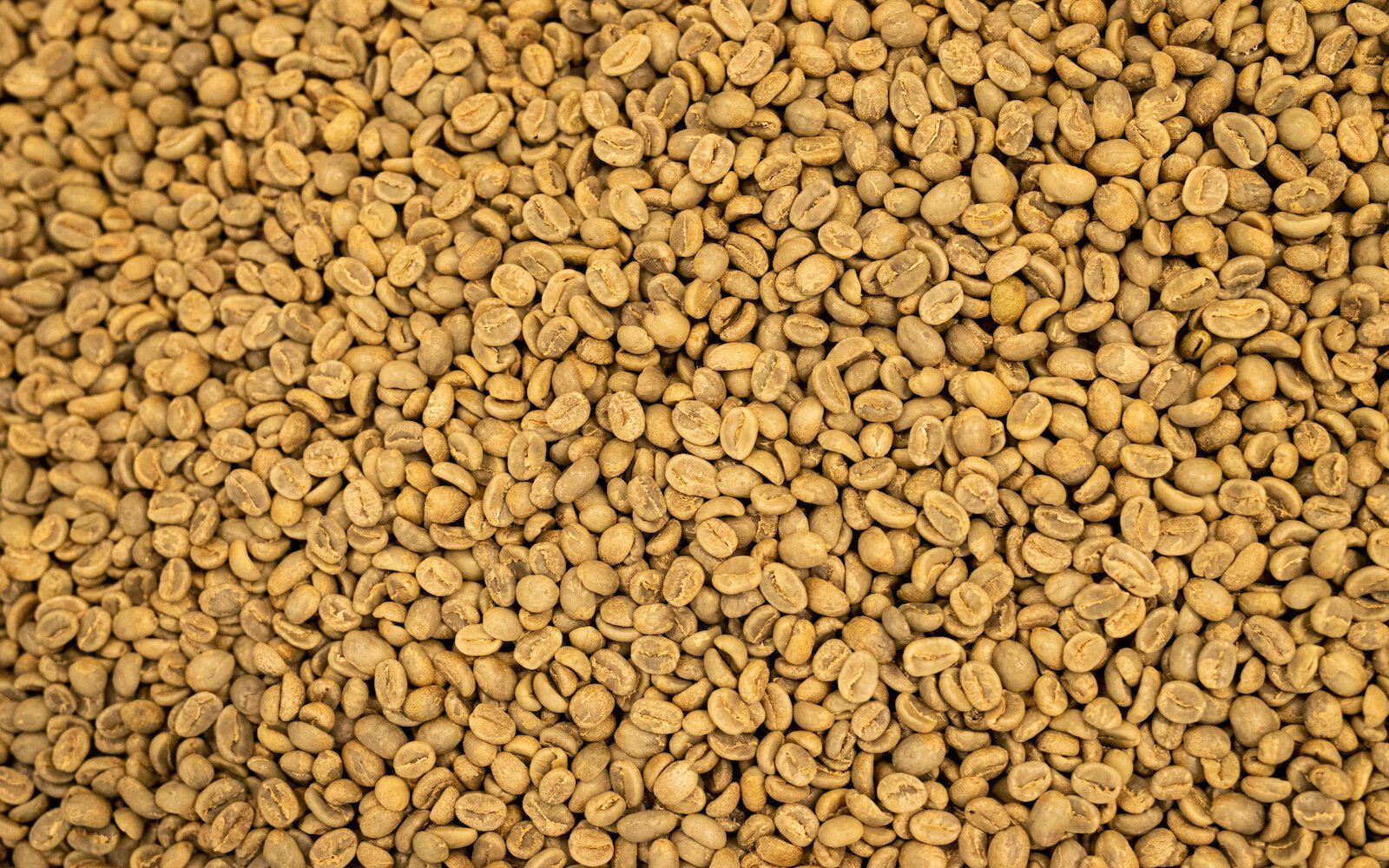
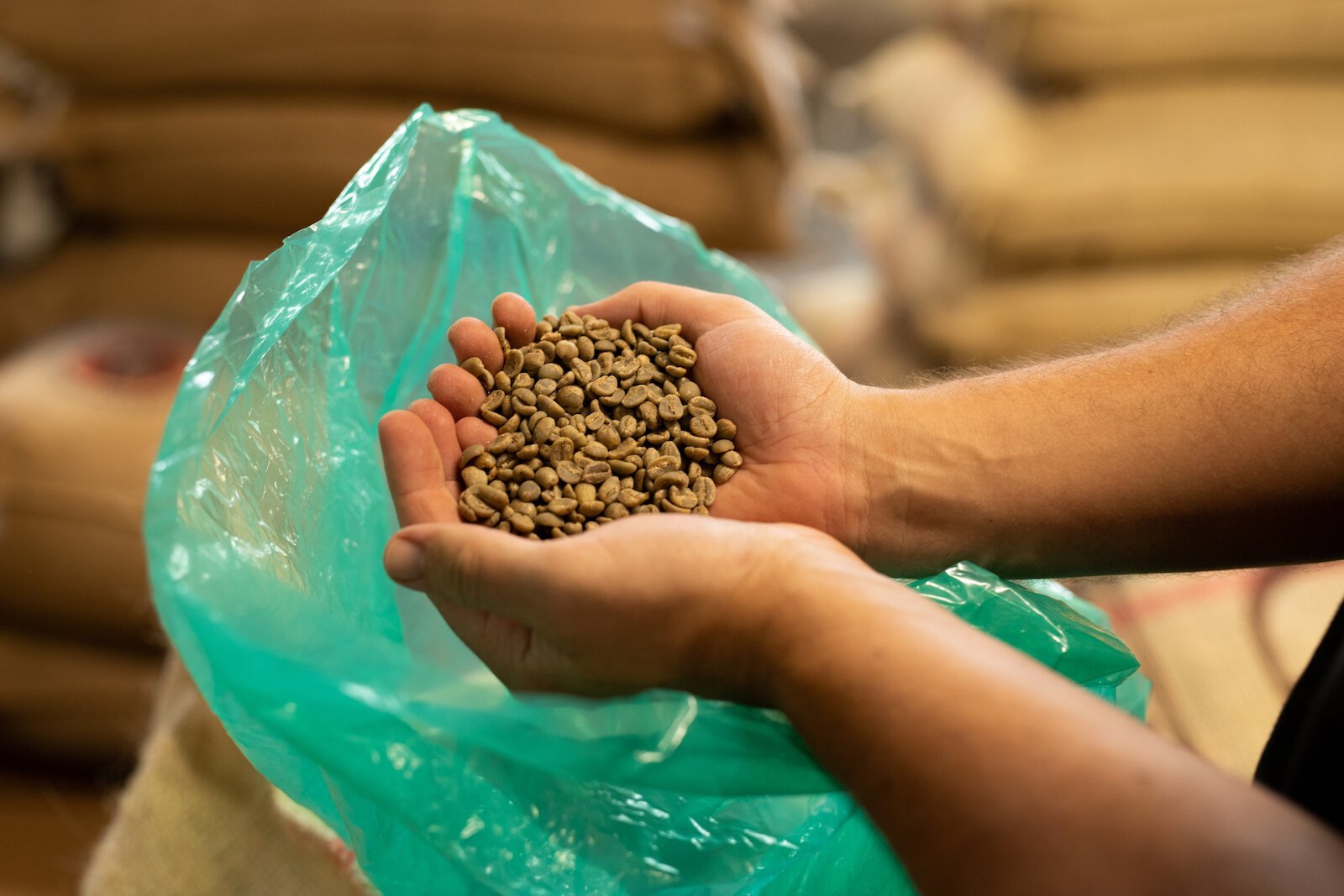
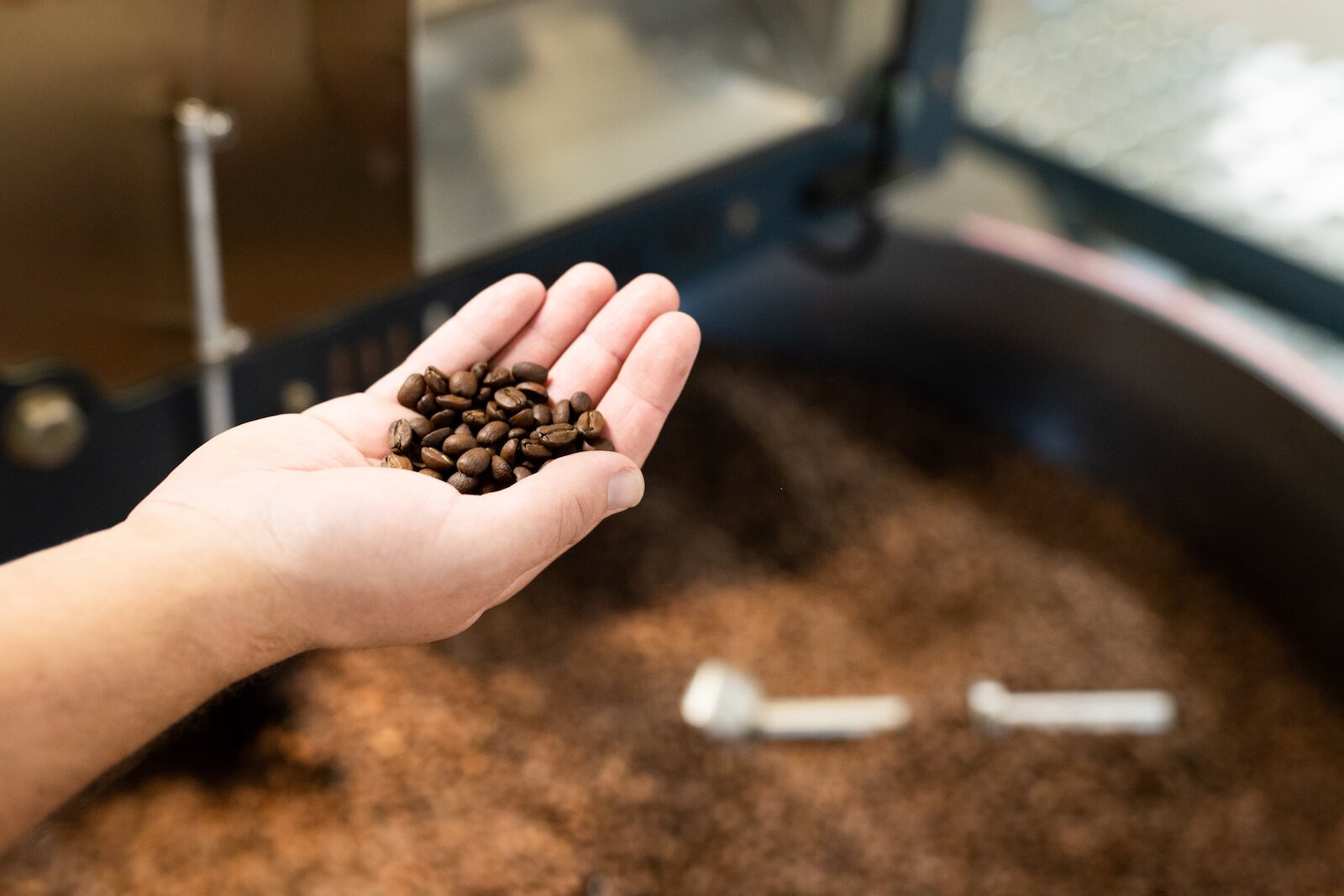
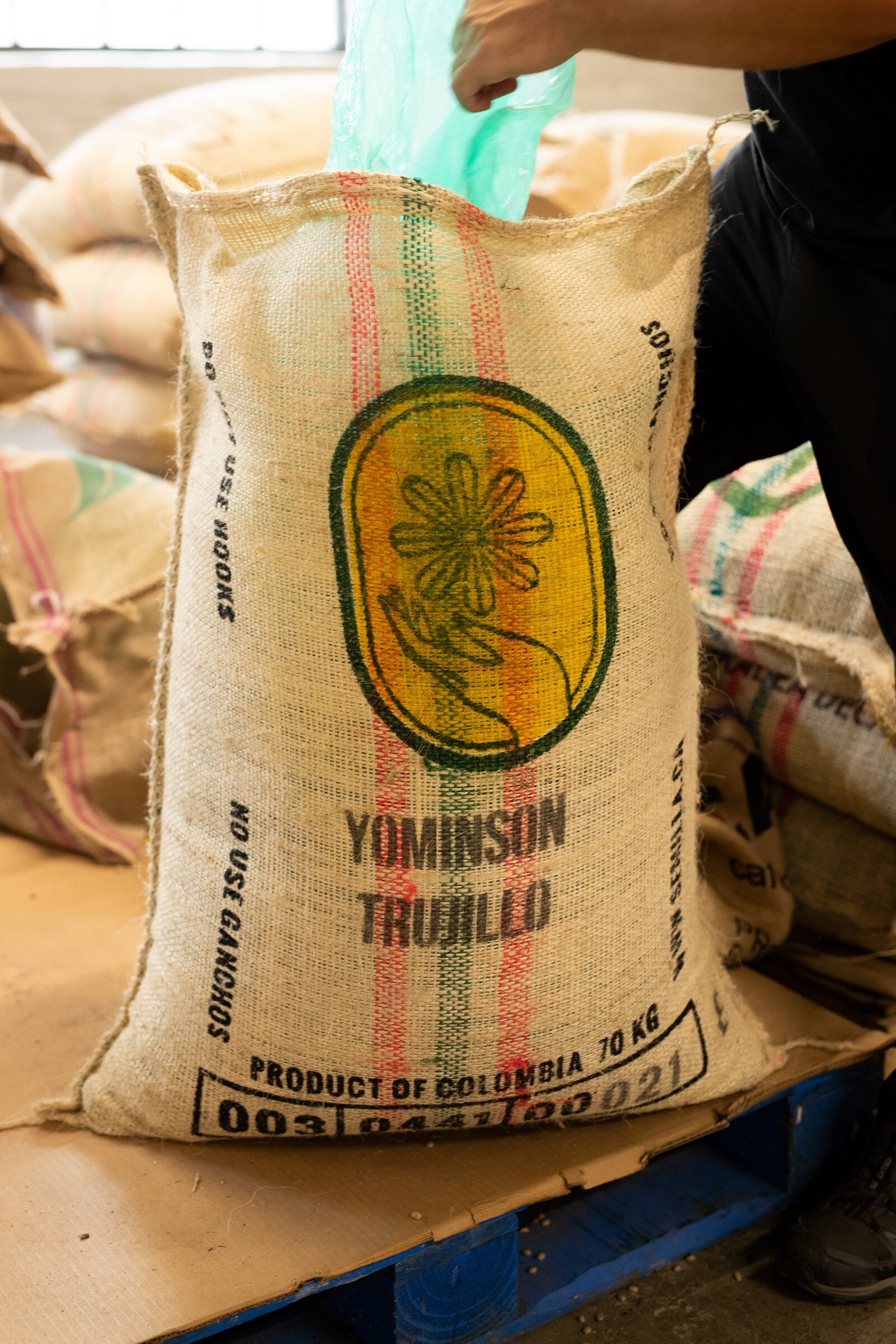
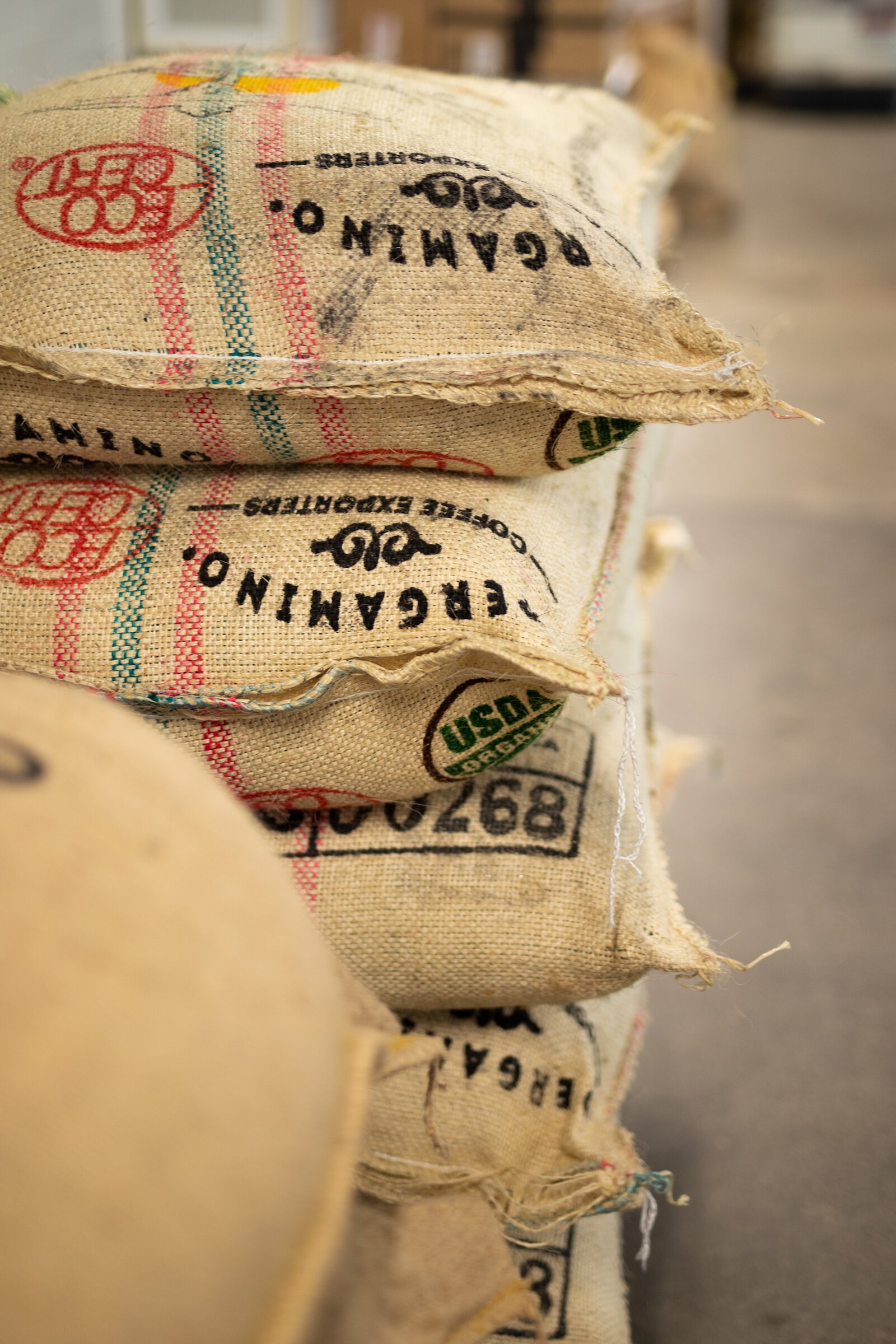
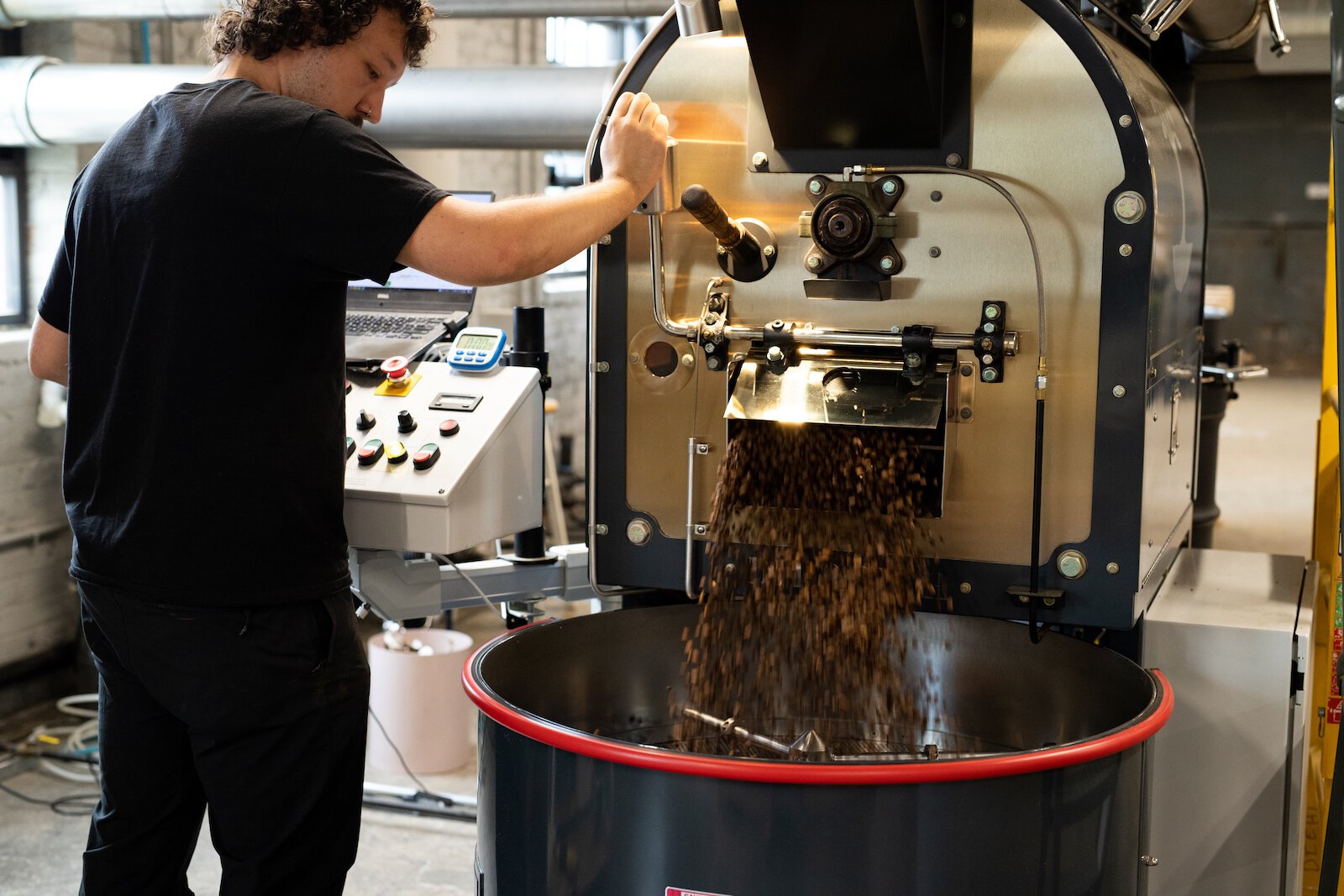
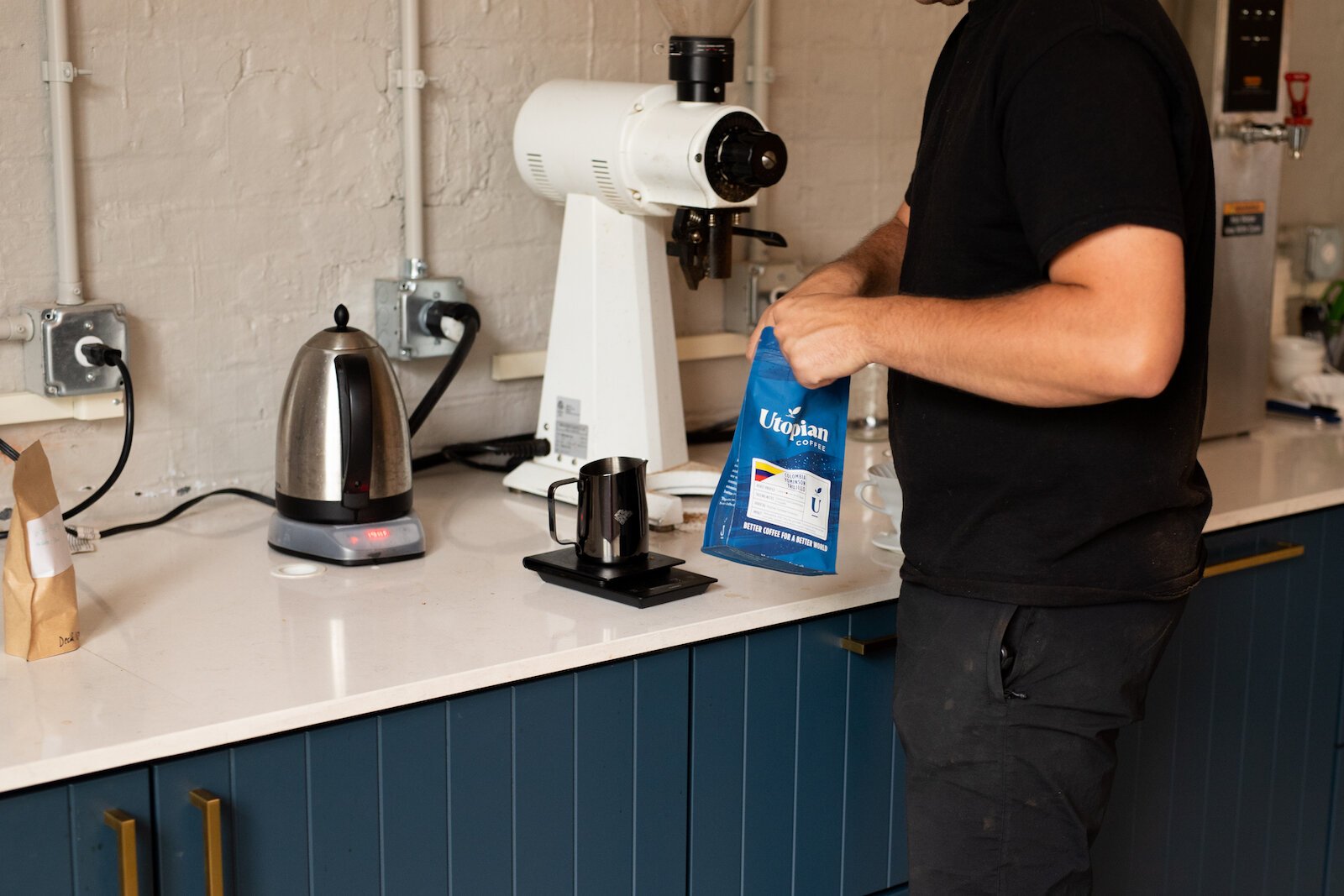

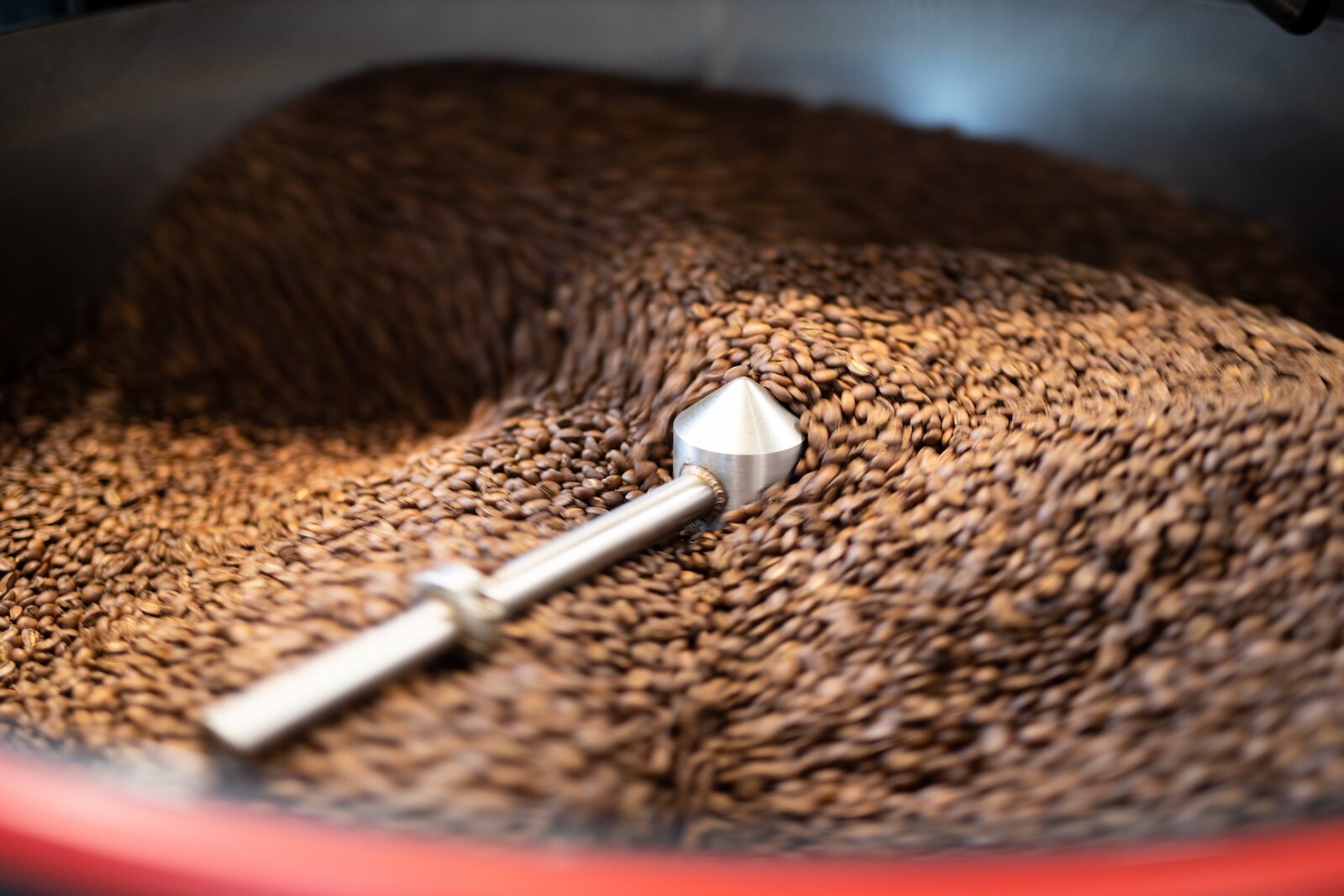
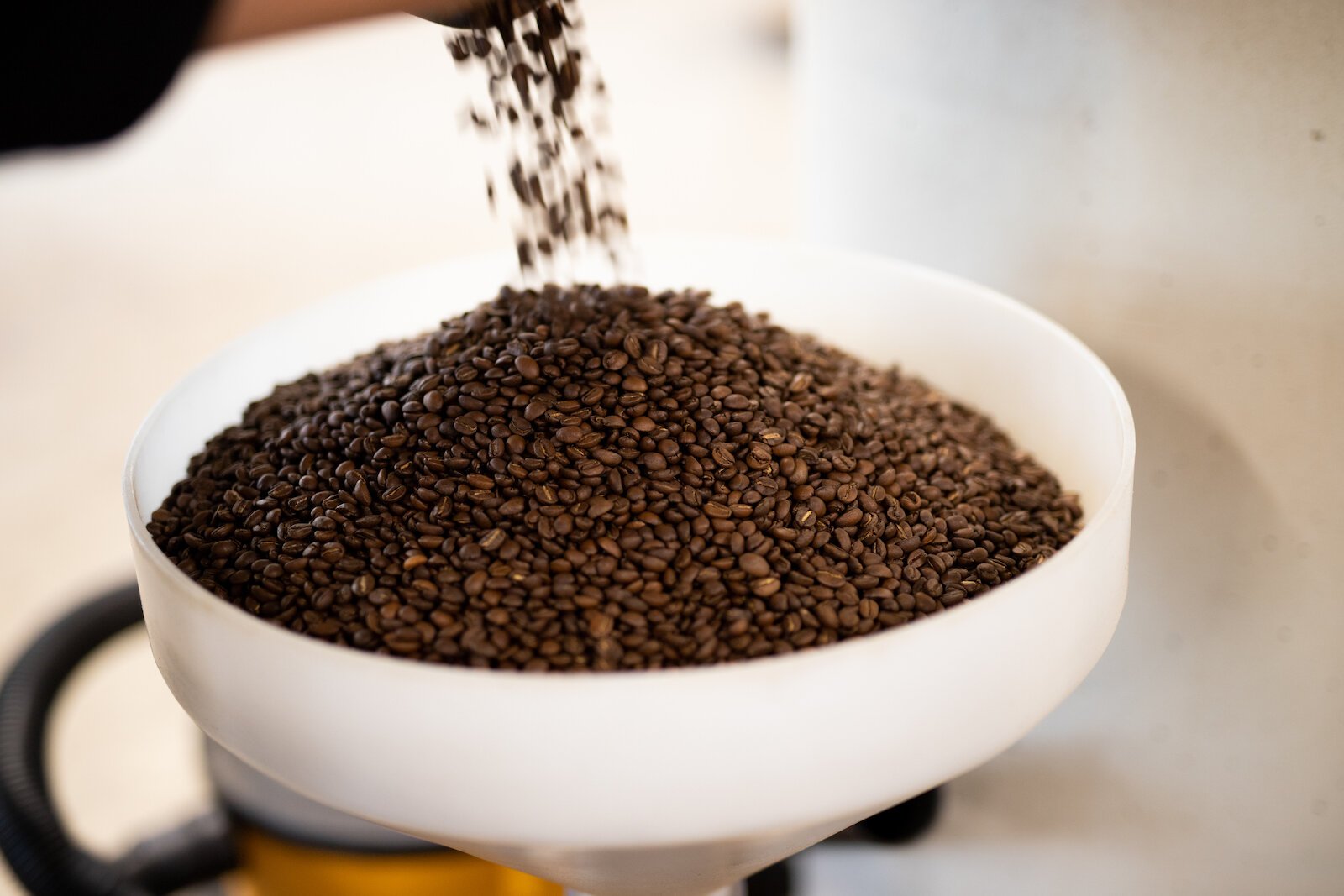
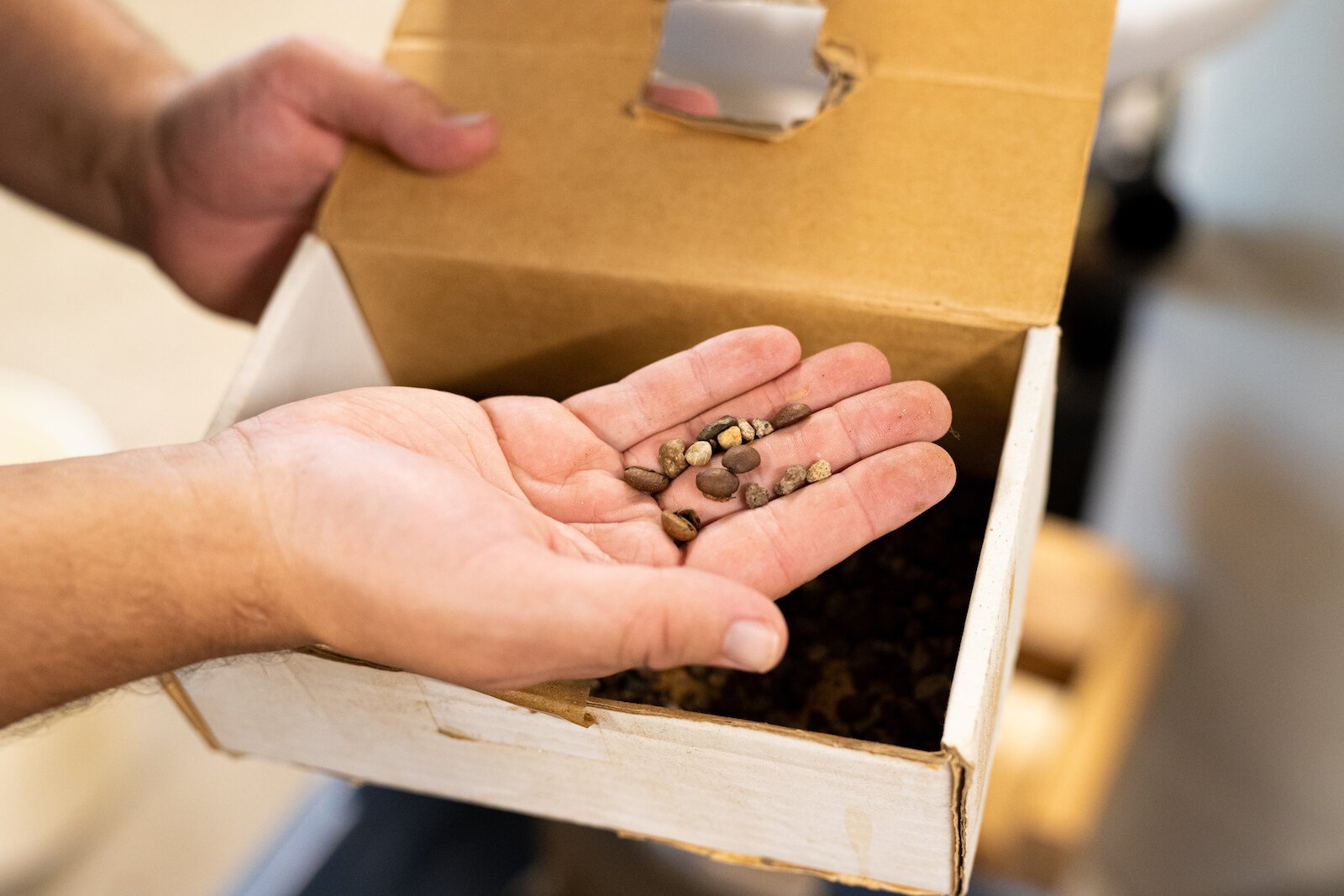
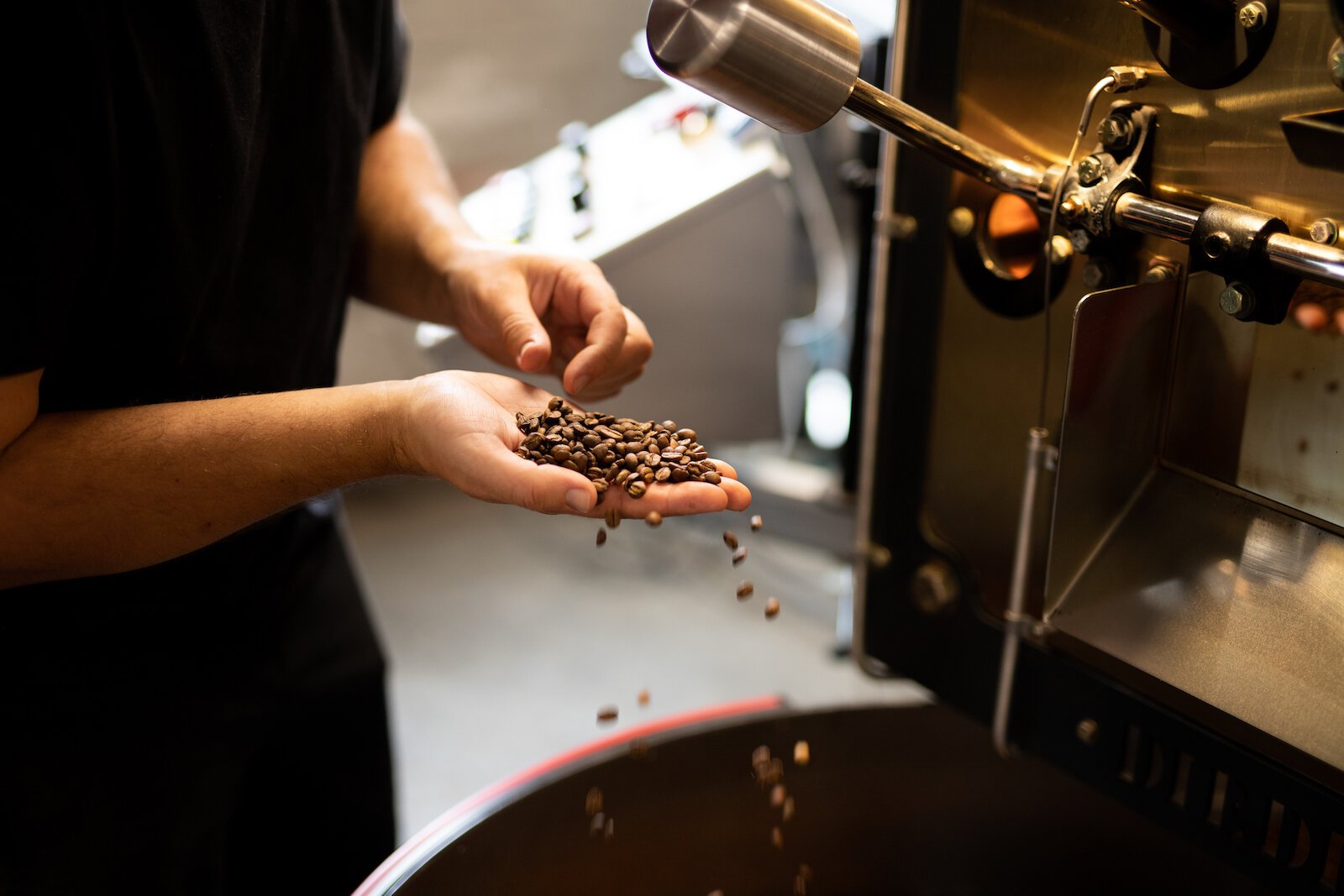
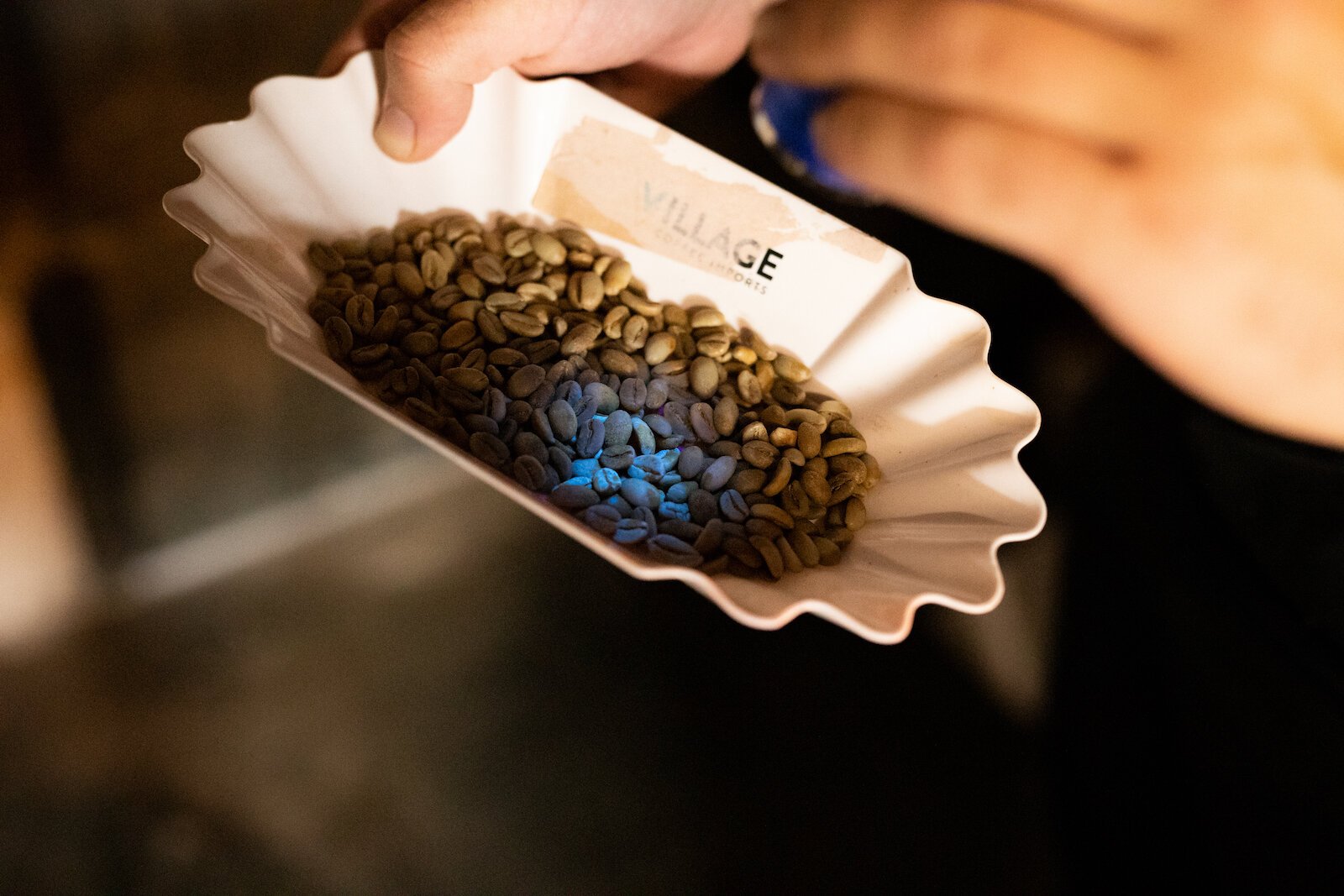
Every so often, you encounter a person who is so passionate about their craft, their energy is infectious. Such is the case when you meet Nick Brehany, Manager of Sourcing and Roasting for Utopian Coffee in Fort Wayne.
Sporting a mustache and flannel shirt, Brehany might look like your average 20-something coffee aficionado in the Midwest, and Utopian might appear to be your average specialty coffee shop and roastery. You might even know about Utopian’s unique cocaine to coffee project, helping former drug producers convert to specialty coffee production in the Cauca Valley of Columbia.
But pour yourself a cup of Utopian’s full-bodied Obsidian blend, and sit down with Brehany inside the cafe for an hour, and you’ll experience coffee—and Fort Wayne’s role in global coffee farming—like you’ve never experienced it before.
You might think you know Utopian, Brehany says. But you probably don’t know it like this.
***
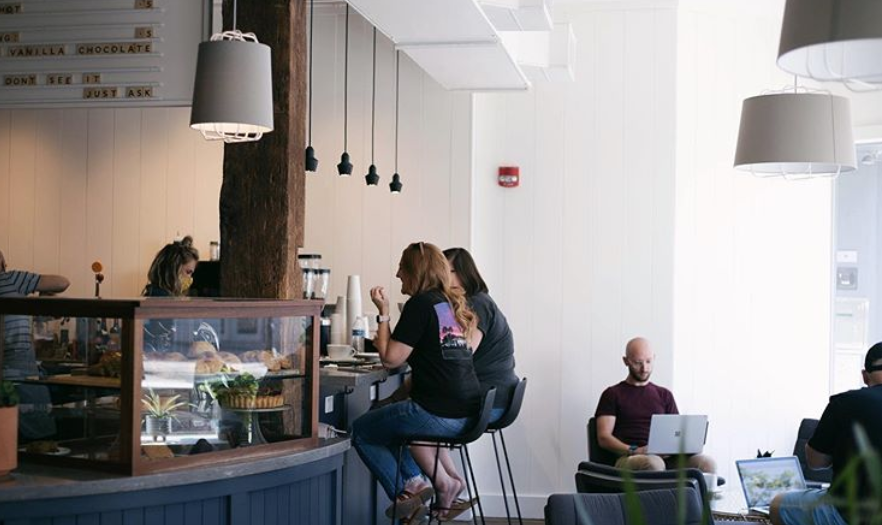
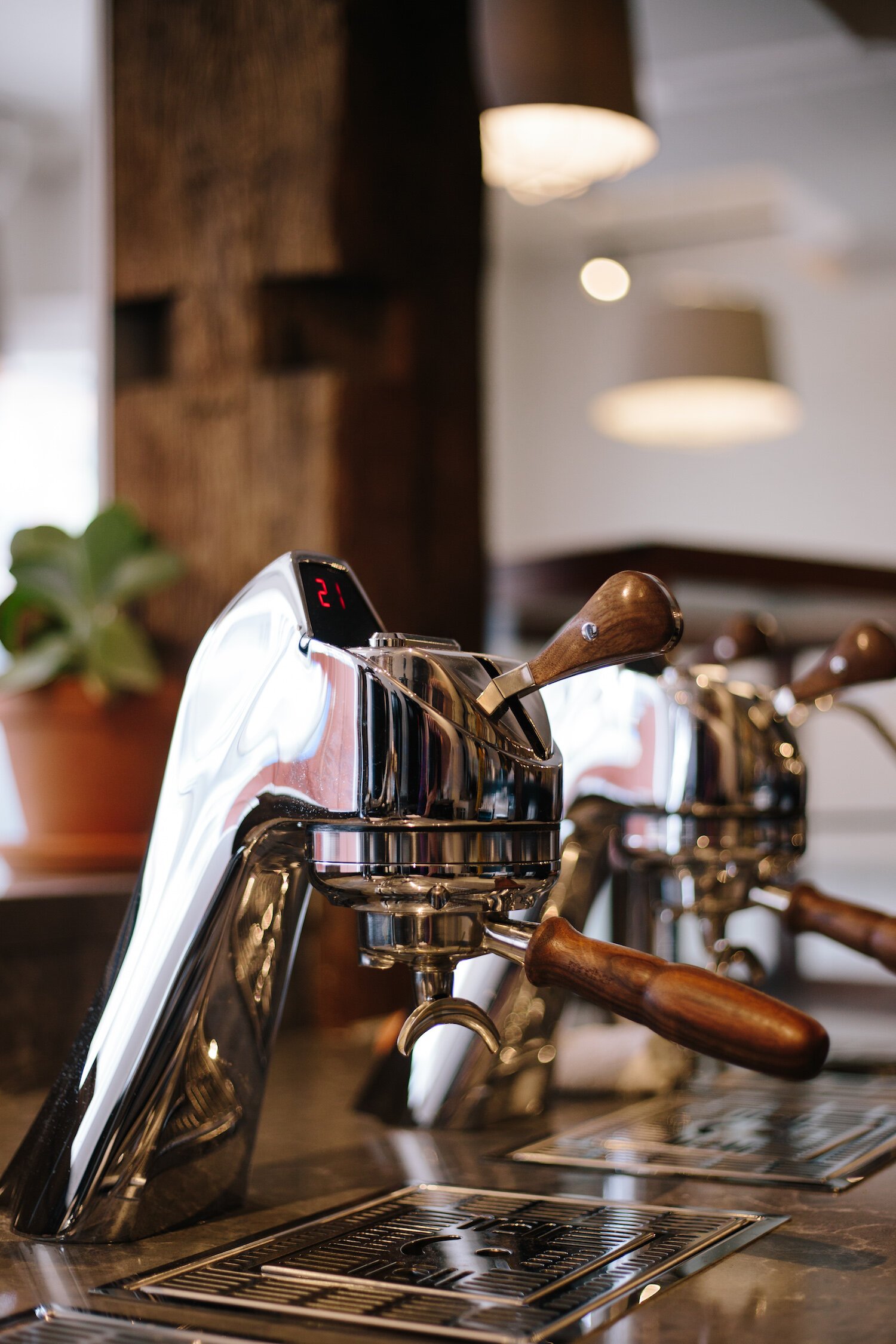
Step into Utopian Coffee + Kitchen at 118 W. Columbia St. on The Landing in downtown Fort Wayne, and you’ll find many of the hallmarks of coffee culture in the U.S.: Sleek minimalist design, wood floors, terracotta pots overflowing with greenery, modern chairs, and rattan coffee tables basking in the sunlight of large storefront windows.
A few floors above the cafe, Utopian has offices and meeting rooms, as well as its roasting and packaging facilities.
Having sold coffee online since 2006, Utopian’s new space and growing presence in Fort Wayne are a testament to how coffee culture has captivated Americans in the past decade, encouraging a more European-style embrace of the drink as a way to slow down and to enjoy time alone or with friends.
“Coffee is becoming a status symbol,” Brehany says. “It’s really this cultural force alongside the cocktail hour or going out for a beer.”
But for all the intrigue and circumstance coffee culture can have with its latte art and its jargon-laden varieties of blends and brewing methods, Utopian’s approach to coffee is refreshingly unassuming. Brehany won’t judge you for ordering a dark roast or for not drinking your coffee black.
Instead, his manner is warm, inquisitive, and acutely descriptive, like a history professor. He actually has a degree in history and pre-law and was toying with the idea of teaching before coffee changed his life.
“My journey with coffee has been almost magnetic,” Brehany says. “As much as I’ve pursued it, it’s like the right doors opened, and it has pursued me, too.”
Growing up in Warsaw with two working parents, Brehany has been fascinated with coffee from a young age, but he didn’t always like the taste of it.
“That’s the funny part,” he says. “I hated coffee because the only coffee I knew at the time was very ashy tasting. But I always thought coffee was cool because it was like an energy drink for working adults.”
As a teen, he and his friends would hang out at a local specialty coffee shop and roastery in downtown Warsaw called Three Crowns Coffee, where Brehany recalls ordering chai tea lattes or dumping sugar into his coffee drinks. That is, until he picked up a part-time job at Three Crowns, and the manager Eric Squires introduced him to his first pour over.
“When he gave it to me, I immediately dumped sugar into it, and he actually took it back from me and dumped it out,” Brehany says, laughing. “He told me: ‘I’m going to make you another, and just try to drink it black first, and see if you like it before you add anything.’ When I tasted it, I was immediately like: ‘Wow, coffee can taste good.'”
As a senior in high school, Brehany became a barista at Three Crowns, where his knowledge of craft coffee went from zero to 100 in a matter of days. In college, he became a barista at the Light Rail Cafe in Winona Lake, where he learned from one of the co-owners, Nate McLaurin, who had been working in specialty coffee for years. Under his tutelage, Brehany began concocting his own simple syrups and competing in latte art throwdowns across the state. He even got the opportunity to help co-manage a small coffee shop inside a church in North Webster.
But while he loved the work, he was skeptical about the coffee industry’s job prospects as graduation loomed for his two-year degree. Then he met Brendon Maxwell, the Owner of Utopian Coffee in Fort Wayne, who hired him to do some training sessions with Utopian’s team.
The same week, Utopian parted ways with its head roaster.
“Brendon was like: ‘You have no roasting experience, but I think you can do it,” Brehany remembers. “My dream at that time was to roast coffee, so I went from being a barista to being a roaster overnight.”
It was trial by fire. Literally.
***
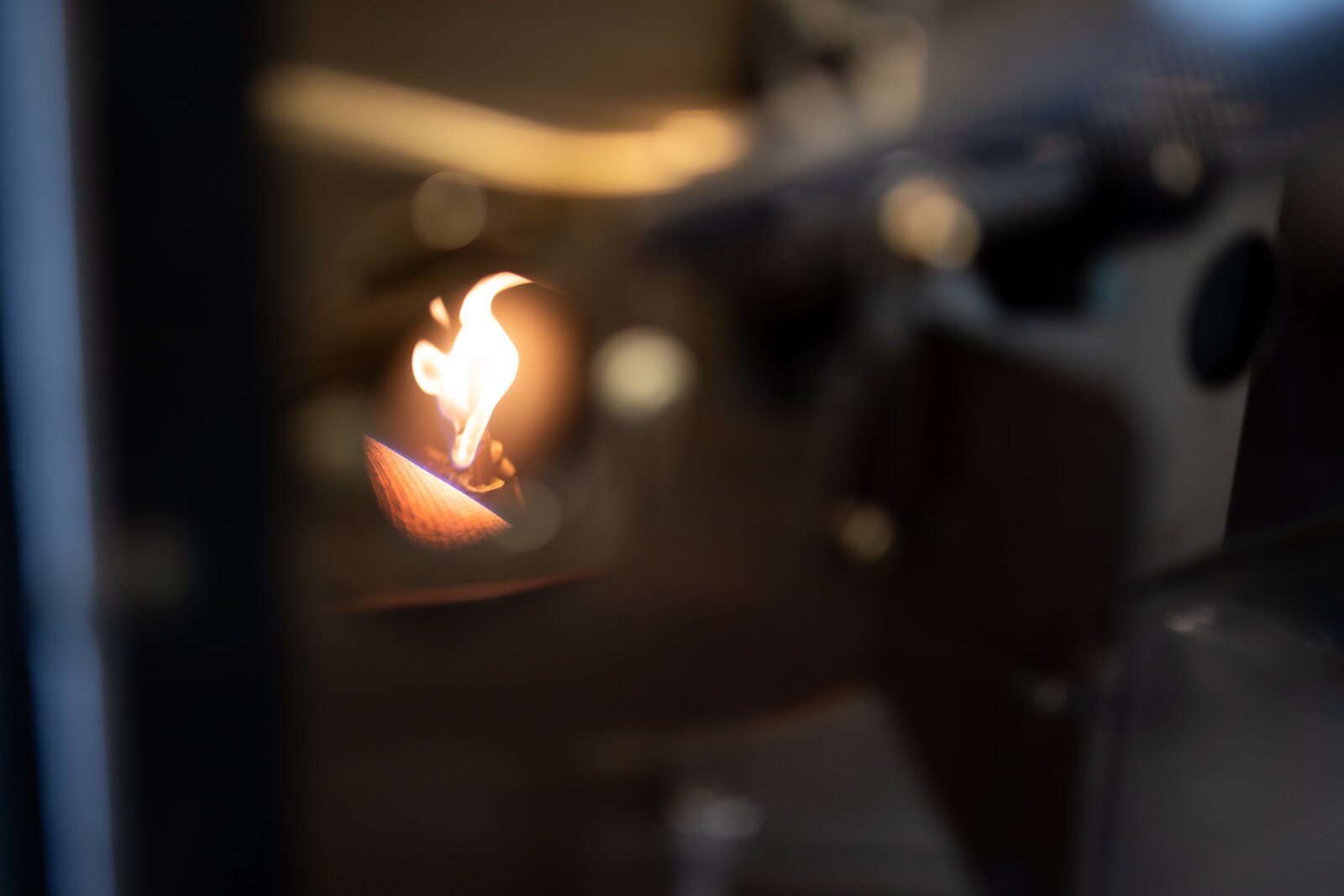
“A coffee roaster is a very crude machine,” Brehany says. “It’s a metal drum in a metal casing with a flamethrower underneath and a fan in the back to pull out smoke and air.”
Once you drop the raw coffee into the machine and start to roast, there are only three things you can do.
“You can turn down the heat, the amount of flame on the drum. You can turn up the amount of air in the roaster to pull out more smoke and help cook the coffee. Or you can open up the drum and discharge the coffee to stop the roasting process. That’s it,” Brehany says. “You only have three choices, so you have to really know a lot about how you want to approach the coffee from the get-go to get the best results.”
Brehany learned to roast by searching for everything he could find in YouTube videos, blogs, and online tutorials. Also by using his senses.
“I would drink my own coffee, and then I’d go buy a bag from another roaster who I really looked up to, someone like Madcap Coffee in Grand Rapids,” Brehany says. “Then I’d taste both coffees, and be like, why doesn’t my coffee taste like this? How do I get closer to these really high standards?”
As he learned, he discovered that being an effective roaster is like driving a car and approaching a red light.
“You start off going fast, heating the coffee seeds from room temperature to really, really hot, several hundred degrees, in a matter of minutes. But then you’re kind of in this process of continually slowing down as you’re trying to reach your endpoint. You don’t want to immediately hit the brakes because this slowly declining exchange of heat actually brings out the sweetness, sugariness, and the body or texture of the coffee that makes it taste good.”
In roasting, Brehany’s goal is to make coffee “as transparent as possible,” so its unique flavors are evident to the drinker. Today, four years after learning to roast, he still does about 90 percent of Utopian’s roasting along with its product sourcing, and what he’s found is that the two roles are intimately related.
“This is something that Utopian has done that I don’t think many other roasters are doing,” Brehany says. “There’s this trend in specialty coffee that every coffee should be super light, super fruity, super floral, and coffee—even the raw product—isn’t good unless it tastes like that. So roasters would try to buy coffees from, say, Mexico, and they would taste it, and be like, ‘Well, this coffee is chocolatey and nutty, so this is garbage quality. We’re only going to buy from Kenya and Ethiopia where we can get the flavors we want.”
Brehany and Utopian’s goal is to shift this mentality, opening the eyes of coffee roasters and farmers everywhere to a world of new possibilities. At the time of this interview, Utopian is serving coffees from Peru, which strike a balance between chocolatey and fruity. They also have coffees from Burundi, which are more acidic, floral, and prudent, and coffees from Honduras that are chocolatey and nutty.
“We’re making relationships with farmers in places not known for coffee, and learning to appreciate the flavors of their coffee for what they are, instead of trying to impose on them what we want them to be,” Brehany says. “We want all the coffees we source and roast for Utopian to have a wide range of flavors.”
This desire to achieve a range of flavors is leading Utopian to be socially minded innovators in global coffee markets riddled with inequality and abuse.
***
When you think about what makes specialty coffee “special,” you might assume the bulk of its value comes from what the barista is doing behind the counter. After all, craft coffee shops have “fancy” setups with levers and steamers, syrups and latte art.
But much of what goes into creating craft coffee happens before it even reaches the barista’s hands.
“About 99 percent of the work is done at that point,” Brehany says. “I often tell our team at Utopian there are two things you can do with coffee: You’re either creating it, or you’re expressing it. My job, as a roaster, and their job, as baristas, is to express the coffee. A coffee farmer’s role is to create it.”
Even so, while coffee farmers are underpinning an expected $80 billion worth of growth in the global specialty coffee shops market from 2020-2024, they are also abusively undervalued in the system.
“Most people don’t realize that coffee beans, as we know them, are actually the seeds of a fruit that grows on trees,” Brehany says. “They come from these little red fruits or coffee cherries that somebody had to handpick and process. So much like beer has to be fermented, coffee seeds have to be fermented and then go through a washing process to remove the fermented juices from them, and all of this has to be executed perfectly, or the coffee turns out bad. So the average coffee farmer is much more of an artist than we often give them credit for.”
Despite the amount of work and art that goes into preparing coffee seeds to be the beans consumers know and love, Brehany and Utopian’s team have seen firsthand how coffee farmers around the world are being drastically underpaid and trapped in a cycle of poverty for their craft.
“Most coffee farmers are paid less than a dollar per pound for their coffee in their local markets,” Brehany says. “Think about that.”
Since an average coffee farmer might only produce around 500 pounds of coffee per year, that translates to an annual paycheck of less than $500.
“What we’re learning is, a lot of times the actual input cost to grow the coffee is higher than a dollar per pound, so most coffee growers are actually working themselves into poverty,” Brehany says. “Coffee is literally keeping people in poverty.”
This unsettling reality also carries economic consequences for the world’s coffee market. As global demand for coffee grows, the supply is becoming limited.
“If the trends continue the way they’re going, we’re going to lose a lot of coffee farmers in the next 20 years,” Brehany says. “Part of that is due to factors like climate change, and part of it is due to the fact that coffee farmers are giving up on coffee. They’re abandoning their farms and uprooting their trees in exchange for other crops because they’re not getting paid enough.”
Utopian is among the ranks of coffee innovators with a global conscience, like Thrive Farmers Coffee, seeking to improve upon “fair trade” models and to invite coffee farmers to “participate in the added value as coffee moves downstream to the consumer,” as the New York Times reports.
From Utopian’s headquarters in downtown Fort Wayne, they’re finding ways to do this work in a holistic, people-first way—while maintaining their status as a for-profit company.
***
One of Utopian’s most publicized projects is their high-risk, boots-on-the-ground project in Columbia, helping farmers who formerly grew cocaine translate their crops to specialty coffee production. But while this project is important to Utopian’s DNA, it’s also more of a rogue, one-off effort rather than a model for how they typically interact with global coffee farmers.
Brehany says more often than not, his role sourcing coffee leads to more collaborative, mutual aid projects with global coffee producers and nonprofit organizations, such as Origin Coffee Lab in Peru. Utopian works with these like-minded partners who realize the world’s current system for producing coffee isn’t sustainable and needs to be fixed—not by merely giving coffee farmers money and resources, but by helping them develop better systems.
The goal is to move coffee farmers toward being autonomous and having greater agency over their product.
“We are not a savior company, so we don’t save anyone,” Brehany says. “But we come alongside and ask: How can we help?”
One of the challenges in helping coffee farmers is working in extremely remote locations with no access to transportation. It’s also a matter of dealing with multiple global markets and cultures where coffee is produced and sold differently in each system.
“It’s really complicated work because coffee is not a one-size-fits-all crop or social impact solution,” Brehany says. “It never works exactly the same way in two different places.”
To be effective, Utopian and its partners adapt to each culture they do business in. Sometimes, that means going into poverty-stricken communities that have access to coffee trees and helping them use those trees to turn a profit. Such is the case in Utopain’s work with an organization called Fabretto in Nicaragua, where Brehany is helping farmers improve their processes to reach micro-lot quality, so they can break into the U.S. specialty coffee market and earn higher premiums on their products.
“It’s a mutual exchange where I get great quality coffee, and they get access to knowledge and information they need to succeed in the U.S. specialty coffee market,” he says. “I think the worst thing you can do as a roaster is think: ‘I know more than the farmer, and I can tell them how to make their coffee better.’ So the philosophy we try to live by at Utopian is: Say less, listen more, and really think about what your partner needs.”
This approach is leading Utopian and the organizations it works with to develop practical, yet innovative solutions to global challenges in coffee farming.
***
One thing that might set Utopian apart as a for-profit company is the fact that it takes responsibility for its product at every point in its lifecycle, from the coffee seed to your first sip. And while you might assume this added responsibility comes with exorbitant costs and sacrifices, Utopian is finding ways to make its practices smart and affordable from a business standpoint.
Specialty coffee roasters like themselves value unique, one-of-a-kind coffee varieties to set themselves apart from competitors, but expanding on these varieties often requires risks that budget-strapped farmers are not able or willing to take. So in Mexico, Brehany is collaborating with local farmers to test new fermentation methods that will bring out different flavors in their coffee, and in return, Utopian is footing the bill for the innovation on the bet that it will create more business for everyone involved.
“Usually, it’s not appropriate to ask a farmer to adjust their fermentation methods, but I said, ‘Look, we will pre-commit to buying the coffee you experiment with at whatever prices you set,'” Brehany says.
The farmers agreed, and the experiment resulted in two one-of-a-kind coffees that helped Utopian take their products to the next level.
“The quality did increase, so the farmers got a cash bonus for working with us, and we got this unique coffee that no one else in the world has,” Brehany says.
He sees this model of freeing up farmers to take risks as increasingly important in improving the coffee market, particularly as farmers face challenges with climate change. Looking to the future, he is excited to travel and meet more farmers in-person as restrictions ease during the pandemic. He envisions Utopian’s team helping its partners streamline their processes even more with enhanced facilities or machinery that cut costs in the long-run.
Along with collaborating and investing in relationships with global coffee farmers, another way Utopian is making its model affordable and sustainable is by teaming up with fellow roasteries to reduce costs.
“Traditionally, coffee sales have been a competitive industry where everybody is at eachothers’ throats,” Brehany says. “But we’re working on a collaboration with other roasteries, where we’re saying, ‘Hey, we can only buy six of this farmer’s 10-bag lot, would you be willing to buy the other four bags so that this farmer sells their whole harvest this year?'”
Recently, Utopian worked with Origin Coffee Lab in Peru to see if they and four other roasters could fill up an entire shipping container with coffee bags and, thus, reduce the cost of the coffee for everyone, while maintaining premium wages for the farmers.
“Doing stuff like that, and making these really simple changes, is not as common in the industry as it should be,” Brehany says.
While Utopian cares deeply about the quality of its coffee, Brehany believes their work as a company is more about the people who produce it.
“Coffee is a human product, and we focus on making sure all the human beings involved are well cared for,” he says. “Customers probably don’t realize how many meetings we sit down and talk about why we do what we do—about the fact that there are actual human lives affected by the choices we make.”
Ultimately, Utopian’s goal is to invite more coffee drinkers and specialty coffee roasters in the U.S. to ask questions about their coffee and where it comes from. And with greater knowledge, comes the opportunity to build better solutions.
“Consider your cup of coffee like a glass of wine,” Brehany says. “It came from somewhere, and it has a story. If you’re paying $1 for a cup of coffee, that story might not be a very bright one.”
Author

Related Articles
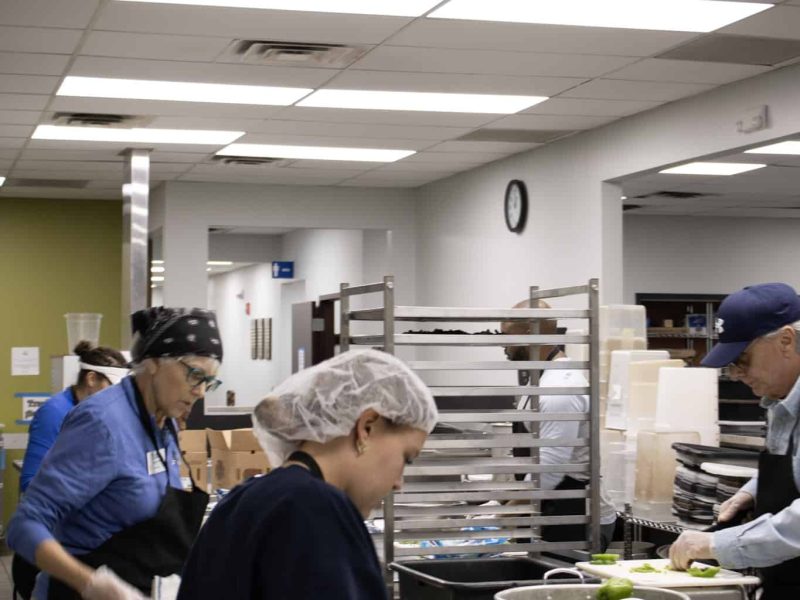
IFF’s energy-efficient work allows nonprofits to reduce energy costs, increase their mission-driven impacts across Indiana communities
IFF is helping Indiana nonprofits reduce utility costs and improve facilities through energy-efficient building upgrades. Programs in Bloomington, South Bend, and Indianapolis are helping organizations reinvest savings back into their community-focused missions.
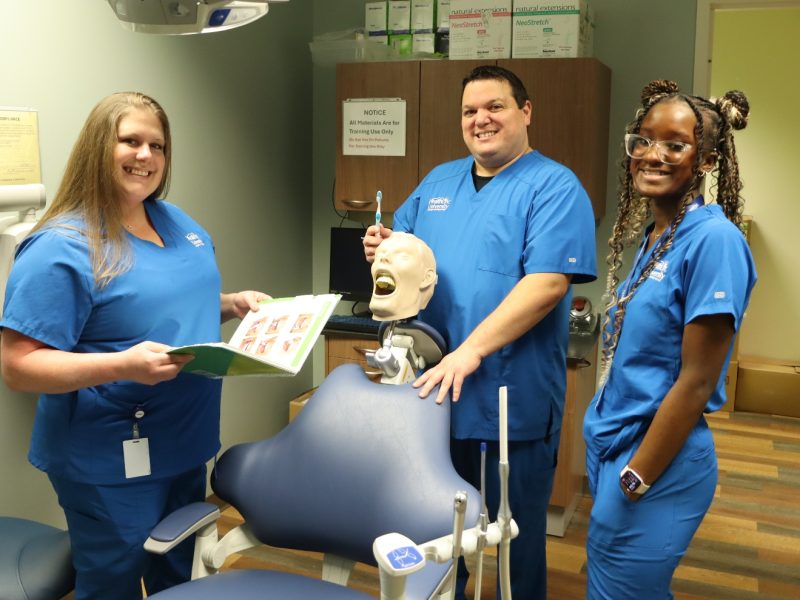
Indiana health center trains local residents as dental assistants to fill workforce gaps
HealthLinc, a federally qualified health center in Valparaiso, covers training costs while preparing local residents for dental assistant jobs, strengthening workforce pipelines and expanding access to care.
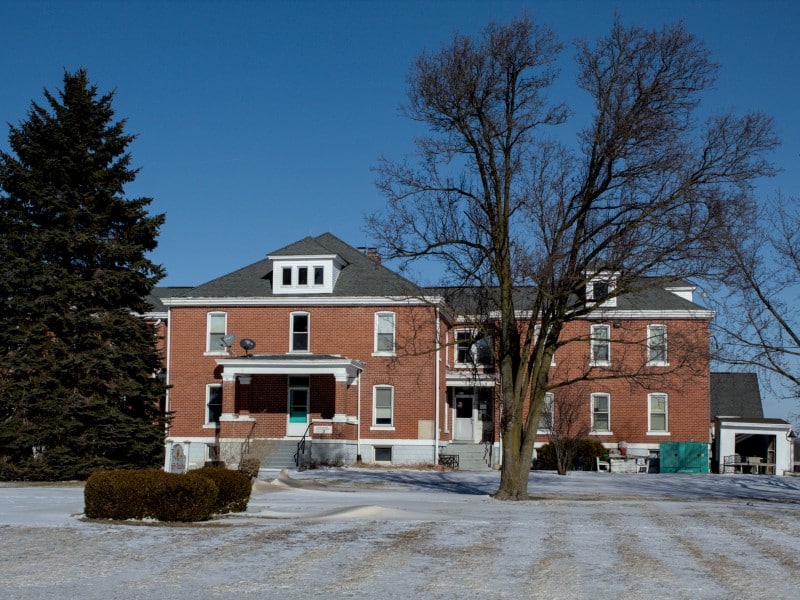
What will Dekalb County do with the historic Sunny Meadows property?
Sunny Meadows, a county residential home, is now closed, but the building’s future is up for debate.