Love the fall trees in Southwood Park? This neighborhood’s tree canopy is not a coincidence
Here's how the neighborhood association is actively maintaining–and growing–the city's tree canopy.
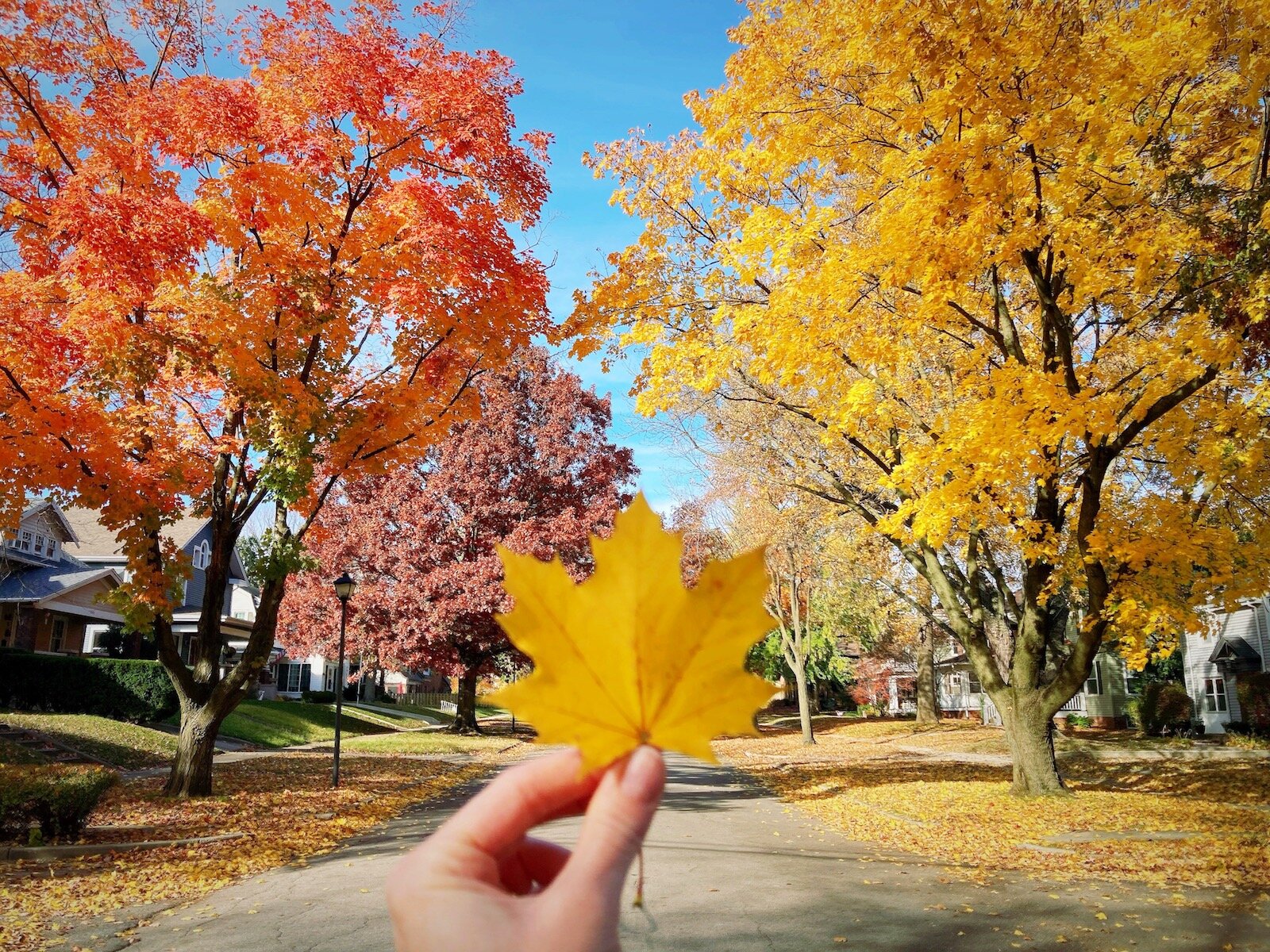
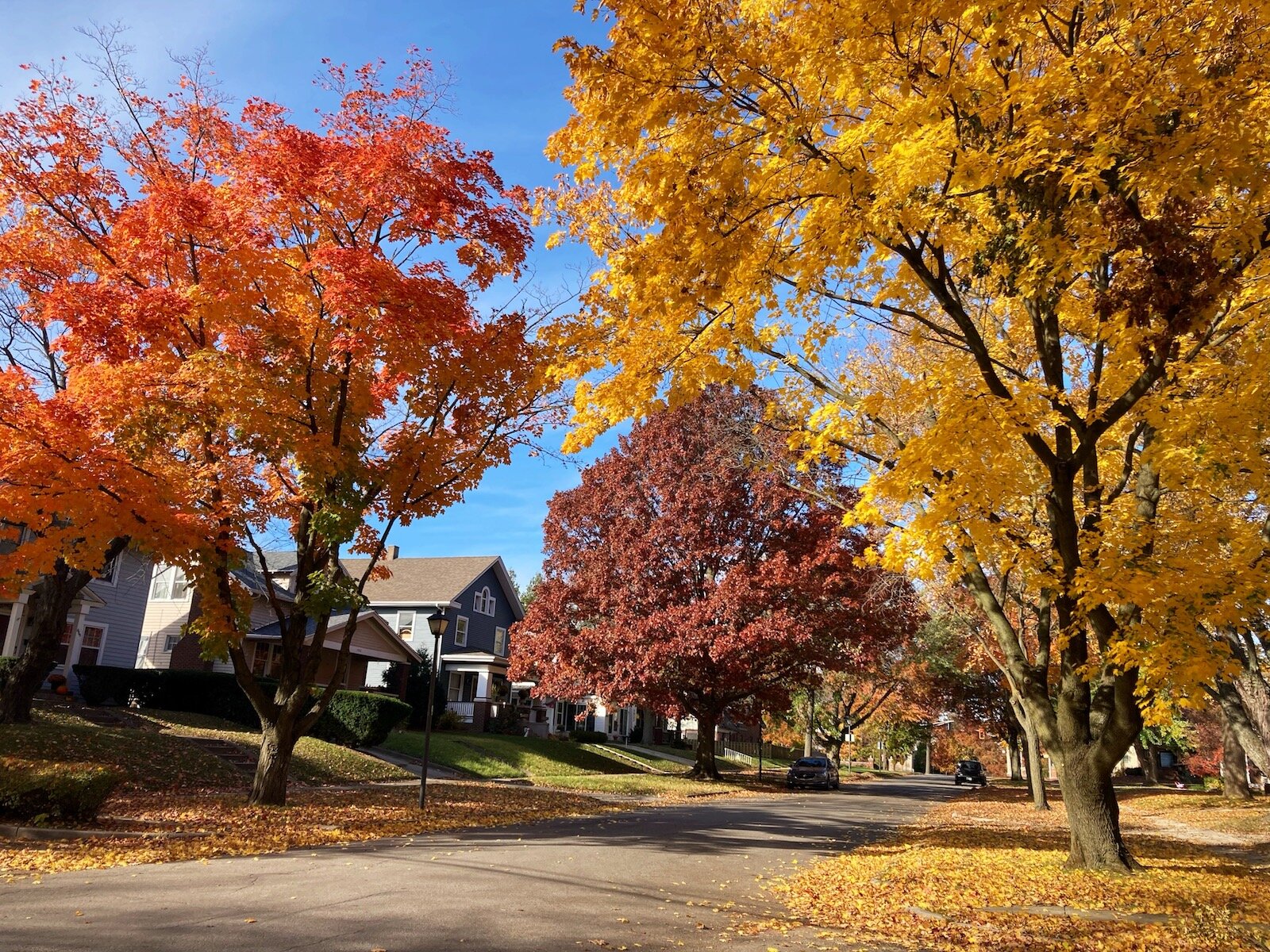
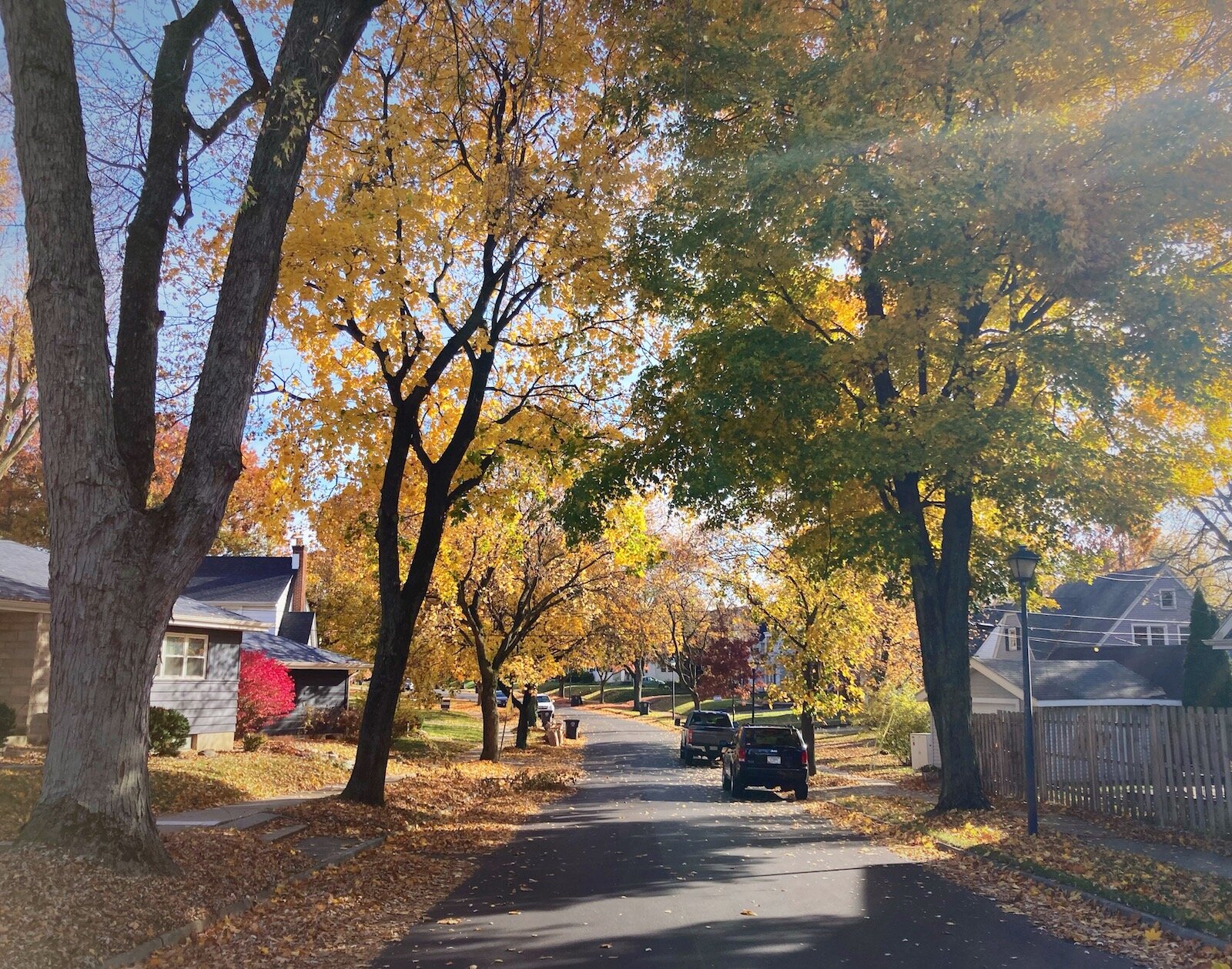
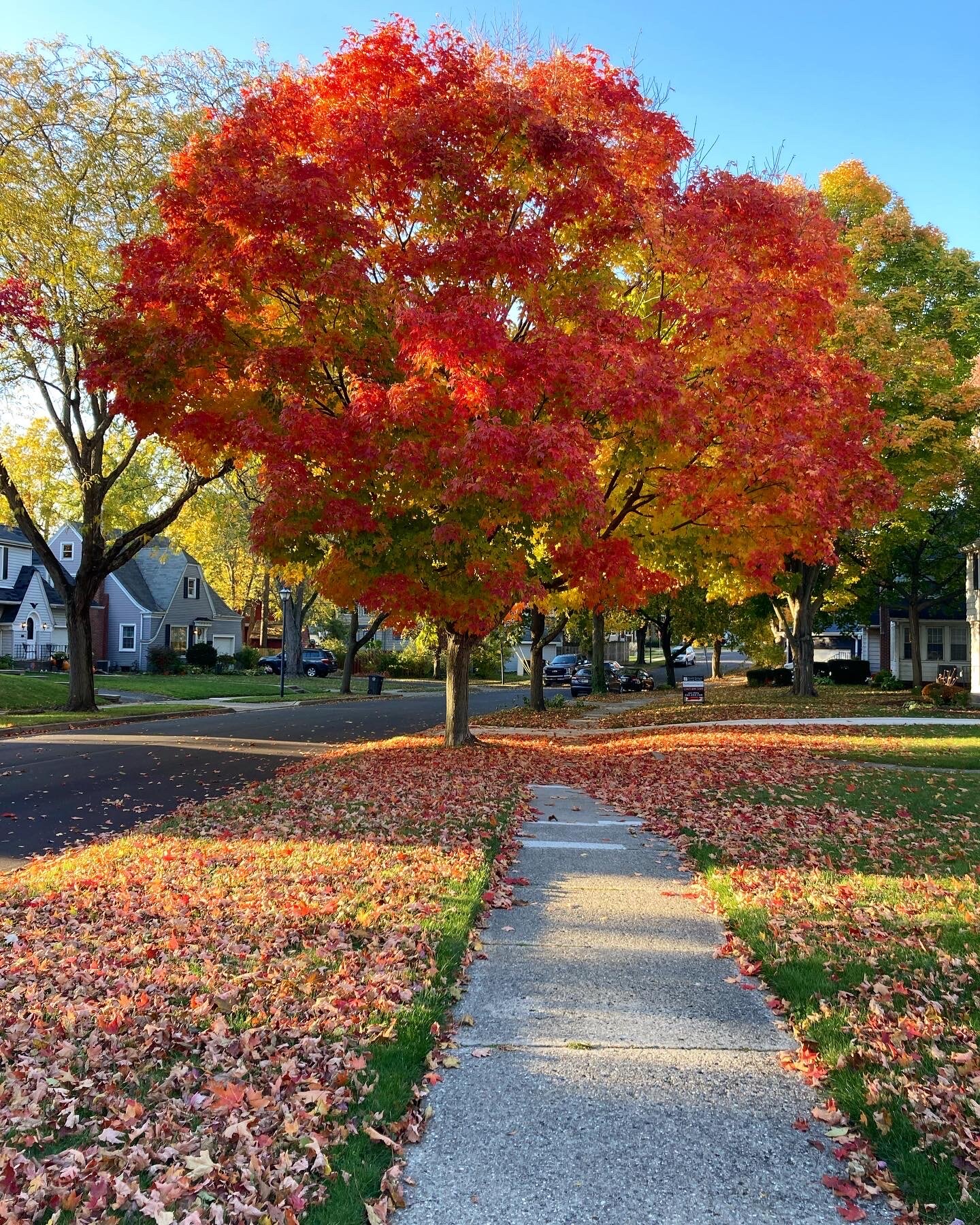
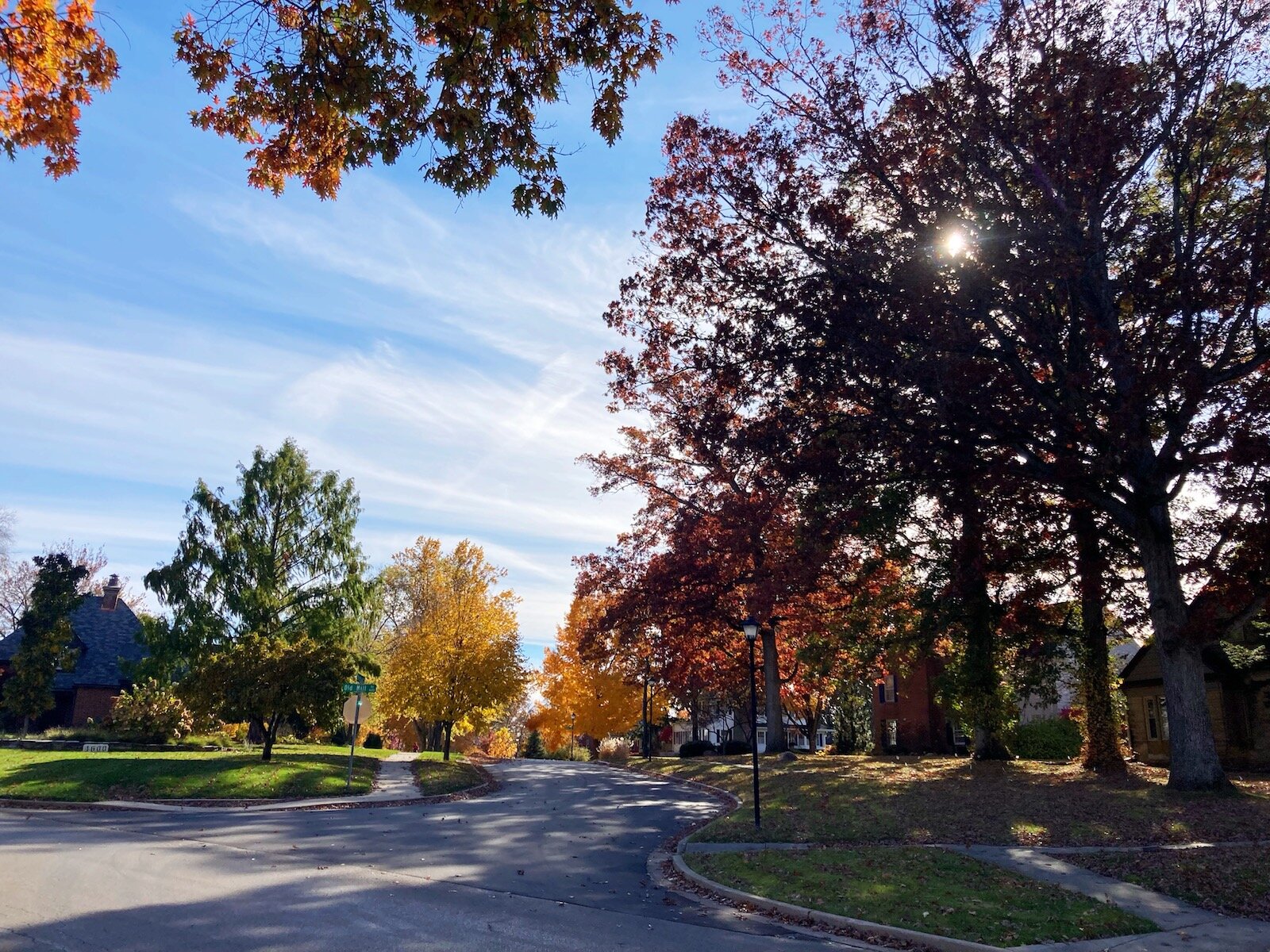
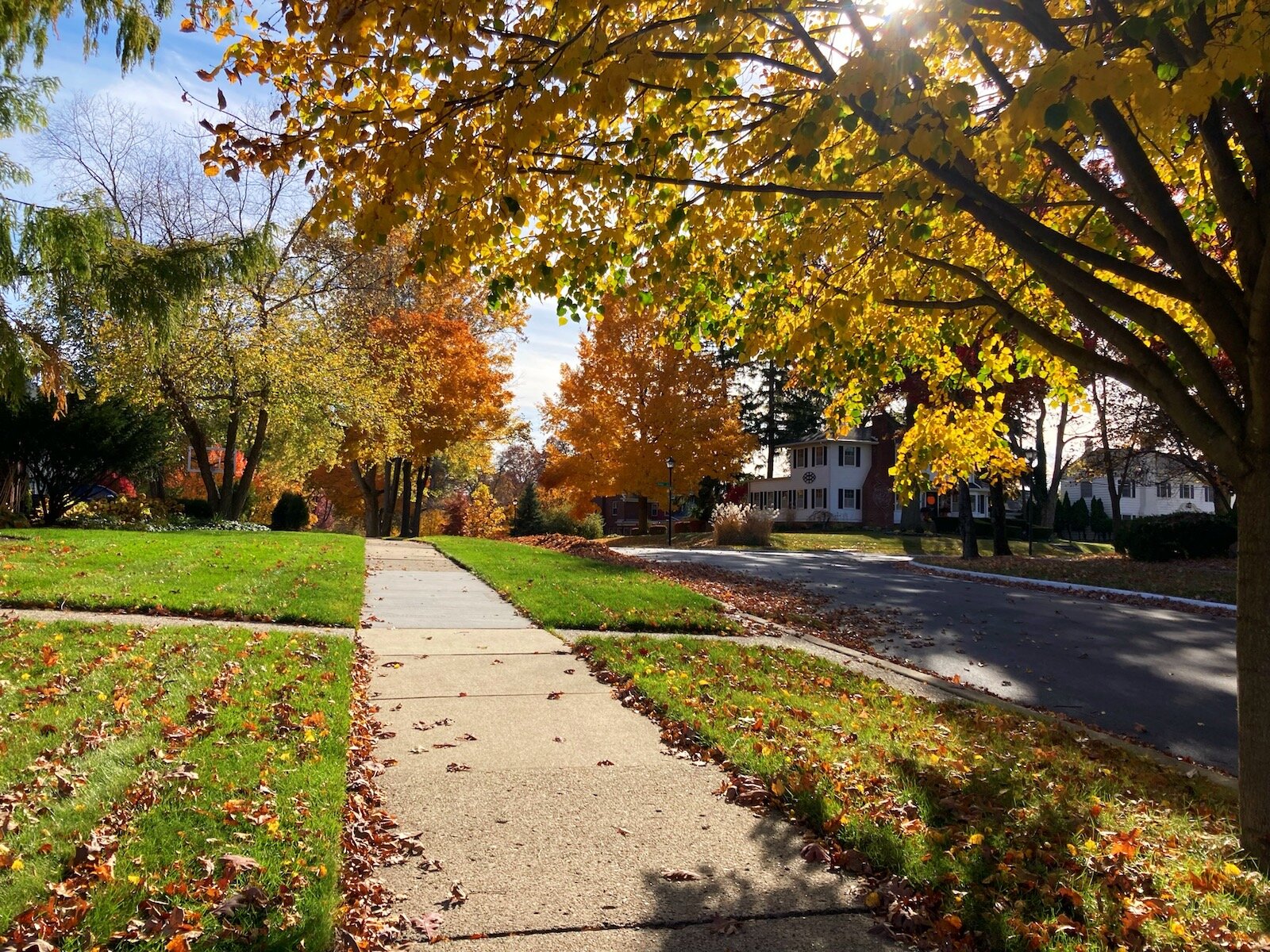
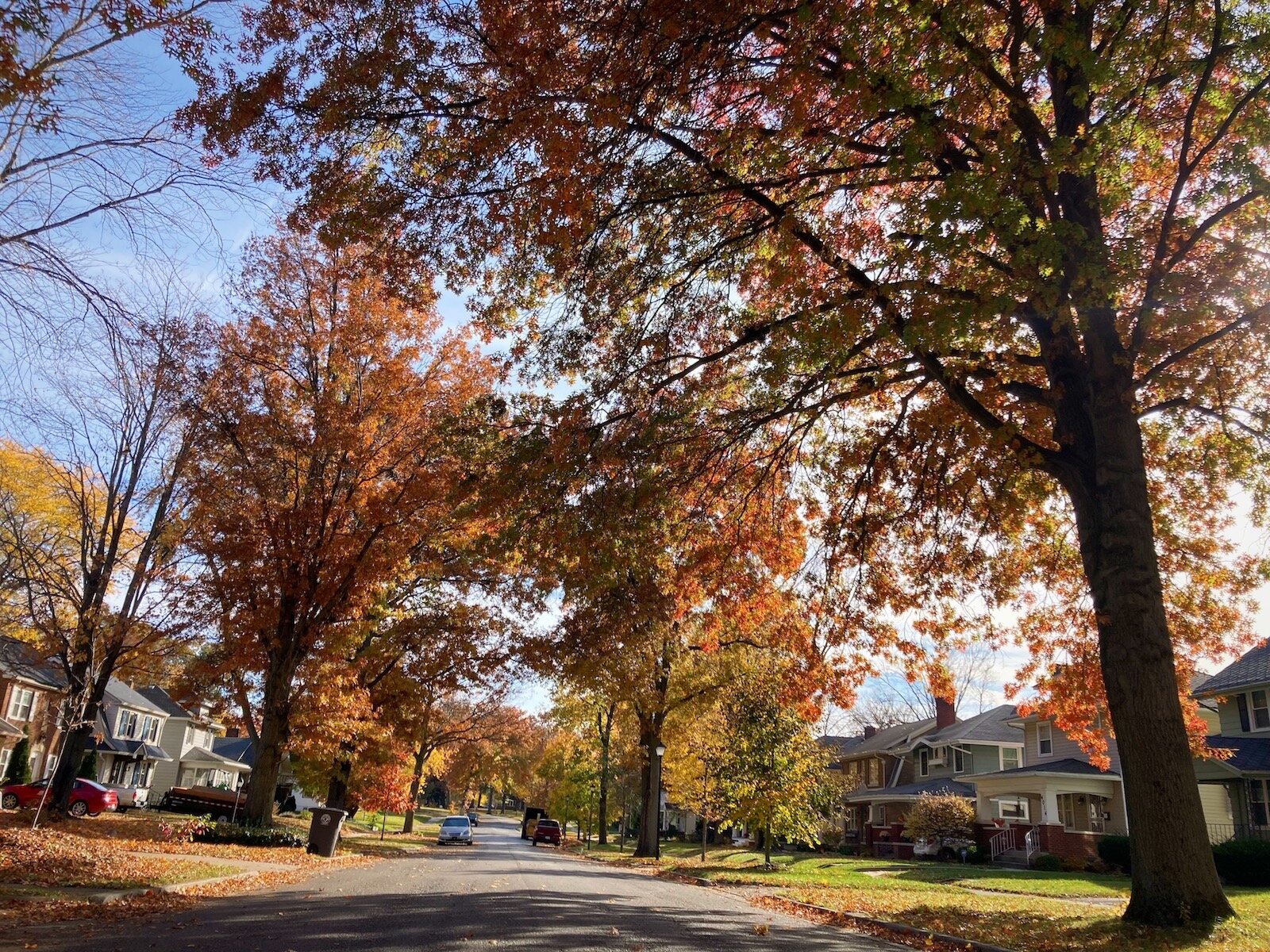
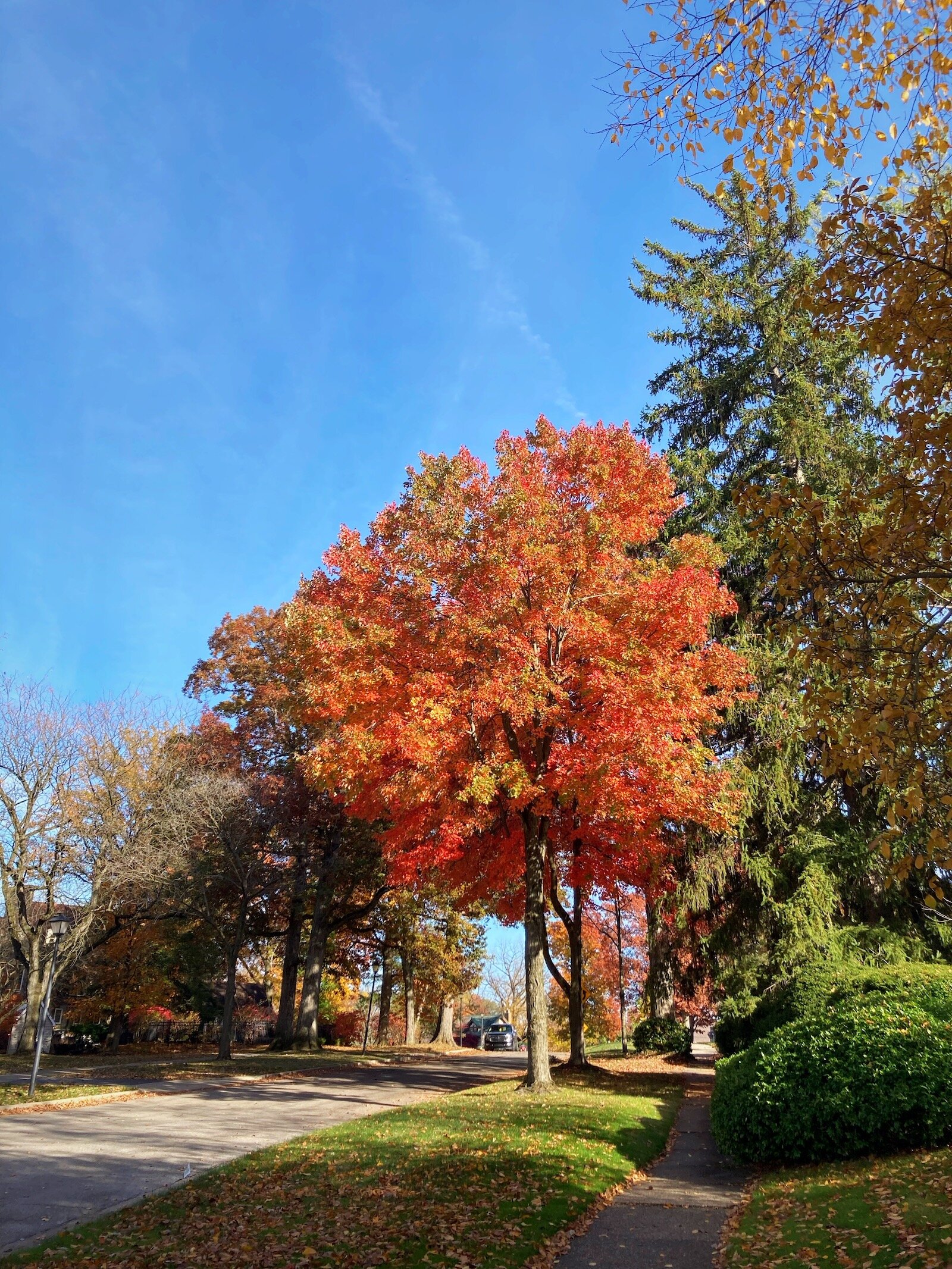
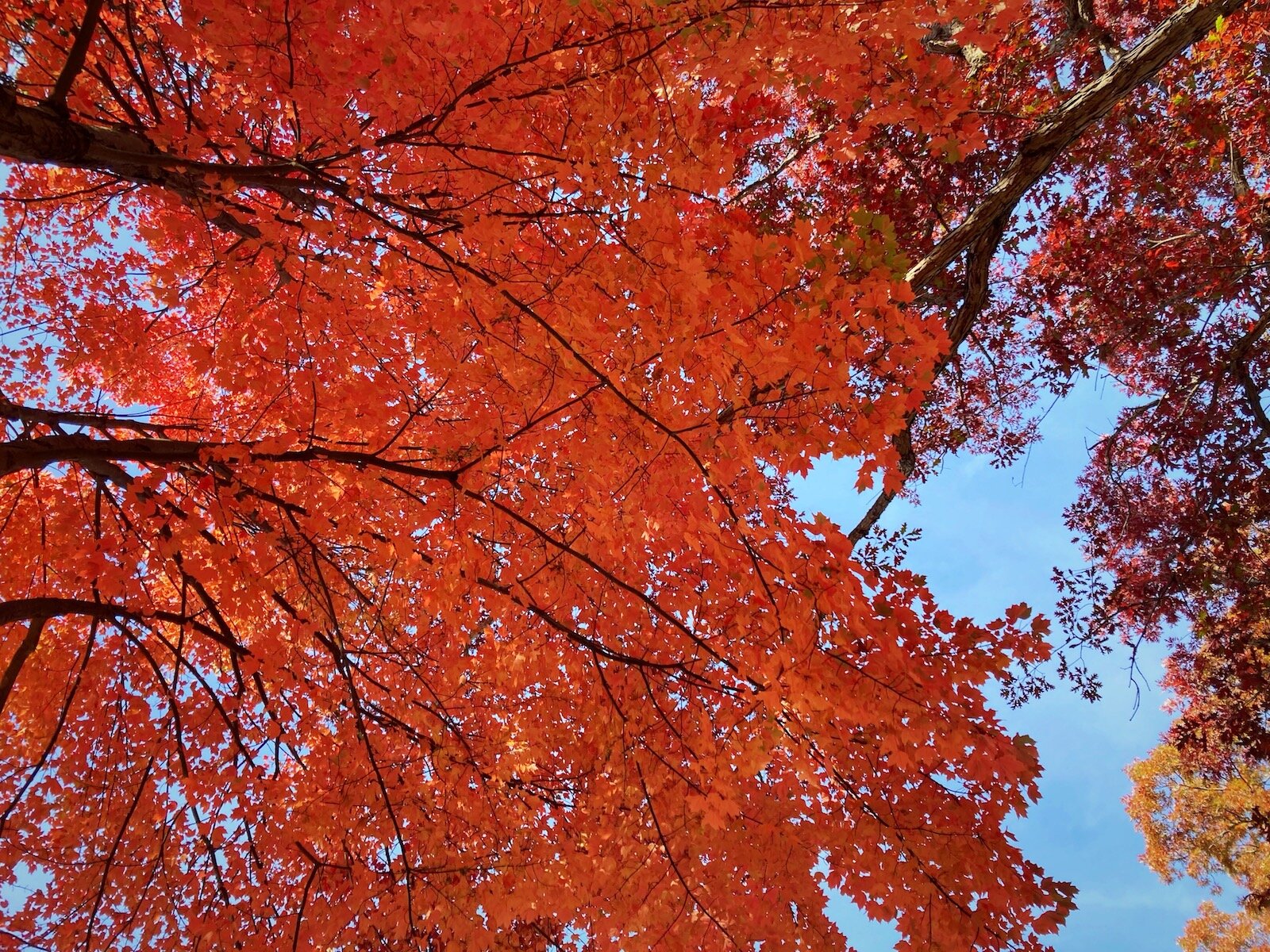
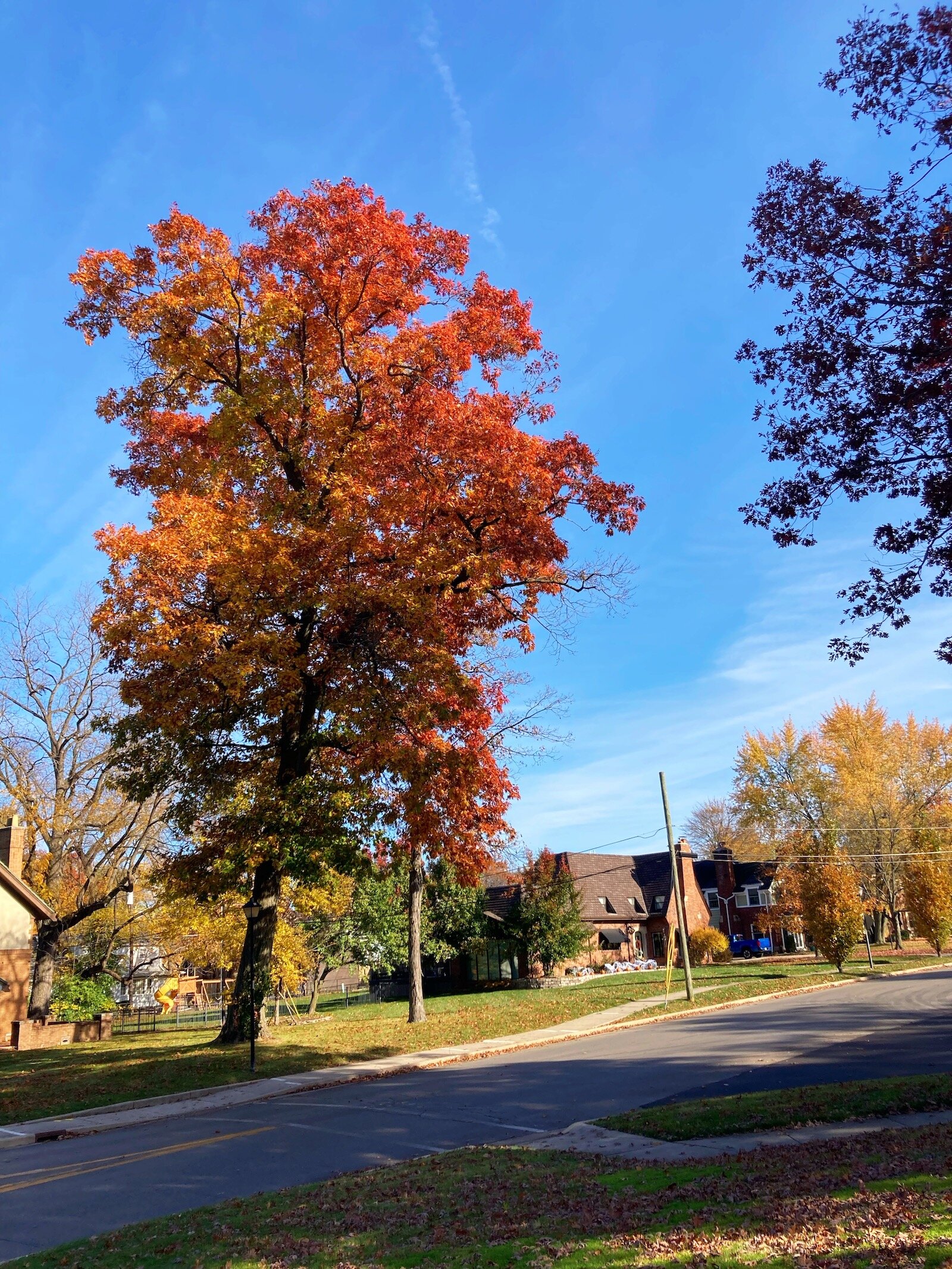
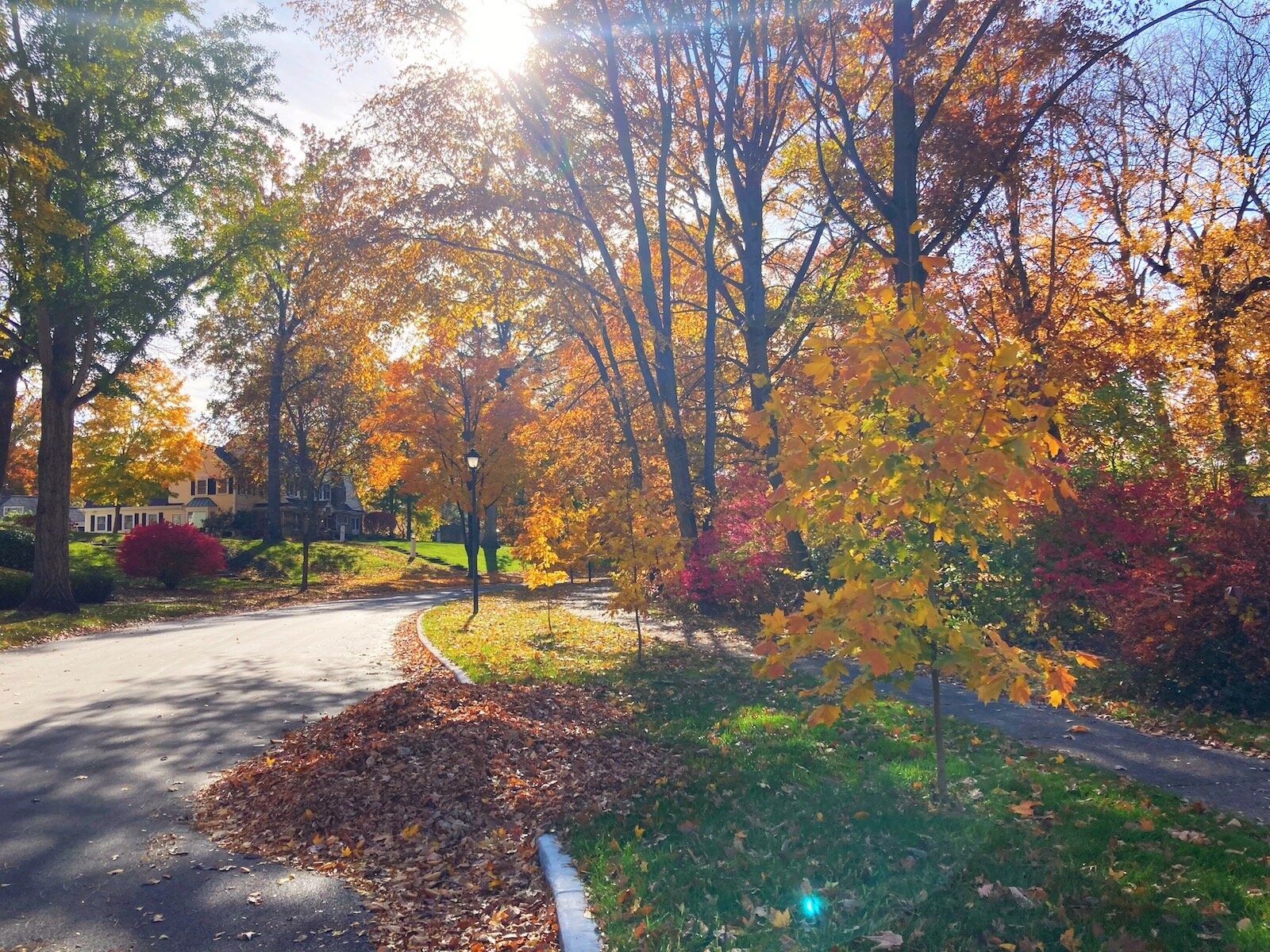
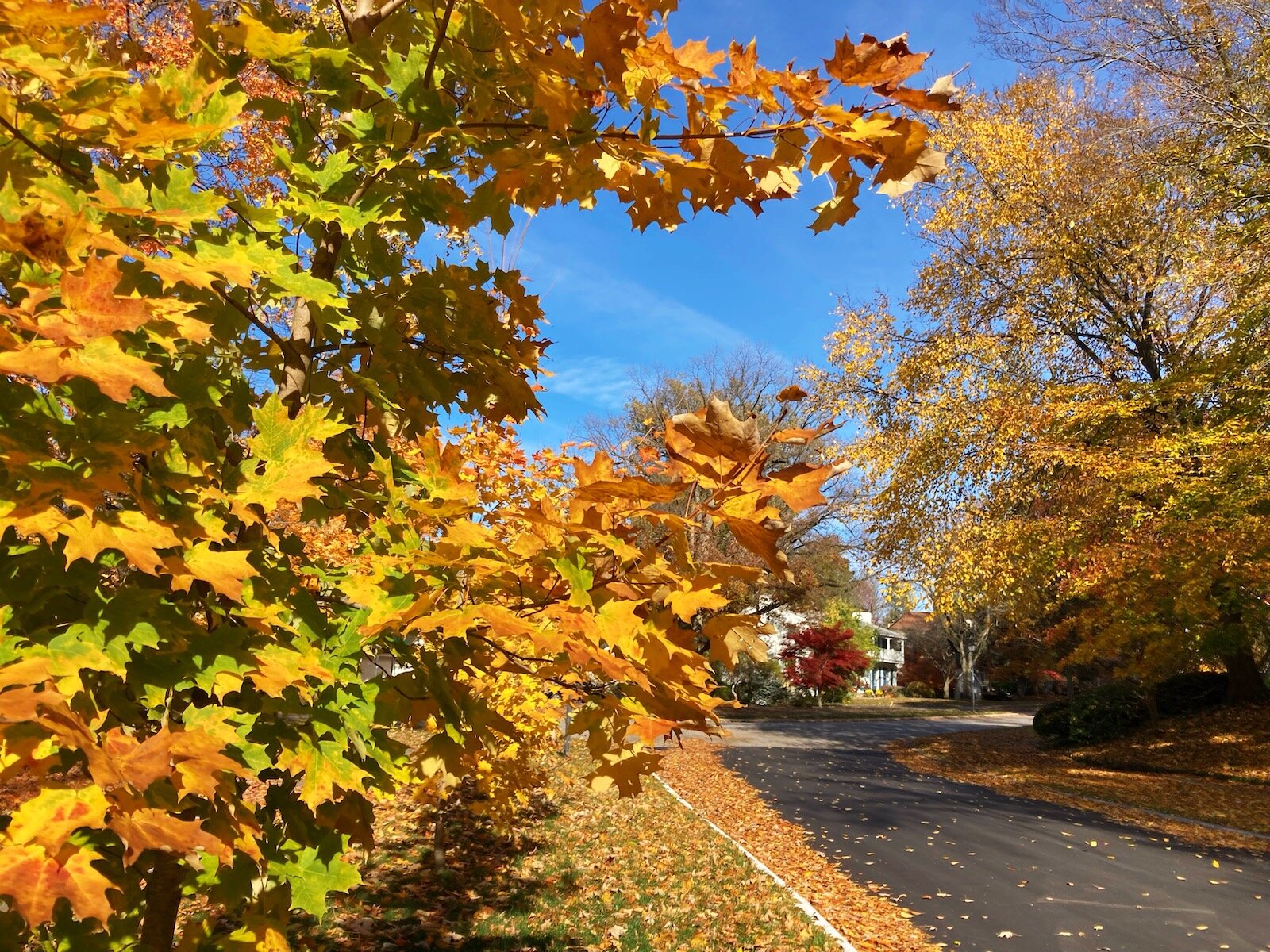
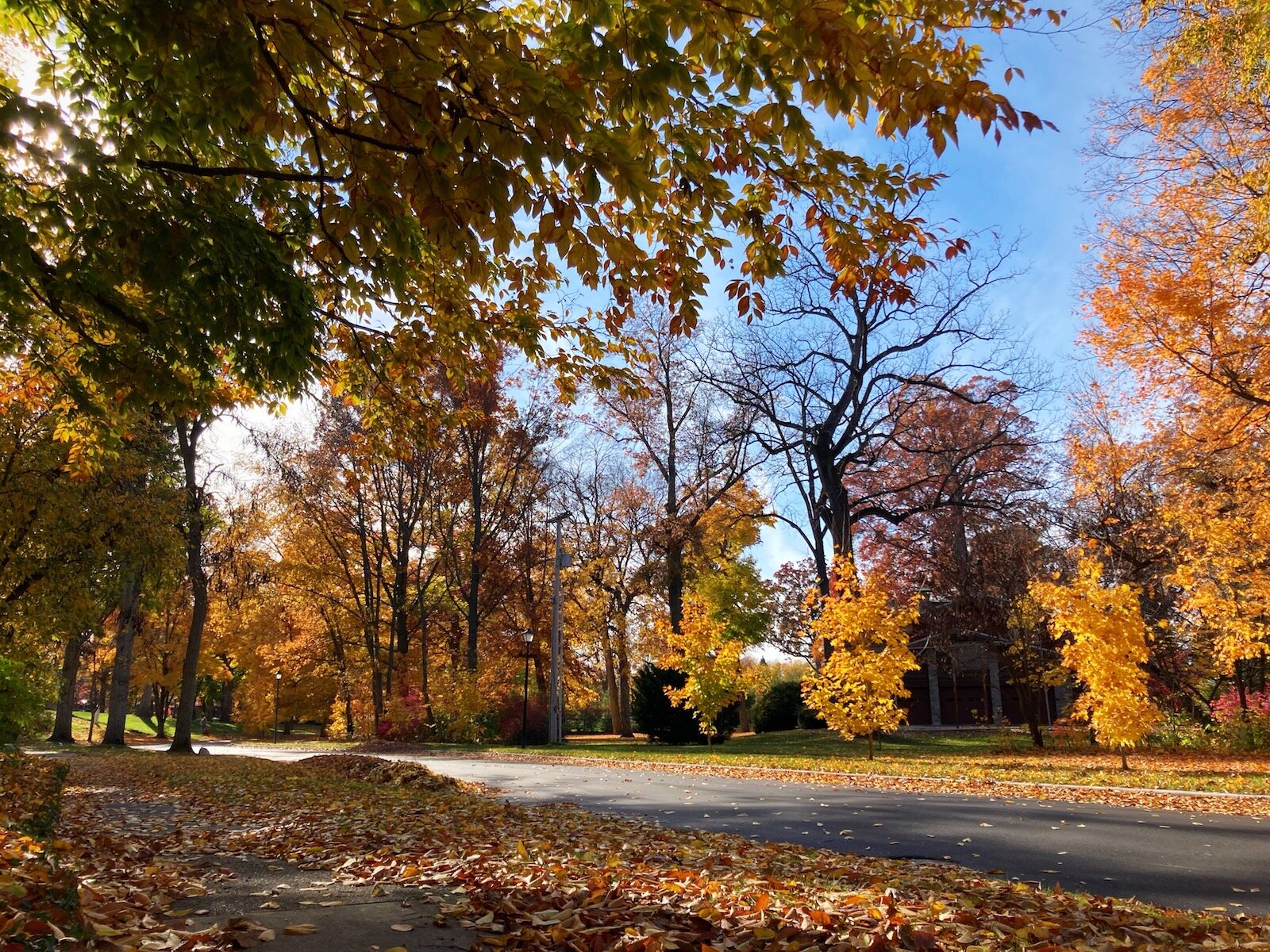
If you drive the winding streets of Historic Southwood Park in the fall, you’ll be swept away into an Autumn wonderland.
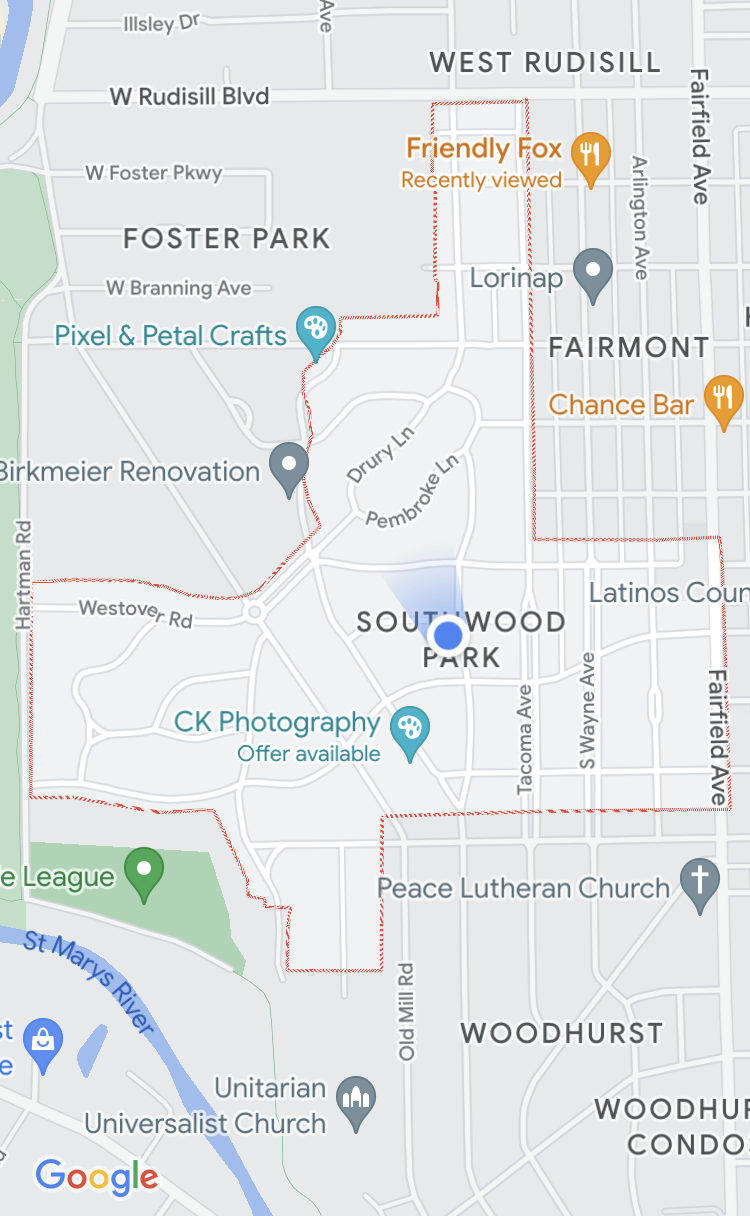
About 10 minutes South of Downtown Fort Wayne, these coveted streets are lined with massive oaks and many varieties of native trees that create a colorful canopy of reds, oranges, yellows, and purples. But these lush, tree-filled curbs, medians, and yards are not merely a gift from mother nature, says Historic Southwood Park Board President Steve McCord. Instead, Southwood Park was specifically designed around its tree canopy, and since then, its residents and neighborhood association have worked hand-in-hand with city and state entities to maintain and expand that canopy in a few specific ways.
McCord is the defacto local historian of Southwood Park. He explains that the neighborhood’s roots go back about a century to its developers, Frank H. Hilgeman and Albert H. Schaaf, who purchased much of the land in the 1910s. They referred to the area as a “forest primeval” and incorporated a variety of deed restrictions into its development, specifically forbidding the removal of trees, “except as may be necessary for the construction of a dwelling house and its appurtenances.”
“Some of the goofy curves of the sidewalks and streets in our neighborhood were laid out specifically to accommodate our big trees,” McCord says. “Even so, many trees still came down as houses were built, and many others have died over the last century.”
As the neighborhood noticed its ancient tree canopy dwindling, partly due to invasive species, like the Emerald Ash Borer, which decimated more than 14,000 Ash trees across Fort Wayne during the late-2000s and early-2010s, they took action. While the City of Fort Wayne’s Parks and Recreation Department began conducting biannual injection treatments on about 1,000 salvageable Ash trees across town, Historic Southwood Park’s board paid to double treatments on trees within its neighborhood, utilizing an additional chemical douse treatment from Rainbow Ecoscience in Minnetonka, Minn.
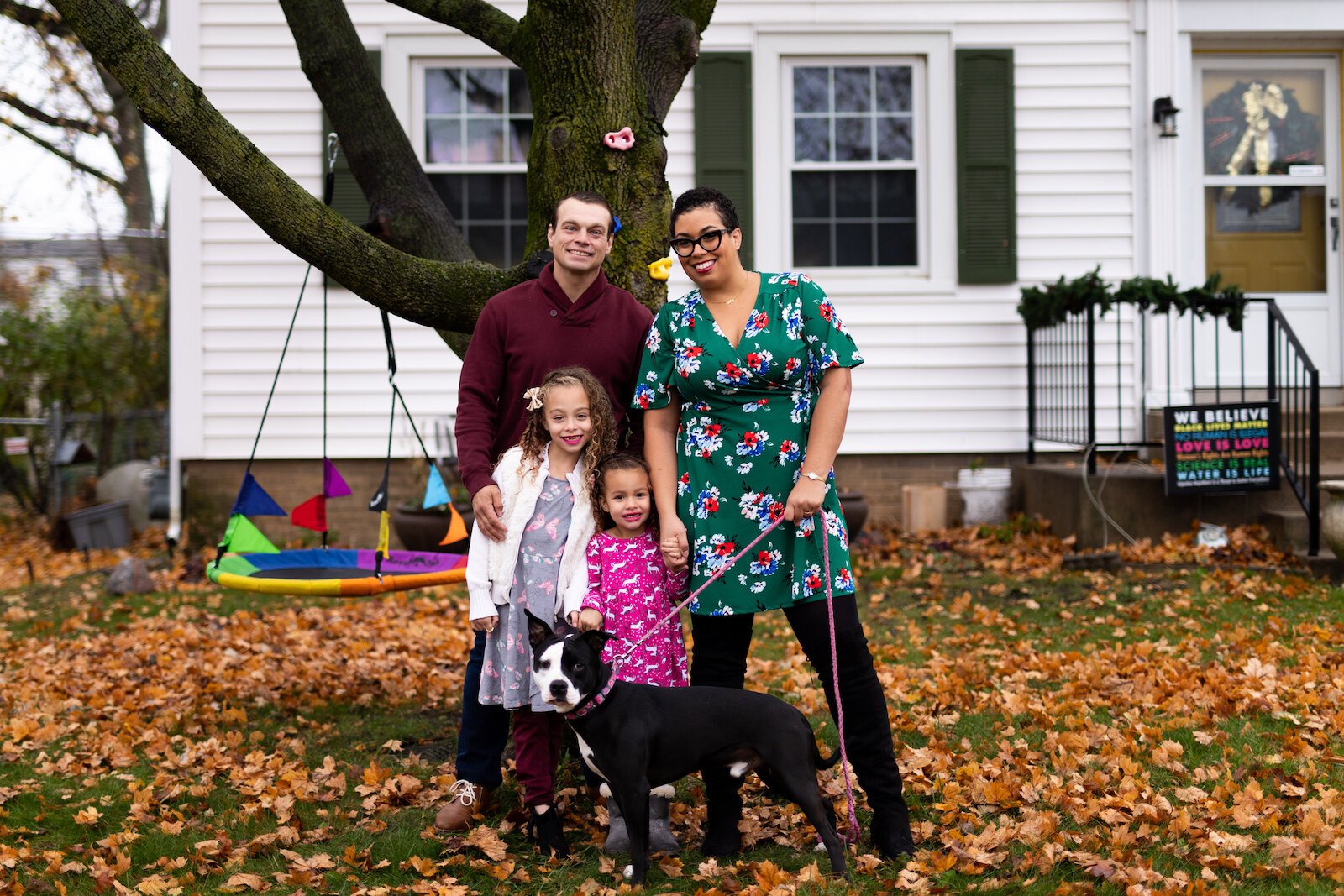
As a result, Southwood Park has been able to salvage about 50 percent more trees in its area than have been saved in other parts of town, says Sierah Barnhart, Beautification Chair for the Historic Southwood Park Board. Her committee has also worked to replenish and expand the number of trees in Southwood Park in multiple ways.
“For example, we lost a huge Sycamore near the roundabout earlier this year that has been here since the start of our neighborhood,” Barnhart says. “It was rotting from the bottom up, so the city had it removed. Board Member Christine Baron advocated and arranged for the planting of two beautiful and mature London Plane trees from Fort Wayne Trees paid for by the association.”
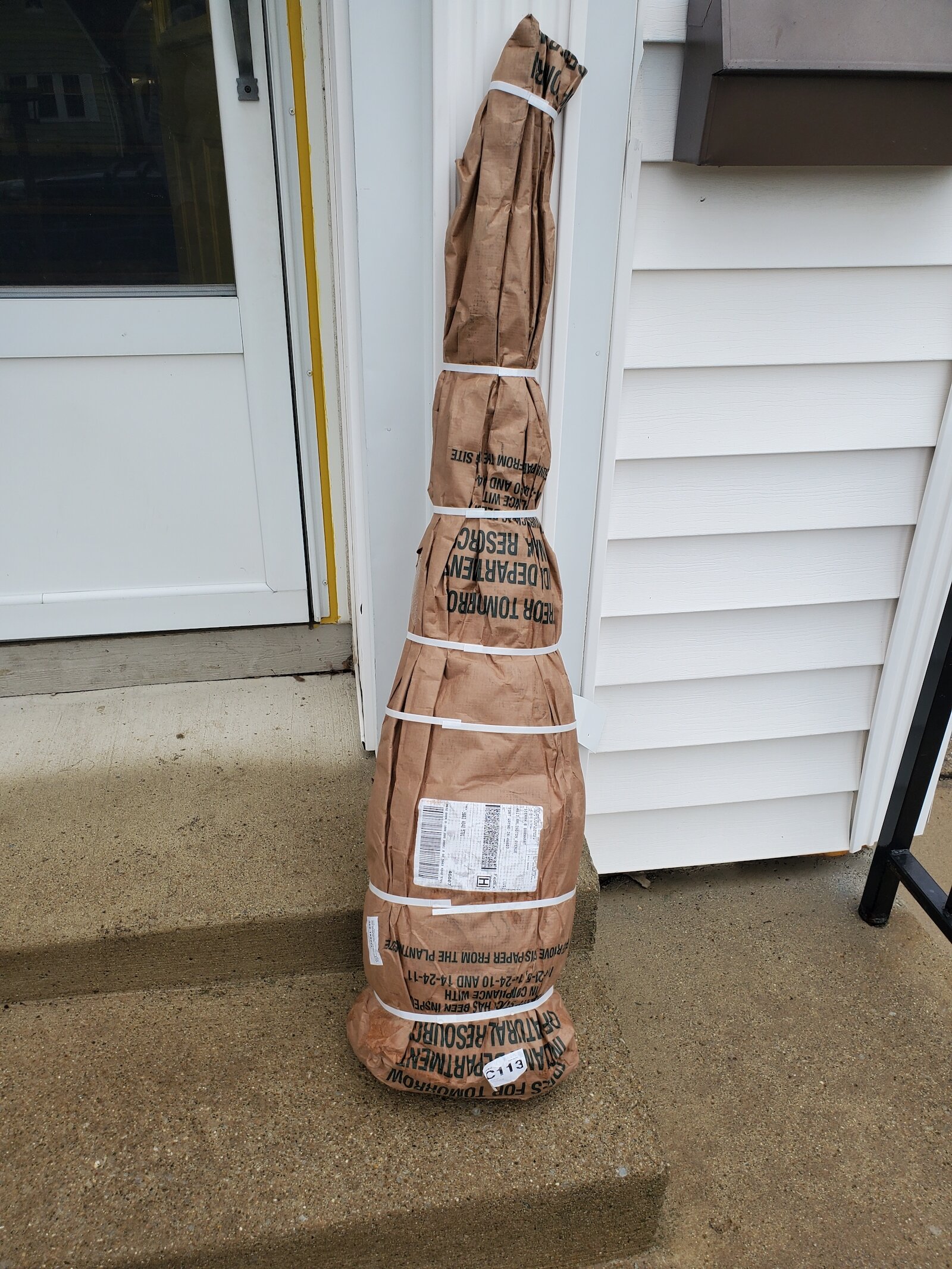
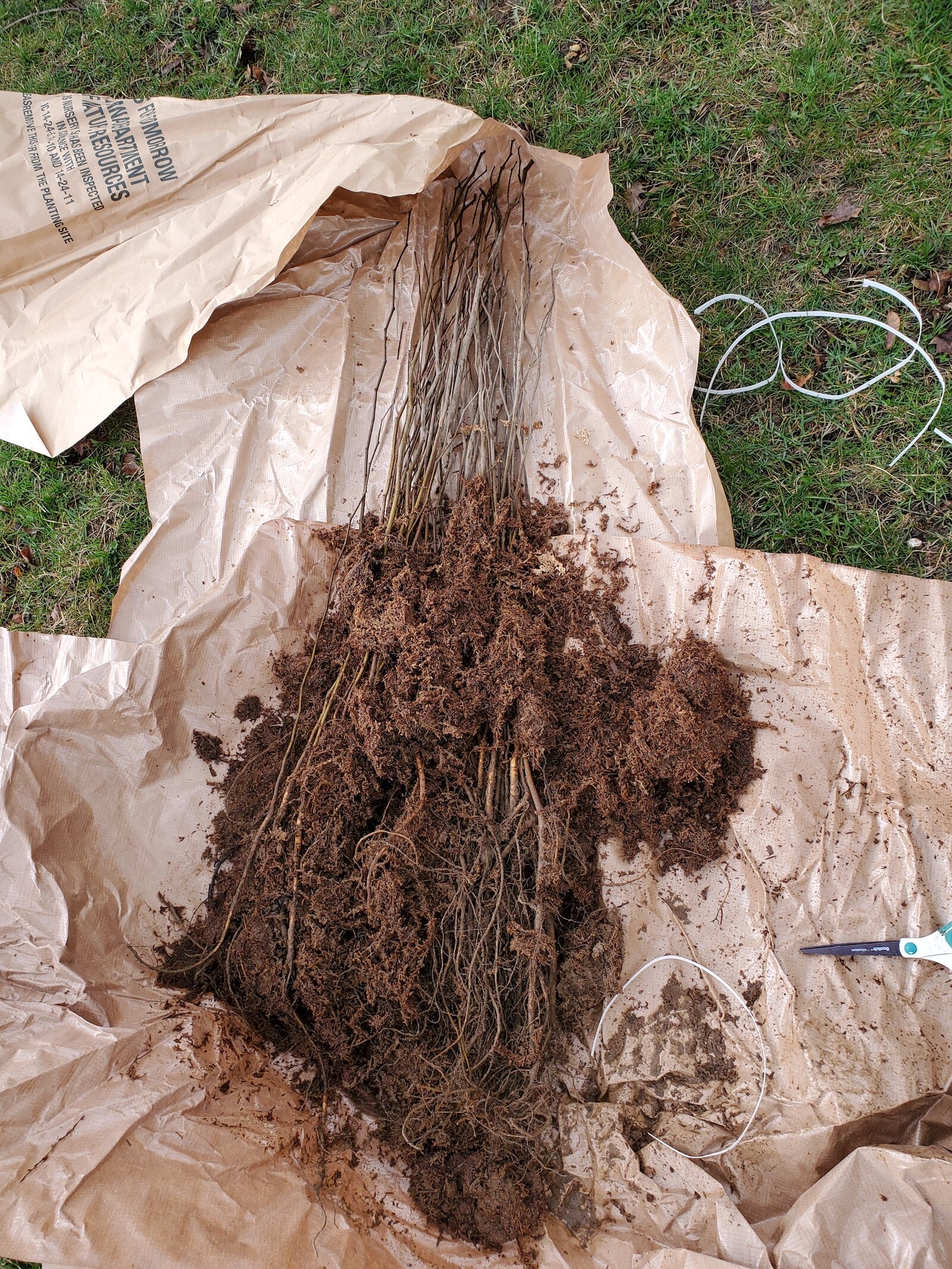
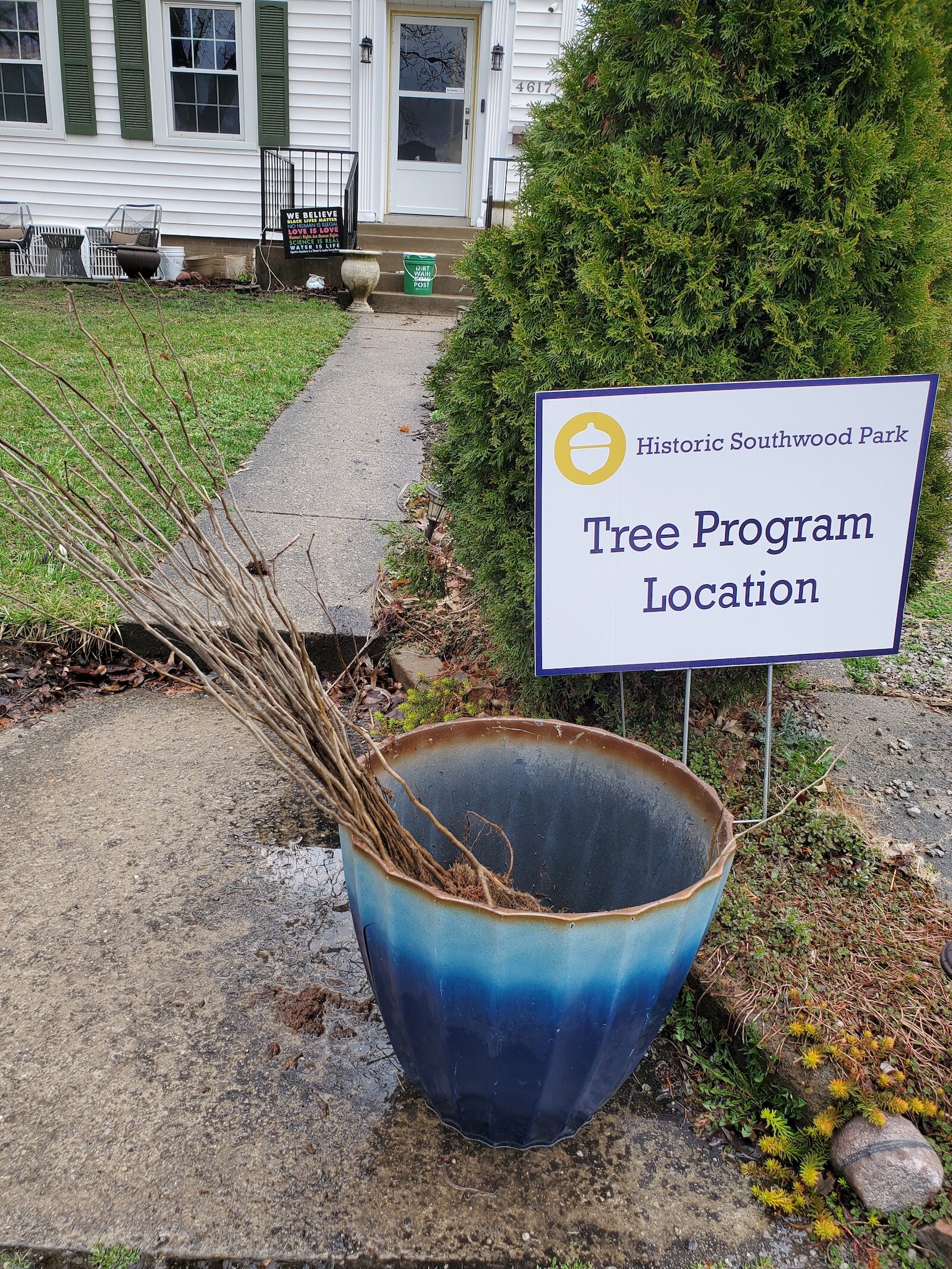
One of the committee’s largest tree-friendly efforts involves ordering tree seedlings from an Indiana DNR tree seedling program, which allows them to purchase trees in bulk—about 100 seedlings for $45—and give them away for free to neighbors who want to plant them in their yards. In years past, they have given away more than 300 seedlings of five varieties of trees, including White Oak, Shagbark Hickory, Black Oak, Scarlet Oak, Chestnut Oak, and Redbud.
“We have a lot of large trees in Southwood Park, but our understory of smaller trees could be better, so in our seedling program this year, we’re focusing on smaller trees, like Redbud seedlings and maybe even some native fruit trees and shrubs, like Elderberries, Chokeberries, or American Plums, which also offer food to wildlife,” Barnhart says. “It is also worth mentioning that the Shagbark Hickory provides a vital habitat for the endangered Indiana Bat.”
Along its seedling program, Southwood Park also underwrites and supports city-based street tree programs, too. The City of Fort Wayne is a certified Tree City USA by the Arbor Day Foundation. It has won this award for 32 years and is one of seven Indiana communities to receive a special “growth award,” which it has earned for 17 years.
Derek Veit, Superintendent of Urban Forestry at Fort Wayne Parks and Recreation, says his department offers a Citizen Match Tree Planting Program where they partner with residents and neighborhood associations to plant street trees on city property in neighborhoods.
“Fort Wayne has about 40,000 available planting sites in park strips and within the right of way, so generally speaking, between sidewalks and curbs and along medians,” Veit says. “We try to plant about 1,000 trees a year.”
The program requires residents to fill out an application online and participate in a cost-share where they pay $50 for a tree of their choice on the selected site. In Southwood Park, the neighborhood association underwrites that cost, so residents can request trees at no cost to themselves.
The city-wide program will reopen for applications in the Spring of 2023 from February through July. This past year, through the program, Historic Southwood Park was able to plant five new Redbud seedling trees at a park strip along Tacoma Ave.
Despite efforts like these, Fort Wayne, as a whole, has still lost six percent of its tree canopy during the past decade, largely due to disease and development. That’s what inspired Veit to co-lead another effort to replenish Northeast Indiana’s tree canopy in 2022 by partnering with Kody Tinnel, President of Historic Foster Park Neighborhood Association and the Packard Area Planning Alliance, as well as a member of the Southwest Area Partnership.
Together, they created the community-wide Tree Canopy Growth Fund, housed at the Community Foundation of Greater Fort Wayne Inc. It raises money to advocate for a healthy, vibrant tree canopy in the city and provides funds to purchase trees for planting on private property.
“Losing six percent of our tree canopy might seem small or hard to notice, but I’m concerned about what the next 10 years might bring,” Veit says. “It takes decades for trees to grow, so we don’t want to wait until it’s too late to address this problem.”
Veit and Tinnel loosely modeled their program on a larger one in Nashville, Tenn., called Root Nashville. They’re inspired not only by the environmental and beautification benefits of trees, but also by their public health benefits.
“There are huge mental health benefits to spending time in nature or even having access to views of trees,” Veit says.
He points to a study from the 1980s, comparing the recovery of surgery patients at a hospital who were given rooms with either nature views or a brick wall. Those with nature windows, particularly featuring trees, spent less time at the hospital and required fewer pain medications.
So what’s holding Fort Wayne back from replenishing its tree canopy? It might be knowledge and activation. So far, Veit says one of the biggest challenges with the Tree Canopy Fund has been getting people and groups to feel comfortable getting involved and planting trees themselves.
“A lot of people have never planted a tree in their life, so they don’t know how to do it,” Veit says. “We hope more groups get involved to make the process more approachable.”
If more neighborhood associations, like Historic Southwood Park, make maintaining and supporting tree growth a goal, an improved tree canopy across Fort Wayne might become a reality.
“No matter what we do as a neighborhood association, we’re always thinking about planting and maintaining our tree canopy,” Barnhart says.
The author, Kara Hackett, is a resident of Southwood Park.
Author

Related Articles
Thousands of Hoosiers not enrolling in federal safety net programs
Recent study reveals large gaps in eligible families receiving benefits.
IFF’s energy-efficient work allows nonprofits to reduce energy costs, increase their mission-driven impacts across Indiana communities
IFF is helping Indiana nonprofits reduce utility costs and improve facilities through energy-efficient building upgrades. Programs in Bloomington, South Bend, and Indianapolis are helping organizations reinvest savings back into their community-focused missions.
Indiana health center trains local residents as dental assistants to fill workforce gaps
HealthLinc, a federally qualified health center in Valparaiso, covers training costs while preparing local residents for dental assistant jobs, strengthening workforce pipelines and expanding access to care.