Partner Partner Content Want to advance your community? Meet 4 Neighborhood Planners in Fort Wayne who can help
Who are Fort Wayne's Neighborhood Planners, and what roles do they play in helping neighborhoods? We sat down with the team to find out.
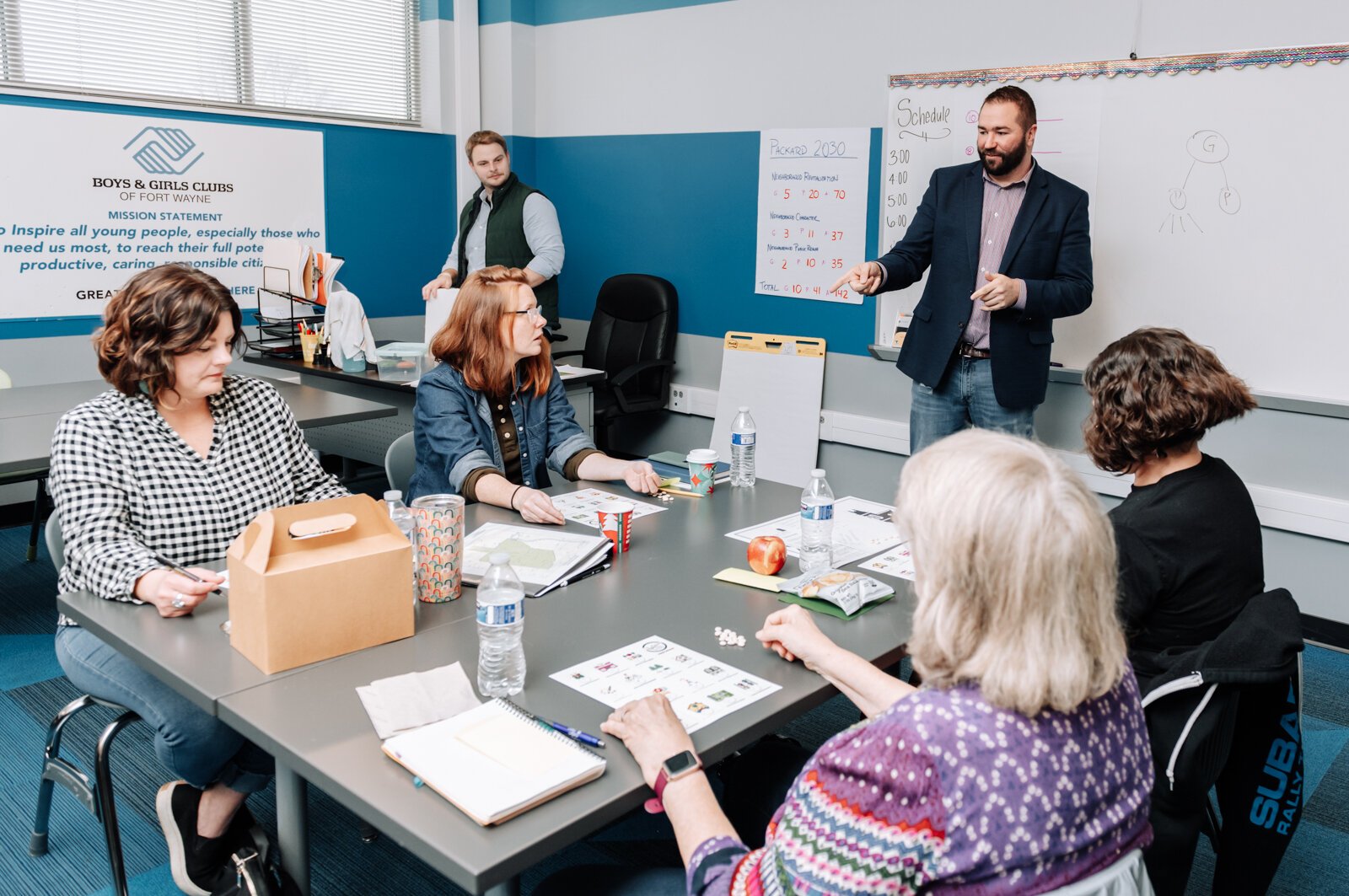
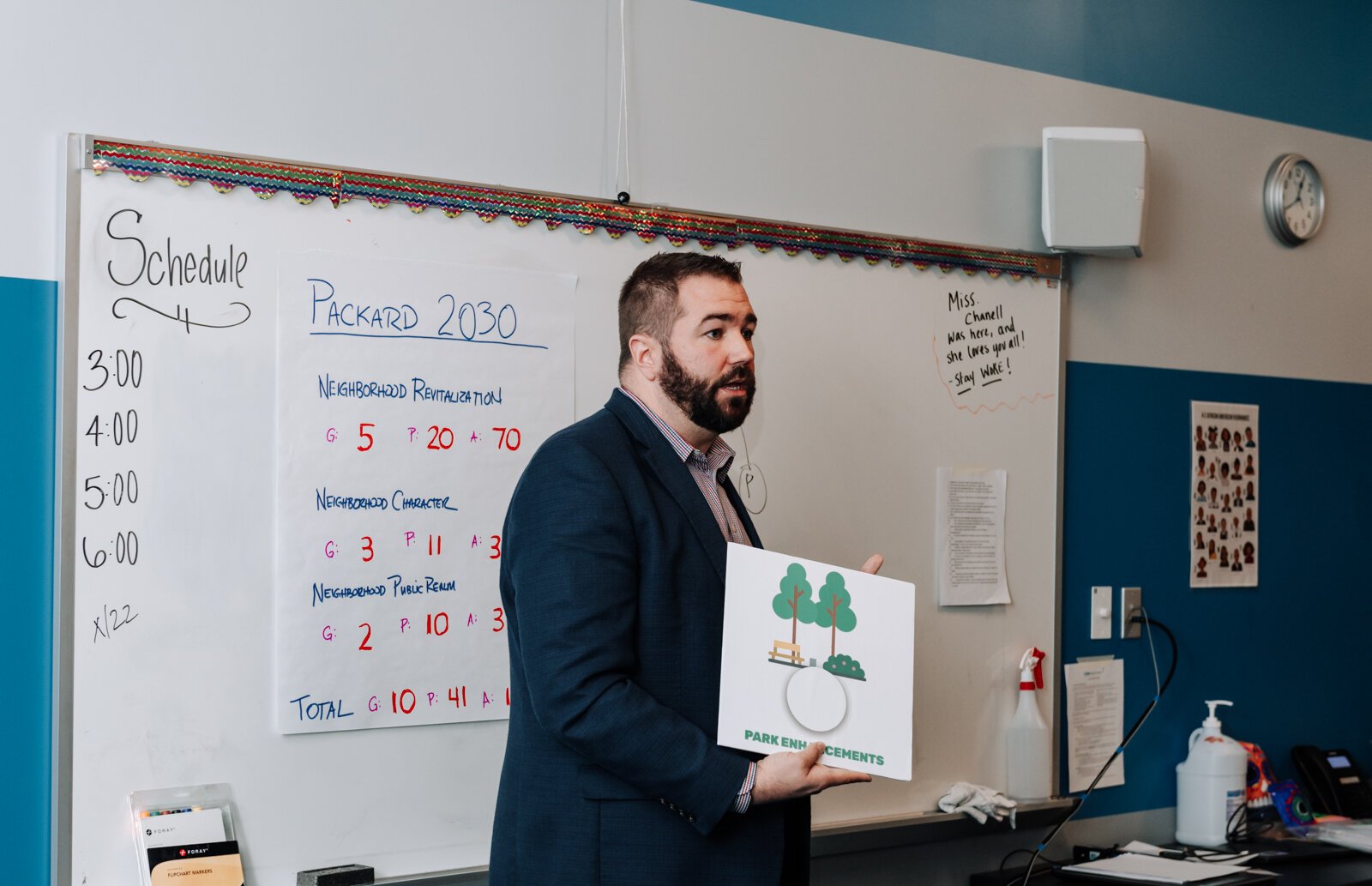
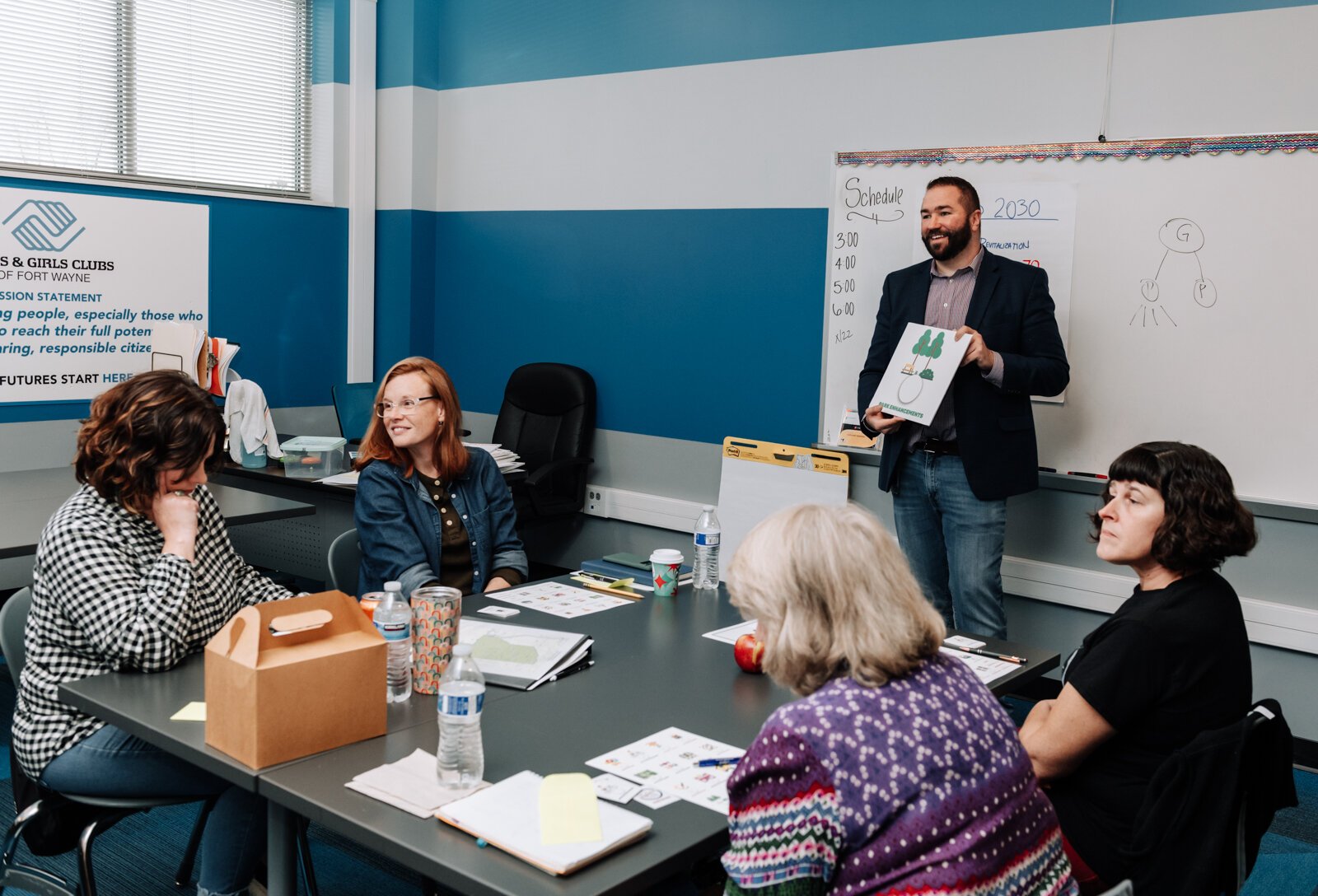
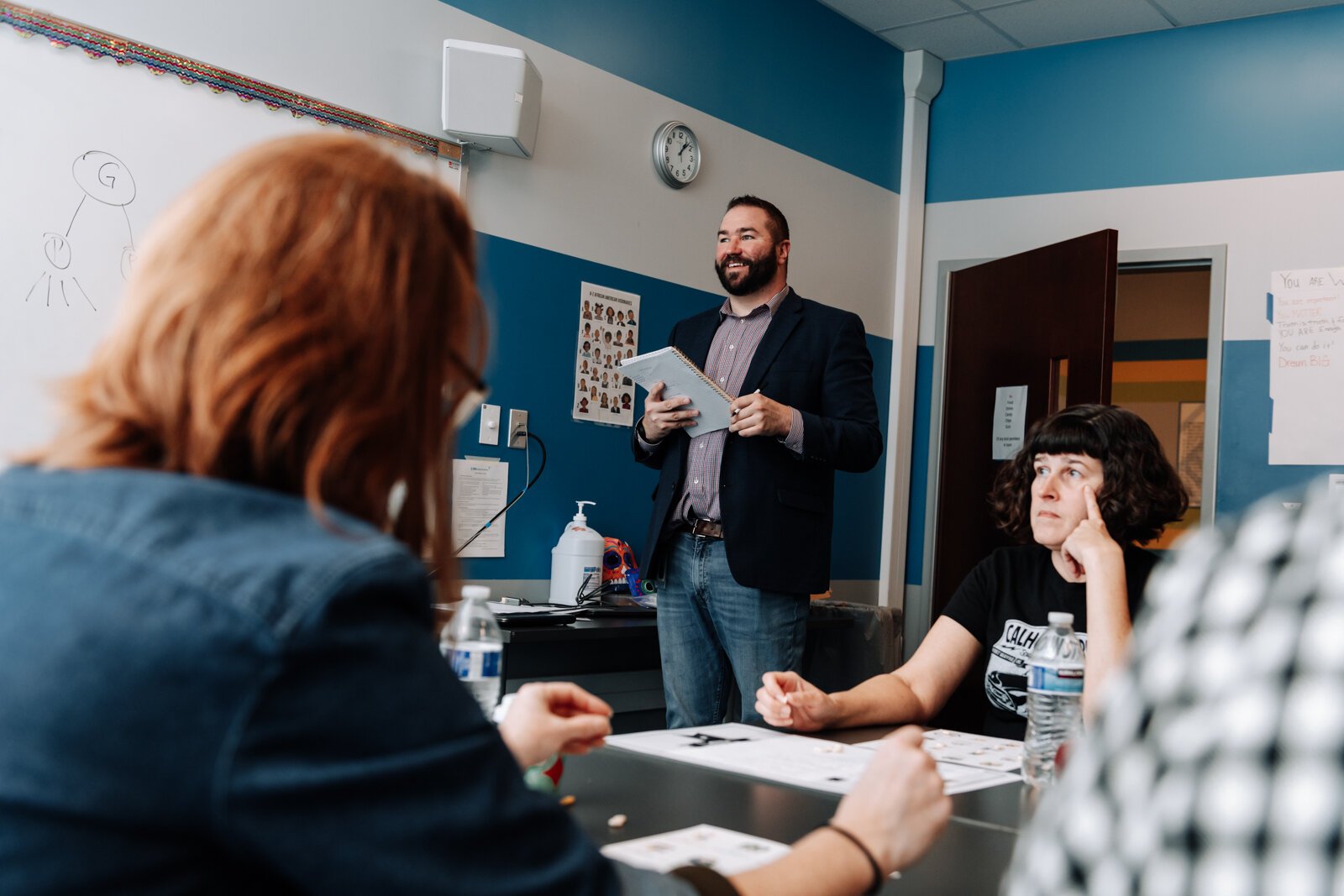
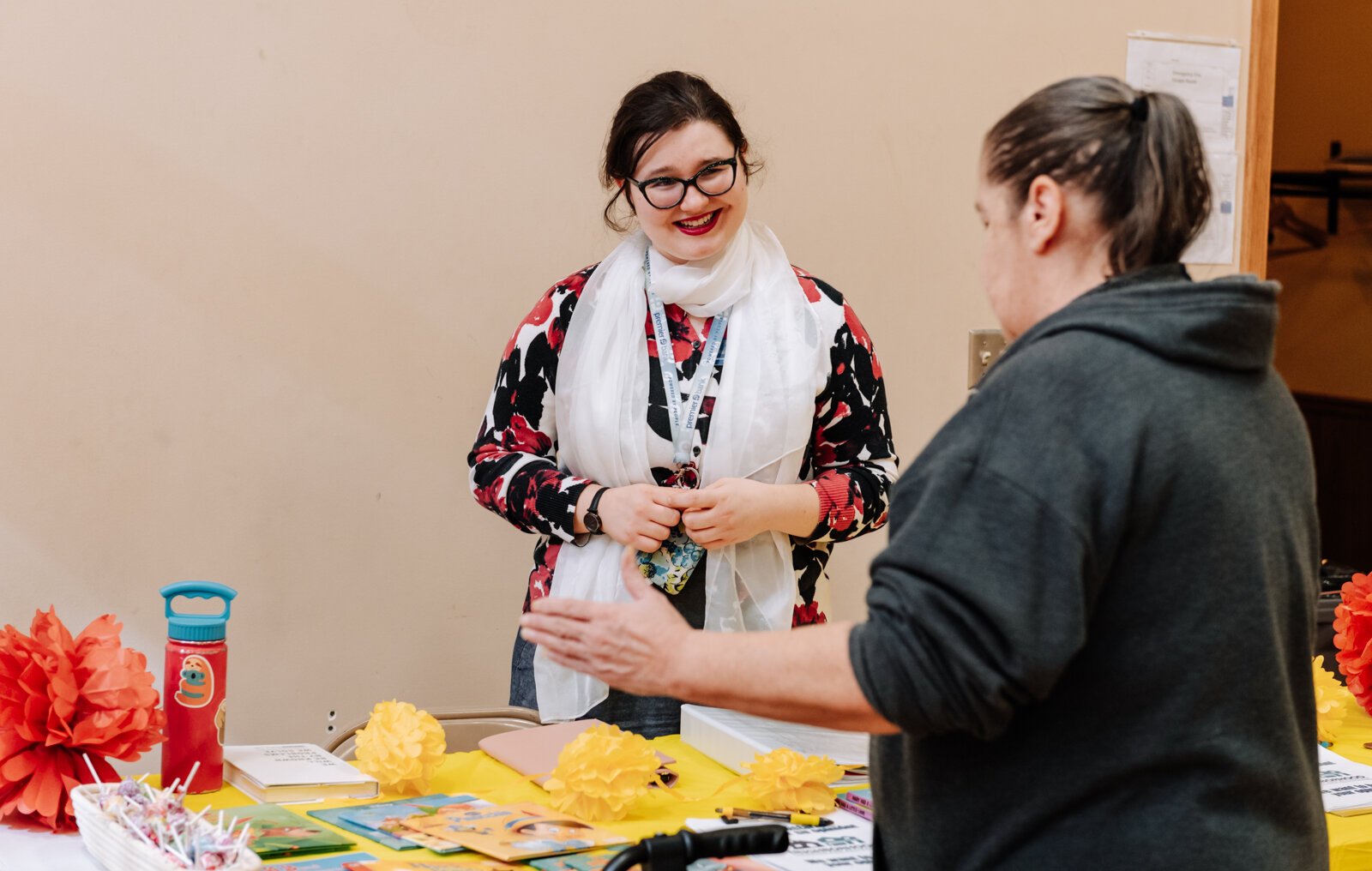
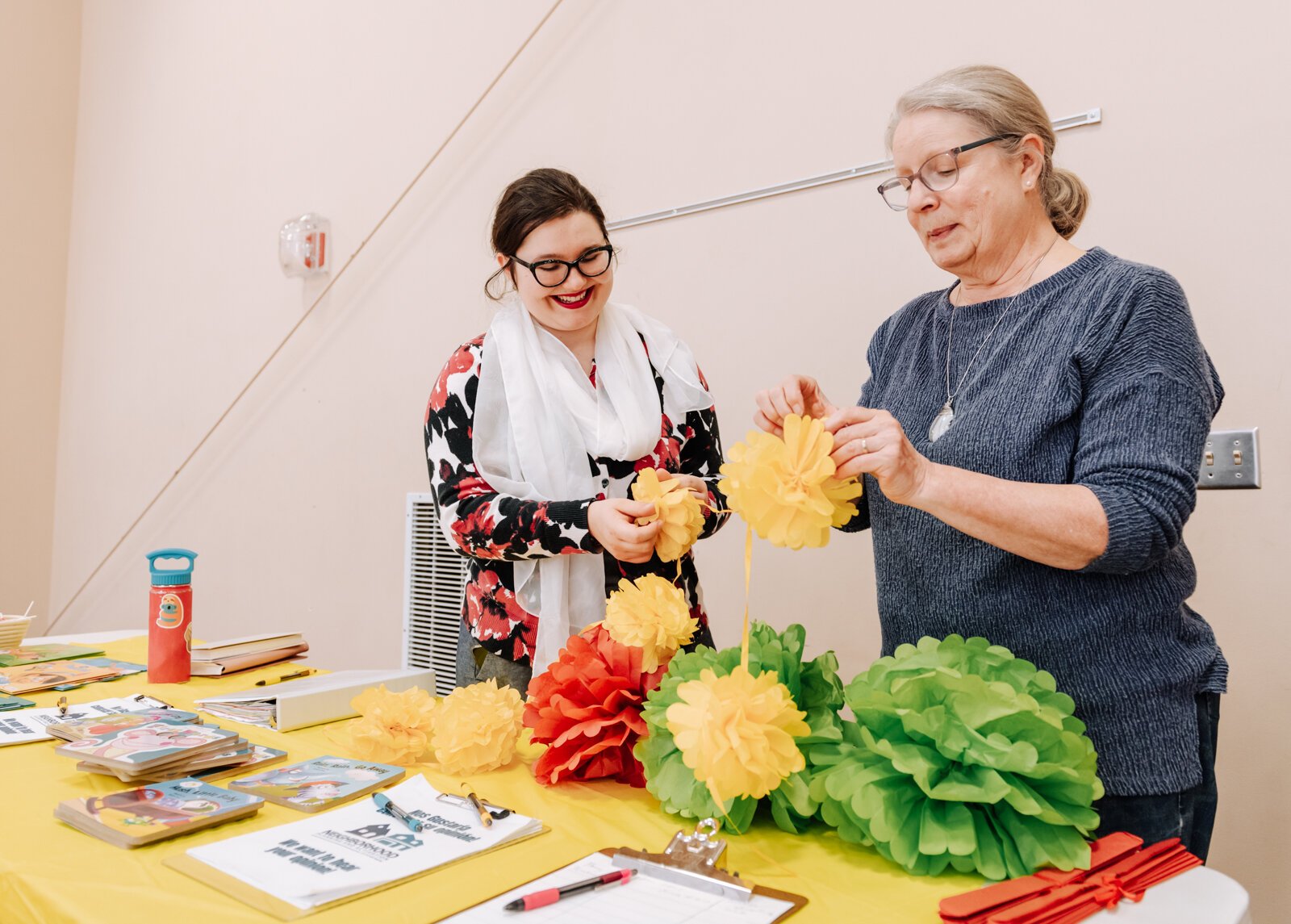

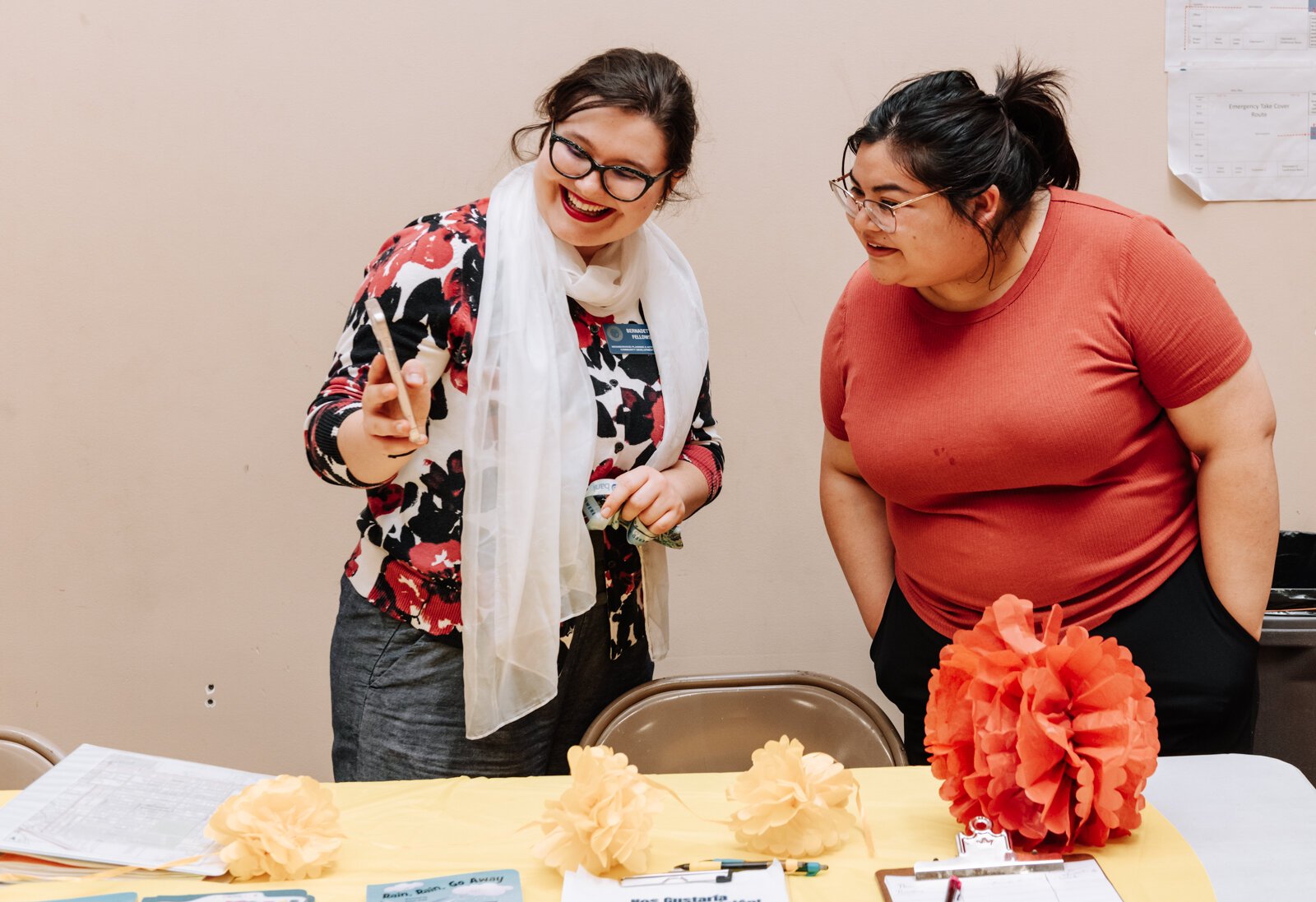
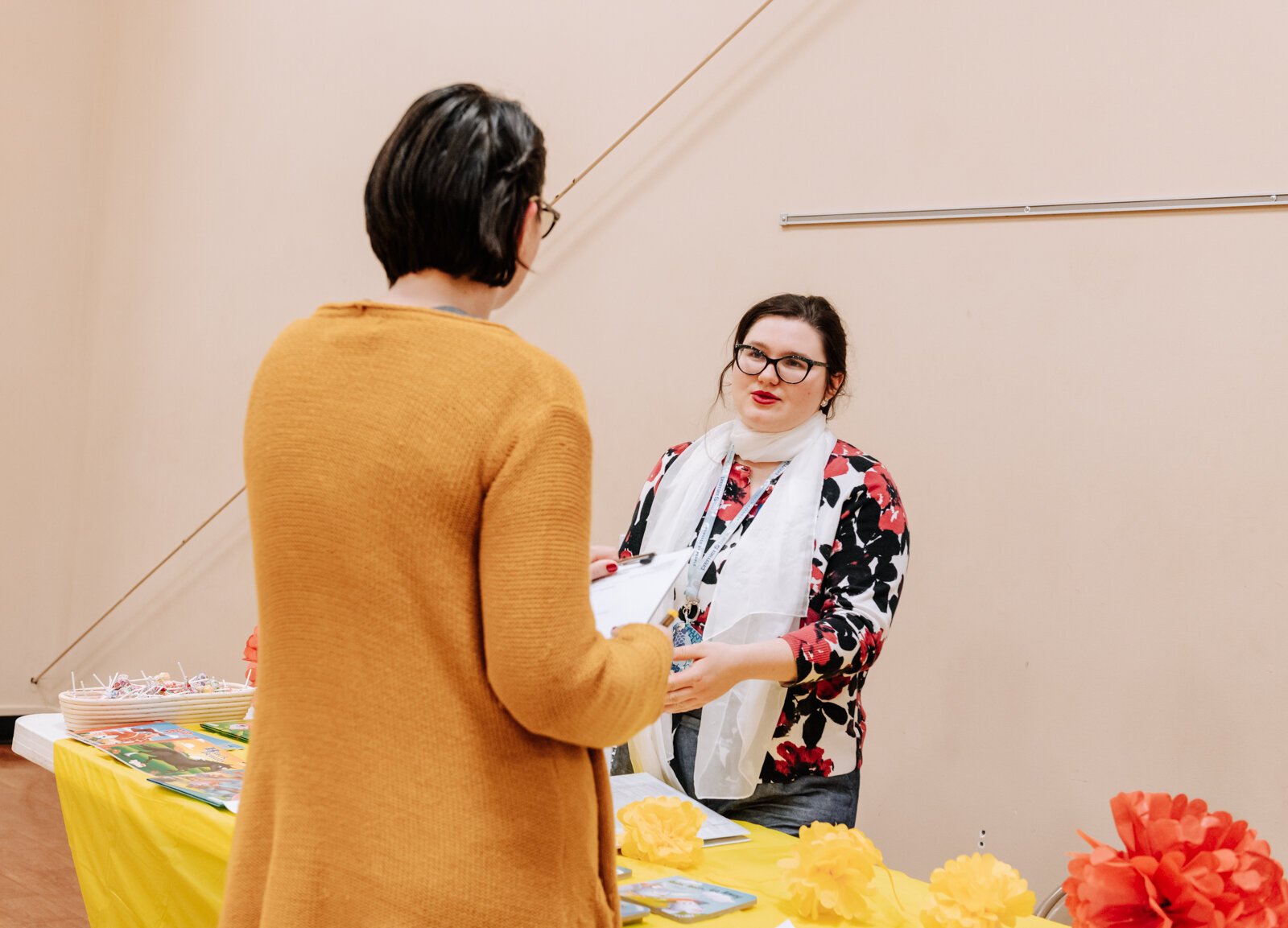
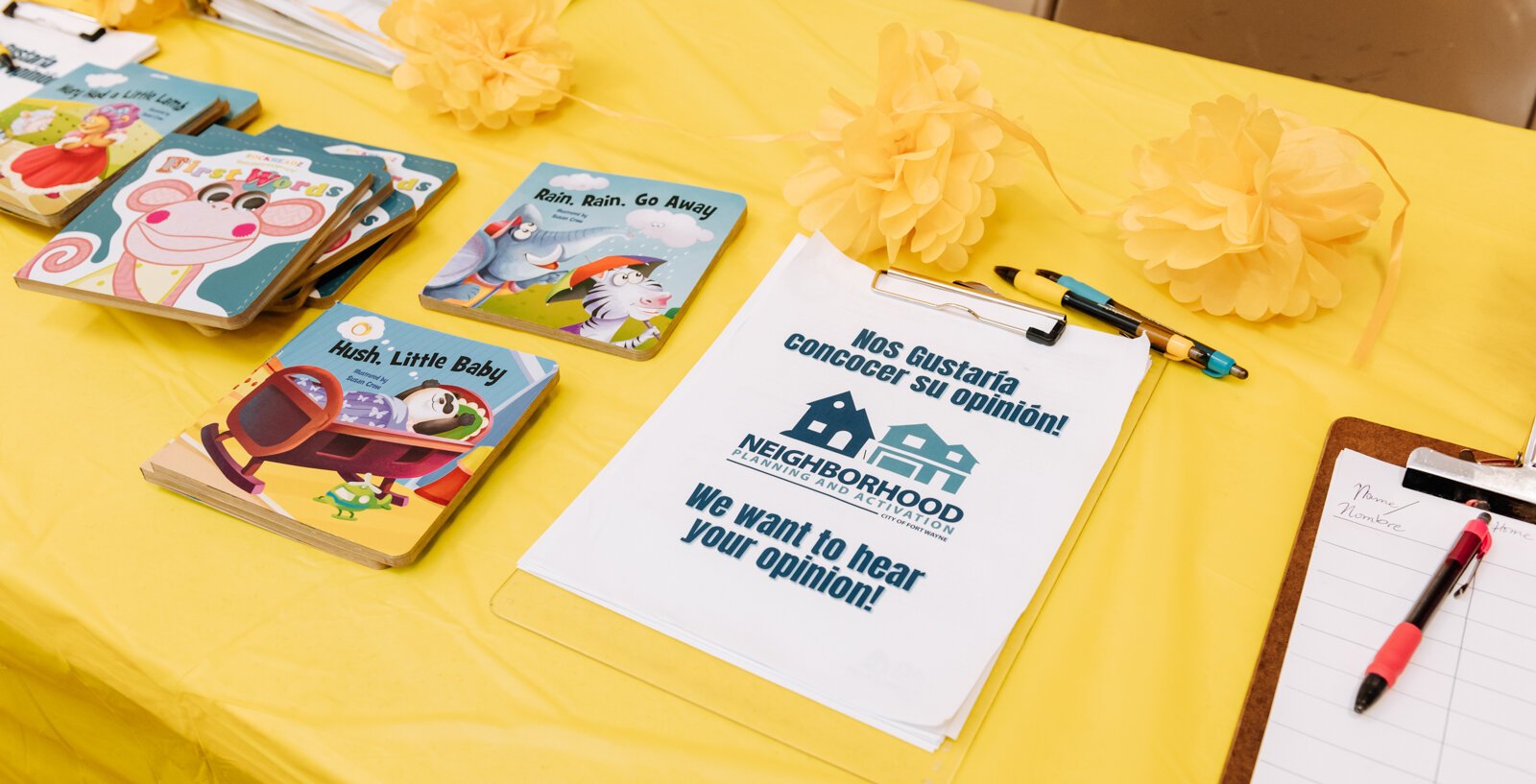
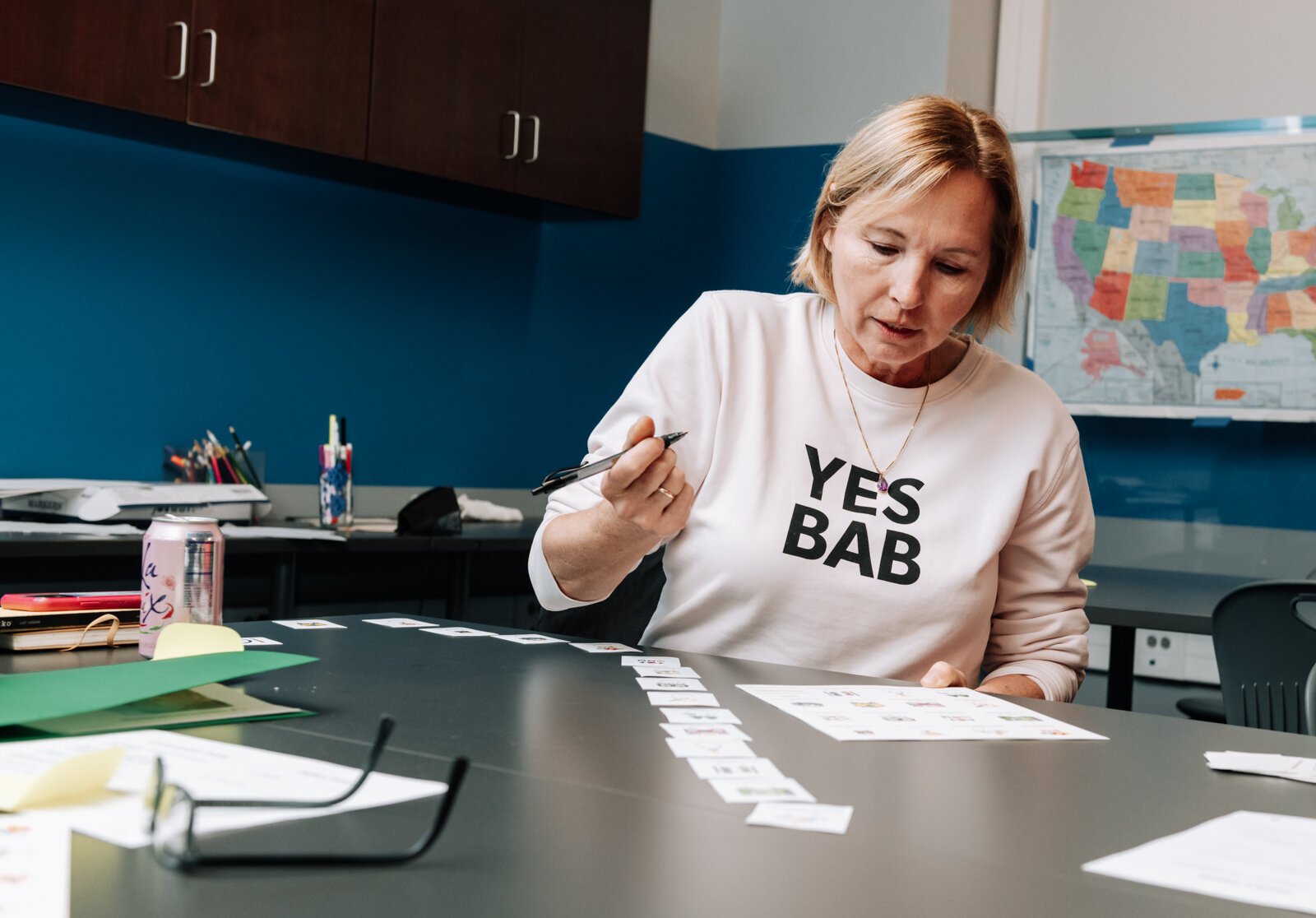
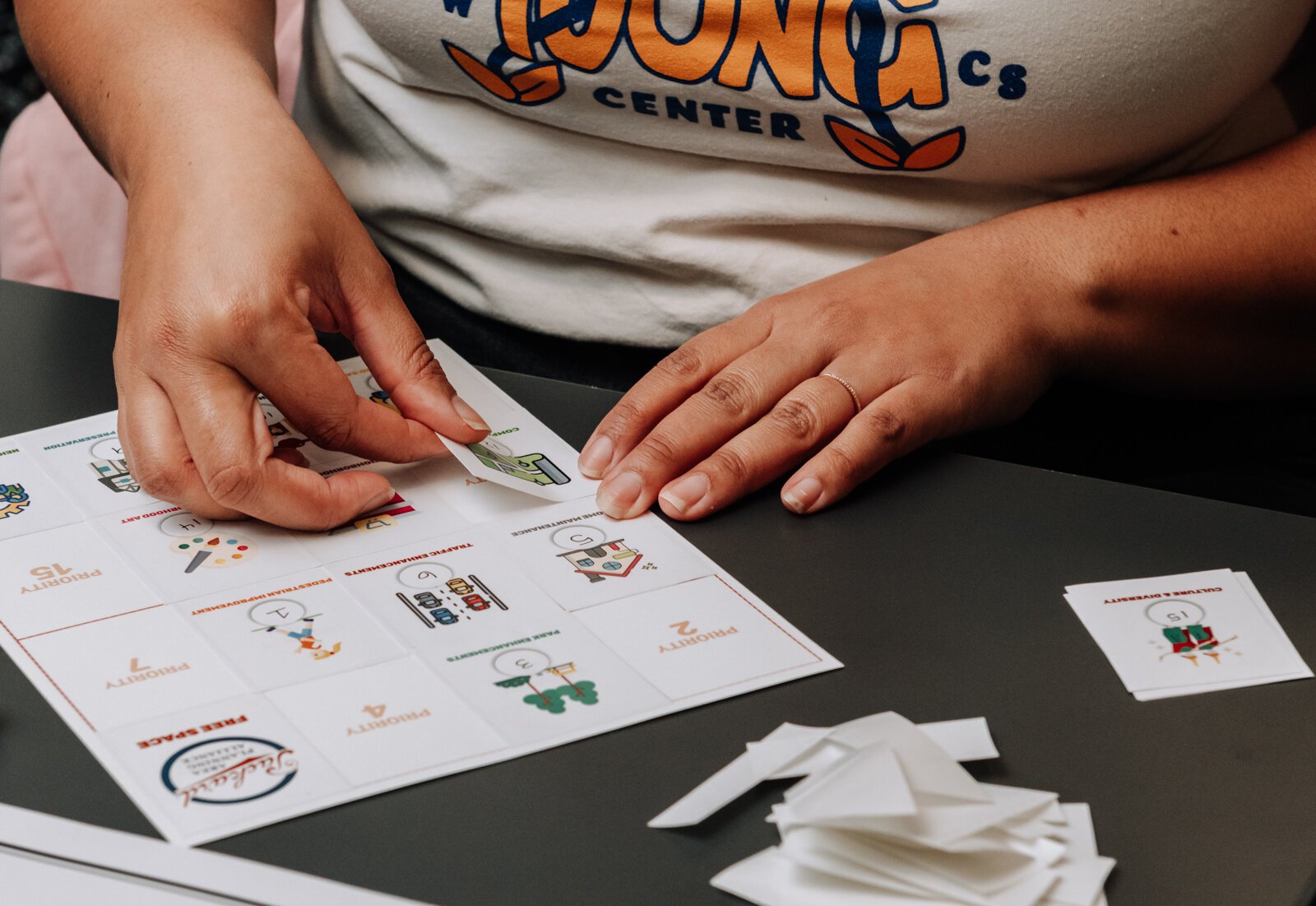
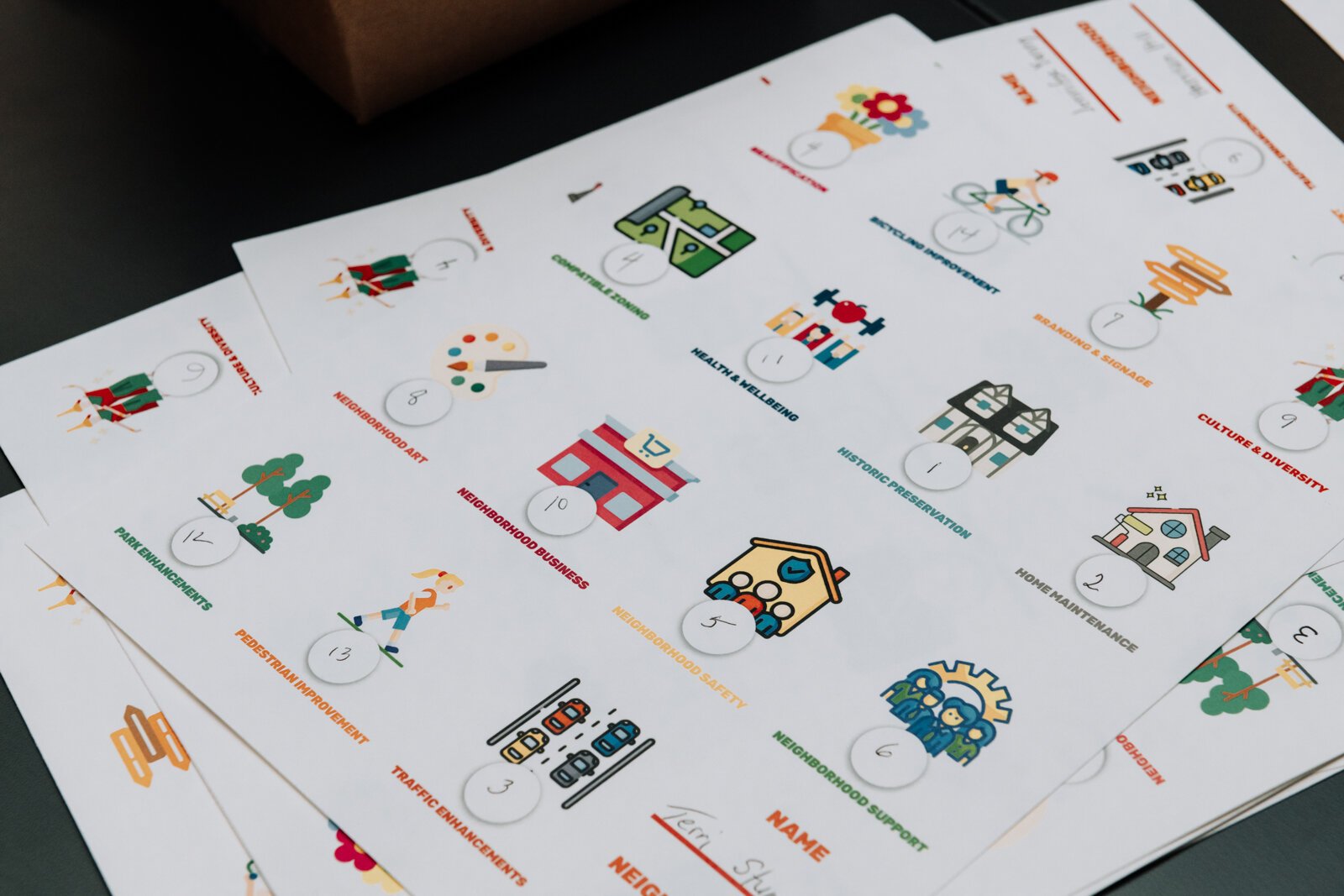
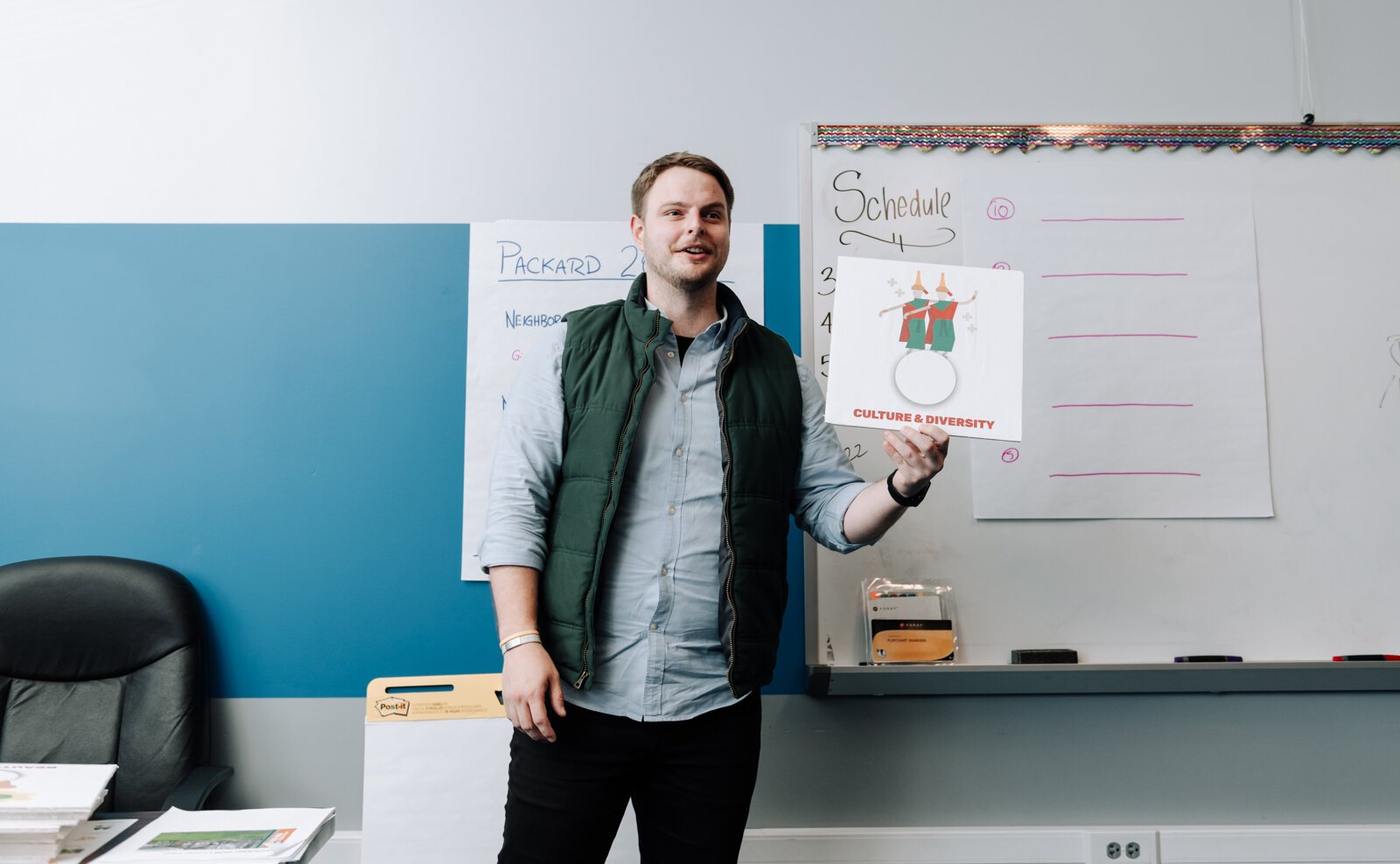
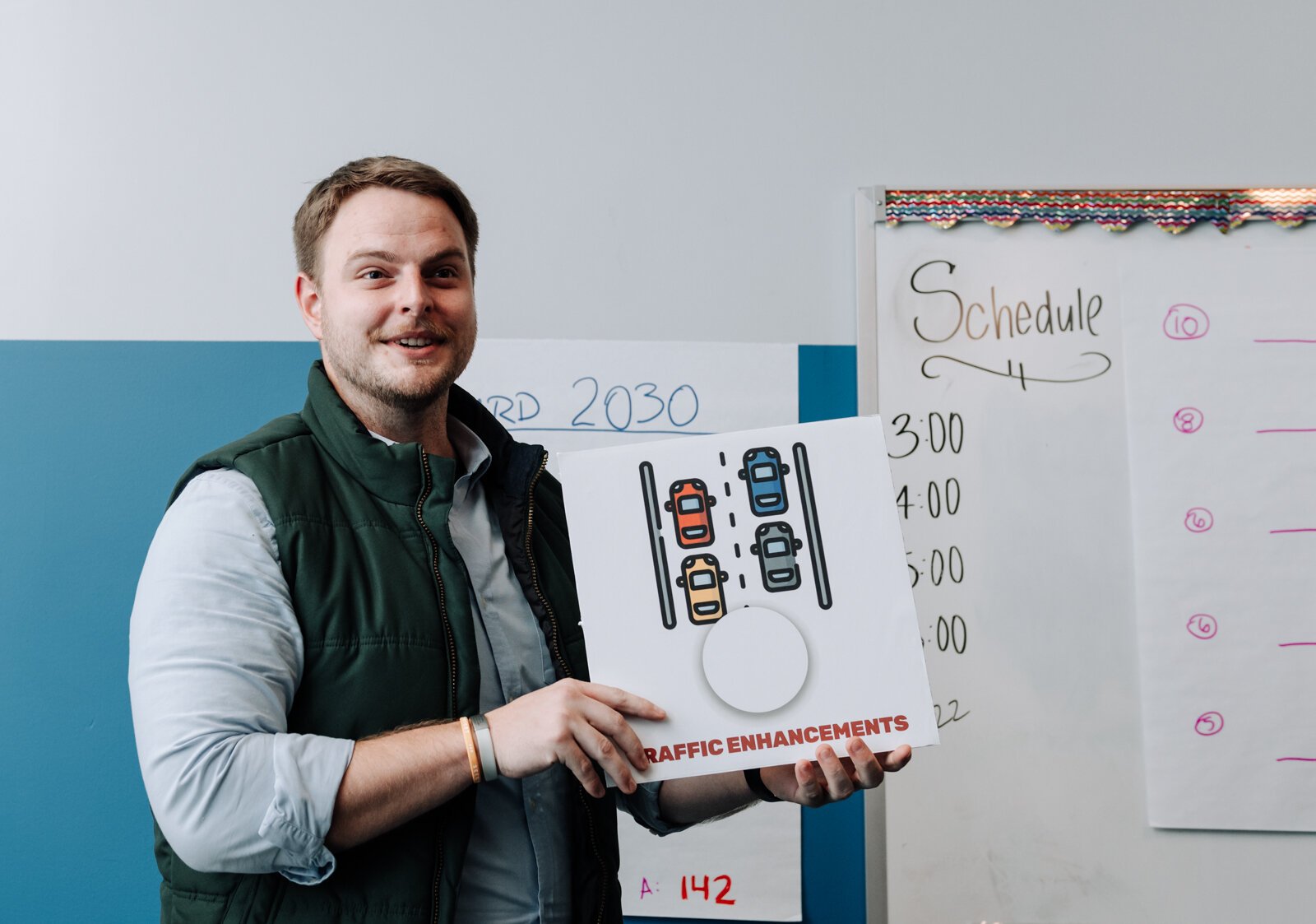
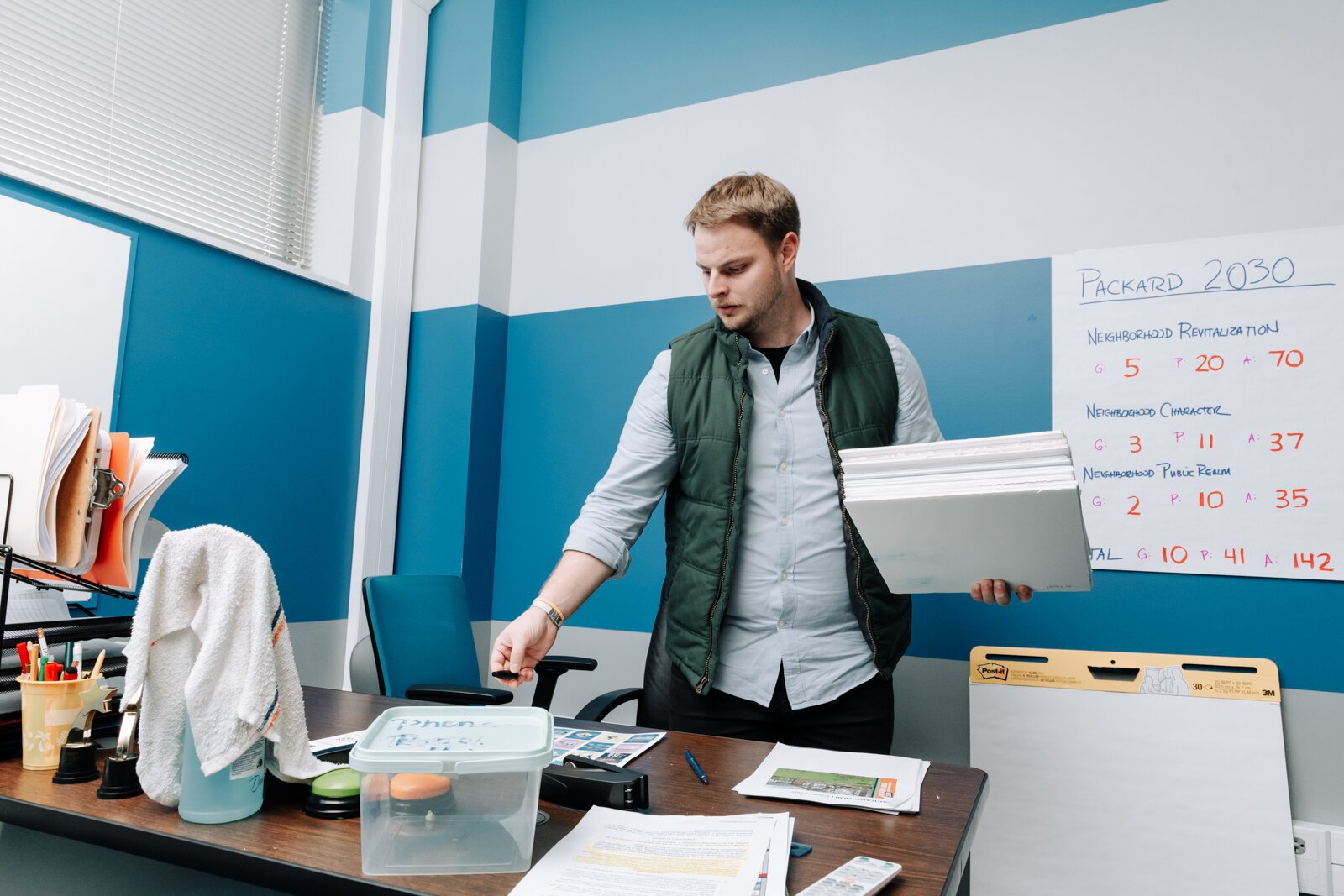
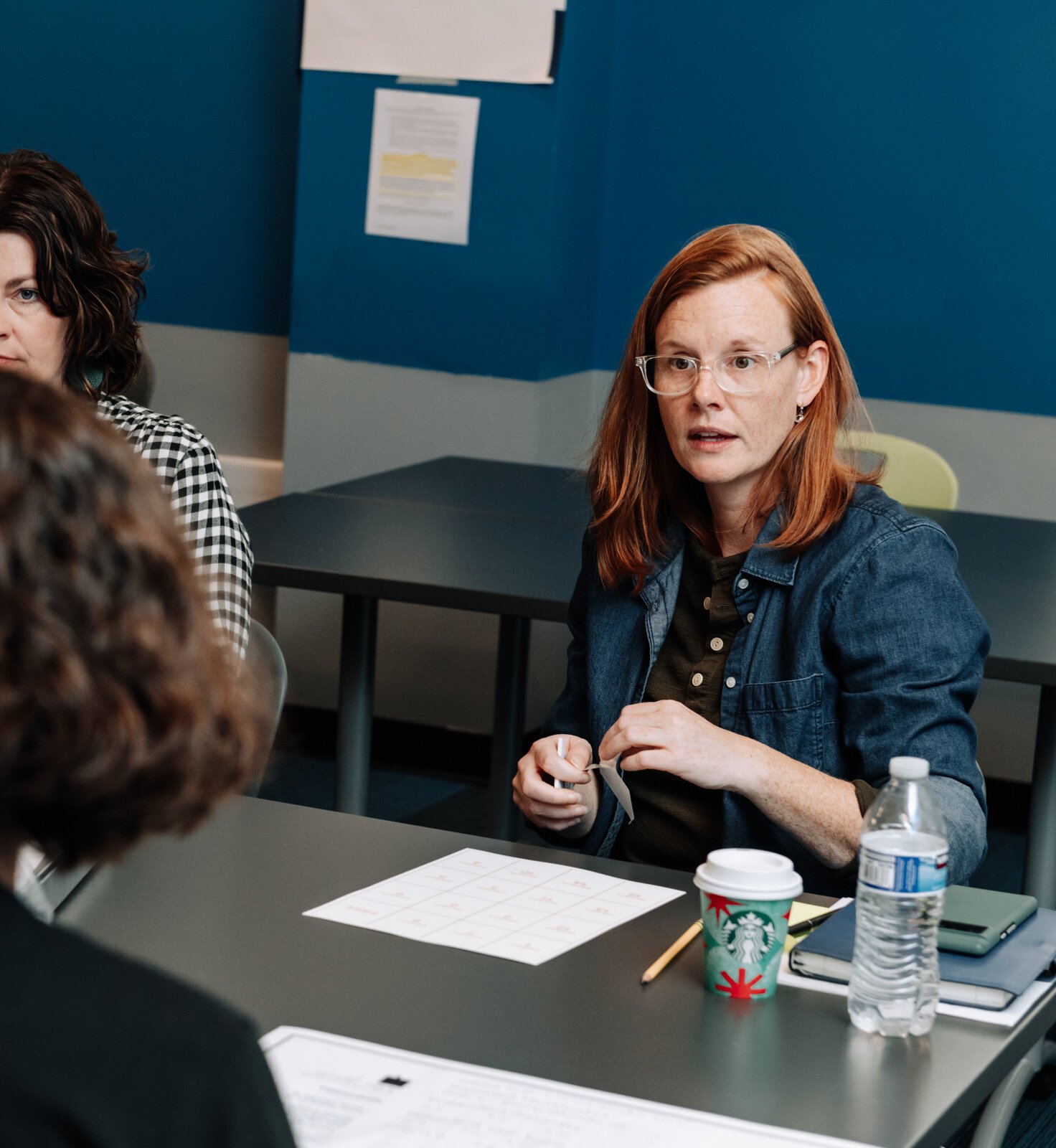
You might know Fort Wayne as the “City of Churches,” but perhaps it could also be the “City of Neighborhoods.”
Dan Baisden, Administrator of Neighborhood Planning and Activation for the City of Fort Wayne, says there are approximately 454 neighborhoods among its 265,000 residents. For comparison, Chicago, a city of 2.69 million, has just more than 200 neighborhoods divided into about 77 defined communities.
“One reason we have so many individual neighborhoods in Fort Wayne is, through years of developments and annexation, each development has become its own neighborhood,” Baisden says. “There’s been little consolidation of our neighborhoods in Fort Wayne, too.”
Citywide, Fort Wayne has four general quadrants—Northeast, Northwest, Southeast, and Southwest—which meet together for planning purposes. But these quadrants are broad and diverse, spanning urban and rural communities with vastly different needs. Perhaps, as a result, residents tend to identify by their zip codes. But even within zip codes, few neighborhoods have banded together to form planning alliances, like the Packard Area Planning Alliance (PAPA), which pools resources and momentum to create change. Among the city’s 454 neighborhoods, only about 170 are active and registered with the City, Baisden says.
That’s one reason increasing neighborhood engagement and collaboration is a goal for him and his recently-formed three-person team of Neighborhood Planners at the City, who have retooled and expanded the city’s former role of a singular Neighborhood Liaison. Since January, they’ve been implementing a new structure, designed to meet neighborhoods where they are, help them form alliances, and achieve the improvements they want to see.
Bernadette Fellows, the team’s Community Engagement Planner, says neighborhoods have the potential to be a powerful building block of civic engagement in Fort Wayne. She hopes the team’s efforts can help rebuild people’s trust and desire to participate in neighborhood associations.
“In many ways, you learn civics through your neighborhood,” Fellows says. “It’s a way of getting citizens to understand and participate in the role of local government or boards, so they can organize and make a difference in their communities.”
So who are these Neighborhood Planners, and what roles do they each play in helping neighborhoods? Input Fort Wayne sat down with the team to find out. (Check back later this month when we ask neighborhood leaders from each quadrant about their goals and experiences, too).
Josh Campbell
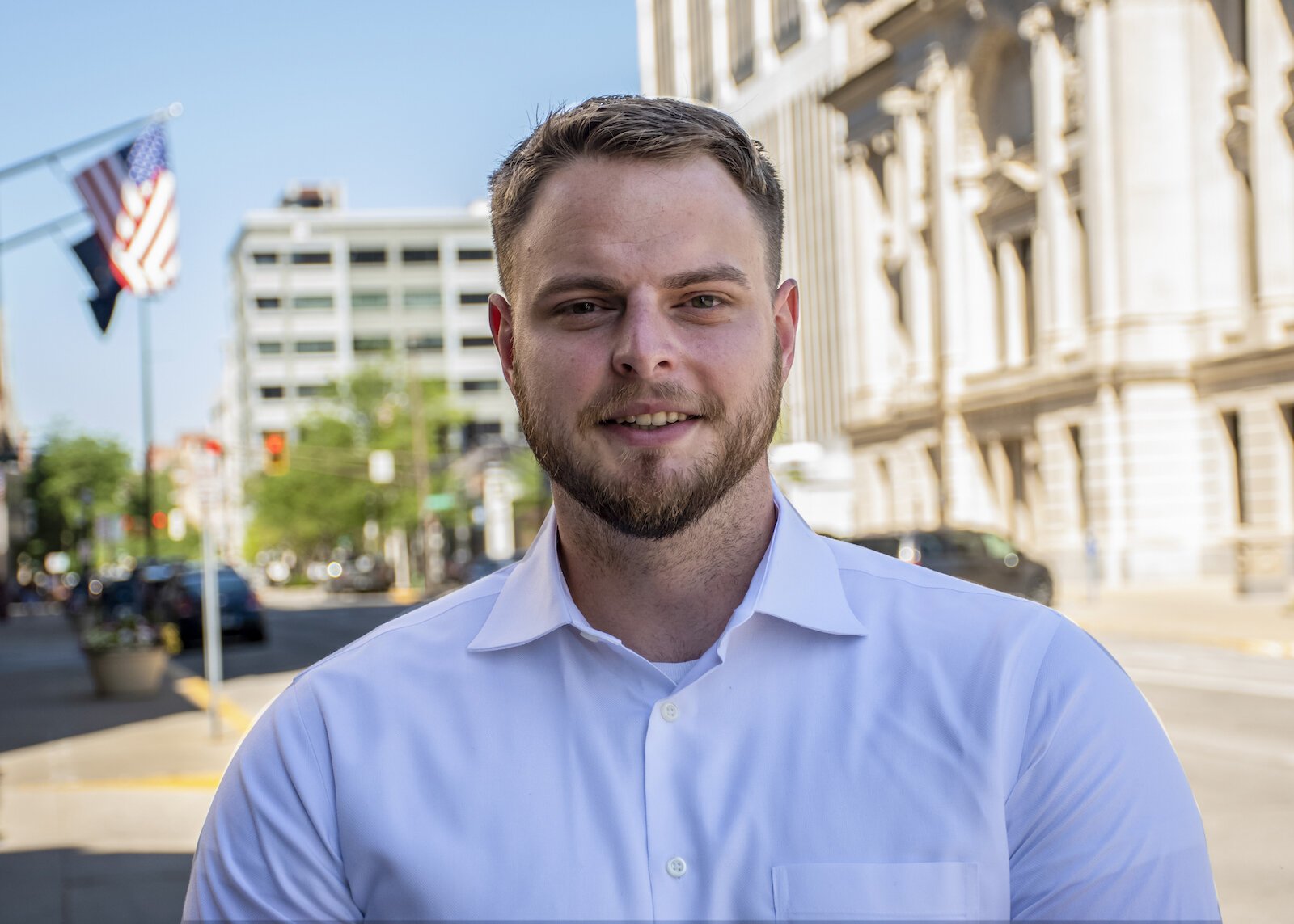
Title: Neighborhood Planner
Credentials:
- Masters in Urban and Regional Planning – Ball State University
- Bachelors in Urban Planning and Design- Ball State University
Background: I was born and raised in Fort Wayne, moved away for a while, and came back to work with the City as a Community Development Planner before moving into this position. My background is in urban planning and design.
What’s your primary role, and how does it fit into the team?
JC: Bernadette does most of the early-stage planning with neighborhoods, and I’m the long-term planner for neighborhoods that are more established. That means they’re already active, have a board, and are engaging residents on a routine basis.
I work with these neighborhood associations to create seven- to 10-year planning documents. It’s about an 18-month process from start to finish—conception to adoption. I also assist with community engagement projects related to planning and working alongside the other three team members to do fill-in projects with neighborhoods. I oversee federal grant funding for neighborhoods, too.
Can you give us examples of this work?
JC: Grant-wise, my work includes managing the Investing in Neighborhoods Now (INN) funds, which is $2 million for neighborhoods to decide anything and everything they want to do with it. These funding decisions are led by the four quadrants: Northeast, Northwest, Southeast, and Southwest. I’ve been working with them past two-and-a-half years on their grant projects, and we’re hoping to have most of that complete by early 2023.
Planning-wise, in the early to mid-2000s, the City created City Development Area Plans (CDAPs). These plans were created with urban core neighborhoods wanting individual plans, and they affect everything that touches a neighborhood—from transit to community identity, health, equity, and economic development.
Since then, we have adjusted the model slightly, so rather than CDAPs being for just one neighborhood, we’re looking at clusters of neighborhoods with likeminded interests and assets, and implementing a modified version of the Seattle Urban Village Strategy. For example, we’re working on the Historic Northeast plan right now, and that includes: Northside, Forest Park, and North Anthony neighborhoods. Shared planning and strategies should help Fort Wayne’s neighborhoods consolidate and collaborate.
Bernadette Fellows
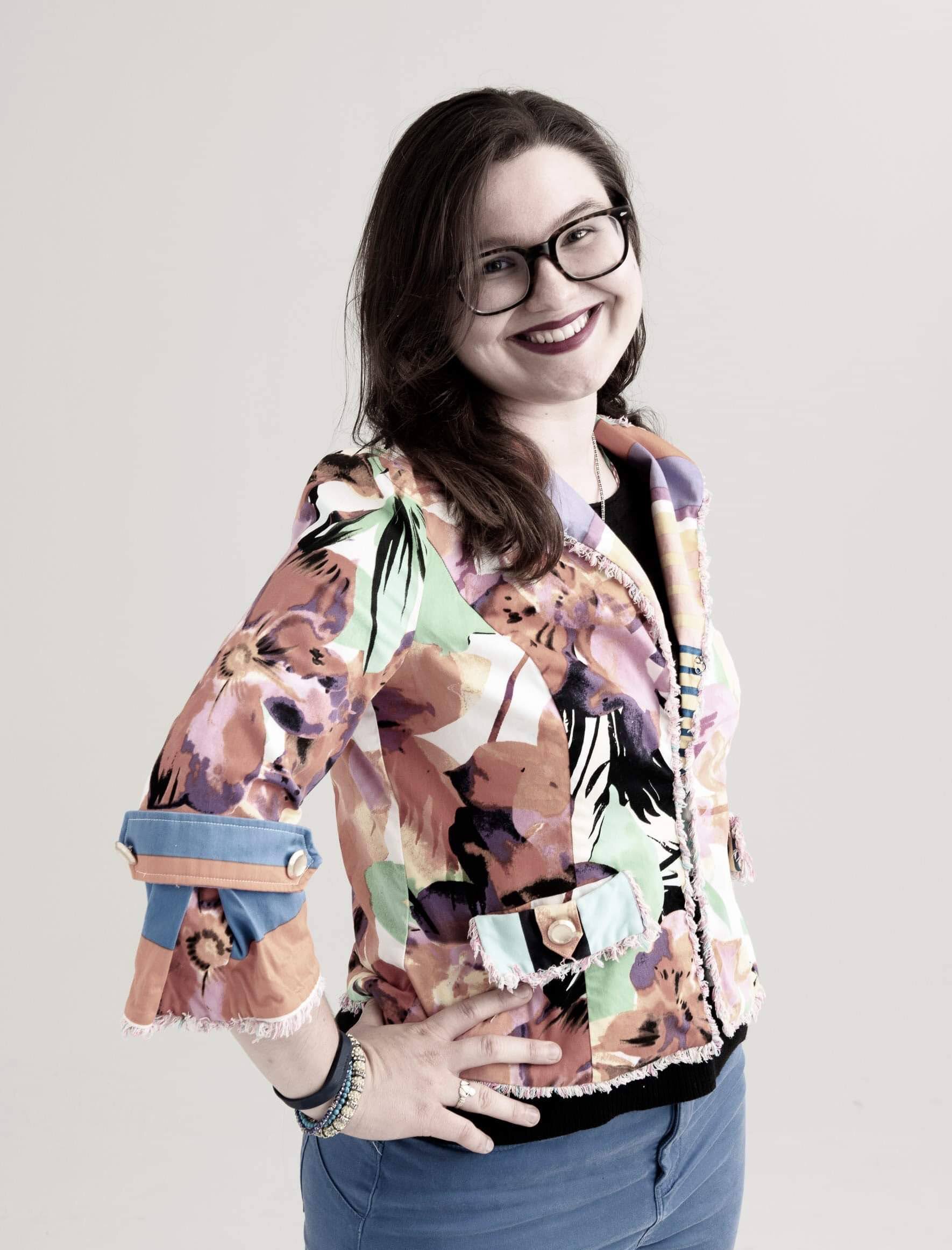
Title: Community Engagement Planner
Credentials:
- Bachelors in Business – Indiana University Fort Wayne
- Bachelors in Economics and Public Policy – Indiana University Fort Wayne
- Data and Public Policy Scholar – University of Chicago
Background: I’m originally from South Florida, but I’ve been living in Fort Wayne for the past 17 years. I’m not formally trained in urban planning, but I’ve always wanted to help people on the grassroots level in cities, so I spent a year with AmeriCorps, working for NeighborLink Fort Wayne. Then I became a contractor for the City of Fort Wayne’s Emergency Rental Assistance program during the COVID-19 pandemic from June 2021-February 2022. Then in March, I had my baby, and shortly thereafter, I moved into my current role on this team.
What’s your primary role, and how does it fit into the team?
BF: I do similar to what Josh does, but with neighborhoods that are newer and just starting to form associations. I help engage early-stage associations and activate neighborhoods that want to grow, but have no idea what that might look like.
In doing this work, I also manage a couple of projects with neighborhoods that have come to us and want to grow and develop, but aren’t at the stage yet where they can take advantage of long-term planning services. Maybe they don’t have association infrastructure in place or people engaged where they live. So we help them get to the next level.
In doing this work, I refer some of our neighborhood partners to Réna, on our team, who helps them acquire specific skills and one-on-one training.
Can you give us examples of this work?
BF: Right now, one project I’m working on is a partnership with Fort Wayne Community Schools (FWCS) to activate some of the neighborhoods around their schools. FWCS has found that if we want to have healthy schools, we need to have healthy neighborhoods around them, caring for kids and the community, at large. So we’re doing a test, activating the neighborhoods around Adams Elementary School in New Haven.
I also managed the 2022 Neighborhood Improvement Grant program, and City Council approved it again for 2023. It offers up to $5,000 per year for neighborhoods to make improvements, and next year, we have some interesting projects lined up, giving neighborhoods the resources they need to move forward.
Réna Bradley
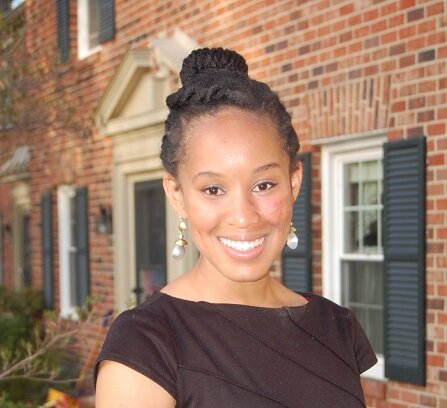
Title: Neighborhood Planner
Credentials:
- Bachelors of Architecture – Howard University
- Board of Trustees Member – Fort Wayne Allen County Airport Authority
- Board Member – Indiana Arts Commission
- Practicing Artist – Fort Wayne Public Art Commission
Background: My background is in architecture and trial-by-fire community development and housing renovations. I grew up in Detroit, Mich., where I spent most of my early career working on large hospitals and then getting stimulus dollars into targeted neighborhoods in Detroit to stabilize and raise property values, making them viable for private investment through green, historic rehabs. That was really cool work. We were able to get home values to double in one neighborhood, which got its first six-figure appraisal in well over a decade.
When I moved to Fort Wayne, about seven years ago, I became the first full-time employee at the faith-based nonprofit Bridge of Grace in the Mount Vernon Park neighborhood. During my time there, I found out I was a lot of things I didn’t know I was: A grant writer, a program launcher, a strategic plan writer, an after-school program manager, and a developer. I came to the City about a year ago to share some of these skills with more neighborhoods and join this team.
What’s your primary role, and how does it fit into the team?
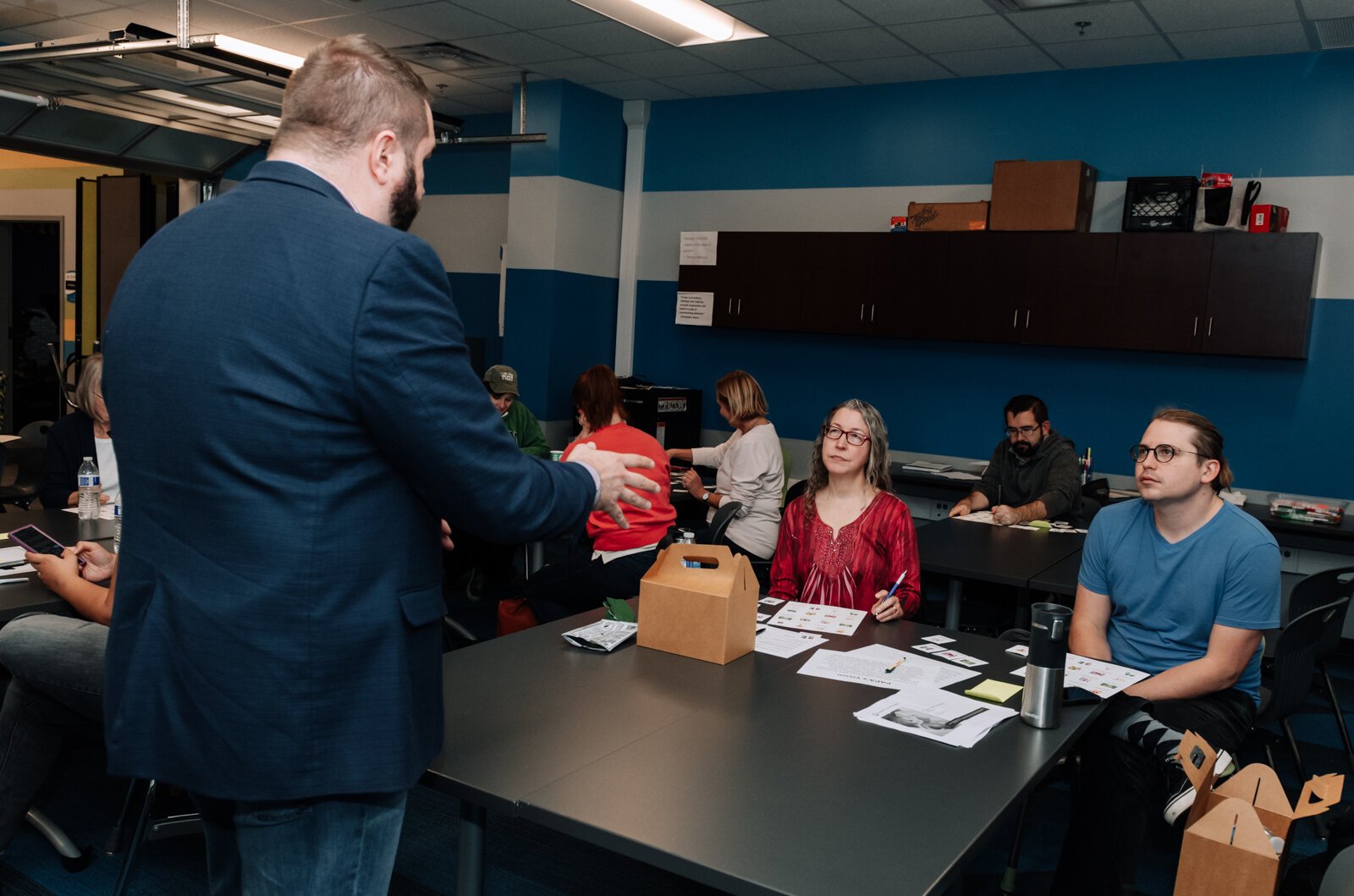
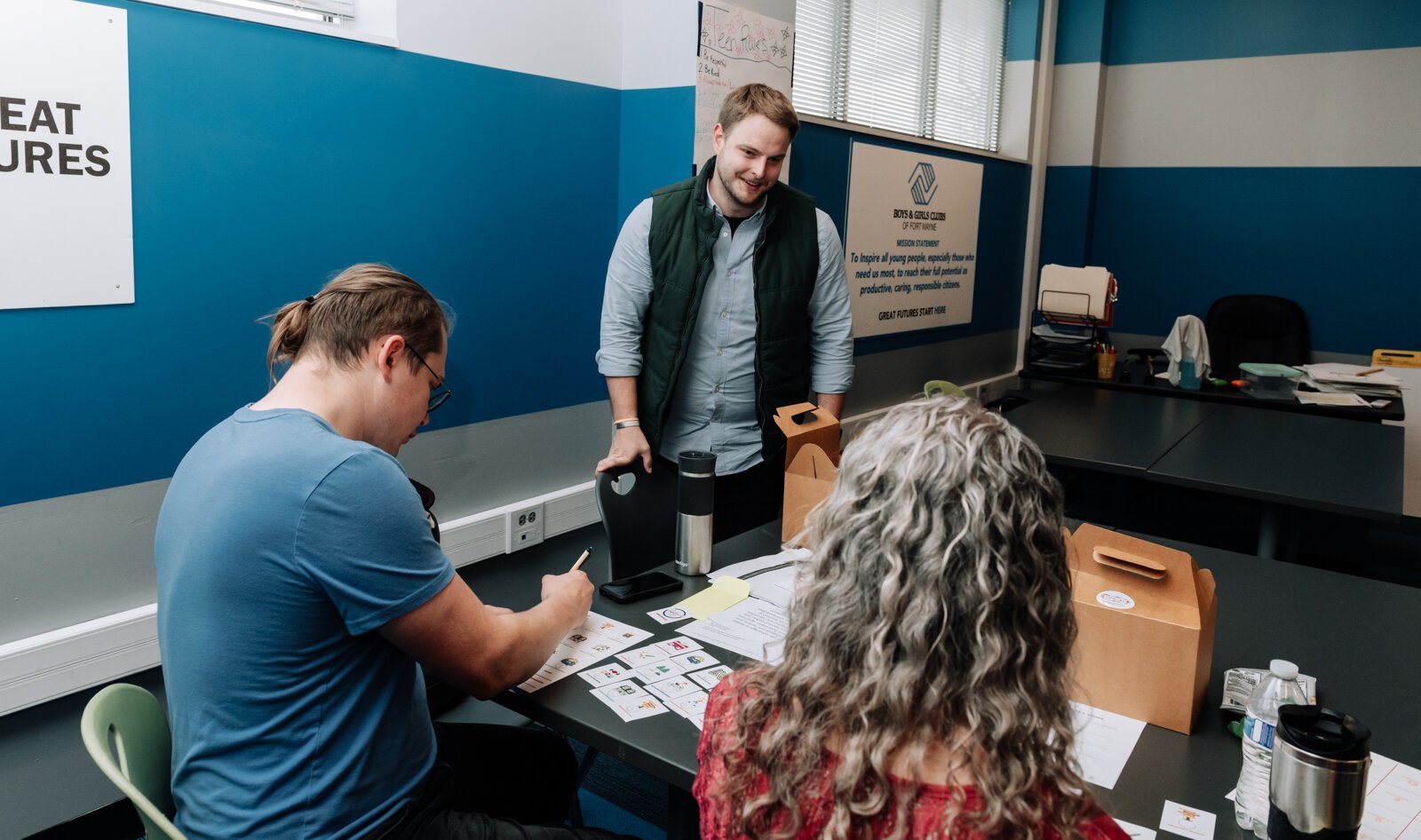
RB: My focus has been on creating resources for neighborhoods, helping residents develop civic engagement skills, and establishing a starting point for neighborhoods on projects. I host 101 workshops and presentations, like Grantwriting 101, for neighborhoods. I can deliver these resources to neighborhoods and individuals, either by them coming to the City or by me going out to meet them. I even meet with residents one-on-one.
On the macro end, I’m also working to create some quick action plans for neighborhoods. As opposed to our typical plans, which can take 18 months, these quick action plans are designed to take three months from start to finish.
This Spring, we’ll offer a neighborhood accelerator program, with crash courses in topics, like fundraising or governance. The goal is to impart the basics to our neighborhood leaders and work with them to implement what they learn right away. A small grant opportunity will also be available for accelerator participants, too.
I’m also planning our annual neighborhood conference in the Spring of 2023. Rather than the usual five-state-wide extravaganza of RNNC, this Spring’s neighborhood conference will be a single-day event, specifically for local, Fort Wayne neighborhood presidents and residents—leaders and neighbors—to gain community engagement skills and get energized.
Can you give us examples of this work?
RB: The first workshop I’ve done is Grant Writing 101, and it teaches neighborhood leaders how to apply for grant funding and build a positive working relationship with funders. I’ve delivered that workshop to about 37 individuals in more than 20 neighborhoods so far. The second workshop that just launched is Civic Engagement 101, which involves helping residents realize they have agency and are allowed to do a lot of things they might think they need more experience or permission to do. Civic engagement can look like anything from volunteering, to serving on a board or commission, to testifying before a council or public entity. So far, three areas I’m focusing on in the Civic Engagement Workshops are Articles and Press, Support and Dissent, and Volunteerism.
Basically, we want to let people know what opportunities are out there for engagement, who they can reach, and when and where it makes sense to use a specific tool. Two workshops I’m launching next year are Governance and Succession (for neighborhood associations) and Asset-Based Community Development.
This Winter, I’m working on some half-page 101 Guides for neighborhoods, too. These will explain processes, like: How to write a grant, purchase a vacant lot, run a block party, or start a neighborhood association. We’re collaborating with community partners, like FWCS students and teachers at AmpLab, to produce the first set of these guides. That doubles the impact. The students will conduct interviews with community partners to learn about the processes, produce our half-pagers, and then present them to City staffers. We’re hoping to get at least 10 guides out of this process and give local youth more exposure to planning and engagement.
Dan Baisden
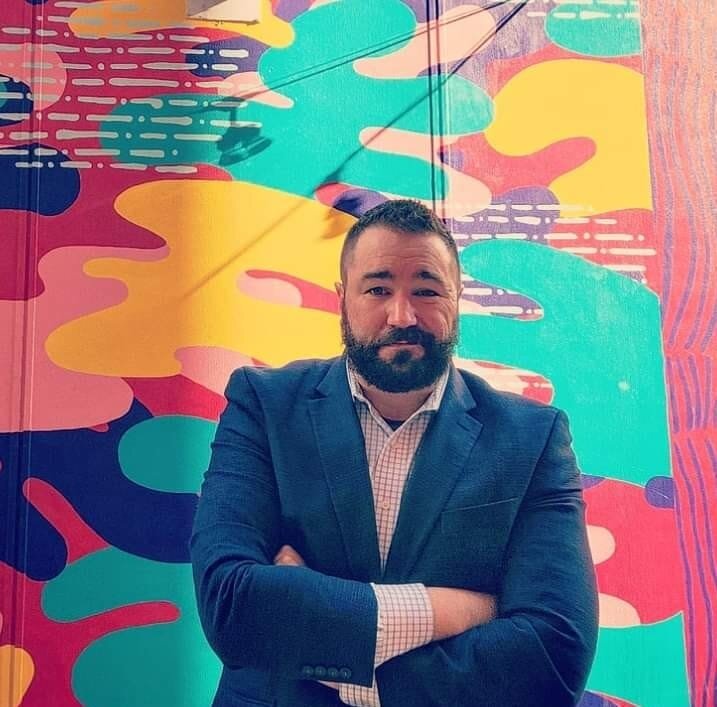
Title: Neighborhood Planner, Administrator of Neighborhood Planning and Activation
Credentials:
- Masters in Community Development – The Pennsylvania State University
- Bachelors in Urban and Regional Planning – Arizona State University
- Bachelors in Urban Sociology – Arizona State University
- Chair of the Board – Congress for the New Urbanism Midwest
IFW: What’s your background?
DB: I spent several years in radio broadcasting where I managed radio stations and teams across the country. Then I switched from radio broadcasting to urban planning where I worked as the de facto Neighborhood Planner for the City, plus the City’s Public Art Manager for a little more than three years. After that, I spent about half a year in Kalamazoo, Mich., as their Neighborhood Activator. Then this opportunity came up to move back to Fort Wayne and create this work group with a focus on neighborhoods.
What’s your primary role, and how does it fit into the team?
DB: I’m the administrator of the workgroup, so my role is more behind-the-scenes, making sure all of the projects have timelines and scopes and filling in for whatever gaps exist. I’m also a long-term planner, like Josh, and I’m helping finish the Packard Plan, which will begin to be implemented in 2023.
As a whole, our team works together at all of Fort Wayne’s neighborhood quadrant meetings, neighborhood presidents’ meetings, and community engagement events. So far, we’ve done 367 neighborhood interactions since we started in January. Sometimes, these interactions are small groups; sometimes they’re large groups; sometimes they’re just us meeting with neighborhood leaders one-on-one. But all of these meetings make a difference.
Since you do a little bit of everything, what are you looking forward to in 2023?
DB: In addition to quick action plans and neighborhood improvement grants, we’re launching a Crime Prevention Through Environmental Design (CPTED) program for neighborhoods in 2023.
We’ve already piloted it in the Nebraska and Bloomingdale neighborhoods. In 2018, I was regularly attending Nebraska Neighborhood Association Meetings and meeting with neighbors there. One thing I heard was there’s a stretch on High Street where residents didn’t always feel comfortable, and we saw an increase in crime. The area had streetlights, but the lights were more than 30 feet above the ground. So, based on data from a study in New York City, which has shown that bringing street lights closer to the ground can reduce crime by 35-45 percent, we lowered the lights on High Street to pedestrian level, and it’s made a difference.
It’s only been a few months, so the evidence is still anecdotal, but we’ve seen a decrease in the amount of index crime happening on the street. If the trend continues to hold, we could potentially use this tactic on other streets in Fort Wayne to help more neighborhoods feel safe and pedestrian-friendly.
***
Want to contact the City’s Neighborhood Planners?
While their individual contact information is available on the City’s website, Baisden encourages neighborhood residents and leaders to connect with his team via the City’s 311 call line. This will help the City track how many calls are coming in related to neighborhood services—and hopefully, allocate more funding and resources to neighborhood support in the future, as demand is recorded.
This story is part of a series on the 8 Domains of Livability in Northeast Indiana, underwritten by AARP. It is also underwritten by the Fort Wayne Media Collaborative, a group of northeast Indiana media organizations and affiliated institutions supported by the Knight Foundation, under the guidance of the New York-based Solutions Journalism Network. The Collaborative has launched a year-long project to report and produce stories focused on the housing crisis that has had disastrous effects for many northeast Indiana residents. Learn more at fwmediacollaborative.com.
Author
Related Articles
IFF’s energy-efficient work allows nonprofits to reduce energy costs, increase their mission-driven impacts across Indiana communities
IFF is helping Indiana nonprofits reduce utility costs and improve facilities through energy-efficient building upgrades. Programs in Bloomington, South Bend, and Indianapolis are helping organizations reinvest savings back into their community-focused missions.
Indiana health center trains local residents as dental assistants to fill workforce gaps
HealthLinc, a federally qualified health center in Valparaiso, covers training costs while preparing local residents for dental assistant jobs, strengthening workforce pipelines and expanding access to care.
What will Dekalb County do with the historic Sunny Meadows property?
Sunny Meadows, a county residential home, is now closed, but the building’s future is up for debate.