FORT-ify Accelerator strengthens community in the digital age
The FORT-ify Neighborhood Accelerator empowers local associations with connections to funding, resources, and face-to-face engagement opportunities to build stronger communities.
Lindsay Keller was truly adulting. She had just graduated from college and fell in love with a house on the city’s northwest side in the North Highlands neighborhood.
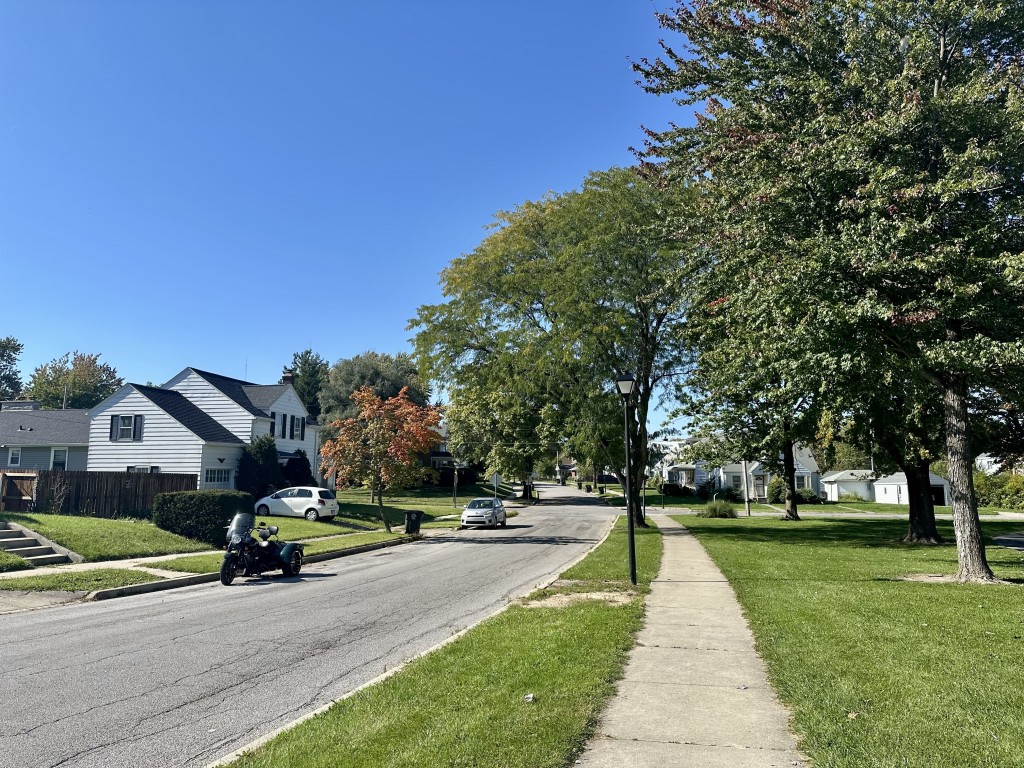
She didn’t know much about the neighborhood when she first moved in, and perhaps would have remained unaware of its inner workings if it weren’t for the alleged meddling kids.
Keller had been keeping tabs on the latest happenings through the neighborhood Facebook page when a story emerged about kids roughhousing nearby in Hamilton Park. Lindsay thought the adults involved in the situation were overreacting.
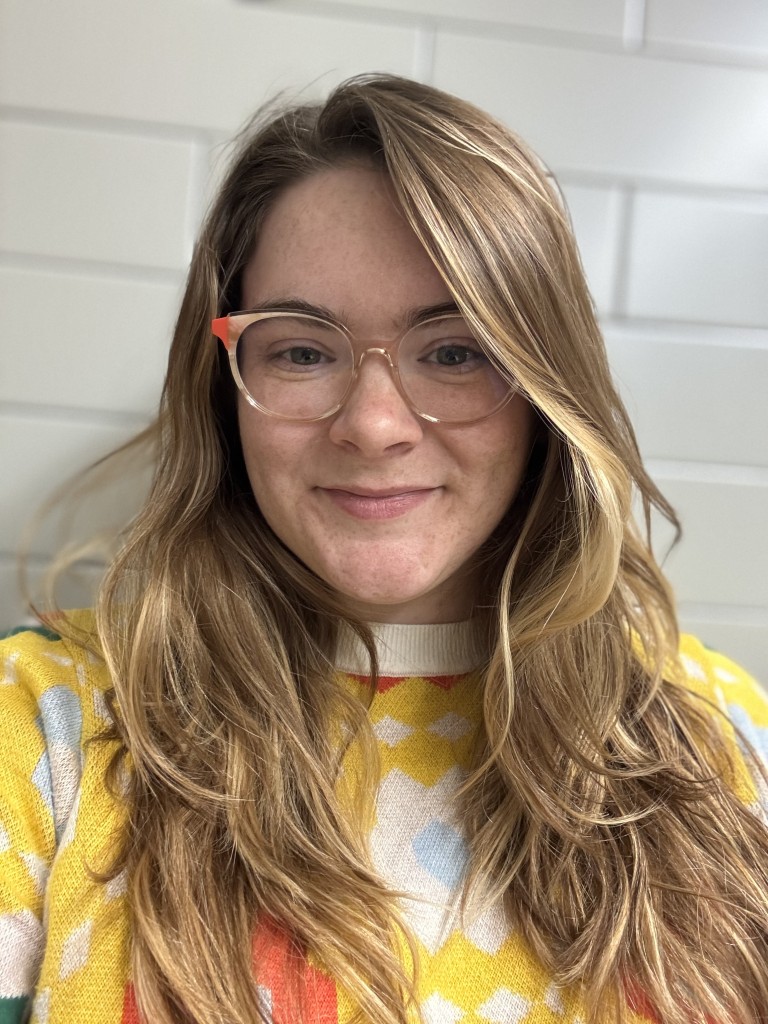
“So I went to the neighborhood association meeting to defend these children that I don’t know,” Keller recalled. “While I was there, I learned that they were very, very desperate for help on the board.”
Keller signed up to be the secretary, and by the time the board election rolled around a couple of months later, both the vice president and president had moved out of the neighborhood. Woefully unprepared to serve as president, but now leading an association with virtually no funding, Keller applied to participate in the city’s FORT-ify Neighborhood Accelerator program.
“I think that’s how a lot of people end up in these roles. From talking to other people, it’s kind of like nobody else wants to do it, but it’s important. These associations really do serve as your representation to the city,“ Keller said.
Fort Wayne has more than 400 neighborhoods, and more than half of them have a registered neighborhood association. Unlike homeowners associations, which have the legal authority to enforce rules and collect fees, neighborhood associations are purely voluntary civic groups.
However, the FORT-ify Neighborhood Accelerator empowers neighborhood associations to operate as formal organizations supporting long-term planning. And according to the data, accelerator programs like these are needed now more than ever as more Americans choose not to “keep up with the Joneses.” In fact, a recent report by the Survey Center on American Life at the American Enterprise Institute states that most would prefer to stay clear of neighbors altogether.
In the accelerator program, participants take part in monthly in-person workshops, work with the city’s staff to develop Quick Action Plans (QAPs), and engage in hands-on activities such as door-knocking to gather neighbors’ input. A maximum of two associations are selected each year to participate as a cohort.
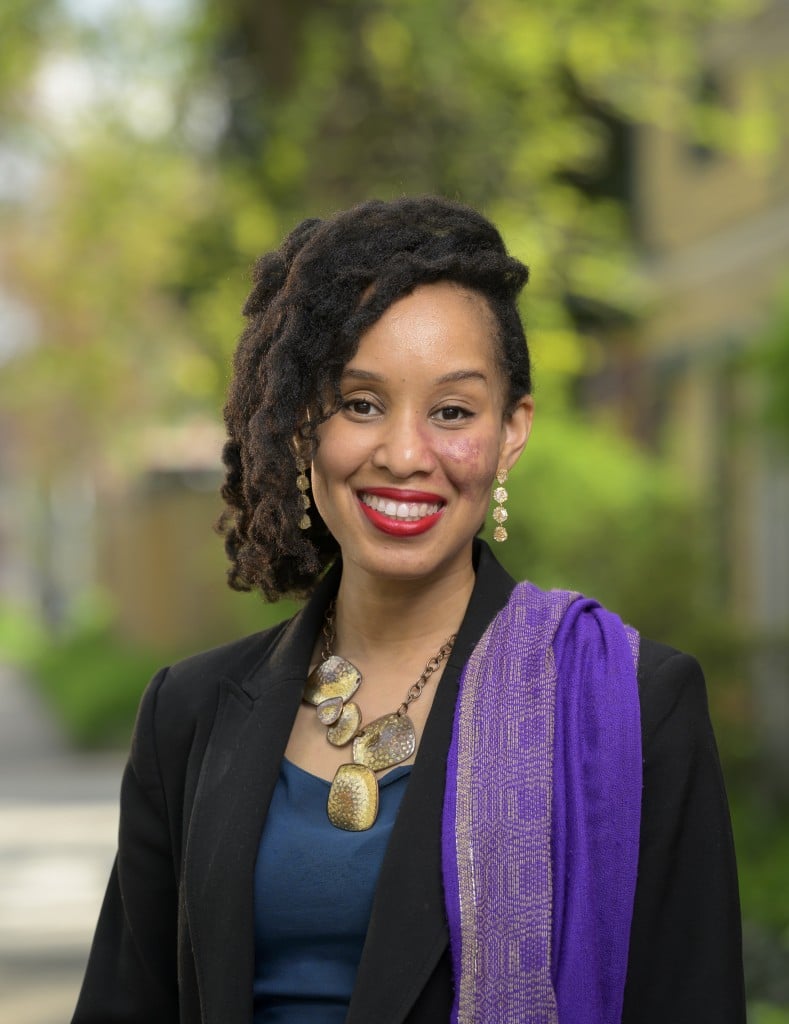
An architect by trade, Neighborhood Planner Rena Bradley says the program is the result of initially “poking around” into the planning process as a newcomer to the city’s Department of Neighborhoods in 2023. The program launched within the same year.
With long-term neighborhood plans taking up to 18 months to be approved by several city departments and then voted on by city council, Bradley felt the process could scare unprepared associations away.
“I felt like there were neighborhoods who weren’t quite ready for that long of a process, but also just wanted something to get energized, something to get moving, something to begin building their own momentum, their own trust,” she said.
Bradley says the program has experienced steady growth, receiving a couple dozen applications for this year’s cohort, and at least four other municipalities have reached out about launching similar programs in their community. Alumni of the program have gone on to be awarded Neighborhood Association of the Year and have had their projects featured in local media. Applications for the next cohort are expected to open this winter in December.
However, as more associations graduate from the program, Bradley’s ability to keep track of their progress becomes increasingly limited. She says her goal this year is to partner associations with a leadership coach to help remind them of the wealth of resources and materials they developed during their time in the program.
“Sometimes it’s a bit of a crash course,” Bradley says. “For some people it gels right away, and they run with it…[for others] it’s making sure there’s someone there to help keep their goals in front of them.”
The program offers infrastructure, funding, a Rolodex of new city contacts and marketing strategies to help engage neighbors face-to-face.
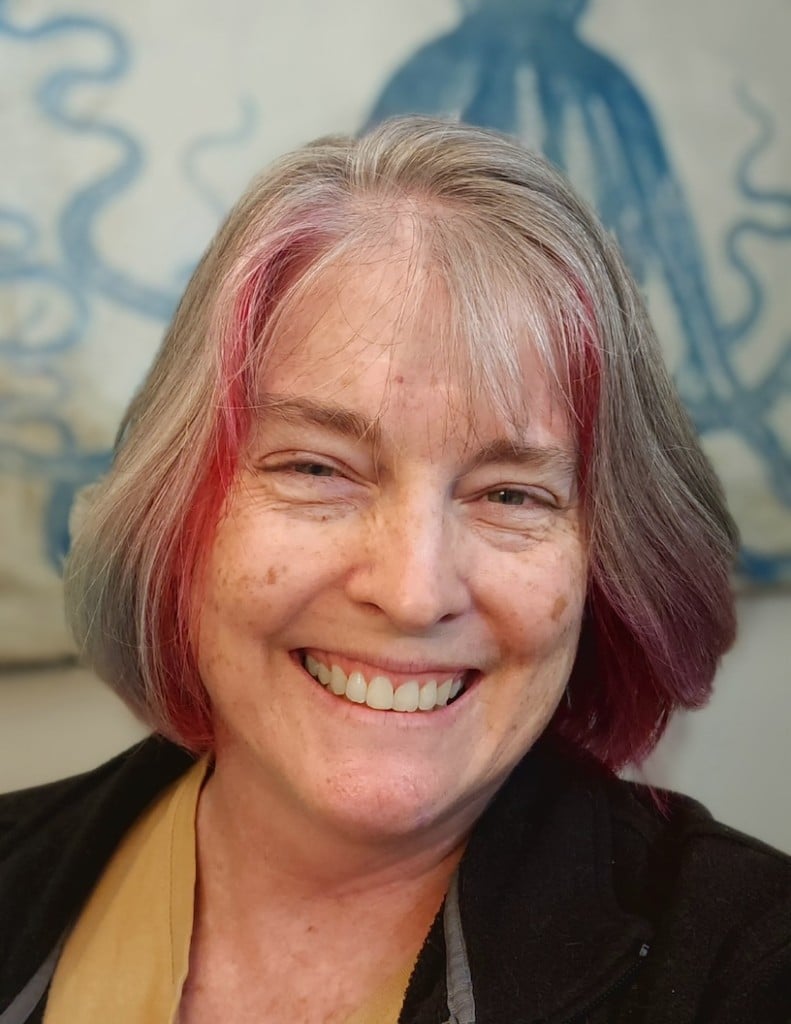
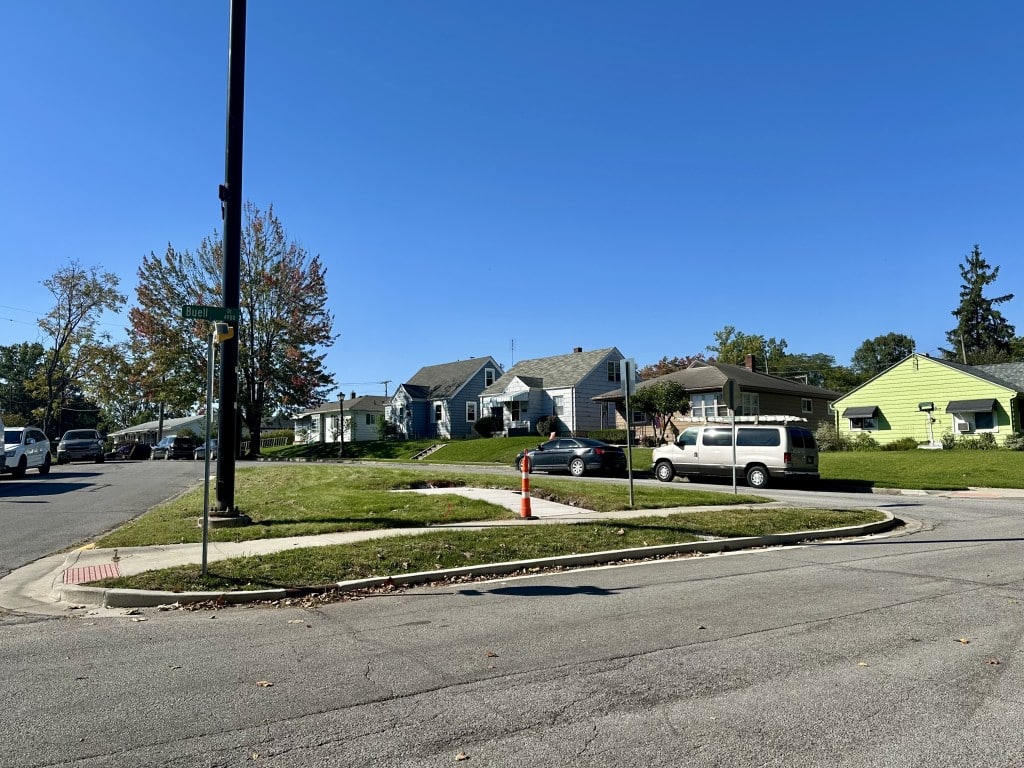
Deidre Schwein, who goes by “Dee,” Vice President of the Fairfield Terrace Belmont neighborhood association, said the association hosted a listening tour during the FORT-ify 2024 Cohort, going door-to-door to ask neighbors for input on improvements. The neighbors all pointed to a triangular patch of grass formed by the intersection of Lenox Avenue and Buell Drive.
“It’s just kind of boring right now,” Schwein explains.
The board is using funding from the FORT-ify program and another grant from the city to do landscaping, install a bench, and open a small free library in the area.
“The five of us who showed up to volunteer (for the listening tour) thought it would be a cool thing, but being able to talk to a dozen people who live within sight of that triangle and hear them all say, ‘It would be really nice if that was pretty.’ Oh, that was awesome,” Schwein said.
Goodbye, neighbor
Recent data show that Americans are losing their sense of neighborliness.
This past spring, the Survey Center on American Life at the American Enterprise Institute released its findings in a report titled “Strangers Next Door.”
The report states that as we spend more time online, our relationships with our neighborhoods and each other have greatly diminished, and young adults aged 18 to 29 are most likely to isolate themselves. The pandemic only spurred the issue through the adoption of remote work and telehealth. In addition to technology, Americans with less formal education tend to have less access to the social experiences that could aid in connection.
According to the report, this pullback is beginning to warp our sense of civility: 65% of Americans believe that being a good neighbor means “not getting too involved in your neighbors’ personal affairs.” Only a third of Americans believe a good neighbor helps even when it’s not asked for.
Combating these odds continues to challenge local neighborhood associations.
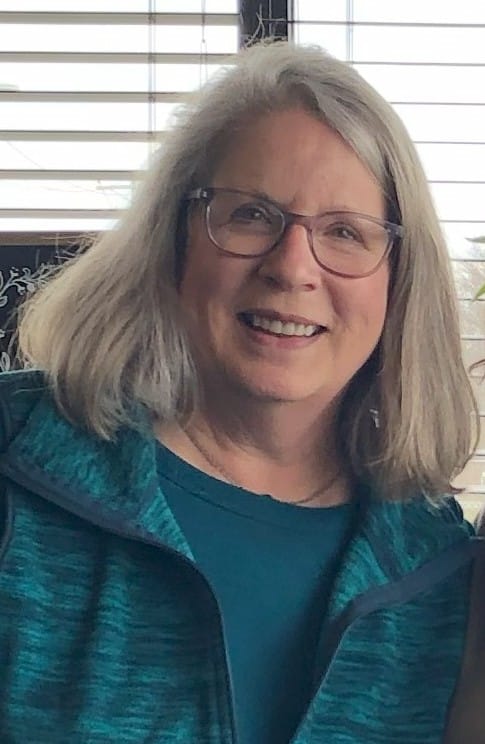
Margaret Machlan, President of the Harvester Neighborhood Association, says one noticeable outcome of participating in the 2023 FORT-ify cohort has been increased turnout for activities such as the annual party in the park, driven by marketing.
While roughly 150 participants attended this year, she would like to see more residents participate in task groups and board leadership. And given how diverse the area has become, Machlan would like Spanish-speaking neighbors to step up to help with translations.
“There’s been such an attack on getting out of our homes,” Machlan said. “We’re in front of our screens or in our air-conditioning. We’re feeling safer or whatever, but we miss out on the community aspect.”
Bradley says the strongest strategy for associations is to continue creating space for face-to-face engagements.
“Social media can be an amazing tool to engage, to spread news, to spread awareness, but I don’t think it replaces face-to-face engagement at the end of the day,” Bradley says. “It can be difficult to read tone or intent when it comes to social media…when we get people face to face, a lot of the fear falls away because they are able to see each other and relate in a way you can’t do on a screen or a device.”
Walk the dog
According to the “Strangers Next Door” report, more than half of Americans who walk their dog regularly speak to their neighbors a few times a week. And while a good pup may be hard to resist, there’s an even more obvious reason why these interactions work: The more you’re out and about in your neighborhood, the more likely you are to meet your neighbors.
The report states that shared spaces and amenities, such as a coffee shop or public park, also help foster connections. Over time, you begin to take pride in what surrounds you.
Keller said the neighborhood just completed painting murals on the crosswalks near Hamilton Park, a core gathering space for the area. Residents were able to submit ideas for the murals and participate in painting them. Keller says 15 to 20 volunteers showed up over the weekend to help out, which is considered a great turnout for the association.
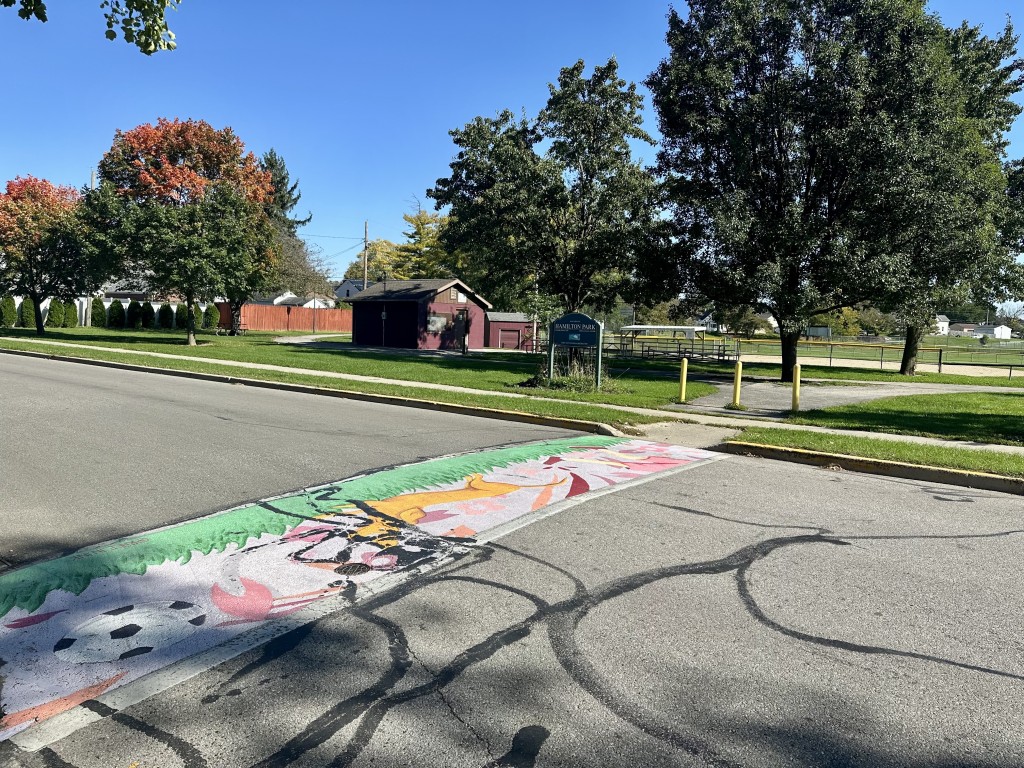
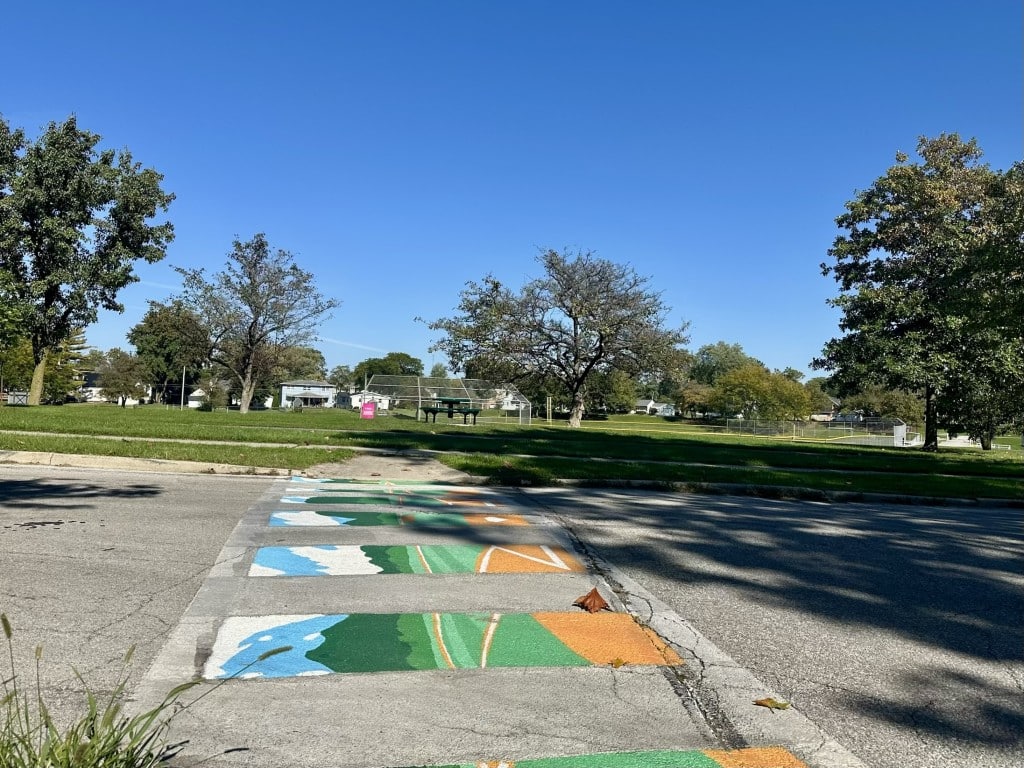
When the board graduated from FORT-ify, Keller was inspired and wanted to accomplish everything in the first year after the program. Over time, she has put it into perspective: volunteers move out of the area, start families, or simply get too busy, and the pending plans, the block parties, even the outdated bylaws — none of it is life or death. What she chooses to prioritize is encouraging the sense of belonging and safety.
“Everybody talks about wanting your neighbors to care about you, but it takes effort to make those things happen,” Keller said. “That’s the purpose of the neighborhood association: We’re here to boost up that community-building, to help you get to know your neighbors better, which makes the community safer and makes it more vibrant.”
Learn more about the FORT-ify Neighborhood Accelerator here.
Author

Related Articles
#PlacesofNEI: Bad Cat Knit Goods on Broadway
Check out Bad Cat Knit Goods, a fiber arts store, located at 1309 Broadway, Fort Wayne, Indiana 46802.
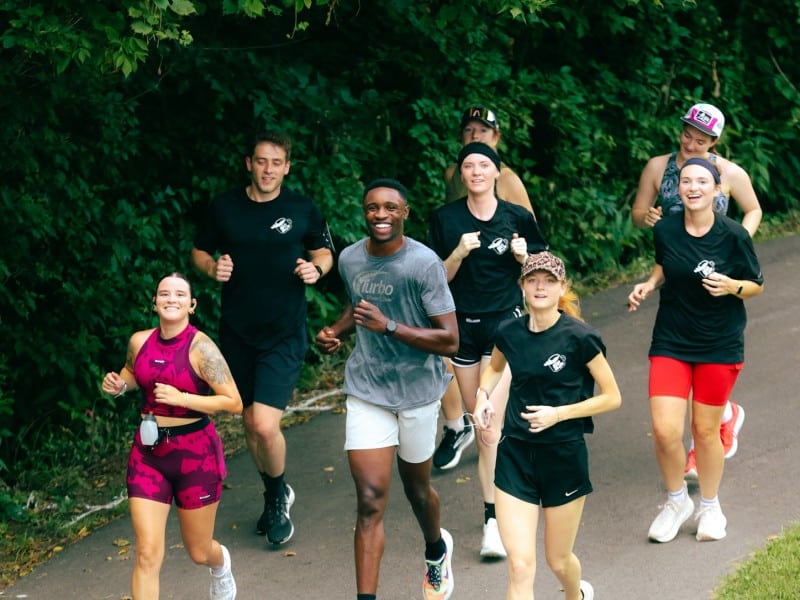
More than miles: How Fort Wayne run clubs are building community
Across Fort Wayne, run clubs are gaining momentum. By prioritizing social connection over competition, these groups are building community one mile at a time.
Help shape future coverage – join our upcoming listening session
Join Input Fort Wayne at Tall Rabbit for coffee, conversation, and a chance to share the issues, people, and neighborhood stories you think deserve more attention.