‘Come as you are’: Fort Wayne Civic Theatre’s ‘Footloose’ production is setting a new standard for accessibility
Leveraging Arts United Center renovations and a ‘come as you are’ approach, Fort Wayne Civic Theatre’s Footloose is pioneering a new benchmark for inclusivity.
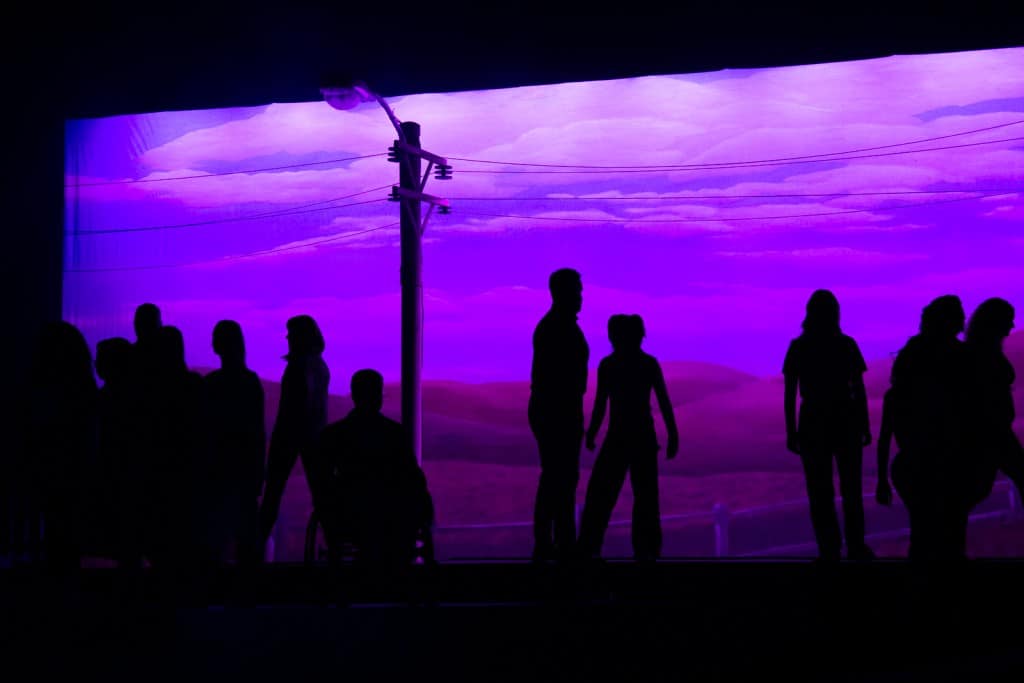
From new technology and colorful murals to additional rooms and accessibility features, the recent renovations at the Arts United Center in downtown Fort Wayne are ushering in a new era. For Gavin Thomas Drew, civic theater education director and director of the upcoming production of Footloose, these changes are a necessary step toward inclusivity in the arts.
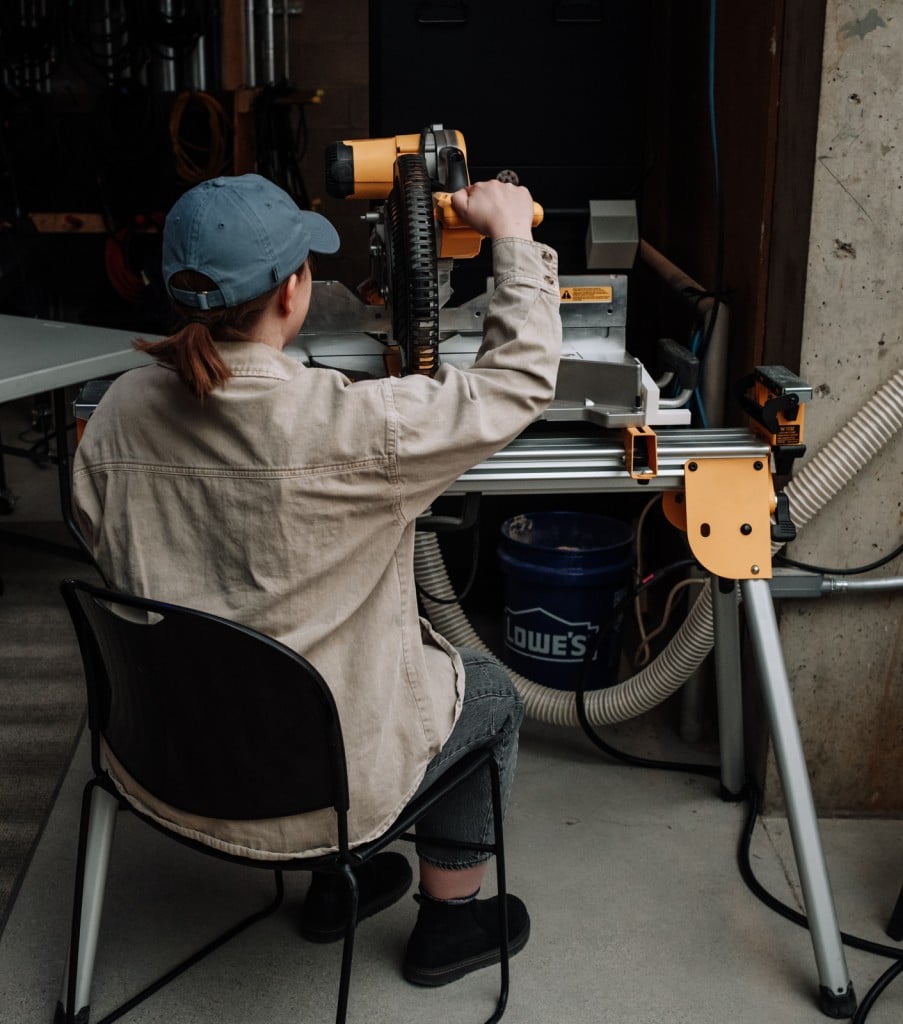
The theater has seen many updates, including an elevator that has stage-level access. The community scene shop is accessible, including table saws that were built to sit at a height that makes them accessible for users in wheelchairs.
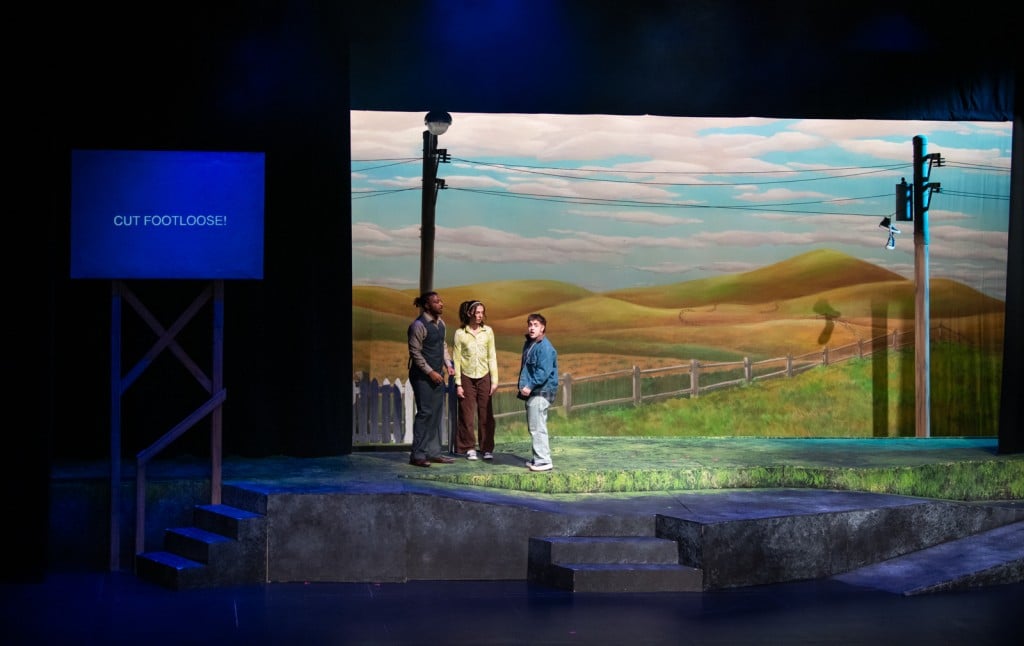
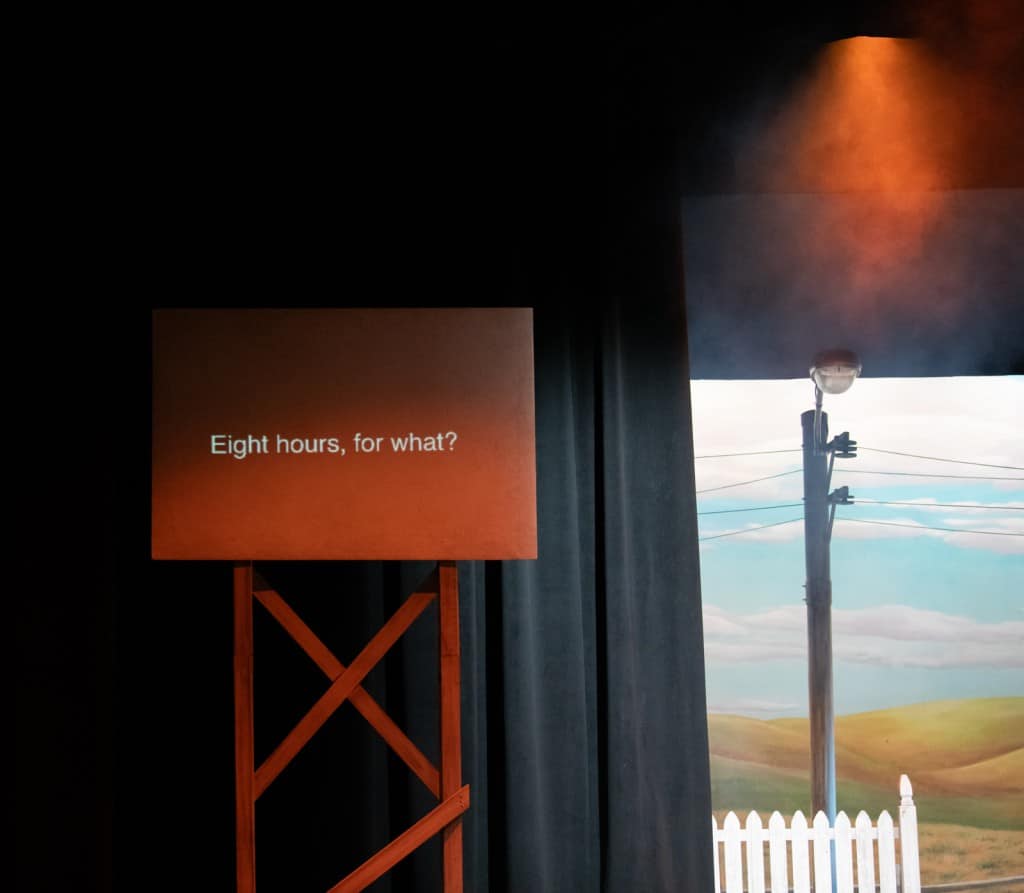
With the renovations, audiences have access to many new or improved accommodations, including updated seating and facilities, an adult changing table, and improved captioning.
Drew speaks fondly of all updates. The updates to the hearing assistance accommodations are a focal point for him, as he uses a cochlear implant. For shows like Footloose, it means the entire show will have captioning.
“Something as simple as captioning becomes really great for audiences who maybe are hard-of-hearing, are of a certain age, or are non native English speakers,” he says. “It really helps with better story comprehension.”
Drew has experienced how accessibility can transform artistic spaces firsthand, as well as the connections that can form while participating in community theater. For him, that connection is an inspiration.
“We have always been a space that is open and accepting of everyone, but being able to take the next step, so that whether you’re on our stage or in our audiences, you see yourself represented – that’s just such a huge part of what community theater is,” he says.
Another major aspect of this production’s accessibility drive is the “Project Lights Up” program, which offers the accommodations that might allow individuals to enjoy a production during select performances. For Footloose, every show will follow this model.
“All of the accommodations, all of the accessibility, all the freedom to be vocal, is built in and expressed beforehand so that every performance is what a Project Lights Up performance would be,” Drew explains. “Hopefully, that will help build a culture of come as you are.”
The inclusivity extends to participants in the Footloose production, too – from the audition through rehearsals. Drew shares that this unique process is a part of his larger goal.
“All kinds of people come together, which is exactly why we’re doing this,” says Drew.
He describes his audition as beginning with a conversation about the show and how auditions work before moving into the auditions themselves. He finds that this is especially helpful for newcomers to the theater process.
“I’m very comfortable with the audition process, but it could be a really daunting task for someone who’s never experienced it,” he says. “It’s also vulnerable, because you walk into a room and you allow people to judge.”
This information session led to a well-informed cast, of which almost ninety people auditioned to be a part of.
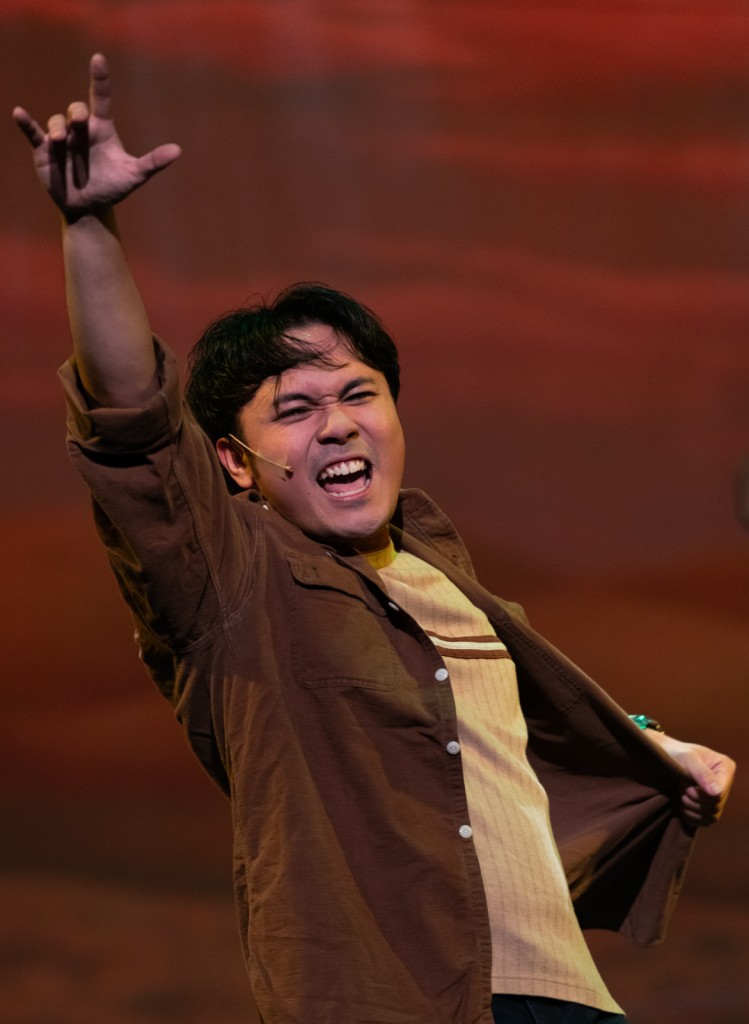
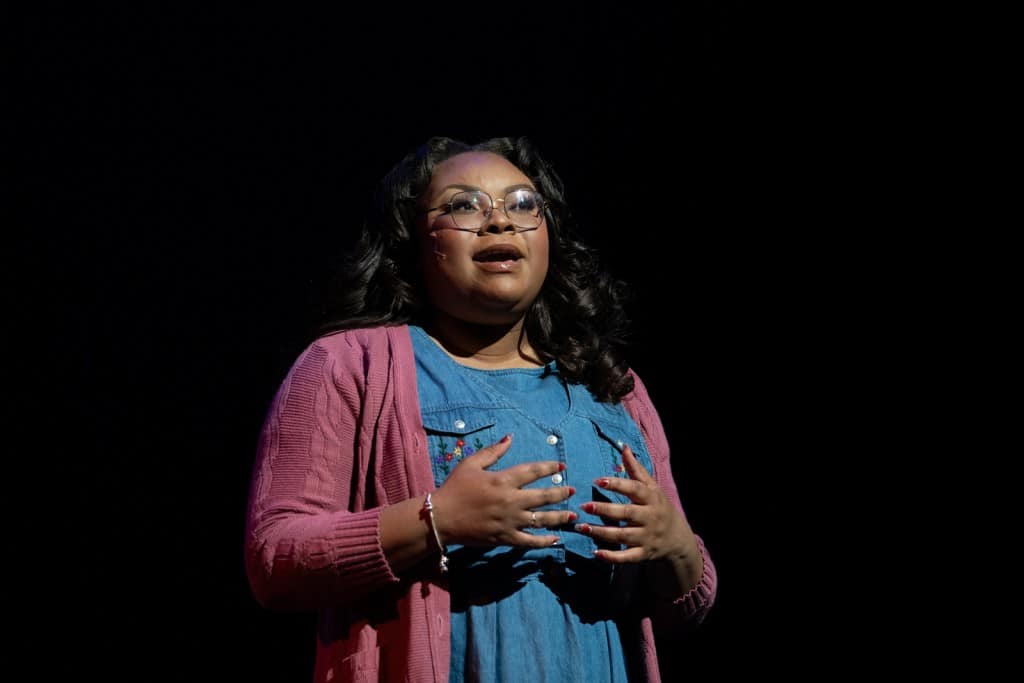
Many of the individuals cast in Footloose are appreciative of these changes, sharing that inclusivity has been a major factor in their participation.
One cast member, Cass Rentfrow, is revising her role as Rusty in this production. Rentfrow has been participating in theater for many years, both in and out of the Civic Theatre. For her, the updates to the theater have been a noticeable change in how people participate.
“It’s been a tangible shift between other productions I have participated in and this production; we’ve been having open conversations about accessibility and accommodations in a way we haven’t before, because it feels like there is a safe space for those conversations to occur,” she says.
Rentfrow shares that these accessibility updates indicate a positive shift.
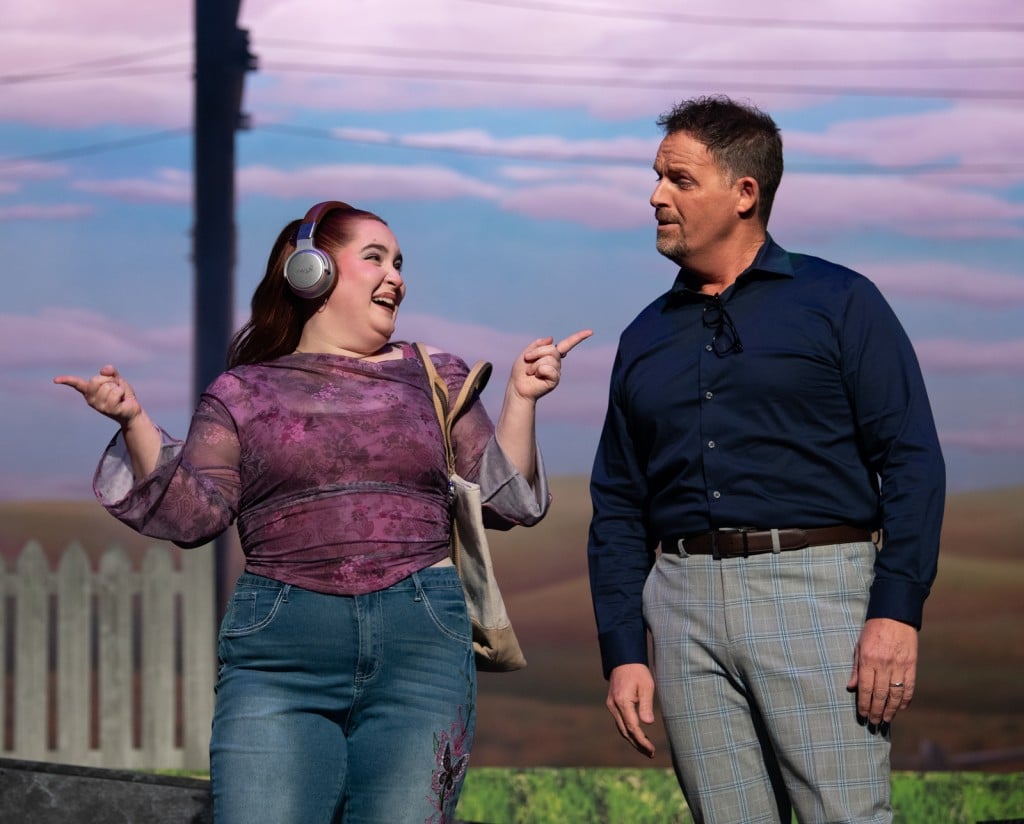
“The updates have made the Arts United Center an inherently more welcoming environment for individuals with all kinds of disabilities,” she says. “I have lots of sensory-based issues and have previously tried to stay away from my accommodations in rehearsal and performance spaces, but because it’s clear that an effort has been made, I feel better pulling out my earbuds/ear defenders or stepping out to regulate as needed.”
Assistant Choreographer and Ensemble Member Theo Thompson shares that he recently returned to dance and theater after beginning to use a wheelchair. He appreciates the new additions to the theater and says that he is excited to be performing again.
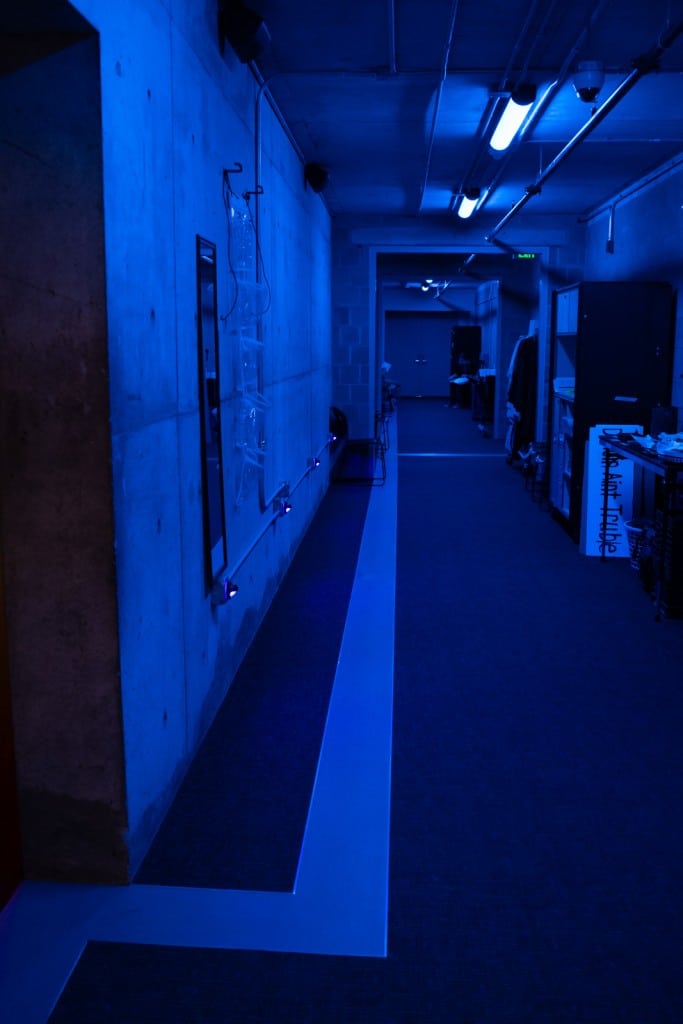
“Several updates to the theatre that stick out to me are the removable seats in the audience, the elevator with access to the stage level, fully accessible restrooms, including adult-sized changing tables, and there are tactile paths on the ground for white cane users,” he says. “These are great advancements toward full inclusion.”
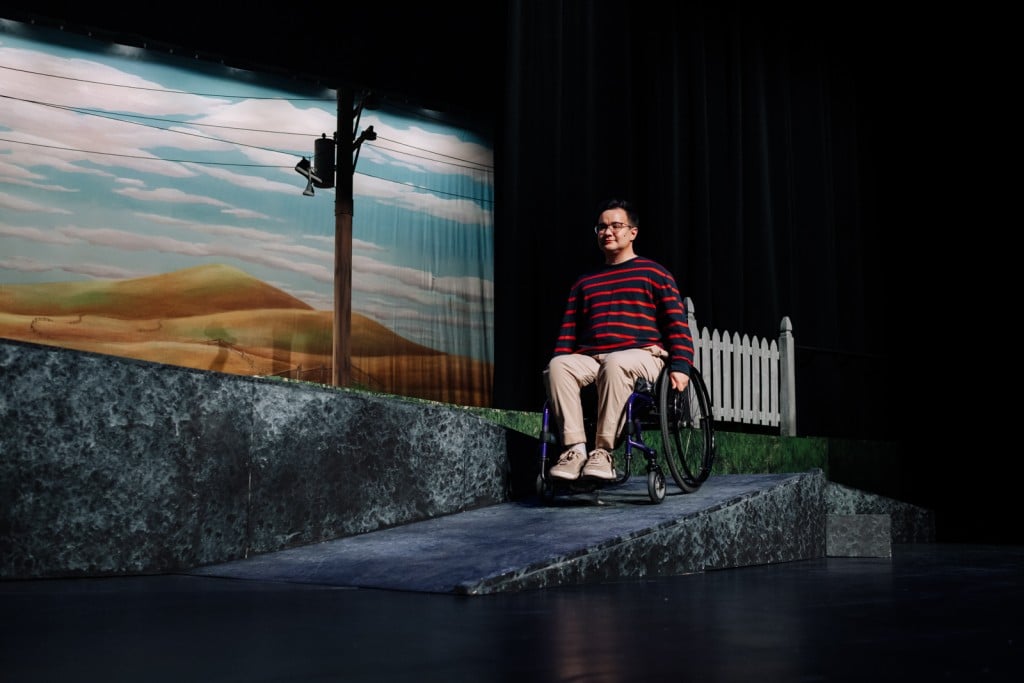
Thompson shares that the updated theatre is a positive addition – one that he wants others to be aware of.
“These changes allow equity in access to theatrical arts,” he says. “I hope that the disability community in Fort Wayne becomes aware of spaces such as the Arts United Center. “
The updates to the theater lend themselves to universal design, which is a type of production that ensures that participation is available to everyone, regardless of ability. According to Drew, the theater has a responsibility to its community to incorporate universal design into their practices.
“It’s a civic space in the truest sense – where our community can practice empathy together,” he says. “And so, it will never lose its relevance. When a theater is deeply rooted in its community, its relevance takes care of itself.”
Drew shares that he is personally supportive of these measures and sees the trend continuing.
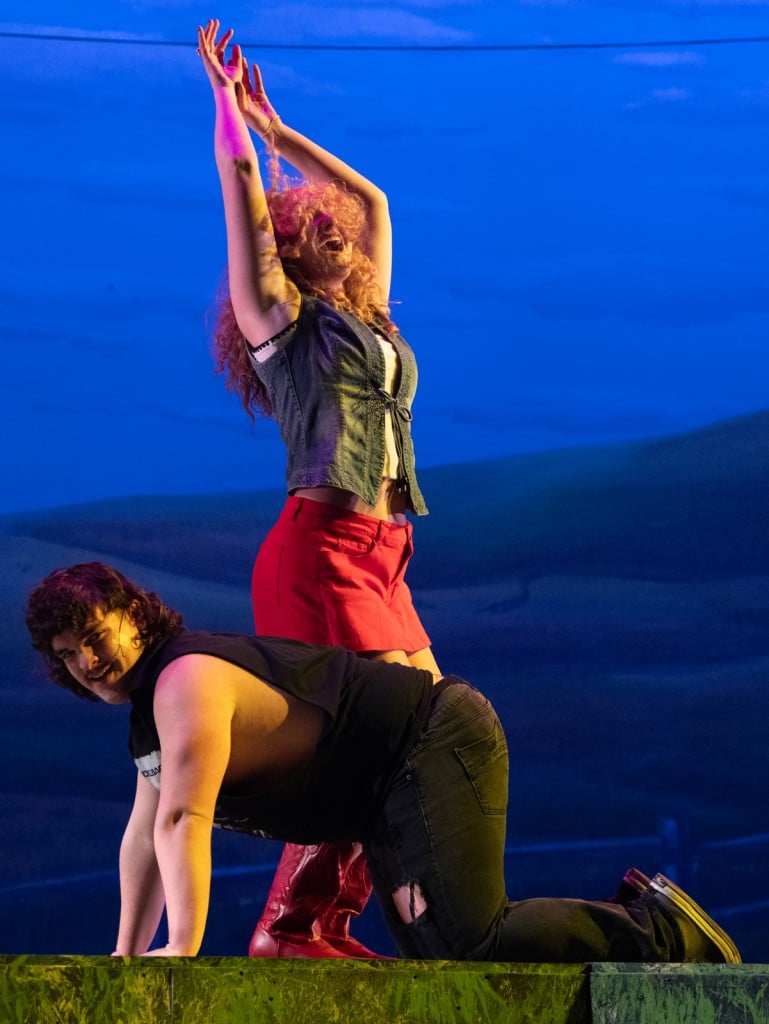
“I am deeply invested in the long-term health of the Fort Wayne Civic Theater, but also Fort Wayne theater at large,” he says. “I think that this is something that is just beginning to become a national trend. I think that showing other theaters in our area that this is actually not cost-prohibitive, and that it’s worth it, because we’re including more people. That’s really important to me.”
Cast members share this sentiment, with Rentfrow adding, “A lack of accommodations in a rehearsal/performance space is one of the most significant and all-encompassing limitations, at least from what I have seen. In reality, everyone will have a disability and need an accommodation at some point in their life. With accommodations being added to the Arts United Center, more people will be able to participate.”
Looking ahead, Drew hopes that this production will allow the theater community to expand as a positive and accessible Fort Wayne theater community, just as he knows it can be.
“My hope is that people will see this show and realize what we’re doing – that it’s a place for me. Because, if we do our jobs right as a community theater, we become not just a destination but a home for all.”
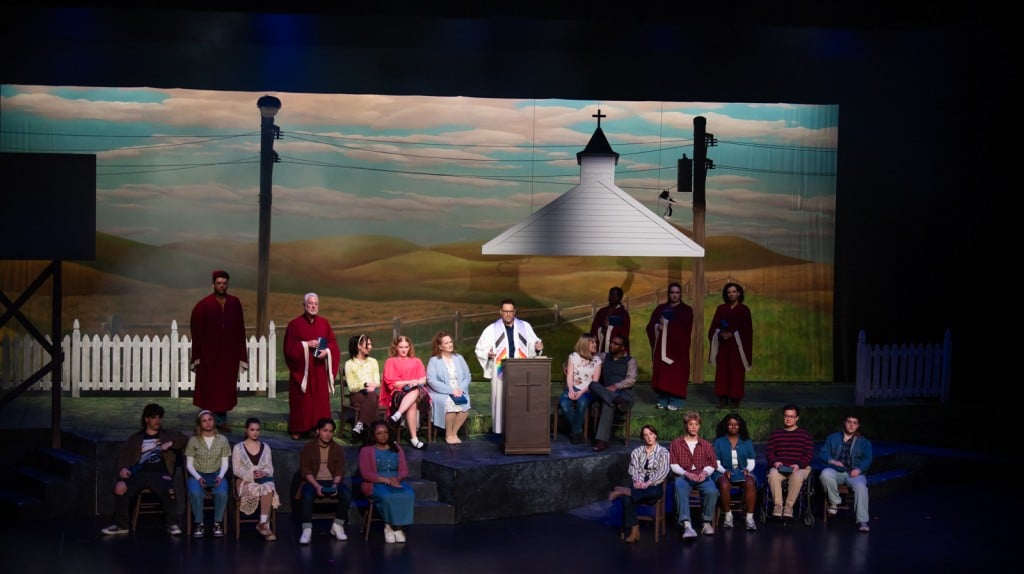
This hope is not only for this production season, but for the future.
“The decision to include this production of Footloose is important, not just for us, but for all the seasons we haven’t even imagined yet,” Drew shares. “We’re incredibly fortunate to be standing on the foundation built by strong leadership over many, many years. I’m really excited to take the next step and become a place where artistry, access, and community all come together.”
Footloose will open on March 7 and run until March 22. To learn more or purchase tickets, visit the Fort Wayne Civic Theatre website.
Author
Related Articles
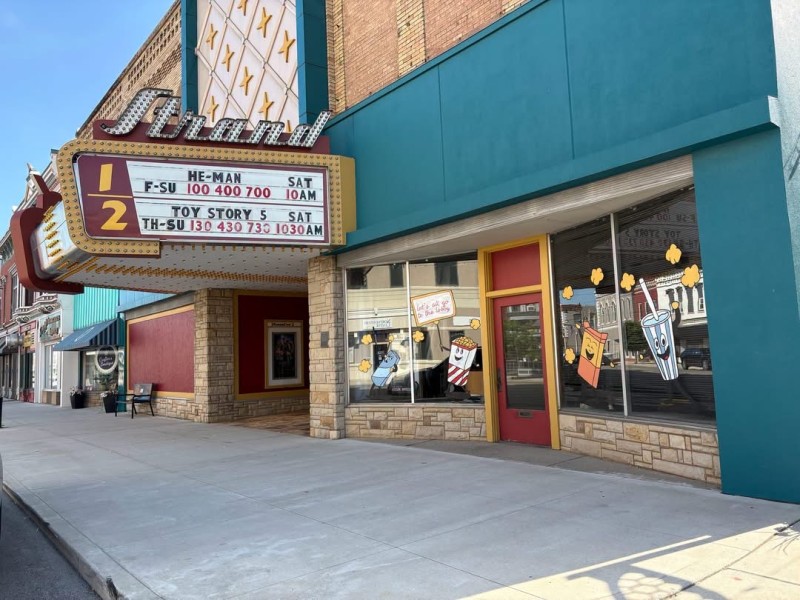
A fresh act for a historic spot: Strand Theatre finds new life and renewed community support
After years of uncertainty, Kendallville’s historic Strand Theatre is reborn.
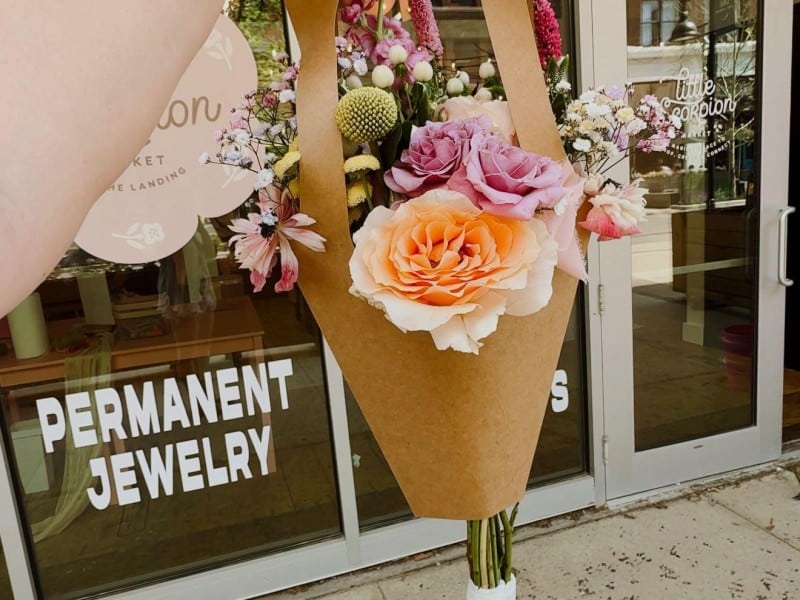
Little Scorpion Market: A creative destination at The Landing
Little Scorpion Market at The Landing is a vibrant hub for custom flower bouquets, permanent jewelry, small businesses, and more.
Fort Wayne bets big on the future of its music economy
The formation of the Fort Wayne Music Office is the culmination of research, dialogue, and practicality.