Missing the basic elements: Bunche Montessori’s push for an inclusive, age-appropriate playground
The early childhood center will break ground on a new playground that reflects the needs of students this spring.
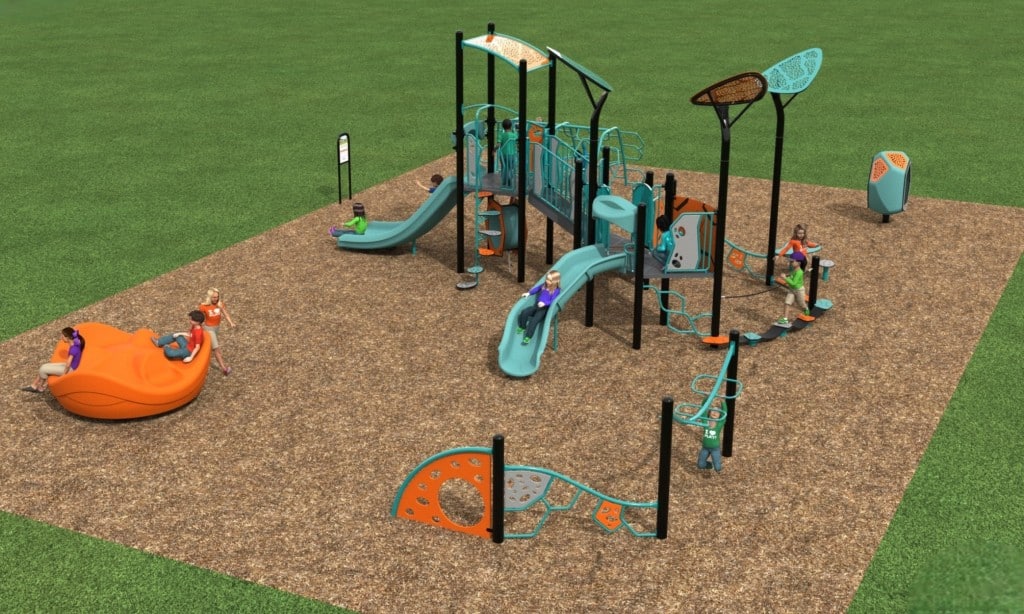
A grassroots effort led by a team of parent volunteers has transformed a simple idea into a community-driven project that will leave a lasting impact on Fort Wayne’s Southeast side. Bunche Montessori Early Childhood Center’s new inclusive playground, set to break ground this spring, reflects the values of collaboration, determination, and a shared vision for accessible play.
The journey began three years ago when Michelle Ravenscroft, a parent of three and active PTA member, was approached by the public school’s then-principal about replacing the outdated playground equipment.
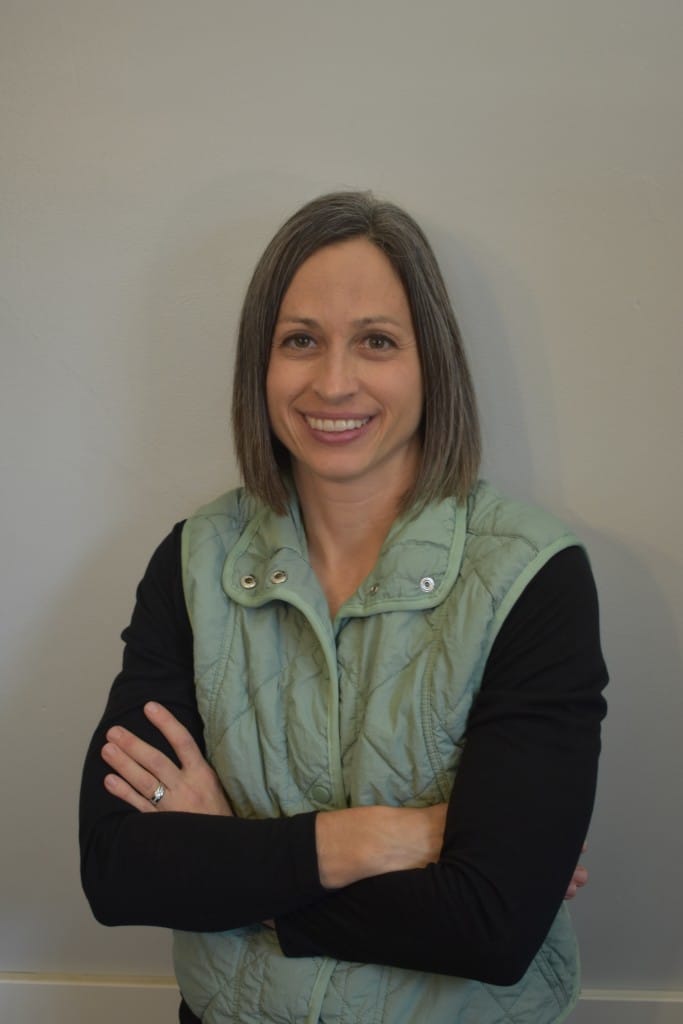
“I was a little naive,” Ravenscroft says in retrospect. “I thought, ‘Sure, sounds like a great idea!’ I had no clue the level of commitment and time it would take.”
For context, Fort Wayne Community Schools says it prioritizes “dollars to the classroom,” spending approximately 75% of its funds directly on academic instruction and curriculum. Non-instructional costs, including maintenance and facilities, are managed through separate operating and capital funds. This is the norm, as public school districts around the country tend to rely on PTA organizations, community donations, and outside grants to fund these projects, whether renovations or new construction.
Forest Park Elementary School’s Inclusive Playground project is complete and open to the public after exceeding its fundraising goal in late 2021. The project, made possible by Forest Park PTA, broke ground in April 2022. The playground is a community space with equipment accessible to children of all abilities.
In the case of Bunche, Ravenscroft learned that the decades-old equipment was designed for older children and lacked the features needed for the school’s current population of 3- to 6-year-olds. Bunche was originally built as an elementary school in 1972. In 1991, it was converted into a magnet school, offering a Montessori program for students aged three years old to fifth grade. In 2006, the school transitioned into its current model as an early childhood learning center.
Upon a closer look, she and her team discovered the importance of creating a playground that not only met the needs of younger children but also prioritized inclusivity and accessibility.
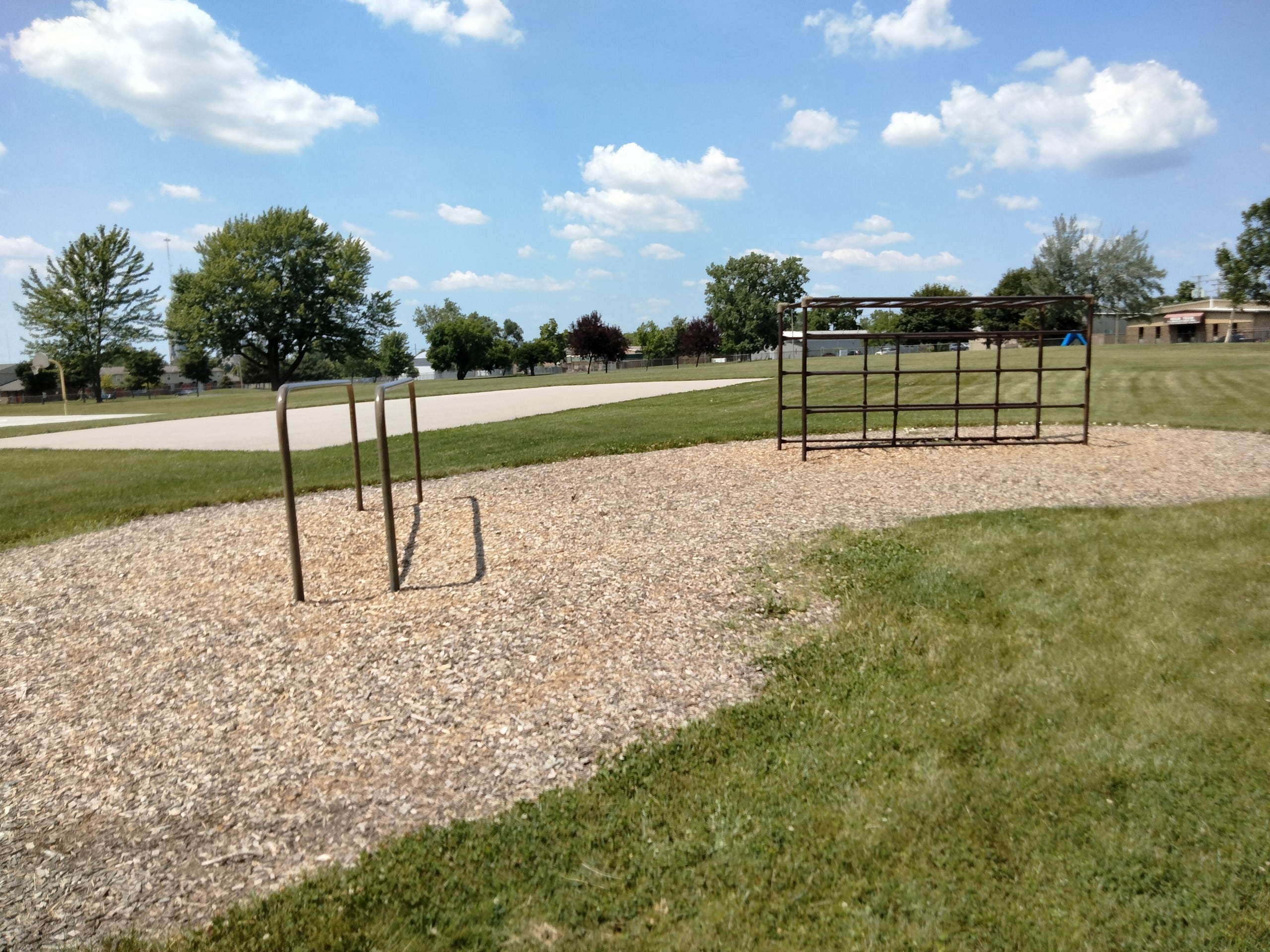
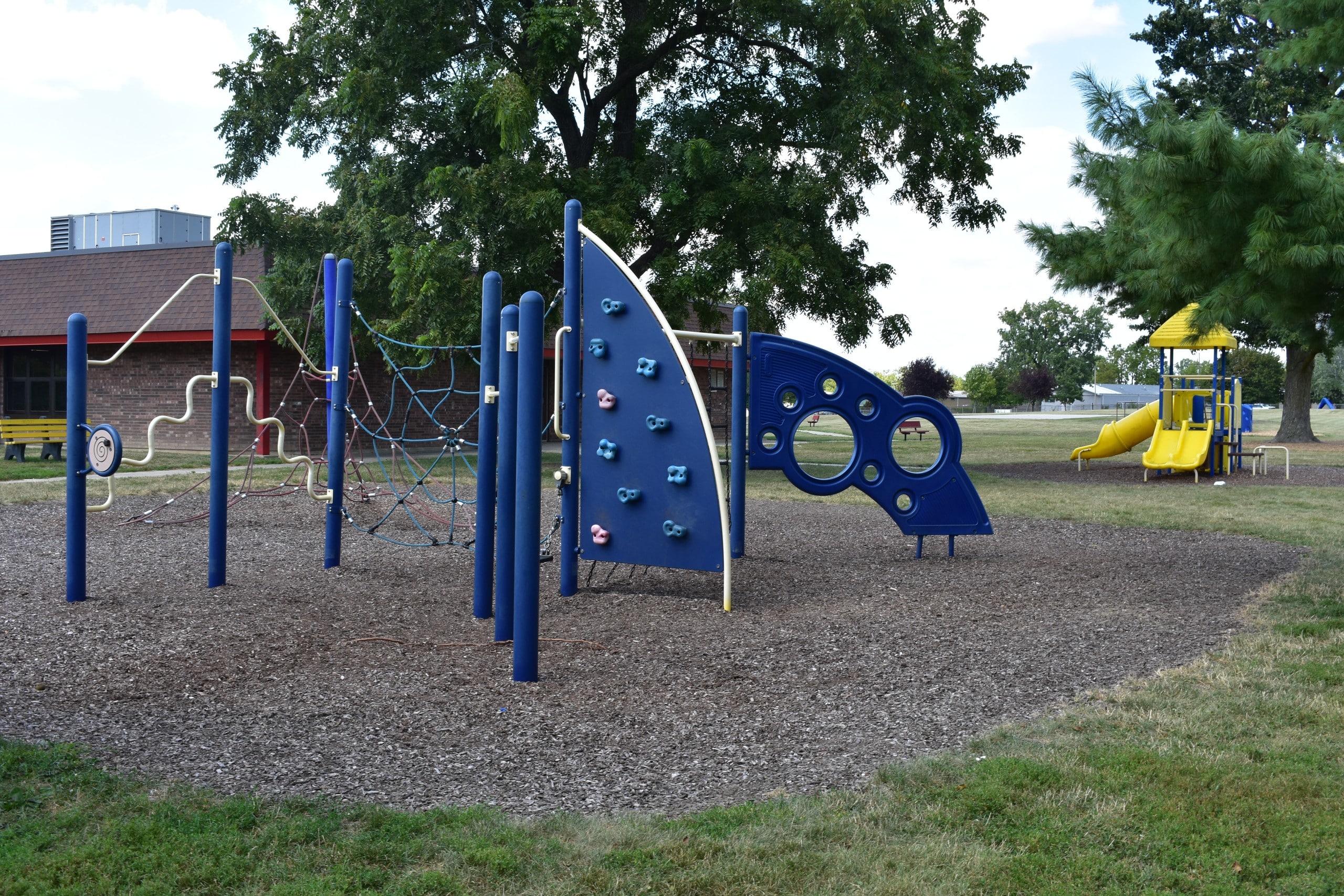
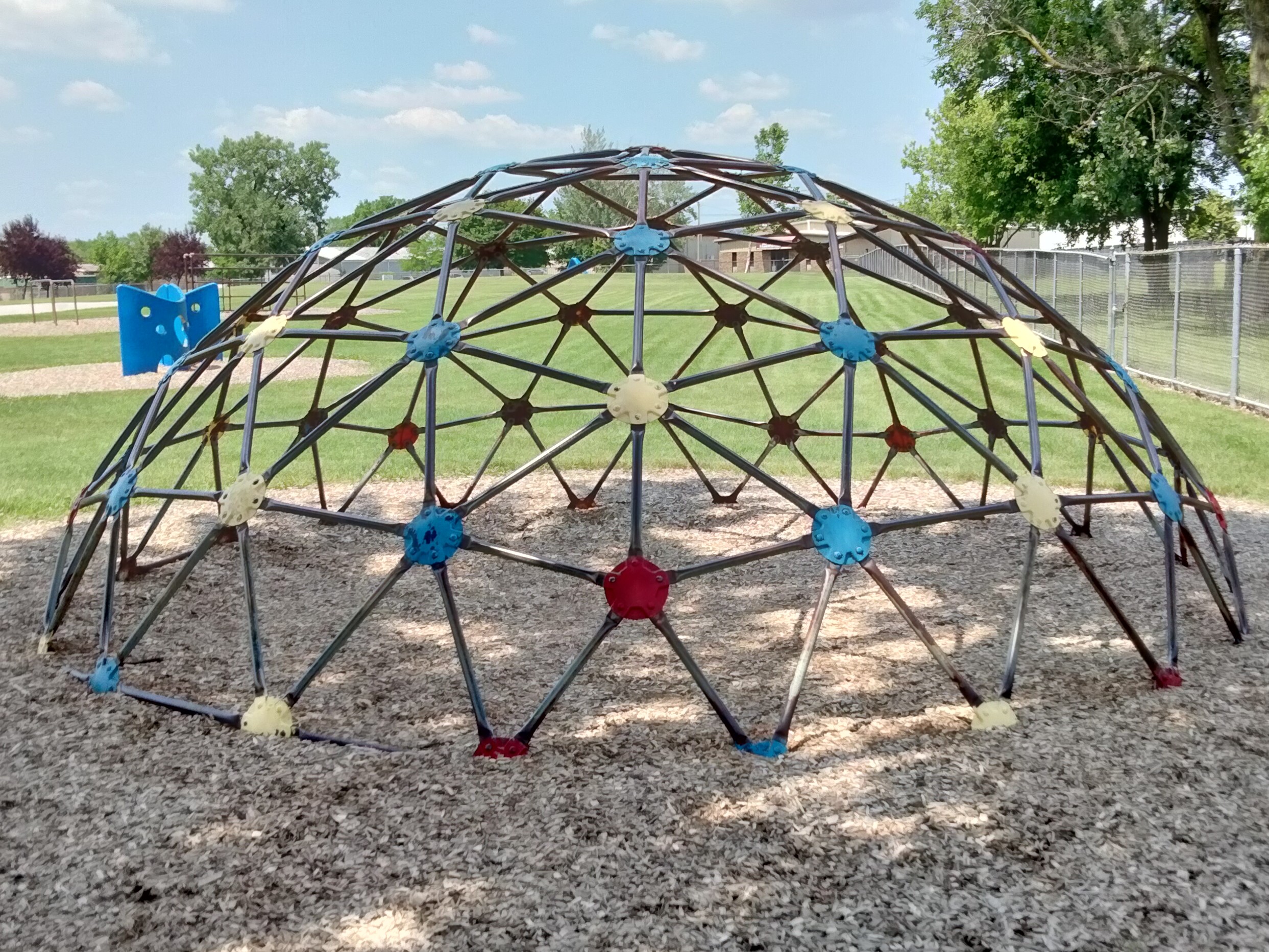
“We realized we didn’t have some of the basic elements of play,” Ravenscroft says. “Things like spinning elements, which are not only fun but also sensory-friendly and beneficial for children with disabilities. It was eye-opening for all of us to see how these features could make such a difference.”
The project gained momentum in part with the financial support of the AWS Foundation, a Fort Wayne-based organization dedicated to promoting inclusion for people with disabilities. Patti Hays, the foundation’s chief executive officer, says the project resonated with her organization’s funding priorities.
“Recess and playtime should not be a segregated experience,” she says. “Every kid in the school should be able to have fun, resolve conflicts, and learn life skills on the playground.”
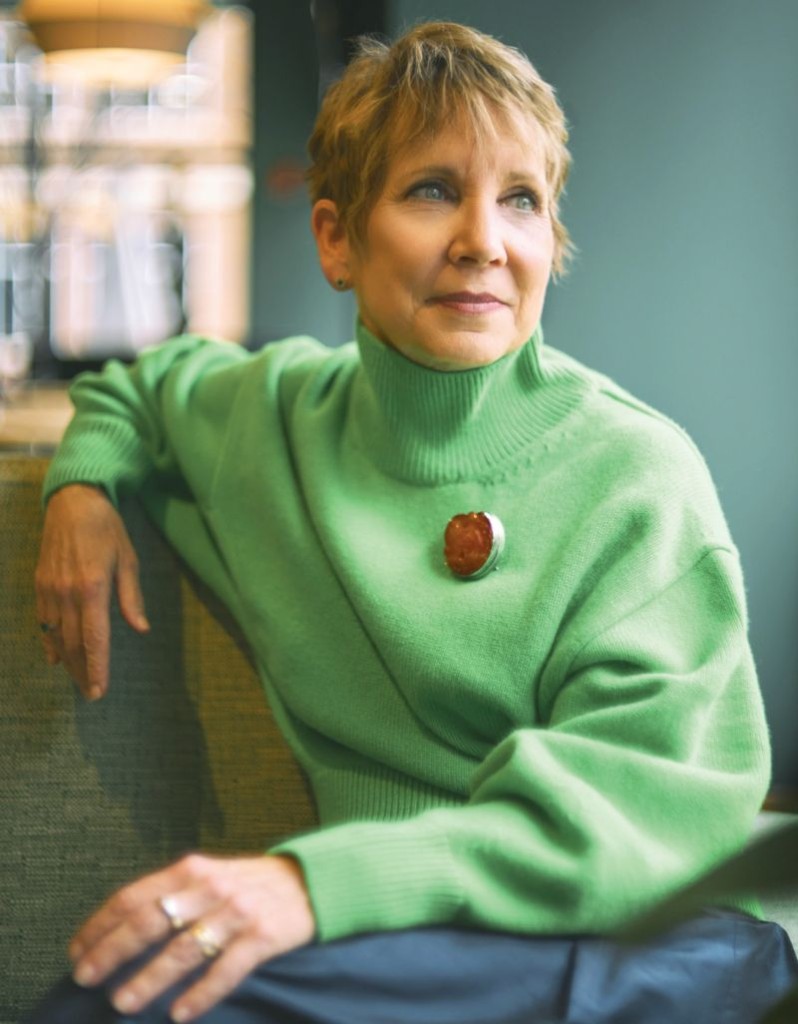
The AWS Foundation provided a $5,000 “Mighty Money” grant, which Hays describes as a quick-turnaround funding option designed to spark community contributions.
“Sometimes that’s the spark that fuels other contributions,” Hays says. “We love seeing neighborhood-centric projects like this because they’re not just for the students — they’re for the entire community.”
The project’s funding strategy was a patchwork of creativity and persistence. Ravenscroft and her team raised $101,000 through a combination of grants, local fundraising events, and a crowdfunding campaign on Patronicity. The project also received support from the Indiana Housing and Community Development Authority (IHCDA).
“I was just overwhelmed by what Fort Wayne cares about and can do,” Ravenscroft says. “The support was incredible.”
The new playground will feature equipment designed to accommodate a wide range of abilities, from spinning elements to sensory-friendly features, such as communication boards and cocoon-like spaces, for children who require a calming environment.
“It’s not just about ramps for wheelchairs,” Ravenscroft notes. “We’re addressing the needs of children with autism, sensory processing disorders, and other disabilities.”
Hays emphasizes the importance of these inclusive features, saying, “Playground time is where neurotypical and neurodiverse kids can come together with a shared experience. It’s about building inclusive communities and teaching kids how to play with each other.”
For other PTAs and community groups considering similar projects, Ravenscroft says success lies at the intersection of a few factors.
“Believe in your dream and trust that your community will step up,” she says. “Start early, do your research, and don’t be afraid to ask for help. Collaboration is key.”
As the playground takes shape, Ravenscroft reflects on the impact it will have—not just for her own children, but for generations to come. “My kids won’t benefit from it immediately, but it’s exciting to think about how this will serve the community for years to come. It’s a legacy project.”
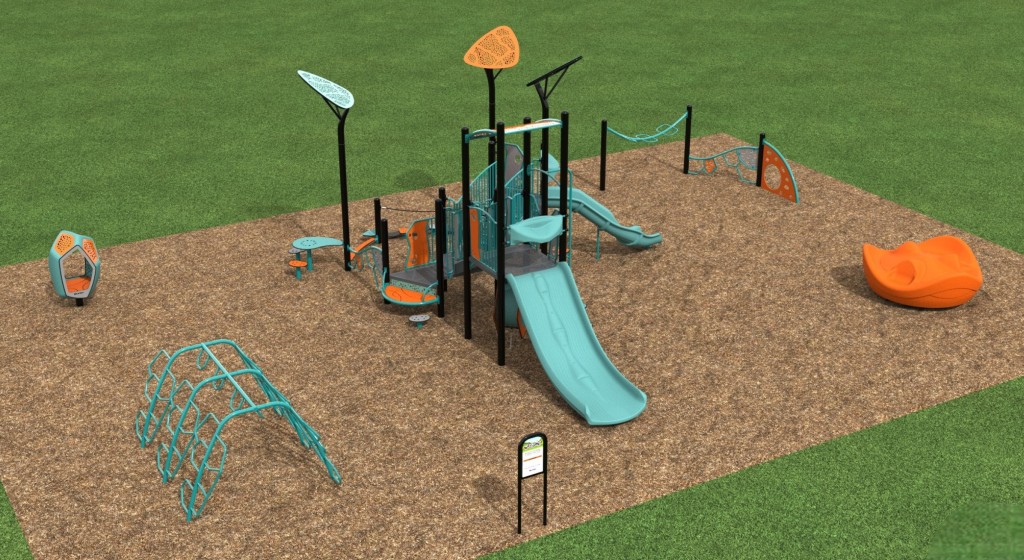
Construction is set to begin in late March or early April, to have the playground ready for use by the end of spring. Ravenscroft is already planning a grand opening celebration to mark the occasion.
“It’s been a long journey, but seeing it come to life will be worth it,” she says.
For Hays, the project is a shining example of what can be achieved when communities come together.
“This is about more than just a playground,” she says. “It’s about creating a space where every child feels included, valued, and able to play.”
Author

Related Articles
Help shape future coverage – join our upcoming listening session
Join Input Fort Wayne at Tall Rabbit for coffee, conversation, and a chance to share the issues, people, and neighborhood stories you think deserve more attention.
A community-wide initiative is underway to restore Fort Wayne’s Little Free Libraries
It’s been ten years since Little Free Libraries were built in Fort Wayne. Now one local club is reassessing their conditions and is asking for your help.
How embedded mental health professionals are helping students at FWCS
Graduate students studying counseling and social work at local universities are gaining experience and helping Fort Wayne Community Schools students via the EACH project.