So Brunch Babe: De-Influencing My Taste
In this self-titled column, Thomas Beckman — known online as @SoBrunchBabe – explores the intimacy of modern adulthood through social commentary, cultural reflection, and personal narrative.
In this self-titled column for Input Fort Wayne, Thomas Beckman — known online as @SoBrunchBabe – explores the intimacy of modern adulthood through social commentary, cultural reflection, and personal narrative. With a voice that is equal parts conversational and self-aware, he writes about the evolving identity of Fort Wayne alongside his own, examining relationships, ambition, identity, nightlife, burnout, friendship, and the performances we maintain both online and off.
Rooted in the rhythms of hospitality culture and community life, the column blends observational humor with emotional honesty, offering stories that feel less like commentary and more like the conversations that happen after brunch when everyone finally starts telling the truth.
The commentary provided in this post reflects the author’s personal perspectives and not those of Input Fort Wayne or its parent company, Issue Media Group.
Influencing used to feel like discovery. Now it feels like a very well-lit suggestion to spend your money. Buy this. Try that. Run, don’t walk.
It started innocently enough. I posted a video that unexpectedly went viral. Then came the likes, the shares, the dopamine hit of strangers validating your perspective in real time. Suddenly, I wasn’t just posting online anymore; I was a content creator. Like most, I quietly became a food reviewer.
However, it feels like eventually every influencer arrives at the same conclusion. Same cocktail pours. Same overhead table shots. Same “best in town.” Were we just slightly different takes on the same subject?
My first collaboration with a local restaurant in Fort Wayne felt exciting. The agreement was simple: post the meal, tag the business, create engagement. I remember trying to discreetly film the space without interrupting the atmosphere around me. The food came, I ate, shot, and posted.
But the video performed well, and that’s when I realized posting came with one important thing: access.
Eventually, you’re not just going out to eat anymore. You’re maintaining a presence. And somewhere in that shift, your taste quietly becomes business decisions versus authenticity.
There’s a comforting narrative I’m telling myself, highlighting local is supporting local, and to be fair, it’s true. But let’s not romanticize it too quickly. Because the moment a meal becomes content, it also becomes currency. We live in an era where “everyone is a food critic,” which is both empowering and deeply chaotic.
The quiet part out loud is: There’s a difference between having taste and having reach. All it really takes is a decent camera, add a little aesthetic intuition, and suddenly you’re not just eating, you’re influencing baby. Which sounds impressive until you ask the obvious question: Influencing what, exactly?
Because behind every opinion on where people should spend their dollar is usually a chef who has been quietly losing their mind over a dish for weeks. Testing, adjusting, sourcing, reworking. Balancing flavor profiles like it’s a personality trait.
And then the cell phone entered the group chat. A quick pan. A bite shot. A nod of approval. And all of a sudden it’s “the best in the city.”
Posted. Shared. Believed.
What actually makes someone credible in this space? Longevity? Training? Perspective? Or just followers? Has anyone checked on the opinions of food critics? The OG influencers of print media.
Exposure isn’t expertise. It’s just opinion and repetition with confidence. Now add an online appointed influencer into that equation. Is the feedback honest? It’s great when it is. However, why am I confident that we and some influencers are operating on the same pallet level?
This isn’t meant to be a takedown. It’s just a reality check of what we’re seeing online and what we could be experiencing in person needs less para-social involvement. We buy in and add to cart.
So well, in fact, that it’s started to rewire how we experience things in the first place. We don’t really “find” places anymore. We arrive pre-informed. “I saw this online, so I had to try it.” That sentence should feel more loaded than it does. Influencing is sales. You’re the buyer.
How do we de-influence our own thought processes of what to enjoy? Food is meant to be enjoyed, explored. We used to wander into restaurants and risk disappointment or stumble into something unforgettable.
Now we outsource that entire process to someone with a better camera angle. We dampen our curiosity. And in doing so, we’ve made everything a lot less personal. That’s where taste actually forms. But taste takes time. And trial. And the willingness to not immediately post about it.
Which might be the most radical thing you can do. So maybe de-influencing isn’t about rejecting the system of influencing entirely. That would be unrealistic and borderline performative. Also, not my goal. I’m just asking a quieter question: “Do I actually want this, or was I just told that I do?”
My ask of you is to try to regain your sense of curiosity. Experience restaurants authentically. Eat before the phone.
Author

Related Articles
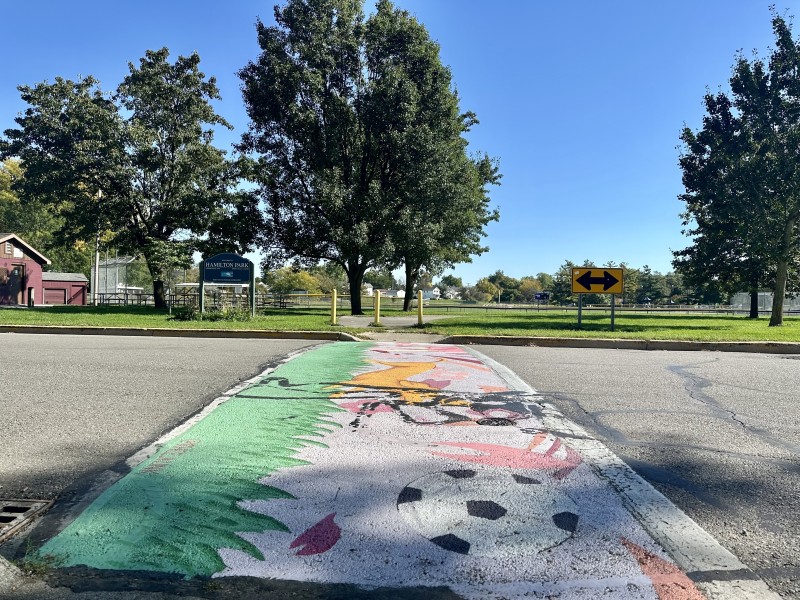
FORT-ify Accelerator strengthens community in the digital age
The FORT-ify Neighborhood Accelerator empowers local associations with connections to funding, resources, and face-to-face engagement opportunities to build stronger communities.
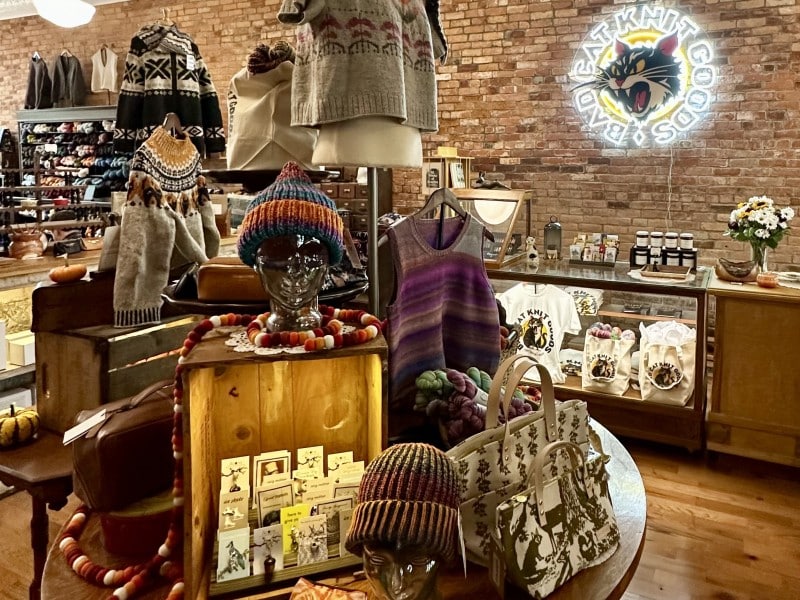
#PlacesofNEI: Bad Cat Knit Goods on Broadway
Check out Bad Cat Knit Goods, a fiber arts store, located at 1309 Broadway, Fort Wayne, Indiana 46802.
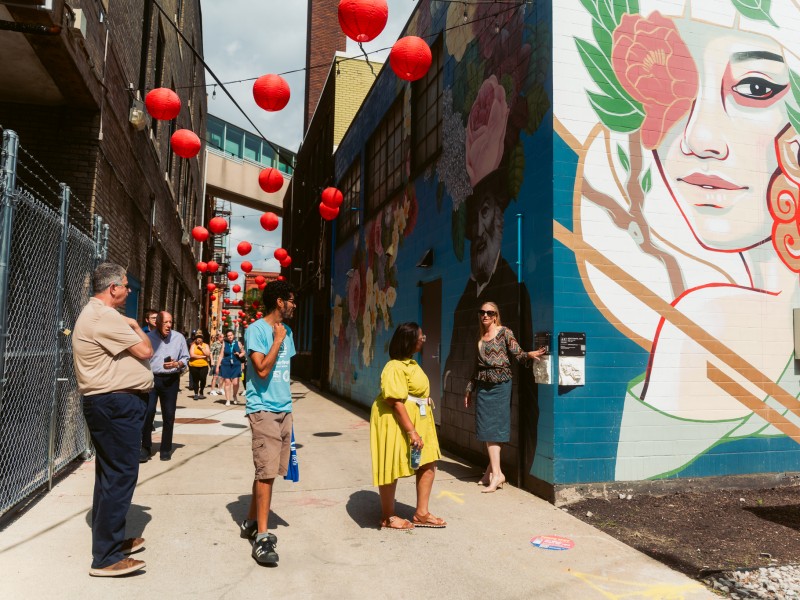
‘A big deal’: Art This Way celebrates 10 years, trades annual art crawl for a larger free festival
As Art This Way reflects on a decade of public art, the program replaces its annual art crawl with a free two-day festival and looks toward the future.