How public art is showing up in Fort Wayne’s neighborhoods
Neighborhood leaders say art installations help evoke and maintain a sense of place, identity, and pride.
On a two-block stretch of Fort Wayne’s Central Drive, tucked along the edges of the Renaissance Pointe and Pontiac Place neighborhoods, a concrete wall serves as a blank canvas of sorts for artists of all ages and from all walks of life.
Some days it holds bonsai trees. Other days, lotus flowers sprout from the Earth into space. A kid from down the block might swing by after school and add a few strokes. A traveler passing through Fort Wayne for job training might find it on Google Maps and stop to leave a mark before moving on.
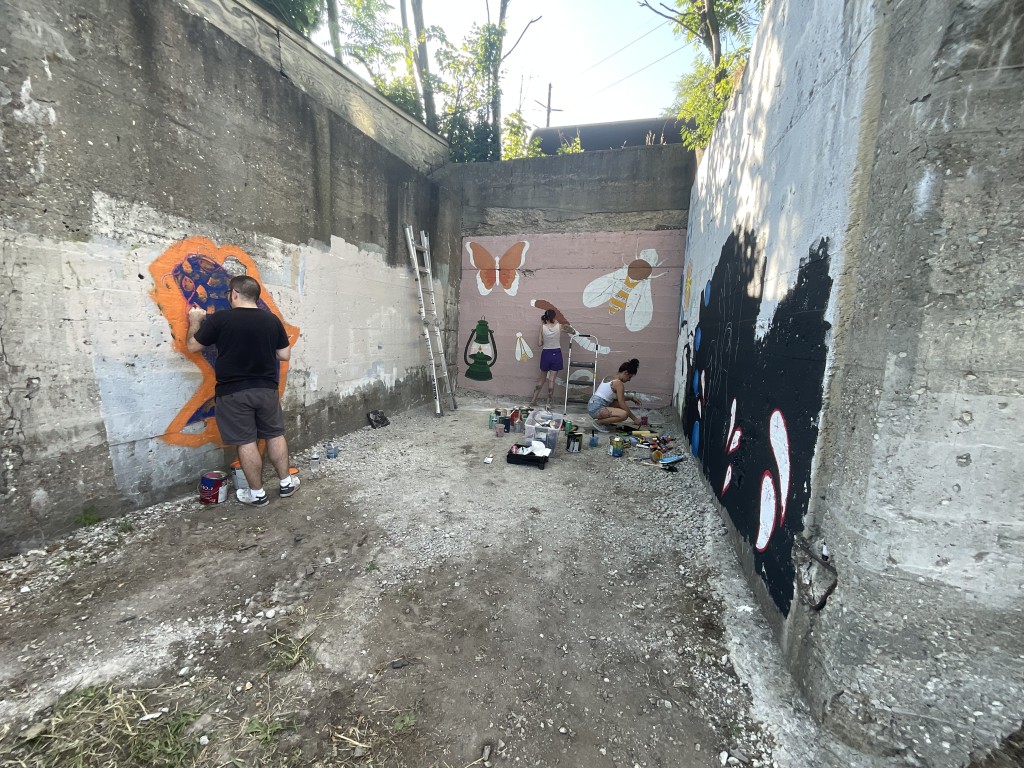
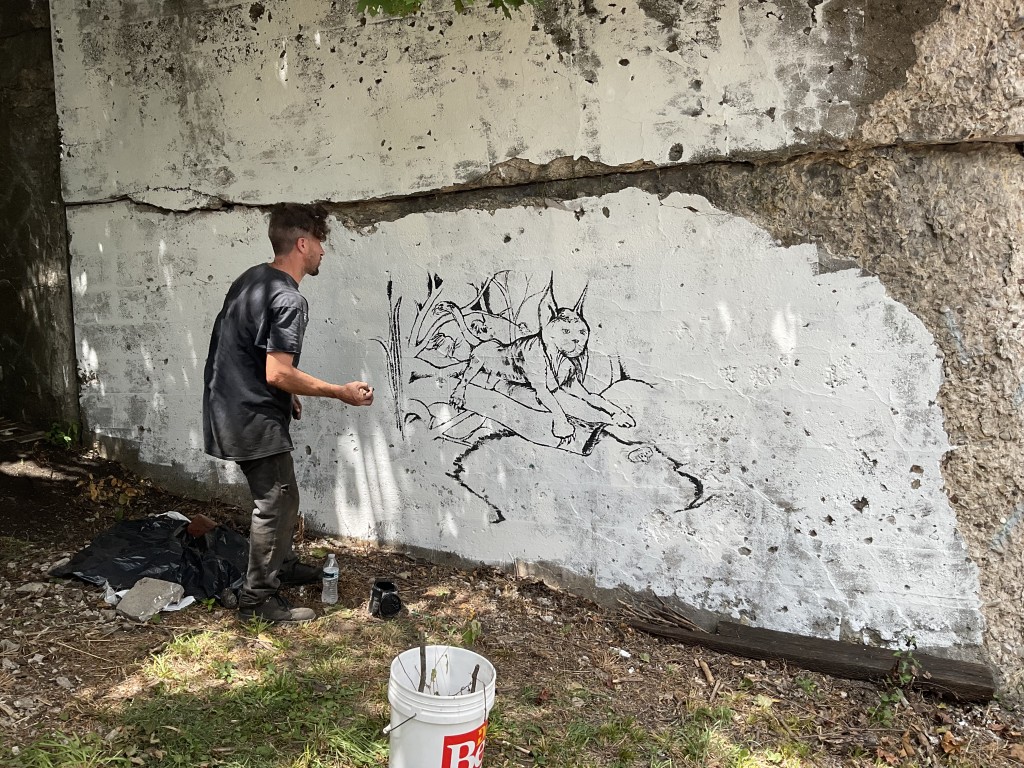
That wall, and others like it across the city, tells a larger story. Across Fort Wayne, neighbors are finding themselves reflected in the art on and around their streets.
For Francisco “Paco” Reyes, the organizer behind the Open Walls project, the whole idea started with a single wall and a singular problem to solve.
“Once we started painting there, I was contacted by a friend who said, ‘Hey, there’s this wall over by Poplar Villages Gardens, and they’re wondering if you guys are interested in using that because kids kept doing graffiti on it,'” he says. “So I was like, ‘Hey, that’ll work.’ It’s like a good graffiti deterrent while it also helps keep art in the neighborhood.”
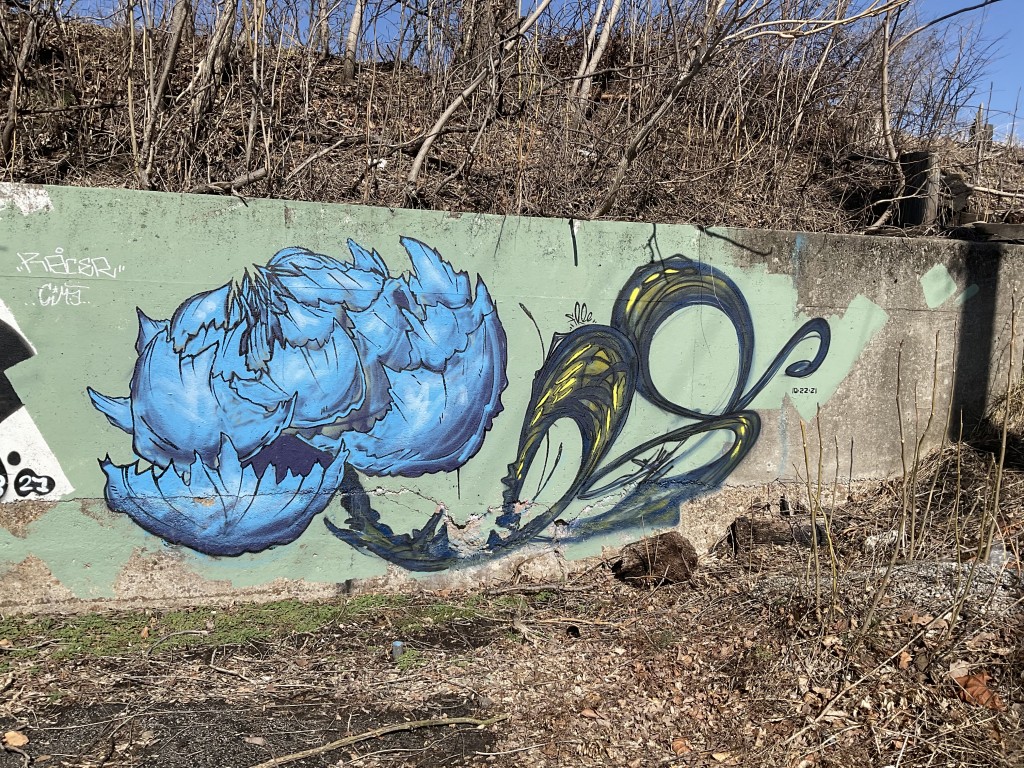
The effort grew out of Fort Wayne’s public art master plan, where Reyes pushed for open wall space and clear ground rules to keep the art welcome in residential areas.
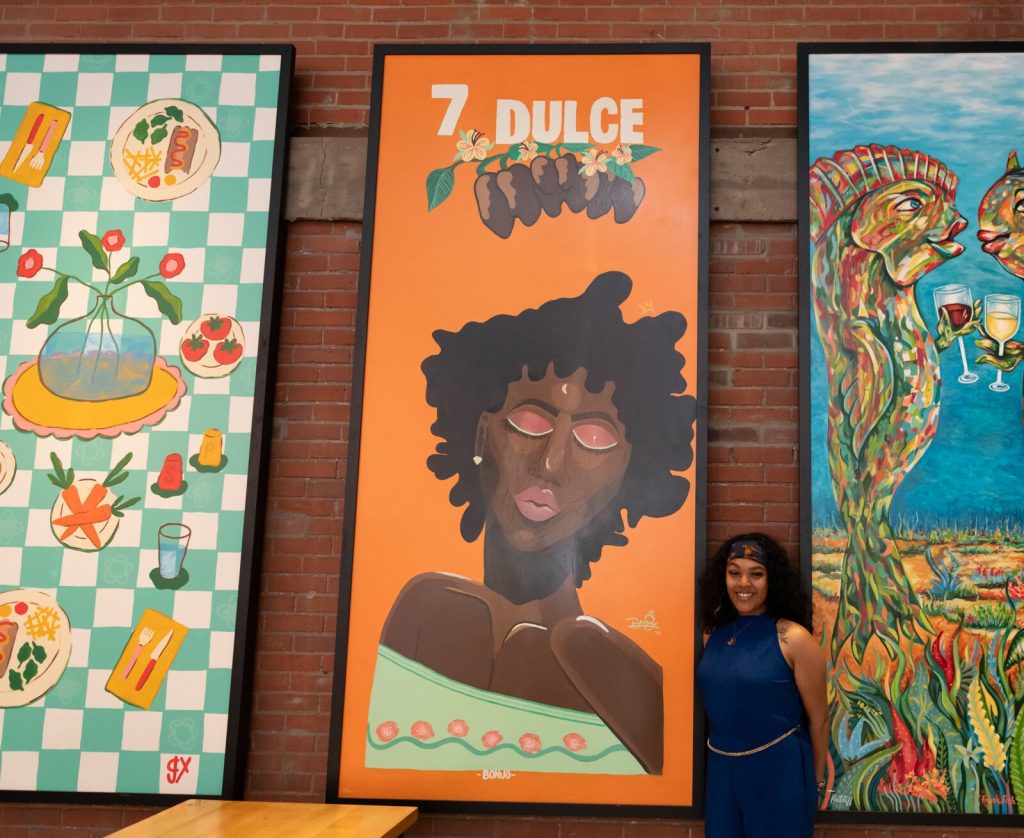
The walls officially rolled out in 2020, followed by annual painting events every year through 2024. For him, the appeal runs deeper than fresh paint. The walls give emerging artists a way to prove they can work at scale and build a portfolio that opens doors. For example, he notes that local artists like BonJo have gone on to land more work locally after painting at his events.
He’s careful, too, about how diversity happens. The first year, he recalls, he had seven women artists at a single event.
“If you make it accessible, the diversity just fills itself,” he says. “To me, the margins [are] always where the good stuff is. Quite often, the marginalized people are the ones that are hungry for those opportunities, and they will take that opportunity when they get it.”
He also draws a firm line between the culture he came from and the vandalism many people picture. In his words, “graffiti art is one of the best art forms because it’s public. You don’t watch masters become masters in their studio. You watch masters become masters on the street. It’s the only art that you get to develop and improve and fail publicly.”
The payoff, he says, shows up when people see themselves in the work.
“If you live two blocks from the wall and you have to go past it every day, and every time you drive by you see something that you created there, you feel like you’re more invested in your neighborhood,” he says. “People want to see their voice in the public art in their city.”
His next event runs September 26-27, with artists flying in from as far as Des Moines and Chicago to paint on Central Drive and at the Poplar Village Gardens wall.
A few miles away in East Central, public art carries a different kind of weight. There, a crumbling set of walls became the canvas for a neighborhood history mural by local artist Julie Wall, funded through the city’s Shout-Out: Fort Wayne program.
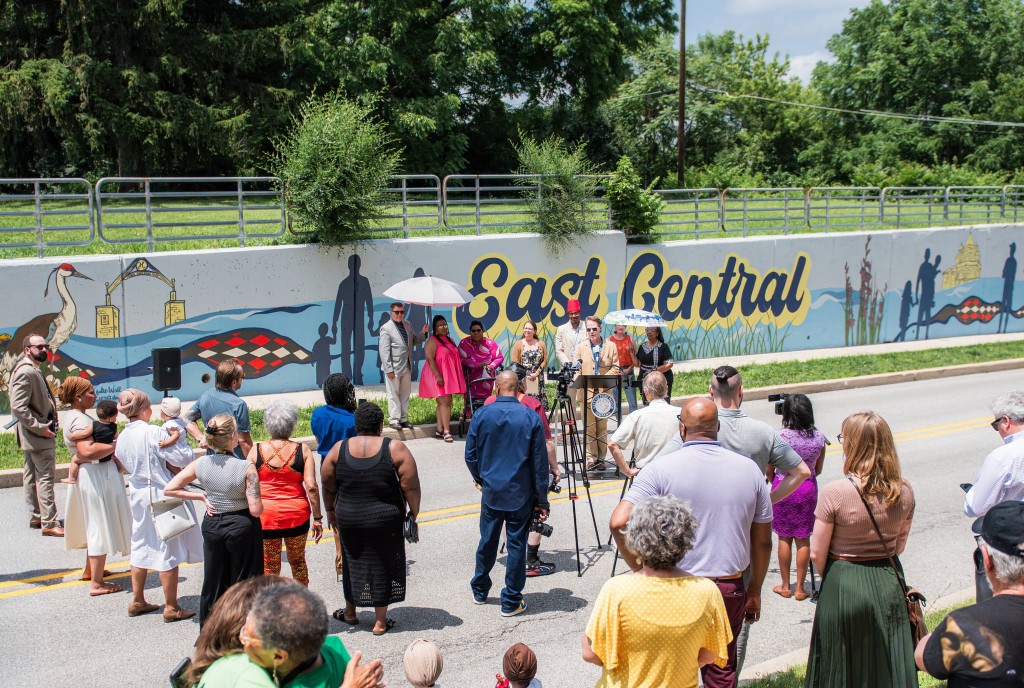
For Elecia Peggins, president of the East Central neighborhood association, the project did double duty. It repaired walls that needed serious work while telling the story of the people who live around them.
“Our motto is over there: Rich history, bright future, where we honor those that have paved the way for us. But also we look for the future,” she says.
The mural weaves in Native American symbolism through flowers and birds, alongside buildings of local significance.
The neighborhood has deep roots. Its oldest resident is nearing 100 and has lived on the same block for more than 60 years. Others left for the military, college, or careers, then found their way home.
The response, Peggins says, has been overwhelmingly warm.
“People that live in the neighborhood that drive by love it,” she says. “People that don’t live in the neighborhood have gone to that area as a result of seeing the mural. It has been nothing but wonderful feedback.”
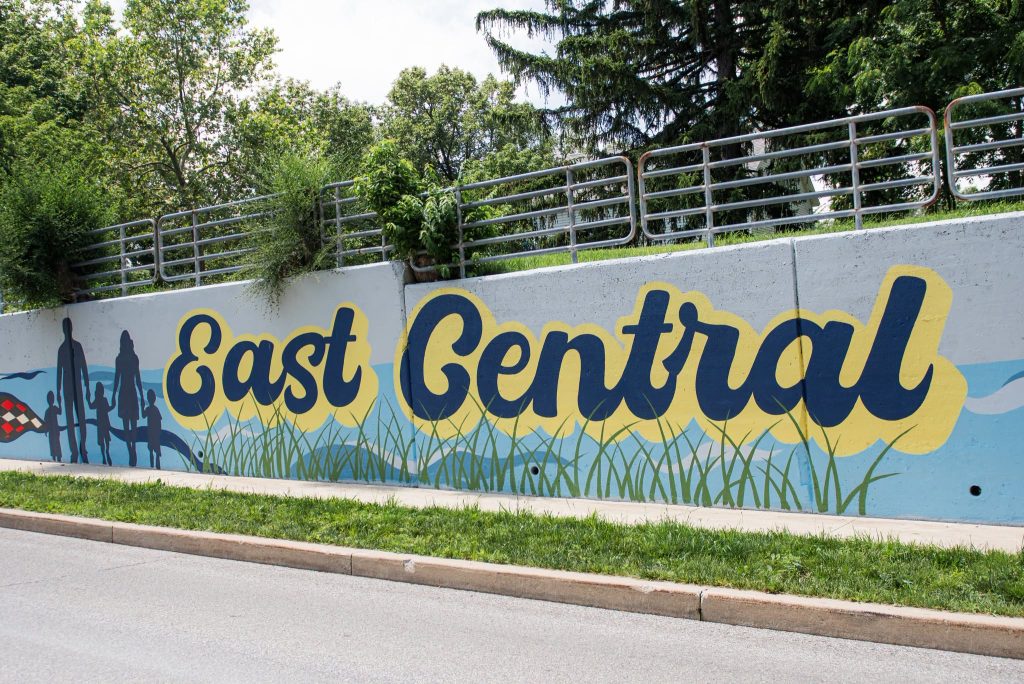
Peggins sees public art as both storytelling and invitation.
“I think public art is a sense of expression, and it also tells stories for our neighborhood,” she says. “It visually attracts people to an area, and when it attracts them, they look at it and view it, and they’re able to see your history and your story.”
The mural has even shifted how longtime neighbors think about public art and their neighborhood. Data supports this shift in perception. Research examining public art in Cincinnati found that “blocks featuring murals experience significant increases in pedestrian activity, household income, rents, and housing values.” Additional research on the effects of public art in Philadelphia suggests that it can be a force for good, shifting dynamics around access, justice, and equity.
“Some people look at it more like graffiti, just painting on the side of a building,” Peggins says. “But being able to have a piece like this, where they saw how wonderful it is, it’s changed their perception. This piece actually symbolizes us. We have the input in it.”
That momentum is carrying forward. The neighborhood is now working with Indiana Tech on three bus shelters, and Peggins hopes to honor local figures through future pieces.
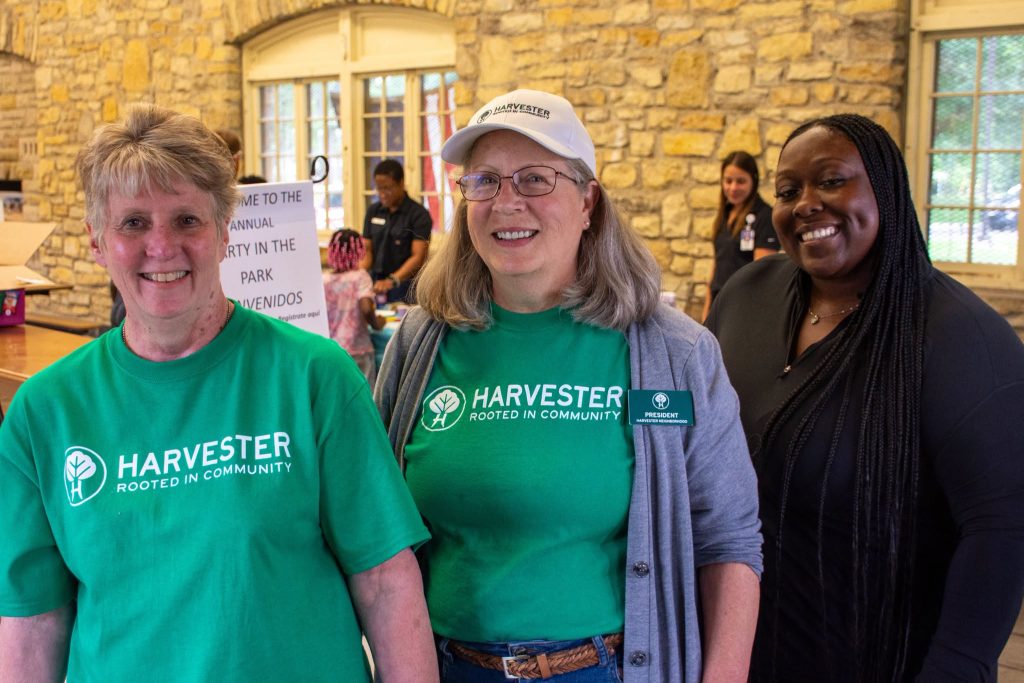
In the Harvester neighborhood, public art took a bolder, more abstract turn. In June, residents gathered at McCormick Park to dedicate a sculpture titled “The Garner,” created by Argentine artist Sasha Primo. The project, like the East Central mural, was funded through Shout-Out: Fort Wayne following the neighborhood’s participation in the Fort-ify program.
Choosing an outside artist was a deliberate call, says Harvester Neighborhood President Margaret Machlan. The same could be said for the medium.
“We didn’t have too many vertical surfaces that could be utilized, so we were thinking sculpture was more appropriate,” she says.
Primo, chosen from around 15 applicants, brought a strong portfolio and a habit of listening closely to the communities in which he works.
“His investment is to get community input so that he can reflect what the reality is around the neighborhood,” she says.
The artist held interviews and video calls, then came to Fort Wayne in October for a workshop at McCormick Park. Roughly a dozen people showed up, ranging in age from five to people in their eighties. Some had grown up in the neighborhood and moved away, and a few curious neighbors wandered over from across the street.
Year of the Neighborhood Reader Survey
Hey! We could really use your help making sure we can continue producing journalism that informs and inspires. Taking a few seconds to answer these questions will ensure we’re on the right track and that our funders understand our impact.
He photographed their hands. Those images became the panels at the base of the sculpture.
“The woman who just happened to come over didn’t know what we were doing and checked us out at the workshop,” she says. “Her hands being part of the final product, she was very proud about that.”
The piece is layered with meaning. Its vertical element represents the trunk of a tree, honoring the neighborhood’s tree canopy and echoing its motto, “rooted in community.” On top sits a component of thick, durable glass, donated by O’Neil’s Glass, a longtime Fort Wayne institution in the neighborhood.
“It reflects those who look into it, somewhat like a mirror,” she says, adding that it also nods to an underground creek that once ran through the park.
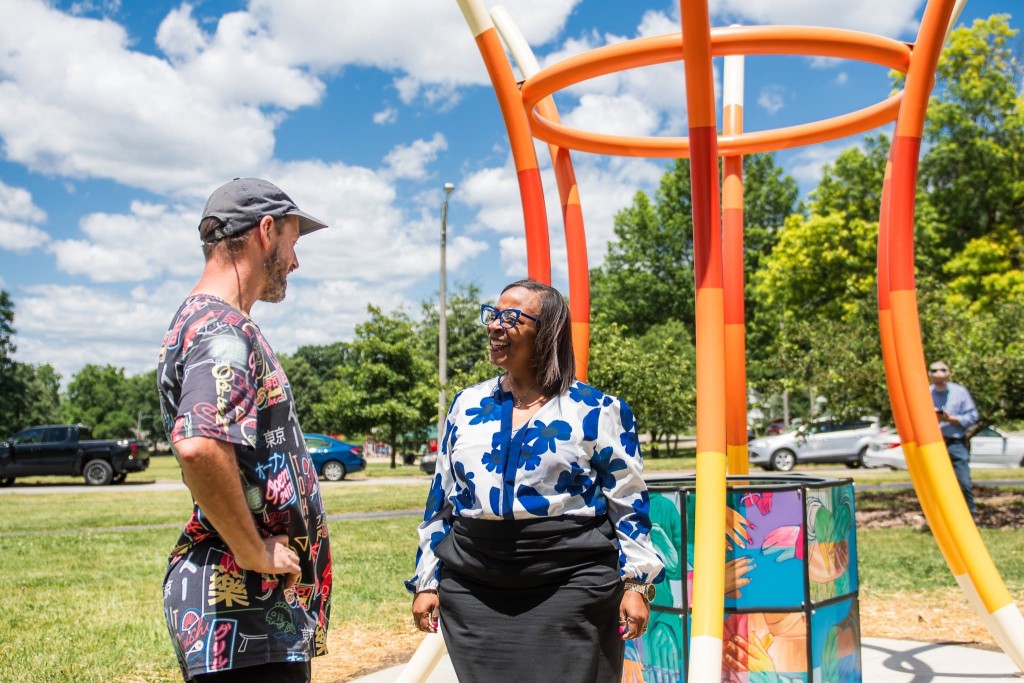
The name itself points back to the neighborhood’s identity.
“The Garner reflects the Harvester neighborhood,” says Machlan. “It reflects gathering together of things that matter to you — the individuality of people working together as a community and pulling things together that are of value.”
The location, set against the backdrop of the International Harvester Tower, was chosen for reflection.
“He wanted it to be a place where people could reflect in a quieter space,” Machlan says.
Support for Input Fort Wayne’s Neighborhoods series is provided by the City of Fort Wayne Department of Neighborhoods through an in-kind sponsorship supporting the 2026 Inspire Neighborhoods Conference.
Author

Related Articles
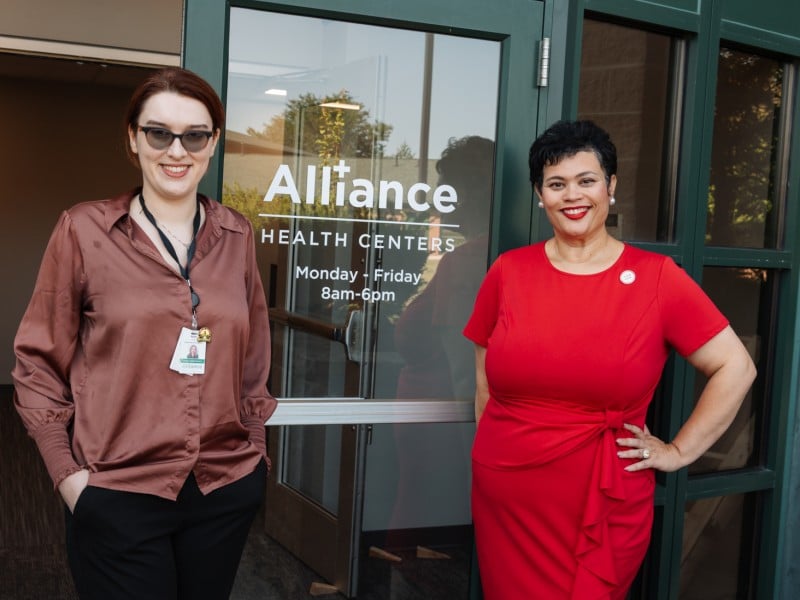
Partner Partner Content How the Fort Wayne Urban League and Alliance Health Centers are closing gaps in access to healthcare
The new clinic offers prenatal and postnatal care, behavioral health services, developmental support, and pediatric therapies in one accessible location at the Fort Wayne Urban League.
FORT-ify Accelerator strengthens community in the digital age
The FORT-ify Neighborhood Accelerator empowers local associations with connections to funding, resources, and face-to-face engagement opportunities to build stronger communities.
#PlacesofNEI: Bad Cat Knit Goods on Broadway
Check out Bad Cat Knit Goods, a fiber arts store, located at 1309 Broadway, Fort Wayne, Indiana 46802.