Partner Partner Content How Parkview is building brighter futures at the Better Future Clinic
The Better Future Clinic provides follow-up medical care for children who may have been abused or neglected. The goal is to provide timely and ongoing care, foster connections to vital resources, and build brighter futures for children, parents, and the community.
This article was made in partnership with Parkview Health.
Statistics from Parkview Health show that around 40% of kids seen in the emergency room for concerns of abuse or neglect were seen again in the ER days or years later. It’s a statistic that Dr. Tony GiaQuinta, physician leader for Parkview’s Children’s service line, would like to change for the better.
“What we were seeing was this repetitive cycle of child abuse and neglect that was not being corrected the first time,” GiaQuinta says.
According to the World Health Organization (WHO), six in 10 children under the age of five regularly suffer physical punishment and/or psychological violence at the hands of parents and caregivers. To better serve these vulnerable children and their families, Parkview created the Better Future Clinic.
The Better Future Clinic was established to support children through comprehensive medical follow-up, ensuring ongoing care for those experiencing adverse circumstances. Clinic providers take their time and are able to conduct a full physical and developmental evaluation, while also sharing vital community resources. Studies show this kind of timely comprehensive care, as well as ongoing medical care, can reduce the risk of maltreatment recurring.
To help address this, the Parkview emergency department approached GiaQuinta to see if he would consider seeing the patients as a physician in the clinic they were developing. The Parkview Better Future Clinic was piloted in 2022 in GiaQuinta’s pediatric office, followed by the grand opening at their current location (2456 Lake Ave.) in October 2024.
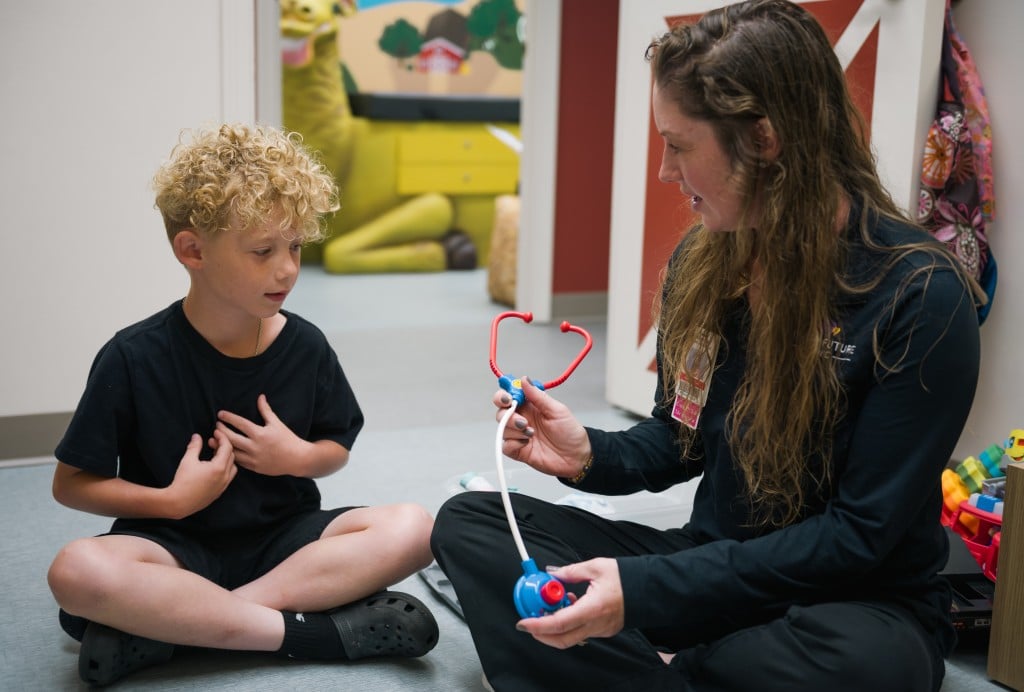
GiaQuinta, who also serves as medical director of the Better Future Clinic, has been with Parkview for nine years and sees firsthand the cycle of abuse.
“We were tracking data and found that about 40% of kids who were seen in the emergency room for concerns of abuse or neglect were then seen again days or years later down the road,” GiaQuinta says. “What we were seeing was this repetitive cycle of child abuse and neglect that was not being corrected the first time.”
“Child abuse is awful enough once, but knowing that a child is repeatedly injured when we see the pattern, but weren’t able to prevent it — that is what hurts the most,” he says. “That’s really what spurred this mission to have a clinic that would be the safety net for these children. The goal was to identify risk factors for child abuse and neglect, provide social and parenting resources to help families understand those risk factors, and prevent future cases from occurring.”
Children are seen by emergency room care teams for concerns of abuse or neglect and receive a pager number they can contact, if needed. Day or night, 24/7 for 365 days of the year, they can reach out for support. Emily Park was brought on as trauma services coordinator, fielding these notifications and providing referrals to a next-week appointment at the Better Future Clinic.
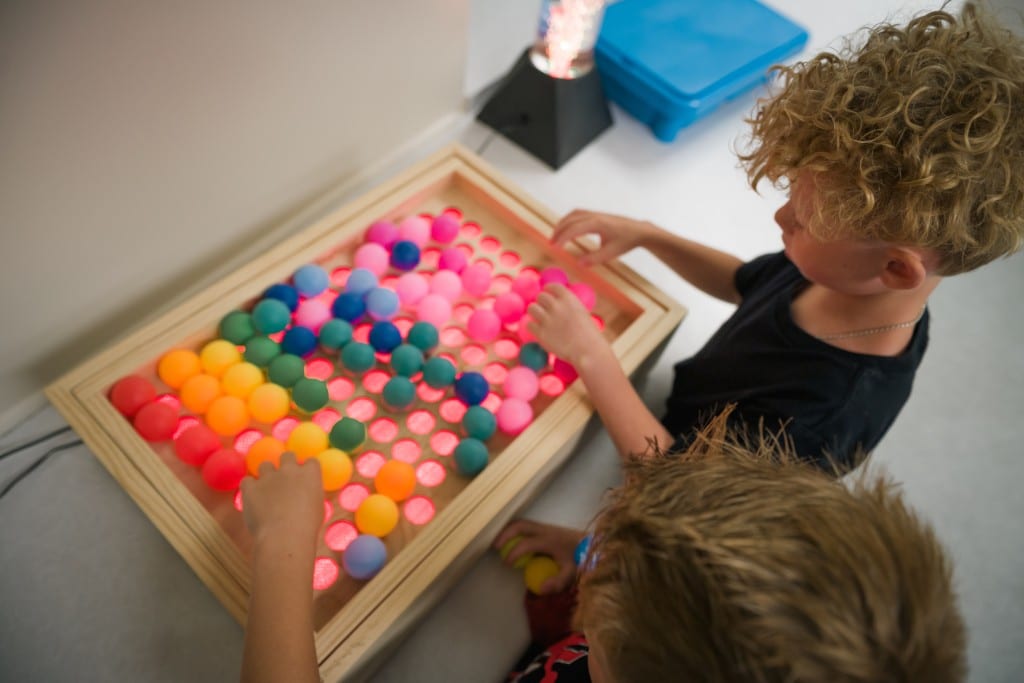
“In our clinic, we can take more time to spend with those families and kids and understand the determinants for child abuse and risk factors. Then we can give the families and children the services they need to be their best selves,” GiaQuinta says. “Maybe that’s the best parent they can be, maybe it’s a child who has less stress-induced responses, or maybe a family that has the resources they need so they aren’t in a state of stress or reactivity, being able to parent calmly and to the best of their abilities.”
Since the child abuse and neglect portion of the clinic has been well-received, the clinic has expanded to be a bridge for foster care, too.
Each child placed in foster care can be seen at the Better Future Clinic to help understand their medical, social, emotional, and behavioral needs from medical providers, social workers, and child life specialists. The clinic links patients with pediatricians, dentists, therapists, and even coordinates with the school to make sure all needs are met.
“Instead of having kids fall through the cracks, children can now feel confident that they have what they need to be successful,” GiaQuinta says.
While parents typically come to the clinic feeling guarded, the staff is there to support them, not shame.
“Our goal is to be the ‘glue’ that holds families together, while ensuring every child feels seen and empowered within a safe, nurturing space,” says GiaQuinta.
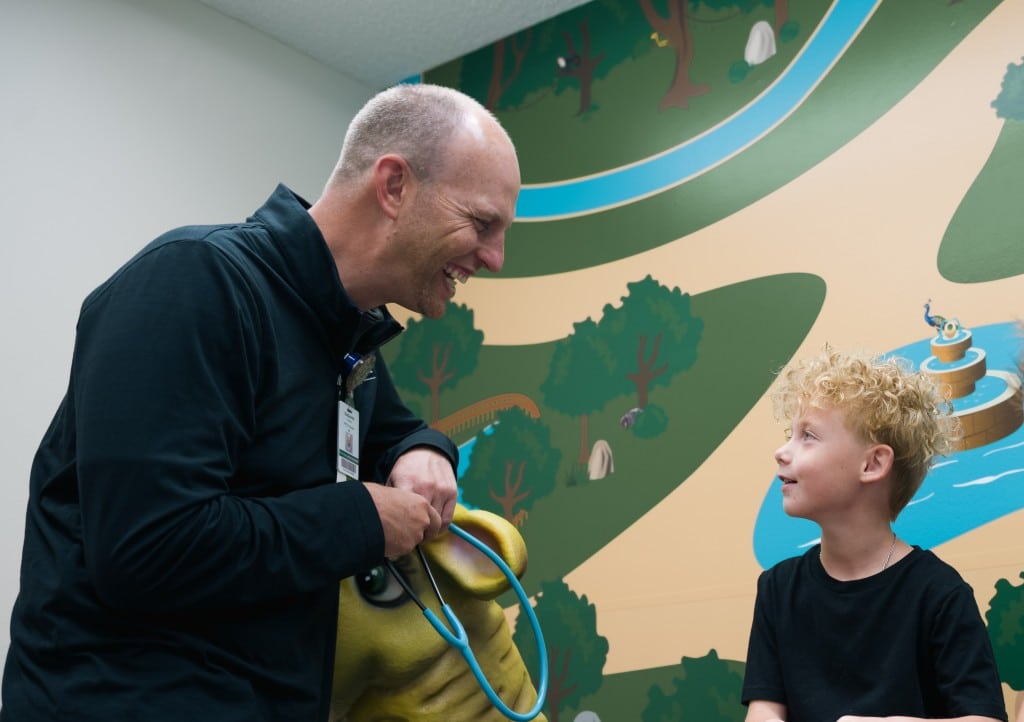
The space itself was designed to be a calm, warm, inviting atmosphere — essential for treating and healing those who have gone through traumatic events. Rather than an overstimulating setting with unfamiliar sounds, the clinic has fun, familiar nods to the Fort Wayne Zoo and other local community landmarks.
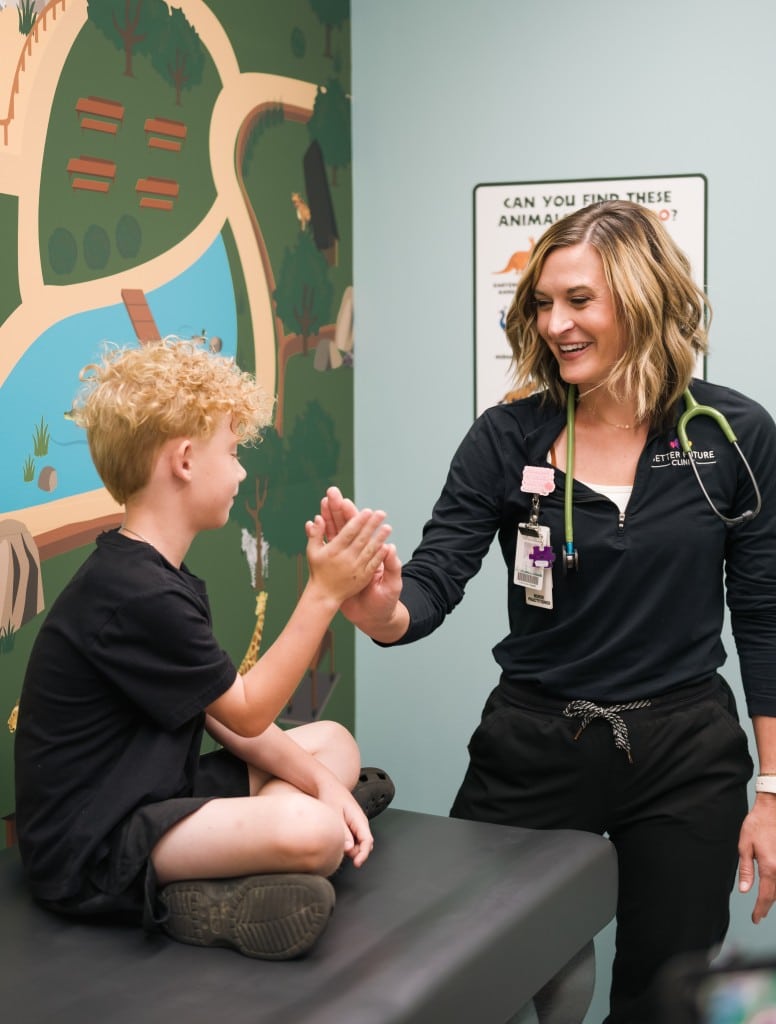
“When they come to the clinic, we see the children and the parents soften,” GiaQuinta says. “They understand this isn’t just a place for a medical evaluation; this is a place where families can heal.”
However, along that journey of healing, barriers often exist. One of them is transportation, but the Better Future Clinic works to address that.
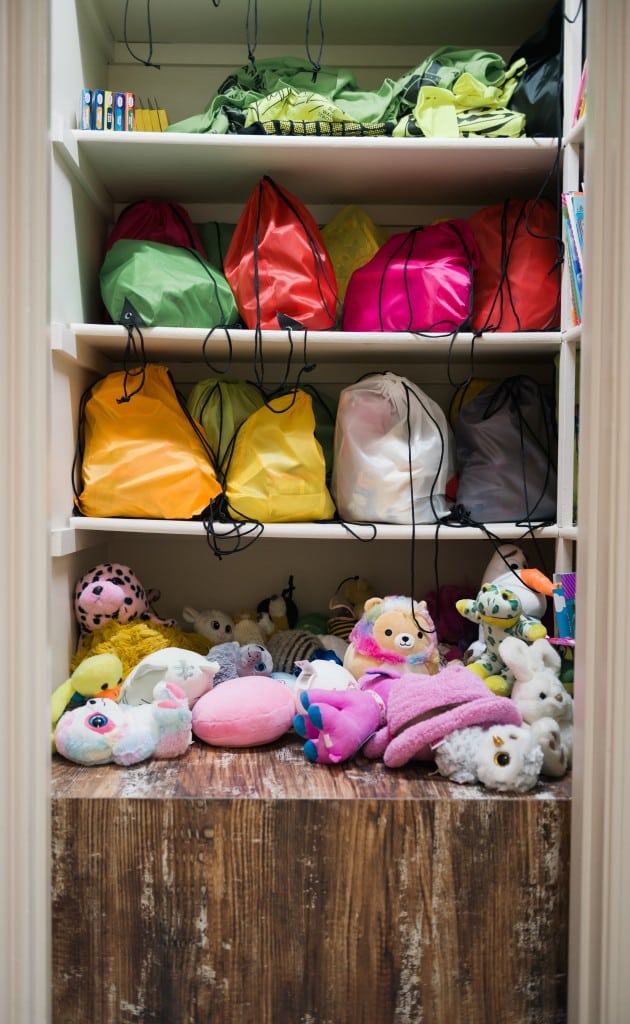
“We don’t just serve Allen County; we also serve areas a little further away, so the travel costs and lack of transportation can be barriers,” says Emily Park, pediatric trauma coordinator. “We coordinate with the Department of Child Services (DCS), but we also offer gas cards or taxi vouchers to ease that burden as well.”
Linking up families with those social supports and care coordination is a foundational pillar of Better Future Clinic. Iris Family Support Center (formerly Stop Child Abuse & Neglect) provides a social worker who meets with families in the clinic. It’s also part of their larger mission to guide parents and educate communities to build better futures together.
“At the Better Future Clinic, we’re truly planting seeds — knowing that the return of that seed, the shade that tree will provide — will ultimately benefit the entire community,” GiaQuinta says.
“When kids feel safer and more secure, they can then be more attentive at school and have more confidence,” he adds. “Kids who experience trauma sometimes get misdiagnosed as having ADHD or personality disorders, but if we can treat those traumas and help families understand them, they’ll have higher graduation rates and lower risk of physiological maladaptation like high blood pressure and coronary artery disease. Not only do these things contribute to a healthier child, but a more productive commonwealth—and we’re really proud to be a part of that equation.”
“The clinic reduces future adverse events,” Park says, reducing generational trauma and cycles of repetitive child abuse and neglect for generations to come. “Prior to the clinic, the medical community wasn’t as involved in child abuse. It’s primarily been solved through the social justice system. We wanted to insert the medical community to help create sustainable solutions.”
“We are optimists at this clinic,” says GiaQuinta. “We really work hard to help parents and kids find a path of success.”
These solutions can have trickle-down effects, including promoting healing and recovery, preventing further abuse, reducing long-term societal costs, building a safer society, and legal and protective outcomes.
“This is something that the Greater Fort Wayne area has never had before. We may not be able to see the full impact of the clinic for generations, but we feel really good about the trajectory it’s setting. We’re excited that this can be a step in the right direction,” says GiaQuinta.
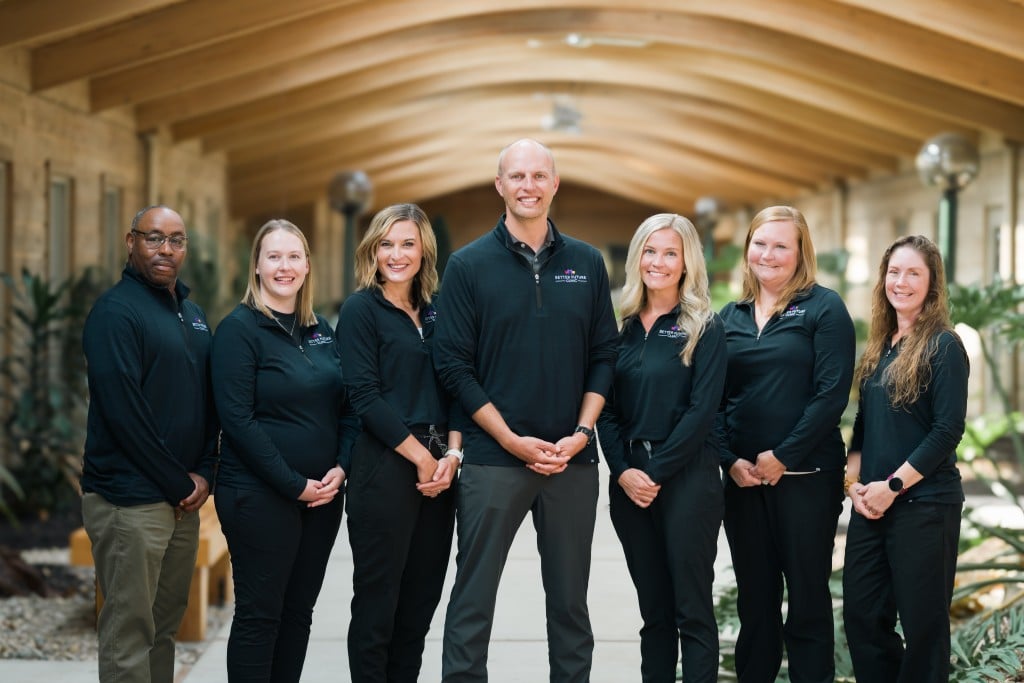
James Macon with Iris Family Support Center, Shelby Hansen, Stefani Fillers, Dr. GiaQuinta, Emily Park, Jen Konger, Stephanie Appelhanz
The Better Future Clinic is made possible through the generosity of the Parkview Health Foundation’s Shaffer Trauma & Emergency Services Fund, along with the Community Foundation of Greater Fort Wayne’s Dr. Bill Lewis Isaac Campbell Kidd Fund.
This article was made in partnership with Parkview Health.
Related Articles
Help shape future coverage – join our upcoming listening session
Join Input Fort Wayne at Tall Rabbit for coffee, conversation, and a chance to share the issues, people, and neighborhood stories you think deserve more attention.
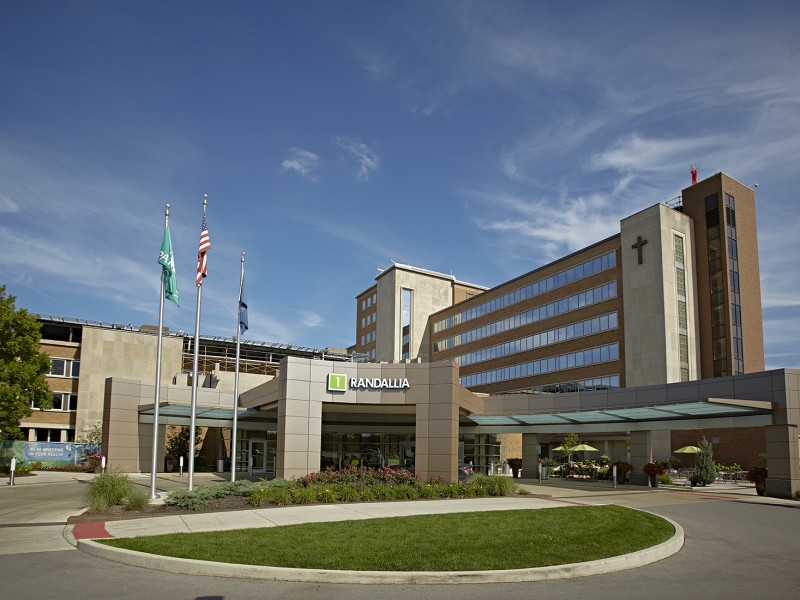
Partner Partner Content Five Parkview facilities earn “A” grade for patient safety
Patient safety demands continuous effort. Leapfrog Hospital Safety Grades analyze structural and outcome-based measures to ensure excellence in healthcare delivery.