What does eco-friendly riverfront development look like?
A Chicago architect with Fort Wayne roots shares the benefits of communal, sustainable spaces.
If you’ve been to Chicago, you might have visited the Ledge at SkyDeck.
It’s a glass box extending about four feet out from a skyscraper’s 103rd floor, allowing guests to step out and see the city beneath their feet.
What you might not know is that the architect who designed it is Thomas Kerwin, a Snyder High School graduate who grew up in Fort Wayne.
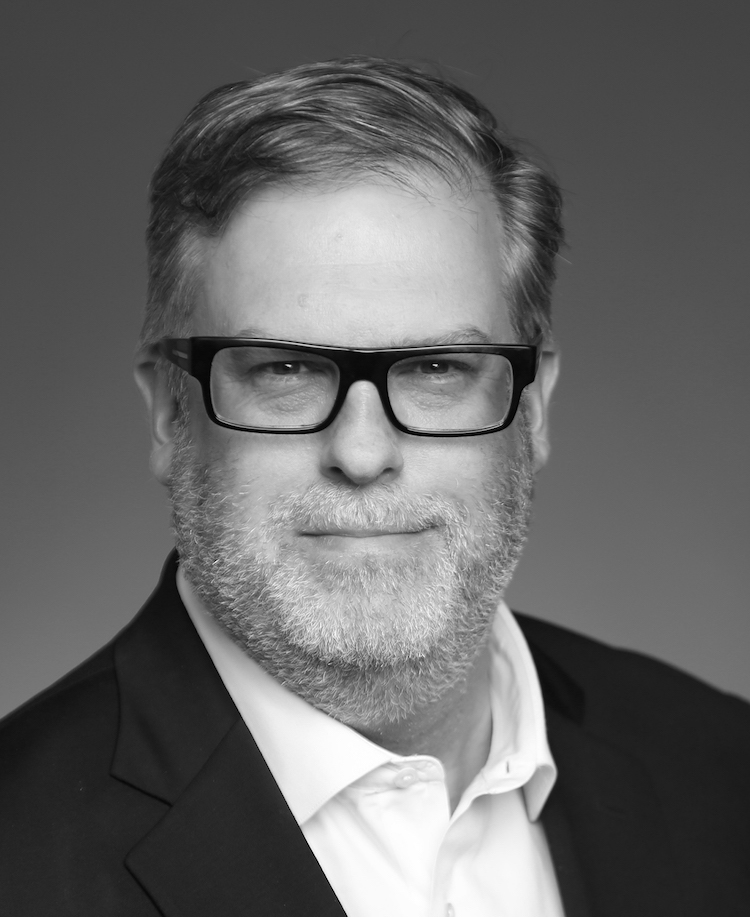
Now, as a world-class architect with his own firm, bKL Architecture in Chicago, Kerwin might be bringing his designs back to the Summit City.
He’s is part of a consortium of architects and planners bidding for a job to bring innovative, sustainable designs to Riverfront Fort Wayne, and while he has done bigger projects in bigger cities, this project hits close to home.
“I remember the days of when Harvester and GE were big employers, and I remember the days when those employers went away,” Kerwin says.
He moved to Fort Wayne with his family when he was four and left after graduating high school in 1981. But he still comes back to visit friends, and he’s impressed by the new energy he sees downtown in local shops, restaurants, and projects taking shape.
“I’ve kind of witnessed the ups downs and backups of what’s happening,” Kerwin says. “It’s pretty exciting to see.”
Particularly, he’s optimistic about helping Fort Wayne making better use of its rivers.
While Kerwin remembers the words “three rivers” being used in conversation and marketing as a kid, he doesn’t remember many opportunities to interact with rivers, other than the annual raft race at the Three Rivers Festival.
Now, with riverfront development underway, he hopes residents will enjoy the riverfront more often.
That’s where his experience comes into play. He’s worked on riverfront projects in several cities, enhancing the natural surroundings by weaving rivers into a mix of public and private urban spaces.
Most recently, he designed the Wolf Point West luxury apartments towering 48 stories over the confluence of the north, south, and east branches of the Chicago River.
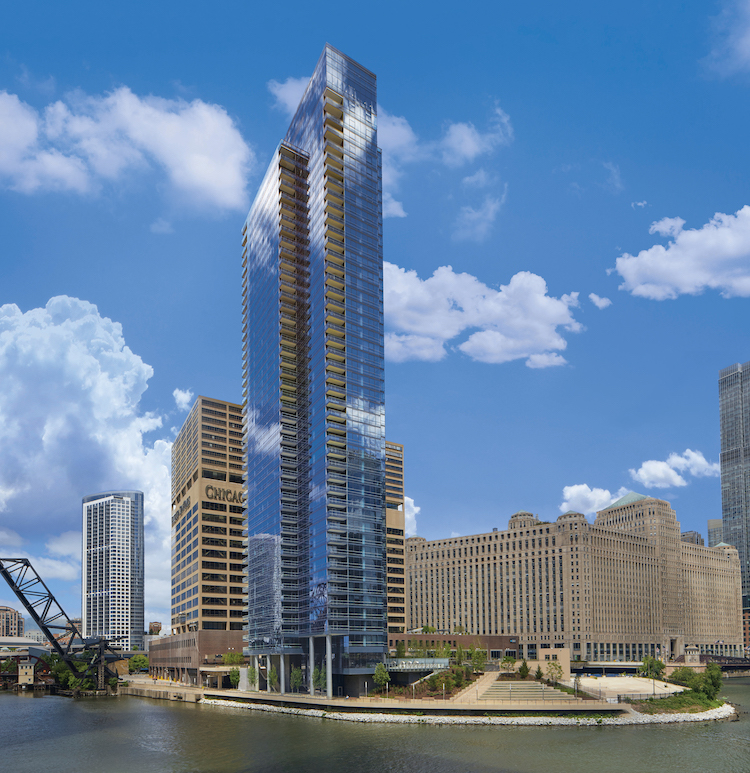
Surprisingly, although this key location is where the original settlement of Chicago began, it sat as a parking lot for decades.
“It was a hugely underutilized piece of land,” Kerwin says. “Reconnecting that land within the urban fabric of the new riverfront initiatives was a key component of the project.”
The building rests on large columns above the Chicago Riverwalk, giving light and air to the public passing underneath. Floor-to-ceiling windows offer residents on all sides access to natural light, too.
Kerwin says a big selling point for the complex is its “communal” atmosphere with special attention paid to shared spaces.
For example, amenities like fitness centers are scattered throughout the building instead of being kept to the ground floor, so all residents have access to the most impressive views.
“One of the trends we’re seeing in all cities right now is people wanting to be in the core and around people,” Kerwin says. “Their place of residence has often become communal, especially when more and more people are working from home. They don’t have that office community anymore; their community becomes around where they live.”
Another key aspect of the project is sustainability.
Wolf Point West has a LEED (Leadership in Energy and Environmental Design) Silver Certification, qualifying it as a “green” building.
Kerwin says when people think about sustainability, they often consider automobiles and factories, but buildings, as a whole, are some of the primary contributors of carbon to the atmosphere.
“The raw materials that go into buildings, the functioning of the building, and the energy it takes to operate—all throughout the cycle,” Kerwin says.
Therefore, sustainable architecture is not just about adding solar panels to roofs. It goes all the way down to what materials architects use to build, how materials get to the site, and how they are disposed of.
When natural spaces like riverfronts are developed, an environment-friendly approach is key.
“Buildings are a significant contributor to the atmosphere,” Kerwin says. “The more we can do to make buildings more energy efficient and more sustainable is a good thing for everybody.”
Author

Related Articles
Help shape future coverage – join our upcoming listening session
Join Input Fort Wayne at Tall Rabbit for coffee, conversation, and a chance to share the issues, people, and neighborhood stories you think deserve more attention.
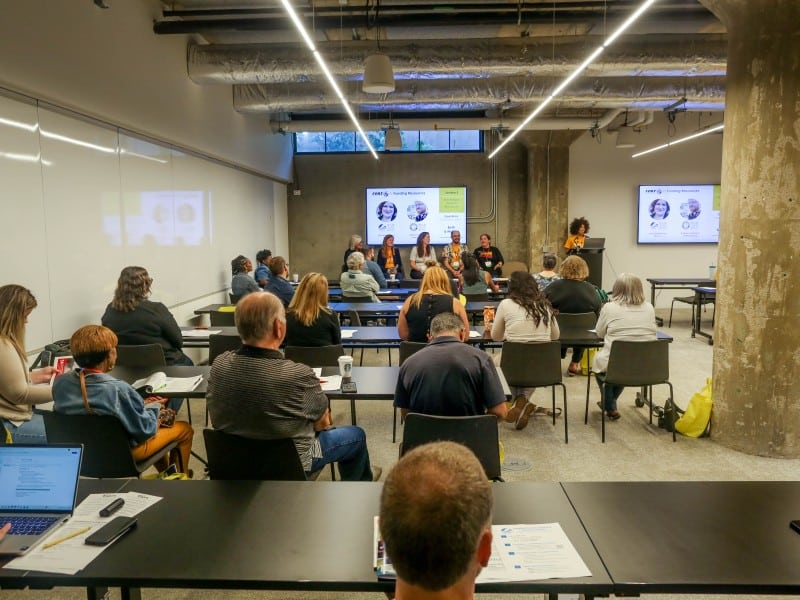
Partner Partner Content Bringing neighbors together: Q&A with Réna Bradley on the Inspire Neighborhoods Conference
Neighborhood Planner Réna Bradley explains how the Inspire Conference supports local change-makers by connecting residents and sharing tools for building resilience.
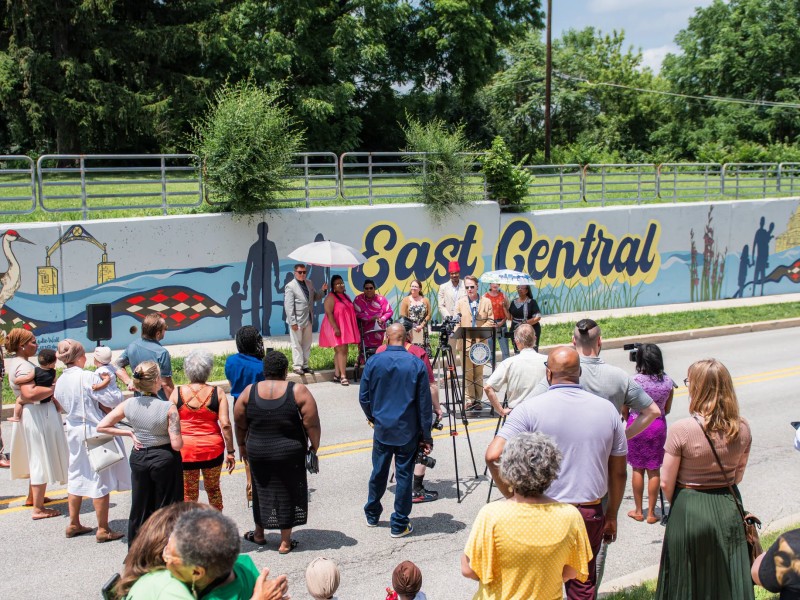
How public art is showing up in Fort Wayne’s neighborhoods
Neighborhood leaders say art installations help evoke and maintain a sense of place, identity, and pride.