Partner Partner Content Five Parkview facilities earn “A” grade for patient safety
Patient safety demands continuous effort. Leapfrog Hospital Safety Grades analyze structural and outcome-based measures to ensure excellence in healthcare delivery.
This article was made in partnership with Parkview Health.
Reaching and maintaining high levels of quality and safety in healthcare is “forever work,” requiring both attention to detail with individual patient care and a supportive network of policy, procedures and data.
Receiving an “A” grade in the semiannual Hospital Safety Grades by The Leapfrog Group – a top advocacy group analyzing safety performance at facilities nationwide – takes a holistic effort by hospitals to build and consistently apply best practices aimed at preventing illnesses, accidents and complications before they happen.
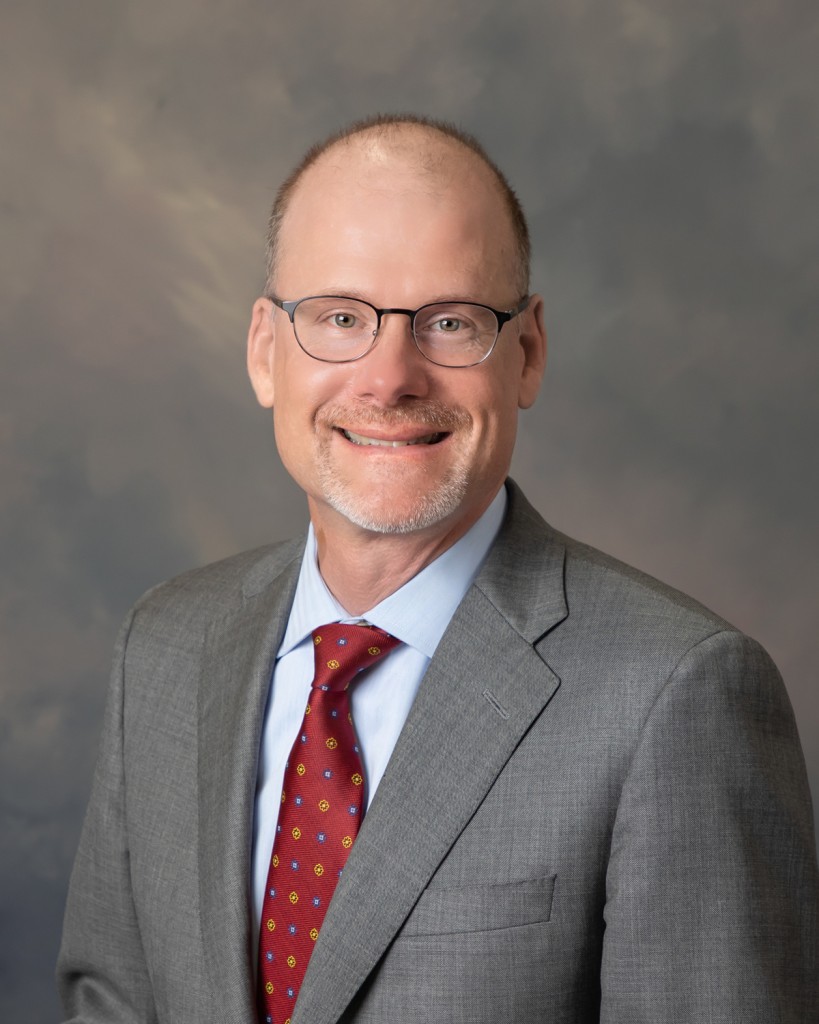
“A lot of this is forever work,” explains Dr. Jeffrey Boord, chief quality and safety officer for Parkview Health. “You never stop working on it. You have to have a firm operational process every day, all the time.”
Leapfrog’s Hospital Safety Grades score nearly 3,000 general acute-care hospitals across the nation twice per year, assigning scores on an A-F scale. Leapfrog’s panel analyzes 32 evidence-based measures of patient safety, using publicly available data from sources such as the Centers for Medicare and Medicaid Services (CMS) and self-reported data by hospitals.
Leapfrog’s analysis looks at two halves of the safety equation. Half of a facility’s score is based on process and structural measures, looking at policy best practices such as effective use of technology, safety systems, provider training, staffing ratios and hand hygiene. The other half of the score is based on outcomes, such as incidence of hospital-acquired illnesses, medical errors, or patient complications.
In spring, Leapfrog scored 51 Indiana hospitals, with just 16 earning an “A” grade. Parkview hospitals received five of Indiana’s 16 total “A” grades on the most recent report card and was one of only two health systems to receive more than one “A.”
The program is not currently able to score smaller critical access hospitals, such as Parkview hospitals in LaGrange and Wabash, or specialty hospitals, such as Parkview Ortho Hospital.
Ongoing litigation filed by a Florida-based hospital system over the report card methodology has led Leapfrog to temporarily not score hospitals that don’t participate in Leapfrog’s additional data survey. In Indiana, 21 hospitals were not rated in spring 2026 due to that change.
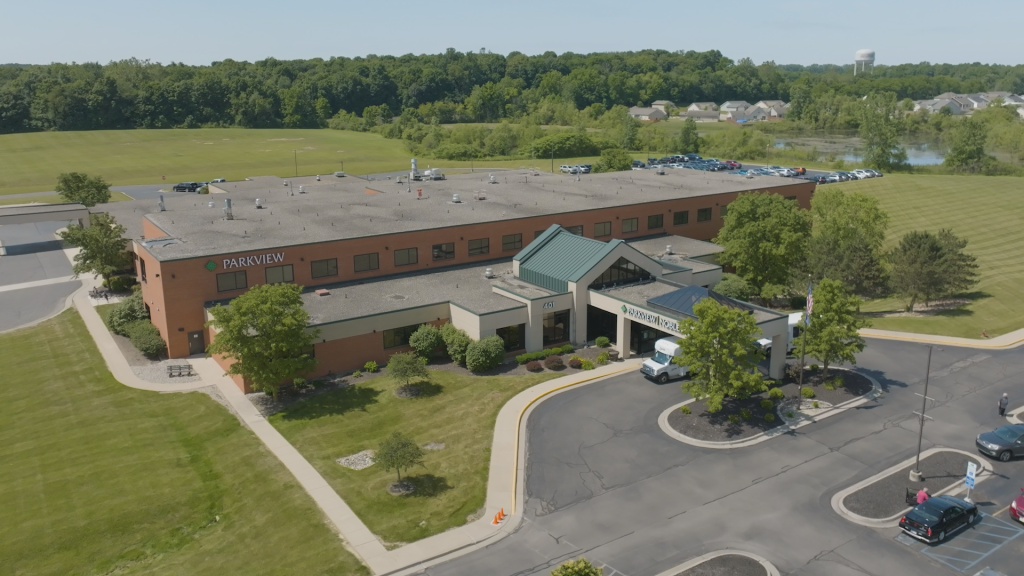
Top-performing hospitals with Leapfrog are the ones that can consistently protect patients as well as maintain a culture of safety that supports prevention.
“We have to have good performance in both domains,” says Boord. “We can’t meet the structural benchmarks and then be mediocre on outcomes. You can’t get an ‘A’ and maintain it if you don’t do all of it consistently.”
What does that look like in practice?
It’s recording and analyzing data on more than 14,000 hand hygiene observations across the health system each month, Boord explains. It’s having, using and demonstrating the functionality of a computerized ordering system and barcode scanning technology that ensures safe medication ordering, dispensing, and administration. It’s having robust data analysis to identify an uptick in a certain outcome or complication and responding to it quickly and effectively.
As an example, Parkview had previously seen some increases in rates of two common inpatient complications, catheter-associated urinary tract infection (CAUTI) and central line-associated bloodstream infection (CLABSI), Boord says. By having the infrastructure to identify the change early, the nursing, infection prevention and quality teams were able to respond.
“We invested in our IV team and staff training to do better line care, and our rates plummeted,” Boord says.
But, Boord stresses that the key to maintaining top-level safety is not just addressing the issue, but also monitoring it to ensure that the interventions remain effective.
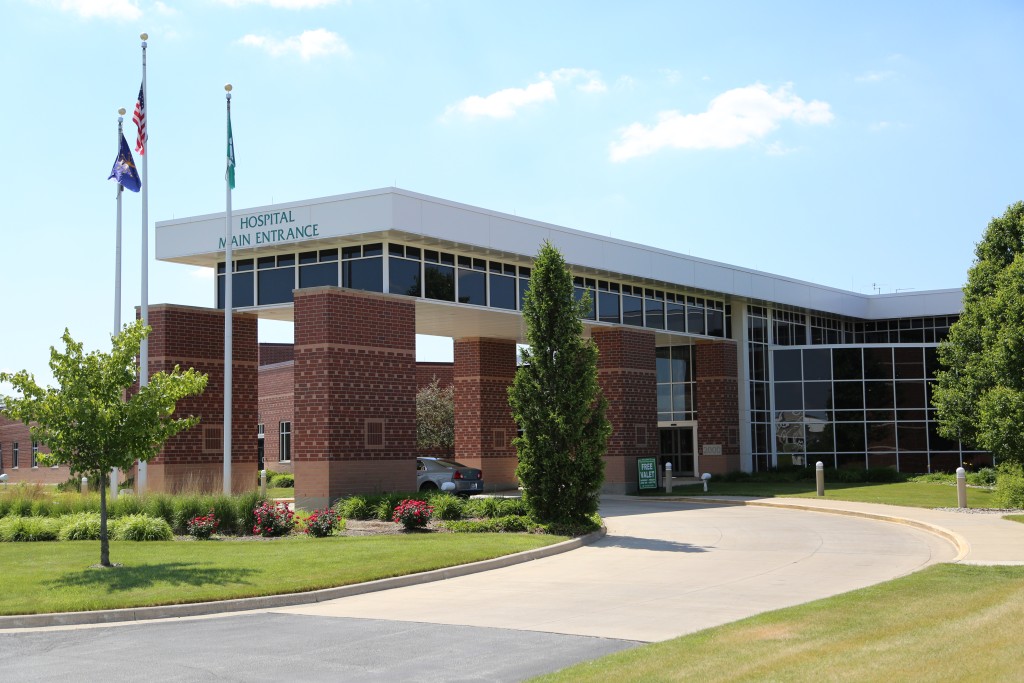
“It is not, ‘We solved the problem and moved on,’” Boord adds. “You must constantly monitor, learn and adapt to maintain safety.”
The single letter grade that hospitals receive comprises 22 different components, each of which is weighted differently for impact on patient safety. For example, electronic ordering and barcode scanning technology account for about 6% each of the process/structural score, while total nursing care hours per patient day are weighted at 4.7%.
Those weightings can sometimes cause more volatility in letter grades among smaller hospitals with fewer staff and lower patient volumes, Boord says. For example, in a community hospital, the difference between an “A” and “B” grade could be having four instances of CAUTI as compared to three, which underlines the importance of having a structure that supports the highest levels of quality for every patient, every day.
Boord also notes that Leapfrog’s program is always evolving. Healthcare is a fast-moving industry with advances in research, technology and best practices, and that is reflected in annual updates to the methodology that incorporate new benchmarks.
For example, Leapfrog recently updated guidelines for critical care staffing in pediatric intensive care units (PICU), Boord mentions. That change in Leapfrog guidelines was an impetus for Parkview to evolve its PICU staffing model in Fort Wayne and recruit additional pediatric critical care providers to keep pace with advancements and improve care.
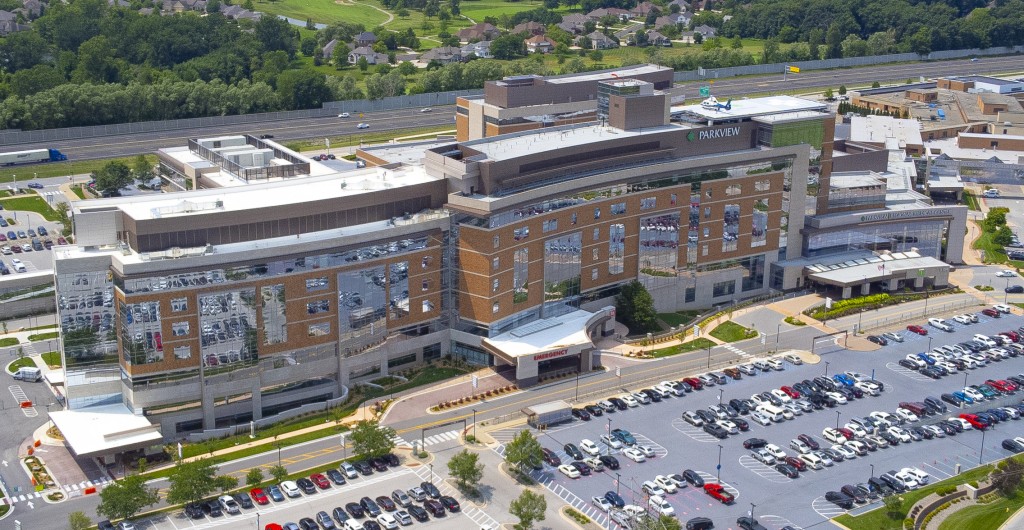
Leapfrog provides detailed information about its methodology and benchmarks, which helps serve as a guide for healthcare professionals to integrate key safety practices for patient care.
“Healthcare is inherently complex and risky, and our clinical and support teams have to create safety every single day as they provide patient care to ensure the best outcomes,” Boord says. “Creating safety requires a commitment to continuous learning, teamwork and improvement.”
“A” Hospitals in Indiana
Sixteen Indiana hospitals received an “A” safety grade from The Leapfrog Group on the spring 2026 report card. Here’s the list of the most recent top-rated hospitals:
- Parkview Regional Medical Center (Fort Wayne)
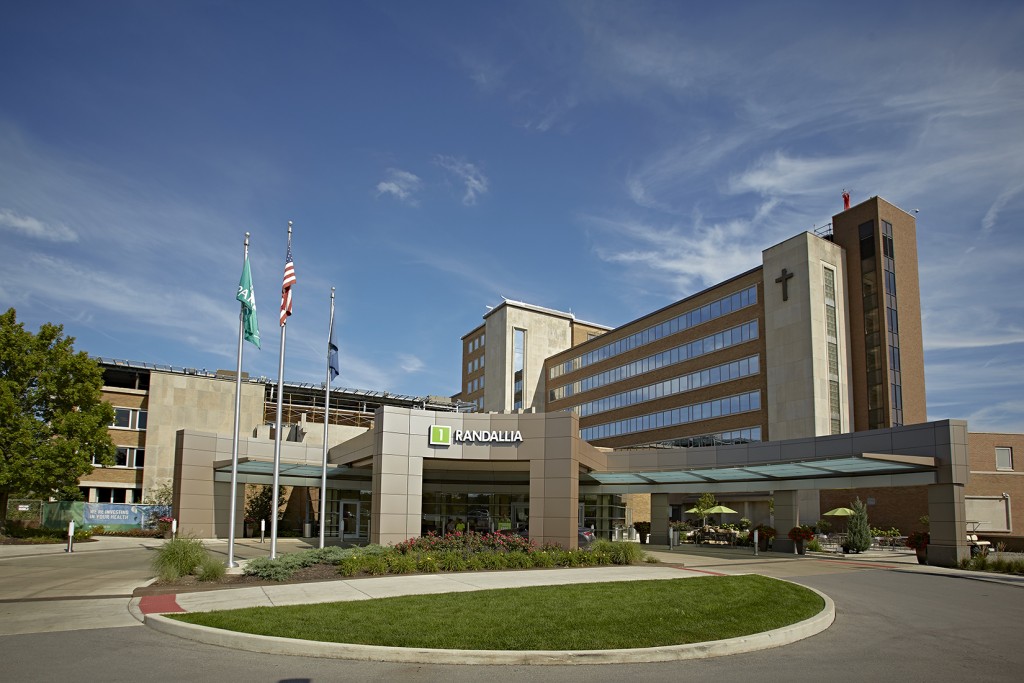
- Parkview Hospital Randallia (Fort Wayne)
- Parkview Huntington Hospital (Huntington)
- Parkview Noble Hospital (Kendallville)
- Parkview Whitley Hospital (Columbia City)
- Hancock Regional Hospital (Greenfield)
- Ascension St. Vincent Kokomo (Kokomo)
- Dupont Hospital (Fort Wayne)
- Franciscan Health Crawfordsville (Crawfordsville)
- Franciscan Health Munster (Munster)
- Hendricks Regional Health – Danville Hospital (Danville)
- Lutheran Kosciusko Hospital (Warsaw)
- Monroe Hospital (Bloomington)
- Norton King’s Daughters’ Health (Madison)
- St. Mary Medical Center (Hobart)
- St. Elizabeth Dearborn (Lawrenceburg)
Statewide ratings
The Leapfrog Group grades hospital quality and safety twice per year on an A-F scale. Here’s a look at how Hoosier hospitals scored overall in fall 2025:
A – 16
B – 20
C – 14
D – 1
F – 0
Not rated – 21
For a fully searchable database of the most recent Hospital Safety Grades, including more detailed information for individual facilities, visit www.hospitalsafetygrade.org. The next set of Leapfrog grades is expected to be released in November.
This article was made in partnership with Parkview Health.
Author

Related Articles

Column: Medicaid Changes and the Potential Impact
Recent actions in Indiana, Nebraska, and other states to come, put at risk those personal choices of the disabled who are dependent on Medicaid, about where and how to live their lives.
Partner Partner Content How Parkview is building brighter futures at the Better Future Clinic
The Better Future Clinic provides follow-up medical care for children who may have been abused or neglected. The goal is to provide timely and ongoing care, foster connections to vital resources, and build brighter futures for children, parents, and the community.

Help shape future coverage – join our upcoming listening session
Join Input Fort Wayne at Tall Rabbit for coffee, conversation, and a chance to share the issues, people, and neighborhood stories you think deserve more attention.