So Brunch Babe: Can adoptive parents be harmful?
In this self-titled column, Thomas Beckman — known online as @SoBrunchBabe – explores his personal experience with adoption during National Adoption Month.
I understand the title of this might raise a few eyebrows. Maybe even a little defensiveness. I imagine the rebuttal is already sitting on the edge of your tongue.
But hear me out.
November is National Adoption Month. Courtrooms celebrate new families, judges pose for photographs, and adoptive parents reflect on the journeys that brought their children home. It’s beautiful.
But are we celebrating the whole story, or just the parts that make us feel good?
My son came home from the hospital, and my world changed forever. I became a father. Alongside the paperwork, hearings, and parenting a newborn, I learned things about adoption I might never have considered otherwise.
I once shared part of our journey using #AdoptionStory. Adult adoptees found their way into my comments and explained why certain hashtags and narratives could be sensitive.
Adult adoptees. A community. Had I ever considered that community before? Apparently not.
They challenged me on self-centered language, oversharing, savior complexes, and the most uncomfortable subject of all: adoption trauma.
I can already hear the question: How is adoption traumatic?
We provide loving homes, stability, bedtime stories, birthdays, and everything we believe children need to thrive.
But how often do we say the quiet part out loud — it sucks not being raised by your biological parents?
Not every adoptee experiences adoption the same. Still, love and safety don’t automatically erase separation, loss, or questions of identity. Those truths can exist together.
I started listening to adult adoptees’ testimonies and encountered a phrase that stopped me in my tracks: Adoptive Parents Can Be Harmful.
Consider how casually people ask for access to a child’s history.
“Where did you get him?”
“Where are his real parents?”
“Why couldn’t they keep him?”
Curiosity doesn’t make my son’s private life public property. Protecting him also means respecting his biological parents (bio parents, first parents).
I refuse to throw someone else under the bus to make my parenting look heroic. Too often, biological parents are treated as less loving or less deserving because their children were adopted. Life is rarely that simple.
I won’t build my identity as a good father on the assumption that someone else had to be a bad parent.
Adoption didn’t give my son a better life. It gave him a different one. His history isn’t a talking point designed to earn me applause.
Then there’s the money.
Private adoption can involve significant fees and financial incentives. Investigations, including reporting by PBS about so-called “baby brokers,” have raised troubling questions about exploitation. Not every agency operates for profit, and adoption is not inherently trafficking, but any system involving money, vulnerable families, and children deserves scrutiny.
Who benefits? Who gets to become a parent? Who receives support to keep their family together? And whose choices are shaped by financial desperation? When we discuss children in terms of supply and demand, we should recognize how uncomfortable that sounds.
Children are not commodities. Parenthood is not a purchase.
So why do I bring this up during National Adoption Month?
Because my son’s story doesn’t begin with me.
There are people, circumstances, and pieces of his identity that existed before I held him. I owe him the dignity of knowing that.
I’m not raising my son to love me. I’m raising him to love his story. Even the complicated chapters. Even the questions I can’t answer. Even the possibility that he may grieve a life he never experienced.
I don’t get to decide how he feels about adoption because I know how much I love being his dad. My job is to make room for his feelings without taking them personally.
Gratitude isn’t something he owes me. Love doesn’t erase loss. Being a good parent means being willing to examine the system that I signed up for.
I hope one day he tells me, “I’m glad you were there.”
Not because I rescued him. Not because he owes me anything, but because I showed up, listened, learned, and gave him space to decide what his story means.
Maybe National Adoption Month should be more than a celebration of adoption. Maybe it should be an invitation to listen to adoptees, especially when what they say makes us uncomfortable. Their voices shouldn’t be secondary characters in stories about their own lives.
My son’s adoption isn’t a secret, but it isn’t a story the public is entitled to, either. However, if we don’t acknowledge their pain and loss, we as adoptive parents CAN be harmful in their healing.
The commentary provided in this post reflects the author’s personal perspectives and not those of Input Fort Wayne or its parent company, Issue Media Group.
Author

Related Articles
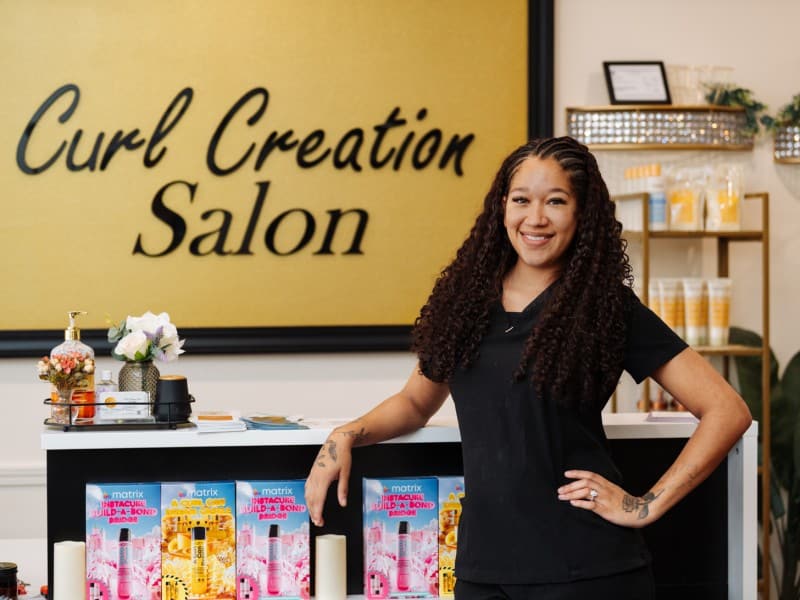
Building for the future: Inside Curl Creation Salon’s next chapter of growth
Curl Creation Salon has expanded to a new Georgetown Square location, scaling its staff, training programs, and client capacity.
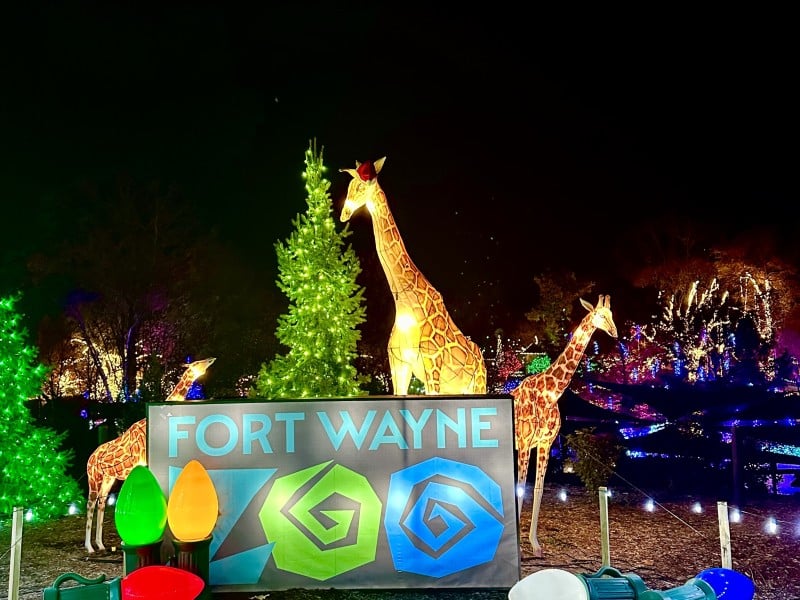
#PlacesofNEI: ‘Tis the season for Fort Wayne’s fun light displays
A new ticket options gives you access to Wild Lights at the Fort Wayne Zoo, Blue Jacket Fantasy of Lights, and Holiday Lights at Parkview Field.
So Brunch Babe: “The Myth of Authenticity”
In this self-titled column, Thomas Beckman — known online as @SoBrunchBabe – explores the intimacy of modern adulthood through social commentary, cultural reflection, and personal narrative.